The Highlights of Canterbury - a One Hour Historical Walking Tour
Active
1h
For a full refund, cancel at least 24 hours before the scheduled departure time.
Instant confirmation
Mobile or paper ticket accepted
About this experience
This carefully crafted walking tour has been specially developed for visitors who want a quick introduction to the very best that the city has to offer before exploring sites in more detail. If so, this is the tour for you! Lead by Canterbury resident and Cambridge PhD, Dr Anthony Medhurst, you will discover the most fascinating, historic and beautiful locations within the city's historic walls - all within one hour.
Available options
The Highlights of Canterbury - a One Hour Historical Walking Tour
What's included
Entertaining local guide with a Cambridge PhD in History
Detailed itinerary
1
You will be met by your guide, Dr Anthony Medhurst, outside The Hampton by Hilton hotel in St Margaret's Street. Here you will hear about the Iron Age origins of Canterbury; two preliminary raids in 55BC and 54BC by Julius Caesar; and the significant impact of the Roman invasion and settlement in AD43-410. You will have the opportunity to view the remains of the Roman theatre built in AD 80 which was further developed into a venue for 3000+ people and is located right under your feet! You will also view the adjacent Roman road, Watling Street, which passes next to the theatre and runs straight through Canterbury between London and Dover, as well as the location of a nearby temple complex and public bath houses.
2
We will then walk to the corner of St Margaret's St and High Street which is at the crossroads of the Roman city. Here you will learn about the murder of Archbishop of Canterbury, Thomas Becket, at the hands of four knights acting for King Henry II. The subsequent declaration of miracles attributed to those who came into contact with the spilt blood of Thomas within the Cathedral, lead to his sainthood and Canterbury becoming the focus for pilgrimage for many to his tomb. You will discover what it was like to be a pilgrim coming to Canterbury between 1170-1538 and see the remains of shops, inns and accommodation they used.
3
As we leave St Margaret’s Street and cross the road to Butchery Lane, we will stop for a fantastic photo opportunity of the Cathedral and its quaint cobbled streets and medieval buildings. At this point you will also learn about the origins of the Cathedral, most notably the arrival of Augustine in Canterbury in AD597, and the subsequent spread of Christianity throughout the country. The construction of the Cathedral, St Augustine's Abbey and St Martin's church from this period are why all are now listed as UNESCO World Heritage sites.
4
Stop 4
From here we will walk to the Cathedral Gate, the main entrance to one of the historic home of the Anglican church. You will gain an insight into the gate’s connection with Henry VIII and the Tudor family, as well as a wider understanding of the impact of the Reformation on Canterbury and the Cathedral. Whilst there, you will learn more about the Buttermarket - the cobbled square which is the focal of the medieval city and the location of a number of pilgrim hotels and taverns.
5
Our next stop is the idyllic setting of the River Stour. This historic crossing point was the location of the Dominican friars, known as the Blackfriars. Here you can hear more about the influence of friars and monks to Canterbury and see for yourself two buildings which survive from this period: a refectory which was used by Dominicans as a dining hall and separate quarters for guest accommodation. This beautiful location is excellent for photo opportunities. Whilst here, you will hear about of one of Canterbury's most famous sons and contemporary of William Shakespeare, the dramatist Christopher Marlowe. You will be told stories about the importance of Canterbury in his short, but colourful life, and which ended in his untimely death in a Deptford tavern.
6
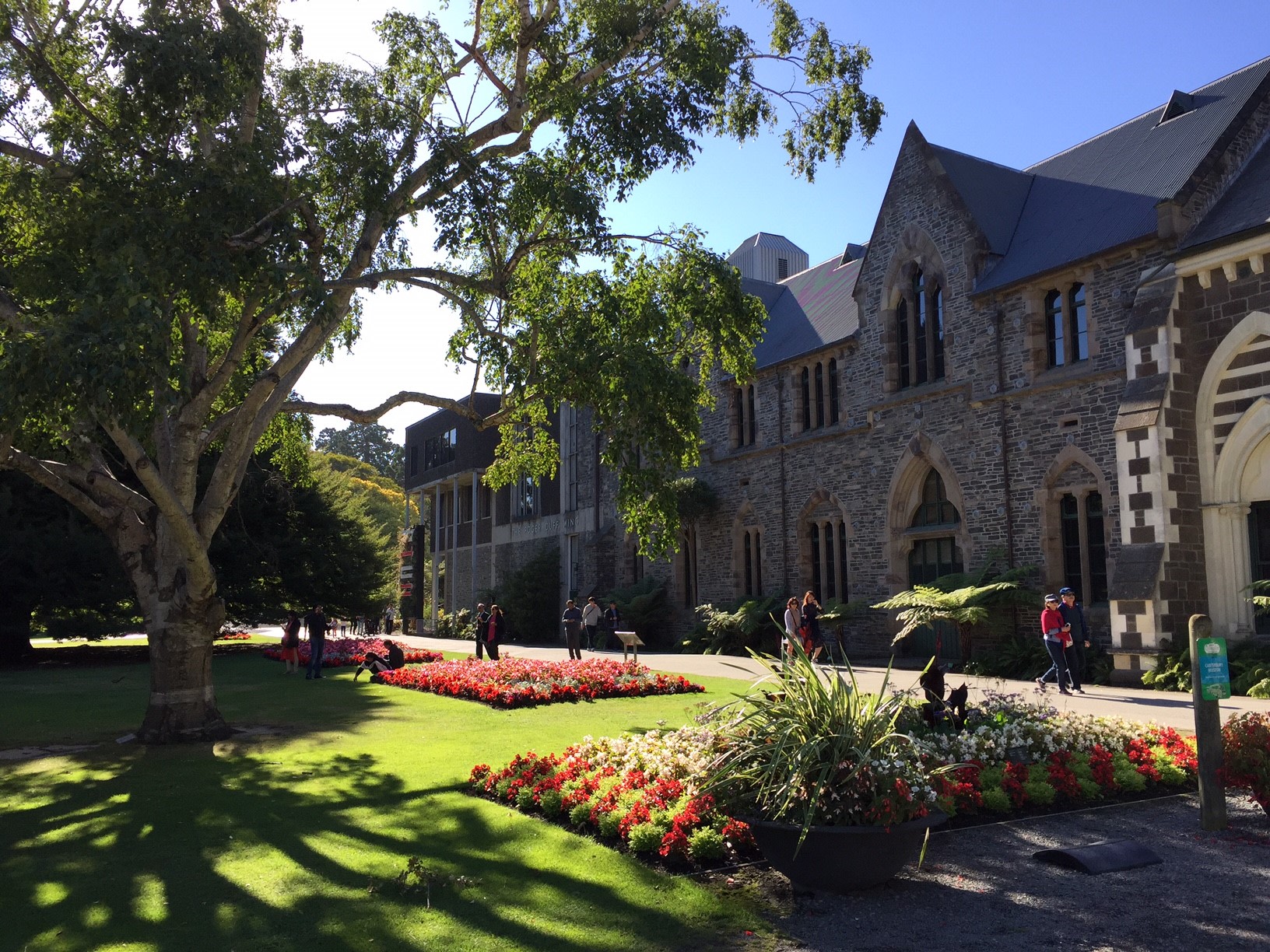
We will move on to the largest surviving medieval fortified tower in existence – the Westgate Tower. The Romans originally protected Canterbury with defensive walls between 270-290AD and seven gateways. During the Hundred Years War with France, the walls were strengthened further and two massive fortified gateways constructed. You will discover the innovative features of the Westgate and its role in protecting Canterbury in ensuing centuries. We will then take a short stroll into the neighbouring Westgate Gardens which, with its medieval houses, ancient archway and idyllic riverside setting, is an ideal spot for photos. You will also get the chance to see the submerged female figure in the river – ‘Alluvia’ – which was based on the character ‘Ophelia’ in Shakespeare’s ‘Hamlet’. ‘Alluvia’ is a striking sculpture produced by a prominent local artist which is not only a dramatic work of art but also has the dual purpose of measuring the temperature and cleanliness of the River Stour!
7
We head down the High Street towards the Old Weavers’ House which is located at another delightful riverside location on the King’s Bridge. Here you will see a beautiful timbered Tudor building which housed workers in the textile trade. You will hear about the importance of Protestant weavers who fled the Low Countries and later France in the 1500s and 1600s but who contributed significantly to the re-emerging wealth of Canterbury after disastrous desecration following King Henry VIII’s Dissolution of the Monasteries in 1538. Furthermore you will also be able to view slightly further downstream a grim reminder of how difficult life could be centuries ago - a ‘witches dunking stool’. Women accused of witchcraft faced the prospect of five seemingly impossible tests including being held underwater in the chair for several minutes. If the accused survived this test, she was proven to be a witch: if she drowned, she was deemed innocent and considered cleansed and forgiven by the water.
8
Just a few steps away from the King’s Bridge is a statue commemorating the significance of Geoffrey Chaucer’s ‘Canterbury Tales’ which was written in the late 1300s. You will gain an understanding of the significance of the ‘Canterbury Tales’ to the city and country as a whole. You will also hear something about Canterbury's even more famous son – Orlando Bloom – who is featured on the statue.
This will be the last stop before returning to St Margaret’s Street from where the tour began.
9
The tour returns to the Hampton by Hilton.
What's not included
Gratuities
Available languages
Guide guide
EN
Reviews breakdown
Viator
5.0
1 reviews
5★
1
4★
0
3★
0
2★
0
1★
0
Important information
Wheelchair accessible
Infants and small children can ride in a pram or stroller
Service animals allowed
Public transportation options are available nearby
Transportation options are wheelchair accessible
All areas and surfaces are wheelchair accessible
Suitable for all physical fitness levels
Meeting point
Meet outside the Hampton by Hilton.
About Canterbury
Canterbury is a historic English city known for its stunning cathedral, a UNESCO World Heritage Site, and its rich medieval heritage. The city is a vibrant blend of ancient and modern, offering a unique experience for history buffs, culture enthusiasts, and casual visitors alike.
Top Attractions
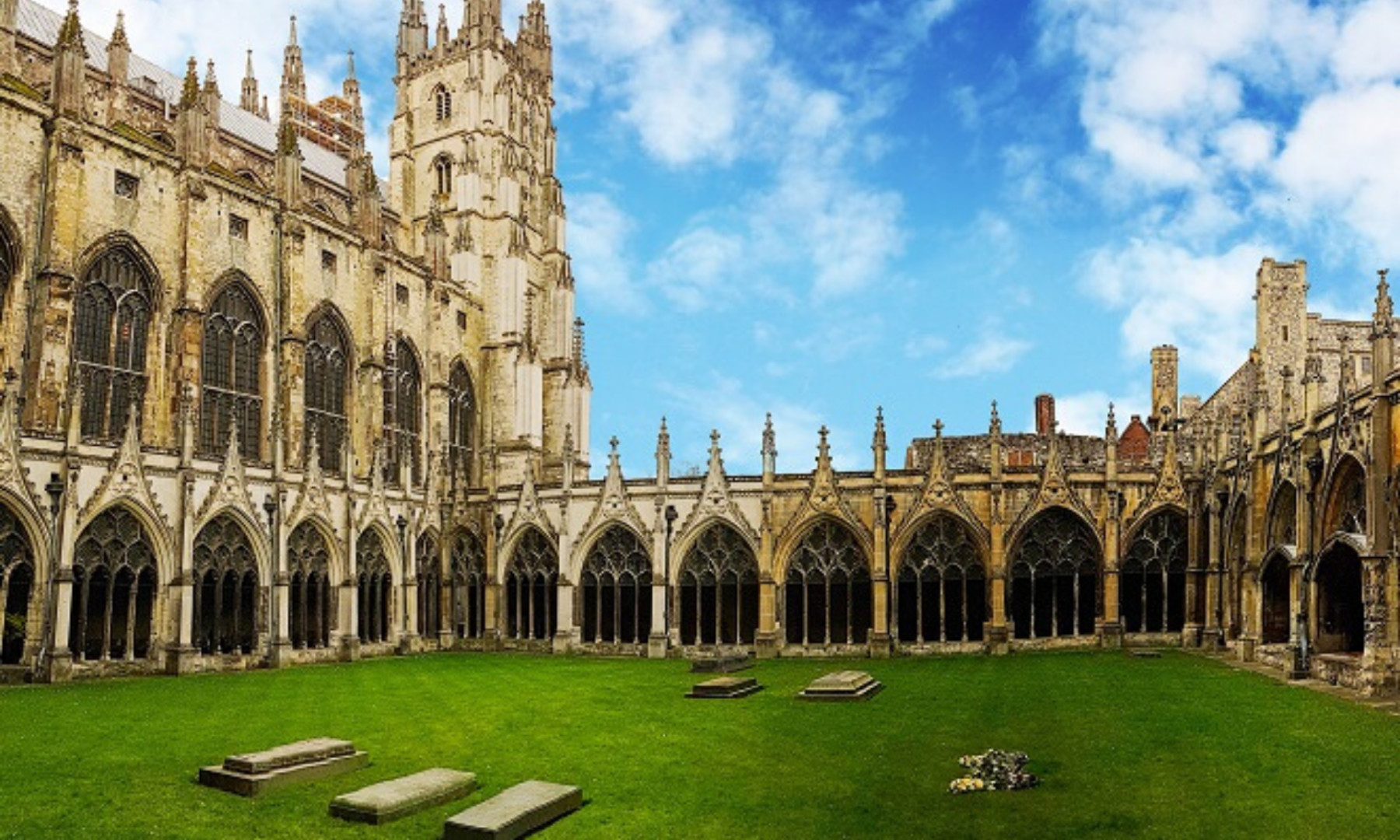
Canterbury Cathedral
A UNESCO World Heritage Site and one of the oldest Christian structures in England, Canterbury Cathedral is a masterpiece of Norman architecture.
Historical/Religious
1-2 hours
£14
Canterbury Roman Museum
This museum showcases the rich Roman history of Canterbury, featuring artifacts and a reconstructed Roman townhouse.
Historical/Museum
1-1.5 hours
£10.50
Canterbury Tales
An interactive attraction bringing to life the famous stories by Geoffrey Chaucer, using animatronics and live actors.
Cultural
1-1.5 hours
£14.50
Westgate Gardens
A beautiful riverside park offering scenic walks, picnic spots, and views of the River Stour.
Nature
30 minutes to 1 hour
Free
St. Augustine's Abbey
A UNESCO World Heritage Site and the ruins of a former Benedictine monastery founded by St. Augustine in 597 AD.
Historical/Religious
1-1.5 hours
£8.50
Must-Try Local Dishes
Kentish Pie
A traditional pie filled with locally sourced meats and vegetables, often including lamb or beef.
Main Course
Contains meat and gluten
Hop Bine Vinegar
A locally produced vinegar made from hops, used as a condiment or in dressings.
Condiment
Vegan and gluten-free
Kentish Crab
Fresh crab caught in the waters around Kent, often served with brown bread and butter.
Appetizer
Contains shellfish
Popular Activities
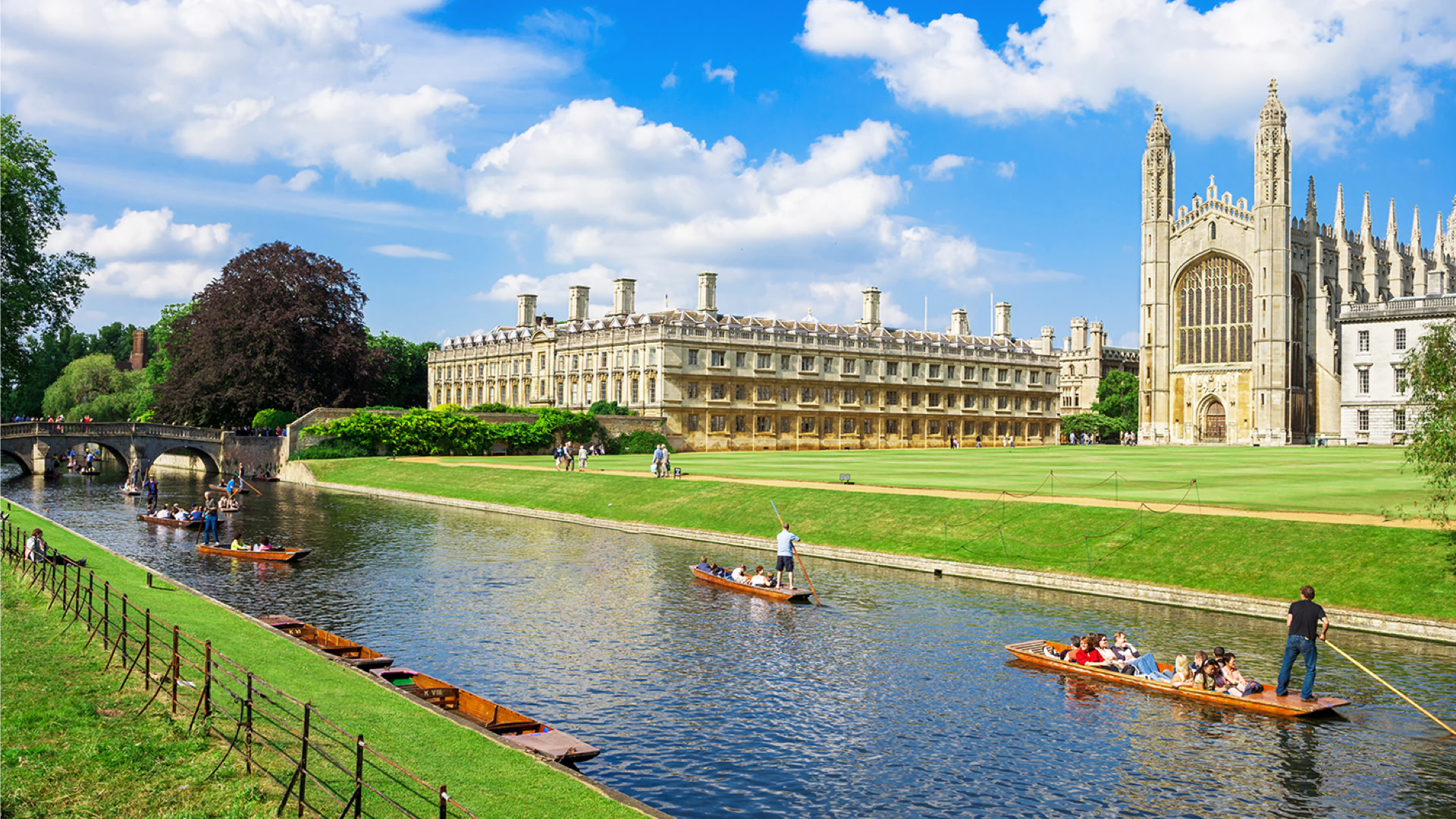
Boat tours on the River Stour
Cycling along the National Cycle Network
Picnicking in Westgate Gardens
Afternoon tea at a historic tea room
Visiting Canterbury Cathedral
Exploring the Canterbury Tales attraction
Beach activities in nearby coastal towns
Visiting Christmas markets
Best Time to Visit
June to August
Summer is the peak tourist season with warm weather, long daylight hours, and various festivals. The city is lively but can be crowded.
15°C to 25°C
59°F to 77°F
Practical Information
Language
- Official: English
- Widely spoken: English
- English: Widely spoken
Currency
British Pound (GBP)
Time Zone
GMT (UTC+0) or BST (UTC+1) during daylight saving time
Electricity
230VV, 50HzHz
Safety Information
Overall Safety Rating: Generally safe
Canterbury is generally a safe destination for travelers, with low crime rates and a welcoming atmosphere. However, as with any destination, it's important to stay aware of your surroundings and take basic precautions.
Important Precautions:
- • Keep valuables secure and out of sight
- • Be cautious of pickpockets in crowded areas
- • Use licensed taxis or ride-sharing services
Getting there
By air
- London Gatwick Airport • 70 miles (113 km)
- London Heathrow Airport • 65 miles (105 km)
By train
Canterbury East, Canterbury West
By bus
Canterbury Bus Station
Getting around
Public transport
Buses are the primary mode of public transport within Canterbury. The network is efficient and covers most areas.
Taxis
Available • Apps: Uber
Rentals
Car, Bike, Scooter
Neighborhoods
City Centre
Westgate Gardens
Northgate
Wincheap
Day trips
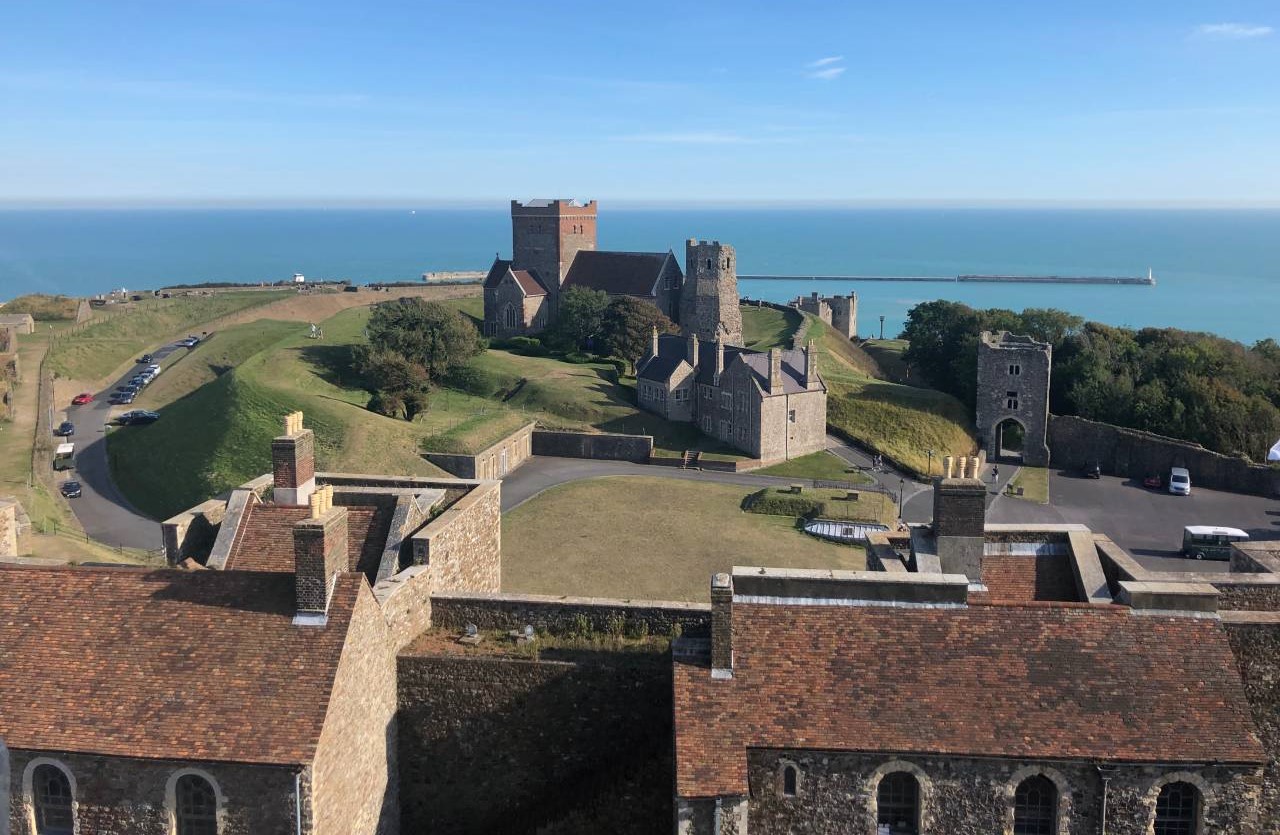
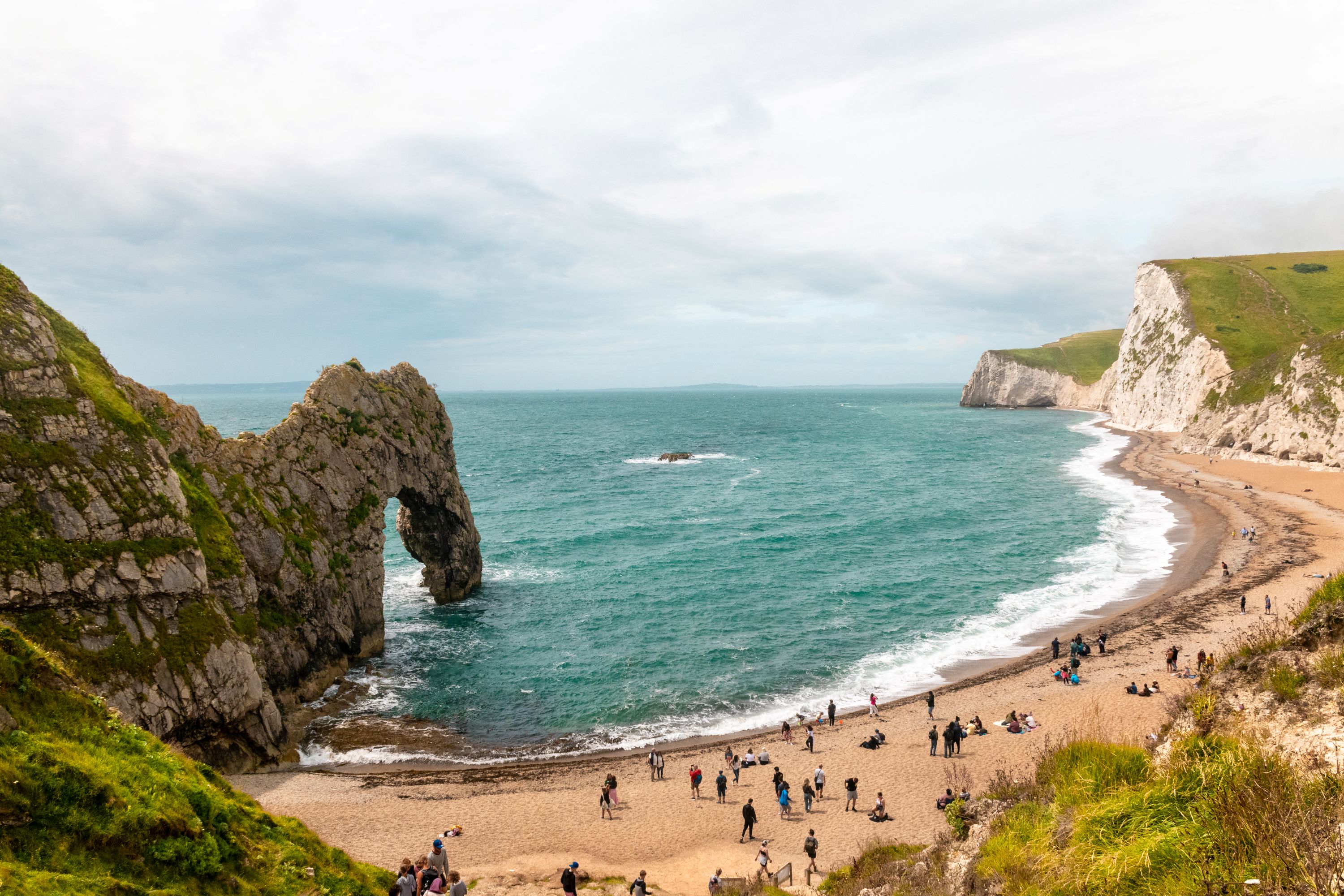
Dover Castle
20 miles (32 km) • Half day to full day
A historic castle with a rich past, offering stunning views of the White Cliffs of Dover.
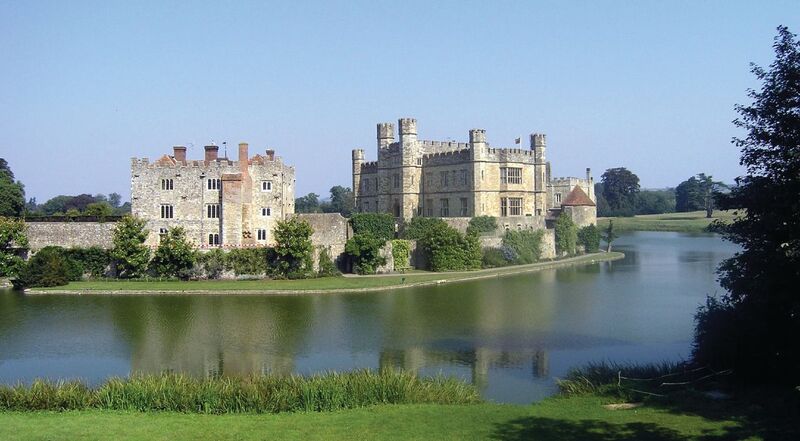
Leeds Castle
35 miles (56 km) • Full day
One of the most beautiful castles in England, surrounded by beautiful gardens and a large lake.
Rochester
30 miles (48 km) • Half day to full day
A charming medieval town with a rich history and a beautiful cathedral.
Festivals
Canterbury Festival • October
Canterbury Oyster Festival • July
Canterbury Christmas Market • December
Pro tips
- Visit the Canterbury Cathedral early in the morning to avoid crowds
- Explore the city on foot to discover hidden gems and scenic spots
- Try local specialties like Kentish Pie and Hop Bine Vinegar
- Take a boat tour on the River Stour for a unique perspective of the city
- Visit the Canterbury Roman Museum to learn about the city's rich history
From $25
per person
Price varies by option
Secure booking
Free cancellation available
Instant confirmation