For Narita Airport Users: Layover or Transit Guided Private Tour
Active
3h - 4h
For a full refund, cancel at least 24 hours before the scheduled departure time.
Manual confirmation
Mobile or paper ticket accepted
About this experience
Specially designed for travelers with a layover at Narita Airport.
This tour allows you to thoroughly enjoy Japanese culture in a short amount of time and covers the highlights of the area around Narita Airport.
- We will gather inside Narita Airport, so you won't get lost.
- We will travel together to the station and take a train to Narita Station (about 10 minutes).
- Let's walk through Naritasan Omotesando, filled with quintessentially Japanese scenery!
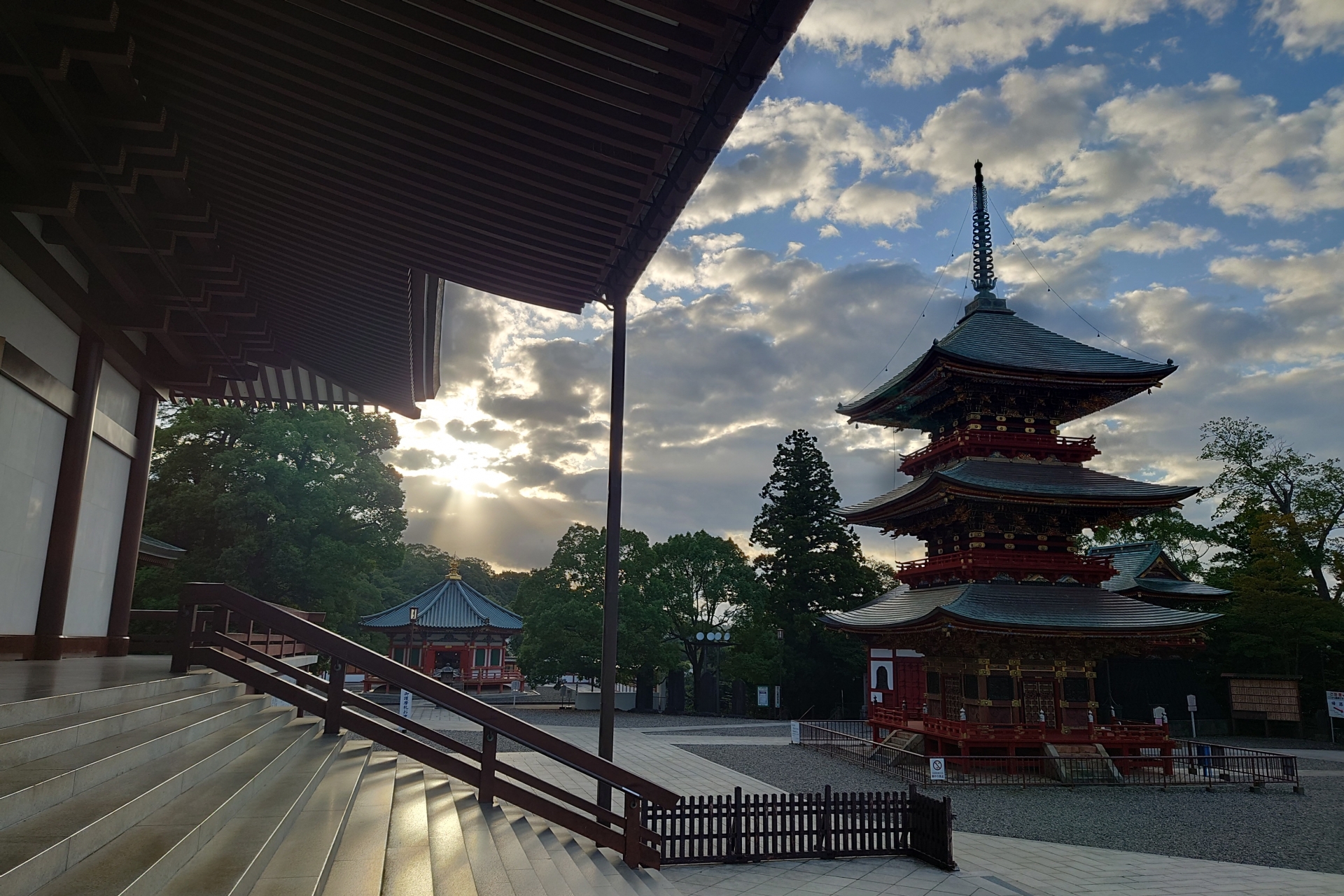
- Experience a visit to Naritasan Shinshoji Temple!
- We will return to the airport considering the time of your connecting flight, so please be assured.
We have extensive experience guiding tours for transit passengers at NRT.
Let's make the most of your layover time!
*Depending on the country that issued the passport, a visa may be required for entry into Japan. Please check in advance.
*Please prepare cash. Some stores do not accept credit cards.
*This is a walking tour, so large luggage should be left at the airport.
Available options
For Narita Airport Users: Layover or Transit Guided Private Tour
What's included
Guide's fee
Detailed itinerary
1
Omotesando Avenue of Naritasan Shinsho-ji Temple, still crowded with visitors to the temple today and in the past
Omotesando (main approach) stretches approximately 800 meters from in front of Narita Station. It has flourished as a gate town since the Edo period (1603-1867) and still retains the vestiges of those days.
More than 150 restaurants and souvenir stores line the approach to the temple! Enjoy gourmet foods such as the famous eel dishes and a wide selection of souvenirs.
2
Naritasan Shinsho-ji Temple has a history of more than 1080 years and is one of the most popular temples in Japan, attracting more than 10 million visitors annually. In addition to numerous halls, the spacious precincts include a park rich in nature, and a variety of power spots that are said to bring good fortune and improve one's luck. A variety of hands-on programs and red seal visits are also recommended. Let's heal both body and soul at Narita Pilgrimage, which has been worshipped by people since the Edo period.
What's not included
Airport/Departure Tax
Lunch fee is not included. As for meals, a regular Japanese dish usually costs around 2,000 yen, while slightly higher-end options range from 3,000 to 4,000 yen.
Train Fare (around 500yen, please prepare cash)
Coin locker fee (Large luggage should be left at the airport)
Available languages
Guide guide
JA
EN
Written guide
JA
EN
Reviews breakdown
Viator
5.0
11 reviews
5★
11
4★
0
3★
0
2★
0
1★
0
Tripadvisor
4.8
10 reviews
5★
9
4★
0
3★
1
2★
0
1★
0
Important information
Wheelchair accessible
Infants and small children can ride in a pram or stroller
Service animals allowed
Public transportation options are available nearby
Transportation options are wheelchair accessible
All areas and surfaces are wheelchair accessible
Not recommended for travelers with spinal injuries
Not recommended for travelers with poor cardiovascular health
Suitable for all physical fitness levels
Meeting point
Near the "Tourist Information Center" located right outside the east exit of JR Narita Station.
Your guide will be wearing a something orange.
About Narita
Narita is a city in Chiba Prefecture, Japan, best known as the location of Narita International Airport, the primary gateway for international travelers to Japan. The city offers a unique blend of modern convenience and traditional charm, with numerous temples, shrines, and natural attractions.
Top Attractions
Narita-san Shinso-ji Temple
This ancient Buddhist temple is the spiritual heart of Narita and a significant cultural landmark. It features beautiful architecture, serene gardens, and numerous smaller temples and shrines.
Historical/Religious
2-3 hours
Free (some areas may have small fees)
Narita Toy Museum
A fun and interactive museum featuring a vast collection of toys from around the world, including vintage and modern toys.
Museum
1-2 hours
¥1,000 (approx. $9)
Narita Tomyo-ji Temple
A lesser-known but historically significant temple with a peaceful atmosphere and beautiful grounds.
Historical/Religious
1 hour
Free
Narita Lakeside Park
A scenic park located along the Inba Nunobiki River, offering walking paths, picnic areas, and beautiful views of the surrounding landscape.
Nature
1-2 hours
Free
Must-Try Local Dishes
Narita Yakitori
Grilled chicken skewers, a popular street food in Narita, often served with a savory-sweet sauce.
Snack
Contains meat, gluten (soy sauce)
Unagi Don
Grilled eel served over rice, a local specialty in Narita.
Lunch/Dinner
Contains fish, gluten (soy sauce)
Narita Soba
Buckwheat noodles served hot or cold, often with a dipping sauce or in a broth.
Lunch/Dinner
Gluten-free (if not mixed with wheat), vegetarian (if no fish broth)
Popular Activities
Hiking in nearby nature parks
Biking around the city
Visiting Narita Lakeside Park
Enjoying a traditional onsen (hot spring)
Exploring Narita-san Shinso-ji Temple
Attending local festivals
Boat rides on the Sawara Canal
Visiting during the Narita Illumination festival in December
Best Time to Visit
Spring (March to May) and Autumn (September to November)
These seasons offer pleasant weather, making it ideal for sightseeing and outdoor activities. Spring brings cherry blossoms, while autumn offers vibrant fall foliage.
15-25°C
59-77°F
Practical Information
Language
- Official: Japanese
- Widely spoken: English (limited)
- English: Limited
Currency
Japanese Yen (JPY)
Time Zone
GMT+9
Electricity
100VV, 50/60HzHz
Safety Information
Overall Safety Rating: Very safe
Narita is a safe city with low crime rates. However, as with any destination, it's essential to take standard precautions to ensure a safe and enjoyable trip.
Important Precautions:
- • Keep valuables secure and out of sight.
- • Be cautious when using ATMs, especially at night.
- • Avoid unlicensed taxis and always use metered taxis.
Getting there
By air
- Narita International Airport • 5 km from city center
By train
Narita Station
By bus
Narita Station, Airport Terminals
Getting around
Public transport
Trains are the most efficient way to get around Narita and connect to nearby cities. The Keisei Electric Railway operates frequent services.
Taxis
Available • Apps: JapanTaxi, DiDi
Rentals
Car, Bike, Scooter
Neighborhoods
Central Narita
Narita Station Area
Kurimoto
Day trips
Sawara
30 km (18.6 miles) from Narita • Half day to full day
A charming town known for its well-preserved Edo-period streets, traditional houses, and scenic canals. Sawara offers a glimpse into old Japan.
Inba Nunobiki Kofun
15 km (9.3 miles) from Narita • Half day
A large ancient burial mound, or kofun, dating back to the Kofun period (300-710 AD). It is one of the largest and most well-preserved kofun in Japan.
Katori Jingu
20 km (12.4 miles) from Narita • Half day
A significant Shinto shrine dedicated to the kami (spirit) of agriculture and sword-making. It is one of Japan's most important shrines.
Festivals
Narita Festival • October
Narita Illumination • December
Narita Sanja Matsuri • May
Pro tips
- Arrive early at Narita-san Shinso-ji Temple to avoid crowds and enjoy a peaceful atmosphere.
- Try local specialties, such as Narita yakitori and unagi don, for an authentic dining experience.
- Explore the Omotesando shopping street for traditional crafts, souvenirs, and local snacks.
- Visit Narita Lakeside Park for a relaxing stroll and scenic views of the surrounding landscape.
- Take a day trip to nearby destinations, such as Sawara or Inba Nunobiki Kofun, for a mix of history and culture.
From $25
per person
Price varies by option
Secure booking
Free cancellation available






![[Private Chartered Car] Tokyo City to Tokyo Disneyland/Mount Fuji/Karuizawa/Nagano/Niigata and other areas](https://res.klook.com/image/upload/activities/ohex6iziob8e4tdfofwp.jpg)