Shanghai Muslim Private Day Tour to Zhujiajiao Water Town & Huangpu River Cruise
Active
10h
For a full refund, cancel at least 24 hours before the scheduled departure time.
Instant confirmation
Mobile or paper ticket accepted
About this experience
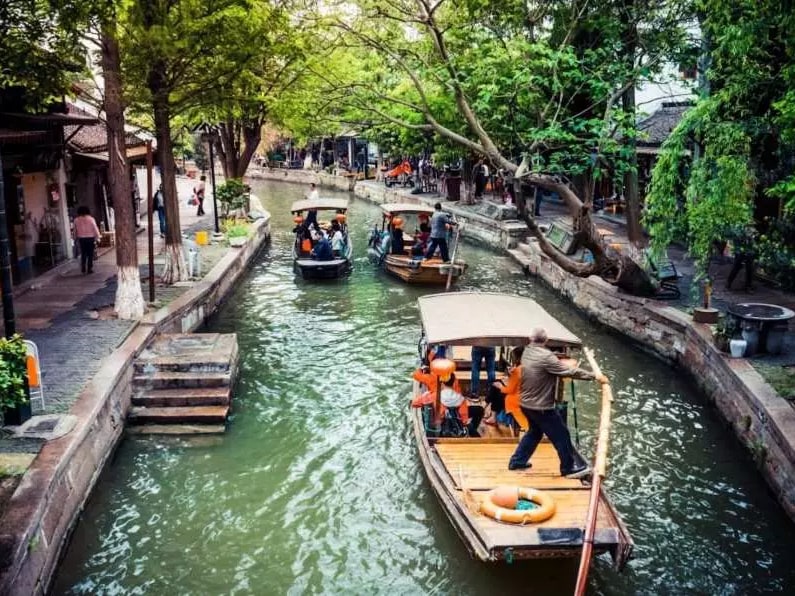
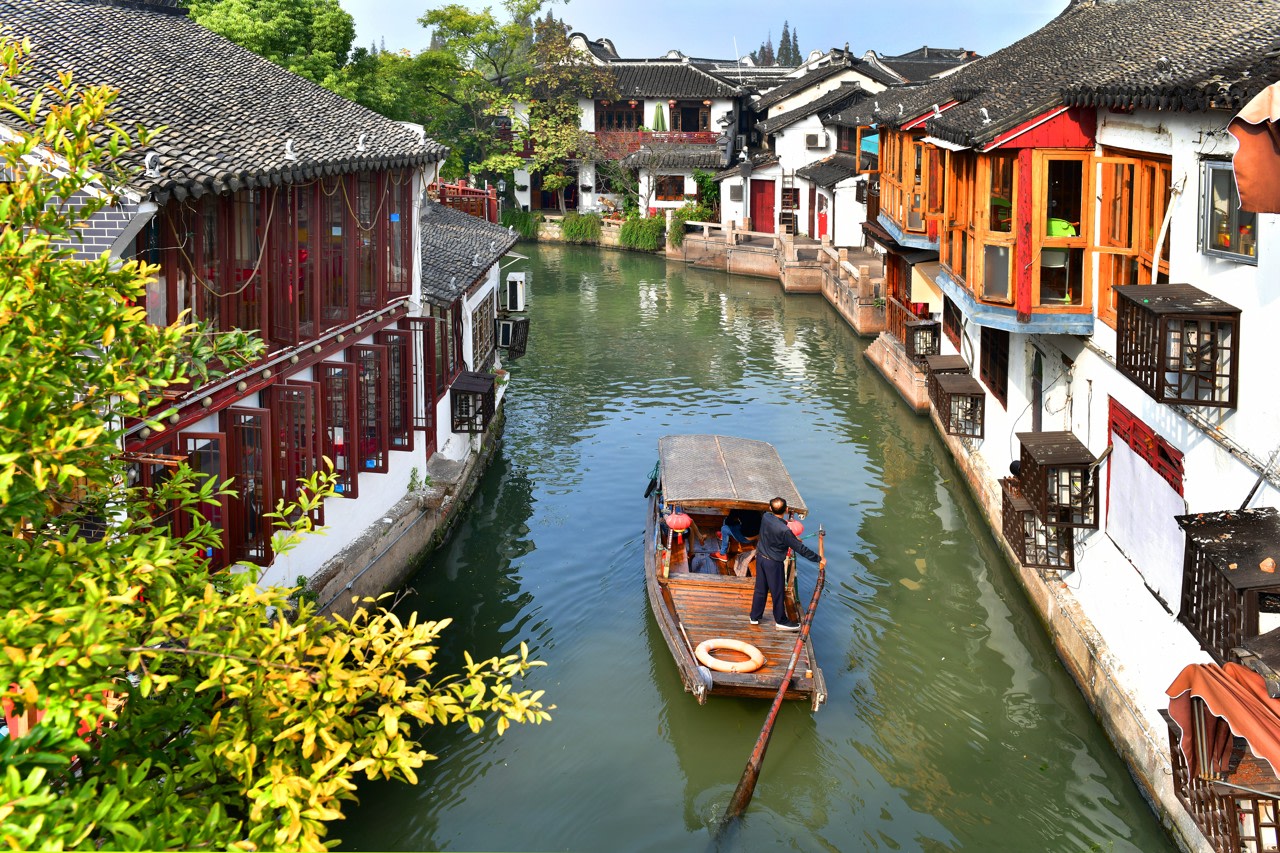
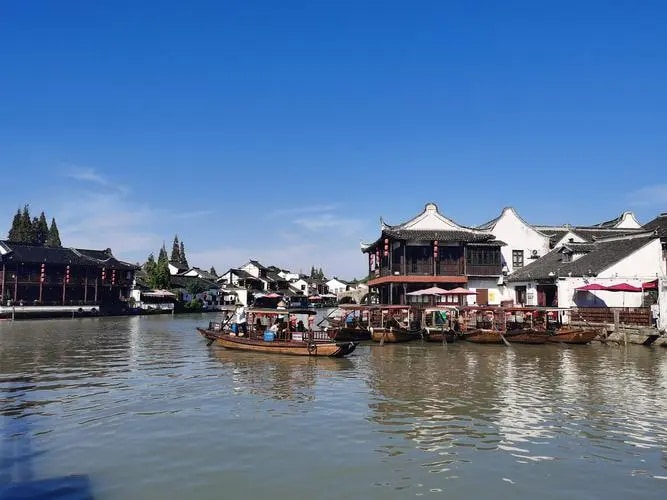
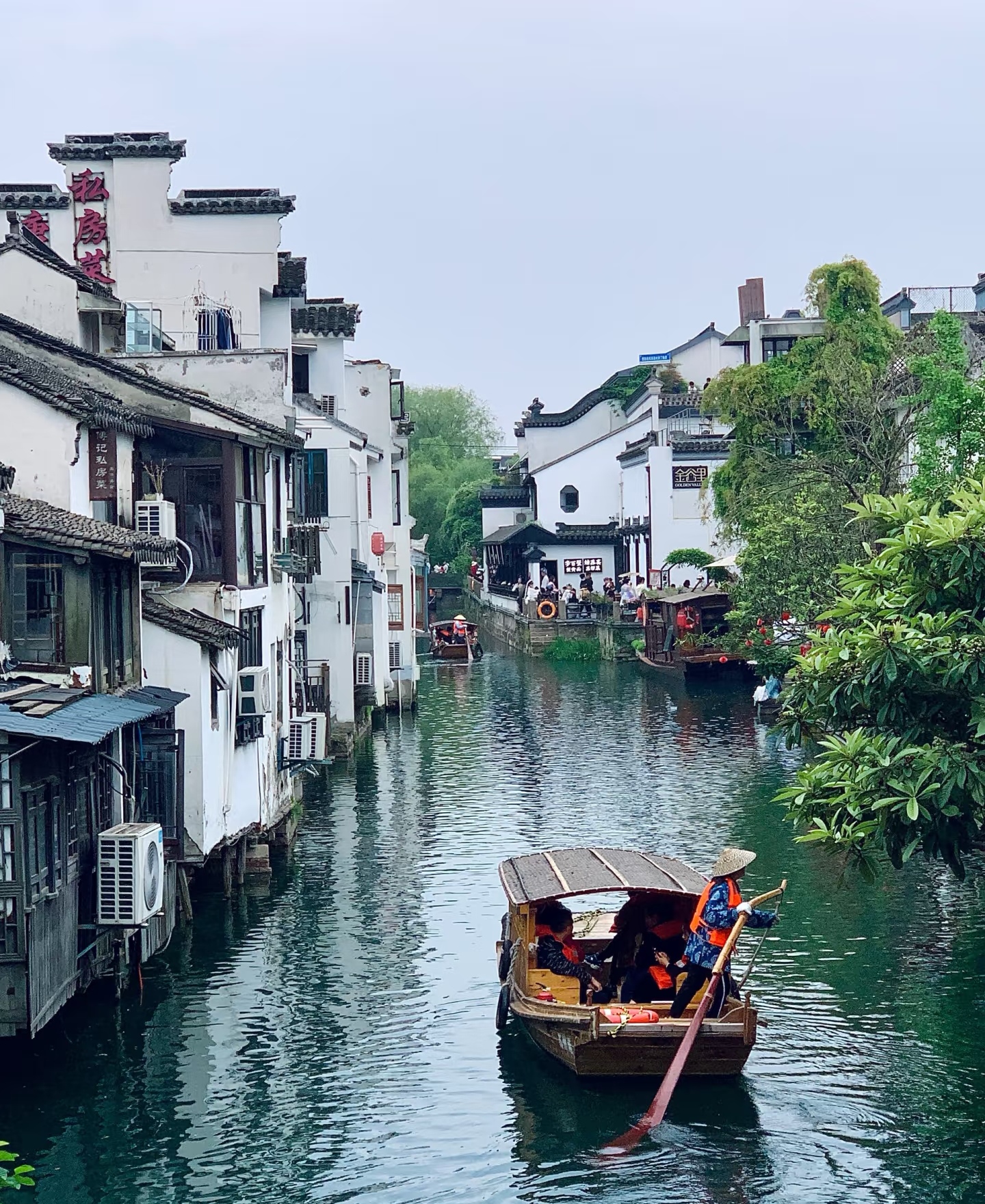
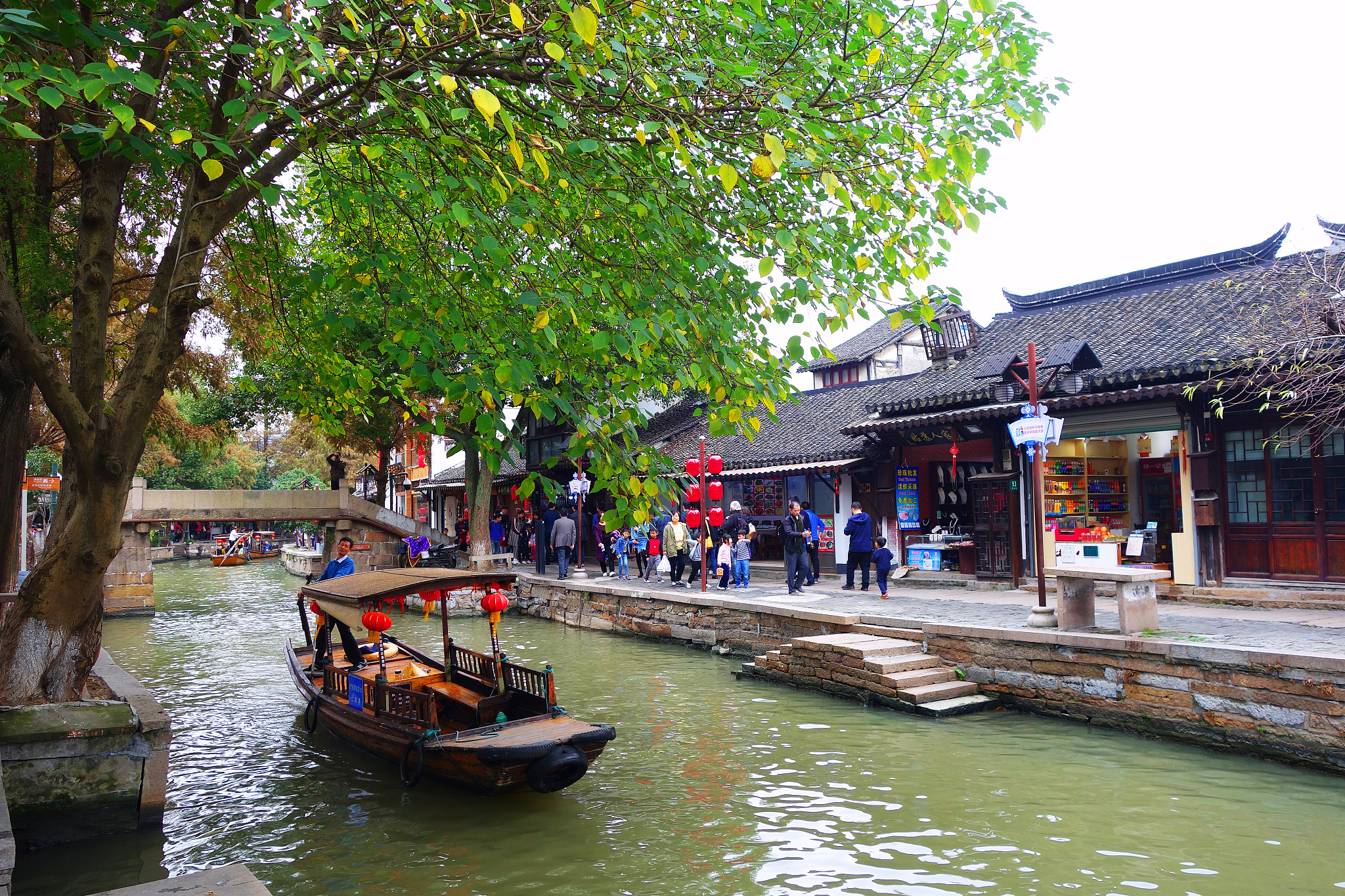
• Take a leisurely boat on the waterway of Zhujiajiao, listed as one of the top four ancient water towns in Shanghai
• Try local snacks at Chenghuangmiao, also known as a "paradise for tourists" to get handicrafts & small commodities
• Salat at Xiaotaoyuan Mosuqe, one of the famous mosques in Shanghai
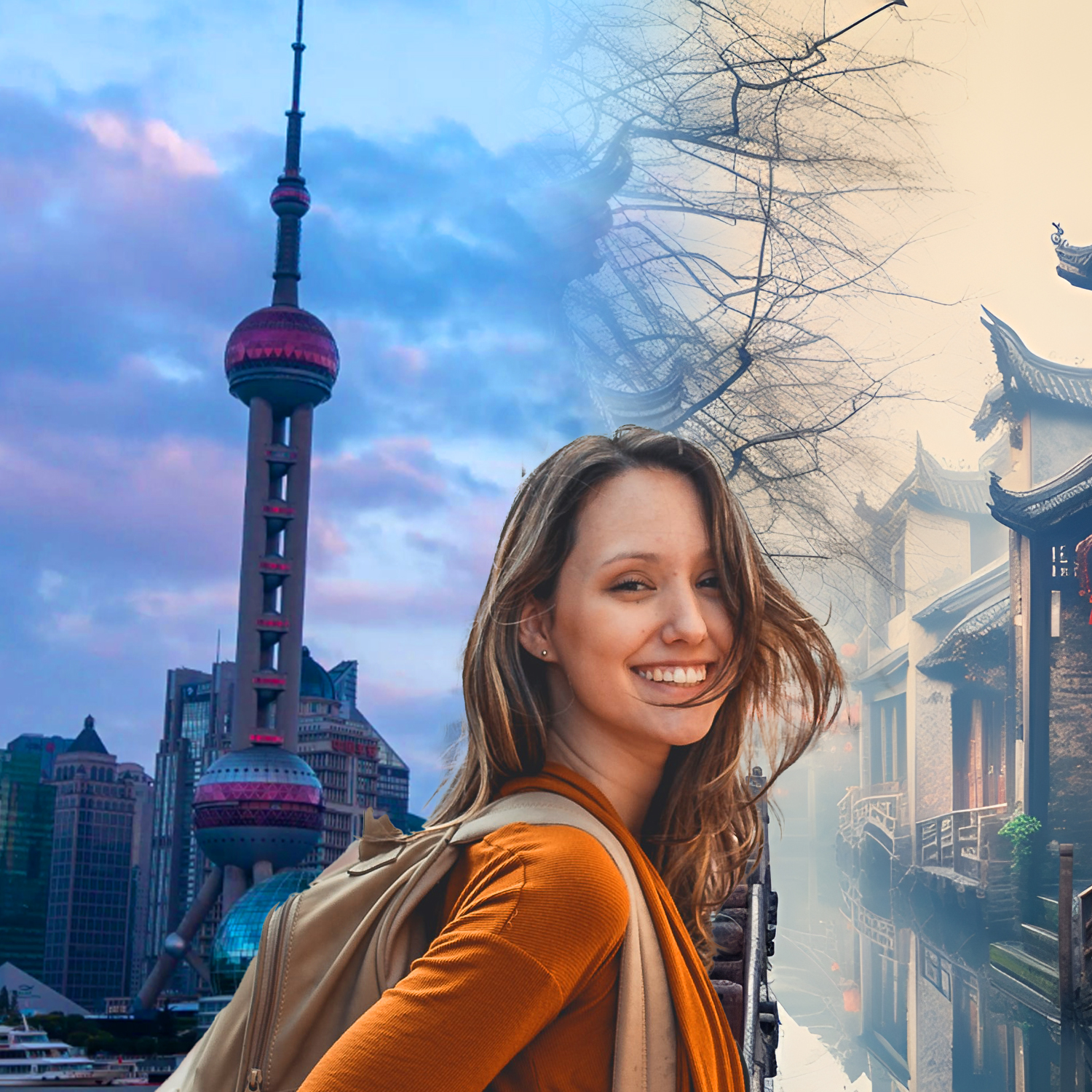
• Stroll alongside the Huangpu River on the Bund, taking in Shanghai's iconic skyline
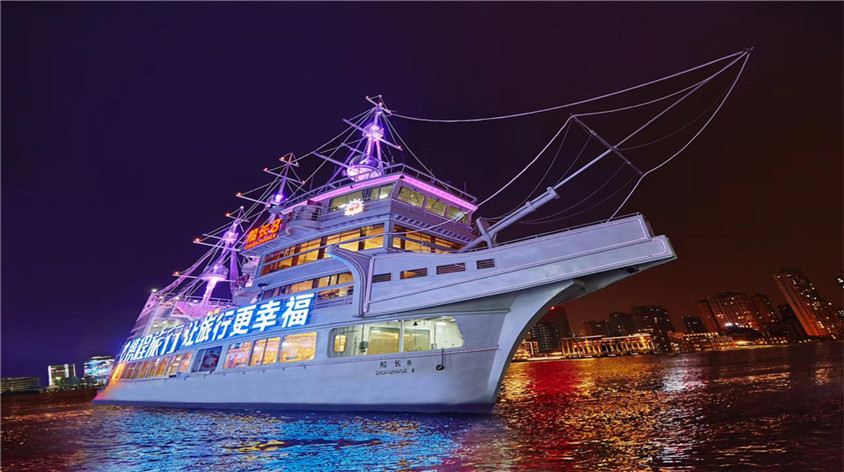
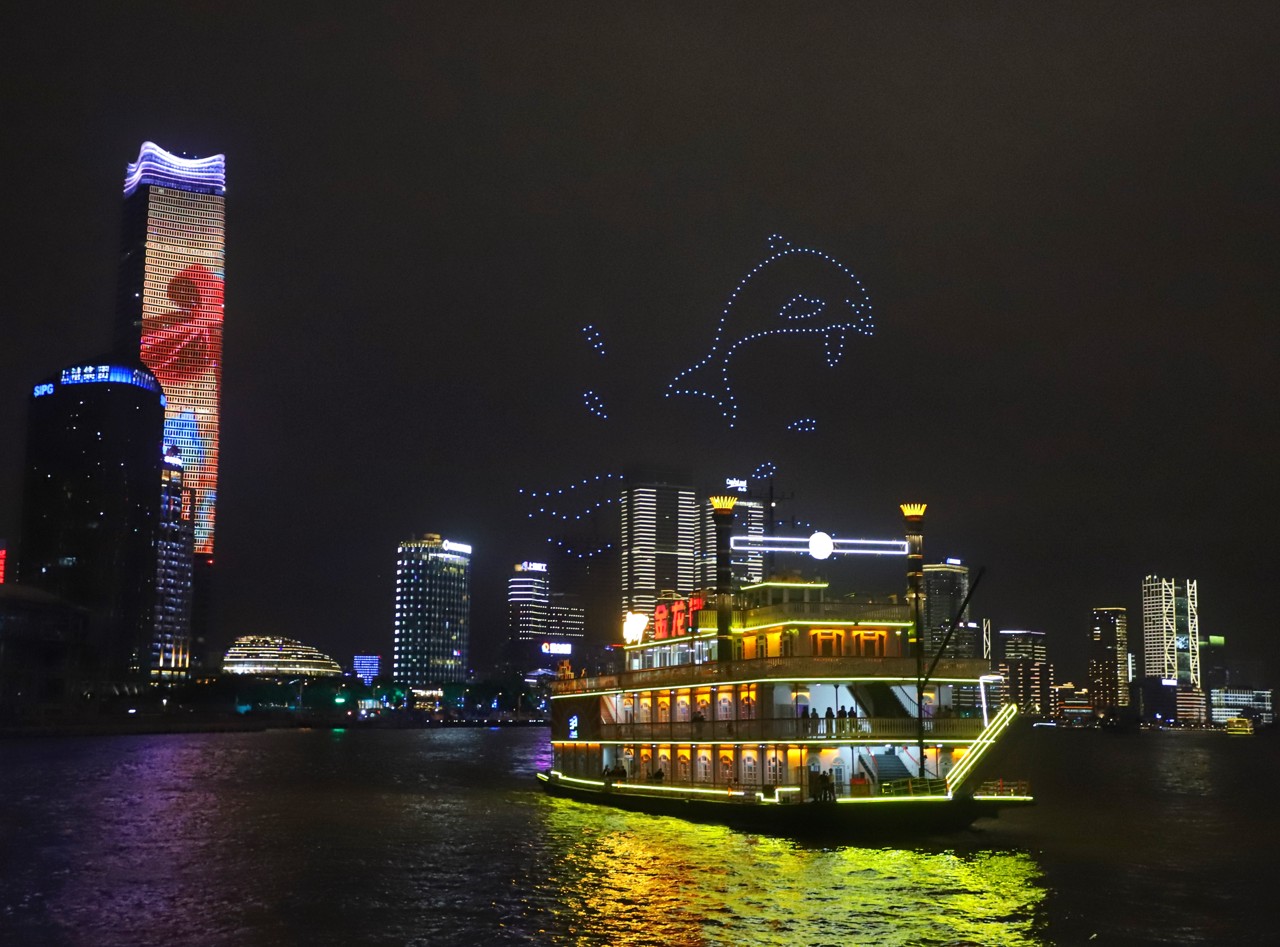
• Cruise Huangpu River to enjoy spectacular views of both colonial architecture and skyscrapers of modern Shanghai
• Experienced English speaking tour guide
• Overland round-trip transfers with private chauffeur and in-transport refreshments
Available options
Shanghai Muslim Private Day Tour to Zhujiajiao Water Town & Huangpu River Cruise
Pickup included
What's included
All government taxes
Professional English speaking guide
Air-conditioned vehicle with private experienced driver
All admission tickets to sightseeing places
Detailed itinerary
1
Stop 1
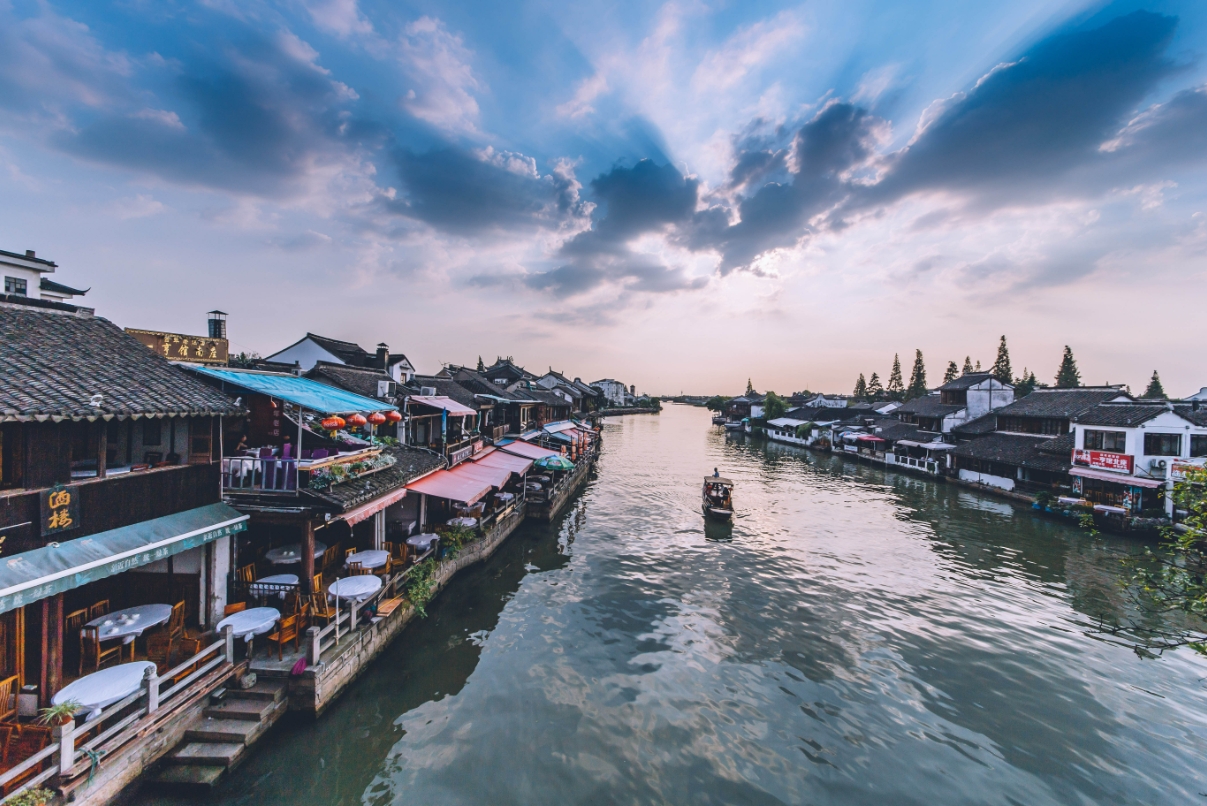
Located in the suburb of Shanghai, Zhujiajiao is an ancient water town well-known throughout China, with a history of more than 1700 years. Endowed with another elegant name Pearl Stream, Zhujiajiao is the best-preserved among the four ancient towns in Shanghai. Zhujiajiao is connected by 36 delicate bridges in different shapes and styles, from wooden to stone to marble. Fangsheng Bridge is the longest, largest and tallest stone bridge. Lang Bridge, also named Huimin Bridge, is the only wooden bridge and the most featured span in this town. The North Street is filled with representative ancient buildings from the Ming and Qing Dynasties. Kezhi Garden features beautiful sightseeing and quiet and secluded surroundings. In the artificial hill area there is a magnificent five-story building, on the top of which stands a diametric pavilion named Moon View Pavilion. Old historical buildings such as rice shops, banks, spice stores and even a Qing dynasty post office can still be found.
2
Chenghuangmiao is a nice place built in typical Chinese architecture style with lots of shops, bars and restaurants.
3
Located at Xiaotaoyuan Street in southern Shanghai, the Xiaotaoyan Mosque, also called the Xicheng Mosque, is one of the famous mosques in Shanghai. Shanghai Xiaotaoyuan Mosque was established in 1917 and rebuilt in 1925. Shanghai Xiaotaoyuan Mosque features the Islamic architectural style. Inside the gate there is a rectangular courtyard. On the west side of the hall stands the great prayer hall of 500 square meters, which can hold 200 prayers. The prayer hall has two storeys. In its center there is a vault dome, with minaret on the top. A three-storied hall building stands on the eastern side of the courtyard, and there is a library and a reading room on the second and the third floor respectively, and a sermon room on the first floor. There are the Imams’ rooms, reception room on the southern side of the courtyard.
4
The Bund refers to Shanghai's famous waterfront stretching for 1.6km (1 mile) along the west shore of the Huangpu River. Once a muddy towpath for boats along the river, the Bund was where the foreign powers that entered Shanghai after the Opium War of 1842 erected their distinct Western-style banks and trading houses. From here, Shanghai grew into Asia's leading city in the 1920s and 1930s, a cosmopolitan and thriving commercial and financial center. Many of the awesome colonial structures you see today date from that prosperous time and have become an indelible part of Shanghai's cityscape. The colonial-era buildings that highlight the Bund include the former British Consulate, Customs House, former HSBC Building (the Hong Kong and Shanghai Banking Corporation), former Shanghai Club (now the Waldorf Astoria Hotel), and the Peace Hotel.
5
Stop 5
Huangpu River is a 113 kilometers long river flowing through Shanghai. It is the last significant tributary of the Yangtze before it empties into the East China Sea. Huangpu River is Shanghai's shipping artery both to the East China Sea and to the mouth of the Yangtze River, which the Huangpu joins 29km (18 miles) north of downtown Shanghai. It has also become a demarcating line between two Shanghais, east and west, past and future. On its western shore, the colonial landmarks of the Bund serve as a reminder of Shanghai's 19th-century struggle to reclaim a waterfront from the bogs of Huangpu River; on the eastern shore, the steel-and-glass skyscrapers of the Pudong New Area point to a burgeoning financial empire of the future. Besides offering a privileged view of the bridges that span the Huangpu River, the cruise boats also offer an excellent view of the famous colonial-era buildings that make up the Bund.
6
Stop 6
The 3.4-mile-long Nanjing Road starts at the Bund in the east and it is the main shopping street of Shanghai and one of the busiest shopping streets in the world. As a result of the Opium War (1839-1842), Shanghai was forced to open to the West as a port. Importing large quantities of foreign goods, Nanjing Road became the earliest shopping street in Shanghai. Over time, Nanjing Road has been restructured, undergoing significant change. For shopping convenience, its eastern end has an all-weather pedestrian arcade. Today over 600 businesses on Nanjing road offer countless famous brands, superior quality, and new fashions. KFC, McDonald's, Pizza Hut, and other world-famous food vendors line both sides of the street. Upscale stores include Tiffany, Mont Blanc, and Dunhill.
What's not included
Halal Meals
Hotel accommodation
Your personal expenses
Gratuities to guide & driver (US$5 per person per day).
Available languages
Guide guide
EN
Important information
Infants are required to sit on an adult’s lap
Not recommended for travelers with poor cardiovascular health
Public transportation options are available nearby
Suitable for all physical fitness levels
Halal Meals (lunch & dinner) are not included. Please feel free to ask your guide for suggestions and recommendations.
Keep your passport on you constantly. It might be needed to buy entrance tickets.
About Shanghai
Shanghai is a global financial hub and a city of stunning contrasts, where futuristic skyscrapers stand alongside traditional shikumen houses. It's known for its vibrant culture, delicious cuisine, and historic landmarks, making it a must-visit destination in China.
Top Attractions
The Bund
The Bund is a famous waterfront area with a stunning skyline of colonial-era buildings and modern skyscrapers. It's a must-visit for its historic significance and breathtaking views.
Historical/Architecture
1-2 hours
Free
Oriental Pearl Tower
This iconic tower is a symbol of modern Shanghai, offering panoramic views of the city from its observation decks.
Architecture
2-3 hours
¥150-200
Yu Garden
Yu Garden is a classical Chinese garden with beautiful landscapes, pavilions, and historical buildings. It's a peaceful oasis in the bustling city.
Historical/Garden
2-3 hours
¥30
Shanghai Museum
The Shanghai Museum houses an extensive collection of ancient Chinese art and artifacts, providing a deep dive into China's rich history and culture.
Museum
2-3 hours
Free
Nanjing Road
Nanjing Road is one of the world's busiest shopping streets, offering a mix of international brands, local shops, and vibrant street life.
Shopping
2-3 hours
Varies by shop
Must-Try Local Dishes
Xiaolongbao
Small soup dumplings filled with meat and hot broth, typically pork. They are a staple of Shanghai cuisine and are often served with soy sauce and ginger.
Dumplings
Contains meat, gluten, and soy.
Braised Pork Belly (Hong Shao Rou)
A slow-cooked dish of pork belly braised in soy sauce, sugar, and other seasonings. It's tender, flavorful, and often served with steamed buns or rice.
Main dish
Contains pork and soy.
Shanghai Soup Dumplings (Shao Mai)
Open-topped dumplings filled with minced pork and shrimp, often served with a dipping sauce made of soy sauce, vinegar, and ginger.
Dumplings
Contains pork, shrimp, and soy.
Stinky Tofu (Chou Doufu)
Fermented tofu with a strong odor, often deep-fried and served with pickled cabbage. It's an acquired taste but a popular street food.
Snack
Vegetarian, contains soy.
Popular Activities
Hiking in nearby nature reserves
Biking along the Huangpu River
Tea house visits
Spa treatments
Visiting museums and historic sites
Attending traditional performances
Boat rides on the Huangpu River
Swimming at nearby beaches
Best Time to Visit
April to October
This period offers pleasant weather, making it ideal for sightseeing and outdoor activities. The city is lively with numerous festivals and events.
15°C to 35°C
59°F to 95°F
Practical Information
Language
- Official: Chinese (Mandarin)
- Widely spoken: Shanghainese, English (in tourist areas)
- English: Moderately spoken in tourist areas, limited elsewhere
Currency
Chinese Yuan Renminbi (CNY)
Time Zone
GMT+8
Electricity
220VV, 50HzHz
Safety Information
Overall Safety Rating: Generally safe
Shanghai is generally safe for travelers, with low crime rates and a strong police presence. However, as with any major city, it's important to be aware of your surroundings and take precautions to protect yourself and your belongings.
Important Precautions:
- • Be cautious of pickpockets in crowded areas.
- • Use licensed taxis or ride-hailing apps like Didi.
- • Be wary of strangers offering unsolicited help or services.
Getting there
By air
- Shanghai Pudong International Airport • 30 km from city center
- Shanghai Hongqiao International Airport • 13 km from city center
By train
Shanghai Railway Station, Shanghai South Railway Station
By bus
Shanghai Long-Distance Bus Station, Shanghai South Long-Distance Bus Station
Getting around
Public transport
The Shanghai Metro is efficient, clean, and covers most of the city. It's the fastest and most convenient way to get around.
Taxis
Available • Apps: Didi, Meituan
Rentals
Car, Bike, Scooter
Neighborhoods
The Bund
Pudong
French Concession
Xintiandi
Tianzifang
Day trips
Hangzhou
180 km from Shanghai • Full day
Hangzhou is a beautiful city known for its natural beauty, historic sites, and the famous West Lake. It's a great day trip from Shanghai for those looking to escape the city and enjoy some nature.
Suzhou
100 km from Shanghai • Full day
Suzhou is a historic city known for its classical gardens, silk production, and canals. It's a great day trip for those interested in history, culture, and architecture.
Zhujiajiao
50 km from Shanghai • Half day
Zhujiajiao is an ancient water town known for its well-preserved Ming and Qing dynasty architecture, canals, and bridges. It's a great day trip for those looking to experience traditional Chinese water town life.
Festivals
Shanghai Tourism Festival • September
Shanghai International Film Festival • June
Chinese New Year • January/February (varies)
Pro tips
- Use the Shanghai Public Transportation Card for convenient and discounted travel on metro, buses, and ferries.
- Download a translation app or carry a phrasebook to help with language barriers.
- Try local street food, but be cautious of food safety and choose busy stalls with high turnover.
- Visit popular attractions early in the morning or late in the afternoon to avoid crowds.
- Consider hiring a local guide or joining a tour to gain insights into Shanghai's history and culture.
From $25
per person
Price varies by option
Secure booking
Free cancellation available
Instant confirmation