Rome Revealed a Guided Walking Tour Through Time and Tradition
Active
2h
For a full refund, cancel at least 24 hours before the scheduled departure time.
Instant confirmation
Mobile or paper ticket accepted
About this experience
Embark on an exploration of Rome's captivating historic center, celebrated for its enduring beauty, enchanting squares, fountains, and iconic landmarks. This all-encompassing tour presents the optimal and hassle-free way to experience the essential sights of the Eternal City. Commencing in Piazza Venezia, savor a spectacular view of the Vittoriano (Altar of Peace).
Progressing onward, visit Largo Argentina, the historic site of Julius Caesar's demise, then proceed to Piazza Navona, adorned with the exquisite Baroque fountains designed by Bernini.
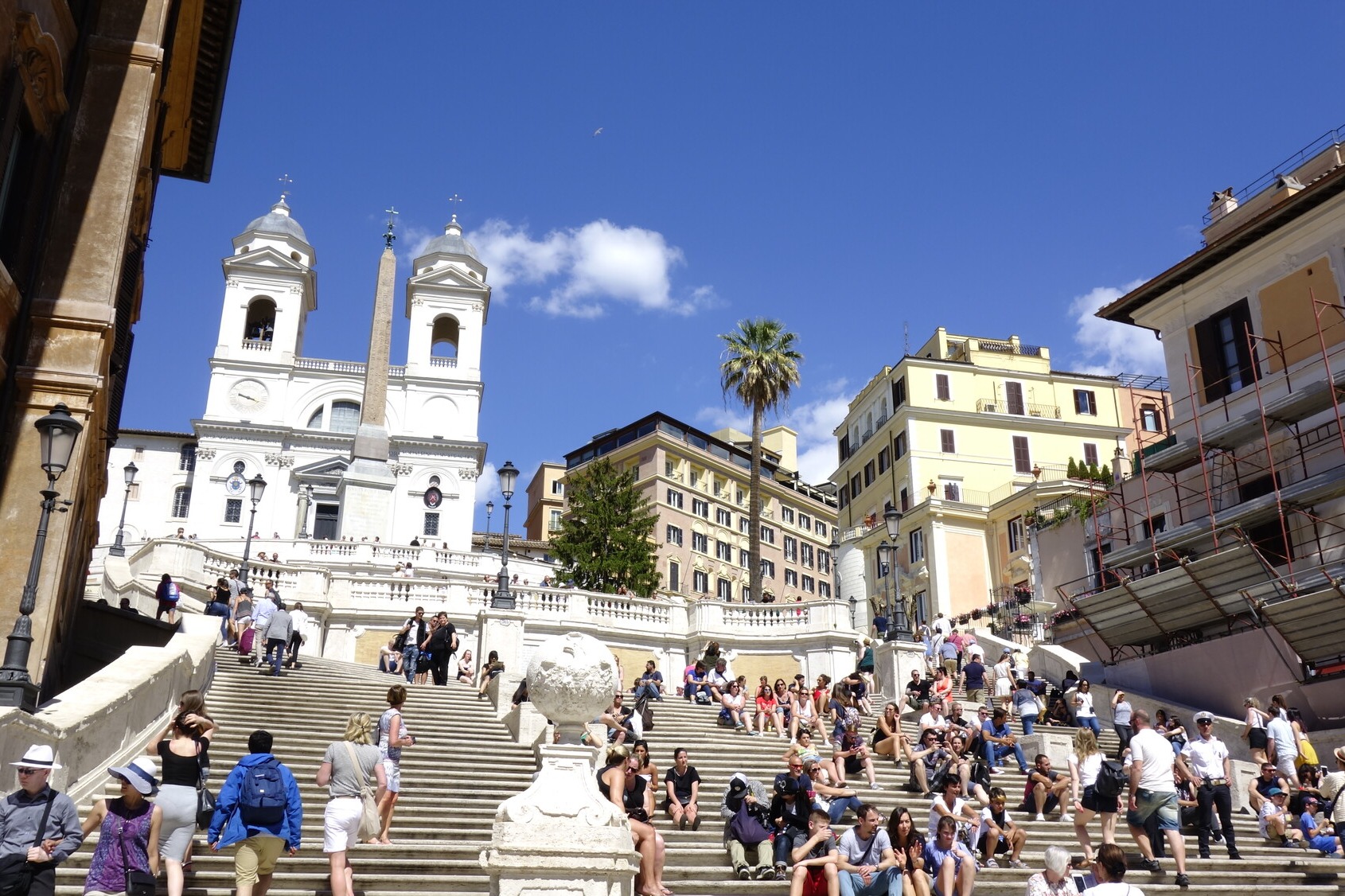
The journey unfolds to the Pantheon, a marvel still in operation since the 2nd century AD, culminating at the iconic Trevi Fountain. Finally, immerse yourself in the allure of Piazza Spagna, situated at the foot of the renowned Spanish Steps, celebrated globally in both film and literature.
Available options
Rome Revealed a Guided Walking Tour Through Time and Tradition
What's included
Professional guide
Online support at the time of boarding the tour
Online Consultant who will send you boarding information
Detailed itinerary
1
Stop 1
Situated in Trajan's Forum in Rome, this column stands at about 30 meters in height, with an additional eight-meter pedestal. Constructed from nineteen marble blocks, it boasts a weight of 1,110 tons. Intricate bas-reliefs narrate the tales of the Dacian wars. Innovative artistic methods, such as using a tree to delineate scenes, were employed. The panoramic views from the summit provide a breathtaking
2
Stop 2
Piazza Navona stands as one of Rome's revered squares, situated in the Parione district. Its layout mirrors that of ancient stadiums in Rome, adhering to the design of the Stadium of Domitian, locally known as Campomarzio. With the capacity to host up to 20,000 spectators, it gained the title "Circo Agonístico" during Emperor Domitian's reign (81-96 AD). Over time, its name transformed from "in agone" to "nagone" and eventually to "navone," a term that intriguingly also conveys "large ship" in Italian.
3
Stop 3
The Pantheon, situated in Rome, Italy, was originally commissioned by Marcus Agrippa during the rule of Emperor Augustus (27 BC–14 AD) and later reconstructed by Hadrian around 126 AD.
Characterized by its circular layout, the Pantheon boasts a portico adorned with substantial Corinthian granite
4
Stop 4
Situated at the convergence of three thoroughfares, the fountain served as the terminus of the Acqua Vergine, one of Rome's ancient aqueducts. In 19 BC, purportedly with the assistance of a virgin, Roman engineers discovered a reservoir of pristine water slightly beyond 22 kilometers from the city (depicted in a sculpture on the fountain today). This water, sourced from the smallest aqueduct in Rome, was directly conveyed to the baths of Marcus Agrippa, providing a vital service to the city for more than four centuries.
5
Stop 5
Dominating the square's center is the renowned Fontana della Barcaccia, a masterpiece crafted during the early Baroque era by Pietro Bernini and his illustrious son, Gian Lorenzo Bernini.
To the right of the staircase stands the former abode of English poet John Keats, who resided and passed away there in 1821. Presently, it operates as a museum dedicated to his and Percy Bysshe Shelley's memory, housing a collection of books and artifacts from the era of English Romanticism. On the opposite side is the esteemed Babington's Tea Room, established in 1893.
What's not included
Additional Food and Drink
Additional food and drinks
Available languages
Guide guide
EN
Reviews breakdown
Viator
5.0
2 reviews
5★
2
4★
0
3★
0
2★
0
1★
0
Tripadvisor
5.0
1 reviews
5★
1
4★
0
3★
0
2★
0
1★
0
Important information
Public transportation options are available nearby
Infants are required to sit on an adult’s lap
Not recommended for pregnant travelers
Suitable for all physical fitness levels
Important notice for last-minute reservations (same day or overnight): in case of lack of seats, the customer will be placed on the day following the reserved date.
This tour is shared.
If the chosen time is not available, you will be transferred to another time on the same day. These changes do not depend on us. Subsequent complaints and refund requests will not be accepted. Example: If you choose the 10am time slot and it is not available you will be moved to the first available time slot, 2pm.
Wear comfortable shoes and be sure to dress warmly in colder temperatures, and carry a cape over your bare shoulders inside any church in the warmer months.
Tours will continue in all weather conditions. It is highly recommended to bring mineral water, sunscreen, a hat and an umbrella.
It is advisable not to book more than one tour on the same day, with schedules close together.
Meeting point
Our guide will be waiting for you in front of the “Terre e Domus” restaurant, at the foot of the stairs
Check in at the meeting point 10 minutes before your scheduled tour time. Tours will not be delayed for late arrivals and no refunds will be paid for late arrivals or missed tours.
About Rome
Rome, the capital of Italy, is a city of ancient ruins, artistic masterpieces, and vibrant culture. Known as the Eternal City, it is a living museum where every corner tells a story of its rich history spanning over 2,500 years.
Top Attractions
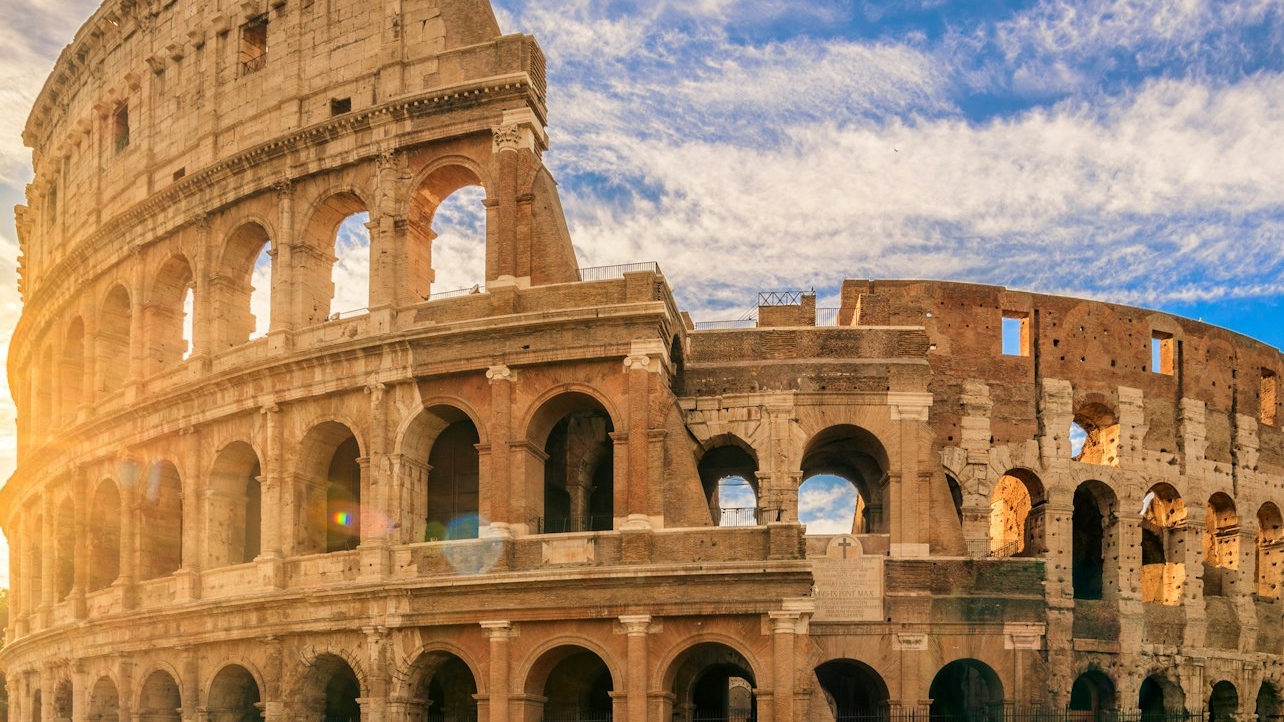
Colosseum
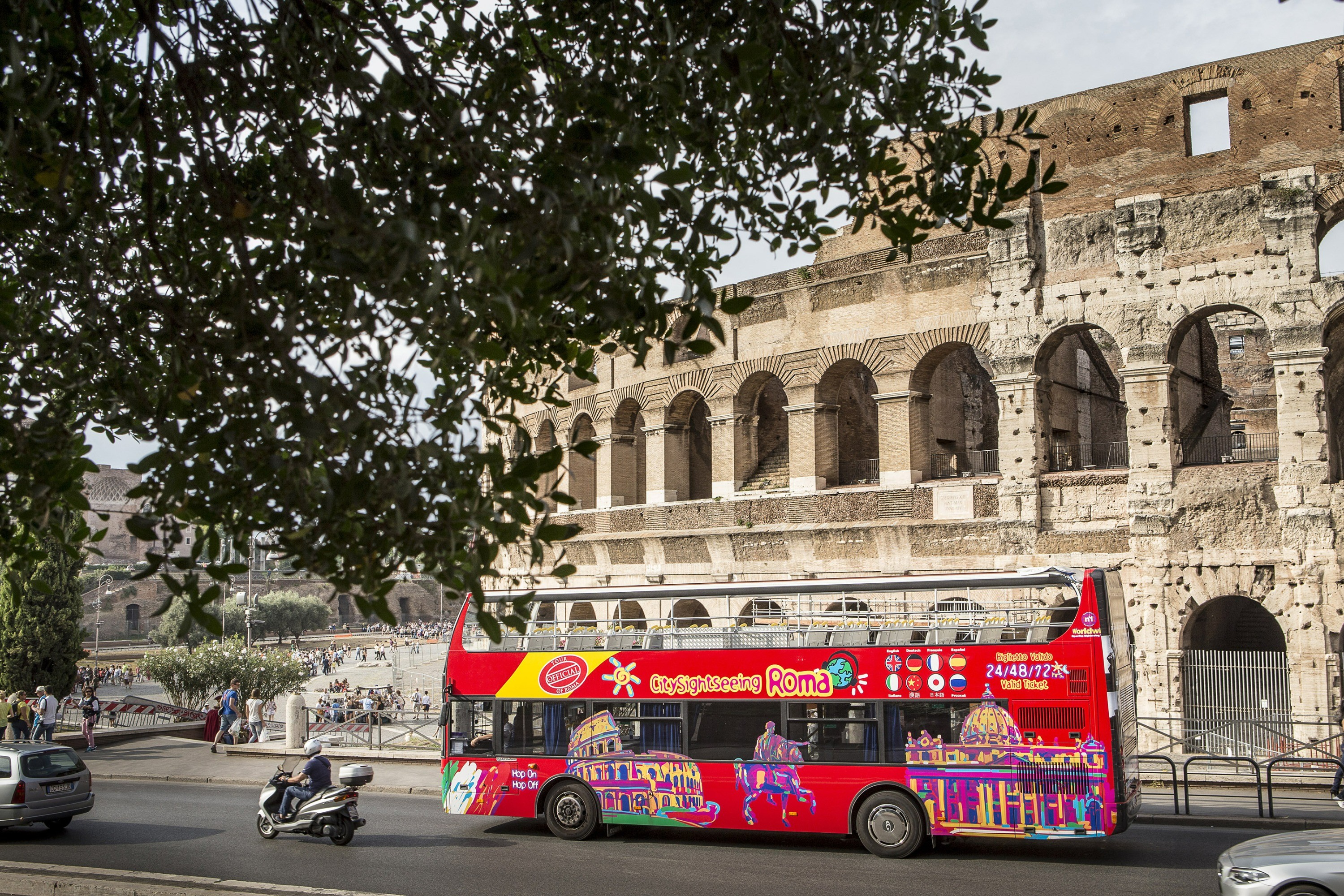
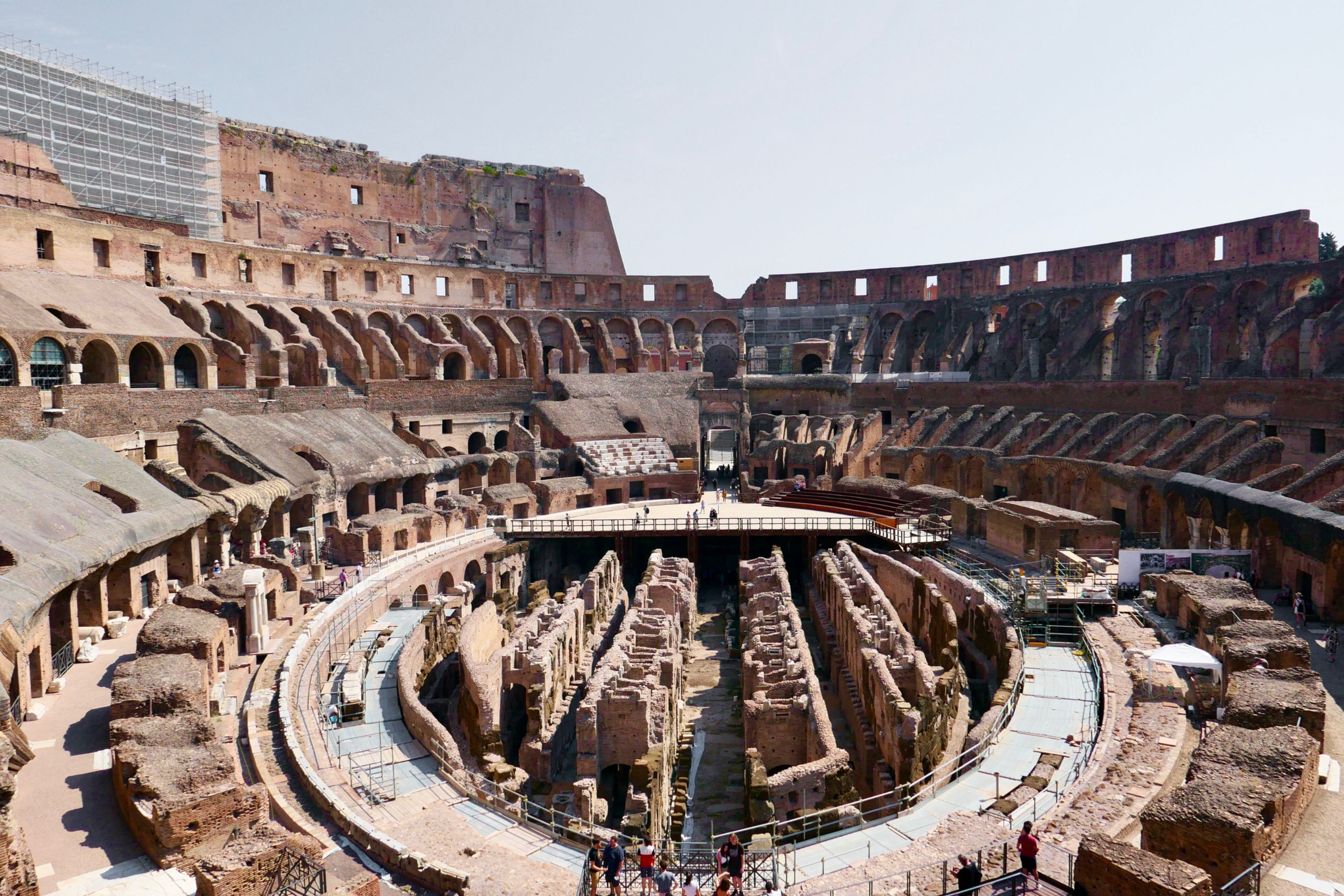
The Colosseum is an iconic symbol of Rome and one of the most famous ancient amphitheaters in the world. It was used for gladiatorial contests and public spectacles.
Historical
1-2 hours
€16 (combined ticket with Roman Forum and Palatine Hill)
Vatican City
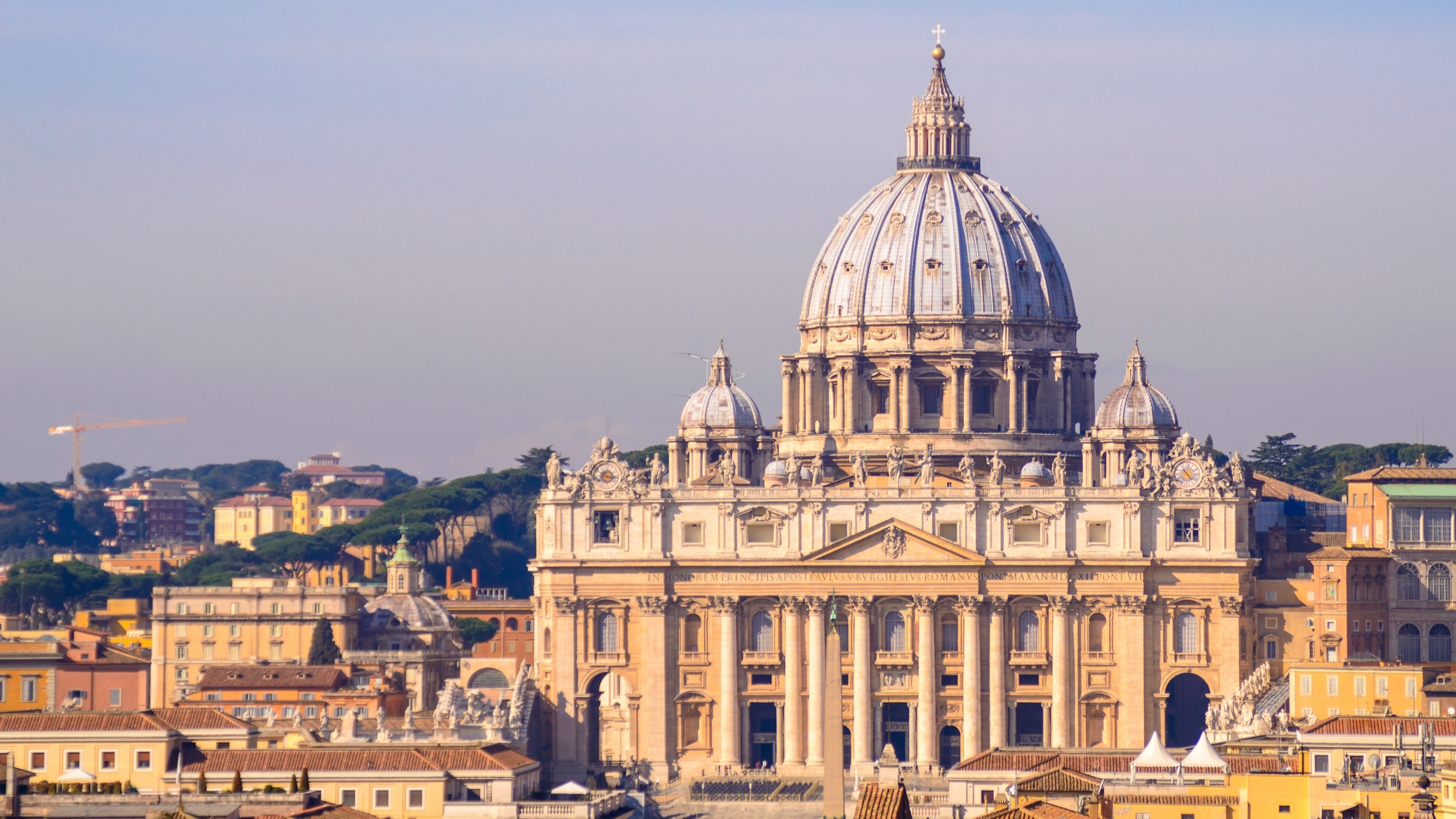
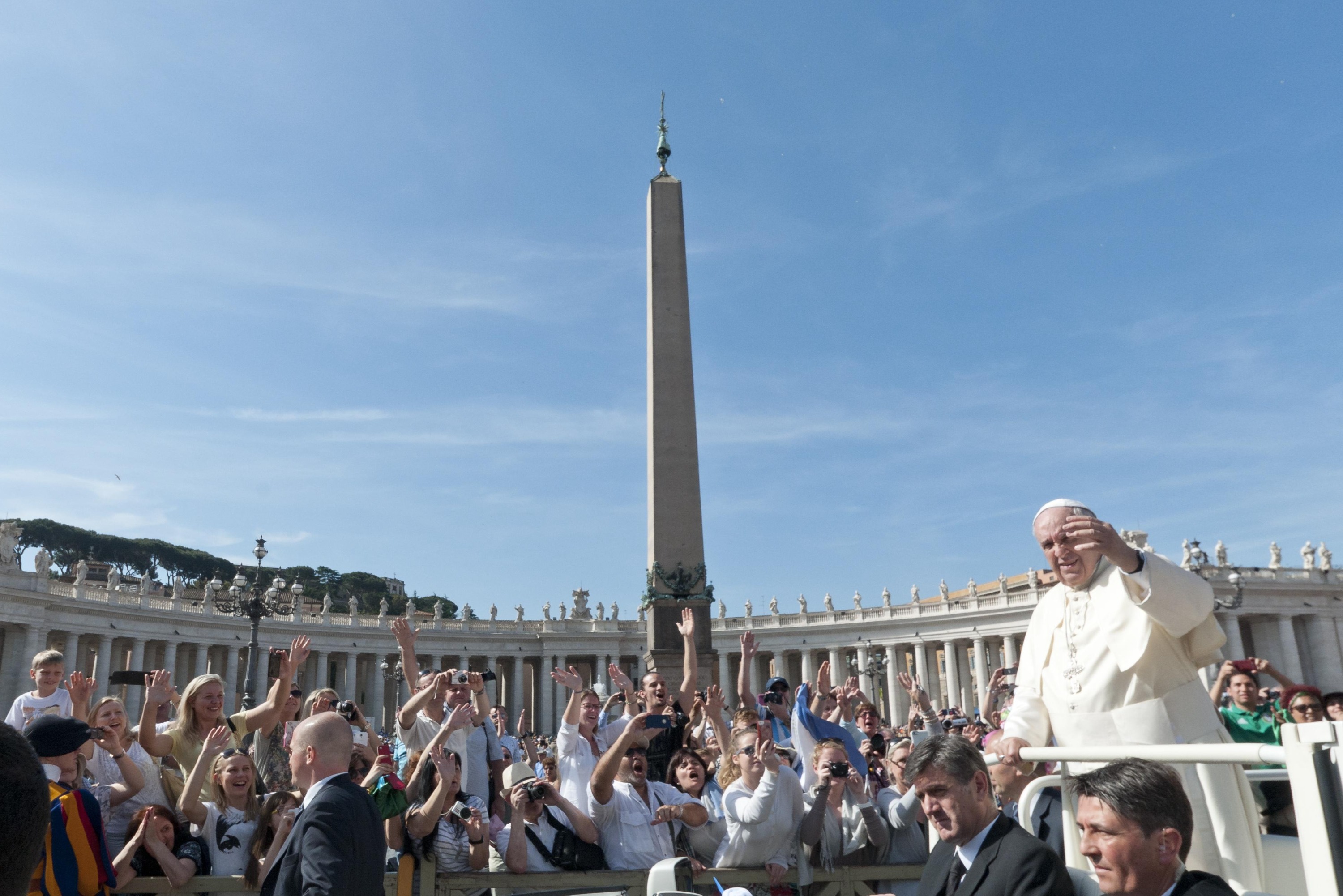
Vatican City is an independent city-state enclaved within Rome. It is the spiritual and administrative center of the Roman Catholic Church.
Religious
Half day
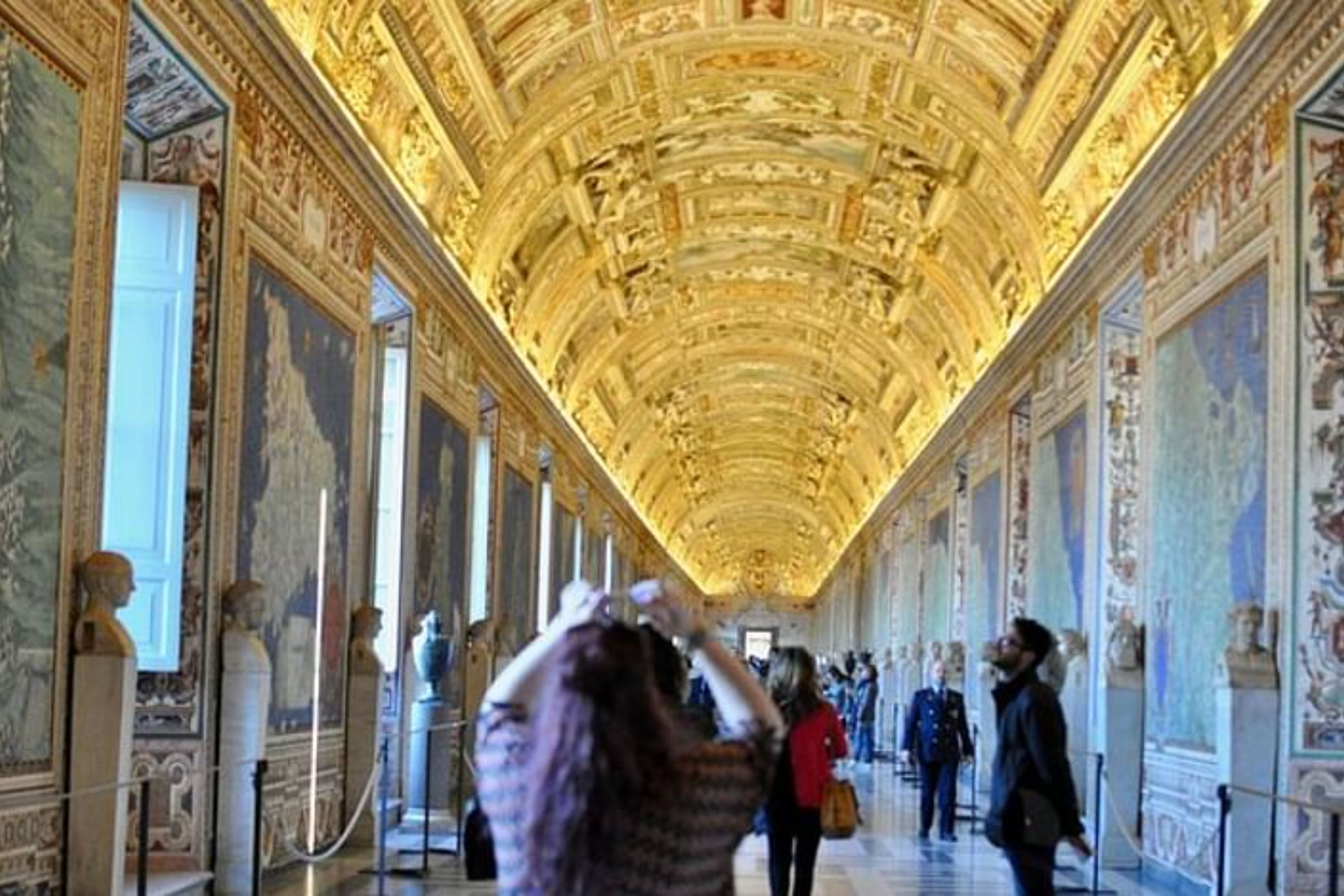
€17 (Vatican Museums and Sistine Chapel), Free (St. Peter's Basilica)
Roman Forum
The Roman Forum was the political, commercial, and legal hub of the Roman Republic and Empire. It is a sprawling ruin of temples, basilicas, and arches.
Historical
1-2 hours
€16 (combined ticket with Colosseum and Palatine Hill)
Pantheon
The Pantheon is a former Roman temple, now a church, known for its large dome and oculus. It is one of the best-preserved ancient buildings in Rome.
Historical
30 minutes to 1 hour
Free
Trevi Fountain
The Trevi Fountain is a Baroque masterpiece and the largest fountain in Rome. It is a popular spot for visitors to throw coins and make wishes.
Architecture
15-30 minutes
Free
Must-Try Local Dishes
Cacio e Pepe
A simple yet delicious pasta dish made with Pecorino Romano cheese and black pepper.
Pasta
Vegetarian
Carbonara
A rich pasta dish made with eggs, Pecorino Romano, guanciale (cured pork cheek), and black pepper.
Pasta
Contains pork and eggs
Supplì
Fried rice balls filled with mozzarella and tomato sauce.
Snack
Vegetarian (some variations may contain meat)
Carciofi alla Romana
Artichokes braised with garlic, mint, and olive oil.
Vegetable
Vegetarian
Popular Activities
Hiking in the Appian Way Regional Park
Biking along the Tiber River
Rock climbing in the nearby mountains
Picnicking in Villa Borghese Gardens
Boating on Lake Albano
Enjoying a spa day at a luxury hotel
Visiting the Vatican Museums
Attending an opera at the Teatro dell'Opera di Roma
Best Time to Visit
April to June, September to October
Spring and fall offer pleasant weather and fewer crowds compared to the summer peak. Ideal for sightseeing and outdoor activities.
15-30°C
59-86°F
Practical Information
Language
- Official: Italian
- Widely spoken: English, Spanish, French
- English: Moderately spoken
Currency
Euro (EUR)
Time Zone
GMT+1 (CET), GMT+2 (CEST during daylight saving time)
Electricity
230VV, 50HzHz
Safety Information
Overall Safety Rating: Generally safe
Rome is generally safe for tourists, but pickpocketing and scams can be a problem in crowded areas. Be aware of your surroundings and take precautions to protect your belongings.
Important Precautions:
- • Keep valuables secure and out of sight
- • Use official taxis or ride-sharing services
- • Be cautious of strangers approaching you with petitions or bracelets
Getting there
By air
- Leonardo da Vinci International Airport • 35 km from city center
- Ciampino Airport • 15 km from city center
By train
Roma Termini, Roma Tiburtina
By bus
Tiburtina Bus Station, Roma Termini
Getting around
Public transport
The metro system is efficient and covers major tourist areas. It operates from 5:30 AM to 11:30 PM.
Taxis
Available • Apps: Uber, FreeNow
Rentals
Car, Bike, Scooter
Neighborhoods
Trastevere
Monti
Prancipio
Testaccio
Day trips
Ostia Antica
30 km from Rome • Half day
An ancient Roman port city with well-preserved ruins, including a theater, baths, and mosaics. It offers a glimpse into daily life in ancient Rome.
Tivoli
30 km from Rome • Full day
A picturesque town known for its stunning villas and gardens, including the famous Villa d'Este with its elaborate fountains and gardens.
Orvieto
120 km from Rome • Full day
A charming hilltop town known for its stunning cathedral, underground caves, and local wine. It offers a mix of history, culture, and scenic views.
Festivals
Natale di Roma • April 21
Festa de' Noantri • July
Rome Film Festival • October
Pro tips
- Visit major attractions early in the morning or late in the afternoon to avoid crowds
- Use public transport or walk instead of taking taxis to save money and experience the city like a local
- Try local specialties and ask for recommendations from locals and restaurant staff
- Dress modestly when visiting religious sites and be respectful of local customs and traditions
- Be aware of pickpockets and scams, especially in crowded areas and tourist hotspots
From $25
per person
Price varies by option
Secure booking
Free cancellation available
Instant confirmation