Riga Jewish History Tour
Active
3h - 4h
For a full refund, cancel at least 24 hours before the scheduled departure time.
Instant confirmation
Mobile or paper ticket accepted
About this experience
The history of the Jews of Riga is very rich and significant. Much of this heritage can still be seen today. In three hours with an experienced guide, both by car and on foot, it is possible to visit important places and receive information in a very concentrated way, but at the same time easily and comprehensibly. Please be informed on Shabbat and other Jewish religious holidays, the Synagogue and the Riga Ghetto Museum are closed. The duration of the tour depends on the intensity of the traffic on the street.
Available options
Riga Jewish History Tour
Pickup included
What's included
Private transportation
Guide services
Detailed itinerary
1
Several beautiful buildings in this part of the Riga was designed by Jewish architect Mikhail Eisenstein and in one of the buildings was born philosopher Isaiah Berlin.
2
This is former territory of Riga Jewish Ghetto where many buildings are in the same shape as 80 years ago in the WW II time.
3
On July 4, 1941, more than 300 hundreds of Jewish refugees from Lithuania and local Latvian Jews were herded into the basement of the synagogue which was then intentionally burned to the ground. There is a momorial place today.
4
In November of 1941, the Nazi decided to completely exterminate Jewish prisoners of the Riga ghetto. During the events which took place on the 30th of November and the 8th of December of 1941, more than 25,000 people were killed in the Rumbula forest, including approximately a thousand of Jews who were deported from Germany. A complete memorial was opened on the 29th of November 2002.
5
The Museum of Riga Ghetto and Holocaust in Latvia: a window into the story of the Riga Ghetto, the Holocaust in Latvia and Jewish life in Latvia before the Holocaust.
6
The Riga synagogue on Peitavas Street is one of Riga's Art Nouveau jewels and a significant cultural monument. he Synagogue was built 1903-1905 and designed in the Art Nouveau style with Ancient Egyptian motives.
What's not included
Donation for the Synagogue - required to give on site
Donation to Riga Holocost museum
Available languages
Guide guide
RU
EN
Reviews breakdown
Viator
5.0
9 reviews
5★
9
4★
0
3★
0
2★
0
1★
0
Important information
Suitable for all physical fitness levels
Dress code - any is fine (if not naked) and kipa will be provided if the head of the visitor will not be covered by cap, hat, scarf or other.
About Riga
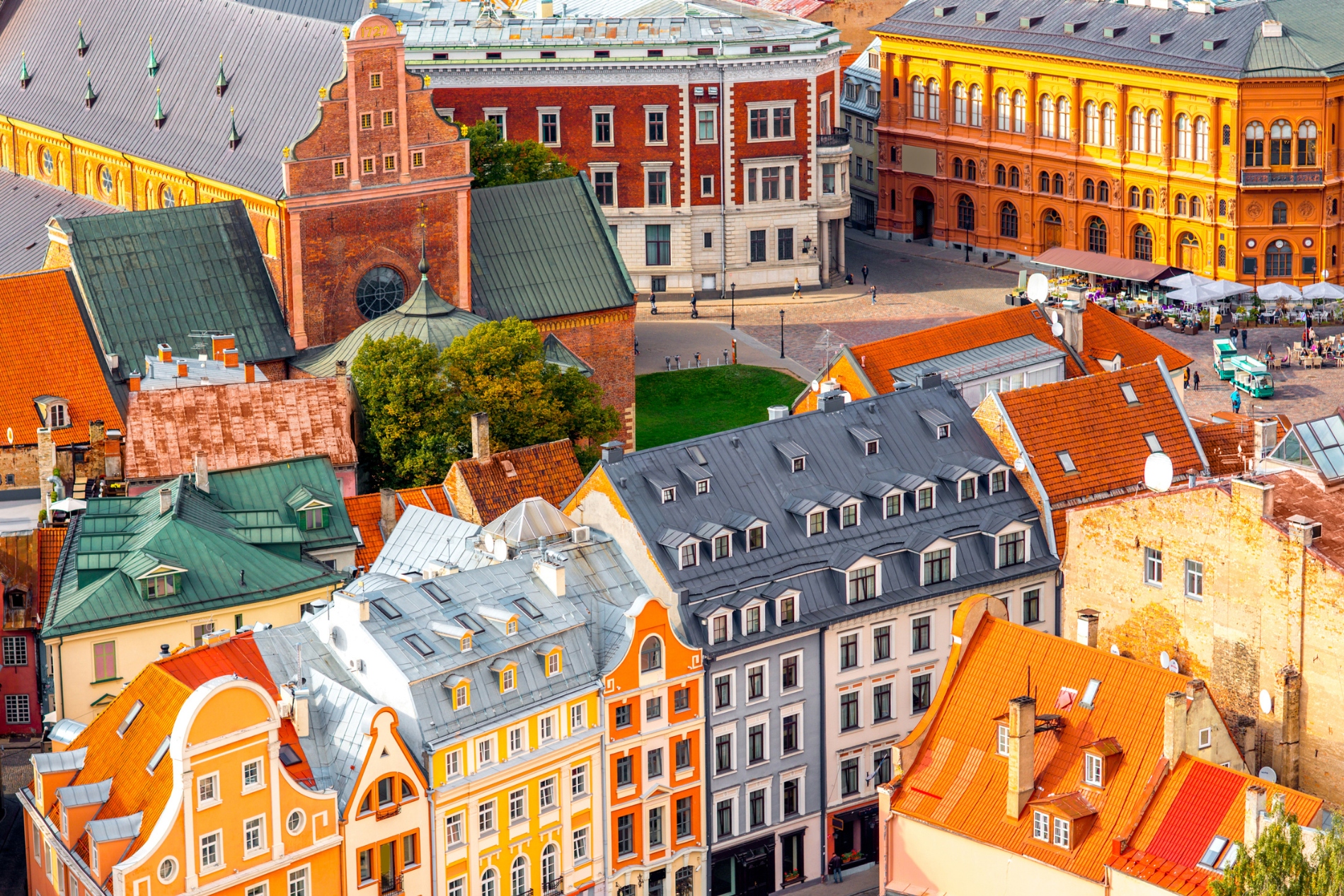
Riga, the capital of Latvia, is a vibrant city known for its stunning Art Nouveau architecture, medieval Old Town, and lively cultural scene. With its rich history, beautiful parks, and bustling markets, Riga offers a unique blend of old-world charm and modern energy.
Top Attractions
Riga Old Town
The heart of Riga, the Old Town is a UNESCO World Heritage site filled with medieval architecture, cobblestone streets, and vibrant squares.
Historical
Half day to full day
Free to explore, attractions vary
Art Nouveau District
Riga is famous for its Art Nouveau buildings, particularly in the district around Alberta Street. This architectural style is a must-see for visitors.
Architecture
2-3 hours
Free to explore
Central Market
One of the largest markets in Eastern Europe, the Central Market offers a variety of fresh produce, local foods, and souvenirs.
Cultural
1-2 hours
Free entry, prices vary
Riga Motor Museum
This unique museum showcases a collection of vintage cars, motorcycles, and bicycles, providing a fascinating look at the history of transportation in Latvia.
Museum
1-2 hours
€5
Must-Try Local Dishes
Pelēkie zivtiņi
Gray peas with bacon and sausages, a traditional Latvian dish often served with potatoes.
Main Course
Contains meat and pork
Rupjmaize
Dark rye bread, a staple in Latvian cuisine, often served with butter and cheese.
Bread
Vegetarian
Skābeņu zupa
Sour rye soup, a traditional Latvian soup made with rye flour, meat, and sour cream.
Soup
Contains meat and dairy
Pīrāgi
Small buns filled with bacon or other savory fillings, often served as a snack or appetizer.
Snack
Contains meat
Popular Activities
Bobsledding in Sigulda
Zip-lining in Sigulda
Hiking in Kemeri National Park
Spa treatments in Jūrmala
Sunbathing at Jūrmala Beach
Strolling through Riga's parks
Visiting museums and historical sites
Attending concerts and performances
Best Time to Visit
June to August
This is the warmest and most popular time to visit, with long daylight hours and numerous festivals and events. The weather is ideal for exploring the city and enjoying outdoor activities.
15°C to 25°C
59°F to 77°F
Practical Information
Language
- Official: Latvian
- Widely spoken: Russian, English
- English: Moderately spoken
Currency
Euro (EUR)
Time Zone
GMT+2 (EET), GMT+3 (EEST) during daylight saving time
Electricity
230VV, 50HzHz
Safety Information
Overall Safety Rating: Generally safe
Riga is generally safe for tourists, with low crime rates and a welcoming atmosphere. However, as with any city, it's important to stay aware of your surroundings and take precautions to protect your belongings.
Important Precautions:
- • Keep valuables secure and out of sight
- • Be cautious when using ATMs, especially at night
- • Avoid walking alone in isolated areas at night
Getting there
By air
- Riga International Airport • 10 km from city center
By train
Riga Central Station
By bus
Riga Bus Station
Getting around
Public transport
Trams are a convenient and affordable way to get around Riga. The system is well-connected and easy to use.
Taxis
Available • Apps: Bolt, eTaxi
Rentals
Car, Bike, Scooter
Neighborhoods
Old Town
Art Nouveau District
Spīķeri
Day trips
Jūrmala
25 km from Riga • Full day
Jūrmala is a popular seaside resort town known for its beautiful beaches, wooden architecture, and spa facilities.
Sigulda
50 km from Riga • Full day
Sigulda is a picturesque town known for its medieval castle, beautiful nature, and adventure activities.
Cēsis
85 km from Riga • Full day
Cēsis is a charming town known for its medieval castle, beautiful parks, and local crafts.
Festivals
Riga Jurmala Music Festival • May
Riga Christmas Market • December
Riga City Festival • June
Pro tips
- Visit the Central Market for fresh produce, local foods, and souvenirs.
- Explore the Art Nouveau District for stunning architecture and unique shops.
- Take a day trip to Jūrmala for beautiful beaches and relaxation.
- Try traditional Latvian dishes like pelēkie zivtiņi and skābeņu zupa.
- Visit Riga's museums and historical sites to learn about the city's rich history.
From $25
per person
Price varies by option
Secure booking
Free cancellation available
Instant confirmation