Private Edinburgh Street Food Walking Tour
Active
3h
For a full refund, cancel at least 24 hours before the scheduled departure time.
Instant confirmation
Mobile or paper ticket accepted
About this experience
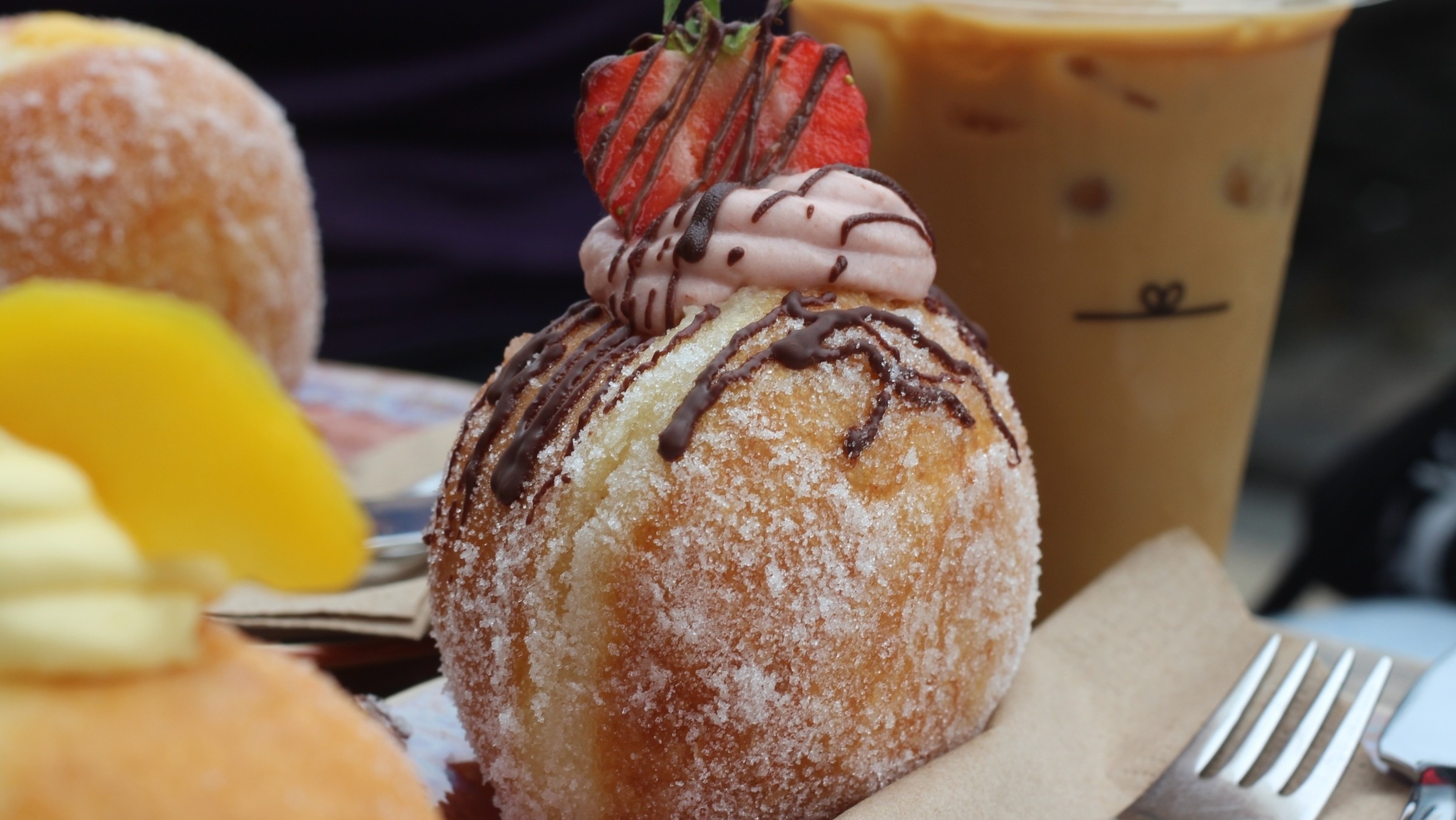
Get your taste buds tingling on a 3-hour guided food tour of Edinburgh's Old Town, with a minimum of ten food samples. The history of Edinburgh has shaped the food eaten by its inhabitants which in turn is reflected in the city’s relationships with the world: conquest, immigration, trade, exchange, and adaptation, from Viking marauders to Italian refugees, to more recent arrivals, have all left their culinary mark on the city. And of course your guide will also point out many of the sites and hidden gems that make Edinburgh the city it is today.
Available options
Private Edinburgh Street Food Walking Tour
What's included
Non alcoholic drinks and snacks are included.
Detailed itinerary
1
Stop 1
Pass by
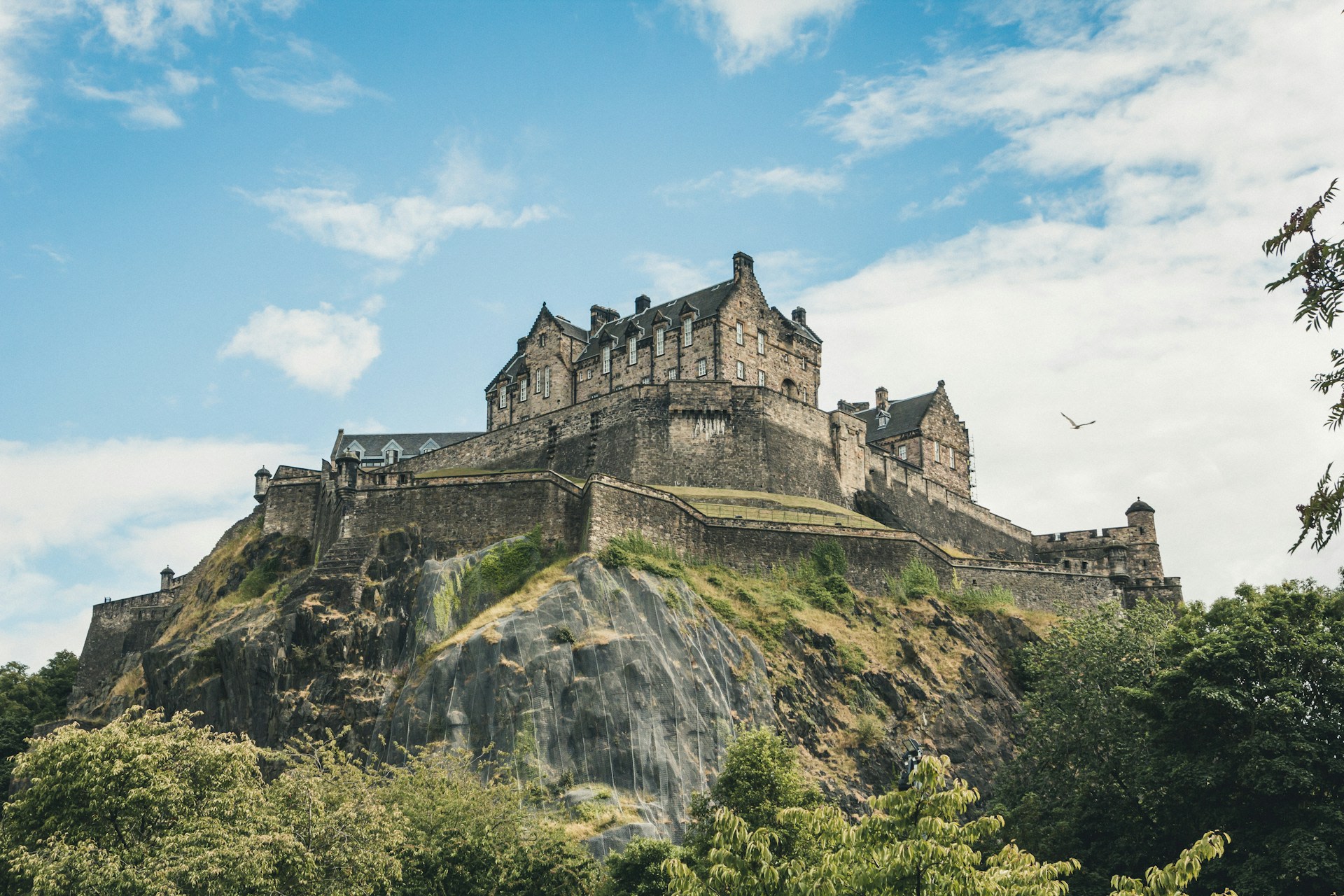
The Royal Mile runs through the heart of Edinburgh’s Old Town, connecting the magnificent Edinburgh Castle, perched high on a base of volcanic rock, with the splendorous Palace of Holyroodhouse, resting in the shadow of Arthur's Seat. The Mile is overlooked by impressive, towering tenements, between which cobbled closes and narrow stairways interlock to create a secret underground world.
2
Old College is a late 18th-century to early 19th-century building of the University of Edinburgh, Scotland. It is located on South Bridge, and presently houses parts of the University's administration, the University of Edinburgh School of Law, and the Talbot Rice Gallery.
3
Stop 3
Pass by
Nestled in the heart of Edinburgh's historic Old Town, with stunning views of Edinburgh Castle, the Grassmarket is one of the most picturesque and lively areas of the city. A paradise of independent merchants, designers and artisans, the area is home to an array of high-quality gift, clothing and homeware shops.
4
Greyfriars Bobby (4 May 1855 – 14 January 1872) was a Skye Terrier or Dandie Dinmont Terrier[1] who became known in 19th-century Edinburgh for spending 14 years guarding the grave of his owner until he died on 14 January 1872. The story continues to be well known in Scotland, through several books and films.
5
Greyfriars Kirkyard is the graveyard surrounding Greyfriars Kirk in Edinburgh, Scotland. It is located at the southern edge of the Old Town, adjacent to George Heriot's School. Burials have been taking place since the late 16th century, and a number of notable Edinburgh residents are interred at Greyfriars.
6
Stop 6
Pass by
St Giles’ Cathedral, founded in 1124 by King David I, has been a working church for almost 900 years. A backdrop to Scotland’s turbulent religious history, it has seen the seeds of civil war sown and been John Knox’s parish church during the Reformation. It is still an important centre for civic services such as the Kirking of the Parliament and services for Most Ancient and Most Noble Order of the Thistle.
7
The Mercat Cross of Edinburgh is a market cross, the structure that marks the market square of the market town of Edinburgh. It stands in Parliament Square next to St Giles' Cathedral, facing the High Street in the Old Town of Edinburgh
8
Lady Stairs Close is one of the most famous closes in Edinburgh. It is home to the 17th century townhouse ‘Lady Stairs House’, which is renowned for its picturesque beauty. The house is close to four hundred years old and has many a story to tell. It was common for wealthy families at that time to live in closes, as they did not want to live in the busy main streets. Make sure you take a peek at the Writers’ Museum while you’re there. The museum celebrates the famous Scottish authors Robert Burns, Walter Scott, and Robert Louis Stevenson.
9
Stop 9
Pass by
No trip to Edinburgh would be complete without a visit to the Palace of Holyroodhouse, the King's official residence in the Scottish capital. The palace is best known as the home of Mary, Queen of Scots – she was married here, and witnessed the brutal killing of her secretary in her private apartments.
What's not included
Alcoholic Beverages
Available languages
Guide guide
EN
Reviews breakdown
Viator
4.2
5 reviews
5★
4
4★
0
3★
0
2★
0
1★
1
Tripadvisor
5.0
2 reviews
5★
2
4★
0
3★
0
2★
0
1★
0
Important information
Wheelchair accessible
Infants and small children can ride in a pram or stroller
Service animals allowed
Public transportation options are available nearby
Transportation options are wheelchair accessible
Travelers should have at least a moderate level of physical fitness
Meeting point
Meeting point is the Police Box on the corner of Cranston Street and the Royal Mile.
About Edinburgh
Edinburgh, Scotland's capital, is a city of historic and cultural significance. Known for its medieval Old Town and elegant Georgian New Town, both designated as UNESCO World Heritage Sites, Edinburgh offers a unique blend of ancient and modern. The city is famous for its annual festivals, including the Edinburgh Fringe, and its iconic Edinburgh Castle.
Top Attractions
Edinburgh Castle
A historic fortress that dominates the city's skyline. It houses the Scottish Crown Jewels and the Stone of Destiny.
Historical
2-3 hours
£18 (adult), £11 (child)
Royal Mile
A historic street connecting Edinburgh Castle to the Palace of Holyroodhouse. Lined with shops, restaurants, and historic sites.
Historical/Cultural
Several hours to explore fully
Free to walk, attractions vary
Arthur's Seat
An extinct volcano offering panoramic views of the city. A popular spot for hiking and outdoor activities.
Nature/Adventure
1-2 hours (hike)
Free
The Royal Yacht Britannia
The former royal yacht of the British monarchy, now a museum docked in Edinburgh's port.
Historical
2 hours
£19 (adult), £10 (child)
Must-Try Local Dishes
Haggis
A traditional Scottish dish made from sheep's offal, oats, and spices, typically served with neeps and tatties (turnips and potatoes).
Main Course
Not vegetarian or vegan.
Scotch Pie
A small, double-crust meat pie filled with minced mutton or beef.
Snack
Contains meat.
Cranachan
A traditional Scottish dessert made with whipped cream, raspberries, honey, and toasted oats.
Dessert
Contains dairy and gluten.
Irn-Bru
Scotland's iconic bright orange, fizzy soft drink with a unique flavor.
Drink
Contains caffeine and sugar.
Popular Activities
Hiking Arthur's Seat
Kayaking on the Water of Leith
Cycling the National Cycle Network
Afternoon tea at The Dome
Visiting the Royal Botanic Garden
Strolling along Princes Street Gardens
Exploring the National Museum of Scotland
Visiting the Scottish National Gallery
Best Time to Visit
June to August
Summer is the peak tourist season, with long daylight hours and numerous festivals. The weather is generally pleasant, making it ideal for exploring the city's outdoor attractions.
15°C to 20°C (59°F to 68°F)
59°F to 68°F
Practical Information
Language
- Official: English
- Widely spoken: Scottish Gaelic
- English: Widely spoken
Currency
British Pound (GBP)
Time Zone
GMT (UTC+0) or BST (UTC+1) during daylight saving time
Electricity
230VV, 50HzHz
Safety Information
Overall Safety Rating: Generally safe
Edinburgh is generally safe for tourists, but as with any major city, it's important to be aware of your surroundings and take precautions against petty crime.
Important Precautions:
- • Keep valuables secure
- • Be cautious of your surroundings at night
- • Use reputable taxi services or ride-sharing apps
Getting there
By air
- Edinburgh Airport • 13 km (8 miles) from city center
By train
Edinburgh Waverley, Edinburgh Haymarket
By bus
Edinburgh Bus Station (Stance 20)
Getting around
Public transport
Affordable and frequent bus services cover the entire city. Key routes include the Airlink 100 to the airport.
Taxis
Available • Apps: Uber, FREE NOW
Rentals
Car, Bike, Scooter
Neighborhoods
Old Town
New Town
Leith
Day trips
Lothian
10-20 km (6-12 miles) • Half day to full day
Lothian offers a mix of historic sites, scenic landscapes, and outdoor activities. Visit historic castles, explore picturesque villages, and enjoy the beautiful countryside.
Fife
30-50 km (18-31 miles) • Full day
Fife is known for its beautiful coastline, historic towns, and the famous St. Andrews, home to the University of St. Andrews and the Old Course golf course.
Stirling
60 km (37 miles) • Full day
Stirling is a historic city known for its castle and its role in Scottish history. It's a great destination for history enthusiasts and those interested in Scotland's past.
Festivals
Edinburgh Festival Fringe • August
Edinburgh International Festival • August
Hogmanay • December 31
Pro tips
- Visit the camera obscura for a unique view of the city
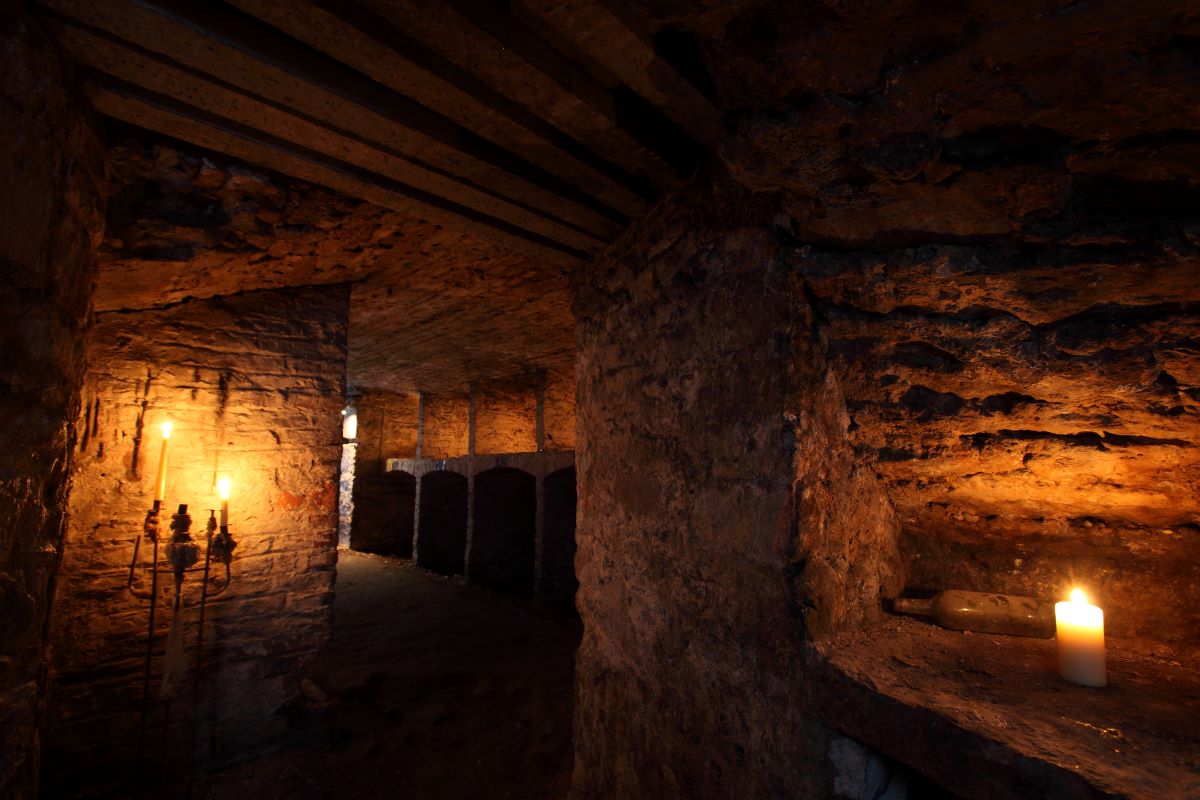
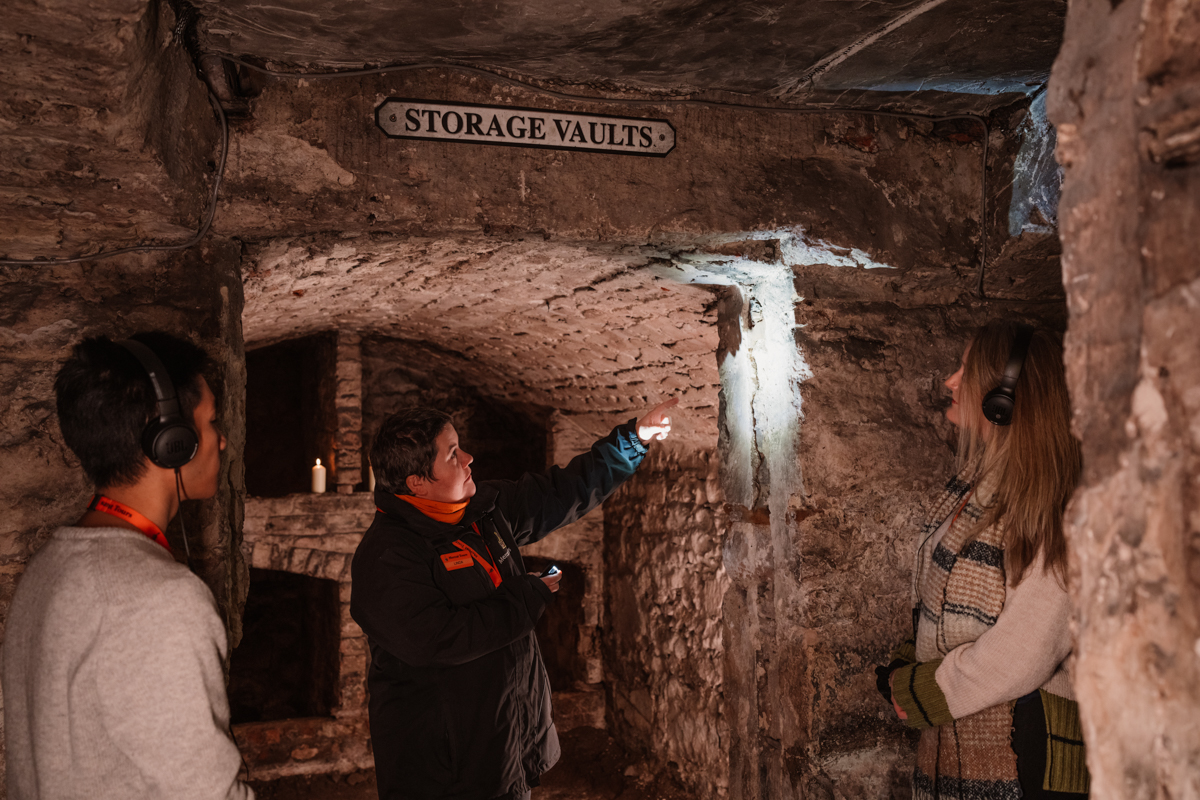
- Explore the underground closes for a glimpse into Edinburgh's past
- Try a whisky tasting at one of the city's many whisky bars
- Walk the Royal Mile at night for a quieter and more atmospheric experience
- Visit the National Museum of Scotland for a comprehensive overview of the city's history and culture
From $25
per person
Price varies by option
Secure booking
Free cancellation available
Instant confirmation