From Aveiro: Costa Nova, Barra, Vista Alegre - Half-Day Trip
Active
3h
For a full refund, cancel at least 24 hours before the scheduled departure time.
Instant confirmation
Mobile or paper ticket accepted
About this experience
We will travel for some time in a young land, created by nature, where less than two millenniuns ago it was open sea.
This tour, focused on nature and the transformation of the landscape allows us to understand how amazing the Ria de Aveiro region is and how it shaped its inhabitants, and how it was shaped by them.
The salt pans, the large canals, the typical boats and also the large fishing ones, the striped painted houses on the Costa Nova, the harbor entrance, the lighthouse, porcelain factory and its chapel at Vista Alegre are all vestiges of an impressive effort by women and men throughout the centuries.
A unique route in a unique region.
Available options
From Aveiro: Costa Nova, Barra, Vista Alegre - Half-Day Trip
Pickup included
What's included
Bottled water
Entrance fee
Air-conditioned vehicle
Coffee and/or Tea
Detailed itinerary
1
We’ll leave Aveiro and cross the Central Canal, arriving in the traditional salt fields and the Environmental Interpretation Centre, where we’ll attempt to spot flamingoes. Next we will visit Aveiro’s two quays - the distant-water fishing quay and the commercial quay - where we’ll learn more about the region’s natural evolution and economic history.
2
At Praia da Barra we will gaze upon the man-made opening where the lagoon meets the sea. This structure was built in the early nineteenth century, using the stone from Aveiro’s medieval city walls. The majestic lighthouse stands out in the beautiful Atlantic landscape, accompanying us as we enjoy a short walk by the sea.
3
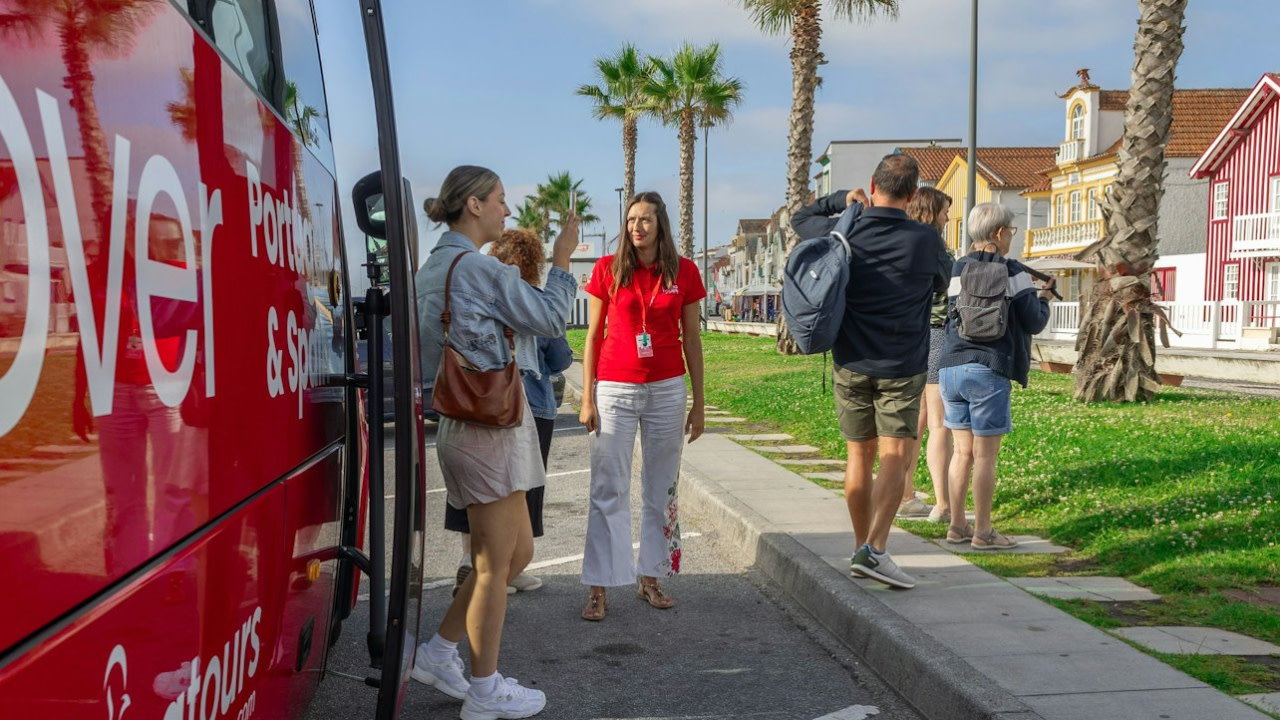
We will also walk through Costa Nova, along the typical striped wooden houses. These used to be fishermen’s abodes and are nowadays part of one of the most beautiful and original coastal landscapes in Portugal. You will also have a chance to taste our Portuguese custard tarts (Pasteis de Nata), in one of our local bakeries.
4
We will then drive to Vista Alegre, a small settlement where the famous Vista Alegre Factory is located. Built in 1824, it’s renowned internationally for its ceramic and glassware production. We’ll then visit the museum, with the possibility of watching the artists delicately paint the ceramic pieces in the workshop (workshop closed during the weekend).
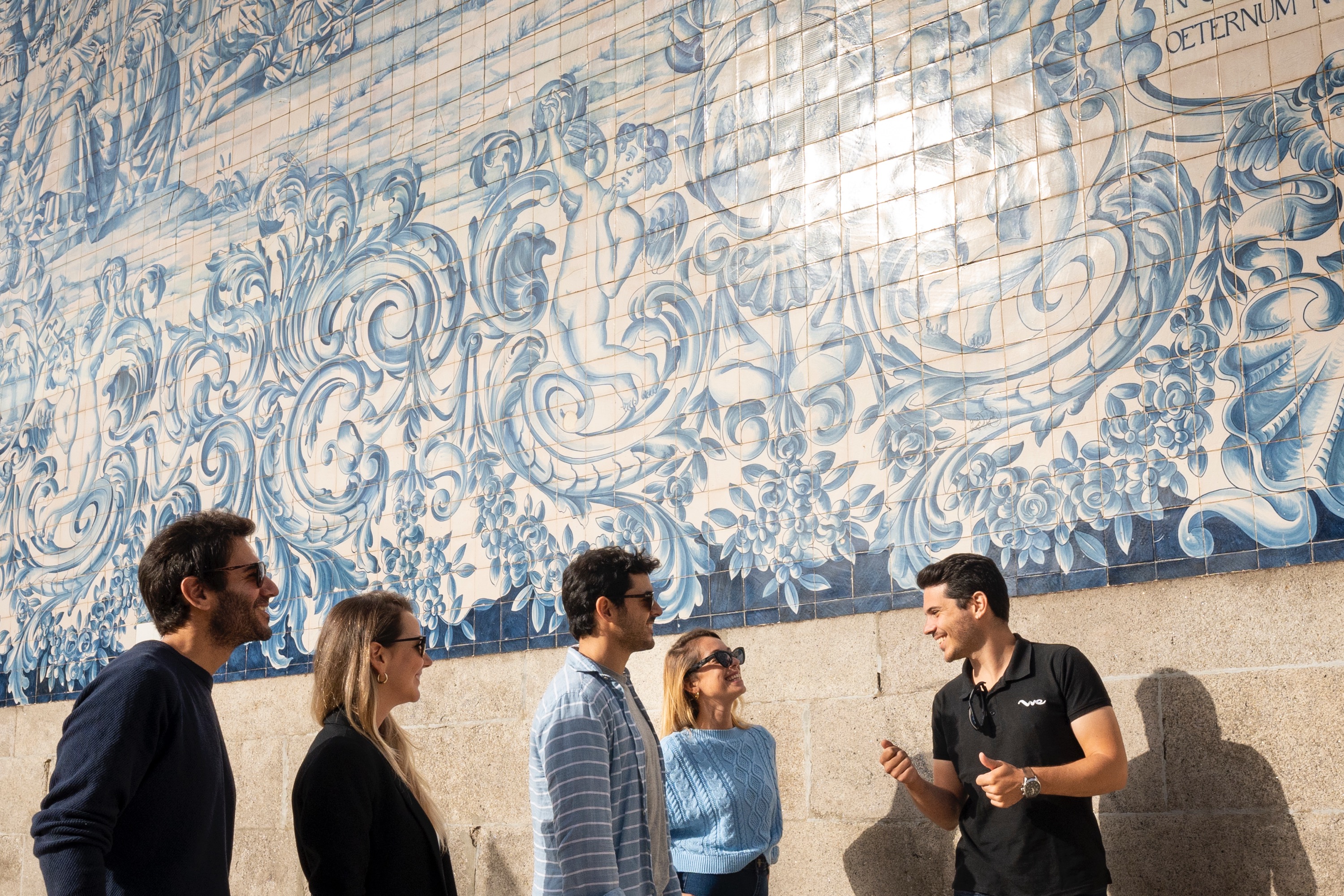
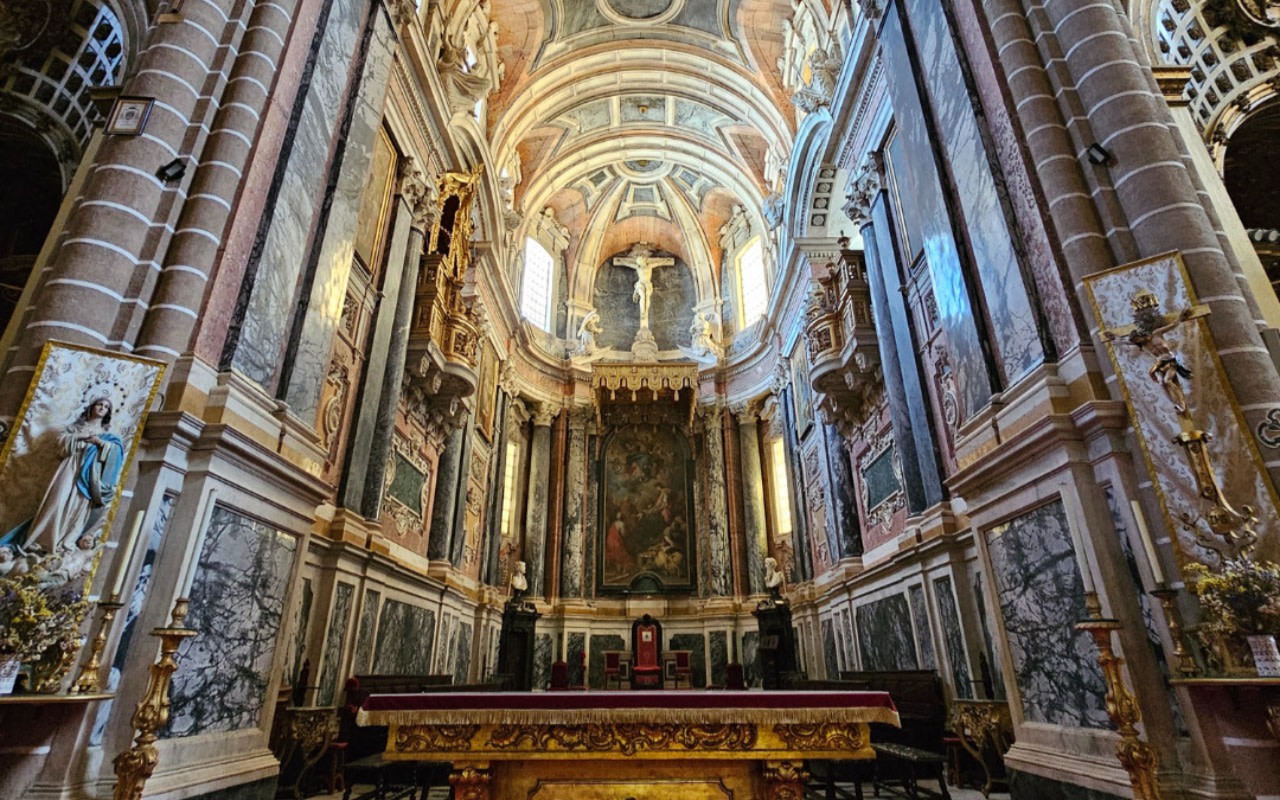
Still in Vista Alegre, we’ll also have a look through the local chapel, Capela da Nossa Senhora da Penha de França, a seventeenth-century national site, decorated with Portuguese tiles (azulejos) and frescoes.
Before returning to Aveiro, you’ll also have a chance to briefly visit the Factory shop and outlet.
Available languages
Guide guide
PT
EN
FR
ES
Reviews breakdown
Viator
4.8
4 reviews
5★
3
4★
1
3★
0
2★
0
1★
0
Tripadvisor
4.8
4 reviews
5★
3
4★
1
3★
0
2★
0
1★
0
Important information
Suitable for all physical fitness levels
Meeting point
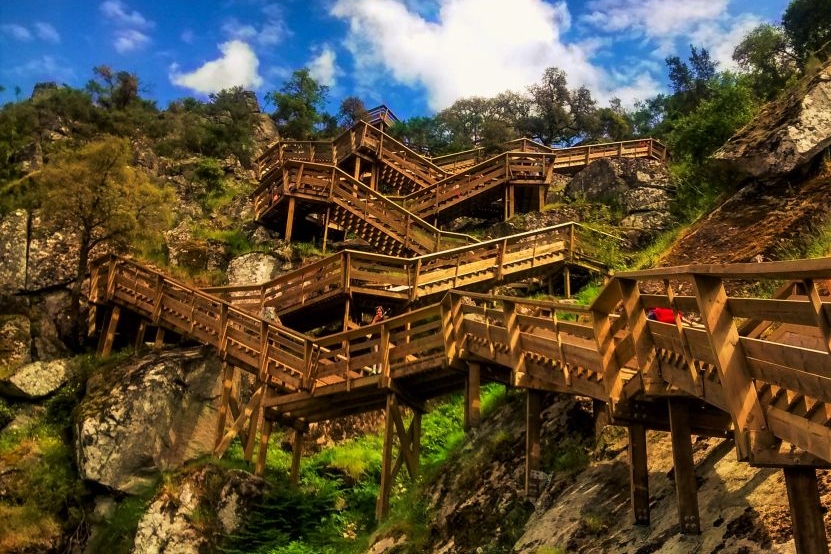
In the parking lot, on the west side of the pedestrian bridge of the Botirões (AKA the loop bridge).
About Porto
Porto, the second-largest city in Portugal, is a vibrant coastal city known for its rich history, stunning architecture, and delicious cuisine. With its picturesque Ribeira district, historic bridges, and world-famous port wine cellars, Porto offers a unique blend of cultural heritage and modern charm.
Top Attractions
Ribeira District
The Ribeira district is the historic heart of Porto, known for its colorful buildings, narrow streets, and lively atmosphere. It's a UNESCO World Heritage site and a must-visit for anyone coming to Porto.
Historical
2-3 hours
Free to explore
Livraria Lello
Livraria Lello is one of the most famous bookstores in the world, known for its stunning neo-Gothic interior and as an inspiration for J.K. Rowling's Harry Potter series.
Cultural
1 hour
€6 (includes a book voucher)
Clérigos Tower
The Clérigos Tower is a iconic Baroque bell tower that offers panoramic views of Porto. Climbing the 240 steps to the top is well worth the effort for the breathtaking views.
Architecture
1 hour
€5
Dom Luís I Bridge
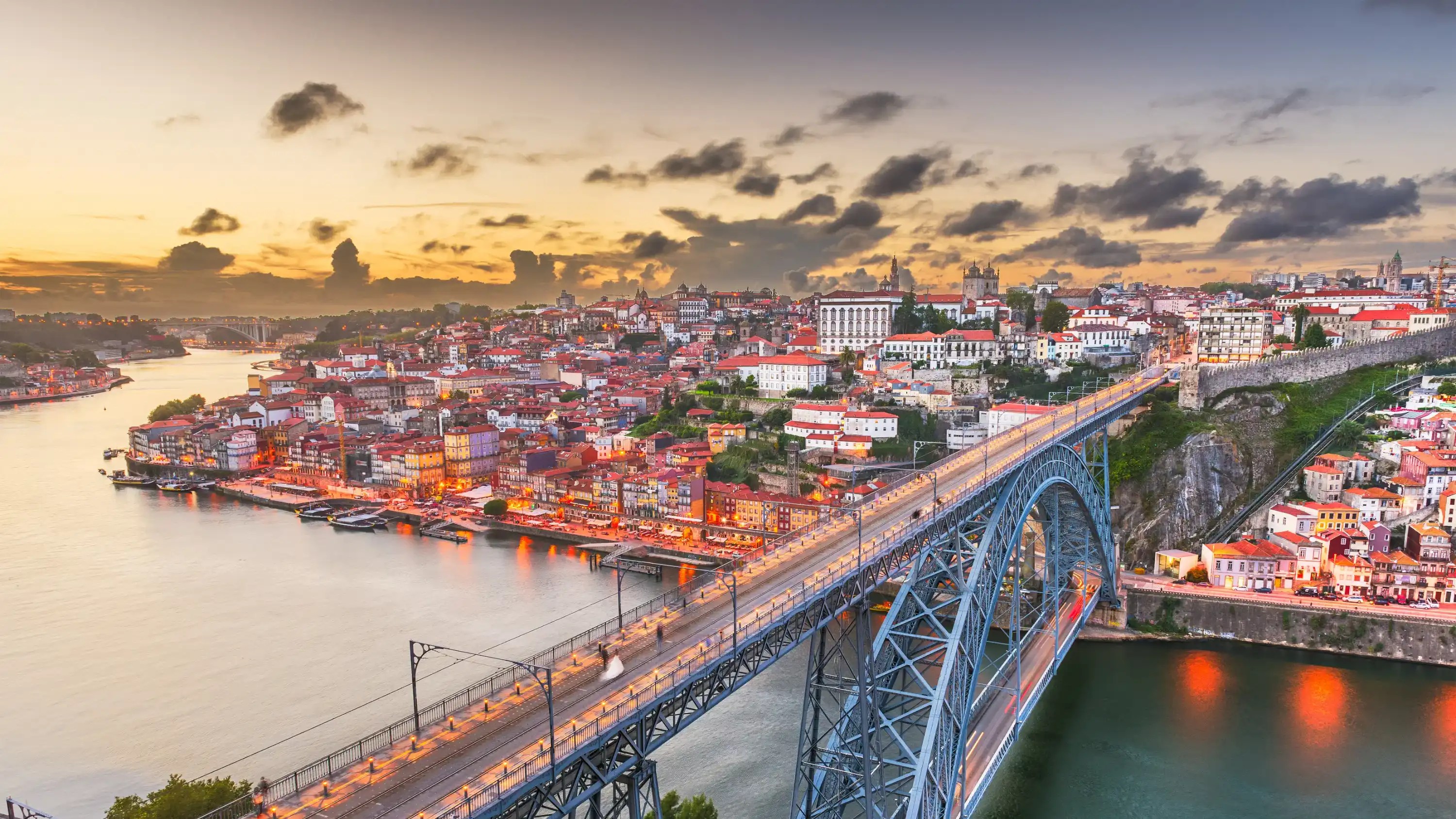
This double-deck iron bridge spans the Douro River, connecting Porto to Vila Nova de Gaia. The upper deck offers stunning views of the river and the city.
Architecture
30 minutes
Free
Port Wine Cellars
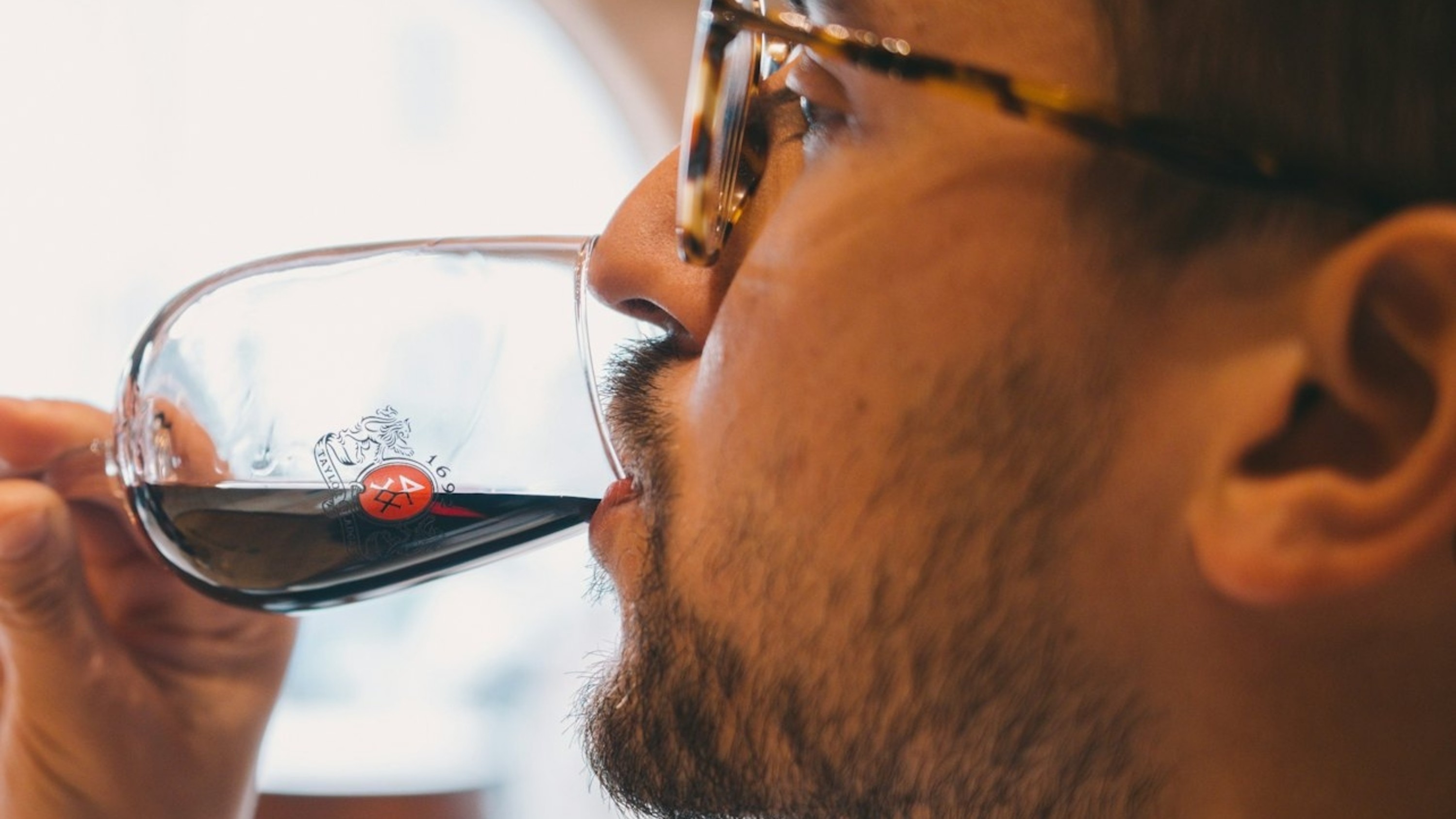
Vila Nova de Gaia is home to many of Porto's famous port wine cellars, where you can learn about the history of port wine and enjoy tastings.
Cultural
2-3 hours
€10-€30
Must-Try Local Dishes
Francesinha
A hearty sandwich made with layers of meat, covered in melted cheese and a special sauce, served with fries.
Lunch/Dinner
Contains meat and dairy
Bacalhau à Brás
A traditional Portuguese dish made with shredded cod, onions, potatoes, and eggs.
Lunch/Dinner
Contains fish and eggs
Tripas à Moda do Porto
A traditional Porto dish made with tripe, beans, and spices, slow-cooked to perfection.
Lunch/Dinner
Contains meat
Pastéis de Nata
Delicious custard tarts with a flaky pastry crust, often dusted with cinnamon or powdered sugar.
Dessert
Contains dairy and eggs
Popular Activities
Hiking in the Serra do Pilar
Kayaking on the Douro River
Sunbathing at Praia do Castelo do Queijo
Enjoying a port wine tasting
Visiting the Livraria Lello
Exploring the Ribeira district
Swimming at Praia do Castelo do Queijo
Boat tours on the Douro River
Best Time to Visit
May to September
This is the peak tourist season with warm weather and plenty of sunshine. It's ideal for exploring the city and enjoying outdoor activities.
18°C to 28°C
64°F to 82°F
Practical Information
Language
- Official: Portuguese
- Widely spoken: English, Spanish, French
- English: Widely spoken in tourist areas
Currency
Euro (EUR)
Time Zone
GMT+1 (Western European Time)
Electricity
230VV, 50HzHz
Safety Information
Overall Safety Rating: Generally safe
Porto is generally a safe city for travelers, with low violent crime rates. However, petty crime, such as pickpocketing and bag snatching, can occur in tourist areas and on public transportation.
Important Precautions:
- • Keep valuables secure and out of sight, especially in tourist areas and on public transportation
- • Be cautious when using taxis, and always ensure the meter is running or agree on a price before starting your journey
- • Avoid walking alone at night in quiet or poorly lit areas
Getting there
By air
- Francisco Sá Carneiro Airport • 11 km (7 miles) from city center
By train
Porto Campanhã, Porto São Bento
By bus
Porto Bus Terminal (Terminal de Camionagem de Porto)
Getting around
Public transport
The metro system is efficient and easy to use, with six lines connecting major points of interest.
Taxis
Available • Apps: Bolt, Uber
Rentals
Car, Bike, Scooter
Neighborhoods
Ribeira
Bolhão
Foz do Douro
Miguel Bombarda
Day trips
Braga
50 km (31 miles) • Full day
Braga is a historic city known for its beautiful churches, monasteries, and the Bom Jesus do Monte sanctuary.
Guimarães
40 km (25 miles) • Full day
Guimarães is a historic city known as the birthplace of Portugal. It's home to a well-preserved medieval center and the stunning Guimarães Castle.
Douro Valley
80 km (50 miles) • Full day
The Douro Valley is a stunning wine region known for its terraced vineyards, port wine cellars, and scenic boat tours.
Festivals
São João Festival • June 23-24
Festa de São João • June 24
Porto Wine Festival • September
Pro tips
- Visit the Livraria Lello bookstore early in the morning or late in the afternoon to avoid the crowds and long queues
- Take a port wine tasting tour to learn about the history of port wine and sample a variety of wines from different cellars
- Explore the historic center of Porto on foot, as many of its narrow streets and charming squares are best discovered by walking
- Try the local cuisine, such as Francesinha, Bacalhau à Brás, and Tripas à Moda do Porto, at traditional restaurants and cafes
- Take a day trip to the Douro Valley to see the stunning vineyards, visit port wine cellars, and enjoy a scenic boat tour on the Douro River
From $25
per person
Price varies by option
Secure booking
Free cancellation available
Instant confirmation