Explore magical cairo by night
Active
5h - 6h
For a full refund, cancel at least 24 hours before the scheduled departure time.
Instant confirmation
Mobile or paper ticket accepted
About this experience
Experience Cairo anew with a private tour of the historic Islamic Cairo. Discover ancient mosques, bustling streets, vibrant bazaars, and more within the old walled city. Enjoy convenient hotel pickup and drop-off in Cairo or Giza by your private driver. Your knowledgeable Egyptologist guide will unveil treasures such as the famous Khan Al-Khalili, ancient city gates, and a 16th-century trading inn. Immerse yourself in the rich tapestry of the city's past and present, all while enjoying seamless transportation and expert insights.
Available options
Explore magical cairo by night
Pickup included
What's included
Private tour
Entrance fees
Bottled water
dinner
Oriental cafe, so you will have the chance of having a drink and smoking Shisha
Taxes and charges.
Pick up services from starting point and return
Air-conditioned vehicle
Tour Guide
Detailed itinerary
1
Stop 1
Islamic Cairo, located within the heart of central Cairo and encompassing the ancient walled city and the Citadel of Cairo, is a captivating district teeming with a rich history. This area is adorned with an array of historic gems, including numerous mosques, tombs, madrasas, opulent mansions, caravanserais, and formidable fortifications dating back to the Islamic era. The significance of Islamic Cairo led UNESCO to declare it a World Cultural Heritage site in 1979. It's renowned as one of the oldest Islamic cities globally, boasting renowned mosques, madrasas, hammams, and fountains, and standing as a hub of Islamic culture during its pinnacle in the 14th century.
2
Muizz Street, also known as Al Moez Ldin Allah Al Fatimi Street, is a venerable thoroughfare nestled in the heart of Islamic Cairo, Egypt. Spanning roughly one kilometer in length, this street showcases an unparalleled collection of medieval architectural treasures within the Islamic world. It derives its name from Al-Mu'izz li-Din Allah, the fourth caliph of the Fatimid dynasty. Stretching from Bab Al-Futuh in the north to Bab Zuweila in the south, Muizz Street underwent extensive restoration efforts starting in 1997. The aim was to transform the street into an "open-air museum." On April 24, 2008, Al-Muizz Street was designated.
The northern section of the street spans from the Al-Hakim Mosque to the Spice Market at Al-Azhar Street, encompassing treasures like the Al-Aqmar Mosque, the Qalawun complex, well-preserved medieval mansions, and palaces.
The southern part extends from the Ghuriya complex to Bab Zuweila and includes the splendid Tent Market in the Gamaliya district.
3
Bab al Futuh, also known as the Conquest Gate, stands as one of the trio of surviving gates within the walls of Old Cairo, Egypt. Its completion in 1087 positions it facing the north and marking the northern extremity of Muizz Street. The remaining two gates are Bab al-Nasr (Victory Gate) to the North and Bab Zuwayla (Gate of Zuwayla) to the south.
The gate forms an integral part of the fortified complex constructed by Commander/Vizier Badr al-Jamali during the reign of Fatimid Imam/caliph Mustansir. Boasting rounded towers that offered superior defense compared to the square towers of Bab al-Nasr, it featured defensive elements like shafts for pouring boiling substances or fiery oil onto assailants, as well as arrow slits. The gate's embellishments are characterized by intricate vegetal and geometric motifs.
4
The Sultan Al-Ghuri Complex, erected between 1503 and 1505, stands as a grand testament to Islamic architecture. This sprawling complex, situated in the Fahhamin Quarter along al Mu'izz li-Din Allah Street in Cairo, Egypt, encompasses a khanqah, mausoleum, sebil-kuttab, mosque, and madrasa. Spanning both sides of al Mu'izz li-Din Allah Street, the congregational mosque-madrasa graces the western side, while the khanqah-mausoleum-sabil-kuttab occupies the eastern side.
5
Bab Zuweila, a relic of the ancient walls of Cairo, stands as a symbol of the city's history. Often referred to as Bawabbat al-Mitwali during the Ottoman era, it also goes by the alternate spelling Bab Zuwayla. This gate, the last standing southern gate from the 11th and 12th-century walls of Fatimid Cairo, is considered a prominent landmark. Its name is derived from "Bab," meaning "Door," and "Zuwayla," a Berber warrior tribe from the Western Desert tasked with its protection.
6
Stop 6
Khan El-Khalili, a bustling souk in the heart of historic Islamic Cairo, holds a position of prominence as a captivating bazaar district. Drawing both tourists and locals alike, this area is a vibrant hub of activity, offering an assortment of goods and an immersive cultural experience.
What's not included
Gratuities
Available languages
Guide guide
DE
EN
IT
FR
ES
Important information
Wheelchair accessible
Infants and small children can ride in a pram or stroller
Public transportation options are available nearby
Infants are required to sit on an adult’s lap
Transportation options are wheelchair accessible
All areas and surfaces are wheelchair accessible
Suitable for all physical fitness levels
About Cairo
Cairo, the capital of Egypt, is a vibrant metropolis where ancient history and modern life intertwine. As one of the largest cities in Africa, it offers a wealth of historical landmarks, bustling markets, and rich cultural experiences that attract millions of visitors each year.
Top Attractions
The Great Pyramids of Giza
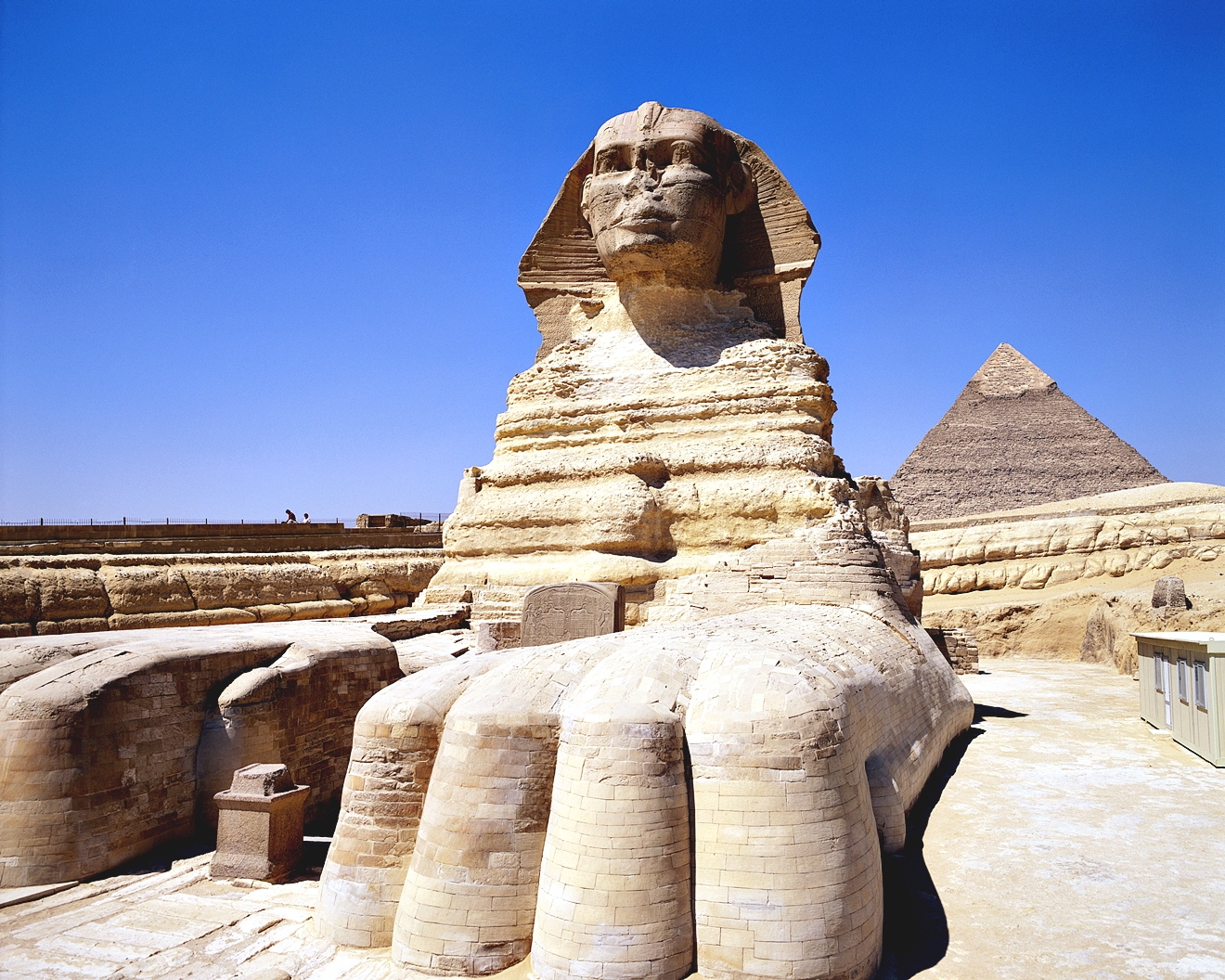
The iconic pyramids are one of the most famous landmarks in the world and a must-visit for any traveler to Cairo. They are part of the Giza Necropolis, which also includes the Great Sphinx.
Historical
Half day to full day
Moderate (around $10-20 for entrance fees)
Egyptian Museum
This museum houses the largest collection of ancient Egyptian artifacts in the world, including the treasures of Tutankhamun. It's a must-visit for anyone interested in Egypt's rich history.
Museum
2-3 hours
Moderate (around $10-15 for entrance fees)
Khan el-Khalili Bazaar
One of the oldest and most famous markets in the Middle East, Khan el-Khalili offers a vibrant shopping experience with a wide range of goods, from spices and perfumes to jewelry and souvenirs.
Cultural
1-2 hours
Moderate (prices vary depending on items)
Coptic Cairo
This area is home to some of the oldest Christian churches in Egypt, including the Hanging Church and the Church of St. Sergius and Bacchus. It's a fascinating place to explore for those interested in the history of Christianity in Egypt.
Historical
1-2 hours
Low (around $5-10 for entrance fees)
Nile River Cruise
A Nile River cruise offers a unique way to see Cairo from a different perspective. Many cruises include dinner and entertainment, making it a memorable experience.
Cultural
2-3 hours
Moderate to Expensive (depending on the cruise package)
Must-Try Local Dishes
Koshari
A popular street food made with a mix of rice, lentils, chickpeas, pasta, and fried onions, topped with a spicy tomato sauce.
Main Dish
Vegetarian
Ful Medames
A traditional breakfast dish made with mashed fava beans, garlic, lemon juice, and olive oil, often served with bread.
Breakfast
Vegetarian, Vegan
Molokhia
A green leafy vegetable soup made with jute leaves, garlic, and coriander, often served with rice or bread.
Main Dish
Vegetarian, Vegan
Kofta
Grilled minced meat skewers made with a mix of ground beef, lamb, or chicken, seasoned with spices and herbs.
Main Dish
Contains meat
Popular Activities
Desert safaris
Quad biking in the desert
Hot air balloon rides over the Nile
Nile River cruises
Beach relaxation in Alexandria or Hurghada
Spa and wellness treatments
Exploring ancient temples and ruins
Visiting museums and galleries
Best Time to Visit
October to April
This period offers the most pleasant weather for sightseeing and outdoor activities. The temperatures are mild, making it ideal for exploring the city's historical sites.
15-28°C
59-82°F
Practical Information
Language
- Official: Arabic
- Widely spoken: English, French
- English: Moderately spoken in tourist areas, limited in other parts of the city
Currency
Egyptian Pound (EGP)
Time Zone
EET (GMT+2)
Electricity
220VV, 50HzHz
Safety Information
Overall Safety Rating: Exercise caution
Cairo is generally safe for tourists, but pickpocketing, scams, and harassment can occur, especially in crowded areas. It's important to stay vigilant, be aware of your surroundings, and take precautions to protect yourself and your belongings.
Important Precautions:
- • Be aware of your surroundings and keep your belongings secure, especially in crowded areas.
- • Avoid walking alone at night, especially in poorly lit or deserted areas.
- • Be cautious when using taxis, and always agree on a fare or use the meter before starting your journey.
Getting there
By air
- Cairo International Airport • 20 km from city center
By train
Ramses Station
By bus
Cairo Bus Station, Turgoman Bus Station
Getting around
Public transport
The metro is the fastest and most efficient way to get around Cairo. It has three lines and is relatively affordable.
Taxis
Available • Apps: Uber, Careem
Rentals
Car, Bike, Scooter
Neighborhoods
Downtown Cairo
Islamic Cairo
Zamalek
Giza
Day trips
Alexandria
220 km from Cairo • Full day
Alexandria is a beautiful coastal city with a rich history, offering a mix of ancient landmarks, beaches, and vibrant culture.
Luxor
670 km from Cairo • Overnight
Luxor is often referred to as the world's greatest open-air museum, offering a wealth of ancient Egyptian landmarks and temples.
Aswan
870 km from Cairo • Overnight
Aswan is a charming city on the Nile, known for its beautiful landscapes, ancient temples, and relaxing atmosphere.
Festivals
Cairo International Film Festival • Late November to early December
Cairo Jazz Festival • Late January to early February
Cairo Fashion Festival • April
Pro tips
- Learn a few basic Arabic phrases to enhance your experience and connect with locals.
- Hire a guide for major attractions, such as the Great Pyramids of Giza and the Egyptian Museum, to gain a deeper understanding of their history and significance.
- Bargain when shopping at markets and bazaars, as it's expected and can help you get a better deal.
- Dress modestly and respectfully, especially when visiting religious sites, to show respect for local customs and traditions.
- Be prepared for heavy traffic and crowded streets, especially during peak hours and in popular tourist areas.
From $25
per person
Price varies by option
Secure booking
Free cancellation available
Instant confirmation