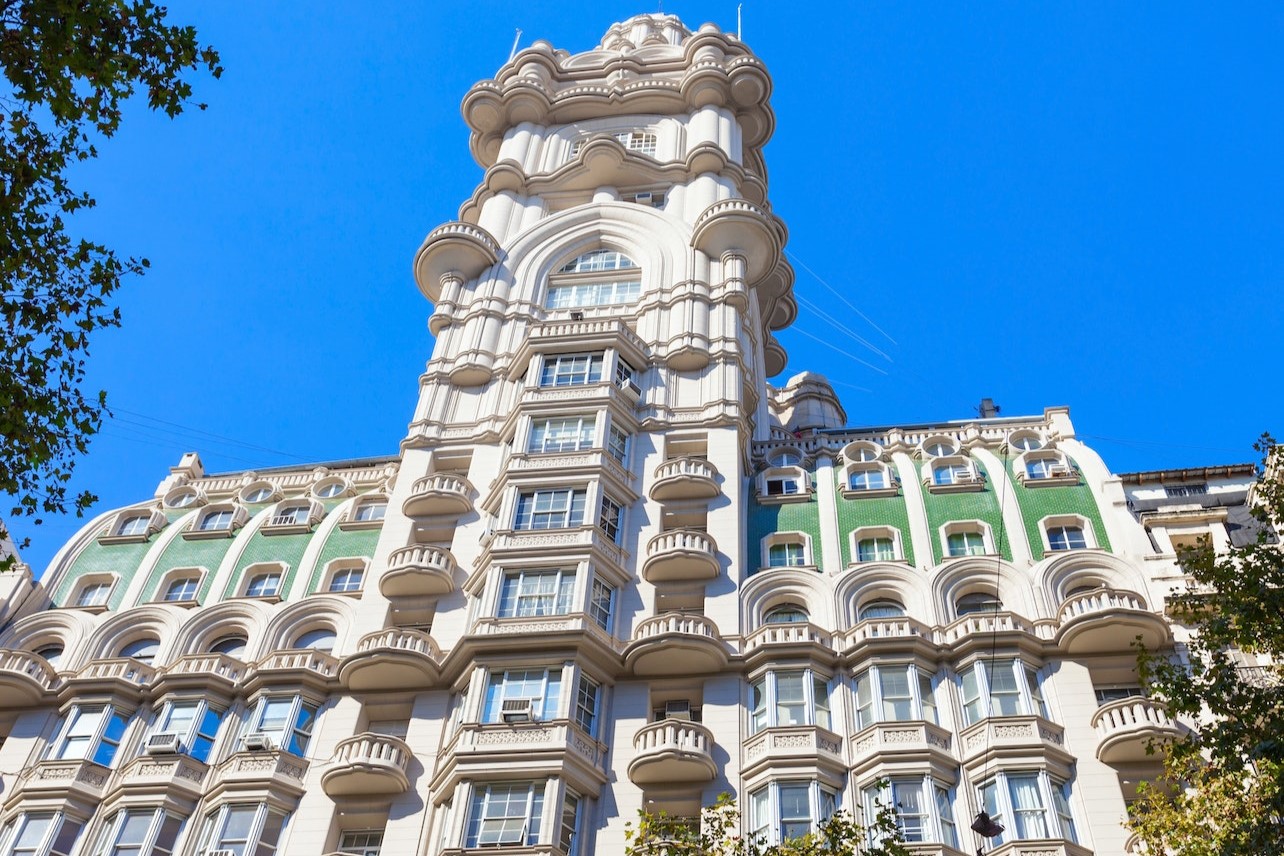
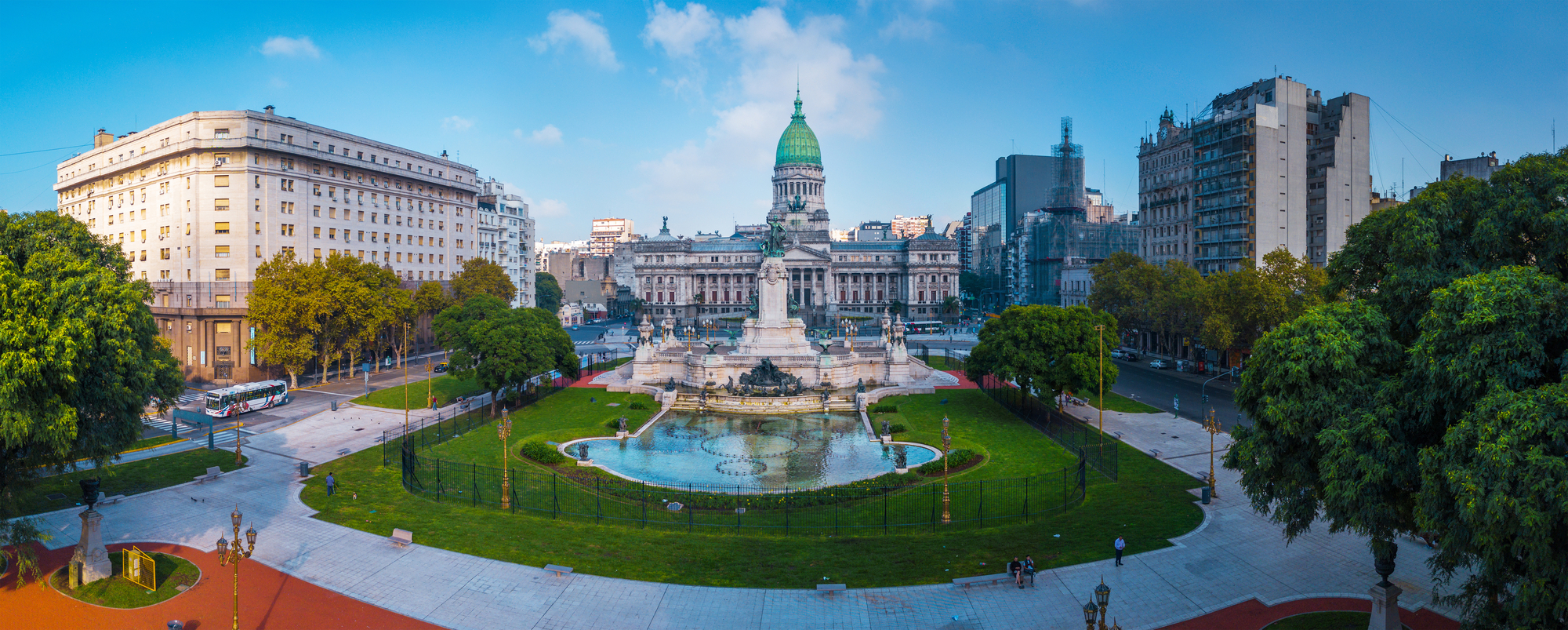
Puerto Madero, its history and architecture. 2 hour guided tour
Active
2h
For a full refund, cancel at least 24 hours before the scheduled departure time.
Instant confirmation
Mobile or paper ticket accepted
About this experience
At Recorre BA (@recorre.ba) we invite you to experience the city in a different way with guides specialized in the history of Buenos Aires. We invite tourists to tour the city of Buenos Aires experiencing its history, its architecture, its characters and the different transformations that have occurred over time.
Our proposal is to be able to understand the history of the city through the urban tour. The streets, the avenues, the parks and the various corners of Buenos Aires hide secrets that are worth telling.
We will wait for you!!
Available options
Tour of Puerto Madero. 2 hours
What's included
Guide specialist in history of Buenos Aires
Detailed itinerary
1
Stop 1
We will tell you about its history and its function during the colonial period. Building scene of the May Revolution of 1810. Characters and events around the Cabildo that would be the beginning of the independence of Argentina.
Its various transformations over time and its relationship with Plaza de Mayo and Av. de Mayo.
2
At the time of the foundation, the city was born in the Plaza de Mayo. There we find the building that would colonize the coast. The fort of Buenos Aires.
Over time, it would be transformed into the old Taylor Customs building with its large passenger wharf.
Over time, it would undergo transformations, becoming the Post Office and Telegraph building to later be converted, from the 1880s, into the current Casa Rosada. Building symbol of the national executive power.
3
The founding place of the City of Buenos Aires in 1580. The monument to Juan de Garay. The transformation of the sector going from the first cemetery of the city called "Hueco de las Animas". The first Teatro Colón and current Banco Nación building by the architect Alejandro Bustillo
4
In the first year of the May Revolution of 1810, the first patriotic monument of the country was built.
Witness of celebrations, protests, demonstrations and revolutions throughout Argentine history.
We will tell you about its various transformations, myths and legends around the Pyramid of May.
5
Stop 5
We will tell you about the founding of the city of Pedro de Mendoza and how Buenos Aires began to grow towards the south around the Port of La Boca.
6
We will tell you about the transformation of the coast and the growth of the city occupying lands of the Río de la Plata. The construction of new buildings such as the great Palacio de Correos (Actual CCK) and its relationship with the center of power of the Plaza de Mayo and other infrastructures such as Puerto Madero.
We will tell you its history and its architecture.
7
Stop 7
We will tell you about the Puente de La Mujer. Its author, the Spanish architect Santiago Calatrava. Its strategic location and its relationship with the main artery of Av. De Mayo. The project, the influence of tango in its design and the story behind its inauguration on a tragic day for Argentina. On December 20, 2001.
8
Stop 8
At Dock 3 we will tell you about the construction of Puerto Madero. The history of the immigrants, their way of life and the conflicts surrounding the project. Its failure and the construction of a new port with the design of Madero's rival. The engineer Huergo.
In turn, we will tell you about the growth of the city and the recovery of the sector to become the most expensive neighborhood in the city and its incredible office and housing towers.
The consolidation of a neighborhood from the 90s with the arrival of international corporations. International and local historical economic and social context manifested in Puerto Madero and its architecture
9
We will tell you the geographical location of Puerto Madero. Political visions and economic visions. The relationship with the Plaza de Mayo and the various government control buildings such as the Casa Rosada.
In turn, its location in relation to the various railway stations and old hidden and abandoned train tracks.
10
Stop 10
We will tell you about the history of Puerto Madero. The reason for this project. Europe as a reference and the relationship between design and English projects. Myths and legends around its planning
11
We will tell you the story behind the Sarmiento Frigate in a context of high conflict with Chile at the beginning of the 20th century and the military escalation of both countries. A military career that could lead to an armed conflict.
12
Stop 12
We will tell you about the docks. Its brick architecture. Its operation. The relationship of the buildings with the docks, the cranes and the logistics movement of the ships entering through the south waterfront and leaving through the north dock.
The English imprint at the time of its planning and construction.
13
We will tell you about the history of the Buenos Aires Customs. Its architecture looking at Europe as a reference to follow. Its French academic architecture. Its logic and its relationship with the Plaza Perón that is located in front of the main façade.
What's not included
Gratuities
Private transportation
Snacks
Available languages
Guide guide
ES
Reviews breakdown
Tripadvisor
5.0
1 reviews
5★
1
4★
0
3★
0
2★
0
1★
0
Important information
Specialized infant seats are available
Service animals allowed
Public transportation options are available nearby
Infants and small children can ride in a pram or stroller
All areas and surfaces are wheelchair accessible
Suitable for all physical fitness levels
Transportation options are wheelchair accessible
Wheelchair accessible
The experience will be canceled in case of bad weather
Meeting point
Bolivar 65. The meeting point is at the door of the Cabildo Nacional.
About Buenos Aires and The Pampas
Buenos Aires, the vibrant capital of Argentina, is known for its European-influenced architecture, rich cultural scene, and passionate tango. The Pampas, a vast fertile plain, offers a glimpse into Argentina's gaucho (cowboy) culture and stunning landscapes. Together, they provide a unique blend of urban sophistication and rural charm.
Top Attractions
Recoleta Cemetery
A famous cemetery where Eva Perón is buried, featuring ornate mausoleums and a rich history.
Historical
1-2 hours
Free
La Boca
A colorful neighborhood known for its vibrant street art, tango performances, and the famous Caminito street.
Cultural
2-3 hours
Free to explore, paid shows
The Pampas
A vast fertile plain offering a glimpse into Argentina's gaucho culture, with estancias (ranches) and beautiful landscapes.
Nature
Full day or overnight
Varies by estancia (ARS 1,000-5,000 approx. USD 13-65)
Teatro Colón
One of the world's most famous opera houses, known for its stunning architecture and acoustics.
Cultural
1-2 hours (tour), longer for performances
Tour: ARS 1,200 (approx. USD 16), Performances: ARS 500-5,000 (approx. USD 6.50-65)
San Telmo Market
A historic market offering antiques, collectibles, and local crafts, with a lively Sunday market atmosphere.
Market
1-3 hours
Free to explore, varies for purchases
Must-Try Local Dishes
Asado
Argentine barbecue featuring various cuts of beef, sausages, and other meats, cooked over an open fire.
Dinner
Not vegetarian or vegan
Empanadas
Savory pastries filled with various ingredients like beef, chicken, or cheese.
Snack or Lunch
Can be vegetarian or vegan
Milanesa
Breaded and fried meat cutlet, similar to schnitzel, often served with mashed potatoes or salad.
Lunch or Dinner
Not vegetarian or vegan
Dulce de Leche
A sweet, caramel-like spread made from milk and sugar, used in various desserts.
Dessert
Vegetarian
Popular Activities
Horseback riding in The Pampas
Kayaking in Tigre Delta
Hiking in Sierra de la Ventana
Wine tasting in Palermo
Spa day in Recoleta
Strolling through Bosques de Palermo
Tango shows in La Boca
Visiting museums in Recoleta
Best Time to Visit
Spring (September to November) and Fall (March to May)
Pleasant weather, fewer crowds, and vibrant city life. Ideal for outdoor activities and exploring both the city and the Pampas.
15-25°C
59-77°F
Practical Information
Language
- Official: Spanish
- Widely spoken: English, Italian, French
- English: Moderately spoken in tourist areas, limited elsewhere
Currency
Argentine Peso (ARS)
Time Zone
GMT-3
Electricity
220VV, 50HzHz
Safety Information
Overall Safety Rating: Exercise caution
Buenos Aires is generally safe for tourists, but petty crime like pickpocketing and scams can occur, especially in crowded areas. Be aware of your surroundings and take precautions.
Important Precautions:
- • Keep valuables secure
- • Avoid flashing expensive items
- • Use reputable taxi services or app-based taxis
Getting there
By air
- Ministro Pistarini International Airport • 35 km from city center
- Aeroparque Jorge Newbery • 4 km from city center
By train
Retiro Station
By bus
Retiro Bus Terminal, Constitución Bus Terminal
Getting around
Public transport
Efficient and affordable, with six lines connecting major neighborhoods.
Taxis
Available • Apps: Uber, Cabify
Rentals
Car, Bike, Scooter
Neighborhoods
Palermo
Recoleta
La Boca
San Telmo
Day trips
Estancia Santa Susana
100 km from Buenos Aires • Full day
A traditional estancia offering horseback riding, gaucho shows, and authentic Argentine asado.
Colonia del Sacramento
100 km from Buenos Aires (by ferry) • Full day
A charming colonial town in Uruguay with cobblestone streets, historic buildings, and a relaxed atmosphere.
Tigre Delta
35 km from Buenos Aires • Half day to full day
A network of islands and waterways offering boat tours, kayaking, and nature walks.
Festivals
Carnaval de Buenos Aires • February or March (dates vary)
Festival Internacional de Cine Independiente de Buenos Aires (BAFICI) • April (dates vary)
La Noche de los Museos • November (dates vary)
Pro tips
- Use the SUBE card for convenient and discounted public transport
- Learn a few basic Spanish phrases to enhance your experience and connect with locals
- Explore beyond the tourist hotspots to discover the city's hidden gems
- Try local specialties like empanadas, milanesa, and dulce de leche
- Visit during the shoulder seasons (spring and fall) for pleasant weather and fewer crowds
From $25
per person
Price varies by option
Secure booking
Free cancellation available
Instant confirmation