Pyramids Sphinx Grand Egyptian Museum & Bazaar Or Nile Felucca
Active
8h - 10h
For a full refund, cancel at least 24 hours before the scheduled departure time.
Instant confirmation
Mobile or paper ticket accepted
About this experience
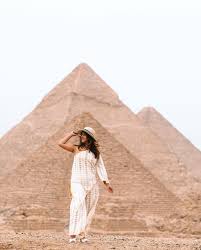
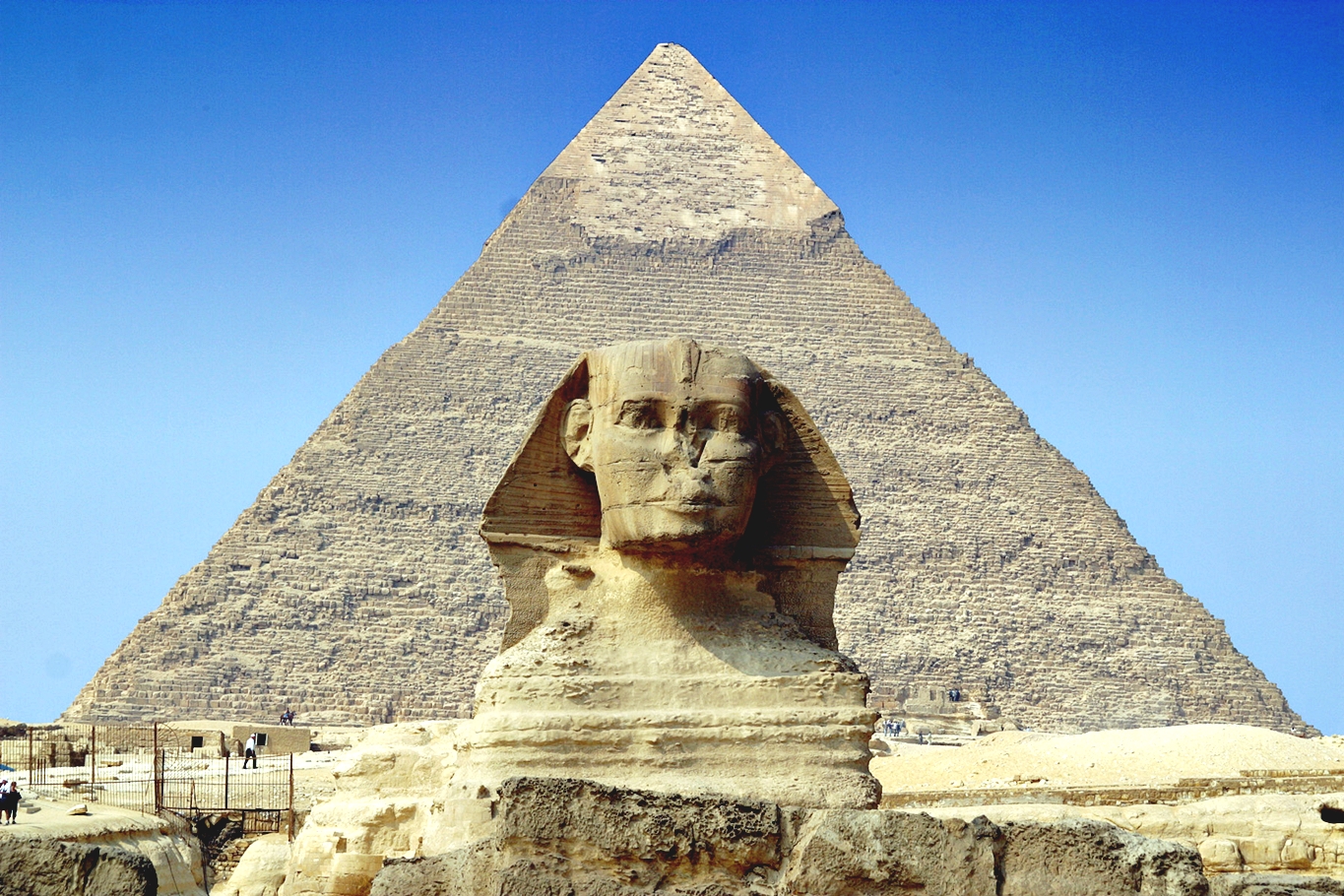
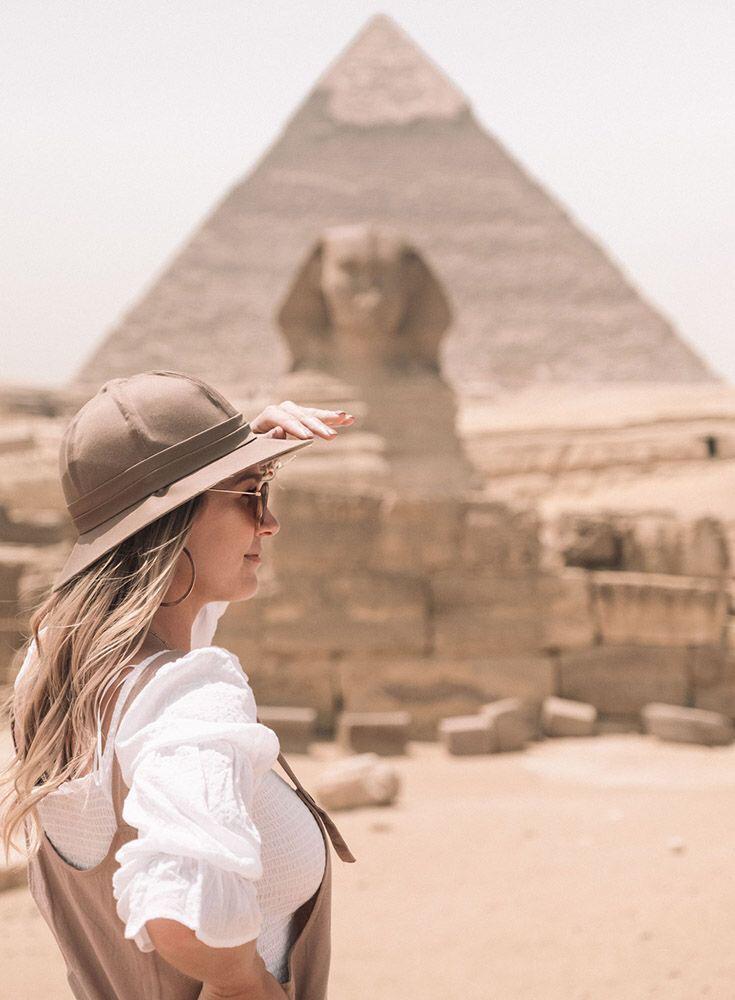
This isn’t just another sightseeing day — it’s your private, expertly guided voyage into Egypt’s most iconic wonders. With your own Egyptologist and a dedicated vehicle, you’ll explore the Pyramids of Giza at your own pace, pause at the Valley Temple, and stand face-to-face with the timeless Great Sphinx.
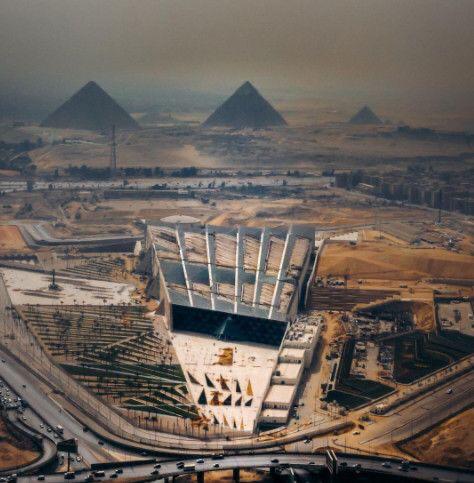
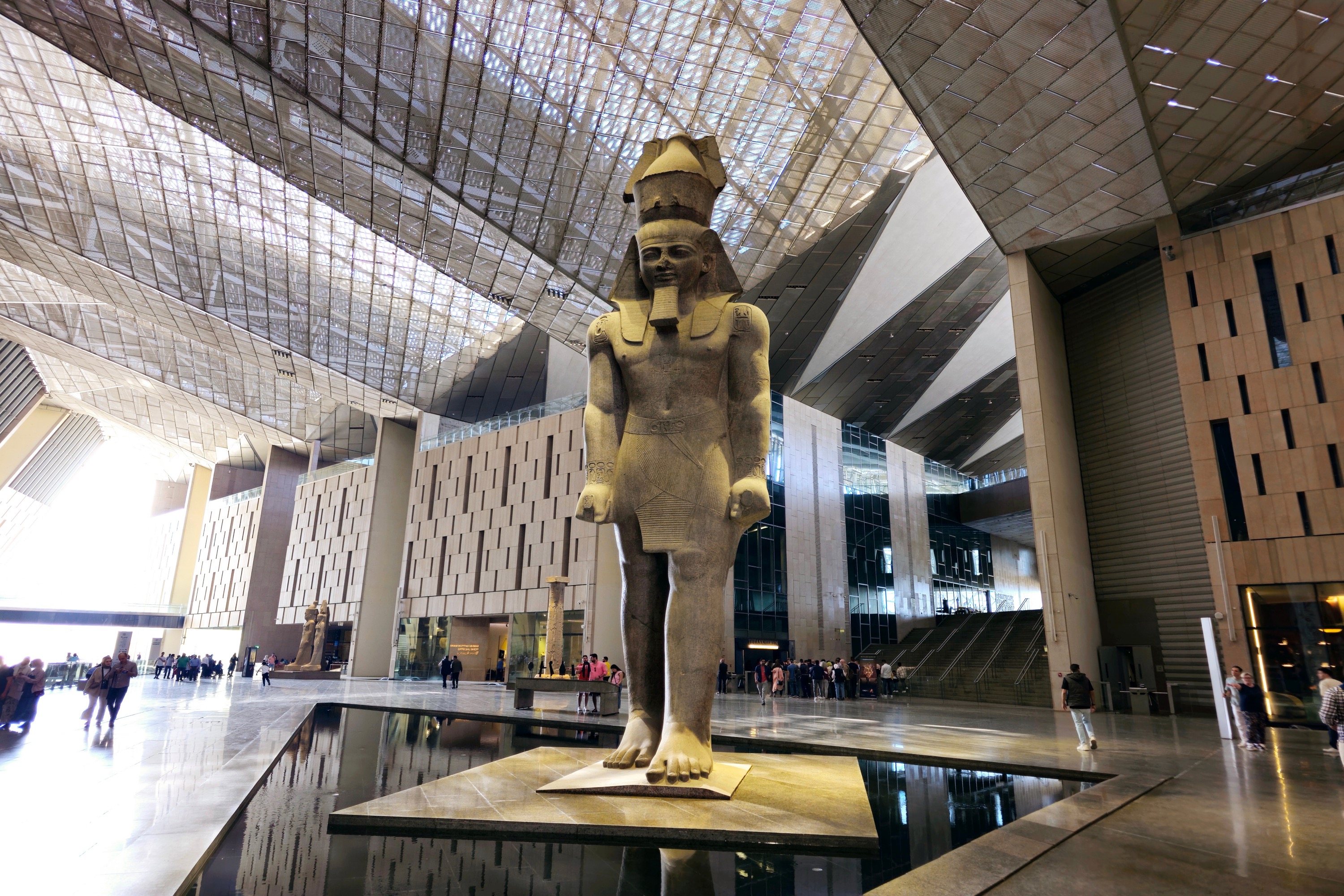
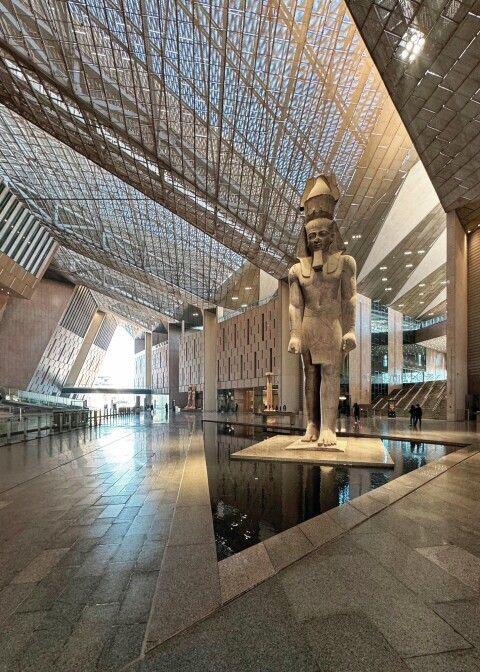
Next, you’ll enter the Grand Egyptian Museum (GEM), the largest archaeological museum in the world, to marvel at King Tutankhamun’s treasures and thousands of other pharaonic artifacts — all displayed in a sleek, modern setting.
To wind down, enjoy a serene one-hour ride on a traditional felucca as you glide along the Nile, watching Cairo’s skyline in soft evening light. Every detail is covered: door-to-door transport, lunch, bottled water, and all entrance fees are included — so you can relax, immerse yourself, and carry memories, not logistics.
Available options
Car with Driver
Car with Driver: This option includes private Car with driver( only for Pick up & drop off )<br/>Pickup included
Car, Guide, Camel & Lunch
This option includes Car, guide, camel & lunch, with Felucca or Bazaar but (entrance fees are not included)<br/>Pickup included
All-inclusive
This option includes: Car, guide, camel, Lunch, Entrance fees & Bazaar or Nile Felucca <br/>Pickup included
What's included
Entrance to the felucca or Khan Al Khalili Bazaar(if you select All inclusive option)
Hotel pick-up and drop-off (Cairo or Giza)
Grand Egyptian Museum, Giza pyramids & Sphinx Complex (if you select All inclusive option)
Unlimited bottled water all the day
Egyptian traditional local lunch( If this option has been selected )
Camel ride ( If this option has been selected )
Qualified Egyptologist guide
Detailed itinerary
1
Stop 1
Today morning you will meet your guide at the lobby of hotel, and head toward to the Pyramids of Cheops, Chephren, and Mykerinus and discover the oldest of the Seven Wonders of the Ancient World, and the only one to remain largely intact. Egyptologists believe the Pyramid of Cheops (also known as the Great Pyramid of Giza) was built as a tomb for the Egyptian Pharaoh Khofu and constructed over a 14 to 20-year period in 2560 BC.
2
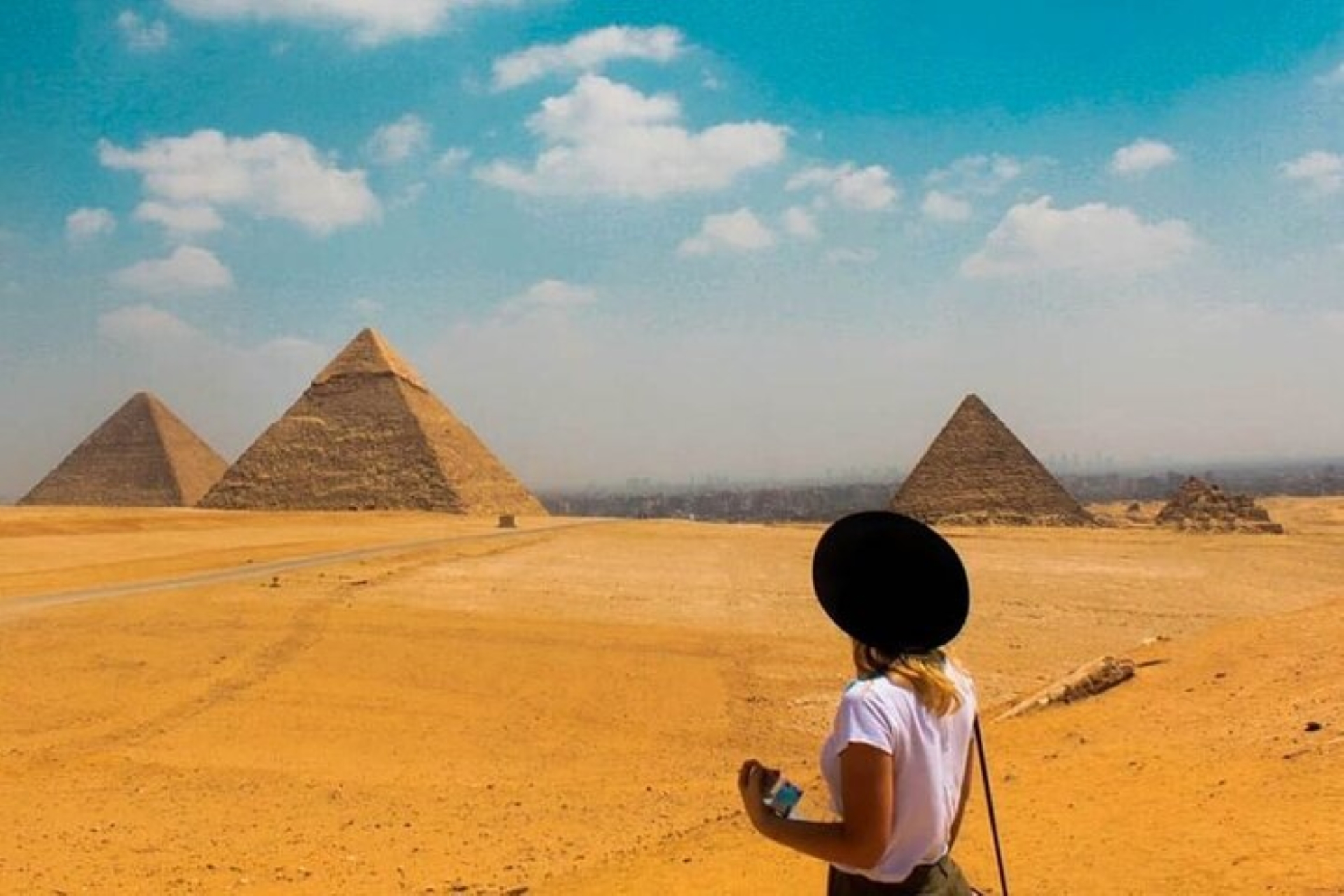
At the very beginning of your tour, you’ll stop at a breathtaking lookout point where all three Pyramids of Giza align on the horizon. It’s not just a great photo-op — the viewpoint symbolically captures the grandeur of ancient Egypt’s most powerful pharaohs, each pyramid telling a chapter of a dynastic legacy that spans generations.
3
Stop 3
The most diminutive of the trio, yet rich in character. Built for Pharaoh Menkaure, it originally rose to about 65 m.
Its lower courses were made of red granite from Aswan, a material that signifies both craftsmanship and symbolism in royal architecture.
Around Menkaure’s complex, you’ll also find his Queen’s pyramids and a mortuary temple, giving insight into the funerary rites and royal family structure of the time.
4
Stop 4
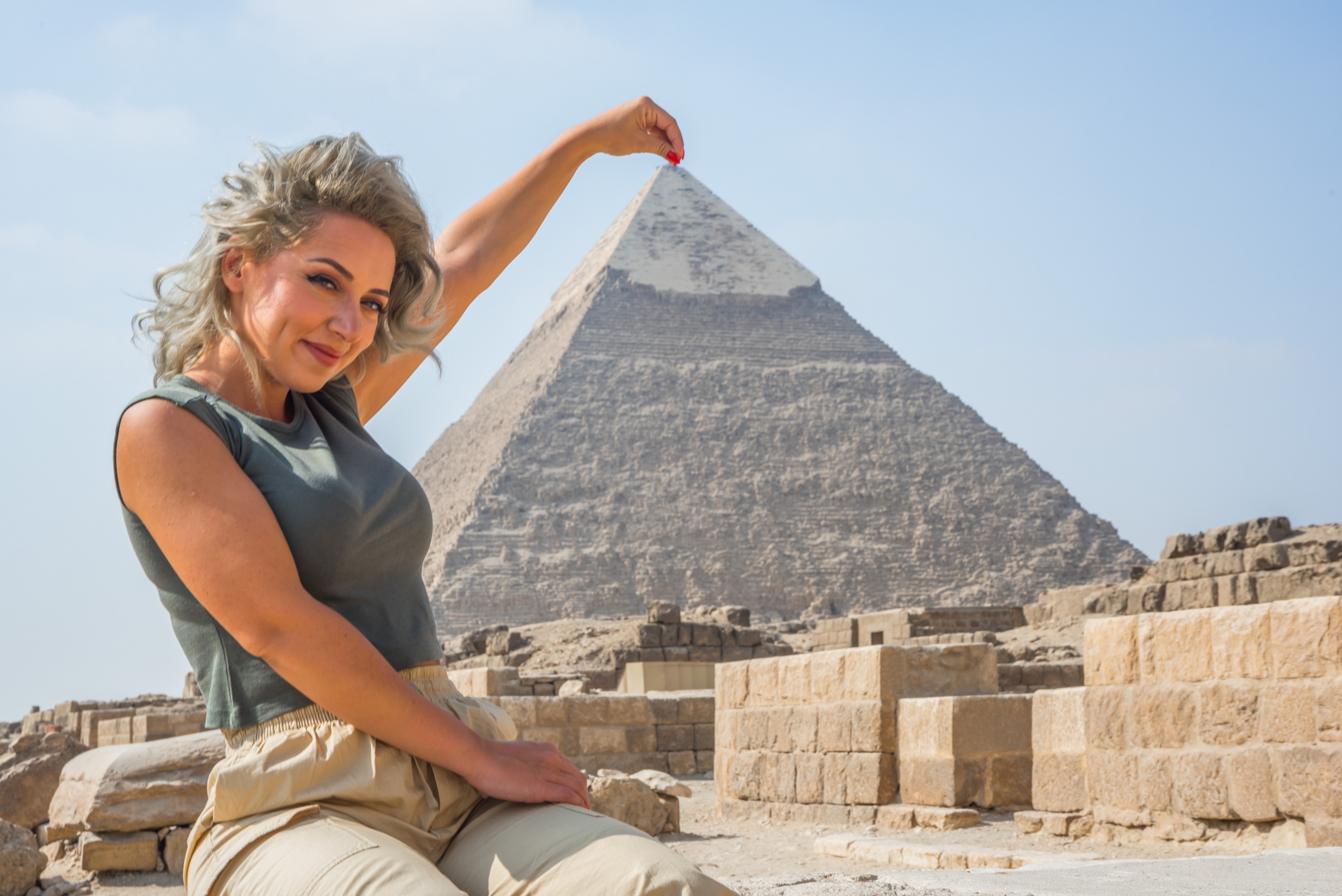
Slightly smaller than Khufu’s, but from certain angles it appears taller thanks to its elevated base. This pyramid also retains some of its original casing stones at the apex, offering a glimpse of what the ancient smooth finish might once have looked like.
Wikipedia
5
Stop 5
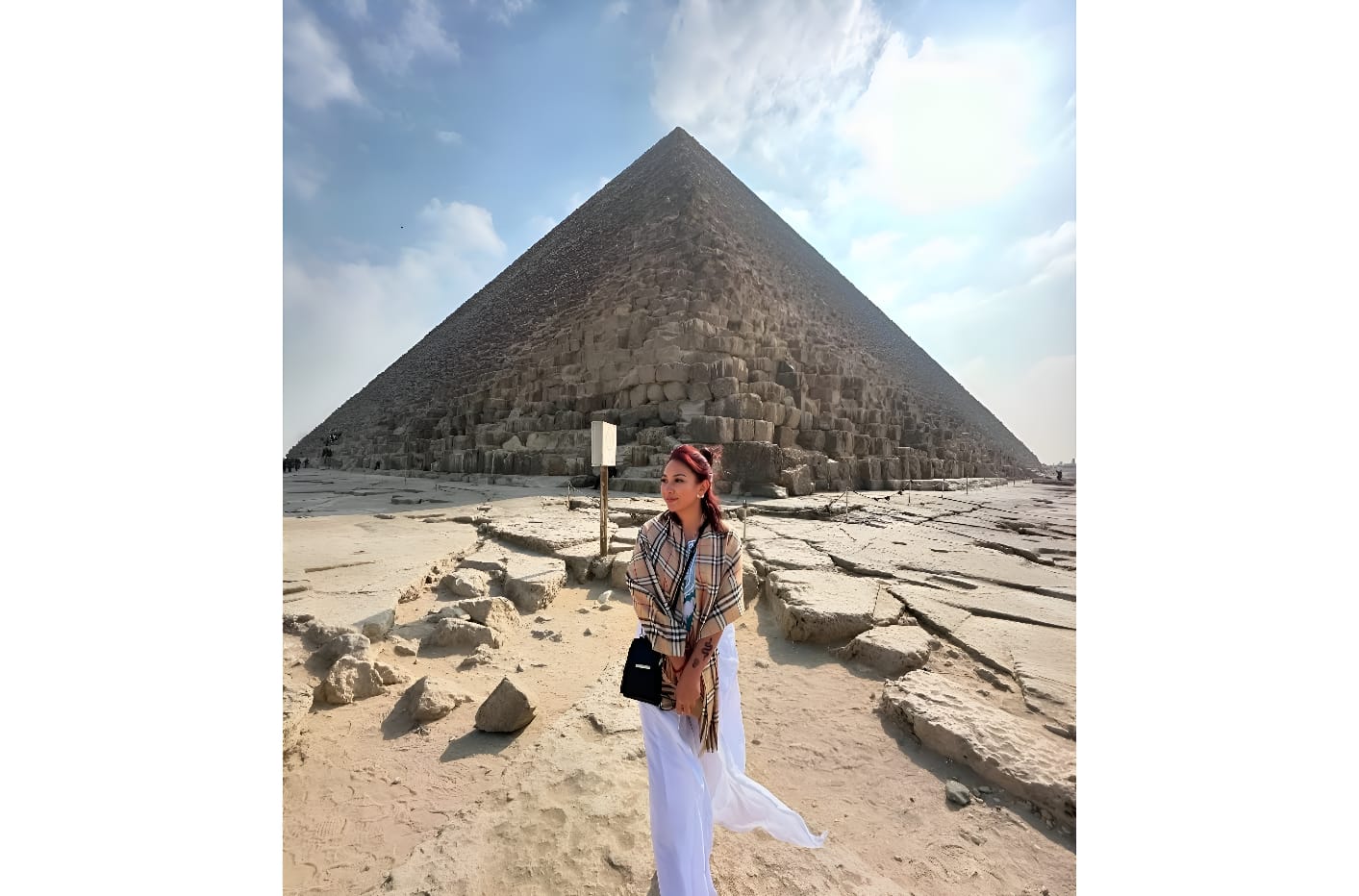
Standing before the Great Pyramid — built by Pharaoh Khufu (Cheops) around the 25th century BCE — you’ll experience one of humanity’s greatest architectural achievements. This towering structure originally stood at nearly 147 m high, made from an estimated 2.3 million limestone and granite blocks, and aligned almost perfectly to the four cardinal points.
Inside, the pyramid holds a network of chambers and passages — including the King’s Chamber, built entirely from granite, and the Grand Gallery, which showcases the ancient engineers’ mastery. Modern science continues to reveal its secrets — cosmic-ray muon scans have recently detected a large, previously unknown void inside.
6
Built with massive limestone and red-pink granite blocks (some over 100 tons), the Valley Temple is an architectural marvel.
Inside, the floor was laid with alabaster, and the walls once held statues of Khafre.
EgyptToday
In ancient times, this temple served a deeply ritualistic role — the mummified body of Khafre would arrive here (likely via canal), be purified, and prepared for the afterlife.
The precision masonry, massive monolithic blocks, and spiritual function all reflect the sophistication of Old Kingdom religion and engineering.
7
Stop 7
This iconic limestone statue — with a lion’s body and a kingly human face — is one of the most famous monuments in the world.
Carved possibly during the reign of Khafre, the Sphinx is believed to represent him, symbolizing strength, wisdom, and his divine guardianship over the Giza Plateau. It’s around 73 meters long and 20 meters high.
Over the centuries, the Sphinx has weathered erosion and damage (its famous missing nose is still a topic of debate), but it remains a powerful symbol of ancient Egypt’s spiritual and royal power.
8
This state-of-the-art museum is now the world’s largest dedicated to a single civilization — housing tens of thousands of artifacts that span over 7,000 years of Egyptian history.
One of its star attractions is the Tutankhamun Halls, where the entire treasure trove of King Tut (around 5,398 objects) is displayed.
The museum building itself is designed with care — galleries are organized by era (Old Kingdom, Middle Kingdom, New Kingdom, Greco-Roman) and by theme (Royalty, Society, Beliefs).
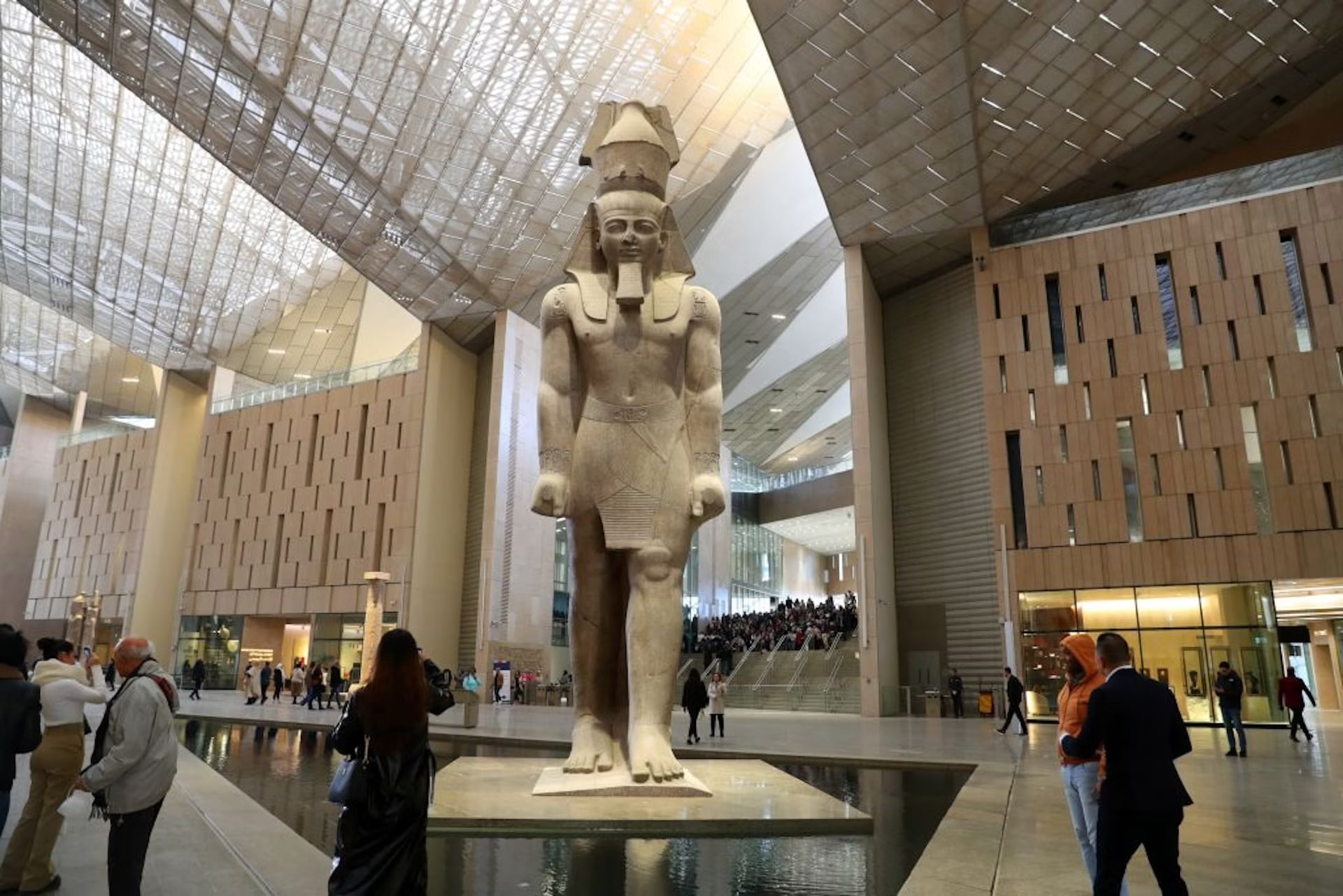
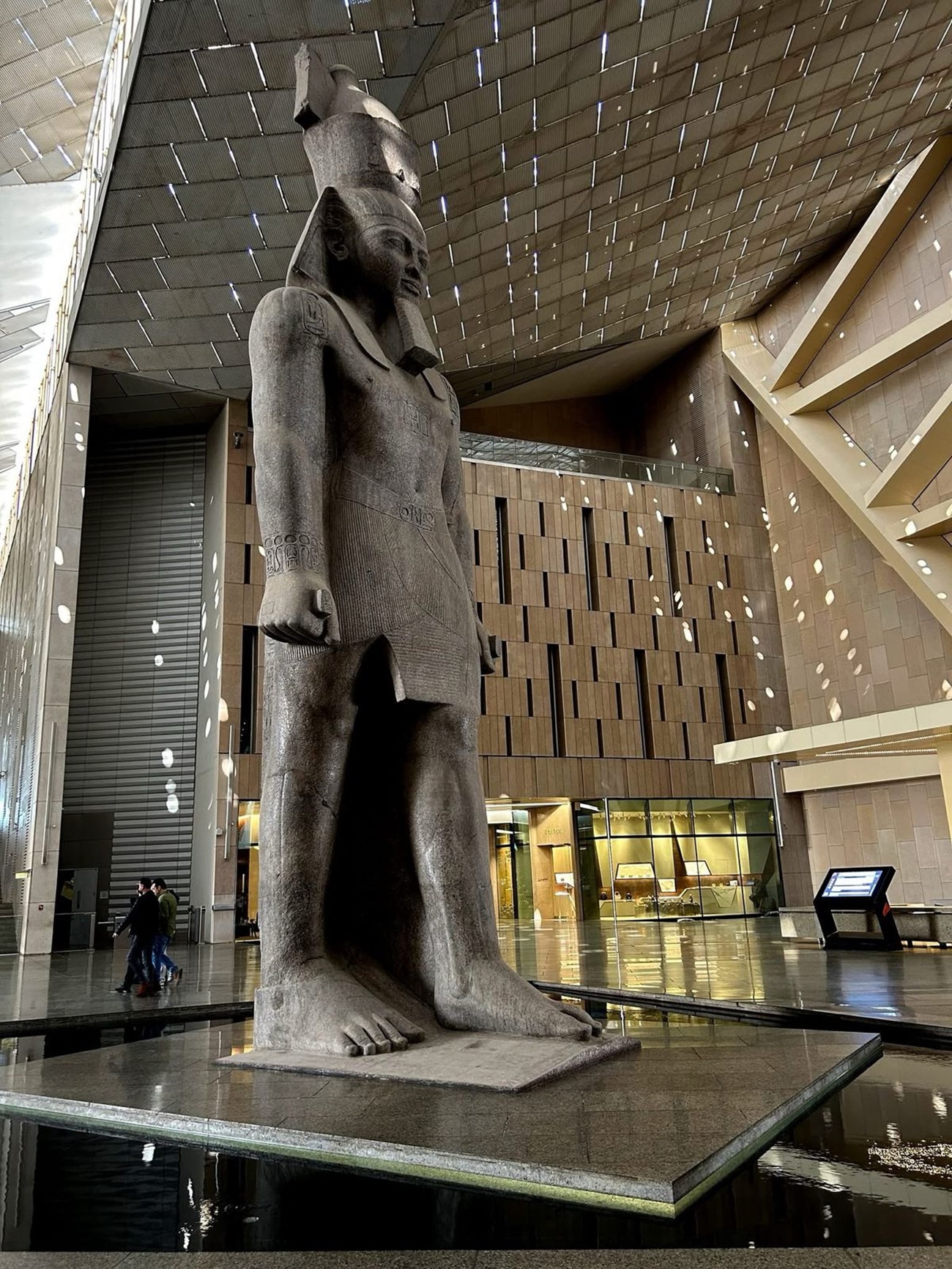
In its grand atrium stands the colossal 83-ton statue of Ramses II, a powerful centerpiece that connects visitors directly to Egypt’s pharaonic legacy.
9
Choose Your Finale:
Nile Felucca Ride: Relax and drift along the Nile in a traditional felucca, absorbing Cairo’s skyline from the water.
Khan El Khalili Bazaar: Dive into the colors, sounds, and aroma of Old Cairo’s iconic market — a lively spot for souvenirs, spices, and local treasures.
What's not included
Gratuities
Available languages
Guide guide
EN
ES
Reviews breakdown
Viator
4.9
7 reviews
5★
6
4★
1
3★
0
2★
0
1★
0
Tripadvisor
5.0
184 reviews
5★
180
4★
4
3★
0
2★
0
1★
0
Important information
Public transportation options are available nearby
Suitable for all physical fitness levels
About Giza
Giza, home to the iconic Great Pyramids and the enigmatic Sphinx, is a city steeped in ancient history and modern intrigue. Just a short distance from Cairo, Giza offers a blend of ancient wonders and bustling urban life, making it a must-visit destination for history buffs and adventure seekers alike.
Top Attractions
Great Pyramids of Giza
The iconic Great Pyramids, including the Pyramid of Khufu, Pyramid of Khafre, and Pyramid of Menkaure, are the last standing wonders of the ancient world.
Historical
Half day to full day
Moderate (Entrance fees apply)
Great Sphinx of Giza
The enigmatic Sphinx, with the body of a lion and the head of a pharaoh, is a symbol of ancient Egypt and a must-see attraction.
Historical
1-2 hours
Moderate (Entrance fees apply)
Solar Boat Museum
This museum houses the reconstructed solar boat of Pharaoh Khufu, discovered near the Great Pyramid.
Historical
1 hour
Moderate (Entrance fees apply)
Saqqara
Saqqara is an ancient burial ground and home to the Step Pyramid of Djoser, the oldest stone pyramid in Egypt.
Historical
Half day to full day
Moderate (Entrance fees apply)
Dahshur
Dahshur is an ancient royal necropolis featuring the Bent Pyramid and the Red Pyramid, both built by Pharaoh Sneferu.
Historical
Half day to full day
Moderate (Entrance fees apply)
Camel Market
The Camel Market is a unique and bustling market where you can see and buy camels, as well as experience traditional Egyptian commerce.
Cultural
1-2 hours
Free (Purchases extra)
Must-Try Local Dishes
Koshari
A hearty dish made with lentils, rice, pasta, chickpeas, and fried onions, topped with a spicy tomato sauce and garlic vinegar.
Dinner
Vegetarian
Ful Medames
A traditional breakfast dish made from slow-cooked fava beans, often served with tahini, lemon juice, and olive oil.
Breakfast
Vegan
Grilled Kofta
Spiced minced meat (usually lamb or beef) shaped into sausages and grilled to perfection.
Lunch/Dinner
Contains meat
Molokhia
A green leafy vegetable soup, often served with chicken or rabbit and eaten with bread.
Lunch/Dinner
Vegetarian (if made without meat)
Popular Activities
Hot air balloon rides over the pyramids
Quad biking in the desert
Spa treatments
Beach visits in Alexandria
Visiting museums and historical sites
Attending traditional Egyptian performances
Boat tours on the Nile
Visiting historical sites during the cooler months
Best Time to Visit
October to April
This period offers the most comfortable weather for sightseeing and outdoor activities. The temperatures are mild, making it ideal for exploring the ancient sites.
15-28°C
59-82°F
Practical Information
Language
- Official: Arabic
- Widely spoken: English, French
- English: Moderately spoken in tourist areas, limited elsewhere
Currency
Egyptian Pound (EGP)
Time Zone
GMT+2
Electricity
220VV, 50HzHz
Safety Information
Overall Safety Rating: Exercise caution
Giza is generally safe for tourists, but petty crime and scams can occur. Be cautious of your surroundings, especially in crowded areas and at night.
Important Precautions:
- • Be cautious of your belongings in crowded areas.
- • Avoid accepting help from strangers, especially at tourist sites.
- • Use reputable tour companies and guides.
Getting there
By air
- Cairo International Airport • 25 km from Giza
By train
Giza Station
By bus
Giza Bus Station, Downtown Cairo Terminals
Getting around
Public transport
Buses are the most common form of public transport in Giza. They are affordable but can be crowded.
Taxis
Available • Apps: Uber, Careem
Rentals
Car, Bike, Scooter
Neighborhoods
Pyramids Road
Downtown Giza
Haram
Day trips
Cairo
20 km • Half day to full day
Cairo, the capital of Egypt, is a vibrant city with a rich history and numerous attractions, including the Egyptian Museum, Islamic Cairo, and Coptic Cairo.
Saqqara
20 km • Half day to full day
Saqqara is an ancient burial ground and home to the Step Pyramid of Djoser, the oldest stone pyramid in Egypt.
Dahshur
30 km • Half day to full day
Dahshur is an ancient royal necropolis featuring the Bent Pyramid and the Red Pyramid, both built by Pharaoh Sneferu.
Festivals
Cairo International Film Festival • November (dates vary)
Eid al-Fitr • End of Ramadan (dates vary)
Coptic Christmas • January 7
Pro tips
- Hire a local guide for a more in-depth understanding of the ancient sites and their significance.
- Visit the pyramids early in the morning or late in the afternoon to avoid crowds and the intense heat.
- Bargain politely but firmly when shopping at markets and souks.
- Carry small bills and coins for easier transactions, as change can be hard to come by.
- Learn a few basic Arabic phrases to enhance your interaction with locals and show respect for their culture.
From $25
per person
Price varies by option
Secure booking
Free cancellation available
Instant confirmation