Pyramids, Sphinx with optional Inside the Great Pyramid of Khufu
Active
4h - 6h
For a full refund, cancel at least 24 hours before the scheduled departure time.
Instant confirmation
Mobile or paper ticket accepted
About this experience
This all-inclusive tour has no hidden fees. Unlike other tours where you'll need to pay extra to go inside the Great Pyramid of Khufu or for drinks at the restaurant, everything is covered when you book our all-inclusive package.
With our tour, you’ll also enjoy the expertise of highly qualified guides and drivers, ensuring you get the full experience with no surprise costs.
You'll also get to enter the Pyramids of the Queens and visit the Mummification Temple of King Khafre.
This tour offers a true experience of the Giza Pyramids area, with everything organized in advance for a seamless visit.
We guarantee no waiting in ticket lines, ensuring you make the most of your time.
Available options
All-inclusive& Khufu's pyramid
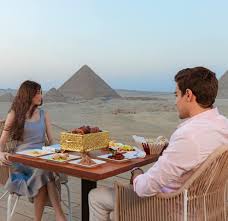
All-inclusive tour: This price option includes: Car, guide, entry fees of the site, entry ticket of Great Pyramid, camel ride, lunch.<br/>Pickup included
Car and Guide only
This price option includes only Car and guide only <br/>Pickup included
Car+ Guide + Entry Fees+Camel
Car+ Guide + Entry Fees: This price option includes: Car, guide, Entry fees of the area & Camel ride<br/>Pickup included
All incl & Grand Museum
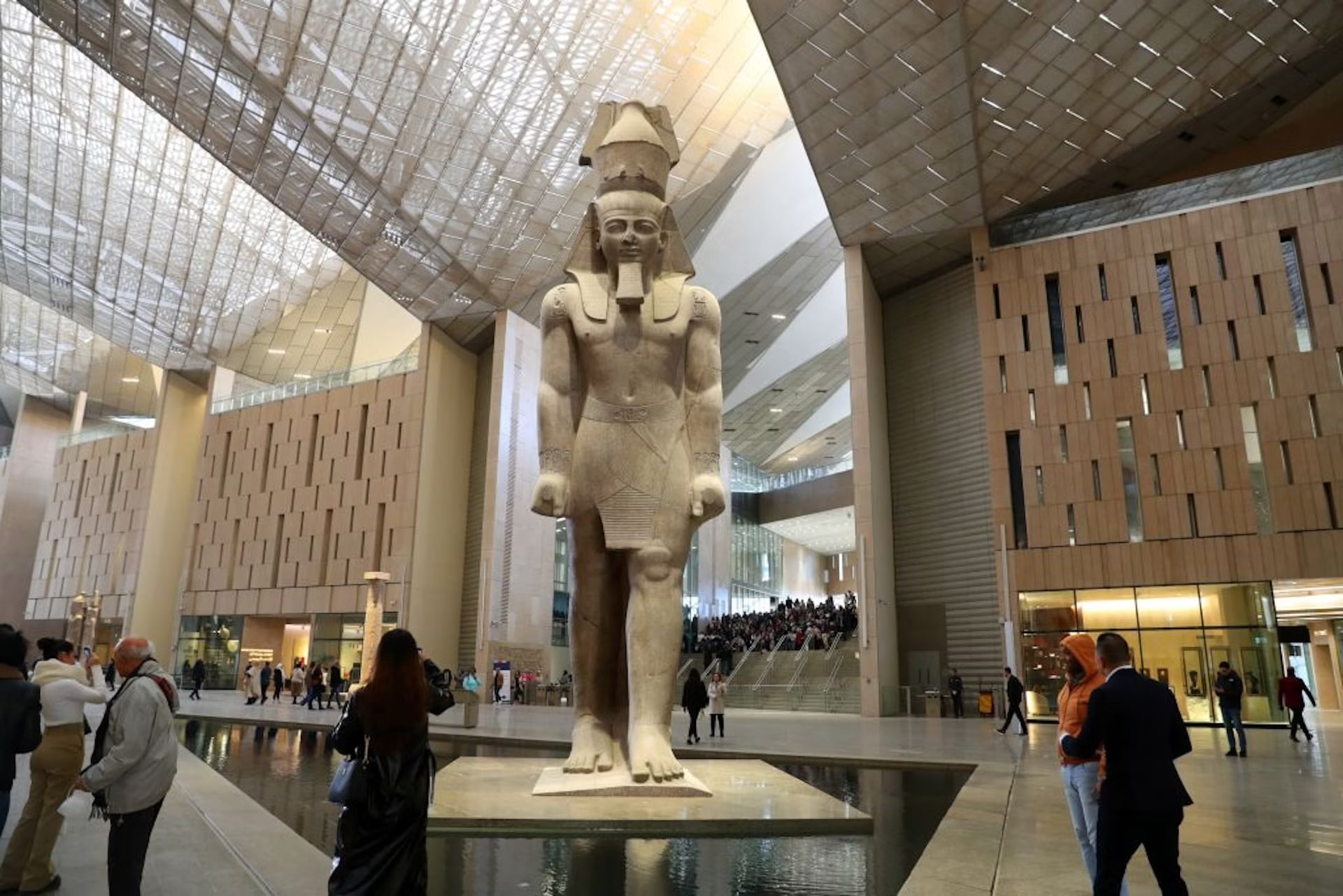
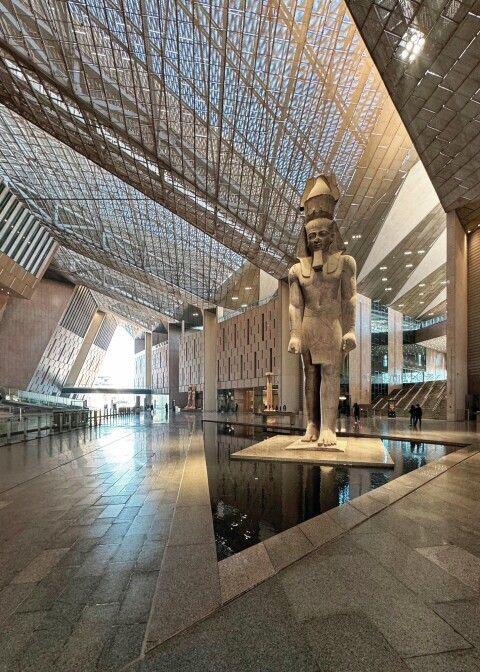
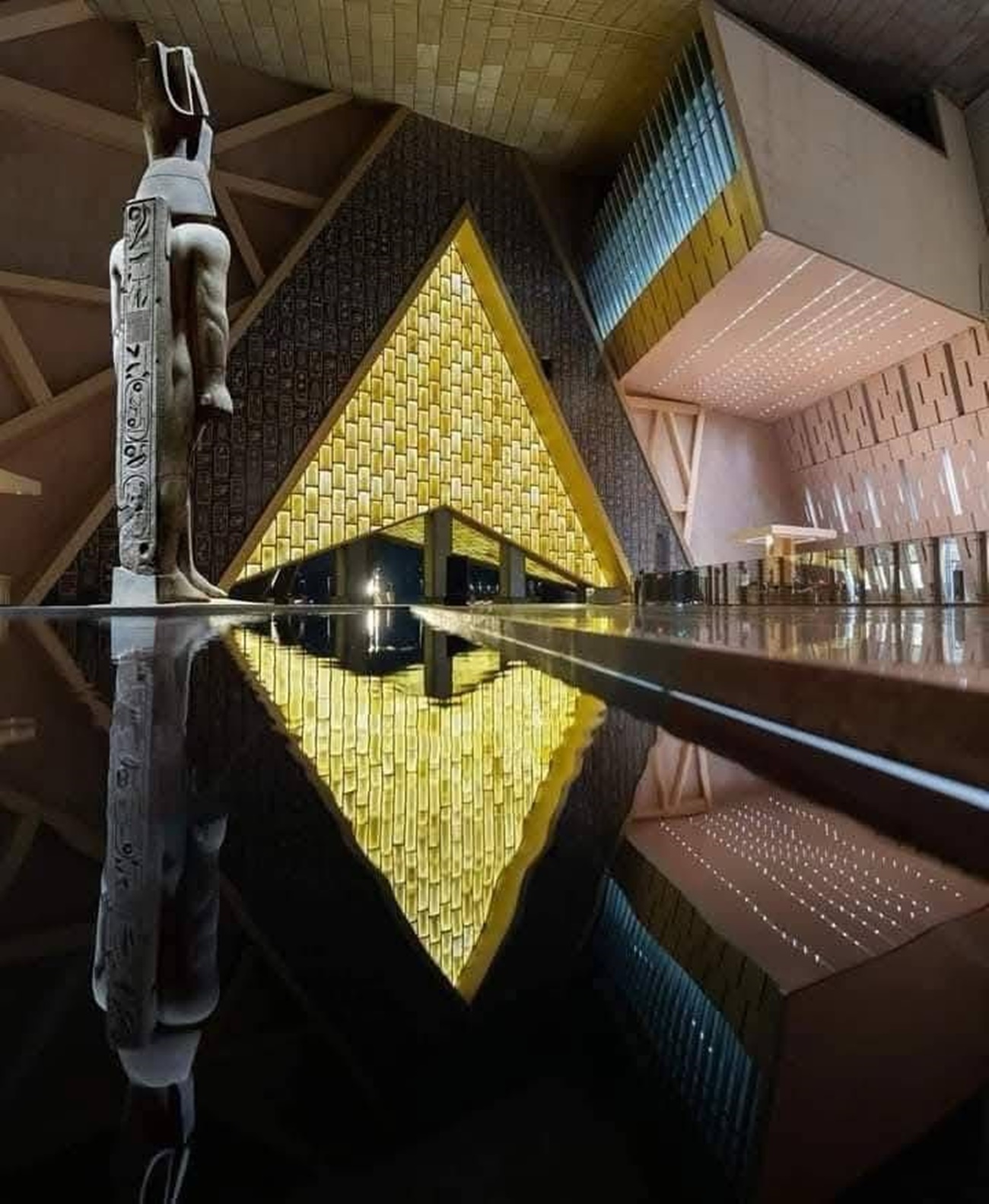
This price option includes: Car, guide, entry fees of the site, entry ticket of Great Pyramid, camel ride & Grand Museum.<br/>Duration: 8 hours<br/>Pickup included
What's included
Lunch(If the all-inclusive price option is selected)
Camel ride for 20 minutes(If the all-inclusive price option is selected)
Guaranteed skip-the-line tickets
Great Pyramid ticket(If the all-inclusive price option is selected)
Entrance fees of the site(If All inclusive price option selected)
Hotel pickup and drop off
Bottled water
Qualified Egyptologist guide
Detailed itinerary
1
Stop 1
Experience the Giza Pyramids with hassle-free pickup and drop-off from your hotel. Your journey begins with a knowledgeable guide who will take you to the awe-inspiring Pyramids of Cheops, Chephren, and Mykerinus. These ancient monuments are the last remaining of the Seven Wonders of the Ancient World. The Great Pyramid of Cheops, built for Pharaoh Khufu around 2560 BC, stands as a testament to ancient Egyptian engineering. You'll also explore the Pyramid of Chephren, the Sphinx, and the Mummification Temple of King Khafre. Enjoy exclusive access without waiting in ticket lines, as everything is organized in advance for a seamless, all-inclusive experience. After the tour, you'll be safely dropped back off at your hotel, making this a convenient and unforgettable way to discover the wonders of ancient Egypt.
2
Stop 2
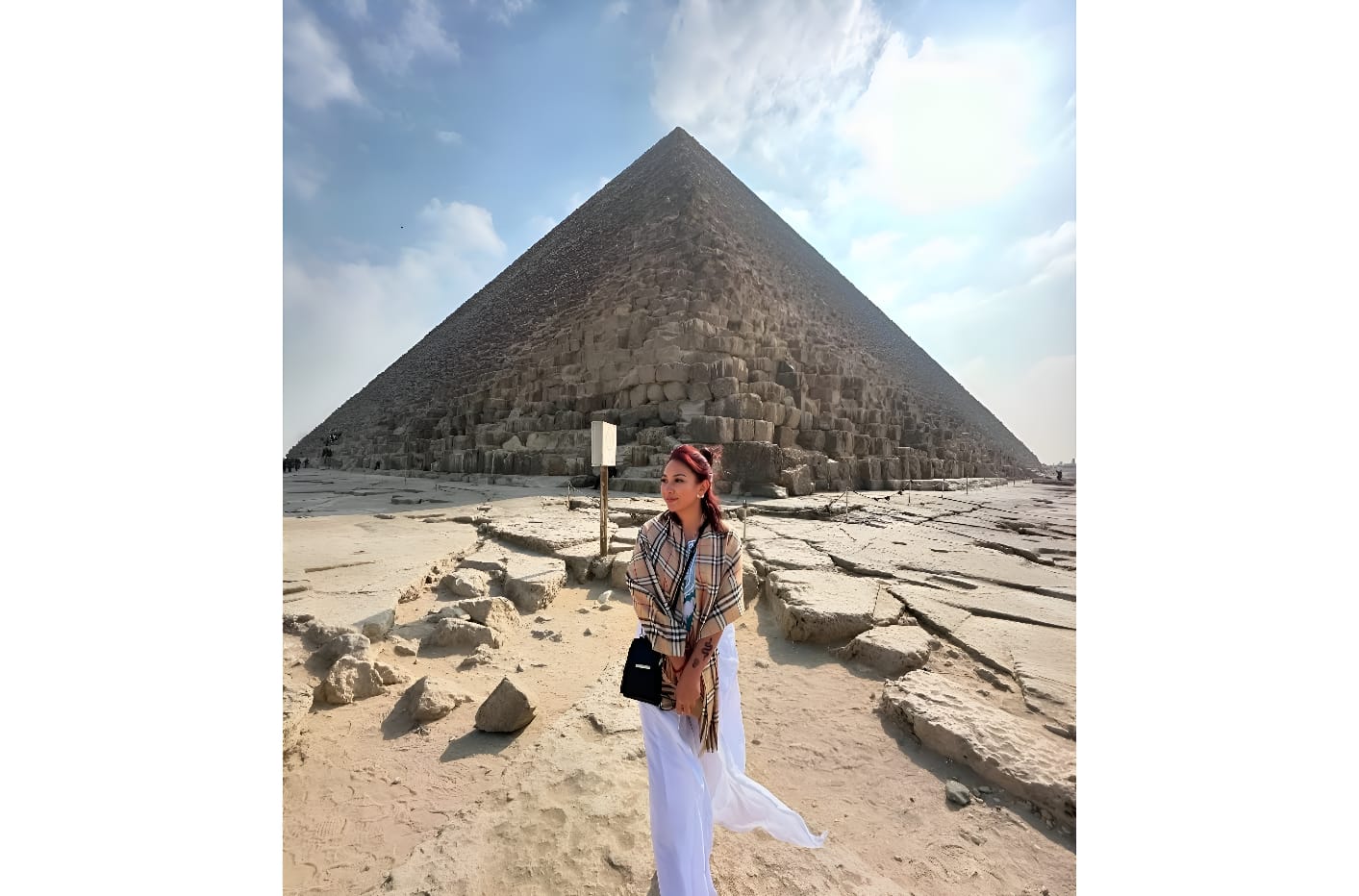
The Great Pyramid of Khufu, also known as the Pyramid of Cheops, is the largest of the three pyramids at Giza and one of the Seven Wonders of the Ancient World. Built around 2560 BC during the reign of Pharaoh Khufu, it was constructed as his tomb. The pyramid originally stood at 146.6 meters (481 feet) tall, although it now measures about 138.8 meters (455 feet) due to the loss of its outer casing stones. It was built with over 2 million limestone blocks, showcasing incredible engineering skills. The Great Pyramid remained the tallest man-made structure in the world for over 3,800 years. Today, it continues to fascinate visitors, offering a glimpse into the ancient Egyptians' mastery of construction and their religious beliefs surrounding the afterlife.
3
Stop 3
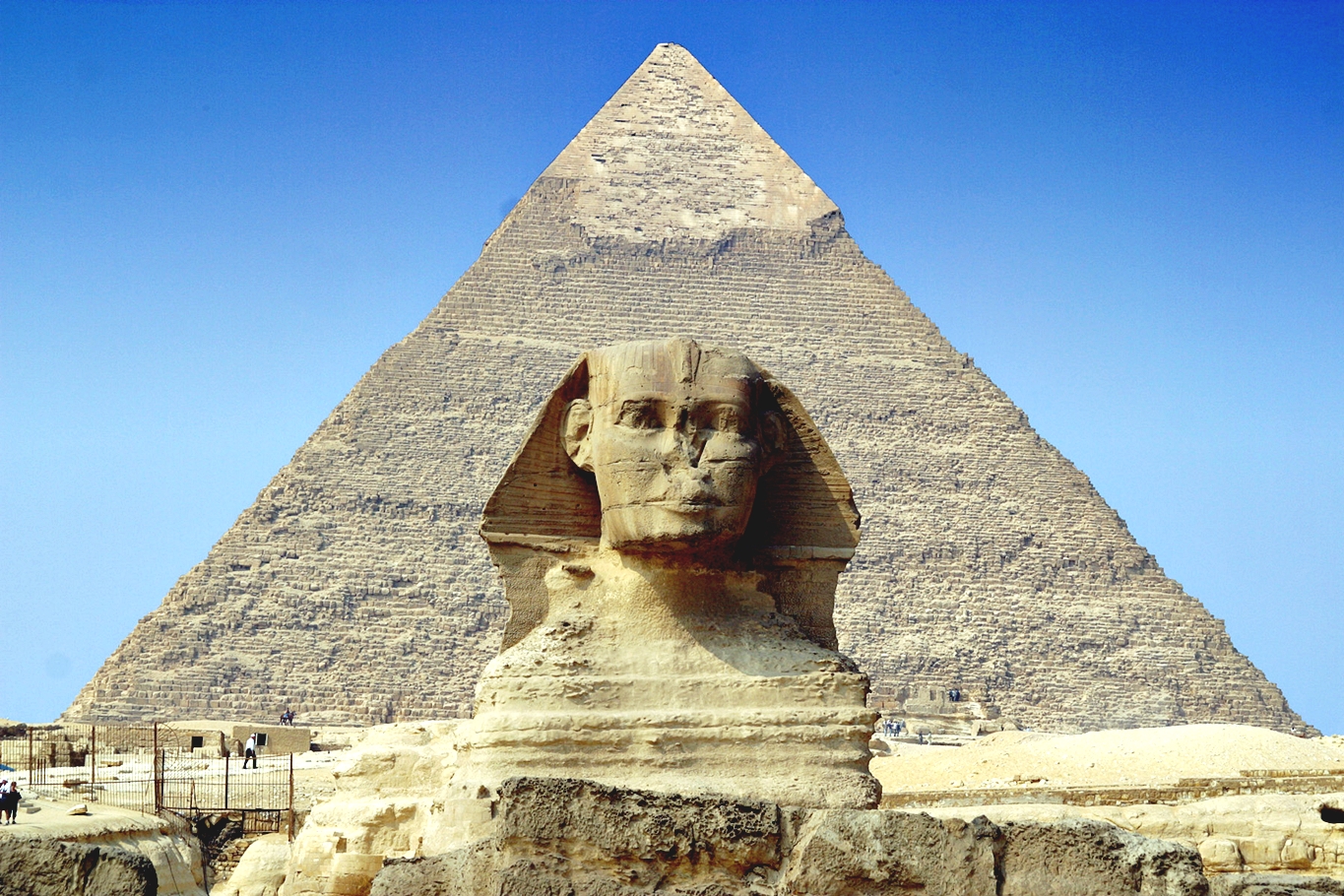
The Pyramid of Khafre, also known as the Pyramid of Chephren, is the second-largest pyramid at Giza. Built for Pharaoh Khafre, who ruled during the Old Kingdom around 2520 BC, it stands at 136.4 meters (448 feet) tall. While slightly shorter than the Great Pyramid of Khufu, it appears taller due to its elevated position on the Giza plateau. The pyramid is famous for its original smooth limestone casing at the top, which still remains, offering a glimpse into how the pyramids originally looked. Nearby, the Great Sphinx, believed to represent Khafre, guards the pyramid. The Pyramid of Khafre was an architectural marvel, showcasing the Egyptians' expertise in construction and their deep religious beliefs in the afterlife.
4
Stop 4
The Pyramid of Menkaure is the smallest of the three pyramids at Giza, built for Pharaoh Menkaure, who reigned during the 4th Dynasty around 2490 BC. It originally stood at 65 meters (213 feet) tall, significantly shorter than the Great Pyramid of Khufu and the Pyramid of Khafre. Despite its size, the pyramid is still an impressive feat of ancient engineering, constructed with massive limestone and granite blocks. Menkaure’s pyramid is distinguished by its complex mortuary temple and the remains of three smaller queen's pyramids beside it. The pyramid's original casing stones have largely eroded, but it remains a key part of the Giza pyramid complex. The structure continues to offer insight into the grandeur of ancient Egyptian architecture and royal tombs.
5
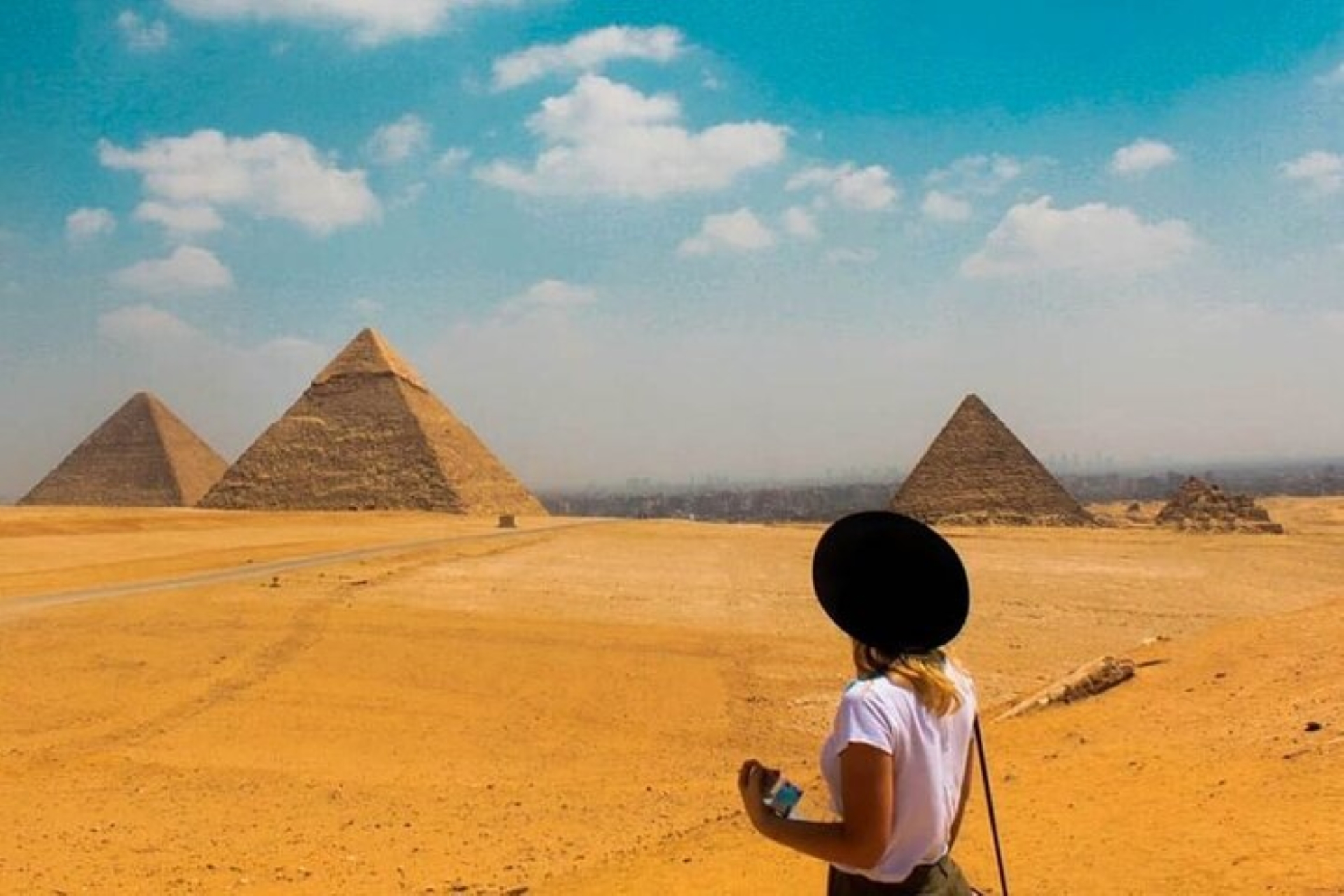
The panoramic area of the Giza Pyramids offers one of the most breathtaking views of the ancient wonders. Located on the Giza Plateau, this open space provides a clear, unobstructed perspective of the three great pyramids—Khufu, Khafre, and Menkaure—set against the desert backdrop. From this vantage point, visitors can admire the sheer scale and alignment of the pyramids, as well as the iconic Sphinx. The panoramic view also allows for incredible photo opportunities, capturing the majesty of these ancient structures. It’s a perfect spot to take in the grandeur of the Pyramids of Giza, offering a sense of their historical significance and architectural marvel.
6
Stop 6
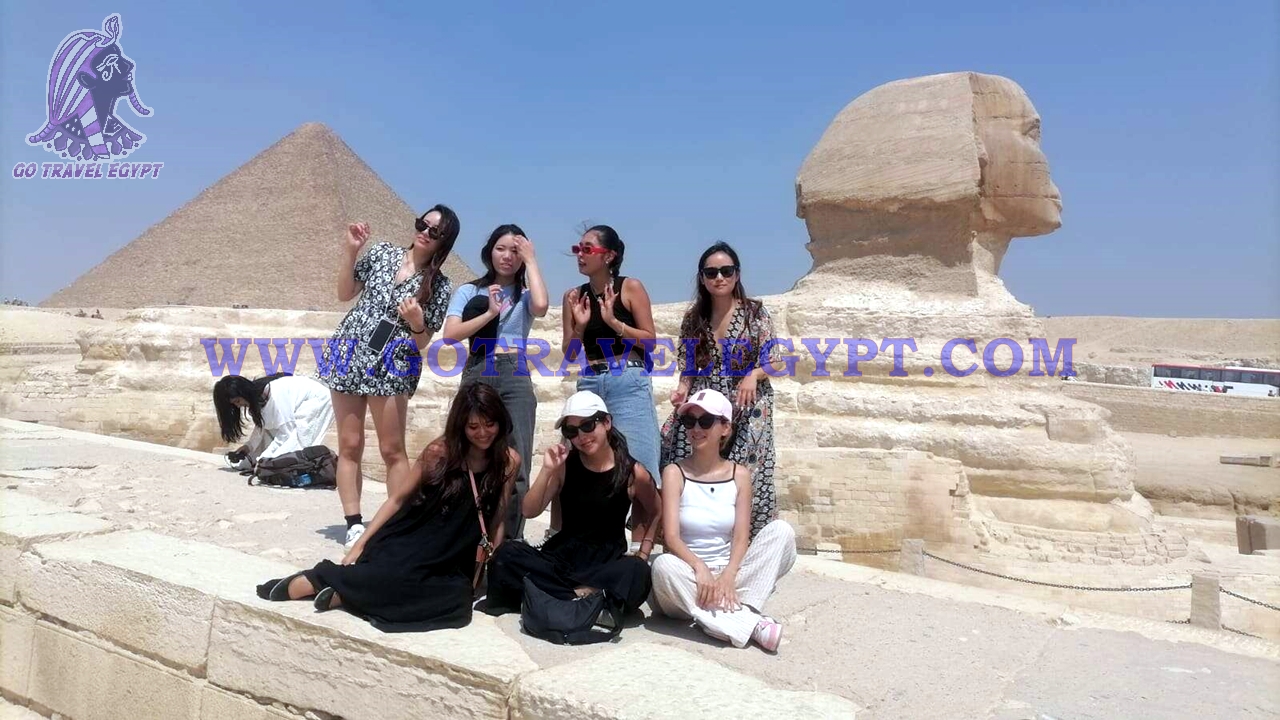
The Great Sphinx of Giza, one of the most iconic symbols of ancient Egypt, stands guard near the Pyramid of Khafre. This massive limestone statue, with the body of a lion and the head of a Pharaoh, is believed to represent Pharaoh Khafre himself. Measuring 73 meters (240 feet) in length and 20 meters (66 feet) in height, the Sphinx was carved from a single piece of limestone and is thought to have been built around 2500 BC.
Nearby, the Mummification Temple of King Khafre is an essential part of the pyramid complex. This temple was used for the embalming process of the Pharaoh’s body before burial. Its ruins reveal impressive architectural features, including large pillars and sections of the original temple, giving insight into ancient Egyptian rituals and their belief in the afterlife. Together, the Sphinx and Mummification Temple add to the historical and spiritual significance of the Giza Plateau.
What's not included
Gratuities
Available languages
Guide guide
EN
ES
Reviews breakdown
Viator
5.0
14 reviews
5★
14
4★
0
3★
0
2★
0
1★
0
Tripadvisor
5.0
56 reviews
5★
56
4★
0
3★
0
2★
0
1★
0
Important information
Public transportation options are available nearby
Suitable for all physical fitness levels
About Giza
Giza, home to the iconic Great Pyramids and the enigmatic Sphinx, is a city steeped in ancient history and modern intrigue. Just a short distance from Cairo, Giza offers a blend of ancient wonders and bustling urban life, making it a must-visit destination for history buffs and adventure seekers alike.
Top Attractions
Great Pyramids of Giza
The iconic Great Pyramids, including the Pyramid of Khufu, Pyramid of Khafre, and Pyramid of Menkaure, are the last standing wonders of the ancient world.
Historical
Half day to full day
Moderate (Entrance fees apply)
Great Sphinx of Giza
The enigmatic Sphinx, with the body of a lion and the head of a pharaoh, is a symbol of ancient Egypt and a must-see attraction.
Historical
1-2 hours
Moderate (Entrance fees apply)
Solar Boat Museum
This museum houses the reconstructed solar boat of Pharaoh Khufu, discovered near the Great Pyramid.
Historical
1 hour
Moderate (Entrance fees apply)
Saqqara
Saqqara is an ancient burial ground and home to the Step Pyramid of Djoser, the oldest stone pyramid in Egypt.
Historical
Half day to full day
Moderate (Entrance fees apply)
Dahshur
Dahshur is an ancient royal necropolis featuring the Bent Pyramid and the Red Pyramid, both built by Pharaoh Sneferu.
Historical
Half day to full day
Moderate (Entrance fees apply)
Camel Market
The Camel Market is a unique and bustling market where you can see and buy camels, as well as experience traditional Egyptian commerce.
Cultural
1-2 hours
Free (Purchases extra)
Must-Try Local Dishes
Koshari
A hearty dish made with lentils, rice, pasta, chickpeas, and fried onions, topped with a spicy tomato sauce and garlic vinegar.
Dinner
Vegetarian
Ful Medames
A traditional breakfast dish made from slow-cooked fava beans, often served with tahini, lemon juice, and olive oil.
Breakfast
Vegan
Grilled Kofta
Spiced minced meat (usually lamb or beef) shaped into sausages and grilled to perfection.
Lunch/Dinner
Contains meat
Molokhia
A green leafy vegetable soup, often served with chicken or rabbit and eaten with bread.
Lunch/Dinner
Vegetarian (if made without meat)
Popular Activities
Hot air balloon rides over the pyramids
Quad biking in the desert
Spa treatments
Beach visits in Alexandria
Visiting museums and historical sites
Attending traditional Egyptian performances
Boat tours on the Nile
Visiting historical sites during the cooler months
Best Time to Visit
October to April
This period offers the most comfortable weather for sightseeing and outdoor activities. The temperatures are mild, making it ideal for exploring the ancient sites.
15-28°C
59-82°F
Practical Information
Language
- Official: Arabic
- Widely spoken: English, French
- English: Moderately spoken in tourist areas, limited elsewhere
Currency
Egyptian Pound (EGP)
Time Zone
GMT+2
Electricity
220VV, 50HzHz
Safety Information
Overall Safety Rating: Exercise caution
Giza is generally safe for tourists, but petty crime and scams can occur. Be cautious of your surroundings, especially in crowded areas and at night.
Important Precautions:
- • Be cautious of your belongings in crowded areas.
- • Avoid accepting help from strangers, especially at tourist sites.
- • Use reputable tour companies and guides.
Getting there
By air
- Cairo International Airport • 25 km from Giza
By train
Giza Station
By bus
Giza Bus Station, Downtown Cairo Terminals
Getting around
Public transport
Buses are the most common form of public transport in Giza. They are affordable but can be crowded.
Taxis
Available • Apps: Uber, Careem
Rentals
Car, Bike, Scooter
Neighborhoods
Pyramids Road
Downtown Giza
Haram
Day trips
Cairo
20 km • Half day to full day
Cairo, the capital of Egypt, is a vibrant city with a rich history and numerous attractions, including the Egyptian Museum, Islamic Cairo, and Coptic Cairo.
Saqqara
20 km • Half day to full day
Saqqara is an ancient burial ground and home to the Step Pyramid of Djoser, the oldest stone pyramid in Egypt.
Dahshur
30 km • Half day to full day
Dahshur is an ancient royal necropolis featuring the Bent Pyramid and the Red Pyramid, both built by Pharaoh Sneferu.
Festivals
Cairo International Film Festival • November (dates vary)
Eid al-Fitr • End of Ramadan (dates vary)
Coptic Christmas • January 7
Pro tips
- Hire a local guide for a more in-depth understanding of the ancient sites and their significance.
- Visit the pyramids early in the morning or late in the afternoon to avoid crowds and the intense heat.
- Bargain politely but firmly when shopping at markets and souks.
- Carry small bills and coins for easier transactions, as change can be hard to come by.
- Learn a few basic Arabic phrases to enhance your interaction with locals and show respect for their culture.
From $25
per person
Price varies by option
Secure booking
Free cancellation available
Instant confirmation