Muscat City Tour with All Language Guide
Active
4h - 5h
For a full refund, cancel at least 24 hours before the scheduled departure time.
Instant confirmation
Mobile or paper ticket accepted
About this experience
A Muscat city tour offers a glimpse into the capital city of Oman, known for its blend of modernity and traditional Omani culture. Here's an overview of what you can expect on a Muscat city tour:
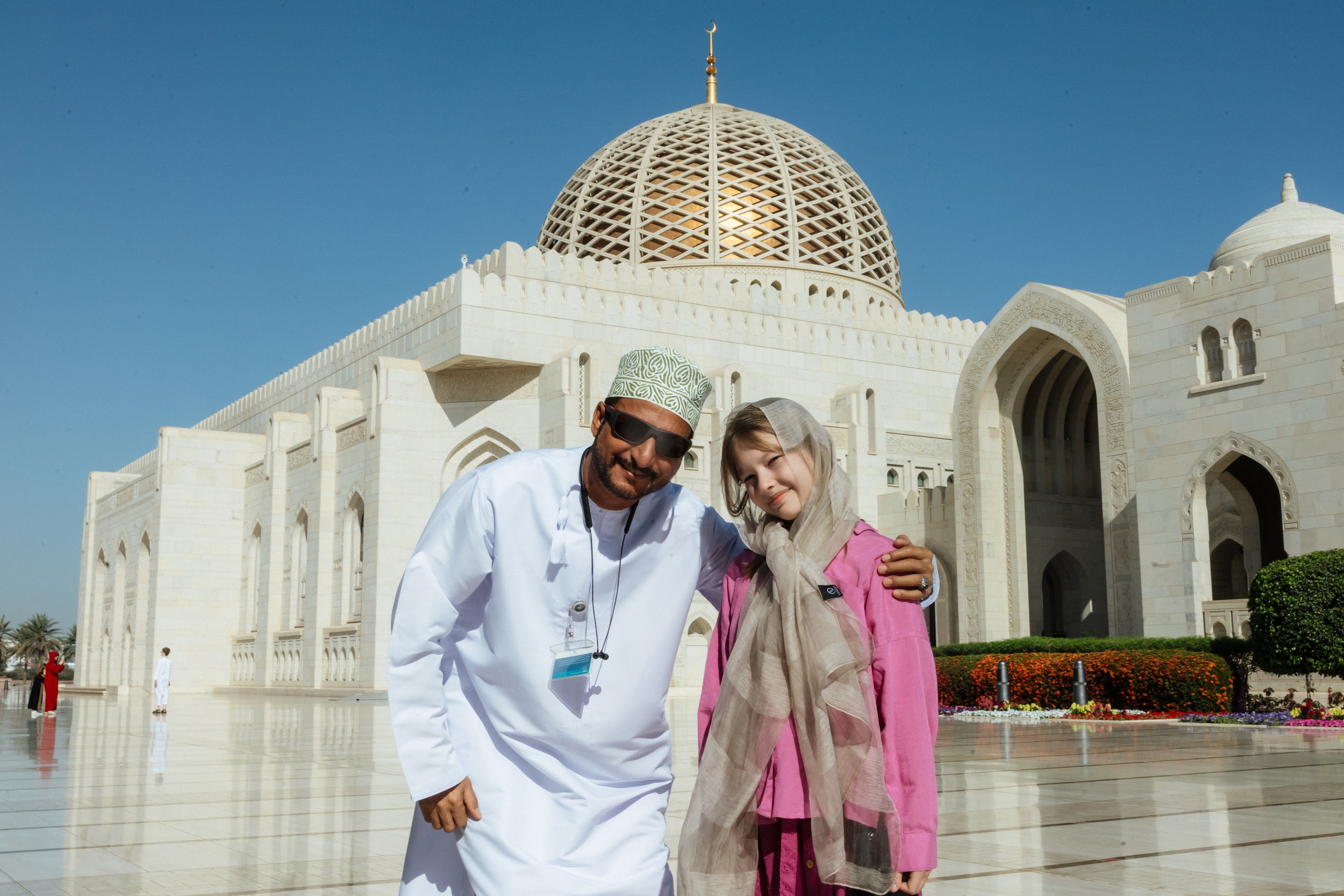
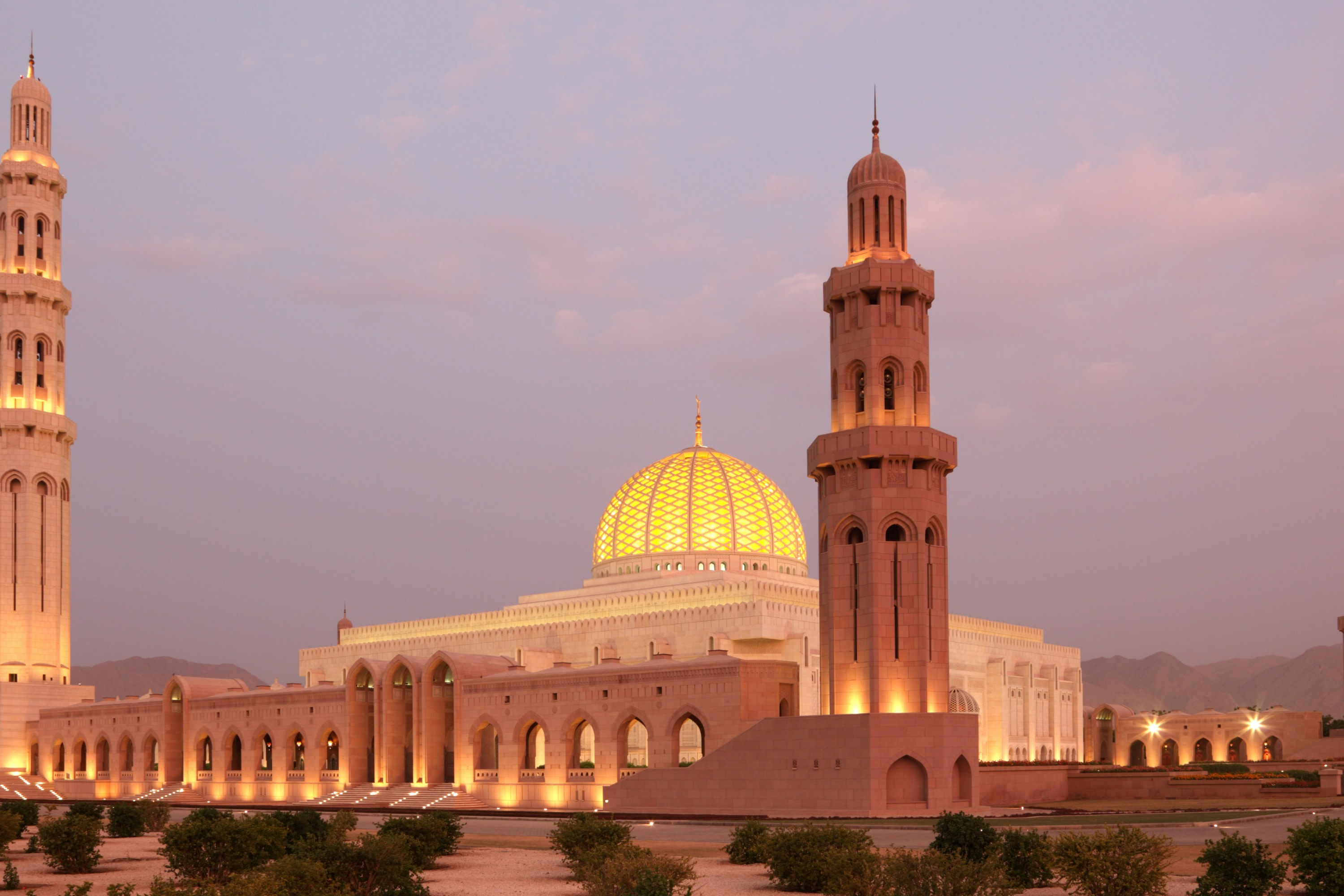
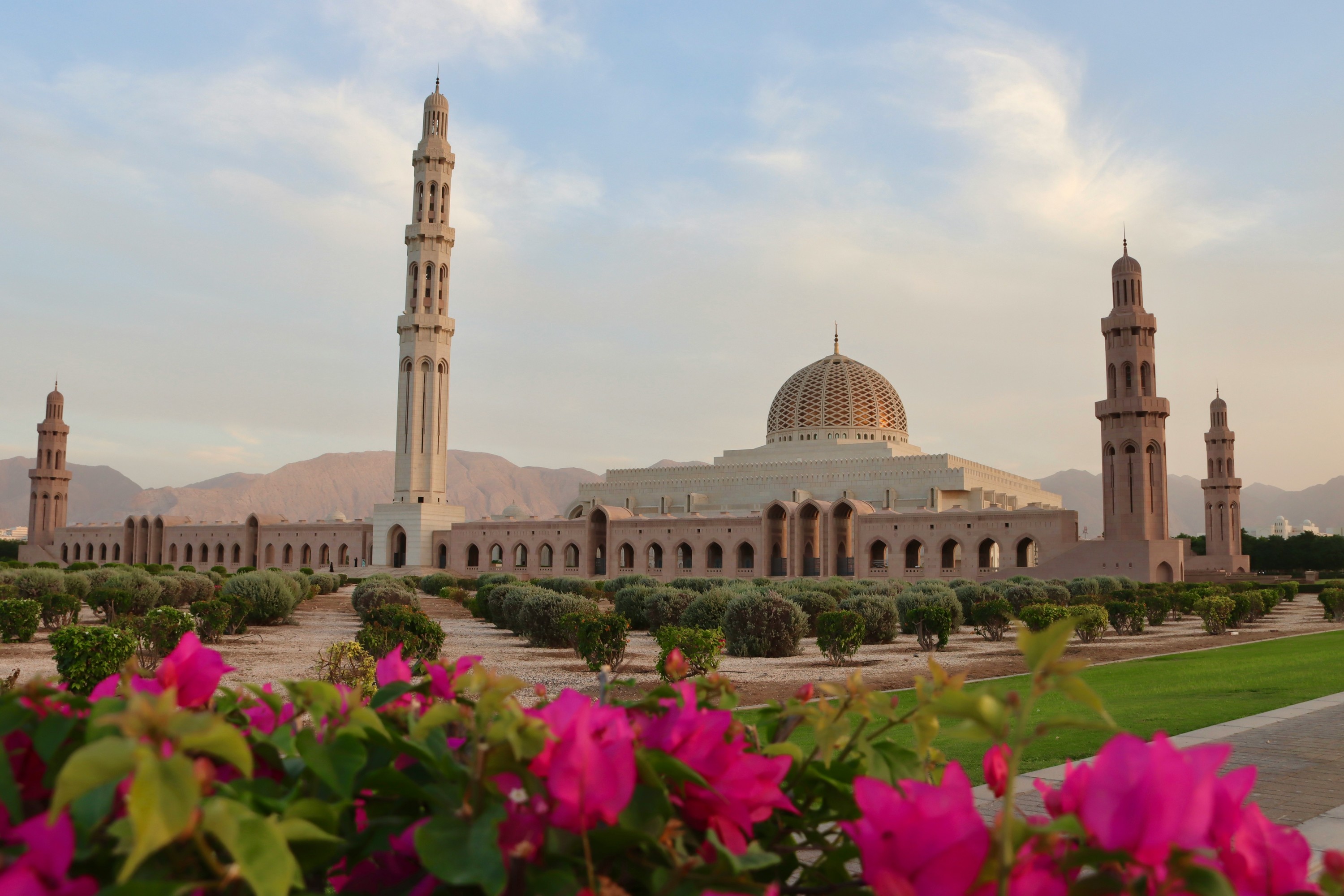
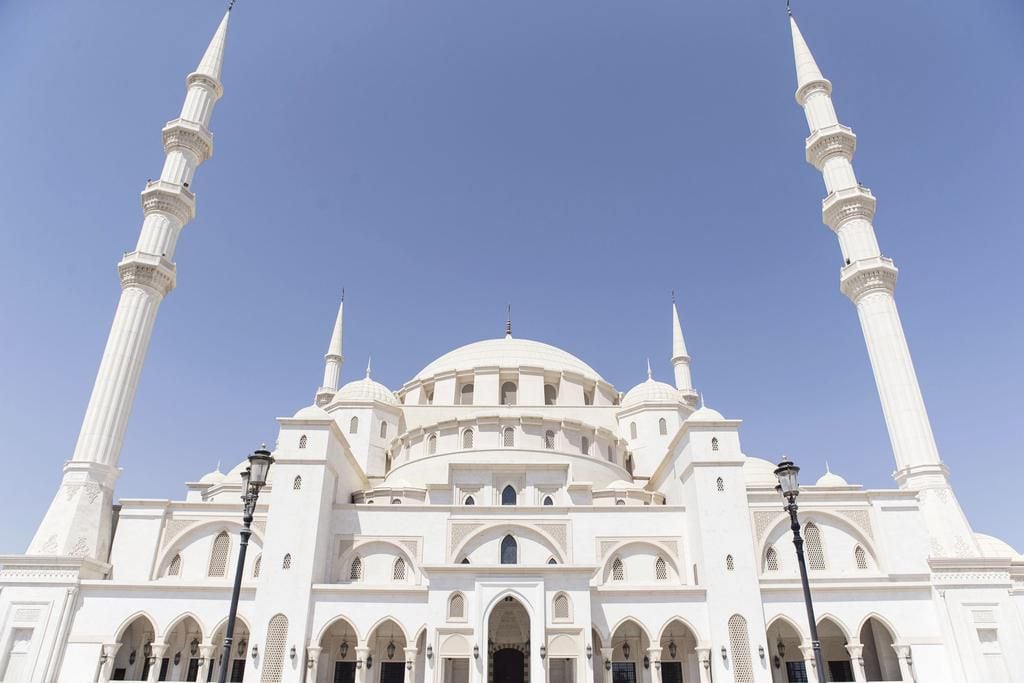
Sultan Qaboos Grand Mosque: Start your tour at this magnificent mosque, one of Oman's most iconic landmarks. Admire its stunning architecture, impressive chandeliers, and the grand prayer hall. Please note that there is a dress code for visitors, with conservative clothing required.
Royal Opera House Muscat: This architectural marvel hosts a variety of cultural performances.
Mutrah Corniche: Stroll along the picturesque waterfront promenade.
Mutrah Souq: Explore this bustling market known for its maze-like alleys filled with shops.
Al Alam Palace: This is the ceremonial palace of the Sultan of Oman. Another royal palace, this one houses government offices.
Corniche Fish Market: Visit local traditional fish market.
Available options
Muscat City Tour with All Language Guide
Pickup included
What's included
All Fees and Taxes
Air-conditioned vehicle
Detailed itinerary
1
Stop 1
An absolute must-see on any Muscat itinerary is the Sultan Qaboos Grand Mosque.
Located around 25-kilometres to the west of Mutrah, this is Oman’s principal mosque: a vast and exquisitely decorated sandstone building set within lush gardens and surrounded by tiled arcades.
The Sultan Qaboos Grand Mosque – The mosque completed in 2001 is constructed out of 300,000 tonnes of Indian sandstone and can accommodate up to 20,000 worshipers. It was the sultans gift to the nation to mark his 30th year of reign. The hand-loomed Persian carpet in the main hall is the 2nd largest of its kind, the carpet took a total of 600 women 4 years to weave and is lit up by the largest chandelier in the world.
2
Stop 2
The Royal opera house – Built on the royal orders of the sultan due to his passion for classical music and arts, the royal opera house was officially opened in 2011. The opera house displays contemporary Omani architecture and breathe taking interior design. The main hall and the theatre can accommodate up to 1,100 people and are open daily to the public.
3
Situated at the heart of Muttrah, on Oman’s largest harbor, the new fish market designed by Snøhetta is a tribute to both the past and the future of Oman. The city of Muttrah is known for its long history of commercial trade, its characteristic port, and long-standing fishery traditions. Located close to the city’s original fish market, built in 1960, the new market marks a continuity of the region’s trade and fishing traditions, while also fulfilling Oman’s need to accommodate for the country’s growing tourism industry.
4
Stop 4
The Mutrah souk is a traditional Arab market selling a variety of souvenirs, jewellery, frankincense, perfumes and garments. Many guests find it enjoyable to bargain with the many vendors around. After wondering around the souk, we shall grab lunch nearby then proceed to the museums.
5
Stop 5
The Sultan’s Palace Al Alam – The extravagant blue and golden Al Alam palace has a history of over 200 years and is one of the rulers six royal residences, the palace was built by Sultan Ahmed, the 8th grandfather of the current sultan. The palace remains off limits to visitors however we are permitted to stop near the gates to take photographs.
What's not included
Lunch
Breakfast
Available languages
Audio guide
DE
EN
IT
FR
ES
Guide guide
DE
EN
IT
FR
ES
Reviews breakdown
Tripadvisor
4.5
6 reviews
5★
5
4★
0
3★
0
2★
1
1★
0
Important information
Wheelchair accessible
Infants and small children can ride in a pram or stroller
Service animals allowed
Specialized infant seats are available
Transportation options are wheelchair accessible
All areas and surfaces are wheelchair accessible
Suitable for all physical fitness levels
About Muscat
Muscat, the capital of Oman, is a beautiful coastal city known for its stunning architecture, rich history, and strategic location along the Gulf of Oman. With a unique blend of traditional Omani culture and modern development, Muscat offers visitors a mix of historic forts, luxurious resorts, and vibrant souks.
Top Attractions
Sultan Qaboos Grand Mosque
One of the most stunning landmarks in Muscat, this mosque is a masterpiece of Islamic architecture and a symbol of Omani heritage.
Religious/Architecture
1-2 hours
Free (guided tours may have a fee)
Mutrah Souq
A traditional market offering a variety of goods, including spices, textiles, and souvenirs. The souq is a great place to experience Omani culture and haggle for bargains.
Market/Cultural
1-2 hours
Free to enter, prices vary for goods
Royal Opera House Muscat
A world-class venue for opera, ballet, and other performing arts, offering a glimpse into the cultural richness of Oman.
Cultural/Entertainment
2-3 hours (depending on the performance)
Varies by event (moderate to expensive)
Must-Try Local Dishes
Shuwa
Slow-cooked lamb or goat marinated in spices and wrapped in banana leaves.
Dinner
Not vegetarian
Harees
A porridge-like dish made from wheat and meat, often served during Ramadan.
Dinner
Not vegetarian
Halwa
A sweet dessert made from sugar, ghee, and spices, often served with tea.
Dessert
Vegetarian
Popular Activities
Hiking in Wadi Shab
Dune bashing in the desert
Beach relaxation at Qurum Beach
Spa treatments at luxury resorts
Exploring Mutrah Souq
Visiting the Royal Opera House Muscat
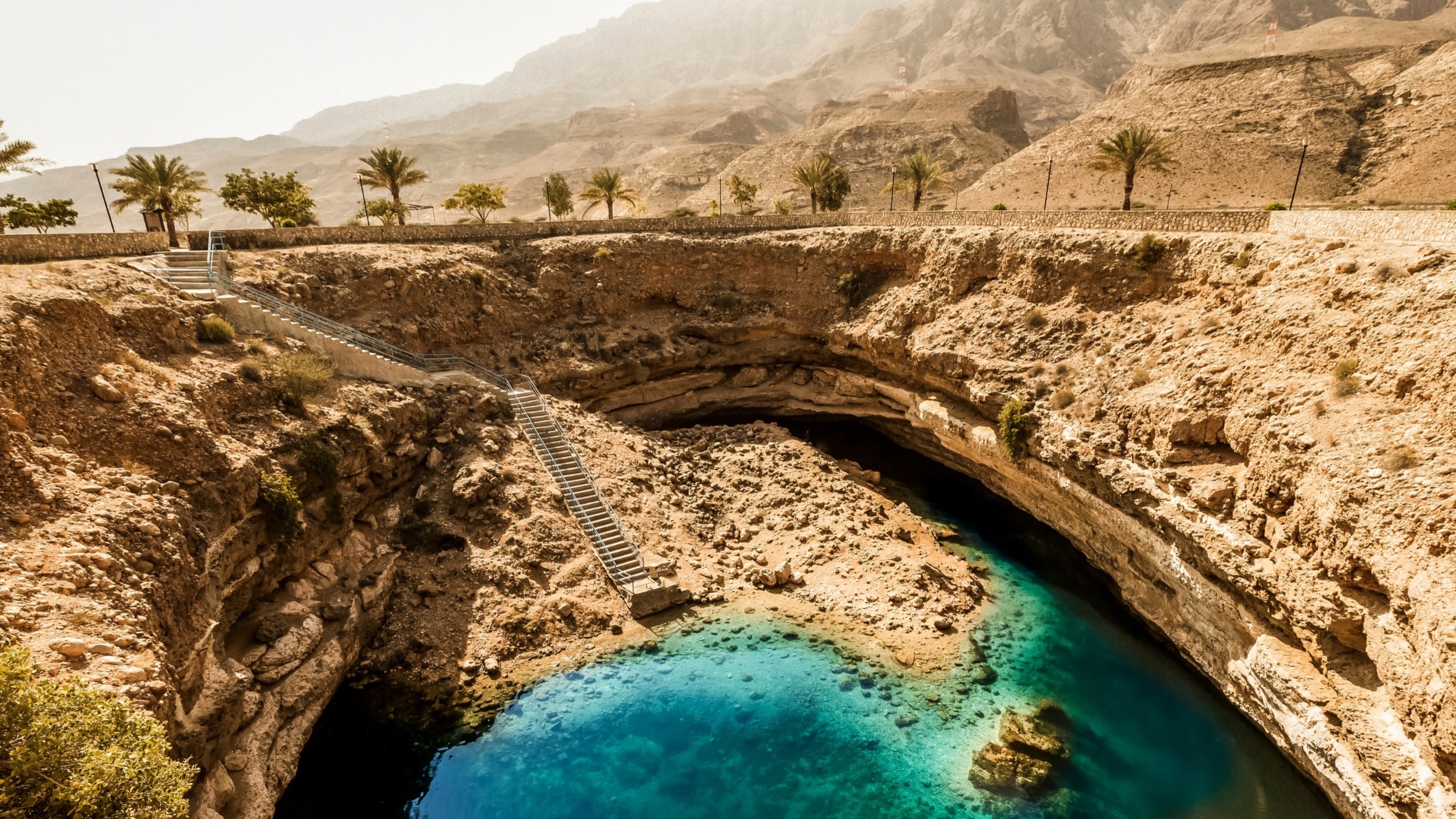
Swimming in Bimmah Sinkhole
Boat tours in the Gulf of Oman
Best Time to Visit
November to March
The best time to visit Muscat is during the cooler months from November to March when the weather is pleasant and ideal for outdoor activities. This period also sees the highest number of tourists.
18°C to 30°C
64°F to 86°F
Practical Information
Language
- Official: Arabic
- Widely spoken: English, Urdu, Balochi
- English: Widely spoken in tourist areas
Currency
Omani Rial (OMR)
Time Zone
GMT+4
Electricity
240VV, 50HzHz
Safety Information
Overall Safety Rating: Generally safe
Muscat is generally safe for travelers, with low crime rates. However, it's always important to stay vigilant and follow local customs and laws.
Important Precautions:
- • Use licensed taxis or ride-hailing apps
- • Be cautious of strangers offering unsolicited help
- • Keep valuables secure
Getting there
By air
- Muscat International Airport • 30 km from city center
By bus
Muscat Central Bus Station
Getting around
Public transport
The bus service is affordable and connects key points in Muscat. However, it may not be as extensive as in other major cities.
Taxis
Available • Apps: Uber, Careem
Rentals
Car
Neighborhoods
Mutrah
Al Khuwair
Shati Al Qurum
Day trips
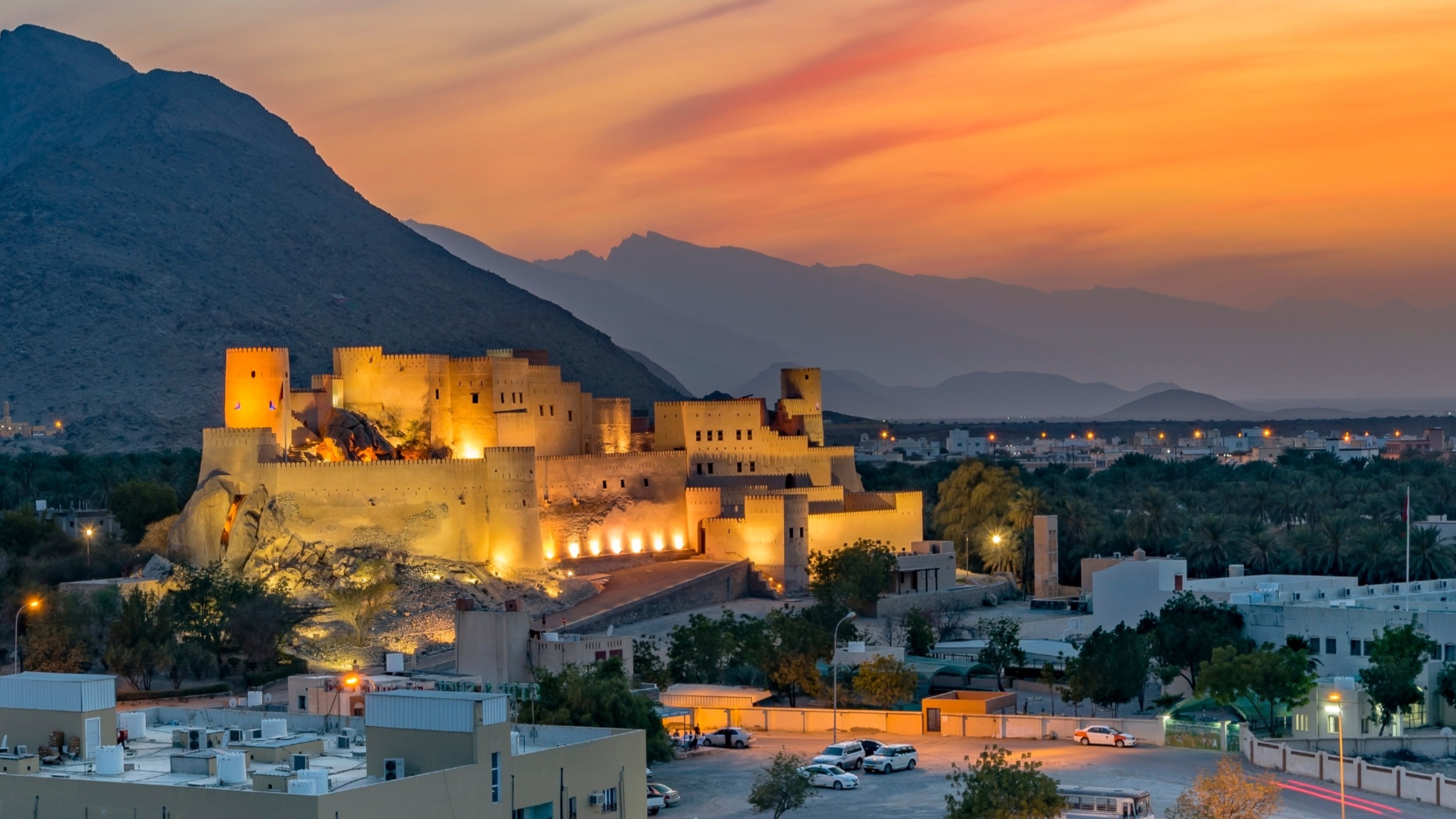
Nizwa
160 km from Muscat • Full day
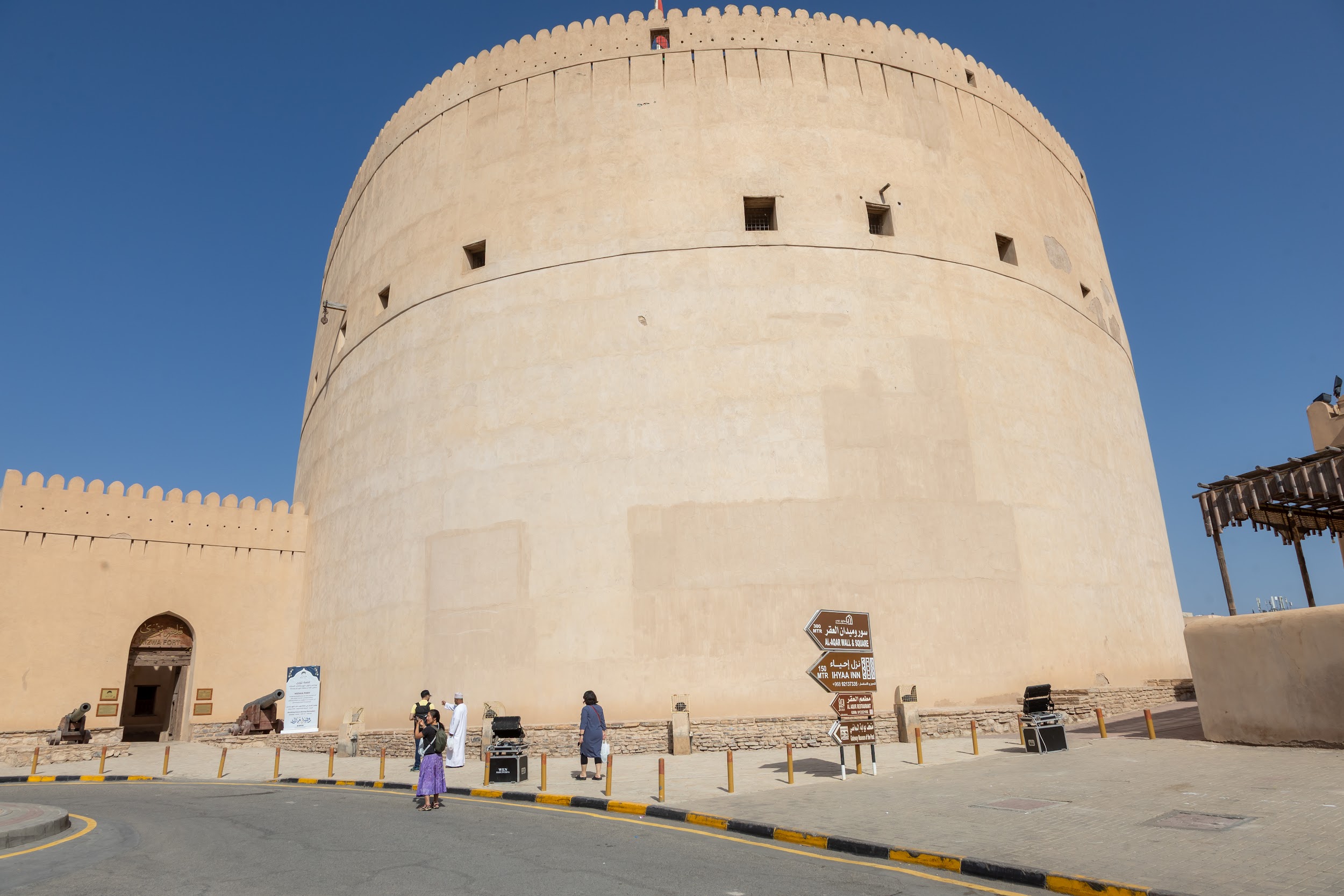
Nizwa is a historic city known for its fort, souq, and traditional Omani architecture.
Wadi Shab
90 km from Muscat • Full day
Wadi Shab is a stunning natural area with waterfalls, pools, and hiking trails.
Bimmah Sinkhole
120 km from Muscat • Half day
A natural sinkhole with crystal-clear waters, perfect for swimming and photography.
Festivals
Muscat Festival • January to February
Eid al-Fitr • Varies (depends on the Islamic lunar calendar)
Pro tips
- Visit the Sultan Qaboos Grand Mosque early in the morning to avoid the heat and crowds
- Explore Mutrah Souq in the evening when it's cooler and more lively
- Try traditional Omani coffee and dates at a local café
- Book a guided tour for day trips to learn more about the history and culture
- Carry a reusable water bottle and stay hydrated, especially in the summer
From $25
per person
Price varies by option
Secure booking
Free cancellation available
Instant confirmation