Jeju private UNESCO Site Day tour - East of Jeju Island
Active
8h - 9h
For a full refund, cancel at least 24 hours before the scheduled departure time.
Instant confirmation
Mobile or paper ticket accepted
About this experience
I think this is a trip that will help you understand Jeju by traveling to the eastern part of Jeju and visiting the UNESCO-listed Seongsan Ilchulbong Peak, the locals' Folk village, and the Jeju Stone Park.
and You can visit Seopjikoji, where you can walk along the coast, and the Jeju Haenyeo Museum, where you can get a glimpse into the history and lives of Jeju Haenyeo.
Seongsan Sunrise Peak and Haenyeo Museum are closed every Monday. On those days, Sangumburi and other locations are closed instead.
You can select option 1. (When Departing from Seogwipo or Gangjeong Cruise): Basic Itinerary : East &South 1) Oedolgae 2) Jeongbang waterfall 3) Gwangchigi Beach 4) Seongsan illchulbong 5) seongeup folkvillage You can cover East and South of Jeju island
Available options
1 people jumbo taxi
Duration: 8 hours<br/>jumbo taxi<br/>Pickup included
12 PEOPLE MINI-BUS TOUR
Duration: 9 hours<br/>MINI-BUS<br/>Pickup included
11 PEOPLE MINI-BUS TOUR
Duration: 8 hours<br/>MINI-BUS<br/>Pickup included
2 people jumbo taxi
jumbo taxi<br/>Pickup included
8 People Mini-BUS
Duration: 8 hours<br/>MINI-BUS<br/>Pickup included
7 people Mini-BUS
Pickup included
4 people regular taxi
regular taxi<br/>Pickup included
3 people jumbo taxi
Duration: 8 hours<br/>Pickup included
3 people regular taxi
Duration: 8 hours<br/>regular <br/>Pickup included
10 PEOPLE MINI-BUS
Pickup included
1 people Regular taxi
Duration: 8 hours<br/>regular<br/>Pickup included
2 people regular taxi
regular taxi<br/>Pickup included
6 people jumbo taxi
Duration: 9 hours<br/>jumbo taxi<br/>Pickup included
5 people jumbo taxi
Duration: 8 hours<br/>jumbo taxi<br/>Pickup included
9 PEOPLE MINI-BUS
Duration: 9 hours<br/>Pickup included
4 people jumbo taxi
Duration: 9 hours<br/>jumbo taxi or mini-van<br/>Pickup included
7 people jumbo taxi tour
jumbo taxi or mini-van<br/>Pickup included
What's included
we offer pick-up and drop-off services from your located in Jeju
Air-conditioned vehicle
Insurance included
Regular taxi / Jumbo taxi / MIni-van /MIni-bus , The fuel and parking fees are included in the price
Basic English / Basic Chinese / Speaking Driver
Admission fee - Including only natural tourist attractions
Detailed itinerary
1
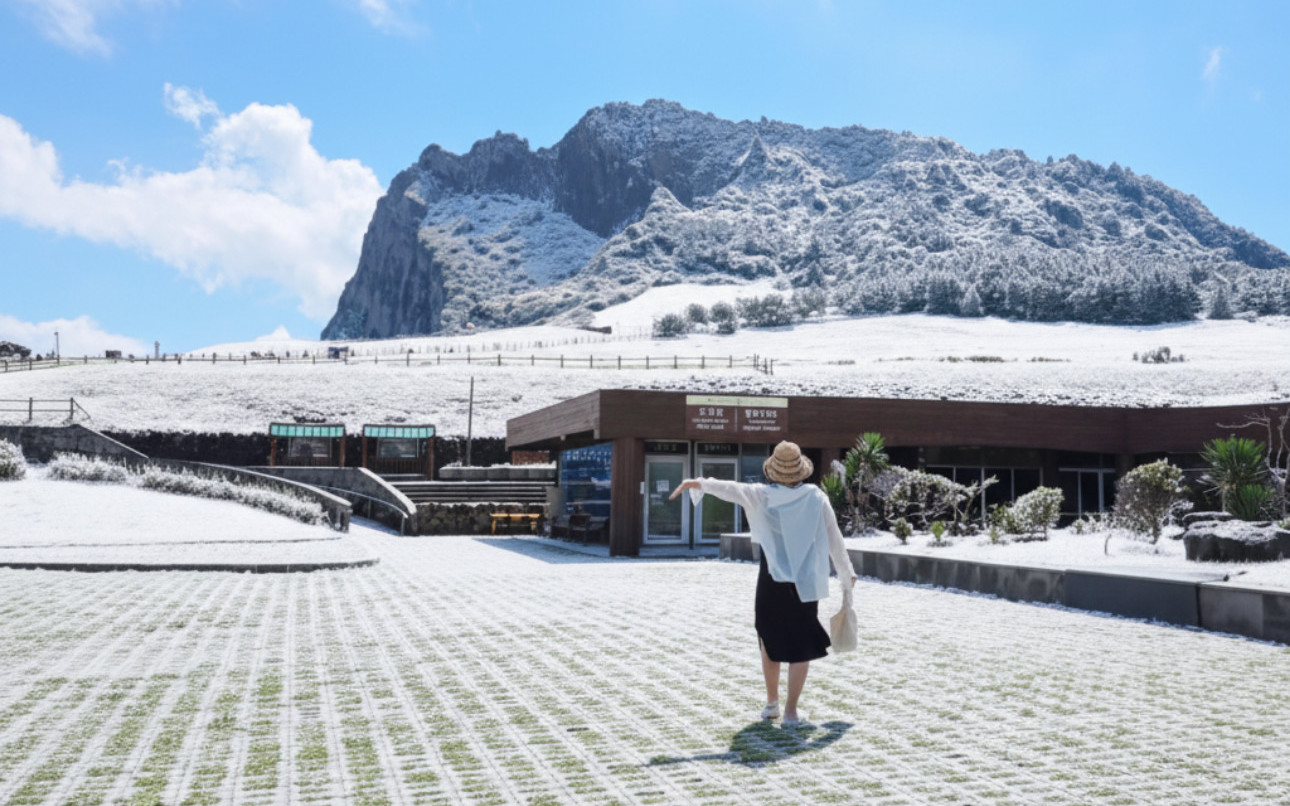
The Stone Culture Park is a museum and ecological park that comprehensively and systematically shows the stone culture of Jeju, the land of stones. The exhibition hall was completed and opened on June 3, 2006, seven years after construction began. The Stone Culture Park, where you can see the stone culture of Jeju in one place, is so large that it is recommended to visit it with a leisurely schedule. The Stone Culture Park is located in front of Oreum, a unique natural heritage of Jeju, and if you follow the shape of a castle made of piled stones, you will reach the entrance of the Stone Culture Park with a cool view of the surroundings.
Passing through the entrance and following the viewing path, you will come across various stone sculptures woven from the tale of Seolmundae Halmang and her son, General Oh Baek. Unfortunately, the museum is located underground, not above ground.
2
Stop 2
Jeju Sangumburi Crater is a parasitic volcanic crater of Hallasan Mountain.
It is the only submerged volcano in Jeju Island.
The outer circumference of the crater is 2,067m, the inner circumference is 756m, and the depth of the crater is 100-146m, forming a conical cliff, and the floor area is about 8,000 pyeong. The crater rarely ejected lava, only a hole was dug deep by the explosion, and the material from the explosion was scattered in all directions and only a small amount accumulated around it. Although the diameter and depth of the crater are larger than that of Baeknokdam, the water does not accumulate and flows out to the sea through the basalt gravel layer of the crater wall. Such a crater is called a maar, and Sangumburi Crater is unique in Korea, and there are only a few in Japan and Germany worldwide.
3
Seopjikoji is a beach that became famous when Korean actors Lee Byung-hun and Song Hye-kyo filmed an all-in drama.
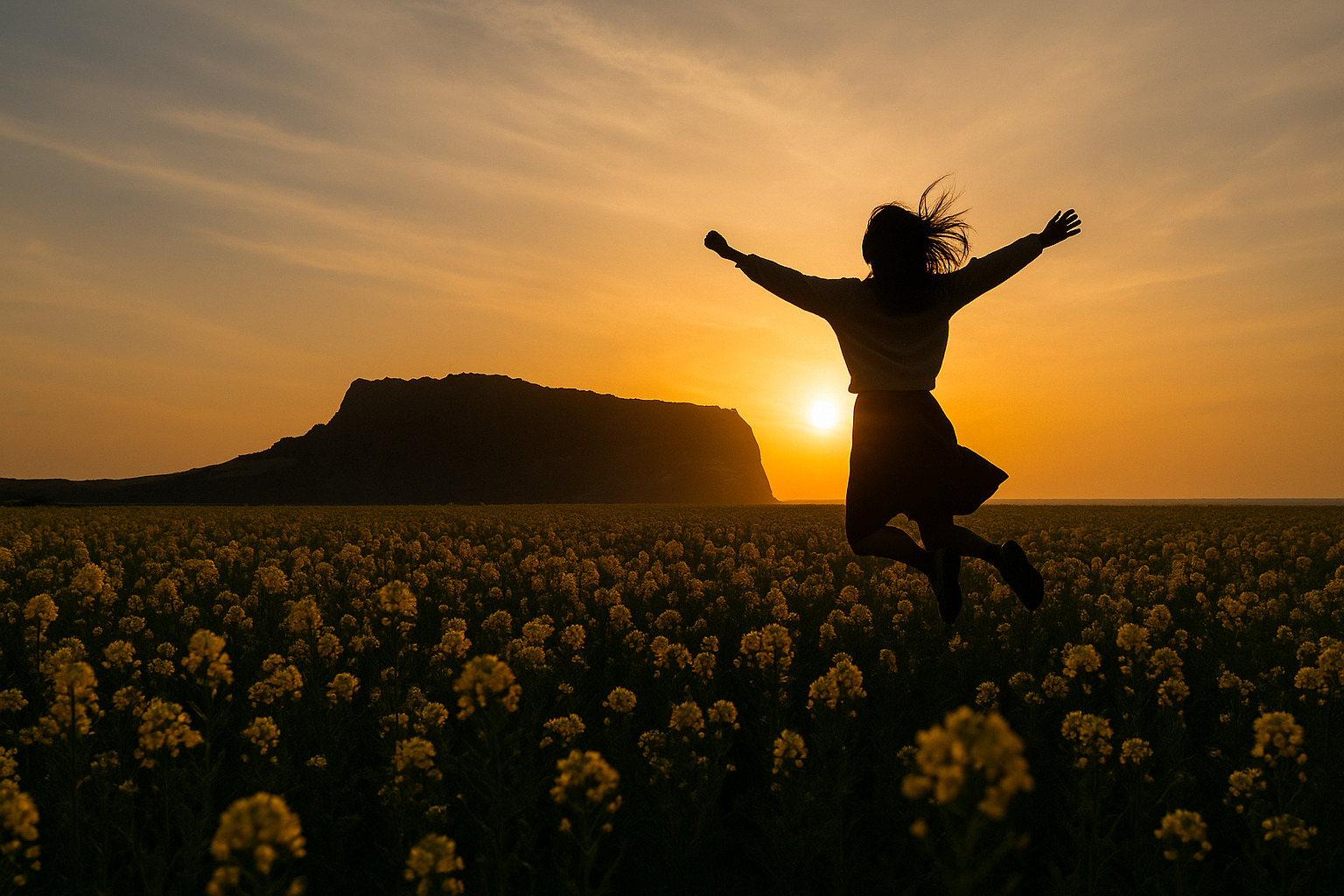
At the top of Seopjikoji, you can easily see the tuff along with the beautiful scenery of the open sea and rape flower fields. At the top of the hill is a lighthouse fire station built of volcanic rock 4 m high and 9 m in diameter. Behind Bonghwa Fire Station is Byeonghwa Oreum filled with red soil. The white lighthouse on the cone stands out in contrast.
At Seopjikoji, you
Take a picture while leaving the parking lot
When you reach the lighthouse, climb the lighthouse
Take a look at the majesty of the sea or take a photo to prove it.
If you continue walking along the coastal road past the lighthouse, you will come to the coastal road. There is no need to return to the starting point, and my
A taxi will be waiting for you.
On days when the weather is nice
You can also see the women divers at work.
4
Stop 4
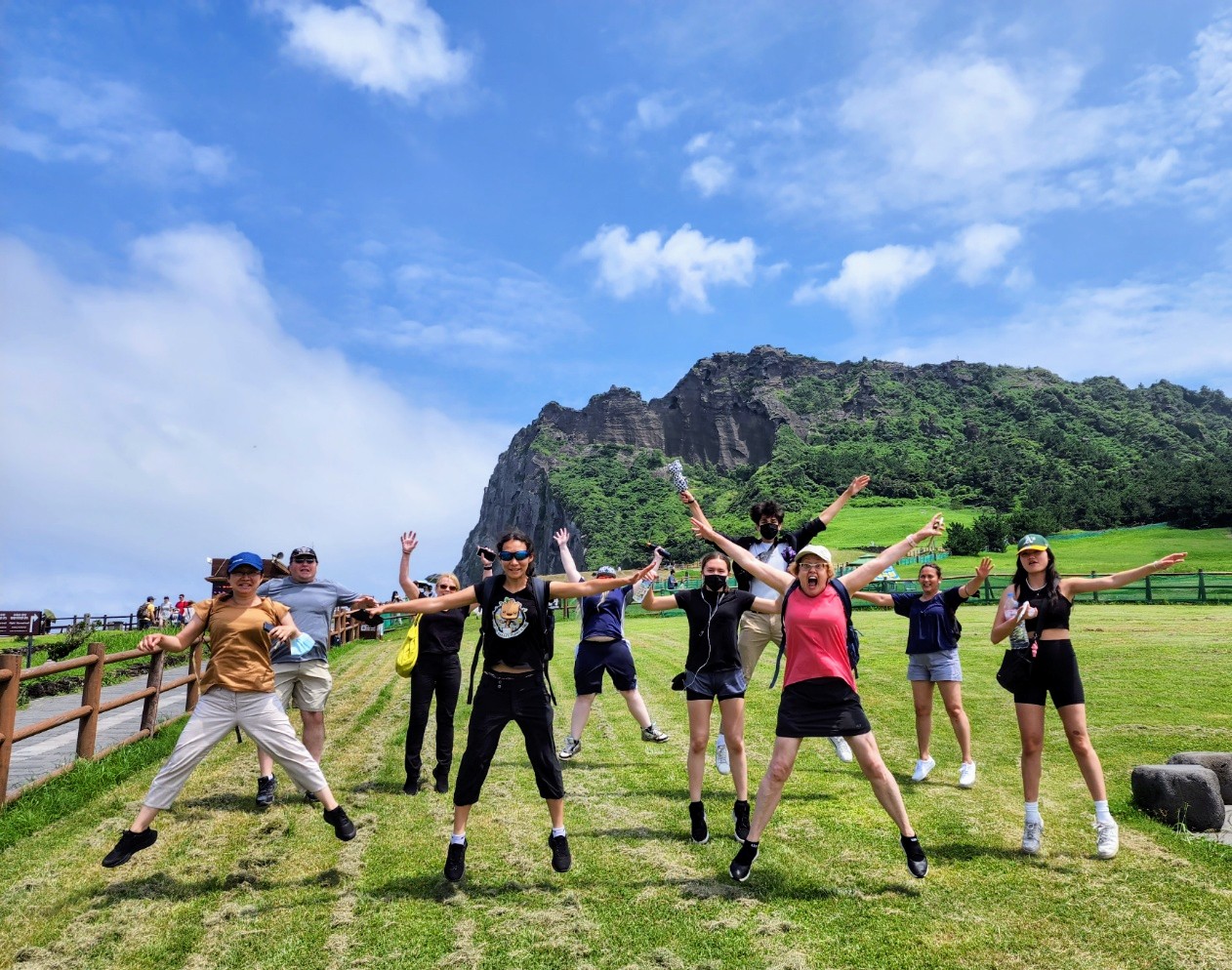
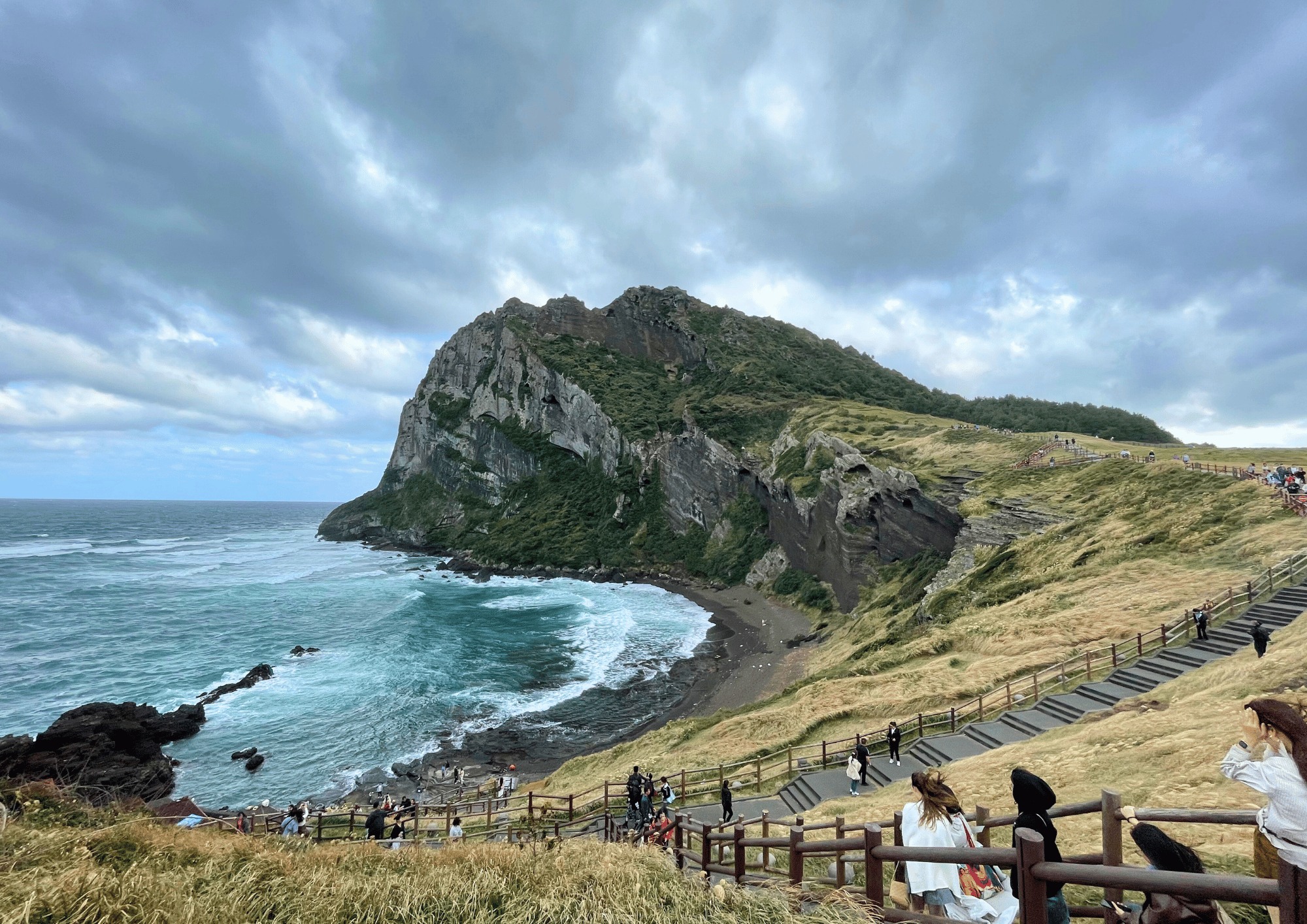
Seongsan Ilchulbong Peak is a World Natural Heritage peak, and it takes about an hour round trip for you to climb and descend.
Its height is 182 m.
Seongsan means a mountain resembling a castle. Ilchulbong means the peak where the sun rises.
Seongsan Ilchulbong Peak also has a haenyeo performance.
Viewing is possible.
Haenyeo performances are held twice a day at 2:00 PM.
In case of bad weather, it may be canceled suddenly.
Seongsan Ilchulbong
It was formed when lava erupted from the seabed, rose high, and then hardened. There are 99 stone pillars on the outer wall of the fortress, like a crown descending from the sky. It takes about 30 minutes to reach the top of the ticket office. Seongsan Ilchulbong Peak
Climb up and feel the greatness of nature.
5
The Jeju Haenyeo Museum is located in a fishing village overlooking the white sandy beach in Sehwa-ri, Gujwa-eup. It exhibits materials related to the ocean, fishing villages, folklore, and fishing, focusing on the haenyeo culture of Jeju, which has a history from before the beginning of time. All exhibits inside and outside the museum were donated by haenyeo. In the exhibition hall, the actual haenyeo's house was also donated and moved, and food culture and childrearing, half-urban farming, and Yeongdeunggut culture are displayed in detail. The 7-minute video is definitely worth watching.
technology is a skill acquired through long-term training and experience. Usually, from the age of 8, they learn to swim and dive in the shallow waters of the village, and become baby haenyeo around the age of 15. Haenyeo's material work requires a high degree of skill. You have to hold your breath and work for more than one minute while enduring strong water pressure in 15m of water.
6
It is a village where people have lived in traditional thatched houses since ancient times. In the past, Seongeup Village was the center of Jeju. In Seongeup Village, horses and cattle were sent to the king and the central government. in Seongeup Village. You can visit the traditional thatched houses for free. You can also see the appearance of a traditional toilet.
In Seongeup Folk Village, take a walk along the stone wall alley. You can see the lifestyle of Jeju. You can also experience Hanbok at Seongeup Village.
Lifestyle of Jeju people
You can hear and see the story of using a conventional toilet.
7
If you walk along Jeju Olle Course 19, you will come across Hamdeok Beach, which has an emerald jewel. Hamdeok Beach, located in Hamdeok-ri, Jocheon-eup, Jeju-si, is also called ‘Hamdeok Seoubong Beach’ because of Oreum (Seoubong Peak) standing right next to the beach.
It is only 20km away from Jeju Airport, but the moment you arrive here, you feel like you are in another country. The tall palm trees that welcome you from the entrance, the emerald sea that contrasts with the white sand, the clear water and white waves that make even the sand and seaweed transparent are like that.
Among the numerous beaches in Jeju Island, if you choose three places with the most beautiful sea color, it is definitely Hyeopjae Beach, Gimnyeong Beach, and Hamdeok Beach. The water is clear and the water depth is shallow, so it is also a good summer resort for families. The west side of the beach is connected by an overpass, so you can experience walking on the sea.
8
Saryeoni Forest Path is a forest walking trail that starts from Bijarim-ro and goes through Mulchat Oreum Volcanic Cone and Saryeoni Oreum Volcanic Cone.
Its starting point is located at National Road No. 1112, which is thick with cedars. A variety of species of trees grow in the forest, such as Konara Oak, Red-Leaved Hornbeam, Snowbell, Hinoki Cypress, and cedar. The average altitude is 550m.
This is one of the hidden 31 views of Jeju-si. It is popular among tourists who love hiking, because the nature of the forest hasn’t been tampered with.
What's not included
Lunch / Personal Expenses / Food and Drinks
Gratuities are recommended, but not compulsory
Available languages
Guide guide
EN
ZH-CN
Reviews breakdown
Viator
4.5
11 reviews
5★
9
4★
0
3★
1
2★
0
1★
1
Tripadvisor
5.0
28 reviews
5★
28
4★
0
3★
0
2★
0
1★
0
Important information
Suitable for all physical fitness levels
About Jeju
Jeju is a volcanic island located in the Korea Strait, known for its beautiful landscapes, unique volcanic formations, and rich cultural heritage. It's a popular destination for both domestic and international travelers seeking natural beauty and outdoor adventures.
Top Attractions
Hallasan Mountain
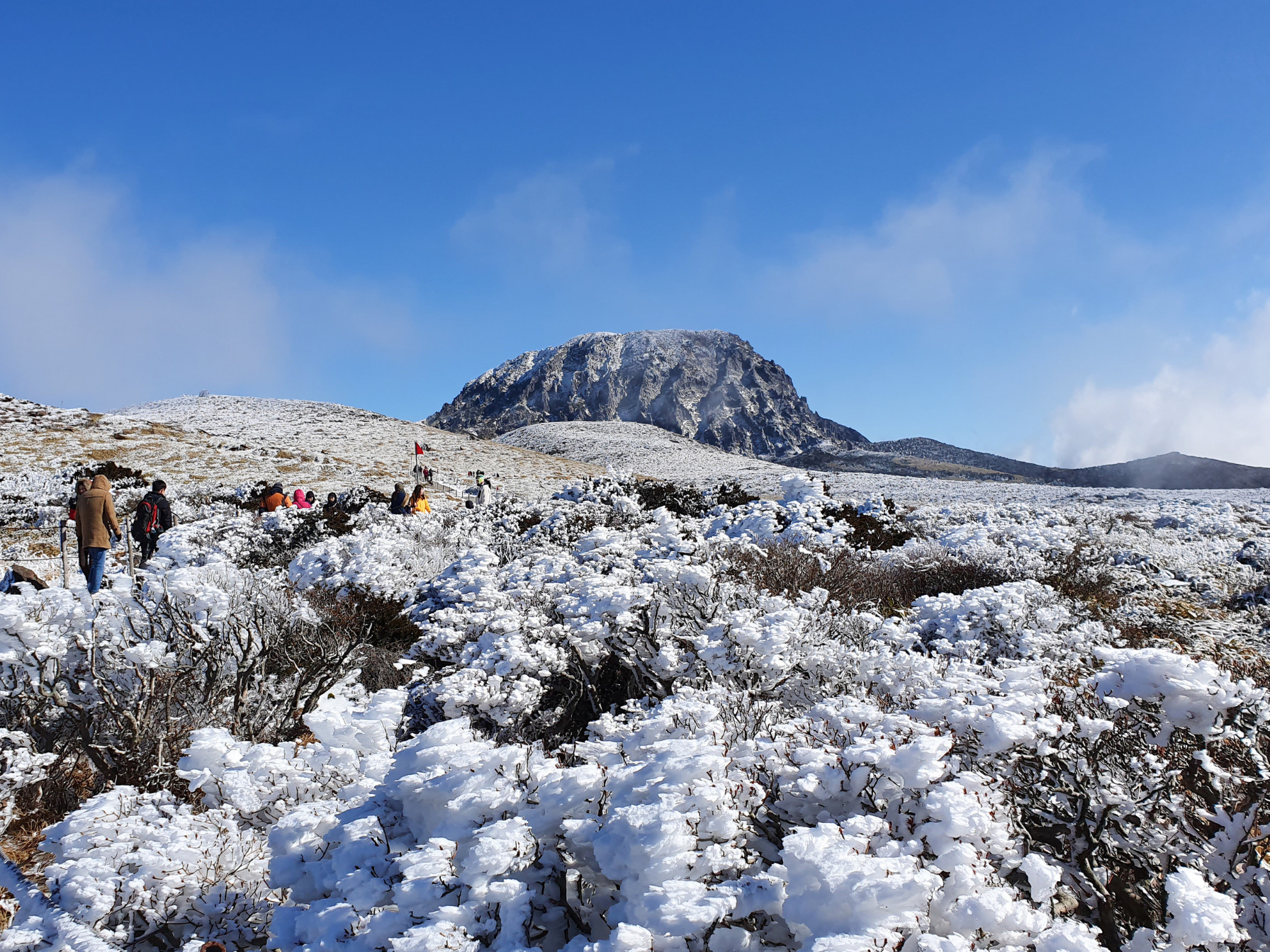
Hallasan is a dormant volcano and the highest mountain in South Korea, offering stunning landscapes and hiking trails.
Nature
Half to full day
Free
Jeju Loveland
An adult-themed sculpture park featuring erotic art and sculptures, offering a unique and provocative experience.
Entertainment
2-3 hours
₩14,000 (approx. $11)
Seongsan Ilchulbong (Sunrise Peak)
A tuff cone volcano known for its stunning sunrise views and crater rim walk.
Nature
1-2 hours
₩2,000 (approx. $1.60)
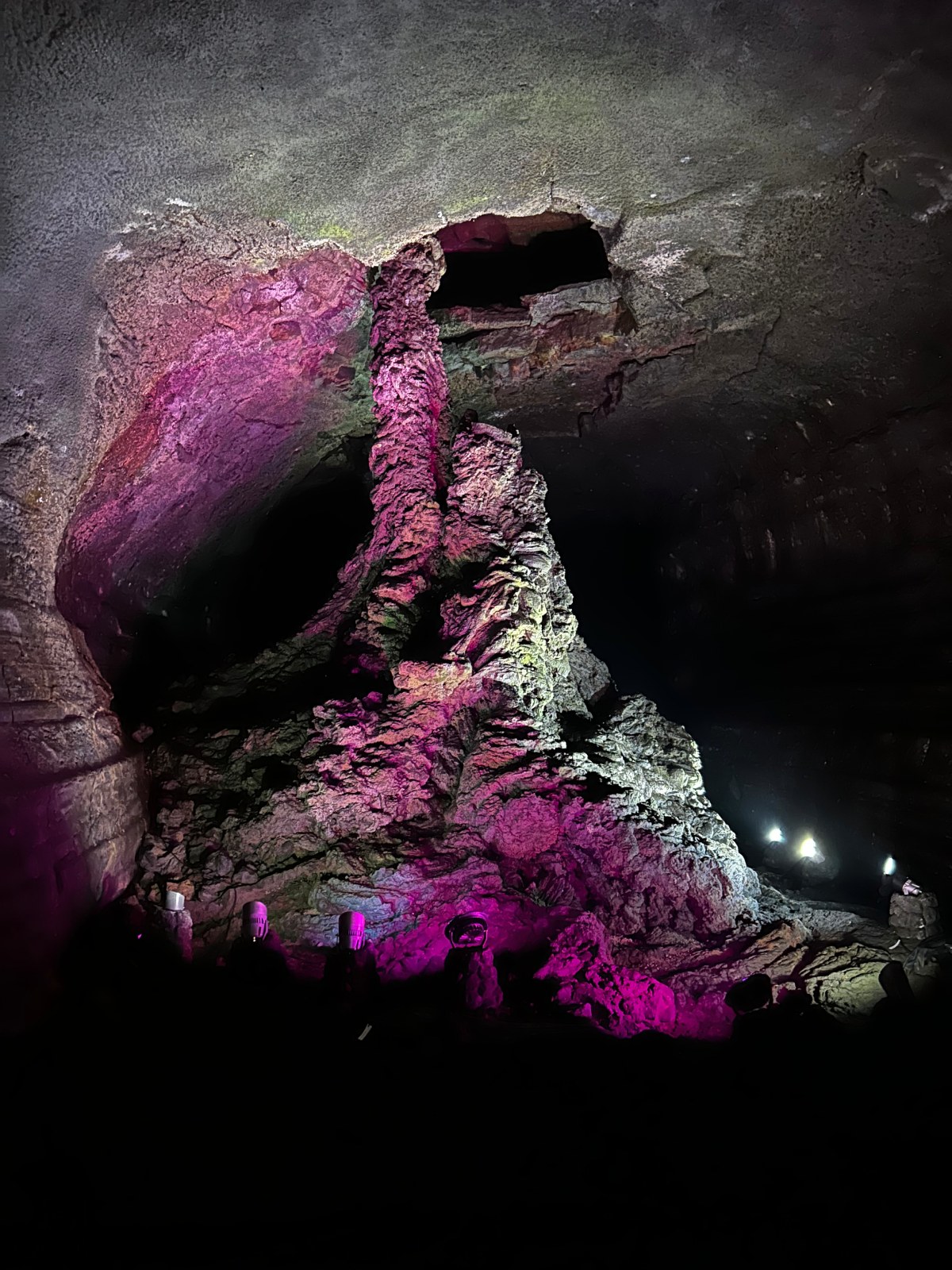
Manjanggul Cave
One of the longest lava tunnels in the world, offering a unique geological experience.
Historical
1 hour
₩2,000 (approx. $1.60)
Jeju Folk Village
An open-air museum showcasing traditional Korean houses and cultural performances.
Cultural
2-3 hours
₩10,000 (approx. $8)
Must-Try Local Dishes
Black Pork BBQ (Heukdwaeji Gui)
Jeju black pork is known for its tender and flavorful meat, often grilled and served with various side dishes.
Dinner
Contains pork, not suitable for vegetarians or vegans.
Halliang (Jeju Soup)
A hearty soup made with local ingredients like black pork, vegetables, and sometimes seafood.
Lunch/Dinner
Contains meat, can be made vegetarian upon request.
Haenyeo Sundae
A blood sausage made with pork blood and various ingredients, named after the female divers of Jeju.
Snack
Contains pork and blood, not suitable for vegetarians or vegans.
Hallabong
A sweet and juicy tangerine unique to Jeju, often enjoyed fresh or in various desserts.
Snack/Dessert
Vegan-friendly.
Popular Activities
Hiking
Scuba diving
Snorkeling
Paragliding
Horseback riding
Beach lounging
Spa and wellness
Hot springs
Best Time to Visit
April to June, September to November
Spring and autumn offer pleasant weather with mild temperatures and lower humidity. These seasons are ideal for outdoor activities and sightseeing.
15°C to 25°C
59°F to 77°F
Practical Information
Language
- Official: Korean
- Widely spoken: English (limited), Japanese (in tourist areas)
- English: Limited
Currency
South Korean Won (KRW)
Time Zone
GMT+9
Electricity
220VV, 60HzHz
Safety Information
Overall Safety Rating: Generally safe
Jeju is a safe destination with low crime rates. However, travelers should exercise normal precautions to protect themselves and their belongings.
Important Precautions:
- • Keep valuables secure and out of sight.
- • Use reputable tour operators and taxis.
- • Be cautious of strangers offering unsolicited help or services.
Getting there
By air
- Jeju International Airport • 12 km from Jeju City
By bus
Jeju Intercity Bus Terminal
Getting around
Public transport
Buses are the primary mode of public transport on Jeju, with a comprehensive network connecting major attractions and towns.
Taxis
Available • Apps: KakaoTaxi
Rentals
Car, Bike, Scooter
Neighborhoods
Jeju City
Seogwipo
Ara-dong
Day trips
Udo Island
15 km from Jeju City • Full day
A small island known for its beautiful beaches, lush landscapes, and unique volcanic formations.
Seopjikoji
20 km from Jeju City • Half day
A scenic coastal area known for its beautiful views, lighthouse, and nearby attractions.
Oedolgae Rock
10 km from Jeju City • Half day
A unique rock formation rising from the sea, offering beautiful views and a small temple.
Festivals
Jeju Fire Festival • February 28 - March 2
Jeju Haenyeo (Female Diver) Festival • June 2-3
Jeju Olle Culture Festival • October 1-7
Pro tips
- Rent a car for the ultimate flexibility and freedom to explore the island at your own pace.
- Try local street food and snacks for an authentic and delicious culinary experience.
- Visit popular attractions early in the morning or late in the afternoon to avoid crowds and enjoy the best light for photography.
- Pack layers, as Jeju's weather can be unpredictable and variable throughout the day.
- Learn a few basic Korean phrases to enhance your interactions with locals and show respect for their culture.
From $25
per person
Price varies by option
Secure booking
Free cancellation available
Instant confirmation