Private Day Tour & Experience wearing Hanbok at Seoul City Tour
Active
8h - 9h
For a full refund, cancel at least 24 hours before the scheduled departure time.
Instant confirmation
Mobile or paper ticket accepted
About this experience
The name Gyeongbokgung contains the meaning that "the new dynasty will enjoy great fortune and prosper."
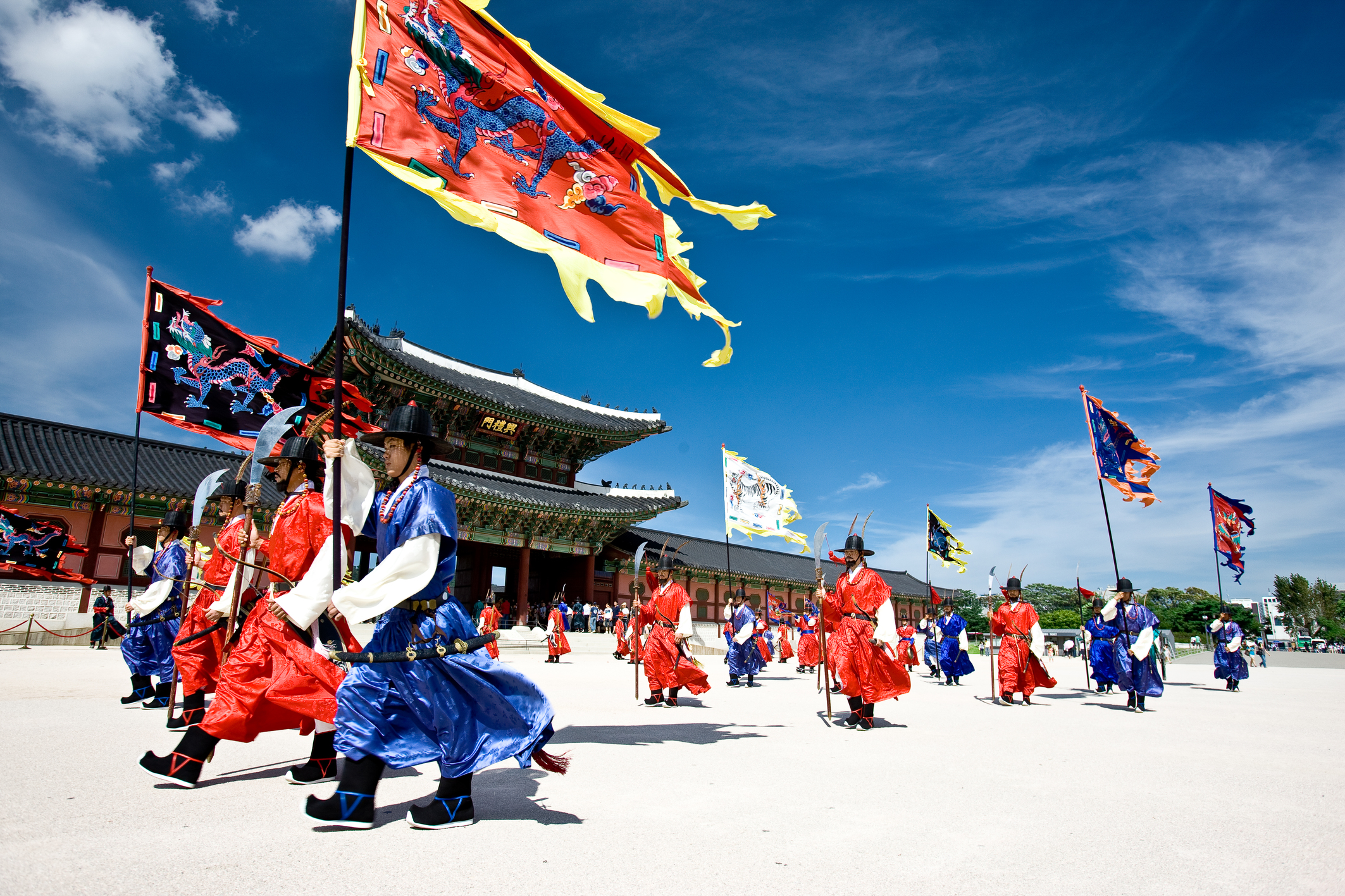
The Gyeongbokgung Palace tour provides an opportunity to increase your understanding of Korean culture. In addition, Gyeongbokgung Palace offers traditional performances such as the Changing of the Royal Guard Ceremony held every day at noon, providing foreigners with a chance to experience Korean traditions vividly.
Insa-dong has galleries, traditional tea houses, restaurants, street vendors, specialized shopping malls for handicrafts, antique shops, antique stores, and flower shops, so I recommend taking a walk and eating bibimbap.
Take a walk along Bukcheon Hanok Village Road and feel and experience the beauty of Korean culture.
Gwangjang Market is the first permanent market in our country, established in 1905. The Korean pronunciation of the name was kept the same, but the meaning of ‘widely gathering and preserving’ was added, and it became the current Gwangjang Market.
Available options
1person private Taxi Tour
Duration: 8 hours<br/>Regular taxi: Rperson seater taxi <br/>1person taxi tour <br/>Pickup included
7 up to 12 private tour
Duration: 8 hours<br/>Soleati mini bus : 12 person seater bus<br/>8 up to 12 private tour : With solrati mini bus driver<br/>Pickup included
6person Private taxi tour
Duration: 8 hours<br/>Staria mini van : 7person seater jumbo taxi <br/>6person Private taxi tour : Jumbo taxi tour <br/>Pickup included
Licensed English Guide Tour
Duration: 8 hours<br/>Big bus: 22 person seater bus + 42 person seater bus<br/>Big Bus tour : Big Bus + driver + Licensed English tour guide <br/>Pickup included
5person private taxi tour
Staria mini van jumbontaxi tour <br/>Duration: 8 hours<br/>Staria mini van : 7 person seater taxi <br/>Pickup included
3person Private Taxi tour
Regular taxi : 4person searer taxi <br/>3 person private Taxi tour <br/>Pickup included
2person private Taxi tour
Duration: 8 hours<br/>Regular taxi : 4person taxi <br/>2 person private taxi tour <br/>Pickup included
4person Private Tour
Regular or Jumbo taxi : Big space taxi <br/>4person private taxi tour : Big space taxi or Jumbo taxi <br/>Pickup included
What's included
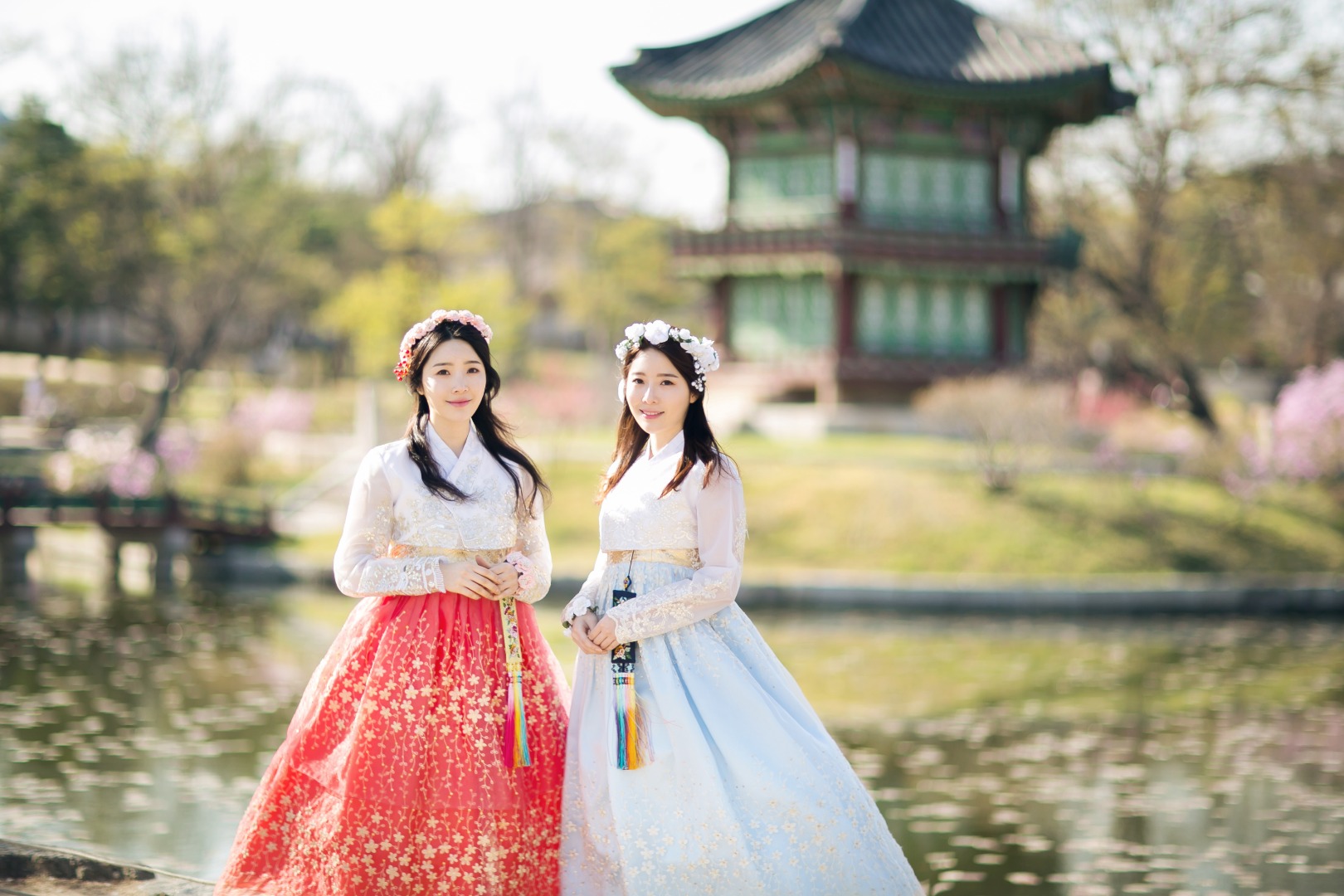
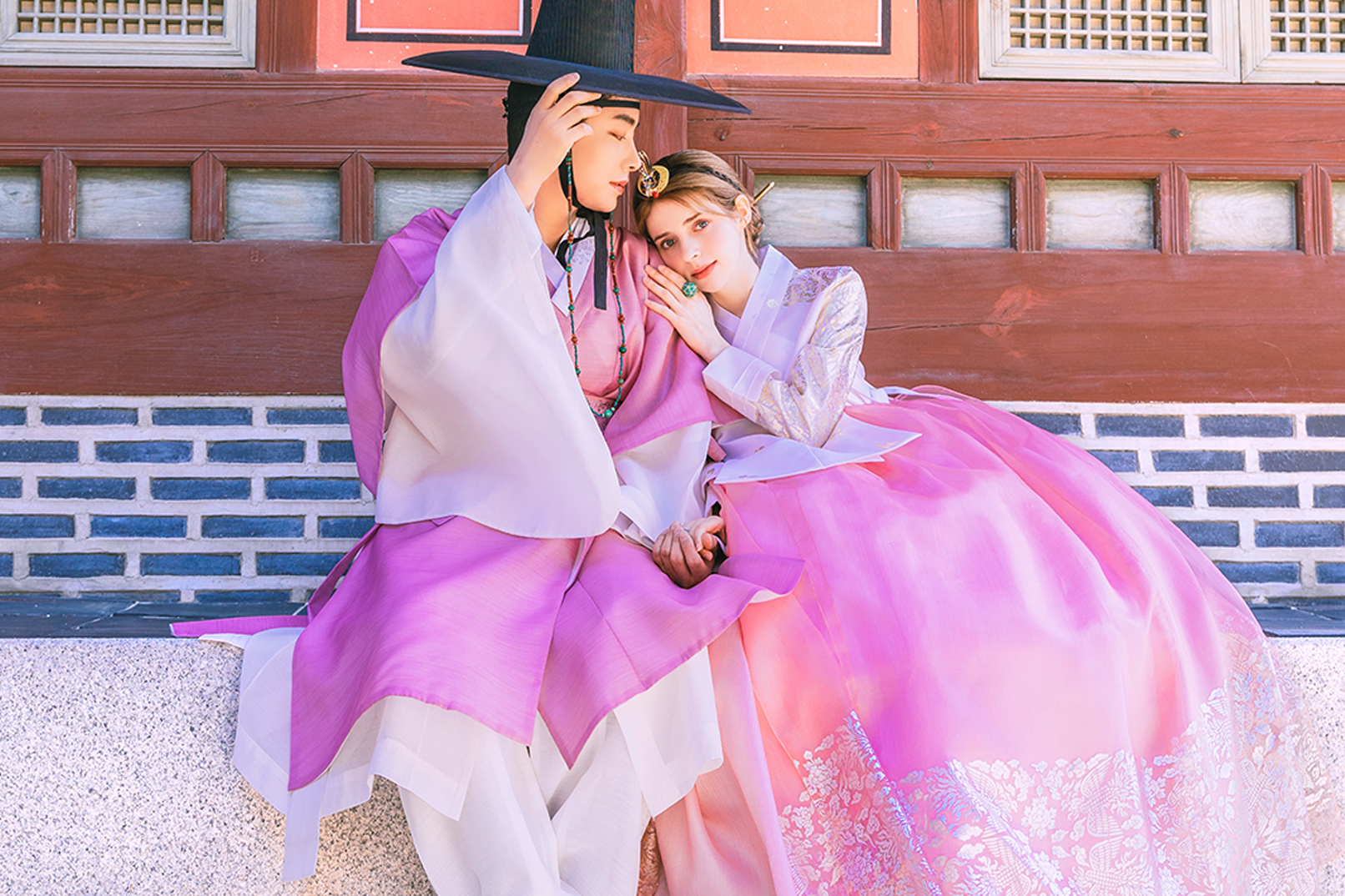
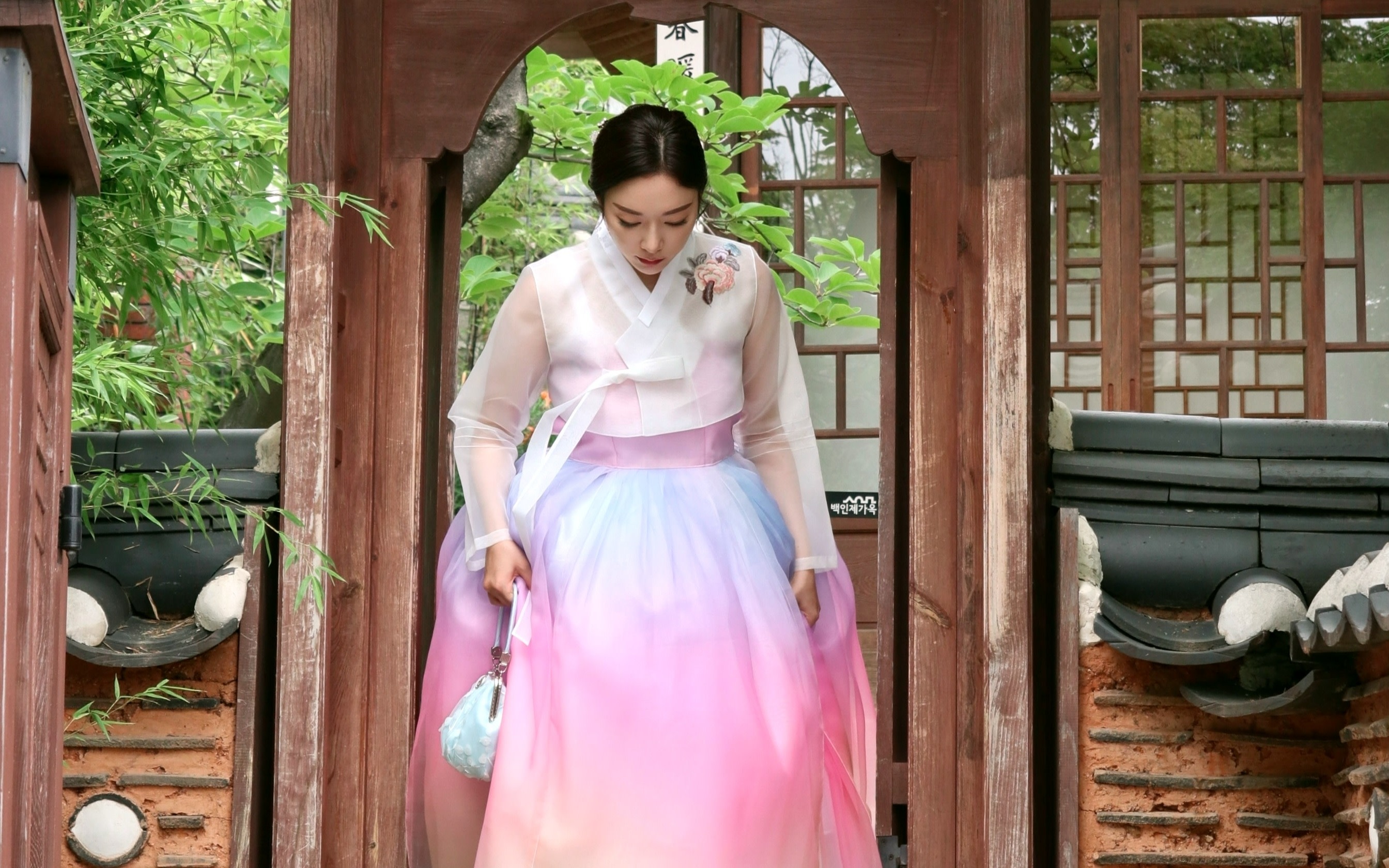
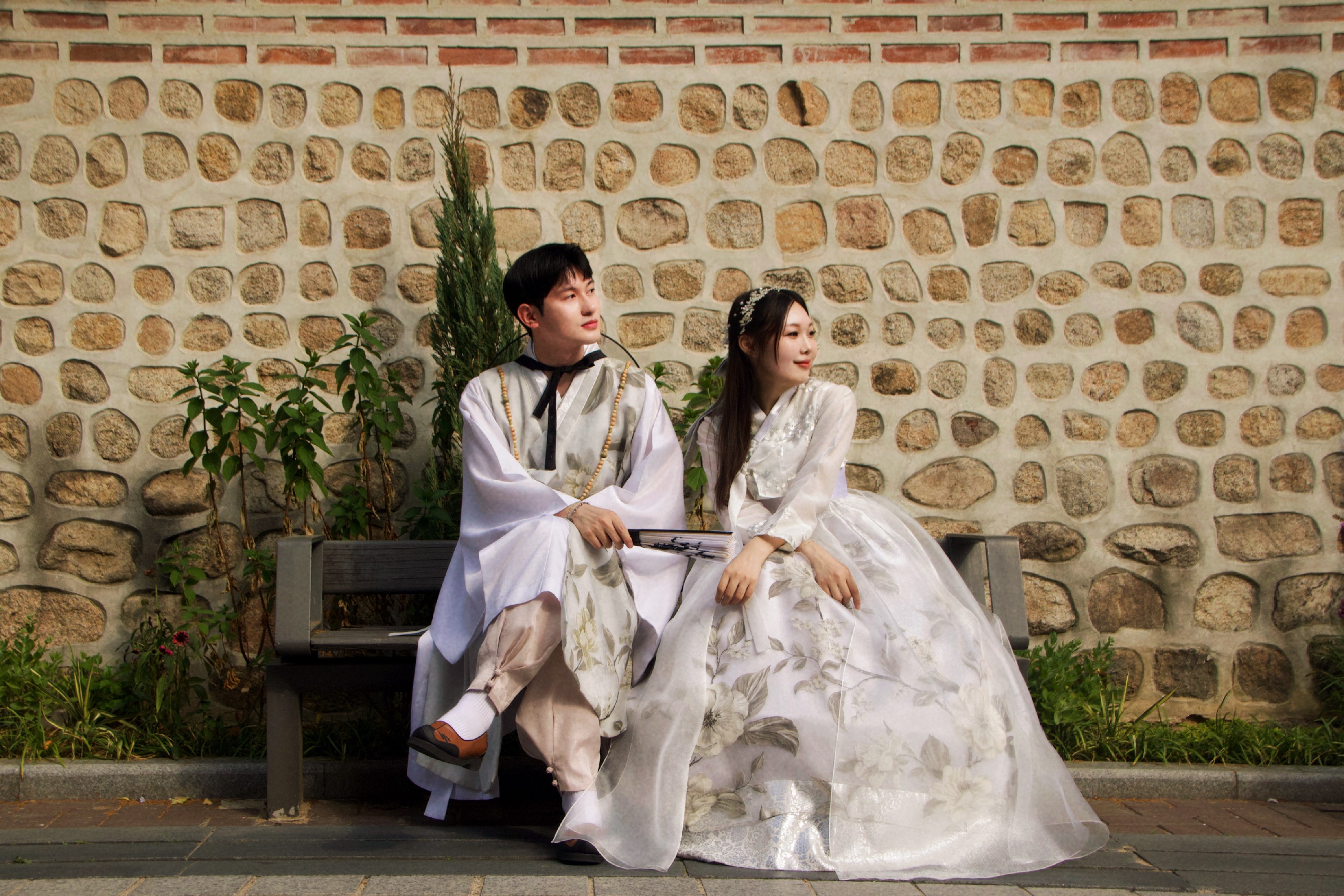
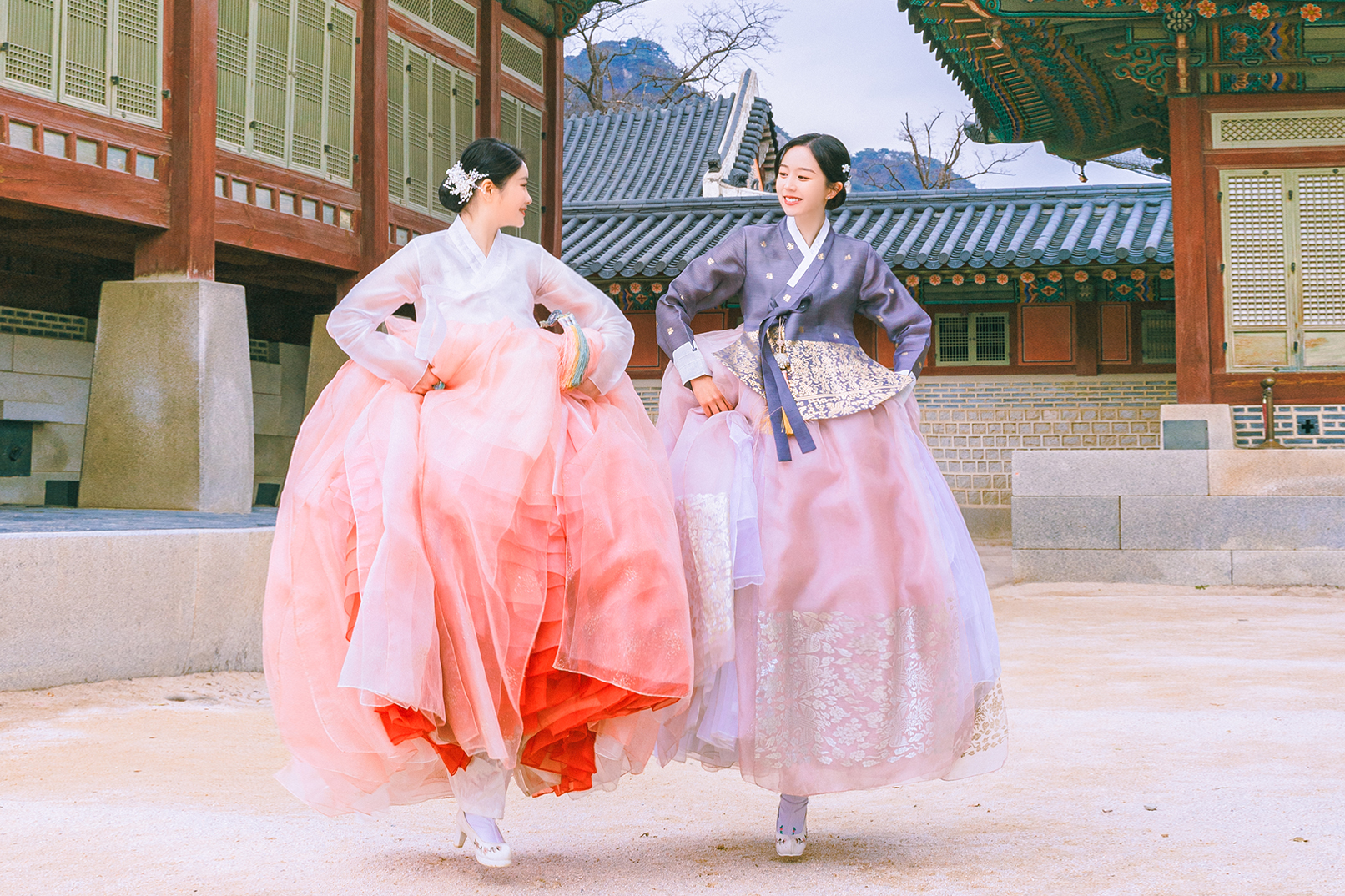
Wear Hanbok Experience :Included Hanbok Rental fee (Gyeongbokgung Palace or Bukchon Hanok Village)
parking fee and fuel fee are included / All admission fees are included
Pick-up and drop-off at airport, hotel, port, stay house( Returns to original departure point )
Air-conditioned vehicle
We always provide taxis registered in south of Korea.(All taxis include transportation insurance.)
Detailed itinerary
1
A Seoul tour can be a special experience for many people. The attractive scenery and culture of Seoul shine even brighter when you share it with friends of various nationalities.
Seoul, which is a geomantic place, has been a symbol of royal authority and a city that has been the most prosperous in Korean folk theater throughout history.
With the "Seoul Tour", we hope that you will receive the living and breathing culture and strong energy of the beautiful Republic of Korea on your journey, and that you will have eternal health, success, and wealth. We begin today's tour.
It is a symbol of royal authority and has been the most prosperous city in Korea throughout history.
2
Stop 2
According to a story, the name Seoul was first used during the Joseon Dynasty when Jeong Do-jeon accompanied King Taejo Yi Seong-gye to Bukaksan Mountain. It was March, so the surrounding mountains were covered in snow. The land inside looked like it was inside a snow fence, so he called it Seol-ul, which became Seoul.
The name Gyeongbokgung Palace contains the meaning that "the new dynasty will enjoy great fortune and prosperity." You will experience the essence of the noble and dignified royal culture. It is located against Bukhansan Mountain to the north, and you can admire the main gate, Gwanghwamun. You can also experience wearing Hanbok, and
feel traditional Korean culture.
The Gyeongbokgung Palace tour provides an opportunity to gain a deeper understanding of Korean culture. Traditional performances, such as the Changing of the Royal Guards Ceremony held every day at noon, provide foreigners with a vivid experience of Korean tradition.
3
Stop 3
Insa-dong is a car-free street representing Seoul, and is a must-see attraction in Seoul. There are galleries, traditional tea houses, restaurants, street vendors, handicraft shops, Janmun shopping malls, antique shops, craft shops, and flower shops, so take a walk and spend some time there, and try Korean bibimbap. You will see, feel, and experience the appearance of a street with Korean characteristics, and you will have a unique memory of seeing, feeling, and experiencing a cultural aspect.
4
Stop 4
The National Folk Museum of Korea is an organization under the Ministry of Culture, Sports and Tourism of the Republic of Korea that oversees the collection, preservation, investigation, research, exhibition, education and exchange of lifestyles, customs and practices of the Korean people and countries around the world, as well as the tools and materials used for them.
The National Folk Museum of Korea is a national museum under the Ministry of Culture, Sports and Tourism established to collect, preserve and exhibit unique folk materials and systematically investigate and research related to them. It is closed on January 1, Lunar New Year's Day and Chuseok.
The main building has a children's museum under its wing.
5
Stop 5
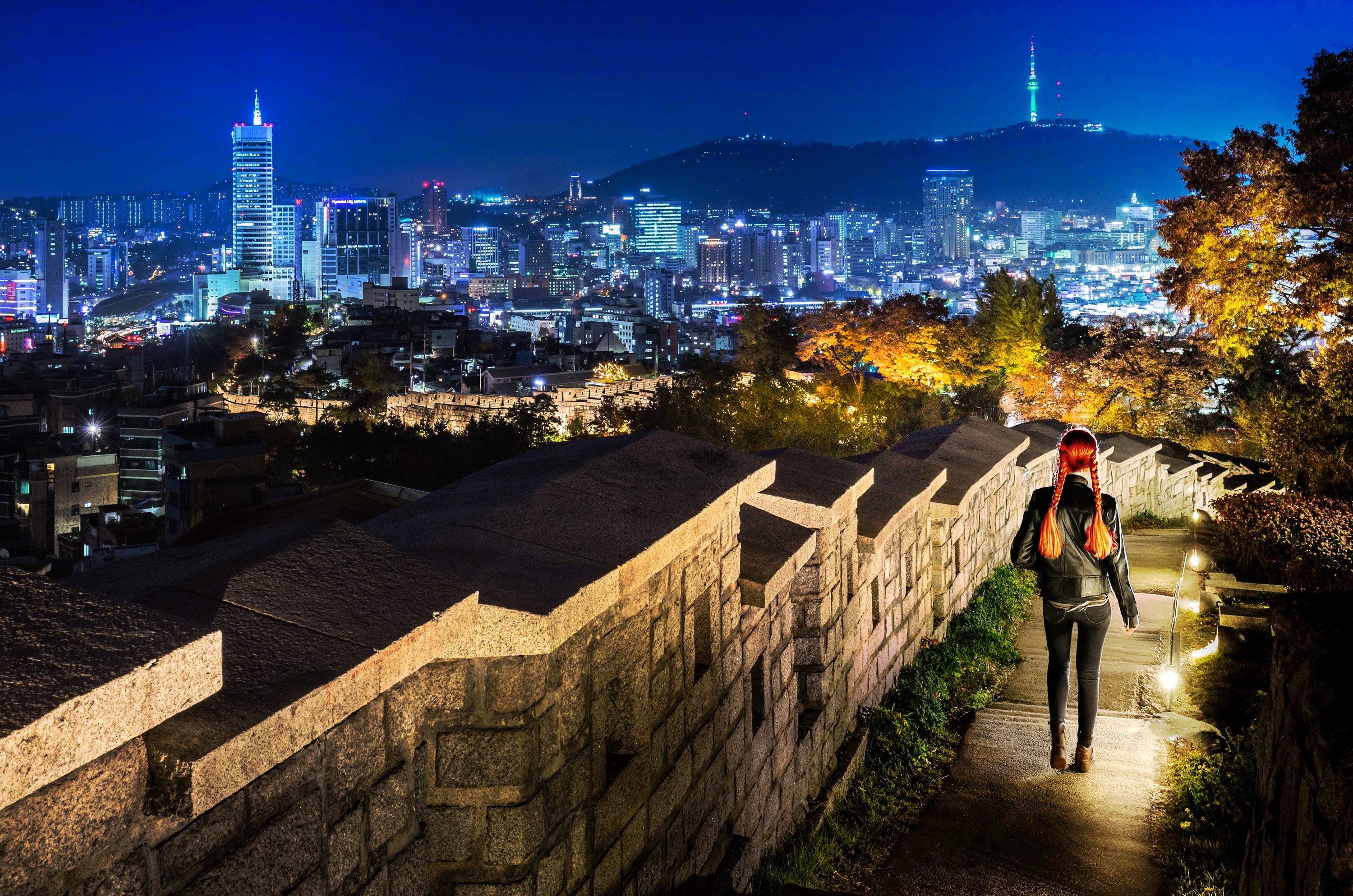
Namsan Seoul Tower
The tower itself is 236.7m high, which is relatively low compared to typical landmark structures, but when combined with the elevation of Namsan, it becomes 479.7m.
You can look down on the view of Seoul,
and from the Namsan Tower Observatory, you can see the entire view of Seoul while rotating 360 degrees,
making it a place where you can enjoy the entire city of Seoul at a glance.
The Namsan Tower Cable Car costs 15,000 Korean won per person,
and the Observatory admission fee costs 26,000 Korean won per person.
6
Stop 6
Bukchon is a representative traditional residential area in Seoul, located between Gyeongbokgung Palace, Changdeokgung Palace, and Jongmyo Shrine, where traditional hanok houses are densely packed. It is also called a street museum in the city center because it has many historical sites, cultural assets, and folk materials. It is called ‘Bukchon (North Village)’ because it is the upper neighborhood of Cheonggyecheon and Jongno, and it includes Gahoe-dong, Songhyeon-dong, Anguk-dong, and Samcheong-dong. Sagan-dong, Gye-dong, Sogyeok-dong, and Jae-dong are places where historical traces remain and have been preserved for hundreds of years.
In order for Bukchon Hanok Village to become a sustainable tourist destination, it is important to practice silent tourism.
7
Stop 7
It is the first permanent market in Korea, established in 1905. Originally, Gwangjang Market was planned to be built by covering the area between Gwanggyo (wide bridge) and Janggyo (long bridge), so it was named Gwangjang Market, meaning “wide and long,” after the first letters of the bridge names. However, when it was moved to Baeogae, the Korean pronunciation of the previous name was kept, but the meaning of “widely gathering and preserving” was newly added, and it became the current Gwangjang (廣藏) Market. Now, more than 100 years later, it has become a comprehensive market boasting a considerable transaction volume. Also, the busiest place in Gwangjang Market is the food market formed on the street where Dongmun, Buk 2 Gate, and Nam 1 Gate meet. The food market of Gwangjang Market attracts all ages, from students, middle-aged people, and the elderly. It is currently designated as a world tourist course, and is famous as a transit point for many foreign tourists traveling to Korea.
8
Stop 8
Changgyeonggung Palace is the third palace built during the Joseon Dynasty, following Gyeongbokgung Palace and Changdeokgung Palace. Since the early days of the Joseon Dynasty, the two-palace system was in place, with Gyeongbokgung Palace as the main palace and Changdeokgung Palace as the auxiliary palace. However, the kings of the past preferred to reside in Changdeokgung Palace over Gyeongbokgung Palace, and as the royal family grew, the living space in Changdeokgung Palace gradually became cramped. Accordingly, King Seongjong built Changgyeonggung Palace next to Changdeokgung Palace so that the three queens of the royal family, including Queen Jeonghui, wife of King Sejo, Queen Ansun, wife of King Yejong, and Queen Sohye, wife of King Deokjong, could live comfortably. The name at the time was Suganggung Palace, meaning longevity and peace.
Changgyeonggung Palace is open until 9 p.m., so it’s a good last stop.
9
After completing your tour of downtown Seoul, it is time to return to your hotel or accommodation. We will drop you off at your desired accommodation or location in downtown Seoul.
What's not included
Gratuities are not included(recommended)
Food and Drinks / personal Expenses
Available languages
Guide guide
CMN
JA
EN
Written guide
EN
Important information
Infants are required to sit on an adult’s lap
Not recommended for travelers with spinal injuries
Not recommended for travelers with poor cardiovascular health
Not recommended for pregnant travelers
Public transportation options are available nearby
Infants and small children can ride in a pram or stroller
Wheelchair accessible
Suitable for all physical fitness levels
Important notes
If you wish to use additional time,
For each additional hour, it costs 30.000 KRW (Regular), 40.000 KRW (jumbo), 50.000 KRW (mini bus)
Regarding vehicle dispatch:
During the peak season, if a group of people cannot go on a tour with one vehicle at the same time,
The customer tour is divided into two vehicles.
In the event that the tour cannot proceed with one vehicle,
If the vehicle cannot be arranged, we will notify the customer in advance and proceed with the tour if the customer approves.
For example: 1) For 8-12 minibus customers
Two jumbo taxis (6-8 passengers) and 2 regular taxis (4 passengers) are dispatched for the tour.
For example 2) In the case of 8 customers, jumbo taxi arrangement is not available
2 general taxis (regular taxis) will be dispatched.
For example 3) In case of 15 customers
Dispatch 2 jumbo taxis
About Seoul
Seoul, the capital of South Korea, is a dynamic metropolis where ancient palaces stand alongside futuristic skyscrapers. Known for its vibrant street life, cutting-edge technology, and rich cultural heritage, Seoul offers a unique blend of tradition and modernity that captivates every traveler.
Top Attractions
Gyeongbokgung Palace
The largest of the Five Grand Palaces built during the Joseon Dynasty, Gyeongbokgung is a must-visit for its historical significance and beautiful architecture.
Historical
2-3 hours
3,000 KRW (free for those wearing hanbok)
Bukchon Hanok Village
A traditional Korean village nestled between Gyeongbokgung Palace and Changdeokgung Palace, offering a glimpse into traditional Korean life.
Cultural
1-2 hours
Free (some cultural experiences may have fees)
Namsan Seoul Tower
Located atop Namsan Mountain, this iconic tower offers panoramic views of Seoul and is a popular spot for couples to lock love locks.
Viewpoint
2-3 hours
10,000 KRW (observatory), 1,500 KRW (cable car)
Myeongdong
A bustling shopping district known for its street food, fashion, and beauty products, offering a vibrant and energetic atmosphere.
Shopping
Half-day
Varies widely, from budget to luxury
Hongdae
A lively and youthful neighborhood near Hongik University, famous for its nightlife, street performances, and trendy cafes.
Entertainment
Evening or night
Varies widely, from budget to upscale
Must-Try Local Dishes
Kimchi
Fermented spicy cabbage, a staple in Korean cuisine, often served with every meal.
Side dish
Vegetarian (check for seafood in some varieties)
Bibimbap
A mixed rice bowl with vegetables, meat, and gochujang (spicy paste), often served with a fried egg.
Main dish
Can be made vegetarian or vegan
Bulgogi
Marinated grilled beef, often served with rice and side dishes.
Main dish
Contains meat
Tteokbokki
Spicy stir-fried rice cakes, a popular street food often served with fish cakes and boiled eggs.
Snack
Vegetarian (check for seafood in some varieties)
Popular Activities
Hiking in Bukhansan National Park
Biking along the Han River
Water sports at Seokchon Lake
Visiting traditional tea houses
Enjoying a jjimjilbang (Korean spa) experience
Strolling through scenic gardens and parks
Participating in a traditional hanbok photo shoot
Attending a traditional Korean performance
Best Time to Visit
April to June, September to November
Spring and autumn offer comfortable temperatures and beautiful scenery, with cherry blossoms in spring and vibrant foliage in autumn. These are the busiest times with higher tourist volumes.
10°C to 25°C
50°F to 77°F
Practical Information
Language
- Official: Korean
- Widely spoken: English (in tourist areas and by younger generations)
- English: Moderately spoken in tourist areas, limited in other places
Currency
South Korean Won (KRW)
Time Zone
Korea Standard Time (KST, GMT+9)
Electricity
220VV, 60HzHz
Safety Information
Overall Safety Rating: Generally safe
Seoul is generally a safe city for travelers, with low crime rates and a strong police presence. However, as with any major city, it is important to be aware of your surroundings and take precautions to ensure a safe and enjoyable trip.
Important Precautions:
- • Be cautious of your surroundings and belongings, especially in crowded areas
- • Use reputable transportation services and avoid unlicensed taxis
- • Be wary of strangers offering help or assistance, as they may be trying to scam you
Getting there
By air
- Incheon International Airport • 52 km from city center
- Gimpo International Airport • 15 km from city center
By train
Seoul Station, Yongsan Station
By bus
Seoul Express Bus Terminal, Central City Bus Terminal, East Seoul Bus Terminal
Getting around
Public transport
The subway system is efficient, clean, and easy to navigate. It operates from 5:30 AM to 12:00 AM, with frequent trains.
Taxis
Available • Apps: KakaoTaxi, T-money
Rentals
Car, Bike, Scooter
Neighborhoods
Jongno
Gangnam
Hongdae
Itaewon
Insadong
Day trips
DMZ (Korean Demilitarized Zone)
50 km from Seoul • Half day to full day
A unique and fascinating day trip, the DMZ offers a glimpse into the history and current status of the Korean Peninsula, with tours visiting various historical sites and observation points.
Nami Island
56 km from Seoul • Half day to full day
A picturesque island known for its beautiful landscapes, walking trails, and filming locations for popular K-dramas like 'Winter Sonata'.
Suwon
30 km from Seoul • Full day
A historic city known for its well-preserved fortress, traditional markets, and cultural attractions, offering a mix of history, culture, and local cuisine.
Festivals
Seoul International Fireworks Festival • Mid-October (annual)
Seoul Lantern Festival • Late November to early December (annual)
Cherry Blossom Festival • Late March to early April (annual)
Pro tips
- Learn a few basic Korean phrases to enhance your experience and show respect for the local culture
- Use a T-money card for convenient and discounted public transportation
- Try street food and local specialties for an authentic and delicious culinary experience
- Visit popular attractions early in the morning or late in the afternoon to avoid crowds
- Explore Seoul's diverse neighborhoods and hidden gems for a more unique and immersive experience
From $25
per person
Price varies by option
Secure booking
Free cancellation available
Instant confirmation


![[Daehan Hanbok] Gyeongbokgung Hanbok Rental & Photoshoot Experience](https://res.klook.com/image/upload/activities/fkb2ab4w1sbuxgmpyo5g.jpg)