Travnik, Jajce, Pliva Lakes & Mills –Medieval & Ottoman Bosnia Full Day Tour
Active
10h - 11h
For a full refund, cancel at least 24 hours before the scheduled departure time.
Manual confirmation
Mobile or paper ticket accepted
About this experience
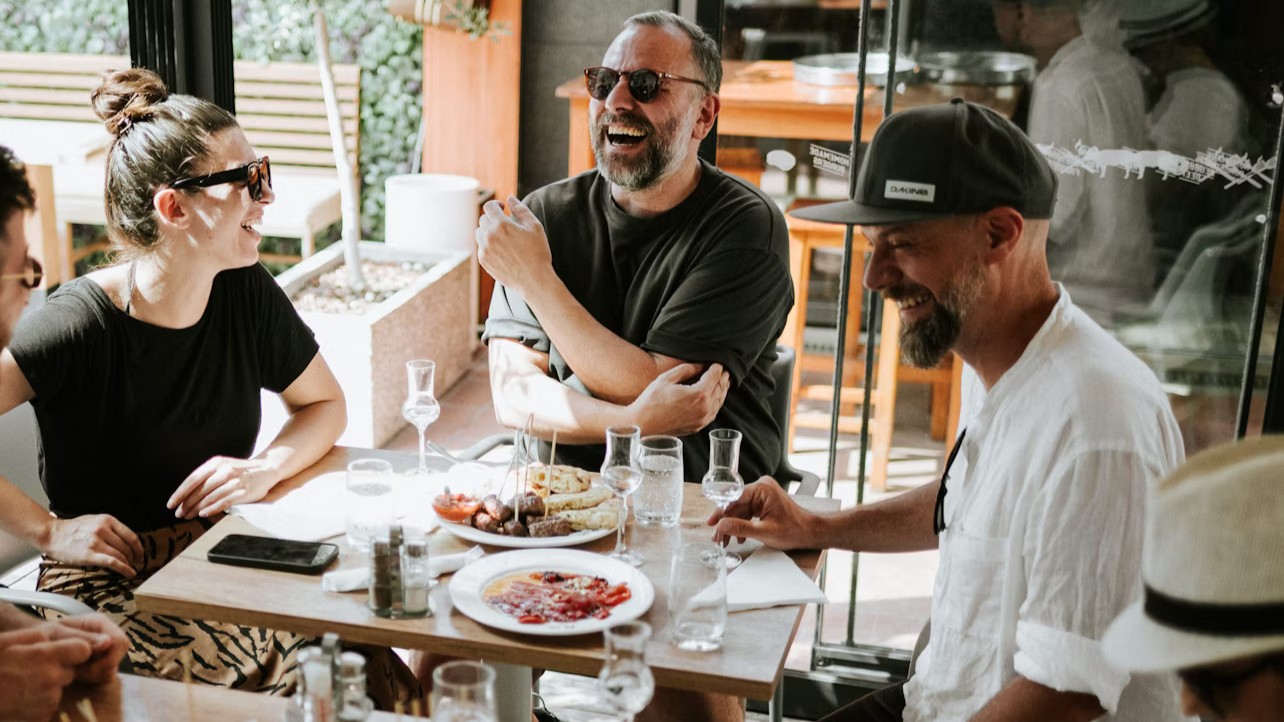
Let's complete your visit to central Bosnia by visiting Travnik and Jajce, truly two natural and cultural treasures of the region, in comfortable vehicles with experienced licensed guides. Refresh ourselves at the Pliva Lakes, take photos in front of the only waterfall in the world in the city center, learn the rich history of medieval Bosnia and the birth of Yugoslavia, of which Jajce was the main actor. Enrich your knowledge about the Ottoman heritage in Travnik as the capital of Ottoman Bosnia for more than 150 years and try the best Ćevapi and Cheese in the country.
Available options
Travnik, Jajce, Pliva Lakes & Mills –Medieval & Ottoman Bosnia Full Day Tour
Pickup included
What's included
Entry/Admission - Fortress of Jajce
Entry/Admission - Catacomb of Jajce
Entry/Admission - Fortress "Old Town" Travnik
Licensed Guide
Motorway Fees
Parking Fees
Detailed itinerary
1
After a pleasant green scenery 20-minute ride along the Bosnia river valley from Sarajevo near the town of Visoko, we will pass by the Bosnian Pyramid of the Sun and talk about the theory of the potentially largest pyramid in the world, which over time has become the subject of interest for world scientists and tourists.
2
We will discover the cultural Ottoman layer of Bosnia in Travnik, as its main vizier( governors of Ottoman empire) city and capital of Ottoman Bosnia for more than 150 years, visiting the "Fortress Old town" Travnik, also visiting the "Colorful Mosque", one of the most beautiful and colorful mosques in the Balkans. Travnik is also the birthplace of Nobel laureate Ivo Andrić, from whose literary masterpieces we will most closely evoke the life and atmosphere of Travnik from the past. Given that Travnik is also famous for its traditional Bosnian dishes ćevapi and cheese, we will have the opportunity to try it. After that, the rest stop is the locality Plava voda, an ambient whole for all city's residents as well as foreigners under the old town fortress surrounded by greenery and a stream where we traditionally drink Bosnian coffee or tea.
3
Located in the very heart of the ambient whole of the old town known as "Čaršija" the Colorful mosque (Šarena džamija) is one of the most beautiful and significant mosques in Bosnia and Herzegovina, which leaves an impression on everyone's eyes with its unusual and colorful decorations, both exterior and interior.
4
Jajce Fortress was the stronghold of the town of Jajce, a former royal capital of the Kingdom of Bosnia and the last territorial possession. Jajce was founded in the 14th century by Hrvoje Vukčić Hrvatinić, a powerful feudal lord in medieval Bosnia. The town served as the seat of power for Hrvoje, who bore the title Grand Duke of Bosnia and was heavily involved in the political intrigues and military actions needed to protect Bosnia’s independence from her more powerful neighbors, the Kingdom of Hungary and the Ottoman Empire. In 1421 King Stjepan Tomasevic moved his royal court to Jajce, thus making it the capital of the Kingdom of Bosnia. To reflect the city’s new royal status, a palace was built within Jajce Fortress in the mid-15th century and an royal portal was added to the complex, emblazoned with the royal Bosnian coat of arms. In 1527 Jajce was finally overtaken, making it the last Bosnian town to fall to Ottoman rule.
5
Another historically interesting but also important place that we visit
are the Catacombs. They are mysterious and exude a special spirituality and represented a Christian religious building in this case an underground church. Hrvoje Vukčić Hrvatinić himself wanted to transform them into a family tomb. The catacombs in Jajce have gone through many epochs and different times and cultures. During the Ottoman Empire, legends say that at that time a dervish was imprisoned in the catacombs for 40 days, considering the place sacred, so people declared him an awliya after leaving them. So they served for spiritual purification.
In the Austro-Hungarian period, due to the favorable temperature, traders used them for storing goods. During the Second World War, before the AVNOJ session, the entire Supreme Headquarters stayed on the plateau of the catacombs, and due to the unstable situation and frequent bombing, they hid in the catacombs themselves.
6
The name “Bear tower” comes from the firmness and massiveness of the tower itself, and that resembles the Bosnian black bear. Even one legend says that bear was locked in the tower into captives were thrown in. This type of the tower belongs to the defensive type and it was built in mid-15th century and it is the one of earliest military structures from the Bosnian MIddle Ages.
7
Set in the town of Jajce, this 22-meters-high waterfall is the only one in the world located in the city centre. This magnificent waterfall, enlisted on the tentative list for UNESCO, is also unique in the world to create an estuary at the place where Pliva River flows into Vrbas River. Pliva waterfall was created 50,000 years ago and is still equally beautiful and magnificent.
8
The little windowless huts sit on top of skinny stilts right over the gushing water. Since the flow here is spread out, by using a series of little mills instead of one big water wheel, the diffuse water power could be aggregated. Pretty ingenious. Most of the huts go back to the period of the Austro-Hungarian empire (about 1867 to 1918), and they give the impression of a little storybook village.This cluster of little wooden huts once ground local farmers’ wheat into flour.
9
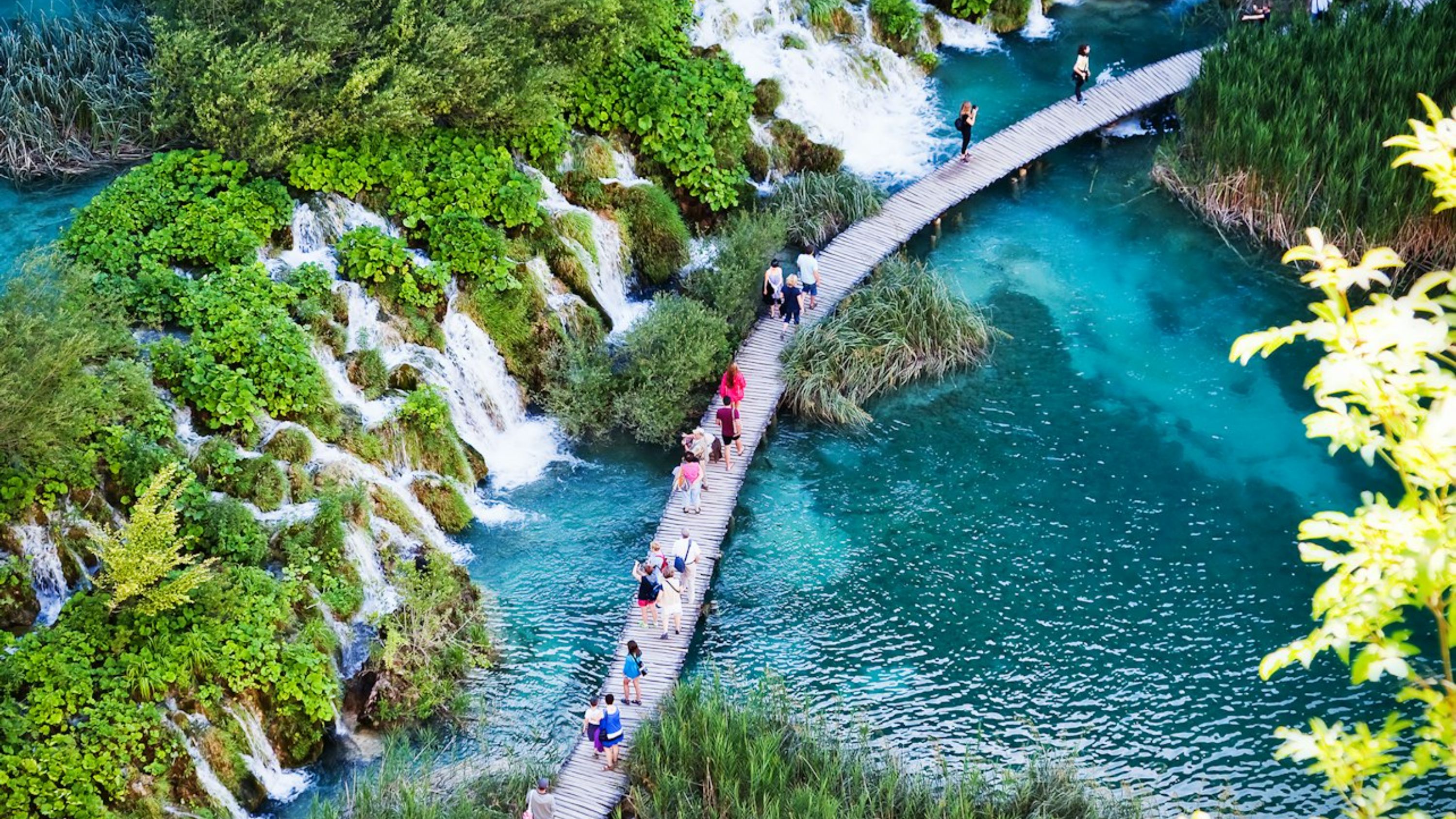
The twin lakes, one large (Veliko Plivsko) and one small (Malo Plivsko), are formed where the river Pliva widens on its course to Jajce. In town, it meets the Vrbas river and spills out into the impressive Pliva Waterfall. They offer the chance for a nice relaxing walk around but lakes also have already welcomed a World and European Cup in Kayaking and Fishing, a fundamental proof of potentials this place has. A place not to miss.
*NOTE: The return trip from Jajce to Sarajevo takes 2.5 - 3 hours.
What's not included
Lunch
Pliva Waterfall entrance: 4Eu High season and 2Eu in Off season
Available languages
Guide guide
EN
Reviews breakdown
Tripadvisor
5.0
3 reviews
5★
3
4★
0
3★
0
2★
0
1★
0
Important information
Infants and small children can ride in a pram or stroller
Service animals allowed
Public transportation options are available nearby
Infants are required to sit on an adult’s lap
Specialized infant seats are available
Suitable for all physical fitness levels
Meeting point
Pick up point is right behind Sacred Heart Cathedral next to tram station.
About Sarajevo
Sarajevo, the capital of Bosnia and Herzegovina, is a city of rich history, cultural diversity, and stunning architecture. Known for its Ottoman, Austro-Hungarian, and Yugoslav heritage, Sarajevo offers a unique blend of Eastern and Western influences, making it a fascinating destination for travelers.
Top Attractions
Baščaršija
The old bazaar and cultural heart of Sarajevo, Baščaršija is a must-visit for its historic charm and traditional crafts.
Historical
1-2 hours
Free to explore, but shopping and dining costs vary
Sarajevo War Tunnel Museum
This museum showcases the tunnel that was used to supply the city during the Siege of Sarajevo.
Historical
1-2 hours
Moderate (around 10 EUR)
Yellow Fortress (Žuta Tabija)
A historic fortress offering panoramic views of the city and the Miljacka River.
Historical
1 hour
Free
Must-Try Local Dishes
Ćevapi
Grilled minced meat sausages, typically served with somun (flatbread) and onions.
Main Dish
Contains meat, gluten (from bread)
Burek
A flaky pastry filled with meat, cheese, or spinach.
Snack
Contains gluten, can be vegetarian (cheese or spinach versions)
Begova Čorba
A rich and flavorful beef and vegetable soup, often served with noodles or rice.
Soup
Contains meat, gluten (from noodles or rice)
Popular Activities
Skiing
Hiking
Mountain biking
Coffee tasting
Spa treatments
Strolling through Baščaršija
Visiting museums
Attending festivals
Best Time to Visit
May to September
This is the best time to visit Sarajevo due to the pleasant weather and numerous outdoor activities and festivals.
15°C to 30°C
59°F to 86°F
Practical Information
Language
- Official: Bosnian
- Widely spoken: English, Serbian, Croatian
- English: Moderately spoken
Currency
Bosnia and Herzegovina Convertible Mark (BAM)
Time Zone
CET (GMT+1), CST (GMT+2) during daylight saving time
Electricity
220VV, 50HzHz
Safety Information
Overall Safety Rating: Generally safe
Sarajevo is generally safe for travelers, but petty crime and scams can occur, especially in tourist areas. Be cautious of your surroundings and take standard precautions.
Important Precautions:
- • Be cautious of your belongings in crowded areas
- • Use official taxis and ensure the meter is used
- • Avoid walking alone at night, especially in poorly lit areas
Getting there
By air
- Sarajevo International Airport • 10 km from city center
By train
Sarajevo Central Station
By bus
Sarajevo Bus Terminal
Getting around
Public transport
The tram system is efficient and affordable, connecting key areas of the city.
Taxis
Available • Apps: Yutong
Rentals
Car, Bike
Neighborhoods
Old Town (Stari Grad)
Marijin Dvor
Grbavica
Day trips
Mostar
130 km • Full day
Mostar is famous for its iconic Stari Most (Old Bridge) and rich Ottoman heritage.
Travnik
90 km • Full day
Travnik is known for its Ottoman architecture and as the former residence of Bosnian governors.
Jahorina Mountain
30 km • Half day to full day
Jahorina is a popular destination for skiing, hiking, and enjoying nature.
Festivals
Sarajevo Film Festival • August
Sarajevo Winter Festival • December to February
Sarajevo Jazz Festival • November
Pro tips
- Visit the Yellow Fortress at sunset for the best views of the city
- Try traditional Bosnian coffee at a local café for an authentic experience
- Explore the city's street art and murals, which tell stories of its history and culture
- Take a day trip to Mostar to see the iconic Stari Most and experience another side of Bosnia
- Learn a few basic phrases in Bosnian to enhance your interactions with locals
From $25
per person
Price varies by option
Secure booking
Free cancellation available