Potsdam Private Walk Tour By car from Berlin
Active
6h
For a full refund, cancel at least 24 hours before the scheduled departure time.
Instant confirmation
Mobile or paper ticket accepted
About this experience
Experience the Essence of Potsdam's UNESCO World Heritage Magic. Potsdam, a city that not only boasts picturesque palaces, serene lakes, and lush gardens but also holds a captivating historical tapestry. Wander through the Dutch Quarter, a unique ensemble of red-brick buildings unrivaled in Europe.
Discover the intriguing legacy of Frederick William I, the 'Soldier King'. Explore the stunning Sanssouci Palace, Frederick the Great's beloved residence, nestled in a park adorned with temples and churches.
Cross the historic Glienicke Bridge, famous for Cold War-era 'spy swaps,' and delve into history at Cecilienhof, the manorial residence of Germany's last Crown Prince. It hosted the Potsdam Conference in 1945, where Churchill, Truman, and Stalin discussed the fate of Cold War Europe for the next half-century.
Join us for a tour that combines the beauty of Potsdam's landscapes with the intrigue of its past, promising an unforgettable experience.
Available options
Potsdam Private Walk Tour By car from Berlin
Pickup included
What's included
Managed by EU ON TOUR
Walking to the main beautiful Palces and Gartens
Flexibility in time to enjoy a wonderful full day
Pickup and Drop off from to Hotel
Licensed Tour driver to carry Customers
Private Car
Private Tour Guide from Berlin to Potsdam and back
Detailed itinerary
1
More than 30 palaces and gardens in Berlin and Brandenburg invite visitors to go on lively time travels back into the brilliant era of the Prussian kings and queens. Testimonies to the accomplished architecture and landscape gardening in Prussia, they have largely belonged to the UNESCO World Heritage since 1991. Their paradisiacal beauty is in keeping with their sobriquet “Prussian Arcadia.”
Among these are the world renowned Sanssouci Palace in Potsdam and Charlottenburg Palace in Berlin.
2
Stop 2
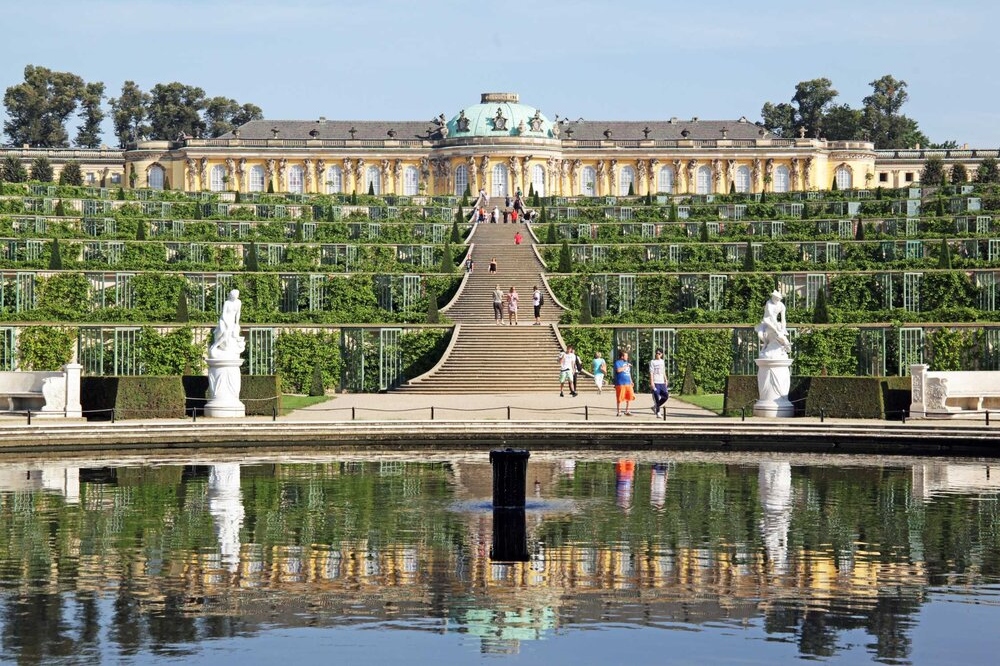
The pleasure palace of Frederick the Great features beautiful Rococo-style architecture and a magnificent palace garden. On April 14, 1745, the foundation stone was laid for today's world famous Sanssouci Palace. Sanssouci is an masterpiece ensemble of architecture, sculptures and garden art.
3
Stop 3
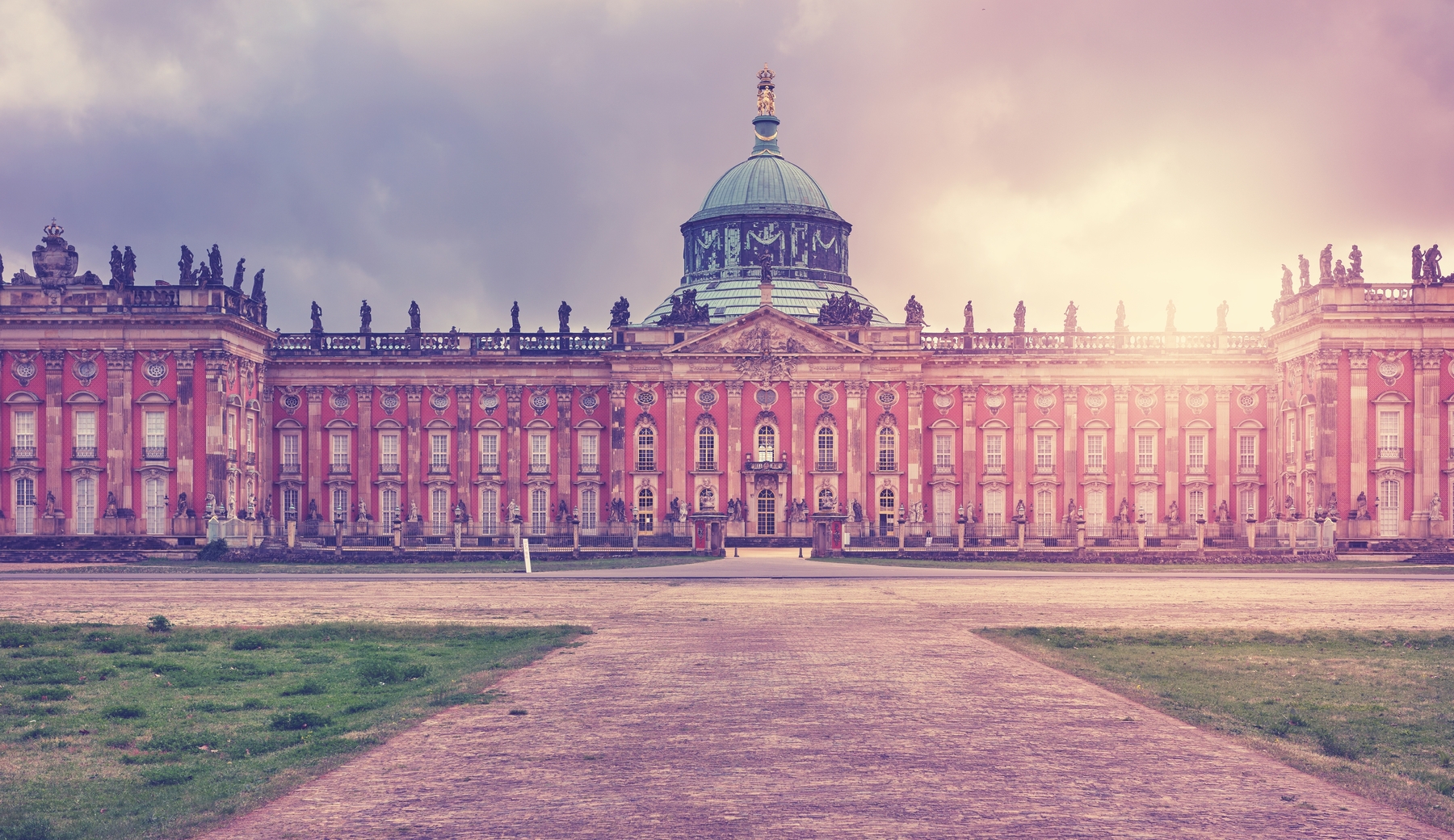
A colossal palace building, its high tambour dome recognizable from afar, rises up at the western end of the Hauptallee (the main promenade) in Sanssouci Park: the Neues Palais (New Palace).
In strong contrast to the intimate and rather modest Sanssouci Palace the large palace complex served official, representational needs. Grand banquet halls, splendid galleries and regally designed suites, not to mention Sanssouci’s Baroque palace theater in the southern wing, await visitors in its interior. Select works of 18th century art and decorative arts can be viewed at the palace in their original contexts.
The New Palace is the last royal residence Frederick the Great would have built in his park. It was a demonstration of the Prussian state’s undiminished power and wealth following the deprivations of the Seven Years’ War (1756–63).
4
The Dutch Quarter, colloquially also known as the Dutch Quarter, is a district in the center of Potsdam that was built between 1733 and 1742 as part of the second city expansion under the direction of the Dutch master builder Jan Bouman from Amsterdam.[1] The quarter consists of 134 brick houses, which are divided into four squares by Mittelstrasse and Benkertstrasse. Under Friedrich Wilhelm I, known as the "soldier king", the district was planned and the two western squares were built. After his death in 1740, his son and successor Frederick II had the quarter with the two eastern squares completed largely according to his father's plans.
5
Stop 5
Cecilienhof Country House, built from 1913–17 according to plans by Paul Schultze in the style of a country manor, was the last palace erected by the Hohenzollerns.
From July 17 to August 2, 1945, the summit meeting of World War II’s victorious powers took place here, attended by the “Big Three” – the American president Harry S. Truman, the British prime minister Winston Churchill (followed by his successor Clement Attlee), and the Soviet head of state Joseph Stalin.
The Potsdam Conference was one the most important historical events of the 20th century. It is seen around the world as a symbol of the end of World War II and the beginning of the Cold War, which led to the division of Europe and the erection of the Berlin Wall. The Potsdam Agreement adopted at Cecilienhof laid the groundwork for a new order in Germany, Europe, and the world after World War II.
Available languages
Guide guide
DE
EN
Audio guide
EN
Reviews breakdown
Viator
4.4
13 reviews
5★
9
4★
1
3★
2
2★
1
1★
0
Tripadvisor
4.8
16 reviews
5★
14
4★
1
3★
0
2★
1
1★
0
Important information
Public transportation options are available nearby
Suitable for all physical fitness levels
About Berlin
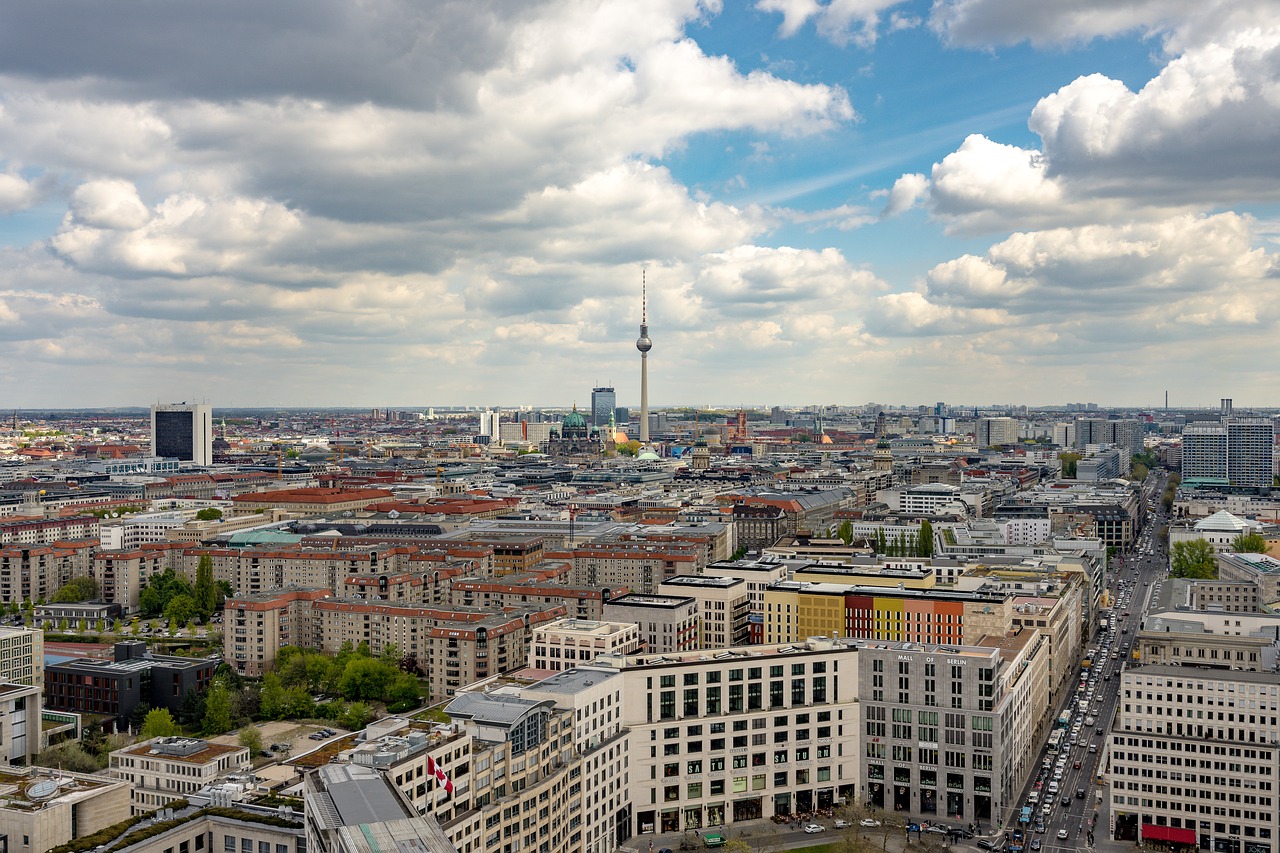
Berlin, Germany's capital and largest city, is a vibrant metropolis known for its rich history, diverse culture, and dynamic nightlife. The city's eclectic mix of modern and historic architecture, world-class museums, and thriving arts scene make it a must-visit destination in Europe.
Top Attractions
Brandenburg Gate
A neoclassical monument and one of Berlin's most iconic landmarks, the Brandenburg Gate was built in the 18th century and has been a symbol of the city's history and reunification.
Historical
30 minutes to 1 hour
Free
Berlin Wall Memorial and East Side Gallery
The Berlin Wall Memorial and the East Side Gallery are important historical sites that commemorate the division of Berlin during the Cold War and the fall of the Wall in 1989.
Historical
1-2 hours
Free
Museum Island
A UNESCO World Heritage site, Museum Island is home to five world-renowned museums, including the Pergamon Museum, the Neues Museum, and the Alte Nationalgalerie.
Museum
Half-day to full day
€19 (Museum Island Day Ticket) or individual museum tickets
Reichstag Building
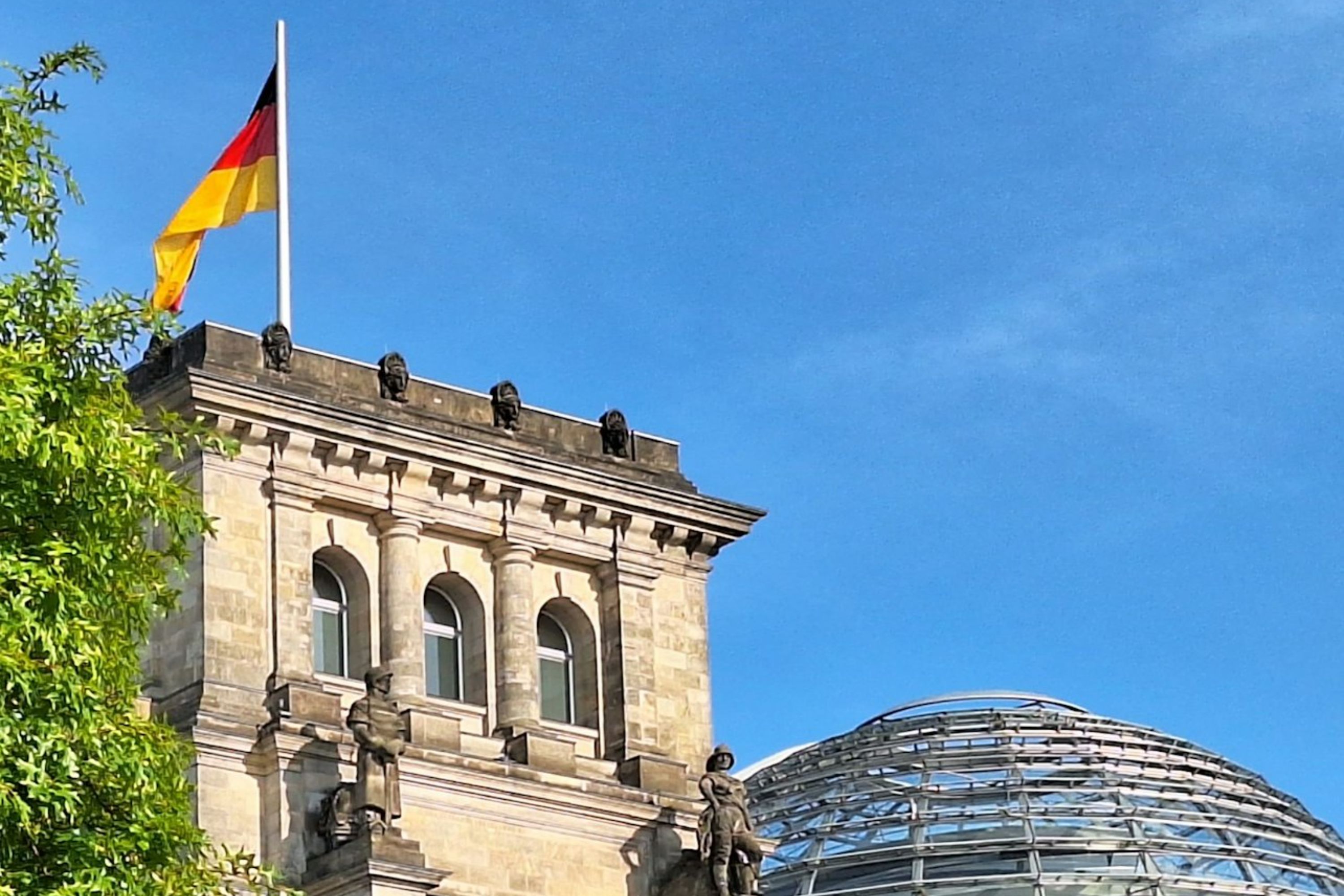
The Reichstag Building is the seat of the German Bundestag (parliament) and a symbol of German democracy. The glass dome on top offers panoramic views of the city.
Historical
1-2 hours
Free (but advance registration is required)
Potsdamer Platz
Potsdamer Platz is a major public square and traffic intersection in the heart of Berlin. It is known for its modern architecture, shopping, and entertainment options.
Architecture
1-2 hours
Free to explore, costs vary for shopping and dining
Must-Try Local Dishes
Currywurst
A popular Berlin street food, currywurst is a sliced sausage served with a curry ketchup sauce and often topped with curry powder.
Snack
Contains pork, vegetarian and vegan options available
Boulette
A German-style meatball, usually served with potato salad or mashed potatoes and a creamy sauce.
Main Course
Contains beef or pork, vegetarian and vegan options available
Döner Kebab
A Turkish dish popularized in Berlin, consisting of seasoned meat (usually lamb, beef, or chicken) cooked on a vertical rotisserie and served in flatbread with vegetables and sauces.
Main Course
Contains meat, vegetarian and vegan options available
Berliner Pfannkuchen
A jelly-filled doughnut, similar to a Berlin-style donut, often eaten during Carnival season.
Dessert
Contains wheat, dairy, and egg, vegan options available
Popular Activities
Cycling
Hiking
Boat tours
Rock climbing
Spa and wellness
Picnicking in parks
Café hopping
Boat tours on the Spree River
Best Time to Visit
June to August
This is the warmest time of the year with long daylight hours, making it ideal for outdoor activities and festivals. The city is lively with tourists and locals enjoying the summer weather.
20°C to 25°C (68°F to 77°F)
68°F to 77°F
Practical Information
Language
- Official: German
- Widely spoken: English, French, Turkish, Arabic, Russian
- English: Widely spoken
Currency
Euro (EUR)
Time Zone
GMT+1 (CET), GMT+2 (CEST during daylight saving time)
Electricity
230VV, 50HzHz
Safety Information
Overall Safety Rating: Generally safe
Berlin is generally a safe city for travelers, with low crime rates and a welcoming atmosphere. However, as with any major city, it's important to be aware of your surroundings and take precautions to protect yourself and your belongings.
Important Precautions:
- • Be aware of your surroundings and keep an eye on your belongings, especially in crowded areas and on public transportation.
- • Use licensed taxis or ride-sharing services, and agree on the fare before starting your journey.
- • Keep your passport and valuables in a safe place, and carry a copy of your passport and important documents.
Getting there
By air
- Berlin Brandenburg Airport • 18 km (11 miles) from city center
By train
Berlin Hauptbahnhof
By bus
Berlin Central Bus Station (ZOB)
Getting around
Public transport
The U-Bahn is a fast and efficient way to get around Berlin, with 10 lines serving 173 stations. It operates from early morning to late at night.
Taxis
Available • Apps: Uber, FreeNow
Rentals
Car, Bike, Scooter
Neighborhoods
Mitte
Kreuzberg
Prenzlauer Berg
Friedrichshain
Charlottenburg
Day trips
Potsdam
35 km (22 miles) from Berlin • Half-day to full day
Potsdam is a charming city near Berlin, known for its stunning palaces, parks, and lakes. It was the former residence of Prussian kings and German emperors and is a UNESCO World Heritage site.
Spreewald
100 km (62 miles) from Berlin • Full day
Spreewald is a picturesque region of forests, lakes, and canals, known for its traditional wooden houses, pickles, and gondola rides. It is a popular destination for outdoor activities and relaxation.
Sachsenhausen Concentration Camp Memorial
35 km (22 miles) from Berlin • Half-day
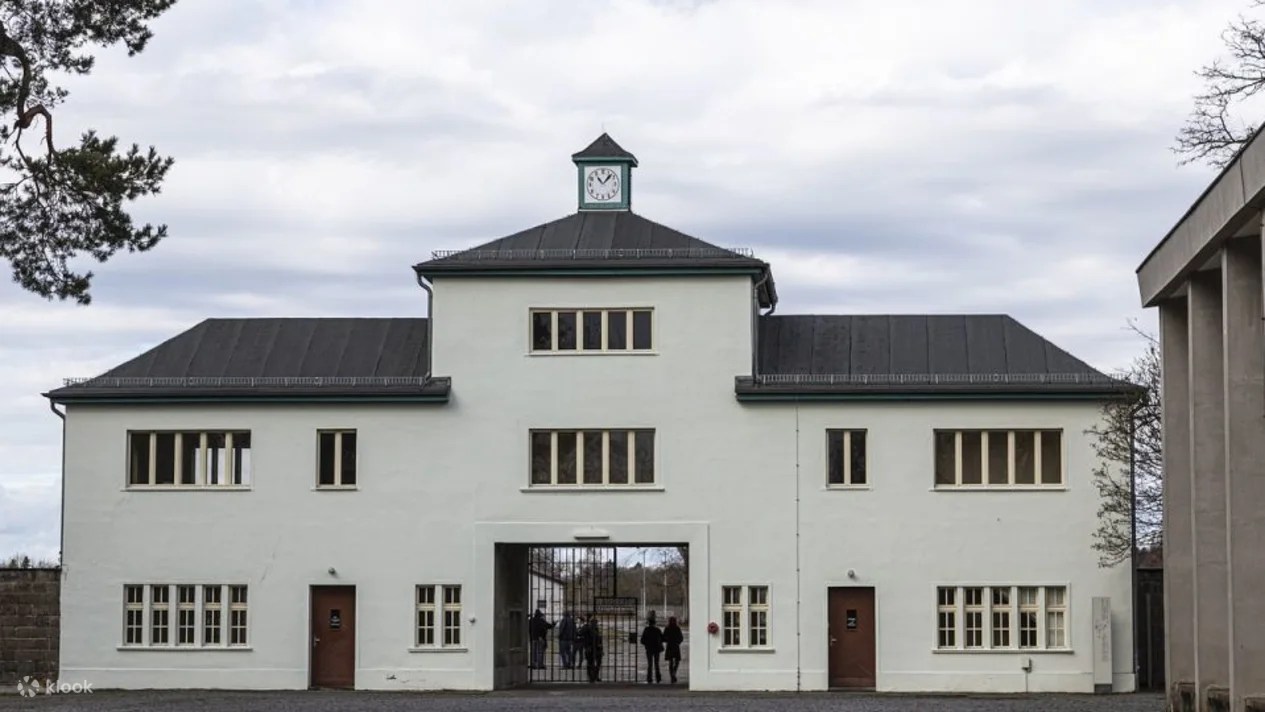
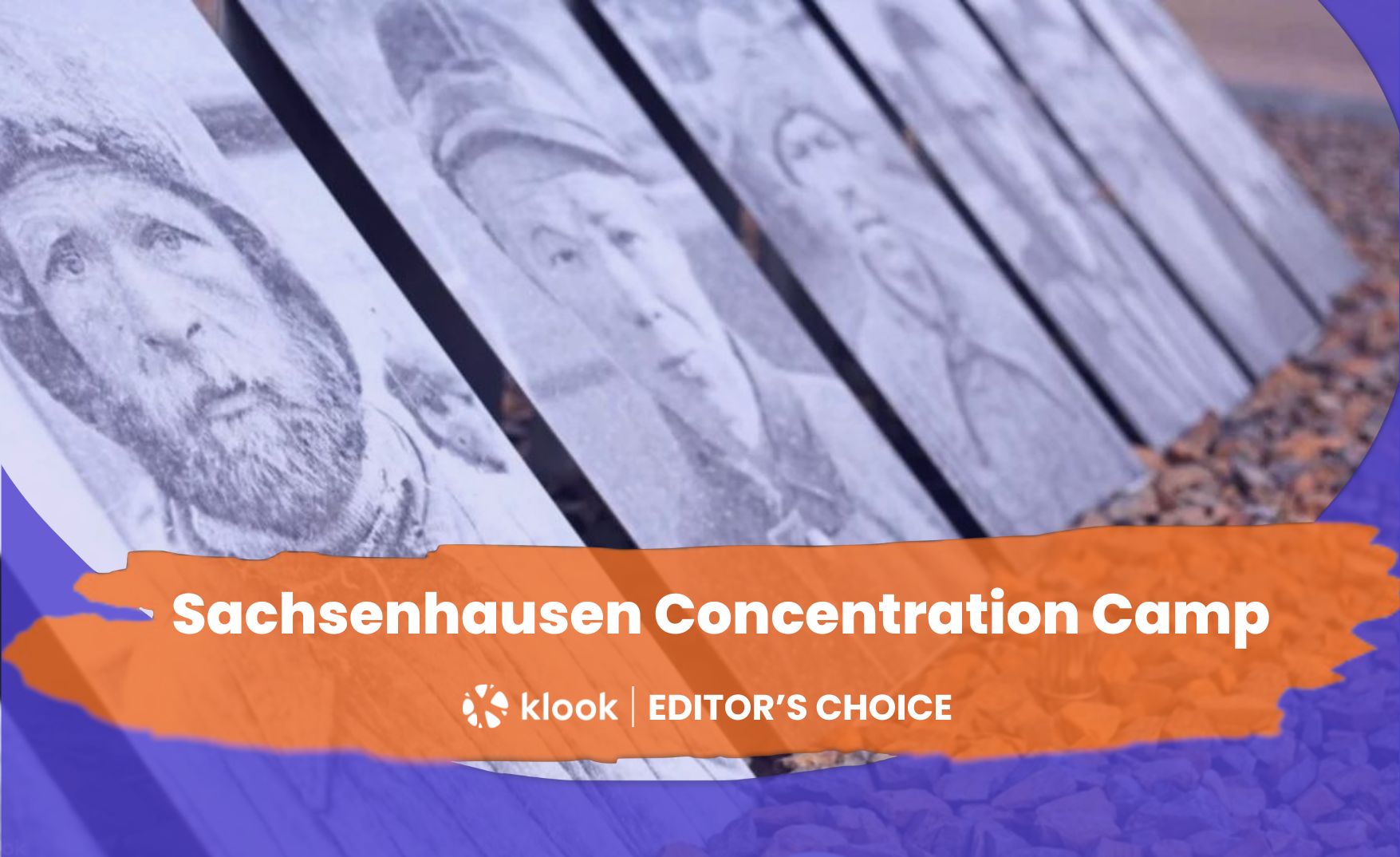
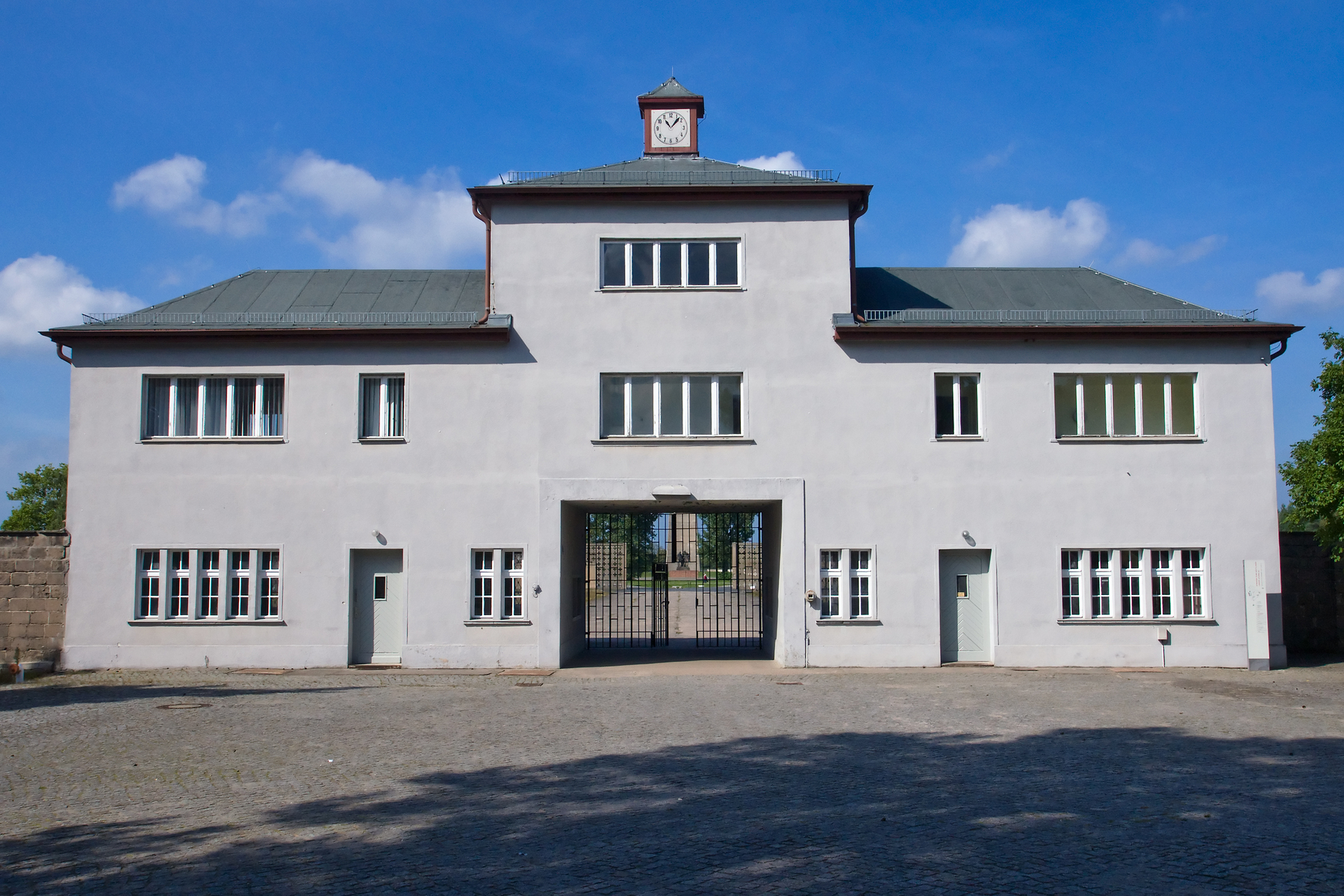
The Sachsenhausen Concentration Camp Memorial is a somber and important historical site, dedicated to the victims of the Nazi regime. The memorial includes the preserved camp buildings, a museum, and a memorial cemetery.
Festivals
Berlin International Film Festival (Berlinale) • February
Berlin Carnival of Cultures (Karneval der Kulturen) • Late May to early June
Berlin Festival • September
Pro tips
- Learn a few basic phrases in German, as it's appreciated by locals and can enhance your travel experience.
- Consider purchasing a Berlin WelcomeCard for unlimited public transportation and discounts at attractions.
- Explore the city's diverse neighborhoods, each with its own unique character and attractions.
- Visit Berlin's many parks and green spaces, which offer a peaceful and relaxing escape from the bustling city.
- Be open to trying new foods and culinary experiences, as Berlin's diverse food scene offers something for everyone.
From $25
per person
Price varies by option
Secure booking
Free cancellation available
Instant confirmation