Tainan Day Tour –Qigu Salt Mountain, Chikan Tower & Anping Castle
Active
8h - 9h
All sales are final. No refund is available for cancellations.
Instant confirmation
Mobile or paper ticket accepted
About this experience
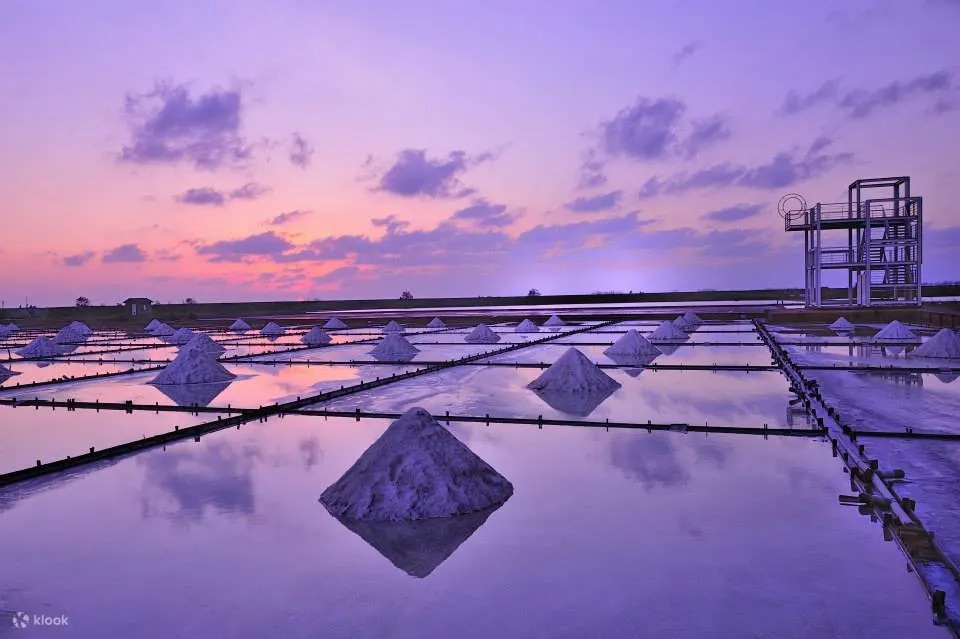
Uncover the timeless charm and rich heritage of Taiwan’s oldest city on this immersive full-day tour of Tainan. Begin your adventure at Qigu Salt Mountain, a glistening white hill created from centuries of traditional salt harvesting. Learn about the fascinating process of salt production and enjoy panoramic views from the summit.
Continue to the Jingzaijiao Tile-Paved Salt Fields, one of Taiwan’s most photogenic cultural landmarks. Stroll through the sparkling salt pans and admire the intricate patterns formed by handmade clay tiles — a living testament to local craftsmanship and history.
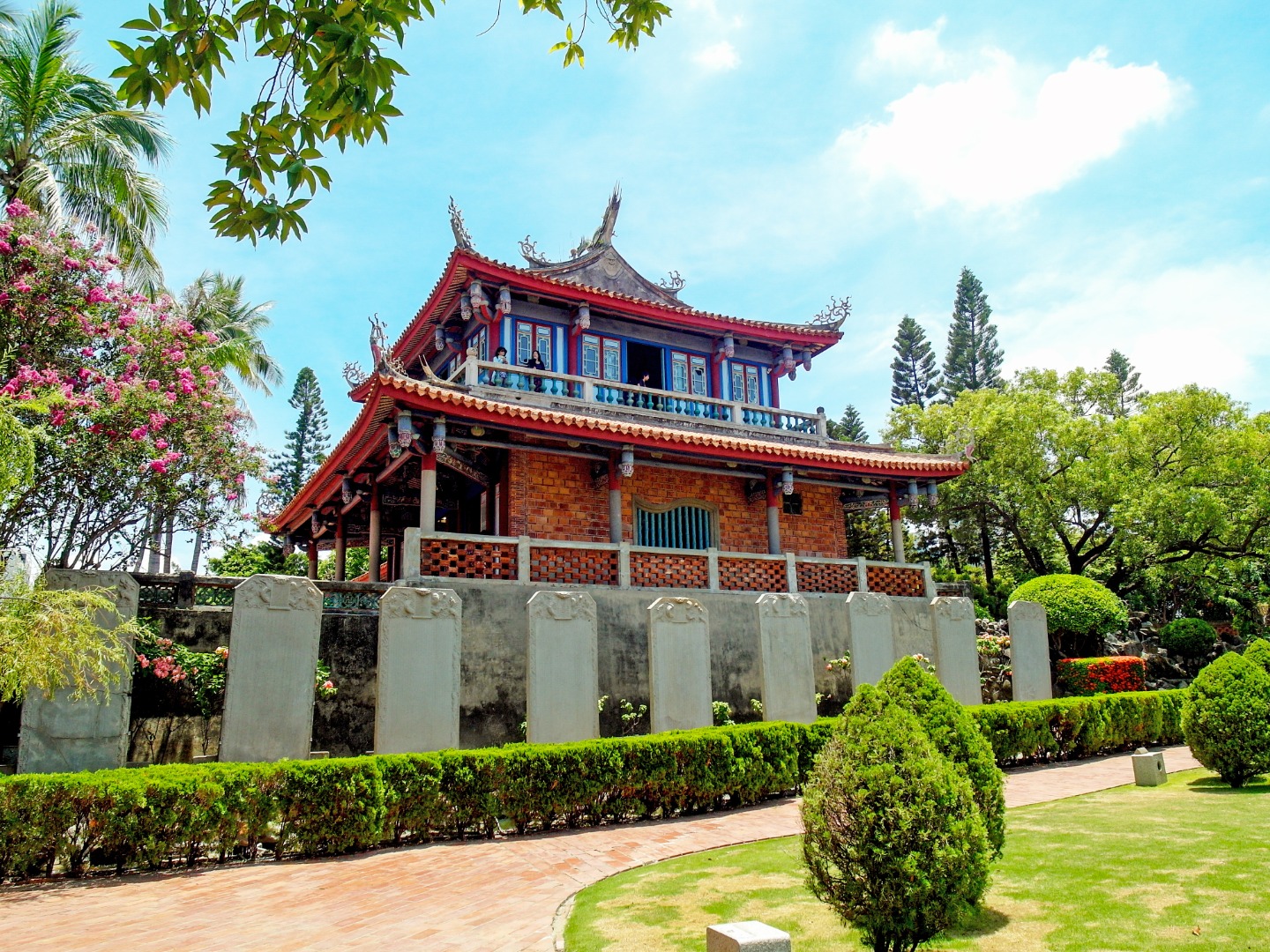
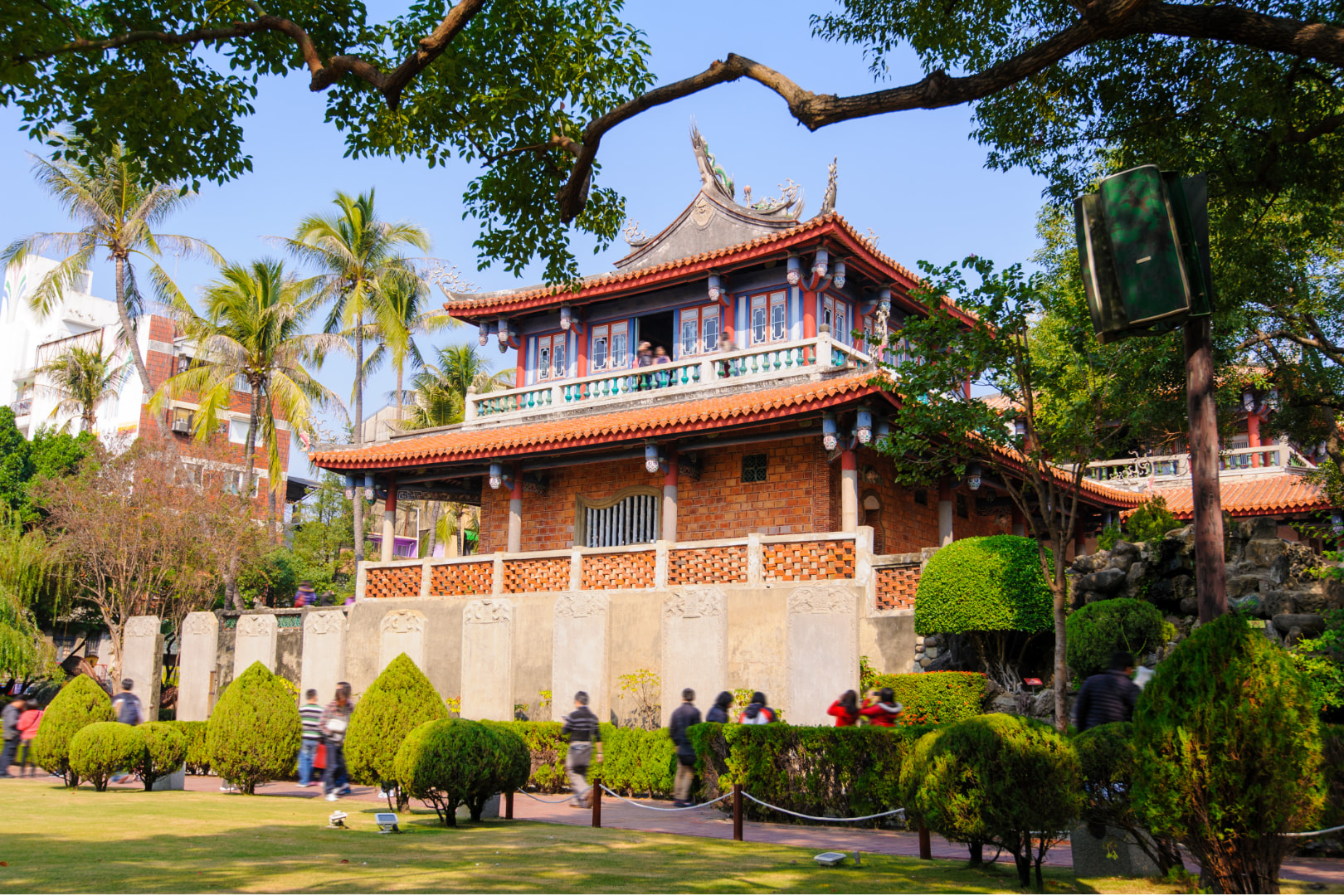
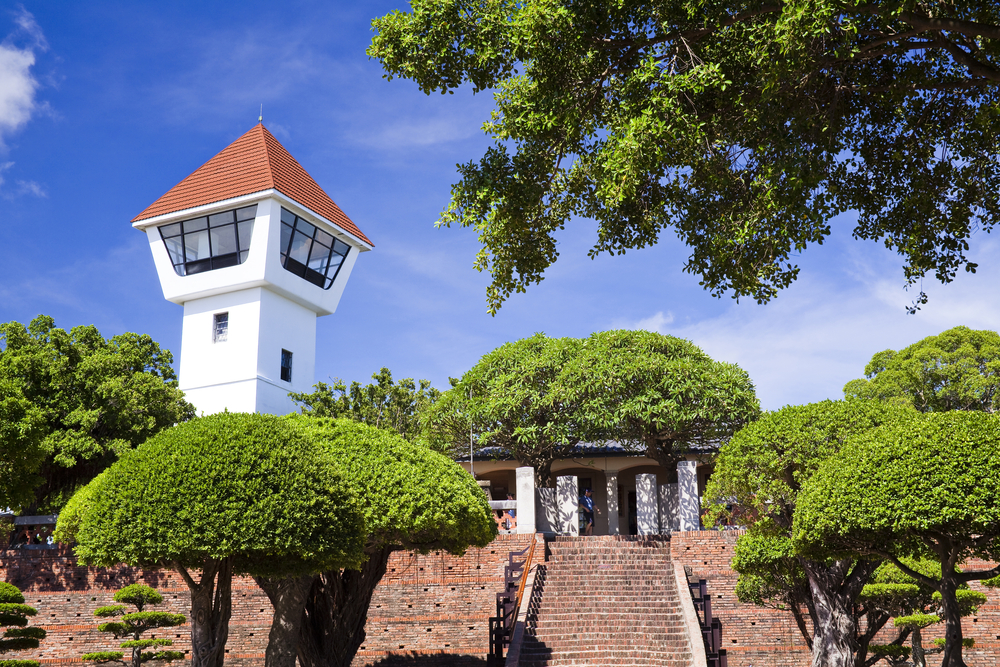
Next, explore Chihkan Tower (Fort Provintia), a stunning red-brick structure that blends Chinese and Western architectural influences. Wander through tranquil courtyards and delve into stories of Taiwan’s colonial past. End your journey at Anping Fort (Anping Castle), an iconic Dutch fortress overlooking Tainan’s historic harbor, offering sweeping coastal views and a deep connection to the island’s
Available options
Tainan Day Tour –Qigu Salt Mountain, Chikan Tower & Anping Castle
What's included
Transportation
Detailed itinerary
1
Chihkan Tower, also known as Fort Provintia, is one of Tainan’s most historic landmarks. Built in the 17th century during the Dutch colonial period, it features traditional Chinese architecture, red-brick walls, and tranquil courtyards. Visitors can explore its museum exhibits, learn about Taiwan’s colonial history, and admire intricate carvings and historic artifacts. Surrounded by serene gardens and ponds, Chihkan Tower provides a fascinating glimpse into Tainan’s cultural and architectural heritage.
2
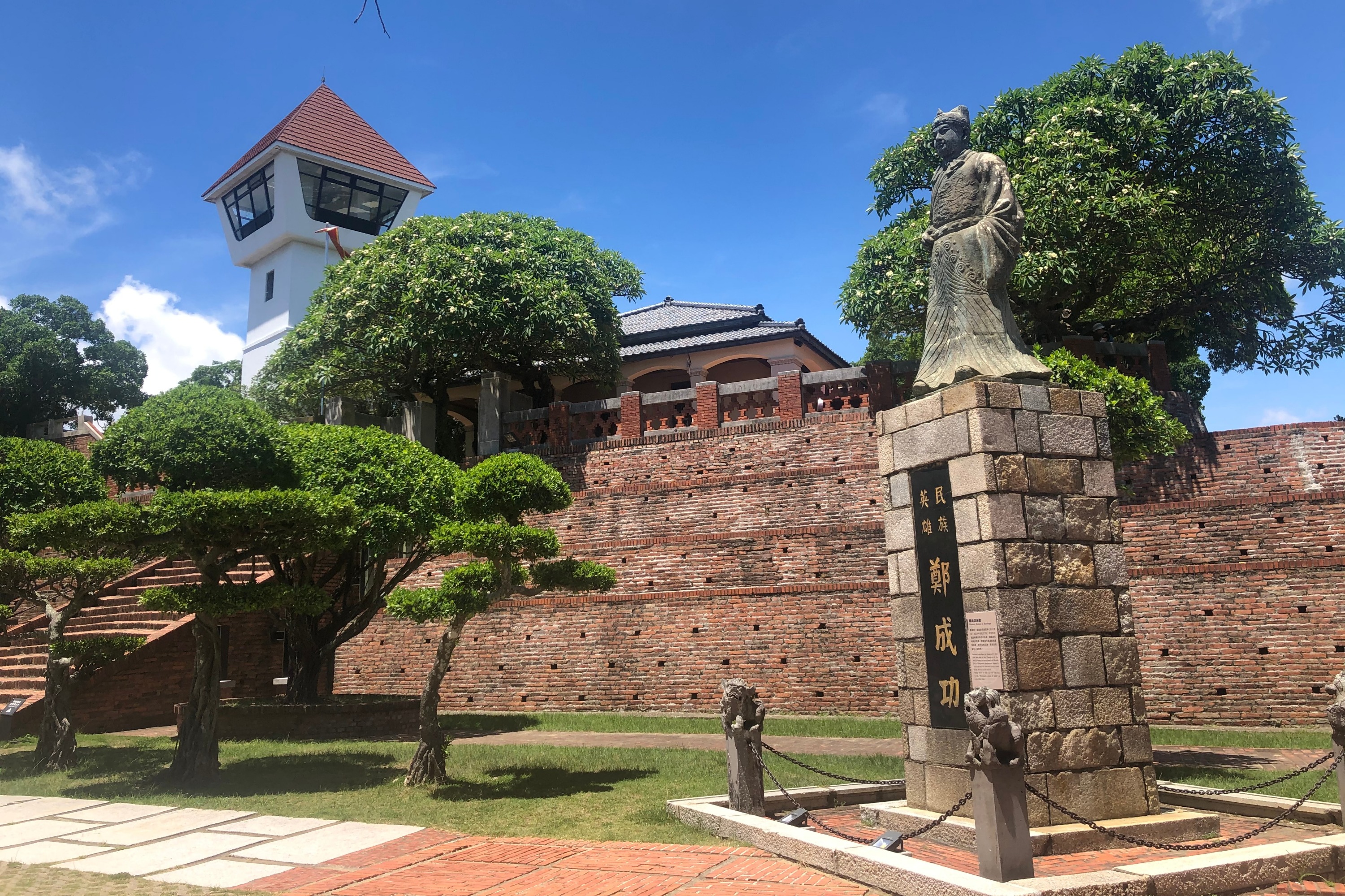
Anping Fort, also known as Anping Castle, is a historic fortress built by the Dutch in the early 17th century. It is one of Taiwan’s oldest colonial structures and offers a fascinating glimpse into the island’s maritime and military history. Visitors can explore the fort’s remaining walls, cannons, and watchtowers while enjoying panoramic views of the surrounding coastline. The site is complemented by nearby cultural streets and markets, making it a perfect destination to combine history, architecture, and local life.
3
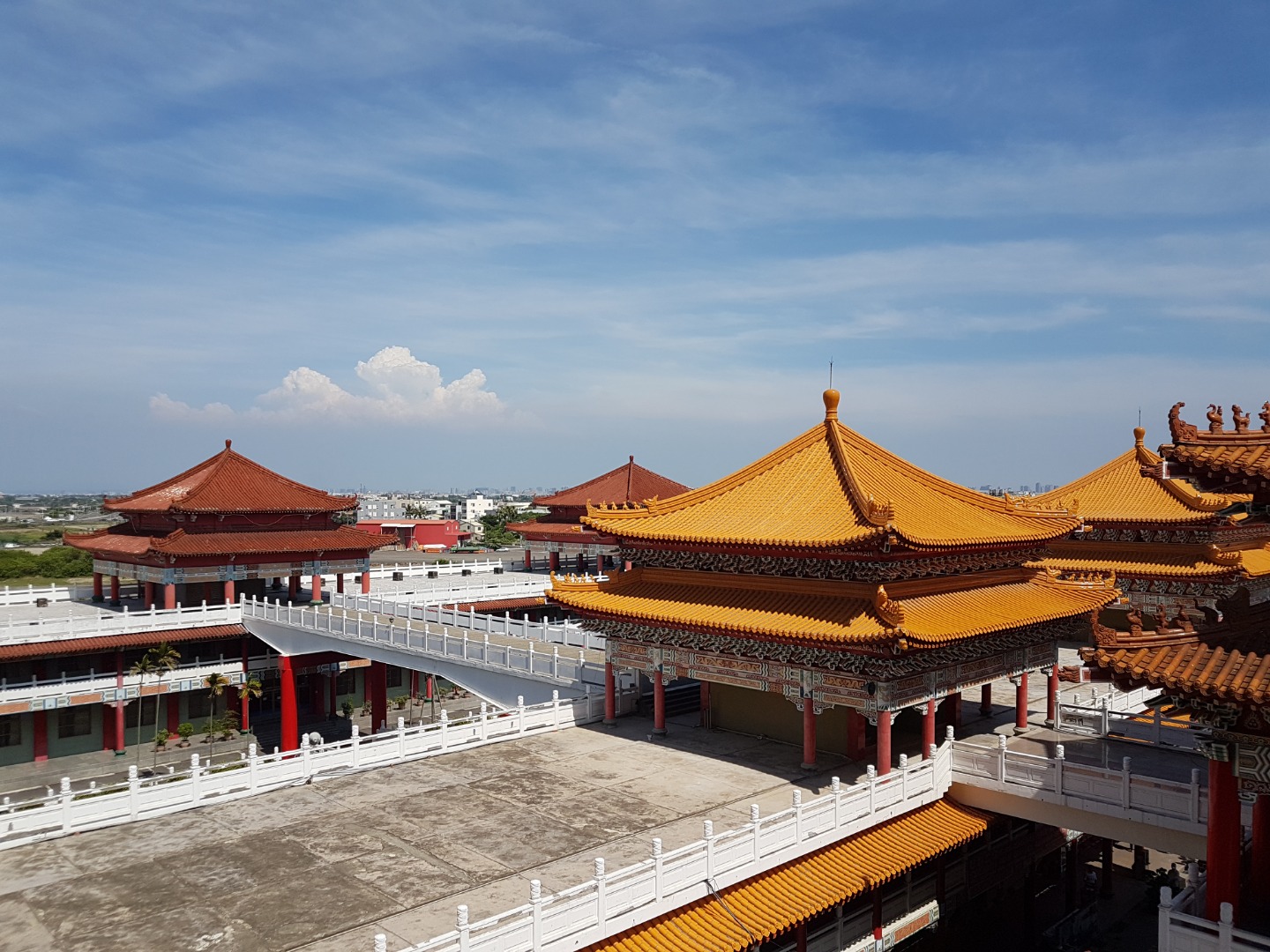
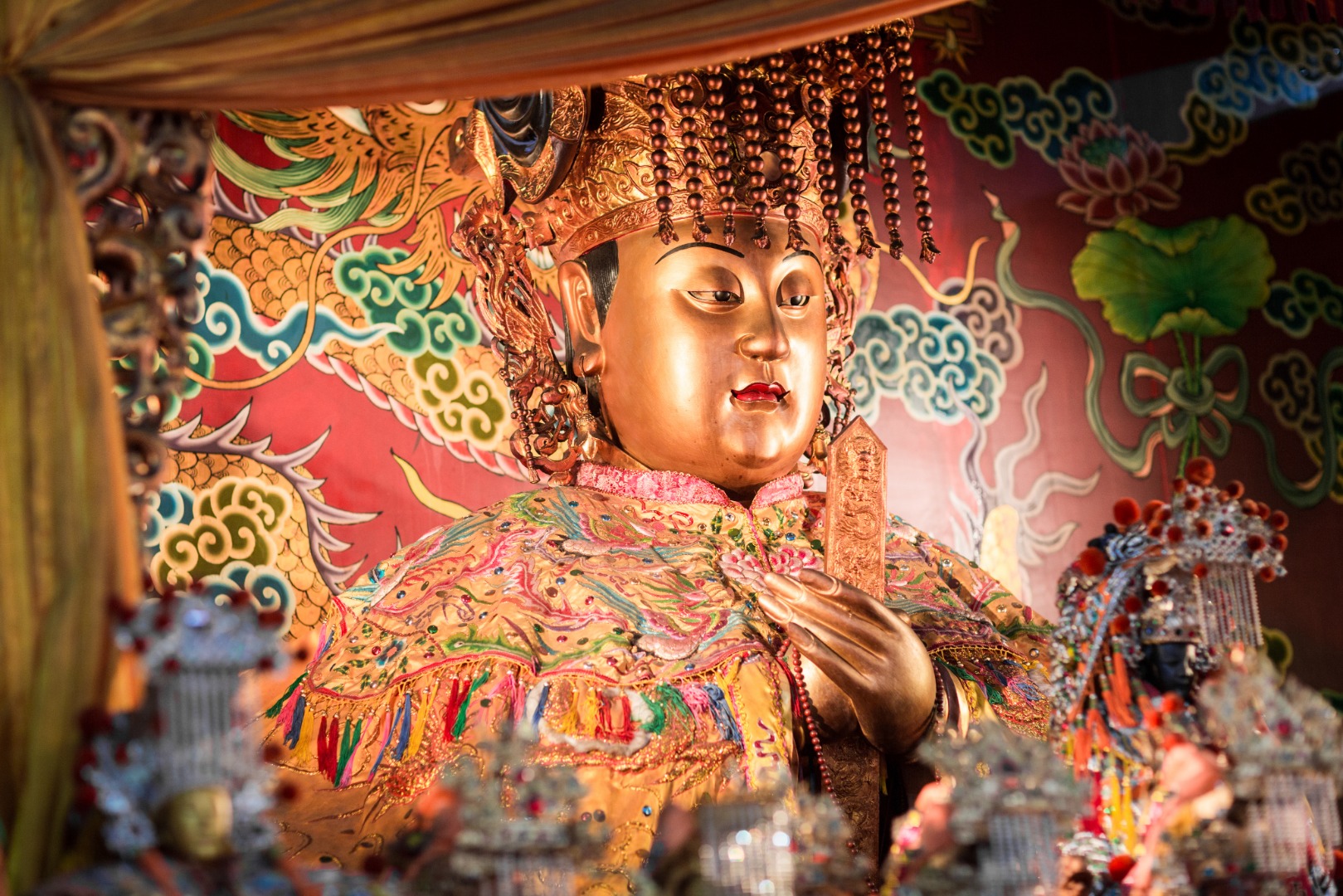
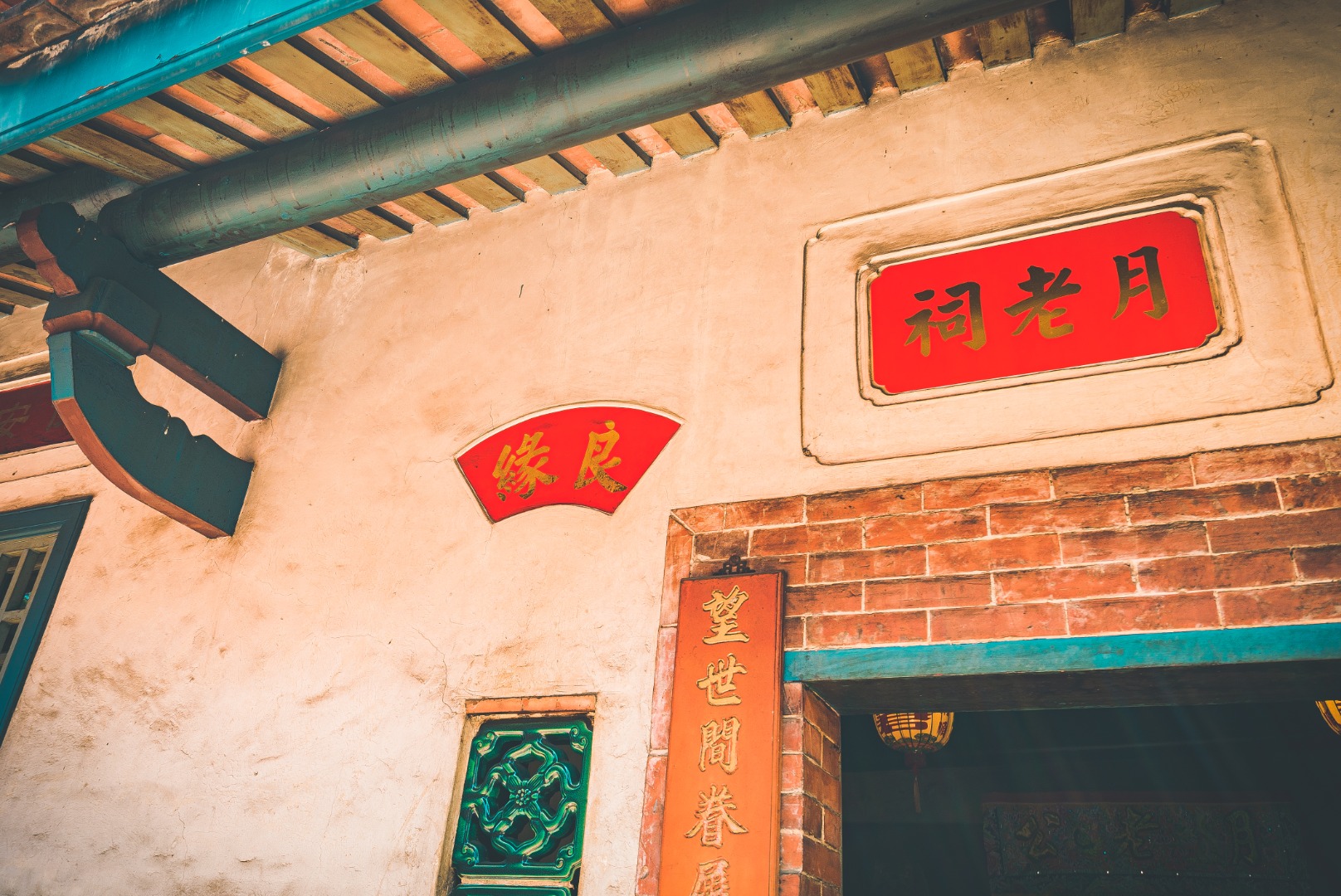
Luermenma Temple is a historic Taoist temple dedicated to the sea goddess Mazu, revered by local fishermen and worshippers for protection and blessings. The temple features traditional Taiwanese architectural elements, intricate carvings, and colorful decorations that reflect centuries of religious and cultural heritage. Visitors can explore the temple grounds, witness local rituals, and gain insight into the spiritual traditions that are an integral part of Tainan’s history.
4
Qigu Salt Mountain is a unique natural and cultural landmark in Tainan, formed from centuries of salt production in the region. The towering white mounds of salt create a striking landscape, perfect for photography and exploring. Visitors can learn about Taiwan’s salt-making history, see traditional salt-harvesting techniques, and enjoy interactive exhibits at nearby facilities. This distinctive destination offers a fascinating blend of industrial heritage, local culture, and scenic views.
5
The Jingzaijiao Tile-Paved Salt Fields are a historic and scenic site where visitors can explore traditional salt production using centuries-old techniques. The fields are paved with distinctive tiles, creating a unique and photogenic landscape that reflects the ingenuity of local salt workers. Visitors can walk along the paths, learn about the salt-harvesting process, and enjoy interactive demonstrations, making it a culturally enriching and visually striking stop on any Tainan tour.
6
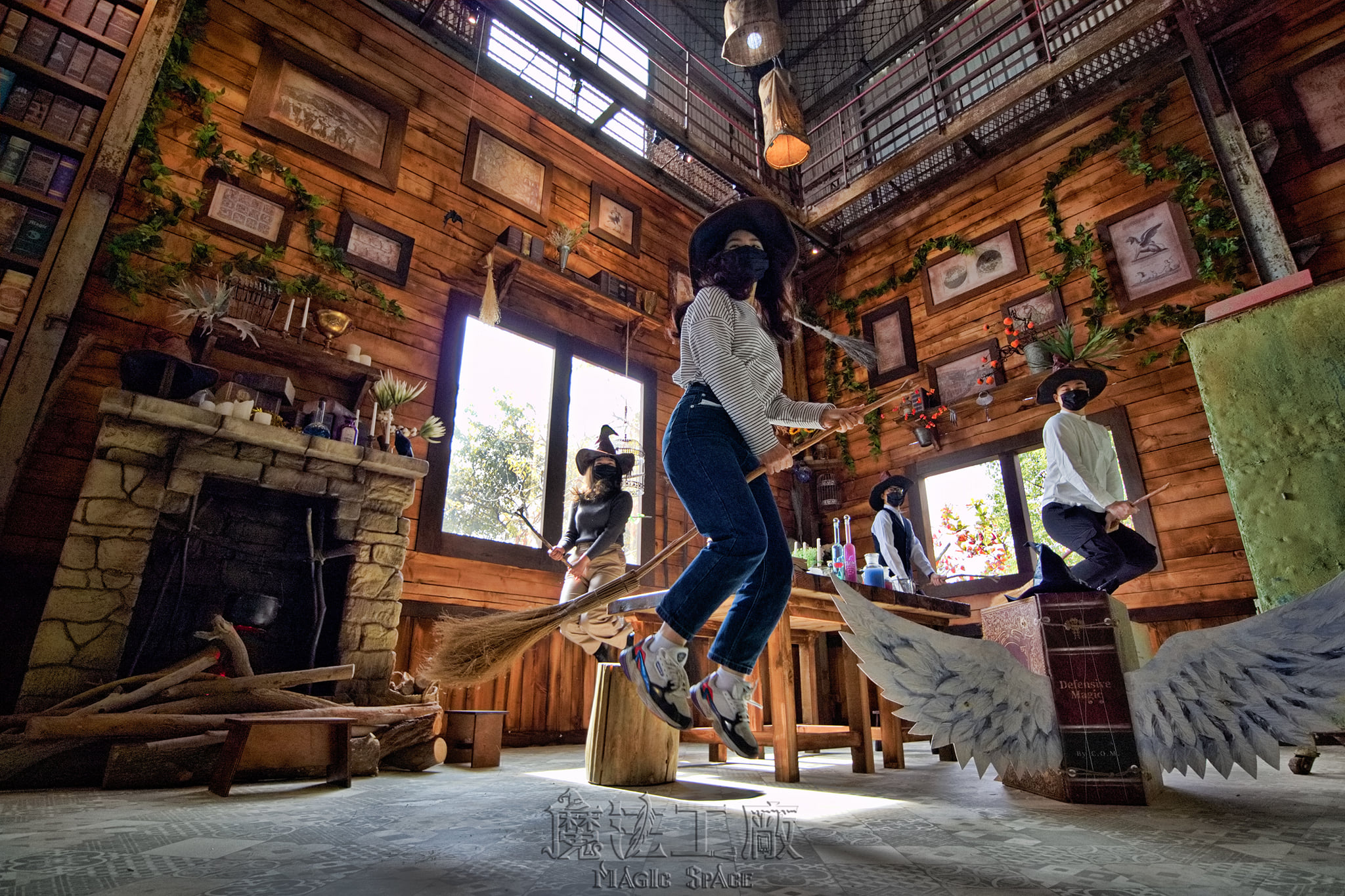
The Laotanghu Art House is a vibrant cultural space in Tainan that showcases local art, crafts, and creative exhibitions. Visitors can explore galleries featuring contemporary and traditional works, participate in interactive workshops, and experience Taiwan’s thriving artistic scene. With its charming architecture and curated displays, Laotanghu Art House offers an inspiring stop for art enthusiasts and anyone looking to connect with Tainan’s rich cultural heritage.
What's not included
Meals and beverages
Other personal expenses
Admission to Chikan Tower ($5)
Admission to Anping Castle ($5)
Admission to Laotang Lake Art Village ($5)
Available languages
Guide guide
JA
EN
ZH-CN
Important information
Wheelchair accessible
Infants and small children can ride in a pram or stroller
Public transportation options are available nearby
Infants are required to sit on an adult’s lap
Transportation options are wheelchair accessible
All areas and surfaces are wheelchair accessible
Suitable for all physical fitness levels
Total tour duration includes transportation.
This activity requires a minimum of 6 participant(s). If the minimum is not met, you can book an alternative date or request a full refund
Transportation: 5-seater car, 9-seater van, or bus (vehicle assigned based on the number of people)
Meeting point
Please arrive at the location 15 mins before the departure time
Important notes
We will send an e-Voucher one day before travel via E-mail.
About Kaohsiung
Kaohsiung is Taiwan's second-largest city, known for its vibrant harbor, modern architecture, and rich cultural heritage. It offers a unique blend of urban attractions and natural beauty, making it a must-visit destination for travelers.
Top Attractions
Lotus Pond
Lotus Pond is a scenic spot known for its beautiful lotus flowers, temples, and pagodas. It's a peaceful retreat in the heart of the city.
Nature
1-2 hours
Free
Kaohsiung Museum of Fine Arts
One of the largest museums in Taiwan, showcasing a diverse collection of modern and contemporary art.
Museum
2-3 hours
NT$30-50
Cijin Island
A popular island getaway known for its beaches, seafood, and windsurfing spots.
Beach
Half day to full day
Free (transportation costs apply)
Must-Try Local Dishes
Oyster Omelette
A savory omelette made with fresh oysters, eggs, and starch, topped with a sweet and tangy sauce.
Street Food
Contains seafood
Black Pepper Buns
Soft, fluffy buns filled with a sweet and savory black pepper filling.
Snack
Vegetarian
Grilled Squid
Fresh squid grilled to perfection, often served with a spicy or tangy sauce.
Street Food
Contains seafood
Popular Activities
Hiking in Kenting National Park
Windsurfing at Cijin Island
Scuba Diving at Xiaoliuqiu Island
Beach hopping in Kenting
Spa treatments in luxury hotels
Tea tasting in Alishan
Exploring historical sites in Tainan
Visiting museums in Kaohsiung
Best Time to Visit
October to December
This period offers pleasant weather with lower humidity and less rainfall, making it ideal for outdoor activities and sightseeing.
20-28°C
68-82°F
Practical Information
Language
- Official: Mandarin Chinese
- Widely spoken: Taiwanese Hokkien, Hakka, English
- English: Moderately spoken in tourist areas, limited in local areas
Currency
New Taiwan Dollar (TWD)
Time Zone
GMT+8
Electricity
110VV, 60HzHz
Safety Information
Overall Safety Rating: Generally safe
Kaohsiung is generally safe for travelers, with low crime rates and a welcoming atmosphere. However, standard precautions should be taken to ensure a safe and enjoyable trip.
Important Precautions:
- • Keep valuables secure in crowded areas.
- • Use metered taxis or ride-sharing apps to avoid overcharging.
- • Be cautious when using ATMs, especially at night.
Getting there
By air
- Kaohsiung International Airport • 7.5 km from city center
By train
Kaohsiung Main Station
By bus
Kaohsiung Bus Station, Zuoying Bus Station
Getting around
Public transport
The Kaohsiung Metro is efficient, clean, and easy to use. It covers most of the city's major attractions.
Taxis
Available • Apps: Uber, Taiwan Taxi
Rentals
Car, Bike, Scooter
Neighborhoods
Gushan District
Cianjin District
Zihyou District
Day trips
Tainan
70 km from Kaohsiung • Full day
Tainan is known as the cultural capital of Taiwan, with a rich history and numerous historical sites.
Kenting National Park
120 km from Kaohsiung • Full day to overnight
Kenting National Park is known for its stunning beaches, lush landscapes, and outdoor activities.
Alishan National Scenic Area
150 km from Kaohsiung • Full day to overnight
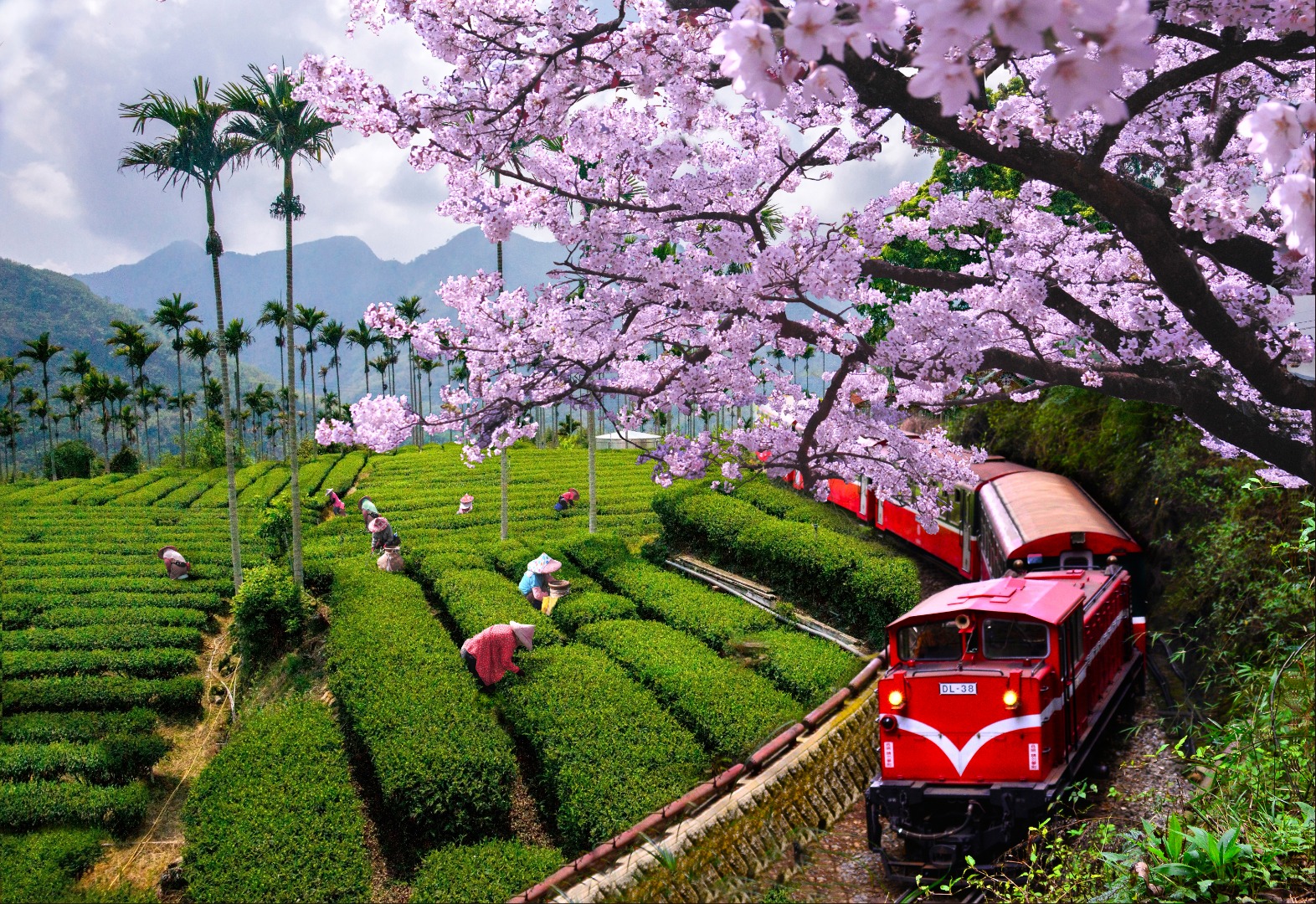
Alishan is known for its breathtaking sunrises, lush forests, and tea plantations.
Festivals
Kaohsiung International Dragon and Lion Dance Festival • January or February (Lunar New Year period)
Kaohsiung Music Festival • October to November
Kaohsiung Lantern Festival • February (Lunar New Year period)
Pro tips
- Visit the Lotus Pond early in the morning to avoid crowds and enjoy the peaceful atmosphere.
- Try the local street food at night markets, but stick to busy stalls with high turnover for freshness.
- Use the EasyCard for convenient payments on public transportation and at some stores.
- Explore the city's street art scene, with murals and installations found throughout the city.
- Take a day trip to Kenting National Park for stunning beaches and outdoor activities.
From $25
per person
Price varies by option
Secure booking
Free cancellation available
Instant confirmation