Marseille Walking Tour with Audioguide on Your Smartphone
Active
3h
For a full refund, cancel at least 24 hours before the scheduled departure time.
Instant confirmation
Mobile or paper ticket accepted
About this experience
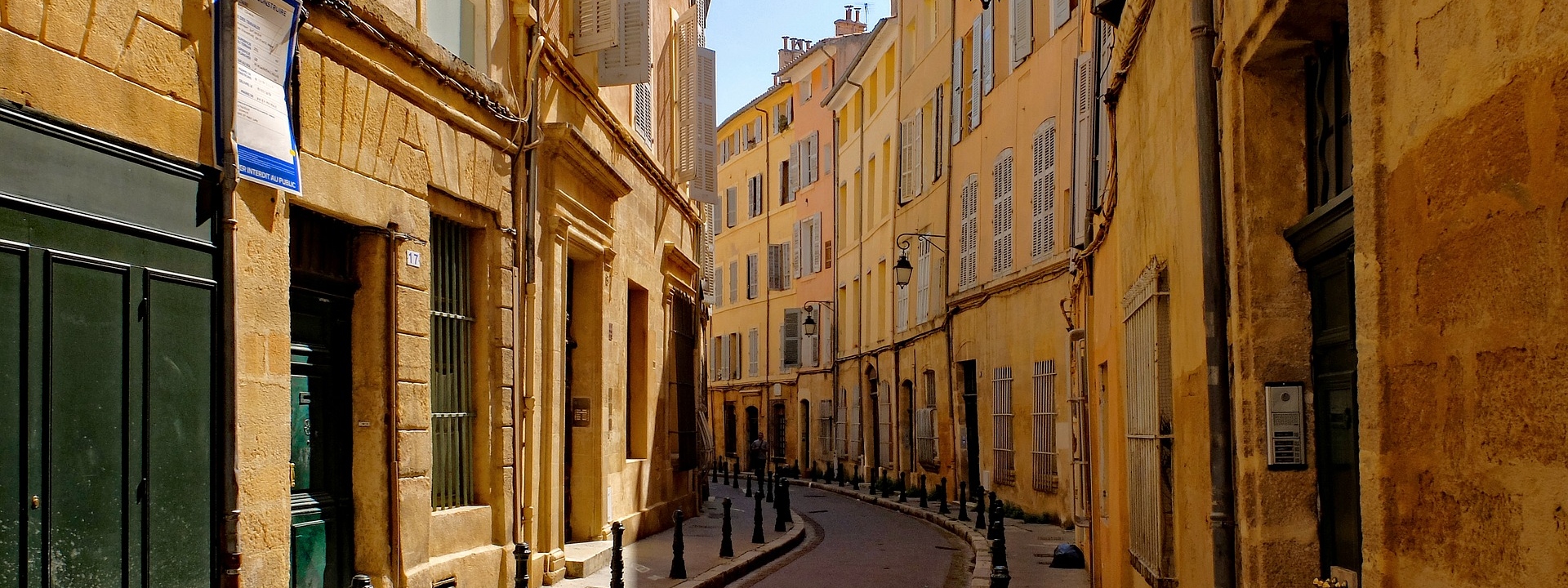
The TouringBee audio guide serves as a convenient mobile companion for exploring the remarkable city of Marseille. This tour is specifically designed to help you discover the city within a short span of 2-3 hours. Simply follow the route on the app's map, which will guide you from the Arc de Triomphe to the Basilica of Notre Dame de la Garde. You are guaranteed to see: The Old Port, Fort Saint-Jean, Marseille Cathedral, The Street Art of Le Panier, Vieille-Charité Almshouse, Petanque fields, Charming narrow streets brimming with souvenirs and treats.
Once you've downloaded the tour, the app functions offline. The audio guide can always be heard clearly through your headphones. Enjoy captivating stories and legends at your own pace, without the need to keep up with a tour group.
If you have only a few hours to explore Marseille, make the most of it with the TouringBee audio guide. You won't miss a thing.
Available options
English
Polish
Italian
German
French
What's included
One-year access to the tour in your preferred language
Audio guide app for iPhone and Android
29 audio recordings narrated by a professional historian
Illustrations to recognize landmarks
Offline map featuring a route for effortless GPS navigation
Detailed itinerary
1
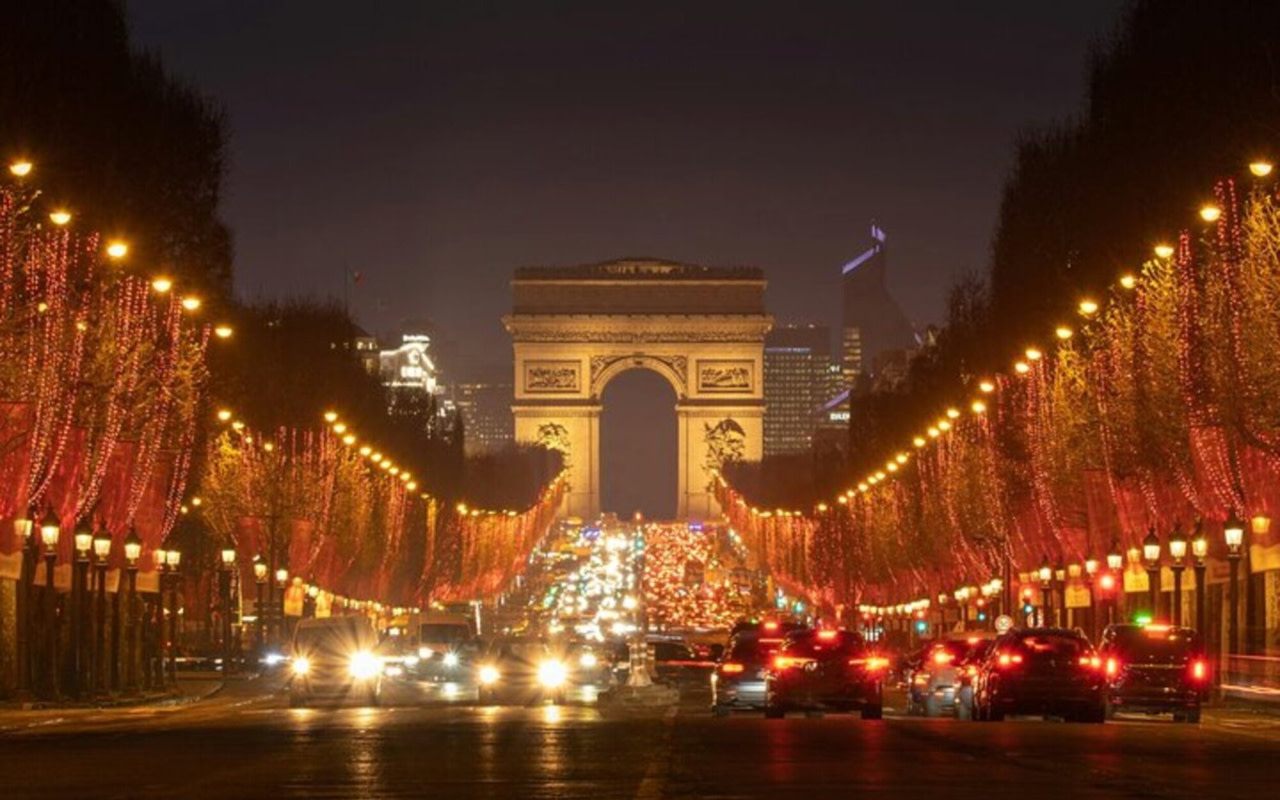
Porte d’Aix in Marseille is a triumphal arch built in the 19th century to commemorate French military victories. Inspired by Roman arches, it features classical columns and detailed reliefs celebrating battles from the Revolution and Napoleonic era. Located at the historic entrance to the city, near the former road to Aix-en-Provence, it once marked Marseille’s northern gateway. Today, it stands as a proud symbol of civic memory and neoclassical grandeur in the heart of the city.
2
The Huveaune Aqueduct in Marseille is a historic structure built to carry water across the Huveaune River valley. Dating from the 19th century, it was part of the city’s efforts to modernize its water supply during a time of rapid growth. With its elegant arches and solid stone construction, the aqueduct blends functionality with architectural grace. Though no longer in full use, it remains a striking reminder of Marseille’s industrial and engineering heritage.
3
Stop 3
The Vieille Charité in Marseille is a stunning 17th-century building originally constructed as an almshouse for the poor. Designed by Pierre Puget, its Baroque architecture centers on a peaceful courtyard and a domed chapel made of pink and white stone. Today, it houses museums, art exhibitions, and cultural institutions, including the Museum of Mediterranean Archaeology. Located in the historic Panier district, it’s both a cultural hub and a serene architectural gem in the heart of the city.
4
Église Saint-Laurent is one of Marseille’s oldest churches, dating back to the 12th century. Built in the Romanesque style with warm pink stone, it once served the city’s fishing community. Perched above the Old Port, it offers beautiful views of the harbor and the modern Mucem nearby. Its simple, fortress-like façade hides a quiet, spiritual interior. The church stands as a peaceful witness to Marseille’s maritime past and its layered, centuries-old history.
5
Stop 5
Pass by
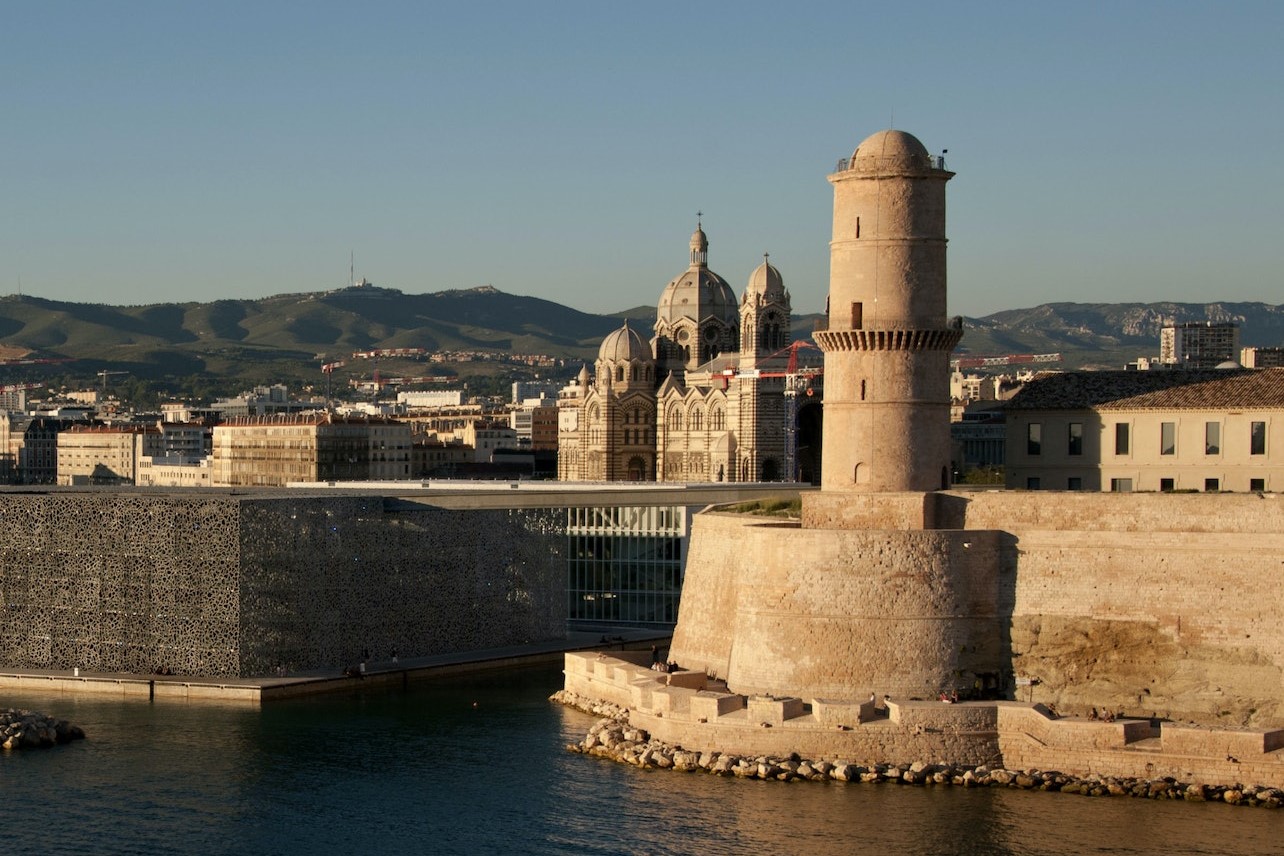
Marseille Cathedral (Cathédrale La Major) is a monumental 19th-century basilica that blends Romanesque and Byzantine styles, making it one of the largest churches in France. Built on the site of an earlier medieval cathedral, it features striped stonework, grand domes, and richly decorated interiors. Overlooking the sea near the Old Port, it stands as a symbol of Marseille’s Mediterranean identity—both spiritual and architectural. Its massive scale and unique design make it a must-see landmark in the city.
6
The Museum of European and Mediterranean Civilizations (Mucem) is one of Marseille’s most iconic cultural institutions. Opened in 2013, it explores the history, culture, and social fabric of Mediterranean civilizations through dynamic exhibitions, from ancient artifacts to contemporary art. Its striking architecture—glass, concrete latticework, and sea views—bridges the historic Fort Saint-Jean with a modern structure. Mucem is both a museum and a meeting point between continents, eras, and ideas.
7
Fort Saint-Jean is a historic coastal fortress guarding the entrance to Marseille’s Old Port. Built in the 17th century on the site of earlier medieval and crusader structures, it served both military and ceremonial functions. Its ramparts, towers, and views over the sea make it a dramatic reminder of the city’s strategic maritime past. Now part of the Mucem complex, the fort is accessible via footbridges and hosts exhibitions, gardens, and panoramic walkways linking history with modern Marseille.
8
Fort Saint-Nicolas was built in the 17th century by order of Louis XIV to keep watch over Marseille—not just from outside threats, but also to control the city’s rebellious spirit. Located on the southern side of the Old Port, it faces Fort Saint-Jean across the water, forming a symbolic gateway to the city. Though partly in ruins, its massive stone walls and angular design reflect classic military architecture. Today, it’s a national monument and public space, offering dramatic views and a powerful glimpse into Marseille’s turbulent past.
9
The Old Port of Marseille (Vieux-Port) is the historic heart of the city, where Phoenician sailors first landed over 2,600 years ago. Today, it’s a lively waterfront lined with cafes, markets, and boats—fishing vessels, ferries, and sleek yachts alike. Framed by Fort Saint-Jean and Fort Saint-Nicolas, the port is both a scenic hub and a symbol of Marseille’s enduring connection to the sea. Whether you're strolling the quays, visiting the fish market, or catching a boat to the Calanques, the Old Port is where Marseille’s soul lives and breathes.
10
The Hôtel de Ville de Marseille, or City Hall, is a beautiful 17th-century building located on the edge of the Old Port. Built in 1656, it reflects Genoese Baroque influence, with an elegant pink stone façade, ornate windows, and no internal staircase—access between floors is via a hidden external passage. It has been the seat of the city’s government for centuries and remains a functioning administrative building. Facing the harbor, it symbolizes Marseille’s long-standing role as a maritime and civic power.
11
The Church of the Accoules (Église des Accoules) is a historic church tucked into Marseille’s Le Panier district. Originally founded in the early Middle Ages, it was destroyed during the French Revolution and later rebuilt in the 19th century. Its most striking feature is the tall Gothic-style bell tower, preserved from the original medieval structure. Once a center of revolutionary activity, the church now stands as a quiet symbol of the city's resilience and layered religious history.
12
The Hôtel de Cabre is the oldest house in Marseille, dating back to 1535. Built in Renaissance style with Gothic elements, it belonged to a wealthy merchant and features ornate stonework, mullioned windows, and a carved façade. Remarkably, the entire building was rotated 90 degrees in 1954 to align with modern streets after WWII damage. Located near the Old Port and Le Panier, it’s a rare architectural survivor that connects present-day Marseille to its 16th-century past.
13
The Church of Saint-Ferréol les Augustins stands just above the Old Port of Marseille and blends centuries of layered history. Originally built by the Augustinian hermits in the 14th century, it was transformed over time, especially after damage during the French Revolution. Its Gothic roots are visible in the vaulted interior, while the façade reflects 19th-century restoration. Once the church of Marseille's powerful merchant guilds, it now offers a quiet retreat in the city’s busiest quarter, with strong ties to Marseille’s civic and religious life.
14
The Palais de la Bourse in Marseille is a grand 19th-century building that once housed the city’s stock exchange and now serves as the home of the Chamber of Commerce and Industry. Opened in 1860 on the Canebière, it symbolizes Marseille’s historic role as a major Mediterranean trading port. The neoclassical façade features allegorical sculptures celebrating commerce and navigation. Inside, the halls are richly decorated, and the Maritime Museum offers insight into the city’s economic and naval past. It remains a powerful monument to Marseille’s commercial heritage.
15
The Marché aux Poissons (Fish Market) in Marseille is a daily tradition held at the edge of the Old Port, near the Hôtel de Ville. From early morning, local fishermen set up stalls offering freshly caught Mediterranean seafood—octopus, sea bream, sardines, and more. It’s not just a market but a cultural ritual, where locals haggle, chefs choose the day’s catch, and visitors soak in the maritime spirit. Set against the backdrop of boats and seagulls, the market is a living link to Marseille’s fishing heritage.
16
L'Ombrière du Vieux-Port is a striking modern canopy designed by architect Norman Foster, located at the eastern end of Marseille’s Old Port. Made of polished stainless steel, it reflects the people and activity beneath it like a giant mirror. Installed in 2013 as part of the city’s transformation for its year as European Capital of Culture, the Ombrière serves as a gathering spot, market shelter, and playful public artwork. Its sleek, minimalist design contrasts with the historic surroundings, blending contemporary architecture with everyday life.
17
The Opéra de Marseille, also known as the Opéra Municipal, is a landmark of French classical architecture and cultural life. Originally built in 1787 and rebuilt after a fire in 1919, the current building combines neoclassical and Art Deco styles. Its grand façade, Corinthian columns, and elegant interiors make it one of France’s finest opera houses. The venue hosts opera, ballet, and symphonic performances, featuring both international stars and local talent. Located near the Canebière, it remains a pillar of Marseille’s artistic identity and refined civic spirit.
18
Stop 18
Notre-Dame de la Garde, perched atop Marseille’s highest hill, is the city’s most iconic landmark and spiritual protector. Built in the 19th century in Romano-Byzantine style, the basilica features elaborate mosaics, marble interiors, and a towering bell tower crowned by a golden statue of the Virgin Mary holding the infant Jesus. Known locally as la Bonne Mère, it watches over sailors and citizens alike. The panoramic views from the terrace stretch across Marseille, the sea, and the islands beyond—offering both a breathtaking vista and a moment of reflection.
19
Stop 19
Pass by
Château d’If is a 16th-century fortress-turned-prison located on a small island just off the coast of Marseille. Built by King Francis I to defend the city, it gained fame as the fictional prison in Alexandre Dumas’ The Count of Monte Cristo. Over the centuries, it held political and religious prisoners, becoming a symbol of isolation and escape. Today, visitors can tour its stark cells and ramparts, with sweeping views of the Mediterranean. Accessible by boat from the Old Port, the château offers a powerful blend of history, myth, and maritime drama.
What's not included
In-person tour guide
Smartphone and Headphones
Entry Tickets
Transportation
Food and Beverages
Available languages
Audio guide
DE
EN
IT
PL
FR
Reviews breakdown
Viator
5.0
1 reviews
5★
1
4★
0
3★
0
2★
0
1★
0
Important information
Public transportation options are available nearby
Suitable for all physical fitness levels
The audio guide is available through a mobile app for iOS and Android
Entry tickets to the museums are not included and must be purchased separately in advance
The tour does not cover all the sights in Marseille
This is a self-guided tour - you will need to download the audio guide mobile app, activate your purchase, and follow the route on the app's map (without a human guide)
The audio guide can be accessed at any time. The date and time provided during checkout are approximate
Meeting point
- The tour begins at Porte d'Aix
- This is a self-guided tour; there will be no guide present at the meeting point
- Open the TouringBee app, initiate the Marseille City Tour, and proceed along the designated route
Important notes
To get audioguide:
- Open Viator Ticket
- Find Viator Booking ref - it should start with BR-####
- Find your Viator Booking on https://activate.touringbee.com/?partner=viator
About Marseille
Marseille, the oldest city in France, is a vibrant port city known for its rich history, diverse culture, and stunning Mediterranean coastline. With its bustling Vieux Port, historic architecture, and nearby Calanques National Park, Marseille offers a unique blend of urban and natural attractions.
Top Attractions
Vieux Port (Old Port)
The heart of Marseille, the Vieux Port is a bustling harbor surrounded by restaurants, cafes, and shops. It's a great place to start your exploration of the city.
Historical
1-2 hours
Free to explore
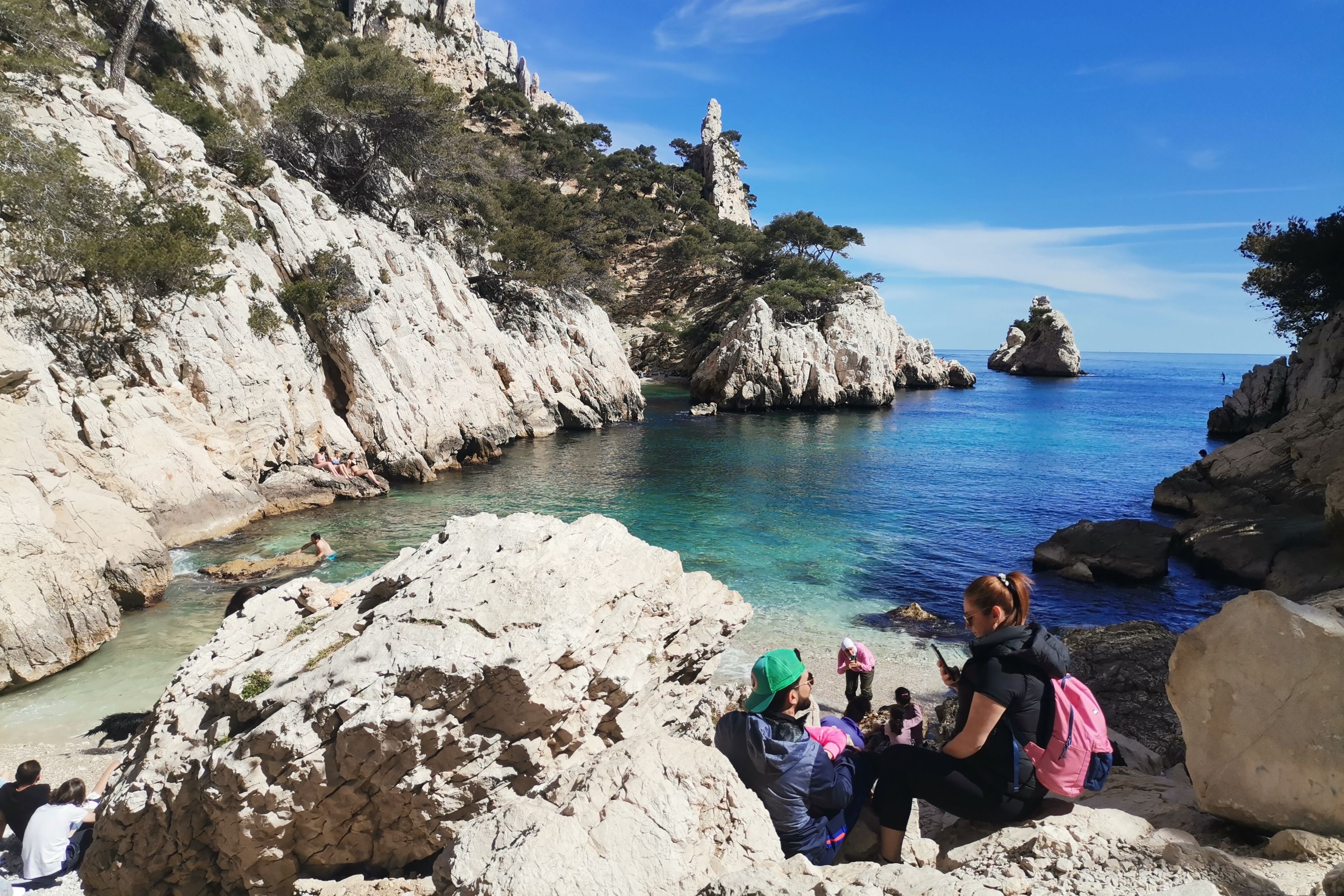
Calanques National Park
A stunning coastal park with turquoise waters, dramatic cliffs, and hidden beaches. Perfect for hiking, swimming, and kayaking.
Nature
Half-day to full day
Free entry
Basilique Notre-Dame de la Garde
A iconic basilica offering panoramic views of Marseille. A symbol of the city and a must-visit for its architecture and views.
Religious
1-2 hours
Free entry
MuCEM (Museum of European and Mediterranean Civilizations)
A modern museum exploring the history and culture of the Mediterranean region. The building itself is an architectural marvel.
Museum
2-3 hours
€11 for full access
Château d'If
A historic fortress and prison, made famous by Alexandre Dumas' novel 'The Count of Monte Cristo'. Accessible only by boat.
Historical
Half-day
€10 for the boat and entry
Must-Try Local Dishes
Bouillabaisse
A traditional Provençal fish stew made with various types of fish and shellfish, served with rouille and toasted bread.
Dinner
Contains seafood, gluten (in the bread)
Navettes
Small, orange-blossom flavored biscuits shaped like boats, a specialty of Marseille.
Snack
Vegetarian, contains gluten
Tapenade
A spread made from olives, capers, and anchovies, typically served with bread or crackers.
Appetizer
Vegetarian option available (without anchovies)
Popular Activities
Hiking in Calanques National Park
Kayaking in the Mediterranean
Scuba diving at the Riou Islands
Sunbathing at Plage des Catalans
Spa treatments at a luxury hotel
Strolling along the Vieux Port
Visiting museums and galleries
Attending a performance at the Grand Théâtre de Marseille
Best Time to Visit
June to September
This is the best time to visit Marseille for beach activities and outdoor exploration. The weather is warm, and the city is lively with festivals and events.
20°C to 30°C
68°F to 86°F
Practical Information
Language
- Official: French
- Widely spoken: English, Arabic, Italian
- English: Moderately spoken
Currency
Euro (EUR)
Time Zone
GMT+1 (CET), GMT+2 (CEST during daylight saving time)
Electricity
230VV, 50HzHz
Safety Information
Overall Safety Rating: Generally safe
Marseille is generally safe for tourists, but like any large city, it has its share of petty crime. Exercise caution, especially in crowded areas and at night.
Important Precautions:
- • Keep valuables secure and out of sight.
- • Use licensed taxis or ride-sharing apps.
- • Be cautious when using ATMs, especially at night.
Getting there
By air
- Marseille Provence Airport • 25 km from city center
By train
Marseille Saint-Charles
By bus
Gare Routière Saint-Charles
Getting around
Public transport
The metro system is efficient and easy to use, with two lines connecting key destinations.
Taxis
Available • Apps: G7, Uber
Rentals
Car, Bike, Scooter
Neighborhoods
Le Panier
La Canebière
Cours Julien
Day trips
Aix-en-Provence
30 km • Half-day to full day
A charming university town known for its elegant architecture, vibrant markets, and proximity to the Luberon region.
Cassis
25 km • Full day
A picturesque coastal town known for its stunning calanques, white cliffs, and vibrant port. Ideal for swimming, hiking, and boat tours.
Arles
80 km • Full day
A historic town with Roman ruins, medieval architecture, and a rich artistic heritage. Arles is known for its connections to Vincent van Gogh.
Festivals
Fête de la Musique • June 21
Marseille Jazz Festival • July
Festival de Marseille • June to July
Pro tips
- Visit the Calanques early in the morning or late in the afternoon to avoid crowds and enjoy the best light for photography.
- Take a cooking class to learn how to make traditional Provençal dishes like bouillabaisse and tapenade.
- Explore the city's street art scene in the Cours Julien and Panier neighborhoods.
- Try local specialties like navettes, panisse, and socca at the markets and street food stalls.
- Take a boat tour to the Château d'If for a unique perspective on the city and its history.
From $25
per person
Price varies by option
Secure booking
Free cancellation available
Instant confirmation