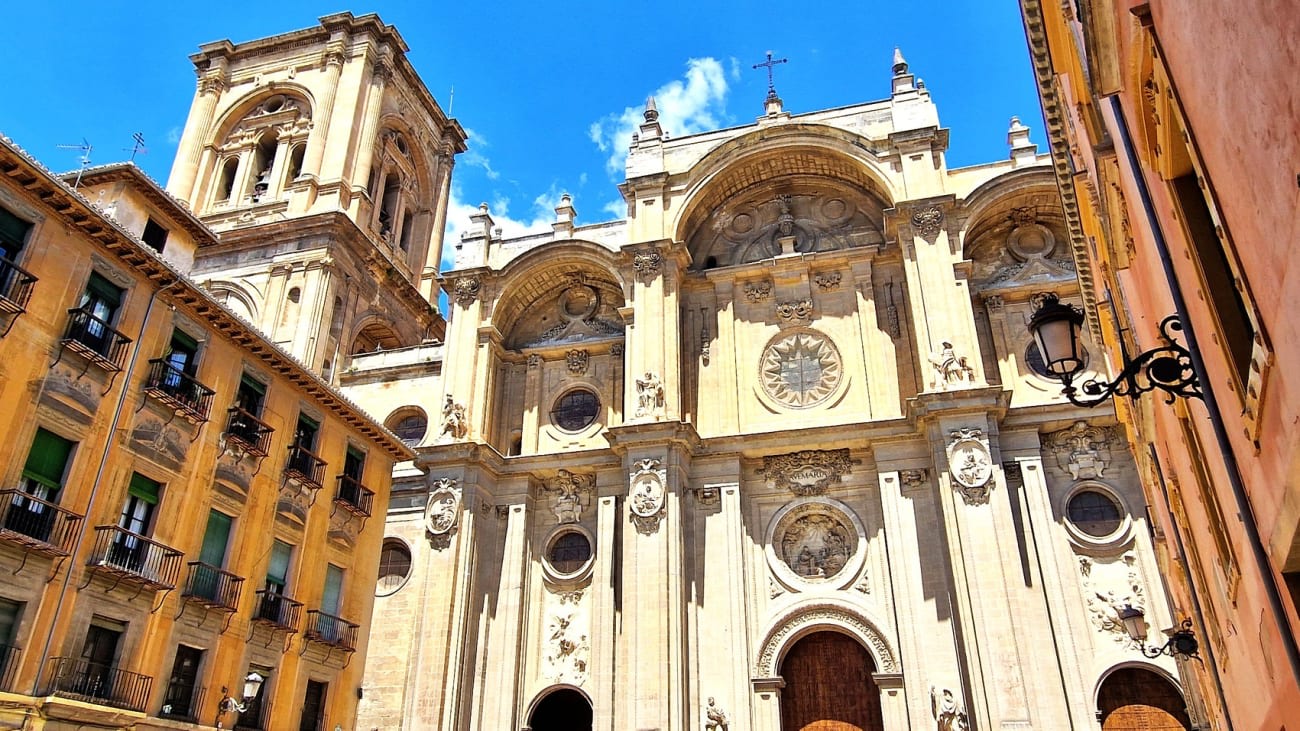
Granada Walking Tour with Audioguide on your Smartphone
Active
3h
For a full refund, cancel at least 24 hours before the scheduled departure time.
Instant confirmation
Mobile or paper ticket accepted
About this experience
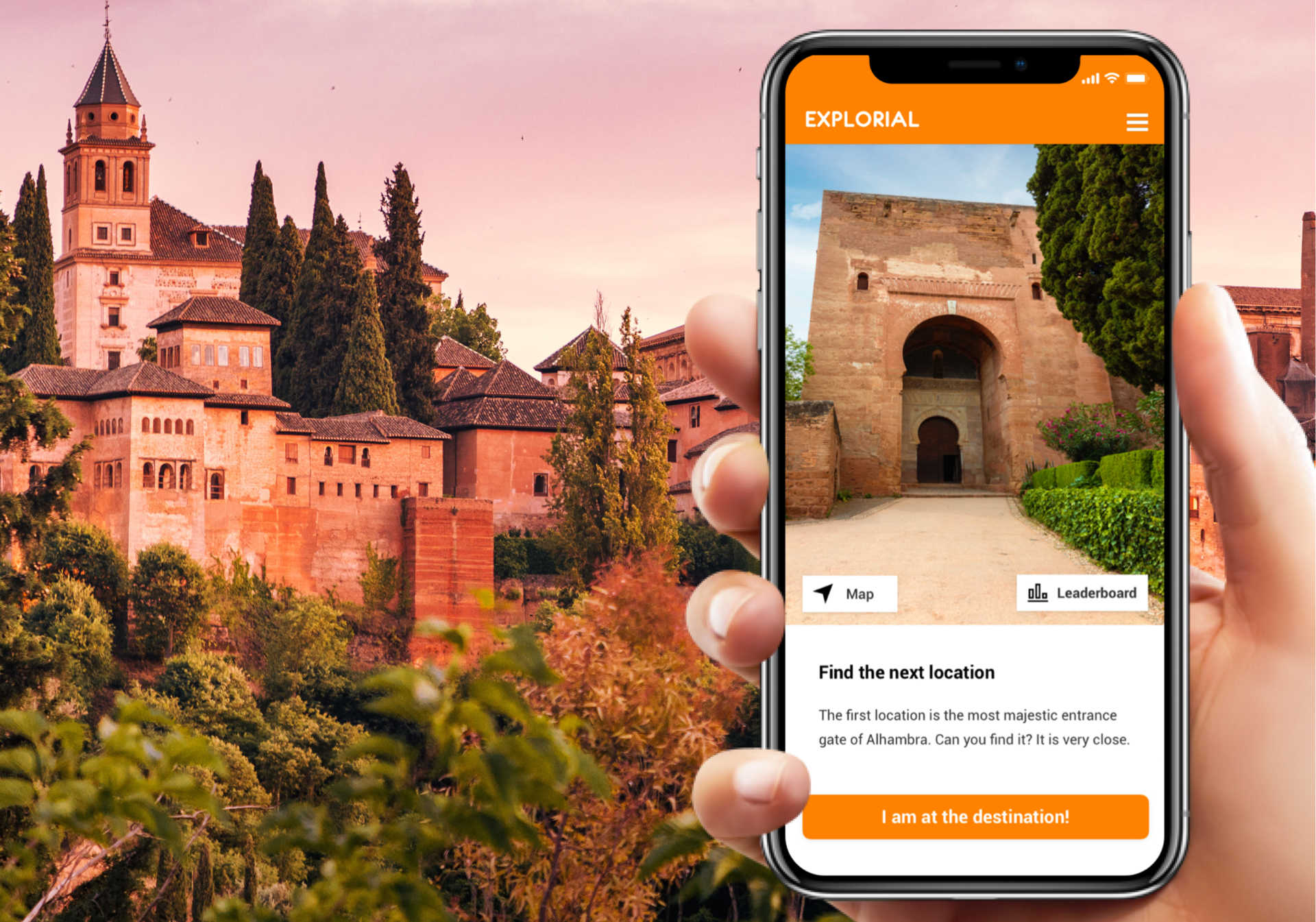
The audio guide serves as a convenient mobile companion for a self-guided tour of Granada. This tour is specifically designed for those looking to explore the city within a short span of 2-3 hours. Simply follow the route on the app's map, which takes you from Granada train station to the San Nicolás observation deck, passing by the historic city's landmarks. You're guaranteed to see: Granada Cathedral, Royal Chapel, Moorish Gate, Dar al-Horra Palace, Granada Arena, Alhambra Fortress, The charming streets of the Arabian market.
Once the tour is downloaded, the app functions offline. The audio guide can be clearly heard through your headphones at all times. Enjoy captivating stories and legends at your own pace, without the need to keep up with a tour group.
If you only have a few hours to spare in Granada, make the most of it with the TouringBee audio guide. You won't miss a thing.
Available options
English
Italian
What's included
One-year access to the tour in your preferred language
Audio guide app for iPhone and Android
Illustrations to recognize landmarks
Offline map featuring a route for effortless GPS navigation
25 audio recordings narrated by a professional historian
Detailed itinerary
1
The Monumento a los Emigrantes in Granada, Spain, is a modern bronze sculpture located near the city’s Paseo del Violón. It honors the thousands of Andalusians who emigrated in search of better opportunities, especially during the 20th century. The artwork portrays a family in motion—suitcases in hand, gazes turned toward an uncertain future — capturing both the hardship and hope of leaving home. It's a moving tribute to resilience, memory, and the personal cost of migration, set quietly amid the city’s contemporary flow.
2
The Plaza de Toros de Granada, built in 1928, is one of Spain’s most beautiful bullrings, showcasing Neo-Mudéjar architecture with horseshoe arches and intricate brickwork. Located in the Beiro district, it seats around 14,000 spectators and has hosted not only traditional corridas, but also concerts and cultural events. While bullfighting remains controversial, the arena itself stands as a striking example of Andalusian heritage — where architecture, ritual, and spectacle converge in the rhythms of southern Spain.
3
The Monumento a Federico García Lorca in Granada stands in the Plaza de la Romanilla, near the city’s cathedral, honoring the poet and playwright whose work and tragic death have become symbols of 20th-century Spain. The bronze sculpture depicts Lorca with open arms, releasing a lark—echoing his deep connection to nature, language, and sorrow. Surrounded by cafés and street musicians, the statue invites quiet reflection on Lorca’s legacy and the enduring power of art in the face of repression.
4
IES Padre Suárez is one of Granada’s most historic educational institutions, founded in the 19th century and housed in a grand neoclassical building in the city center. Beyond its role as a high school, it's known for its impressive Science Museum, which preserves a remarkable collection of 19th- and early 20th-century scientific instruments. The school has educated generations of Andalusians and remains a proud symbol of Granada’s intellectual and academic heritage — where past and future meet in the service of learning.
5
The Puerta de Elvira is a monumental Moorish gate that once marked the main entrance to the city of Granada during the Nasrid period. Built in the 11th century and later expanded, it was part of the city’s medieval defensive walls and led directly to the old Muslim quarter of Albayzín. Though only a fragment remains today, its pointed arch and weathered stone speak to centuries of cultural layering. Once a threshold between city and empire, the gate now stands quietly at the edge of modern Granada, anchoring it to its Islamic past.
6
The Iglesia Parroquial de San Andrés in Granada is a small, historically significant church located near the Gran Vía de Colón. Built in the early 16th century on the site of a former mosque, it blends Mudejar and Gothic elements, with a modest whitewashed exterior and an ornate wooden ceiling inside. Though often overlooked by visitors, it reflects the layered religious and architectural transitions of post-Reconquista Granada. Quiet and atmospheric, it remains a living parish and a subtle piece of the city's spiritual mosaic.
7
The Palacio Müller in Granada is a lesser-known architectural gem tucked into the city’s urban fabric near the Gran Vía. Built in the early 20th century for the Müller family, it showcases an elegant mix of historicist and eclectic styles, with ornate balconies, sculptural details, and a distinctive façade that hints at French and Viennese influences. Though not open to the public, it’s admired for its architectural grace and stands as a quiet witness to Granada’s bourgeois past — where wealth, taste, and European fashion converged in Andalusian stone.
8
The Basílica de San Juan de Dios in Granada is a breathtaking example of Spanish Baroque architecture, built in the 18th century to honor St. John of God, founder of the Hospitaller Order. Behind its restrained stone façade lies a lavish interior filled with gilded altars, swirling columns, frescoed domes, and a dazzling display of relics. The saint’s silver-embellished tomb rests in the richly decorated sanctuary. More than a church, it’s a theatrical expression of faith — where devotion, art, and grandeur unite in overwhelming splendor.
9
The Cárceles secretas de la Inquisición in Granada refer to the hidden prison cells used by the Spanish Inquisition, located beneath what is now the Facultad de Derecho (Faculty of Law). These dark, cramped chambers once held those accused of heresy, often without formal charges or trial. Though not a major tourist site, remnants of these cells remind visitors of the oppressive mechanisms of religious control that once operated in the heart of the city. A haunting trace of fear and silence beneath Granada’s scholarly façade.
10
Stop 10
Pass by
The Granada Cathedral, officially the Cathedral of the Incarnation, is a monumental symbol of Spain’s shift from Moorish rule to Catholic grandeur. Built on the site of a former mosque, it began in the early 16th century under Queen Isabella and blends Gothic, Renaissance, and Baroque styles. Its soaring white interior, massive pillars, and dramatic main altar reflect the triumph of the Christian Reconquista. Highlights include works by Alonso Cano and the adjacent Royal Chapel, where the Catholic Monarchs are buried. It’s both a spiritual center and an architectural statement of power and faith.
11
Stop 11
Pass by
The Royal Chapel of Granada (Capilla Real) is the final resting place of Queen Isabella I and King Ferdinand II, the Catholic Monarchs who completed the Reconquista. Built in the early 16th century in Isabelline Gothic style, it stands beside Granada Cathedral as a powerful symbol of Spain’s imperial beginnings. Inside lie marble tombs, royal flags, and a treasury holding Isabella’s personal belongings. This sacred space, austere yet grand, marks the end of Muslim rule in Spain and the dawn of a unified Catholic kingdom — etched in stone and legend.
12
The Madrasah Palace (Palacio de la Madraza) in Granada was the city’s first university, founded in 1349 by Yusuf I, Sultan of the Nasrid dynasty. Located near the Cathedral, it once served as a center for Islamic learning in theology, law, medicine, and mathematics. Though its original architecture was largely altered after the Reconquista, traces of its Nasrid stucco work and mihrab remain. Today, it belongs to the University of Granada and hosts cultural events. A quiet but powerful reminder of Granada’s scholarly Islamic past, layered beneath its Catholic present.
13
The Alcaicería Market in Granada is a narrow maze of shops that once formed the city’s grand Arab silk bazaar, established during the Nasrid period. Originally covered and guarded at night, it was a hub for trading luxury goods like silk, spices, and precious metals. After a fire in 1843, it was rebuilt in neo-Moorish style, evoking its Islamic roots. Today, it’s filled with stalls selling ceramics, textiles, lanterns, and souvenirs. Though touristy, its tight alleys and ornamental details echo the commercial soul of medieval Granada.
14
Bib-Rambla Square is a lively, flower-filled plaza in the heart of Granada, just steps from the Cathedral. Once the stage for public events, markets, and even autos-da-fé during the Inquisition, it’s now a welcoming space lined with cafés, pastry shops, and street performers. Its name comes from the Arabic Bab al-Ramla, meaning “Gate of the Sand.” At its center stands the Fountain of the Giants, a baroque piece from the 17th century. Today, Bib-Rambla is where locals and visitors pause, chat, and soak in the city’s vibrant, layered life.
15
The Granada City Hall (Ayuntamiento de Granada) sits on the southern edge of Plaza del Carmen, blending understated 19th-century architecture with a long civic history. Built on the site of a former convent, the building houses the offices of the city’s municipal government. Its interior includes historic council chambers, murals, and a clock tower that chimes over the bustling square. Outside, the plaza often hosts public events, protests, and seasonal decorations. It’s not just an administrative center — it’s part of the everyday pulse of Granada’s public life.
16
Stop 16
Plaza Nueva (New Square) is ironically Granada’s oldest square, dating back to the early Christian era after the Reconquista. Nestled between the Albaicín and the Alhambra, it has long been a civic and social hub. Framed by historic buildings like the Royal Chancery and several noble houses, it once hosted tournaments and public trials. Today, it’s a popular meeting point, surrounded by cafés and tapas bars, with the Darro River flowing beneath its stone surface. From here, Granada's past and present flow together, step by cobbled step.
17
The Eye of Granada (Ojo de Granada) is not a formal monument but a poetic nickname often used for Mirador de San Nicolás, the city's most famous viewpoint. Perched in the Albaicín quarter, it offers a panoramic gaze over the Alhambra, framed by the Sierra Nevada mountains. Especially breathtaking at sunset, it draws travelers, street musicians, and locals alike. From this “eye,” one sees not just architecture or landscape, but centuries of conquests, cultures, and quiet beauty — held in a single, unforgettable view.
18
The Dar al-Khorrah Palace, also known as Casa del Chapiz, is a historic Moorish-style residence located in the Albaicín district of Granada. Originally built in the 14th century and later adapted after the Christian conquest, it blends Nasrid and Mudéjar elements with later Renaissance touches. With its serene patios, carved woodwork, and views of the Alhambra, it embodies the layered architectural dialogue between Islamic and Christian traditions. Today, it houses the School of Arabic Studies, preserving both knowledge and beauty in one of Granada’s most atmospheric corners.
19
Stop 19
Pass by
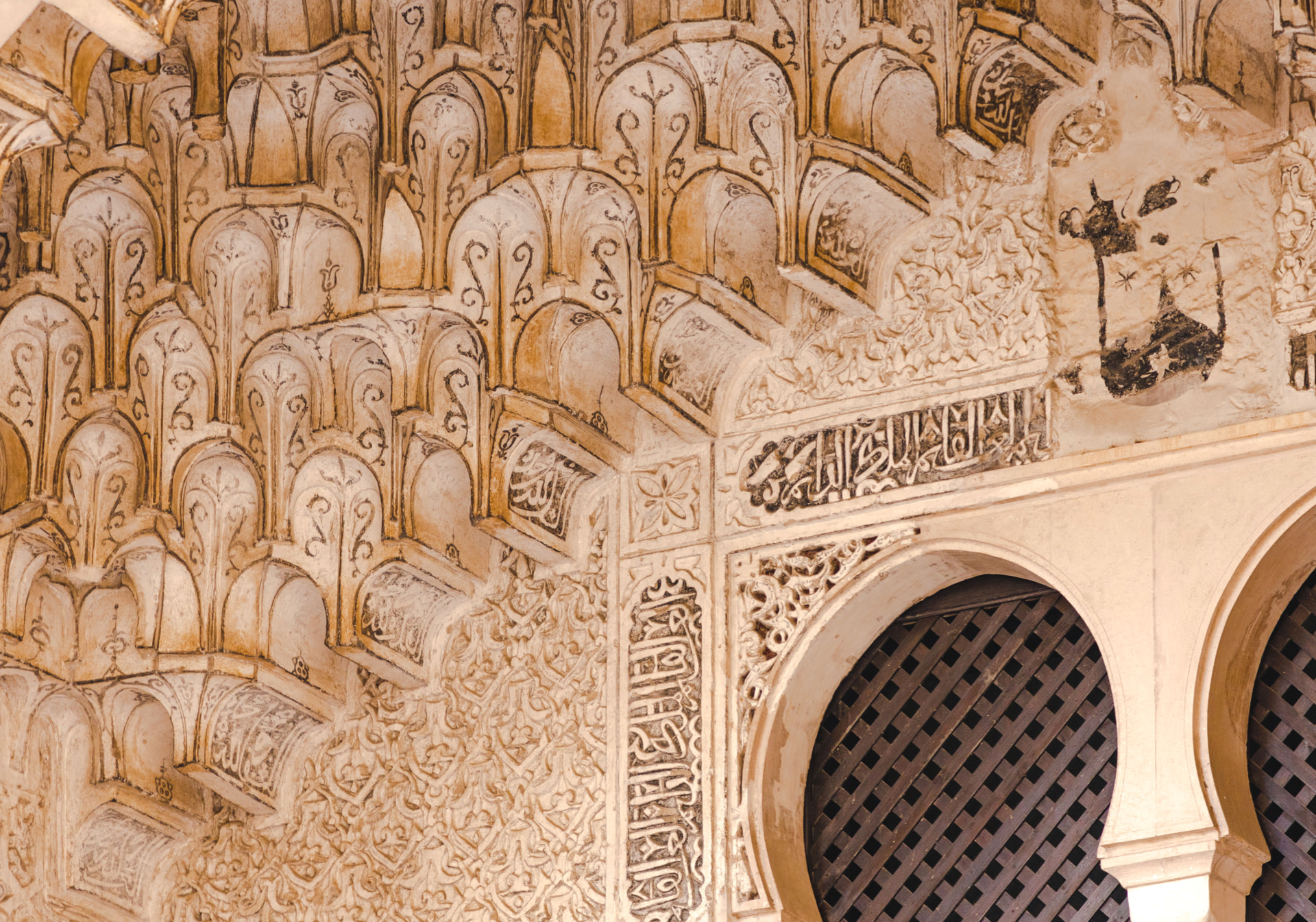
The Alhambra is Granada’s crown jewel — a vast hilltop palace and fortress complex that served as the seat of the Nasrid dynasty, the last Muslim rulers in Spain. Built between the 13th and 15th centuries, it is a masterpiece of Islamic architecture, famed for its delicate stucco work, arabesque patterns, and poetic inscriptions. Highlights include the Palace of the Lions, the Hall of the Ambassadors, and the Generalife gardens. Beyond its beauty, the Alhambra is a palimpsest of cultures, where Moorish refinement, Christian conquest, and romantic myth all converge.
What's not included
In-Person Guide
Smartphone and Headphones
Transportation
Food and Drinks
Available languages
Audio guide
EN
IT
Important information
Public transportation options are available nearby
Suitable for all physical fitness levels
The audio guide is available through a mobile app for iOS and Android
Entry tickets to the Cathedral, Royal Chapel, and museums are not included and must be purchased separately in advance
The tour does not cover all the sights in Granada
This is a self-guided tour, you will need to download the audio guide mobile app, activate your purchase, and follow the route on the app's map (without a human guide)
The audio guide can be accessed at any time. The date and time provided during checkout are merely approximations
Meeting point
- The tour begins at the Monument to the Emigrants, located near the Granada train station
- This is a self-guided tour, so there will be no guide present at the meeting point
- Open the app, initiate the Granada City Tour, and follow the designated route
Important notes
To get audioguide:
- Open Viator Ticket
- Find Viator Booking ref - it should start with BR-####
- Find your Viator Booking on https://activate.touringbee.com/?partner=viator
About Granada
Granada is a city in southern Spain known for its rich Moorish heritage, stunning architecture, and vibrant cultural scene. It is home to the iconic Alhambra, a breathtaking palace and fortress complex that stands as a testament to the city's historical significance and architectural brilliance.
Top Attractions
Alhambra
The Alhambra is a stunning palace and fortress complex that stands as a testament to the Moorish heritage of Granada. It is one of the most visited monuments in Spain and a UNESCO World Heritage Site.
Historical/Architecture
3-4 hours
€14-€27
Albaicín
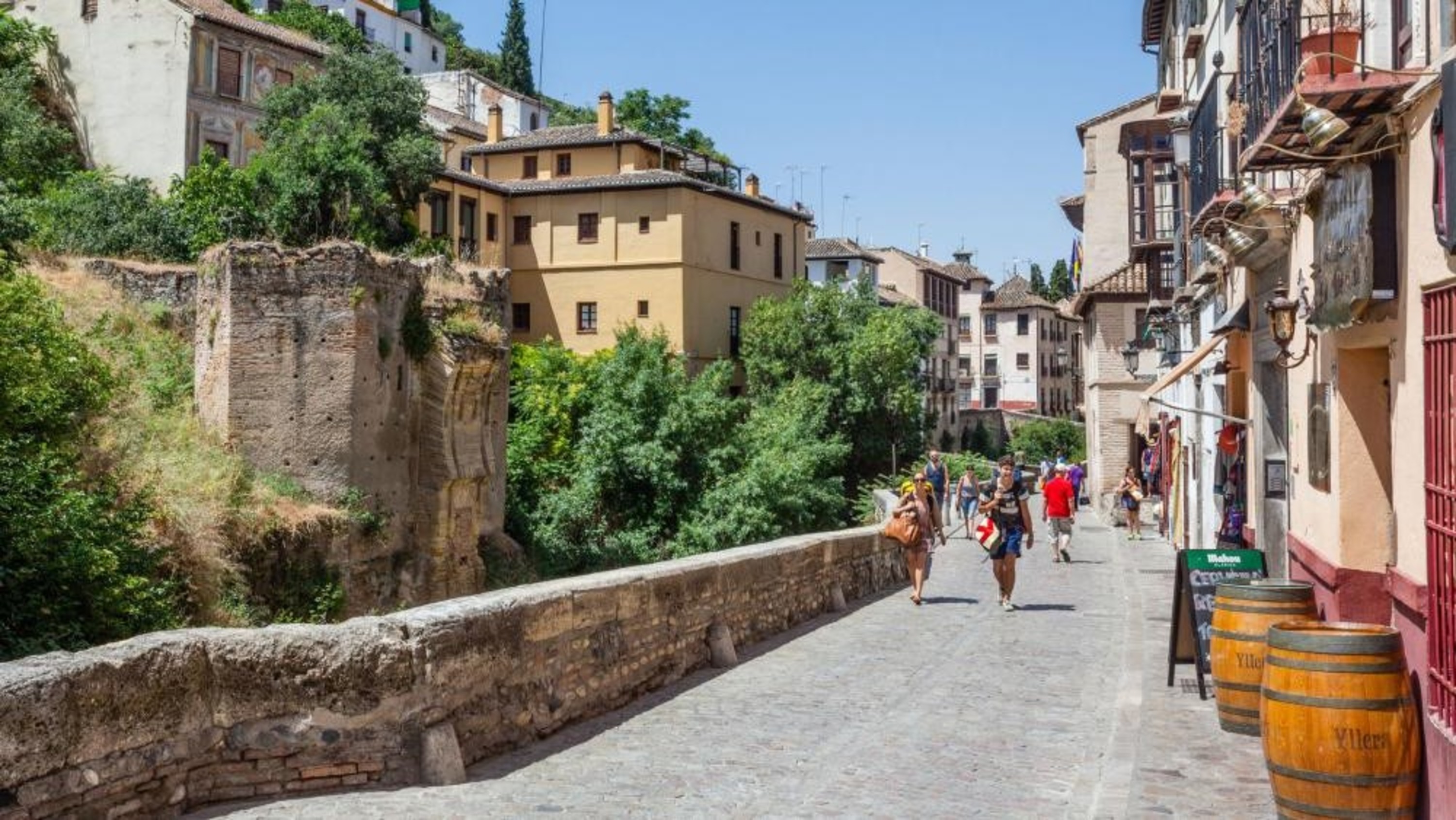
Albaicín is a historic Moorish district known for its narrow, winding streets, whitewashed houses, and stunning views of the Alhambra. It is a UNESCO World Heritage Site and a must-visit for its unique charm and cultural significance.
Historical/Cultural
2-3 hours
Free to explore
Sacromonte
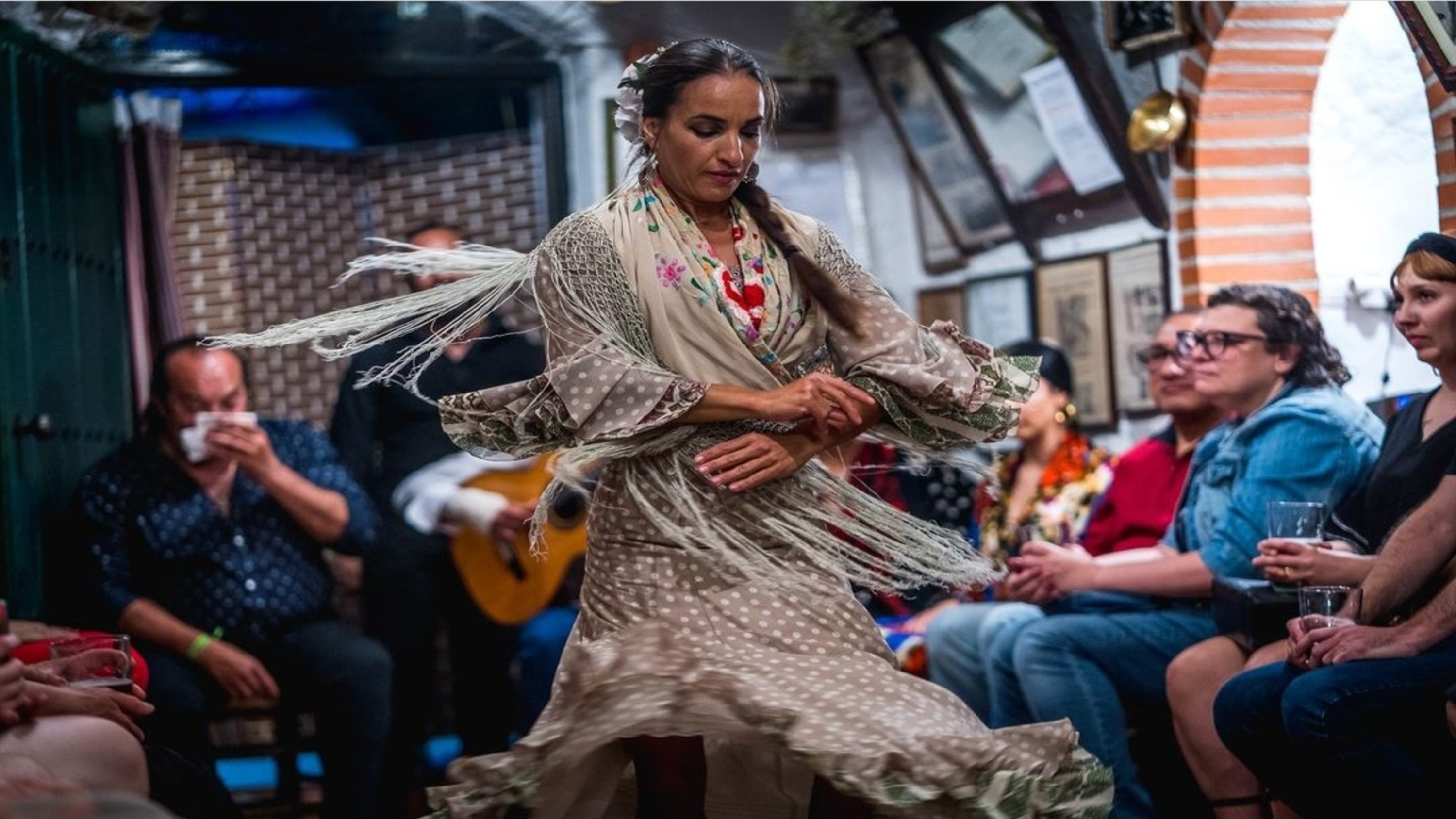
Sacromonte is a gypsy quarter known for its cave houses, flamenco performances, and rich cultural heritage. It offers a unique glimpse into the traditional way of life in Granada.
Cultural/Historical
1-2 hours
Free to explore, flamenco shows vary in price
Cathedral of Granada
The Cathedral of Granada is a stunning example of Renaissance and Baroque architecture. It is one of the most important religious buildings in Spain and a must-visit for its historical and architectural significance.
Religious/Architecture
1-2 hours
€5
Granada Science Park
The Granada Science Park is an interactive science museum that offers a fun and educational experience for visitors of all ages. It features a planetarium, aquarium, and various interactive exhibits.
Museum/Science
2-3 hours
€6-€12
Must-Try Local Dishes
Tapa
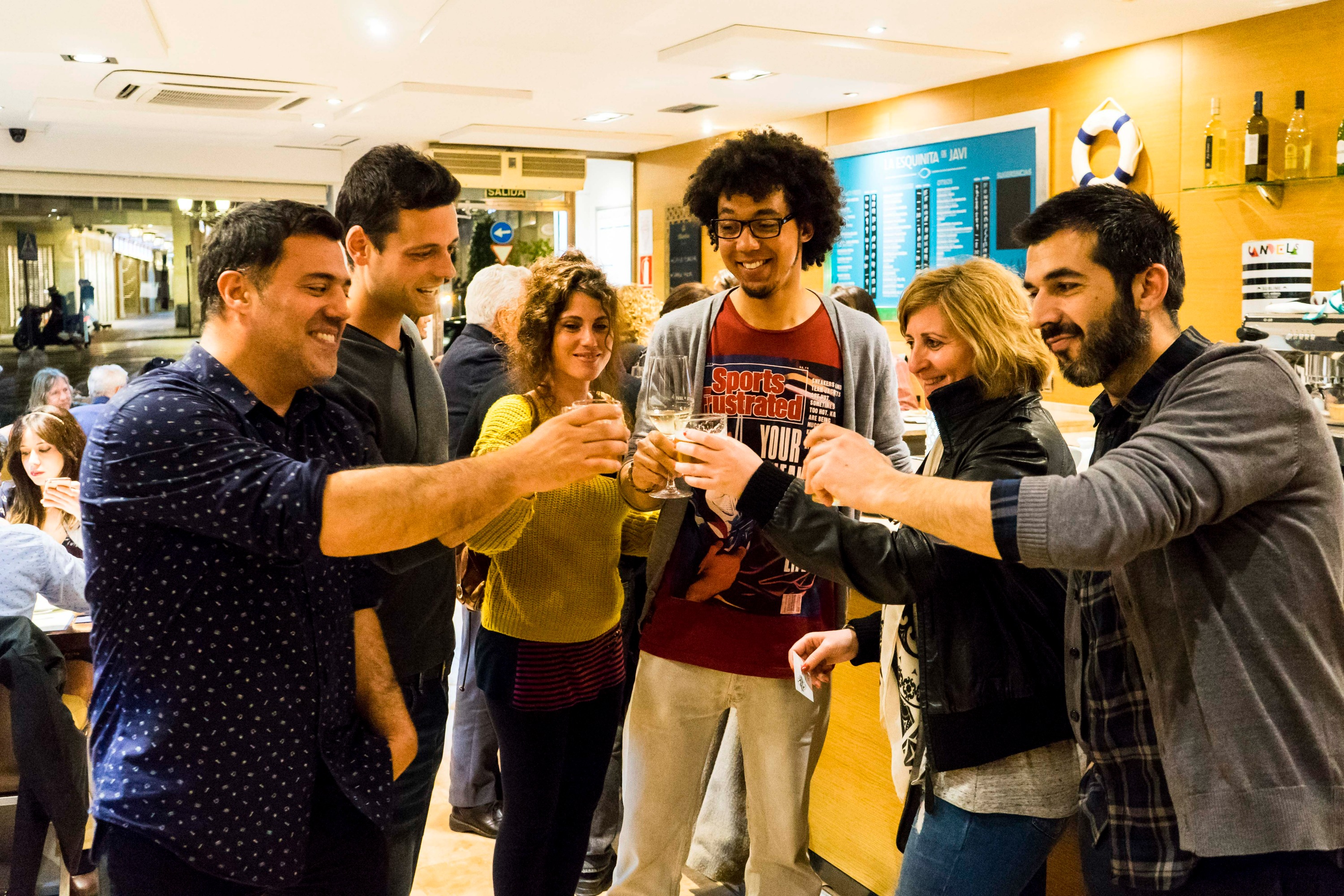
A small dish typically served with drinks, often free with the purchase of a beverage. Common tapas include olives, cheese, ham, and seafood.
Appetizer
Vegetarian and non-vegetarian options available
Gazpacho
A cold soup made from tomatoes, cucumbers, bell peppers, garlic, and olive oil. It is refreshing and perfect for hot summer days.
Soup
Vegetarian and vegan-friendly
Salmorejo
A thick, cold soup made from tomatoes, bread, garlic, and olive oil, often topped with ham and hard-boiled eggs.
Soup
Vegetarian option available (without ham and eggs)
Plato Alpujarreño
A traditional dish from the Alpujarras region, featuring a variety of meats (such as ham, sausage, and pork), potatoes, eggs, and sometimes blood sausage.
Main Course
Contains meat and pork products
Popular Activities
Hiking in Sierra Nevada
Rock climbing
Mountain biking
Beach relaxation in Nerja
Spa treatments
Strolling through Albaicín
Visiting the Alhambra
Exploring Albaicín and Sacromonte
Best Time to Visit
March to May, September to November
This is the best time to visit Granada as the weather is pleasant, and the city is not overly crowded. It's perfect for exploring the outdoors and visiting the Alhambra.
15-30°C
59-86°F
Practical Information
Language
- Official: Spanish
- Widely spoken: English (in tourist areas)
- English: Moderately spoken in tourist areas, limited in other places
Currency
Euro (EUR)
Time Zone
GMT+1 (CET), GMT+2 (CEST) during daylight saving time
Electricity
230VV, 50HzHz
Safety Information
Overall Safety Rating: Generally safe
Granada is generally safe for travelers, but common sense and basic precautions should be taken to ensure a safe and enjoyable trip.
Important Precautions:
- • Be cautious of pickpockets in crowded areas, such as markets and tourist attractions
- • Use official taxi stands or ride-hailing apps to avoid overcharging
- • Be wary of distractions and common scams, such as fake petitions or spilled drinks
Getting there
By air
- Federico García Lorca Granada-Jaén Airport • 15 km from city center
By train
Granada Station
By bus
Granada Bus Station
Getting around
Public transport
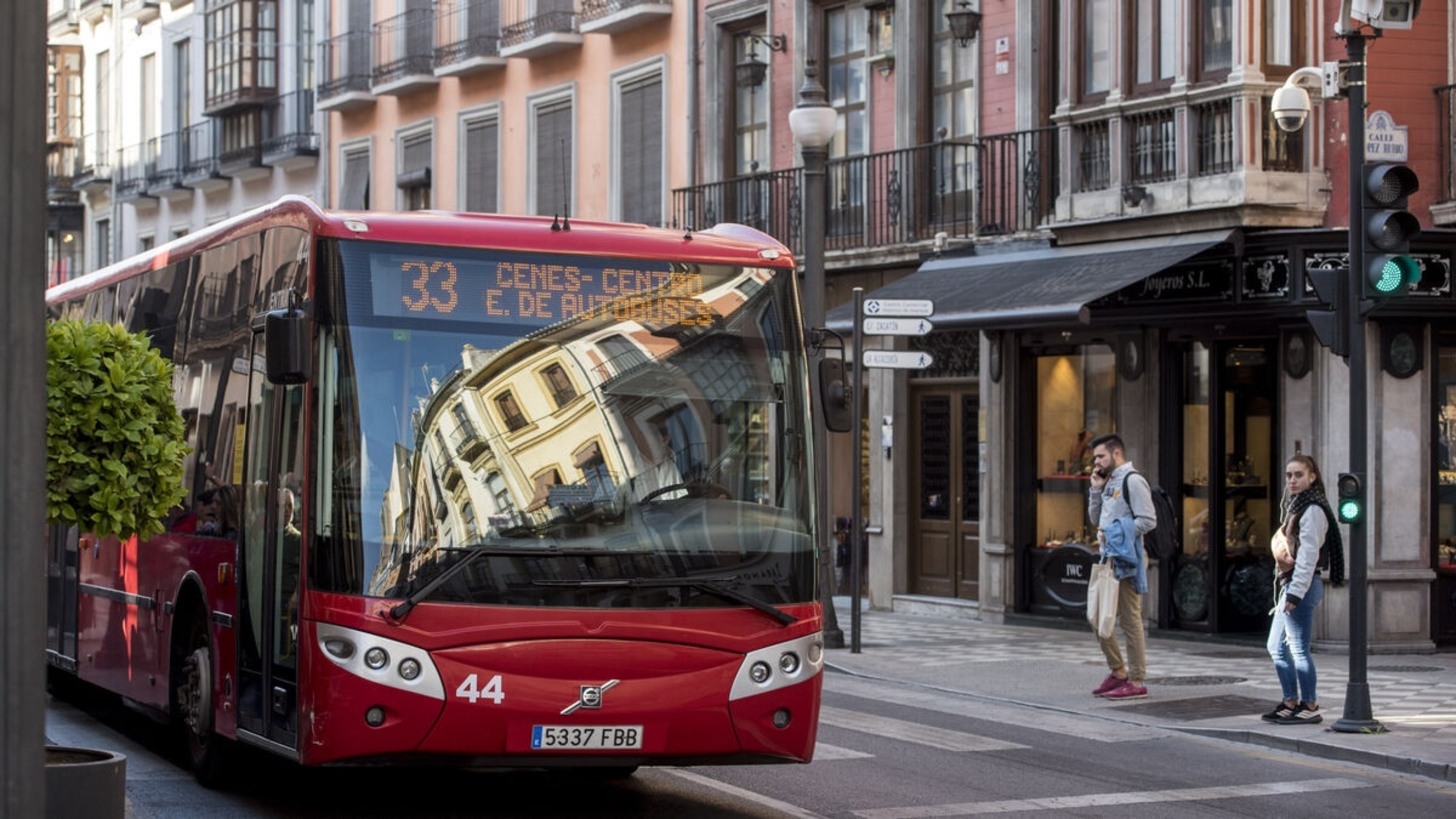
The bus network is efficient and covers most of the city. Buses are a cost-effective way to get around.
Taxis
Available • Apps: Cabify, Uber
Rentals
Car, Bike, Scooter
Neighborhoods
Albaicín
Sacromonte
Realejo
Alaycín
Day trips
Alpujarras
70 km from Granada • Full day
The Alpujarras is a picturesque region in the Sierra Nevada mountains, known for its white villages, terraced landscapes, and traditional way of life. It offers a unique glimpse into rural Andalusian culture and stunning natural beauty.
Sierra Nevada
30 km from Granada • Full day
Sierra Nevada is a stunning mountain range offering year-round outdoor activities, including skiing in the winter and hiking in the summer. The area is also home to the famous Pradollano ski resort.
Nerja
50 km from Granada • Half day to full day
Nerja is a charming coastal town known for its beautiful beaches, clear waters, and the famous Balcón de Europa, a scenic viewpoint overlooking the Mediterranean Sea.
Festivals
Feria de Granada • August (dates vary)
Semana Santa (Holy Week) • March or April (dates vary)
Corpus Christi • May or June (dates vary)
Pro tips
- Book tickets for the Alhambra well in advance, as they sell out quickly
- Explore the city's historic neighborhoods on foot to discover hidden gems and charming streets
- Take advantage of the free tapas tradition by trying different bars and restaurants
- Visit the Alhambra early in the morning or late in the afternoon to avoid crowds and heat
- Learn a few basic Spanish phrases to enhance your interactions with locals and immerse yourself in the culture
From $25
per person
Price varies by option
Secure booking
Free cancellation available
Instant confirmation