Mexico City Walking Tour with Audioguide on your Smartphone
Active
3h
For a full refund, cancel at least 24 hours before the scheduled departure time.
Instant confirmation
Mobile or paper ticket accepted
About this experience
Embark on a captivating journey through the significant milestones of Mexico City's history with TouringBee's convenient audio guide on your smartphone. This self-guided tour is designed to allow you to explore the city at your own pace in just 2 hours. Simply follow the route on the app's map to visit all the main attractions.
The audio guide provides insights into the lives of the ancient Aztecs, the reasons behind their conquest by the conquistadors, and how their culture has been preserved in contemporary Mexican traditions. You'll have access to 25 points of interest, each accompanied by illustrations and commentary from a professional historian, presented in an accessible, non-academic format.
Once you've downloaded the tour, the app operates offline. The audio guide can always be clearly heard through your headphones. Immerse yourself in intriguing stories and legends, moving at your own pace without the need to keep up with a tour group.
Available options
Italian
English
What's included
One-year access to the tour in your preferred language
Audio guide app for iPhone and Android
26 audio recordings narrated by a professional historian
Illustrations of recognizable landmarks
Offline map featuring a route for effortless GPS navigation
Detailed itinerary
1
Stop 1
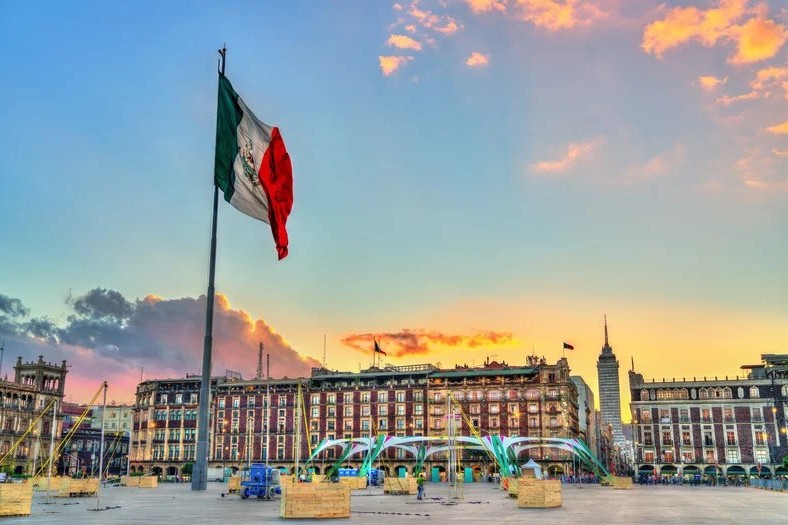
Constitution Square, better known as El Zócalo, is the vast central plaza of Mexico City and one of the largest public squares in the world. Surrounded by historic landmarks like the Metropolitan Cathedral, the National Palace, and colonial arcades, it has been the political and cultural heart of the city since Aztec times, when it was the ceremonial center of Tenochtitlan. Today, it's the stage for national celebrations, protests, festivals, and public life — an enduring symbol of Mexico’s layered history and living democracy.
2
The National Palace (Palacio Nacional) in Mexico City is a grand symbol of Mexican history and government, stretching along the eastern side of El Zócalo. Built on the ruins of Moctezuma’s palace, it has served as the seat of power since the colonial era. Today, it houses the offices of the President, state archives, and stunning murals by Diego Rivera, which narrate Mexico’s rich and turbulent past. With its red tezontle stone façade and vast courtyards, the palace blends history, politics, and art at the heart of the nation.
3
Stop 3
The Metropolitan Cathedral of Mexico City is the largest and oldest cathedral in the Americas, standing proudly on El Zócalo. Built over three centuries (from the 16th to 19th), it blends Renaissance, Baroque, and Neoclassical styles, reflecting the evolving identity of colonial Mexico. Constructed atop an Aztec sacred site, its foundations sink slowly into the soft lakebed. Inside, you'll find gilded altars, massive organs, and chapels steeped in history. It's not just a religious center, but a monument to centuries of faith, conquest, and cultural fusion.
4
Stop 4
Pass by
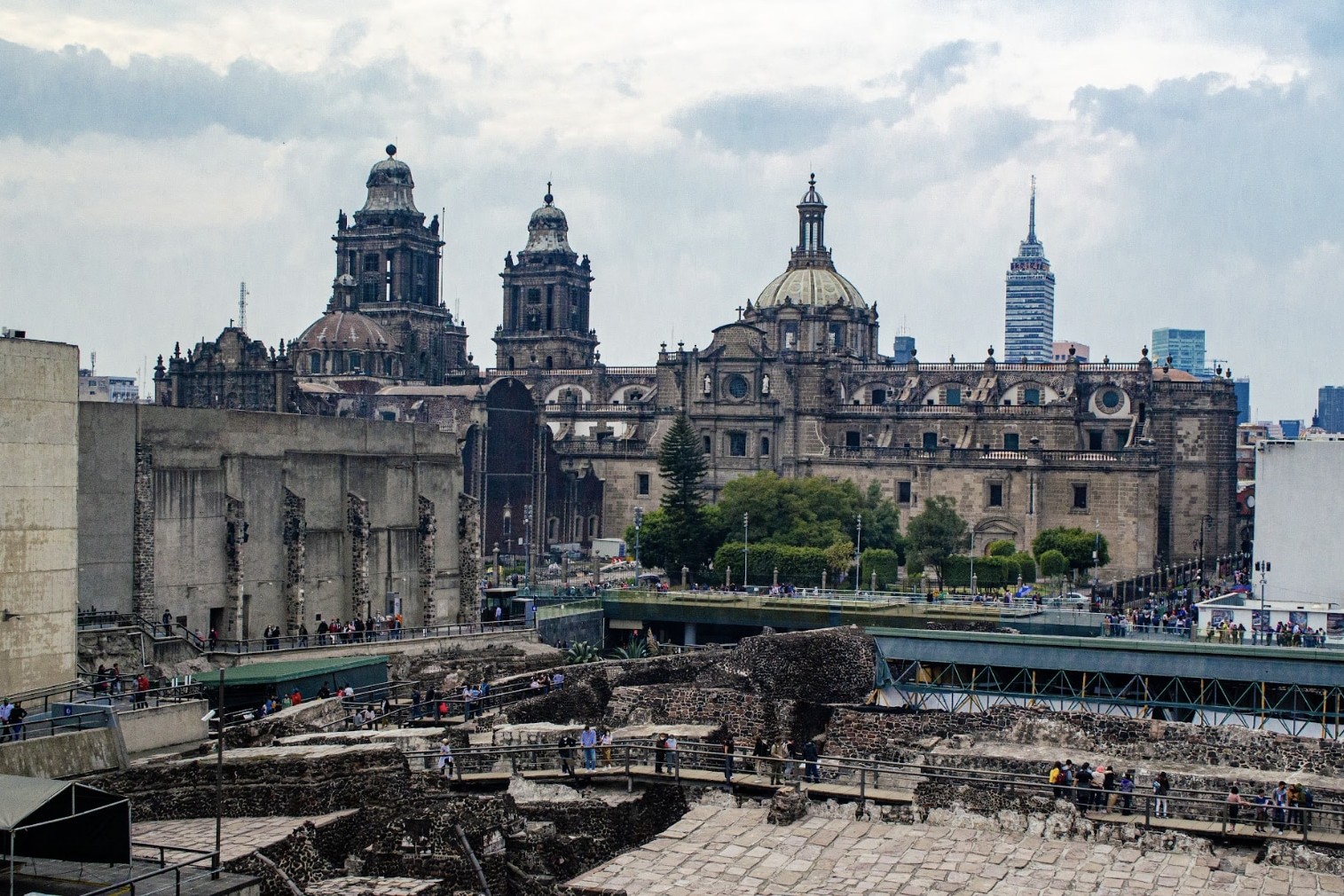
The Templo Mayor in Mexico City is the ancient spiritual heart of the Aztec capital Tenochtitlan. Located just steps from the Metropolitan Cathedral and El Zócalo, it was the main temple dedicated to Huitzilopochtli (god of war) and Tlaloc (god of rain and fertility). Though demolished by the Spanish in the 16th century, its ruins were rediscovered in the 1970s and are now part of an open-air archaeological site and museum. Visiting the Templo Mayor reveals the deep, layered history beneath modern Mexico City — a place where ancient gods once ruled the center of an empire.
5
San Ildefonso College (Antiguo Colegio de San Ildefonso) in Mexico City is a historic former Jesuit school turned cultural center, often called the "cradle of Mexican muralism." Founded in the 16th century, it was one of the most important educational institutions of New Spain. Today, its colonial courtyards and neoclassical halls house impressive murals by Diego Rivera, José Clemente Orozco, and David Alfaro Siqueiros. Located near El Zócalo, it hosts rotating art exhibitions and cultural events, making it a living museum of Mexico’s artistic and intellectual legacy.
6
The Diego Rivera Mural Museum (Museo Mural Diego Rivera) in Mexico City is home to one of the artist’s most iconic works: “Dream of a Sunday Afternoon in the Alameda Central” (Sueño de una tarde dominical en la Alameda Central). Originally painted in the Hotel del Prado, the mural was saved after the 1985 earthquake and moved to this purpose-built museum. The 15-meter-long fresco captures 400 years of Mexican history in a vivid dreamscape, filled with revolutionaries, aristocrats, and Rivera himself. The museum offers a focused, powerful experience of Rivera’s vision of Mexico’s complex past.
7
Stop 7
Pass by
The Palace of the Inquisition (Palacio de la Inquisición) in Mexico City is a striking Baroque building once used by the Holy Office of the Inquisition during colonial times. Completed in the 18th century and located near El Zócalo, it served as a tribunal for religious investigations and trials. Its ornate façade contrasts with the dark history within. Today, it houses the Museum of Mexican Medicine, part of UNAM, featuring exhibits on medical history, anatomy, and traditional healing. The palace stands as a reminder of both scientific progress and the city’s more somber past.
8
The Casa de la Malinche, also known as the Casa de Hernán Cortés, is a colonial-era building in Mexico City traditionally believed to have been the home of La Malinche — the Indigenous woman who served as interpreter and advisor to Cortés during the Spanish conquest. Though historical evidence linking her directly to the house is debated, the structure near El Zócalo remains symbolically important. With its mix of Indigenous and Spanish elements, it reflects the cultural fusion and controversy surrounding La Malinche’s legacy — as both a historical figure and a national symbol.
9
Stop 9
The Iturbide Palace (Palacio de Iturbide) in Mexico City is an 18th-century Baroque masterpiece, originally built as a wedding gift for the daughter of Count San Mateo de Valparaíso. It later became the imperial residence of Agustín de Iturbide, Mexico’s first emperor, after independence in 1821. Located on Madero Street, the palace features a richly decorated façade, iron balconies, and an elegant courtyard. Today, it houses the Palacio de Cultura Citibanamex, a cultural space offering free exhibitions on Mexican art, history, and craftsmanship—preserving the grandeur of its imperial past.
10
Stop 10
The Casa de los Azulejos (“House of Tiles”) is a stunning 18th-century palace in Mexico City, famous for its façade covered in blue and white Talavera tiles from Puebla. Originally the residence of the Count del Valle de Orizaba, it blends Baroque, Churrigueresque, and Moorish styles. Located on Madero Street, the building now houses a historic Sanborns café, retaining its ornate interiors, grand staircase, and stained glass. It’s a beloved cultural icon where architecture, legend, and everyday life come beautifully together in the heart of the city.
11
Stop 11
The Torre Latinoamericana is one of Mexico City’s most iconic skyscrapers, rising 44 stories above the historic center. Completed in 1956, it was Latin America’s tallest building at the time and a marvel of earthquake-resistant engineering. Located near Palacio de Bellas Artes, it offers a 360° observation deck with sweeping views of the city and surrounding volcanoes. Once a symbol of modern progress, the tower still stands as a proud landmark — blending mid-20th-century optimism with panoramic perspective over Mexico’s sprawling capital.
12
Stop 12
Pass by
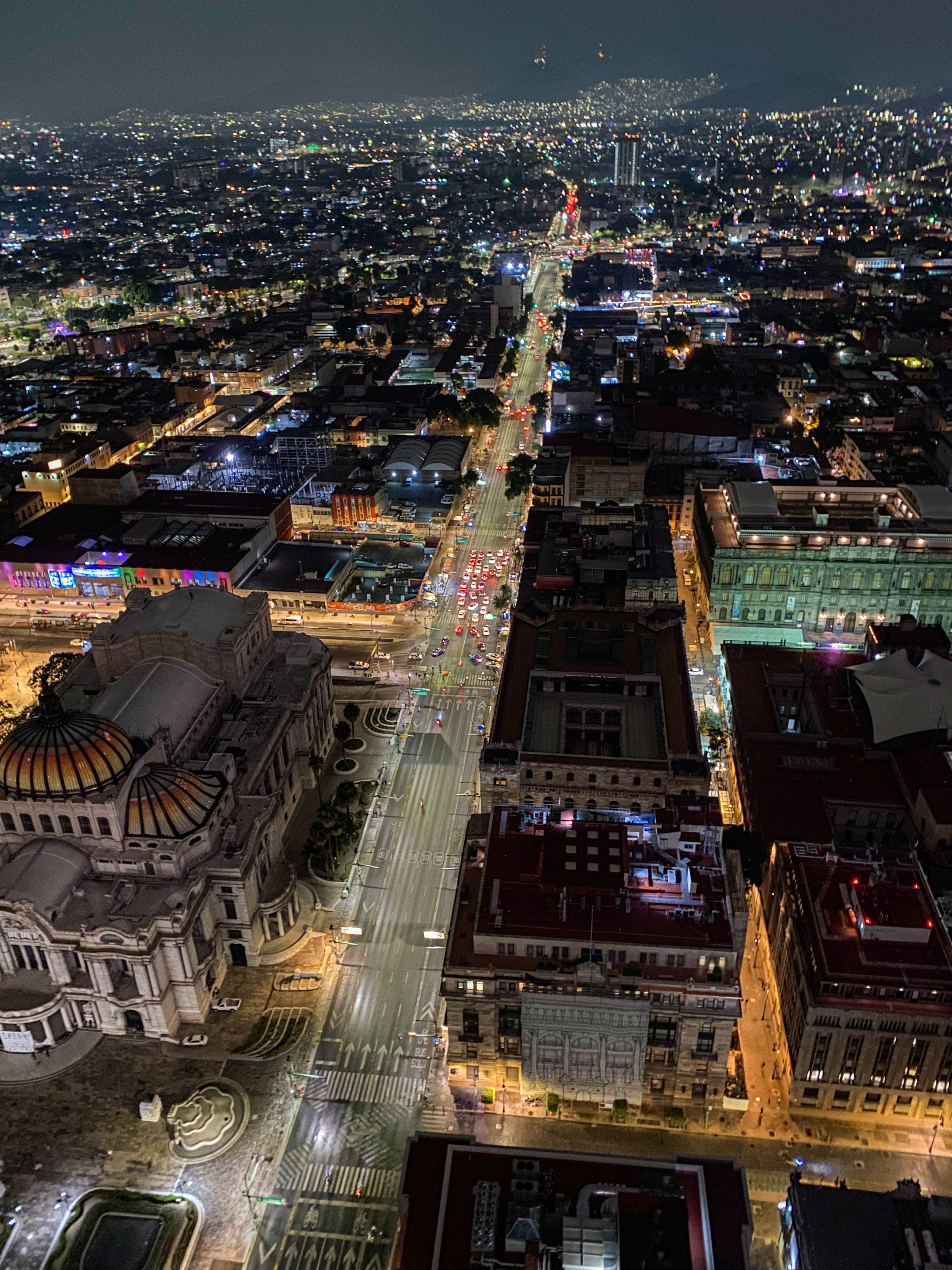
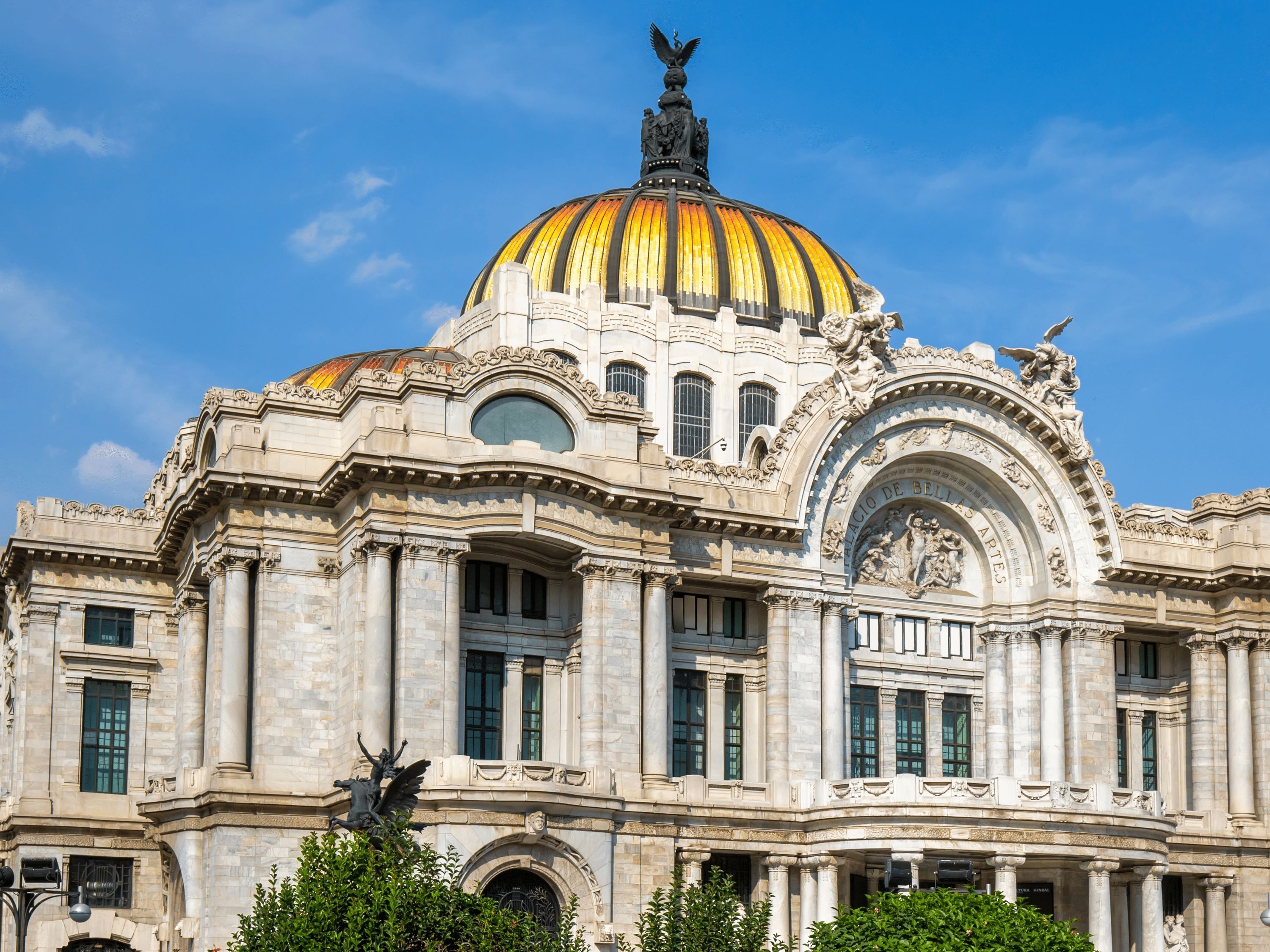
The Palace of Fine Arts (Palacio de Bellas Artes) in Mexico City is a dazzling cultural landmark that blends Art Nouveau and Art Deco styles. Opened in 1934, it hosts opera, ballet, and classical concerts under its iconic Tiffany glass dome. Inside, the marble-clad interior features murals by Diego Rivera, David Alfaro Siqueiros, and Rufino Tamayo, making it both a performance venue and an art museum. Located near the Alameda Central, it’s a national treasure — where architecture, music, and muralism converge in spectacular harmony.
13
Stop 13
The Post Palace (Palacio Postal) in Mexico City is a jewel of early 20th-century architecture, blending Neo-Gothic, Art Nouveau, and Venetian influences. Designed by Italian architect Adamo Boari — who also worked on the Palace of Fine Arts—it opened in 1907 and still functions as a post office. Its ornate façade, gilded staircases, and ironwork details make it one of the most beautiful civic buildings in the city. Located near Alameda Central, the Post Palace is a working monument to communication, elegance, and the golden age of Mexican architecture.
14
Stop 14
The Santa Veracruz Church (Iglesia de Santa Veracruz) is a historic colonial-era church in Mexico City, located across from the Palace of Fine Arts. Built in the 16th century by the Archconfraternity of the Holy Cross, one of the city’s earliest lay brotherhoods, the church showcases a mix of Baroque and Neoclassical styles. Though damaged in past earthquakes, its richly carved façade and serene interior remain a testament to the city’s deep religious roots. Once a spiritual center for the working class, it stands today as a quiet survivor amid the bustle of the historic center.
15
Stop 15
Pass by
The Franz Mayer Museum in Mexico City is a cultural haven dedicated to decorative arts and design. Housed in the beautifully restored 18th-century Hospicio de San Juan de Dios, near the Alameda Central, it showcases the vast private collection of German-born collector Franz Mayer. Highlights include colonial furniture, silverwork, ceramics, textiles, and rare books — offering a deep look into Mexican craftsmanship across centuries. The tranquil courtyard café and rotating exhibitions make it a favorite for those seeking art, history, and quiet beauty in the heart of the city.
16
Stop 16
The Juárez Monument (Monumento a Benito Juárez) in Mexico City is a grand neoclassical tribute to Benito Juárez, Mexico’s beloved 19th-century reformist president. Located in Alameda Central, the monument features a semicircular colonnade with a central sculpture of Juárez seated, flanked by allegorical figures of the law and the republic. Unveiled in 1910 during the centennial of independence, it symbolizes justice, democracy, and national resilience. Surrounded by gardens and history, it’s a quiet yet powerful place honoring one of Mexico’s most respected leaders.
17
Stop 17
The Ciudadela Market (Mercado de la Ciudadela) is one of Mexico City’s best places to find authentic Mexican handicrafts. Opened in 1965, it brings together artisans from across the country, offering a vibrant mix of textiles, ceramics, wood carvings, alebrijes, silver, and more. Located near the historic center, it’s colorful, maze-like, and full of stories — each stall a window into regional traditions and techniques. Whether you’re looking for souvenirs or collector’s pieces, Ciudadela is where craftsmanship and cultural pride come alive.
18
Stop 18
Patio Octavio Paz is a quiet, elegant courtyard nestled within the Palace of the Post Office (Palacio Postal) in Mexico City. Named after Octavio Paz, Mexico’s Nobel Prize – winning poet and essayist, the patio honors his legacy with calm, reflective space amidst the grandeur of the building. Featuring stone benches, ornamental detailing, and subtle inscriptions, it invites visitors to pause and contemplate literature, history, and the enduring beauty of words — right in the heart of the bustling historic center.
19
Stop 19
The Monument to the Revolution (Monumento a la Revolución) in Mexico City is a colossal structure commemorating the Mexican Revolution of 1910. Originally intended as a legislative palace, it was repurposed into a mausoleum for revolutionary heroes like Francisco I. Madero, Venustiano Carranza, and Pancho Villa. With its towering Art Deco dome and panoramic elevator, the monument is both a symbol of political transformation and an architectural landmark. Located in Plaza de la República, it also houses a museum chronicling the revolution’s complex legacy. Bold, dramatic, and deeply symbolic.
What's not included
In-person tour guide
Smartphone and Headphones
Transportation
Food and Beverages
Available languages
Audio guide
EN
IT
Important information
Public transportation options are available nearby
Suitable for all physical fitness levels
The audio guide is available through a mobile app for iOS and Android
Entry tickets to the museums are not included and must be purchased separately in advance
The tour does not cover all the sights in Mexico City
This is a self-guided tour, you will need to download the audio guide mobile app, activate your purchase, and follow the route on the app's map (without a human guide)
The audio guide can be accessed at any time. The date and time provided during checkout are merely approximate
Meeting point
- The tour begins at Constitution Plaza
- This is a self-guided tour; there will be no guide at the meeting point
- Launch the TouringBee app, initiate the Mexico City Walking Tour, and proceed along the route
Important notes
To get audioguide:
- Open Viator Ticket
- Find Viator Booking ref - it should start with BR-####
- Find your Viator Booking on https://activate.touringbee.com/?partner=viator
About Mexico City
Mexico City, the vibrant capital of Mexico, is a sprawling metropolis where ancient Aztec ruins coexist with modern skyscrapers. This cultural and historical hub offers a rich tapestry of experiences, from world-class museums and colonial architecture to bustling markets and delicious cuisine. The city's high-altitude location and diverse neighborhoods make it a unique destination for travelers.
Top Attractions
Zócalo
The main square of Mexico City, surrounded by historic buildings including the Metropolitan Cathedral and the National Palace. It's the heart of the city and a must-visit for its cultural and historical significance.
Historical
2-3 hours
Free (some attractions have entry fees)
Chapultepec Park
One of the largest urban parks in the world, featuring a lake, museums, and the famous Chapultepec Castle. It's a great place for outdoor activities and cultural experiences.
Nature
Half day to full day
Free (some attractions have entry fees)
Palacio de Bellas Artes
An iconic cultural landmark featuring stunning murals by famous Mexican artists like Diego Rivera and David Alfaro Siqueiros. The building itself is a masterpiece of art nouveau and neoclassical architecture.
Architecture
1-2 hours
MXN 75 (USD 3.75) for the museum
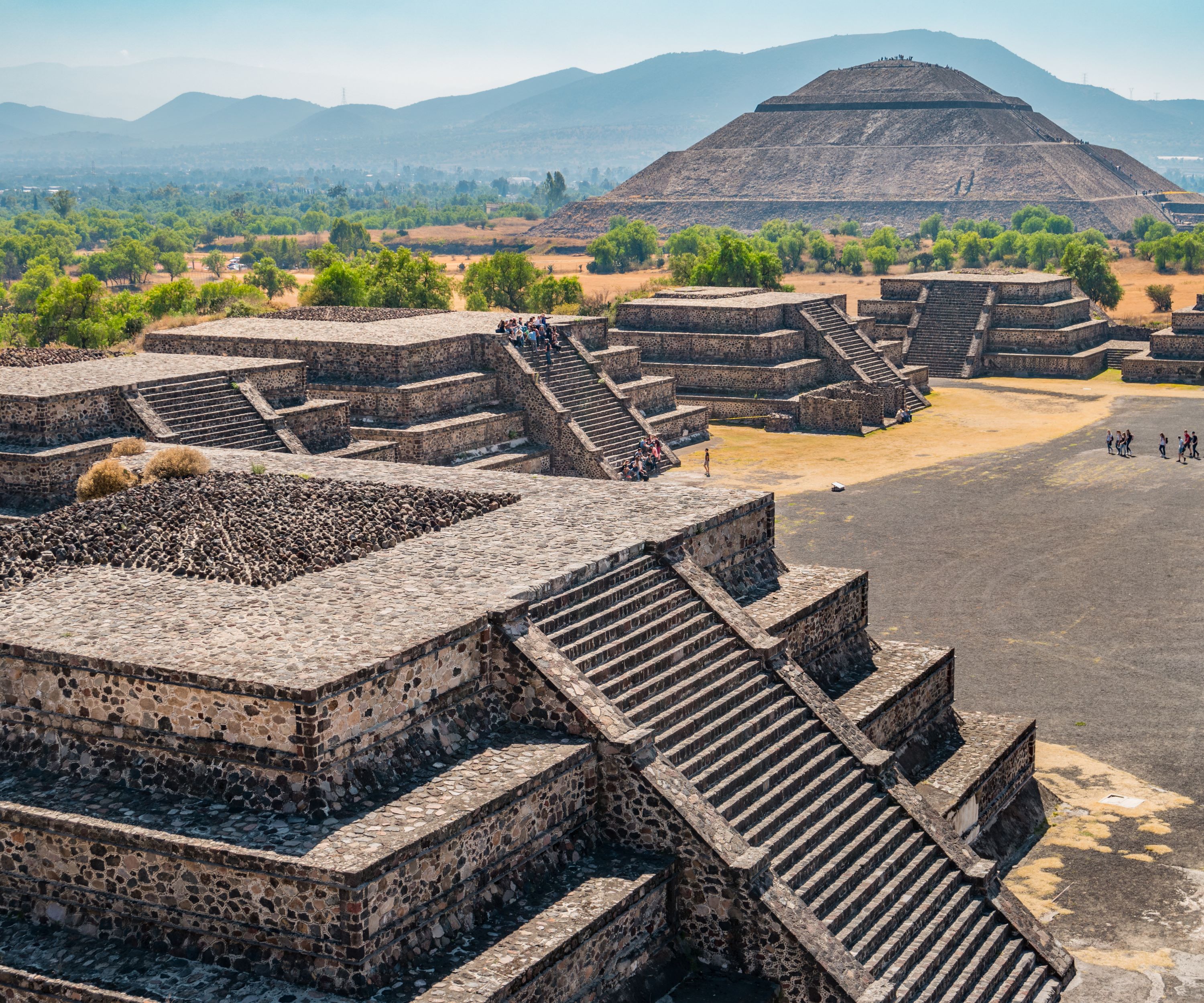
Teotihuacan
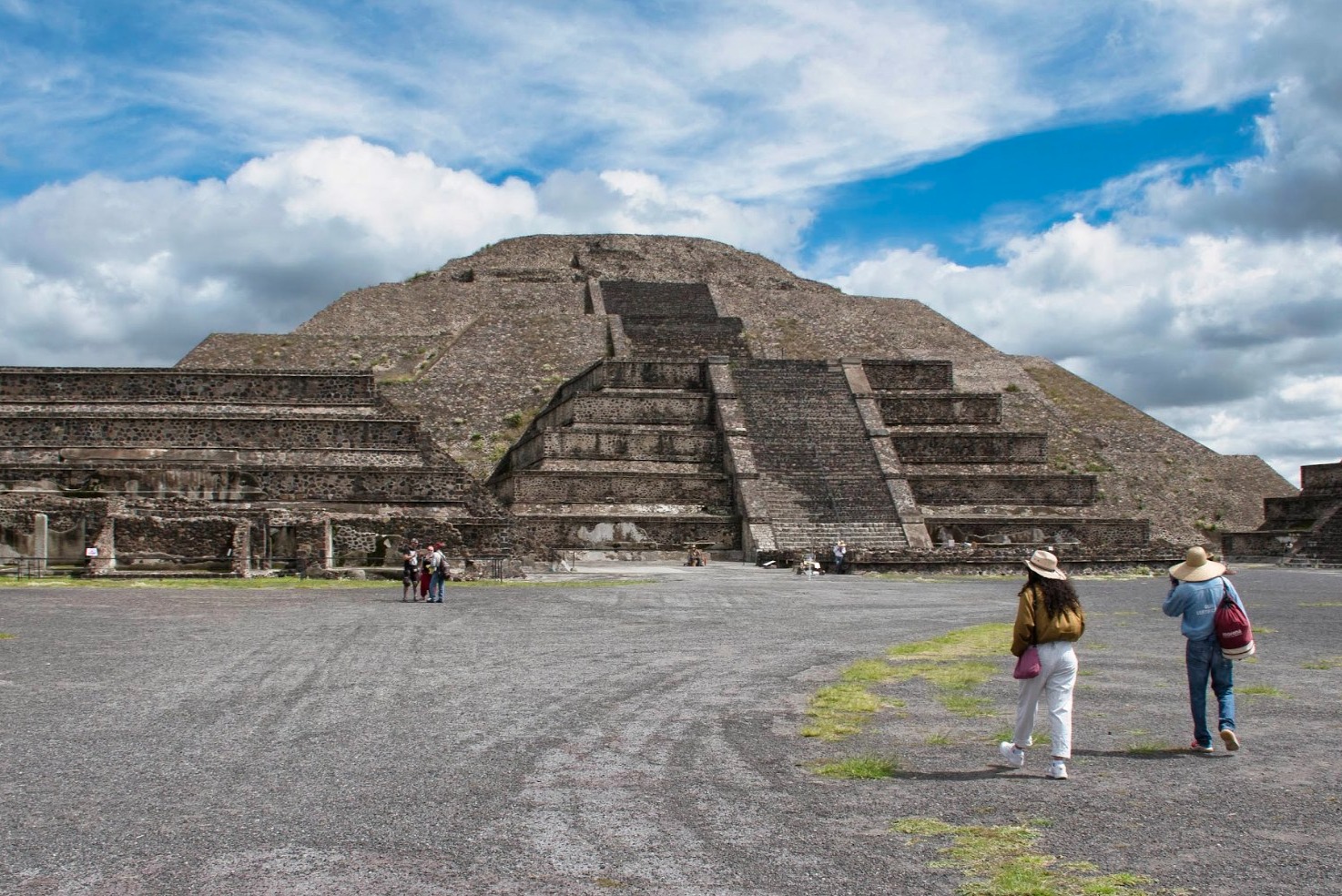
An ancient Mesoamerican city with the famous Pyramid of the Sun and Pyramid of the Moon. This UNESCO World Heritage site offers a fascinating glimpse into pre-Aztec civilizations.
Historical
Half day to full day
MXN 80 (USD 4) for the site, plus guide fees if applicable
Frida Kahlo Museum
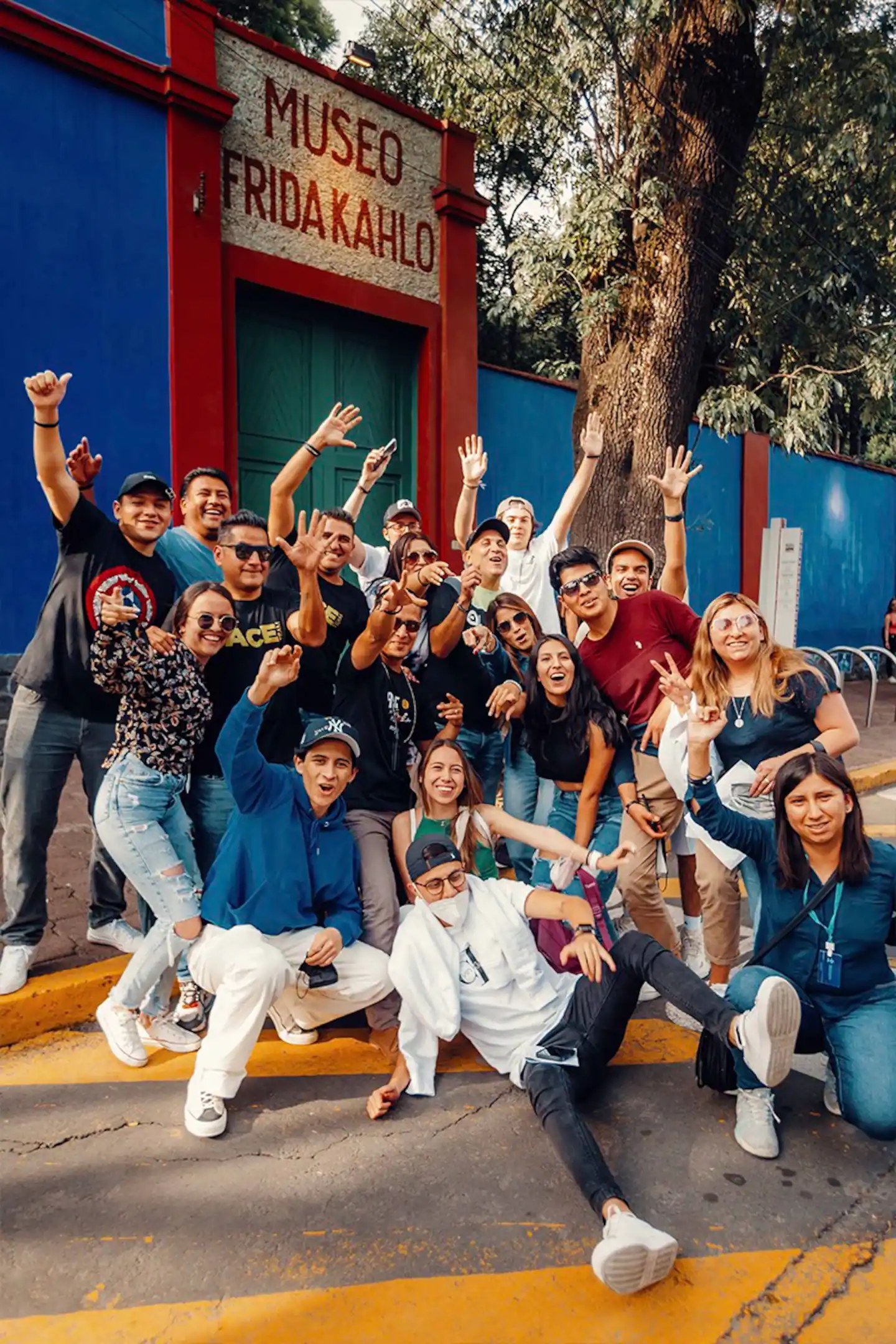
The former home of Frida Kahlo, known as the Blue House, now a museum dedicated to her life and work. It offers a deep dive into the life of one of Mexico's most famous artists.
Museum
1-2 hours
MXN 250 (USD 12.50) for foreigners
Must-Try Local Dishes
Tacos al Pastor
Marinated pork cooked on a vertical spit and served on corn tortillas with pineapple and onions.
Street food
Contains meat, can be spicy
Mole
A rich, complex sauce made with chocolate, chili peppers, and spices, typically served with chicken or turkey.
Main course
Contains chocolate, can be spicy
Chiles en Nogada
Poblano chili peppers stuffed with picadillo (a mixture of meat, fruits, and spices) and topped with walnut sauce and pomegranate seeds, representing the colors of the Mexican flag.
Main course
Contains meat, nuts, and dairy
Tlayudas
A large, crispy tortilla topped with beans, cheese, meat, and salsa, often referred to as the 'Mexican pizza'.
Street food
Contains cheese and meat, can be spicy
Popular Activities
Hiking in the Sierra de Guadalupe
Climbing Nevado de Toluca
Paragliding in Valle de Bravo
Visiting Chapultepec Park
Relaxing in Jardín Borda
Enjoying a spa day in Polanco
Exploring the Historic Center
Visiting museums and galleries
Best Time to Visit
November to April
This is the dry season with pleasant weather, making it ideal for outdoor activities and sightseeing. The city hosts numerous festivals and events during this period.
15°C to 28°C (59°F to 82°F)
59°F to 82°F
Practical Information
Language
- Official: Spanish
- Widely spoken: English (in tourist areas)
- English: Moderately spoken in tourist areas, limited elsewhere
Currency
Mexican Peso (MXN)
Time Zone
GMT-6 (Central Standard Time)
Electricity
127VV, 60HzHz
Safety Information
Overall Safety Rating: Exercise caution
Mexico City is generally safe for tourists, but petty crime and scams can occur. Be aware of your surroundings, keep valuables secure, and avoid walking alone at night in unfamiliar areas.
Important Precautions:
- • Use official taxis or ride-sharing apps
- • Keep valuables secure and out of sight
- • Be cautious when using ATMs
Getting there
By air
- Mexico City International Airport • 8 km (5 miles) from city center
By train
Buenavista Station, Toluca Airport Station
By bus
Terminal de Autobuses de Paso de la Reforma, Terminal de Autobuses del Norte
Getting around
Public transport
The metro system is the most efficient way to get around the city, with 12 lines covering most neighborhoods. It can get crowded during peak hours.
Taxis
Available • Apps: Uber, Didi
Rentals
Car, Bike, Scooter
Neighborhoods
Historic Center
Roma
Condesa
Coyoacán
Polanco
Day trips
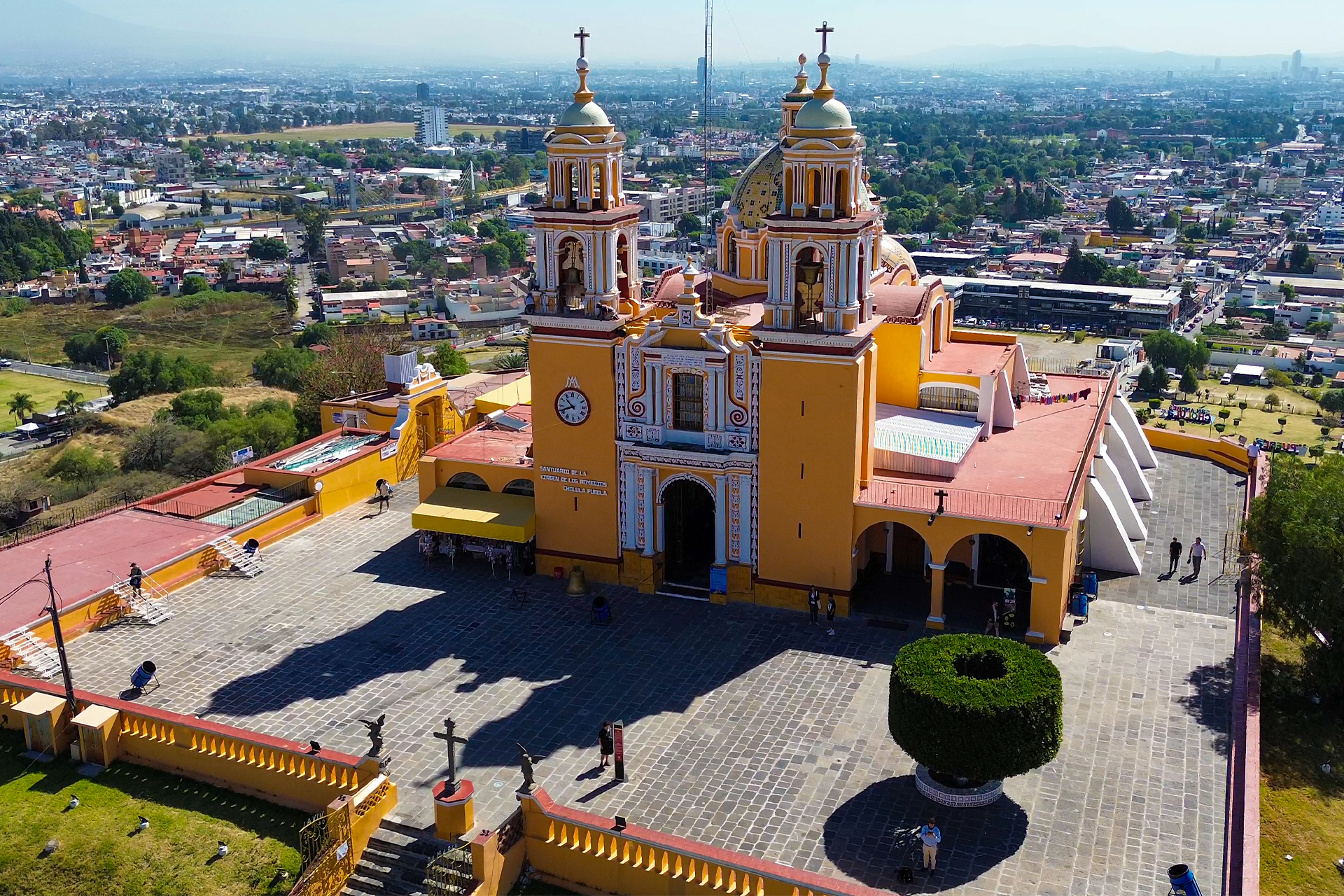
Puebla
130 km (81 miles) • Full day
A colonial city known for its well-preserved architecture, vibrant culture, and delicious cuisine. Puebla is a UNESCO World Heritage site and offers a rich history and unique charm.
Texcoco
50 km (31 miles) • Half day to full day
A town near Mexico City known for its beautiful gardens and historical sites. Texcoco is home to the ancient Aztec city of Texcoco and the beautiful Jardín Botánico de Texcoco.
Xochimilco
20 km (12 miles) • Half day
A unique neighborhood in Mexico City known for its canals and traditional trajinera boats. Xochimilco is a UNESCO World Heritage site and offers a unique and colorful experience.
Festivals
Día de los Muertos (Day of the Dead) • November 1-2
Festival Internacional de Cine de Morelia (Morelia International Film Festival) • October
Feria de las Flores (Flower Festival) • September
Pro tips
- Learn a few basic phrases in Spanish to enhance your experience and connect with locals
- Use the metro system to get around the city quickly and affordably
- Try street food from busy stalls with high turnover to ensure freshness and safety
- Visit museums and attractions on weekdays to avoid crowds and long lines
- Explore the city's neighborhoods on foot to discover hidden gems and local culture
From $25
per person
Price varies by option
Secure booking
Free cancellation available
Instant confirmation