Bali Volkswagen Safari Tour
Active
12h
For a full refund, cancel at least 24 hours before the scheduled departure time.
Instant confirmation
Mobile or paper ticket accepted
About this experience
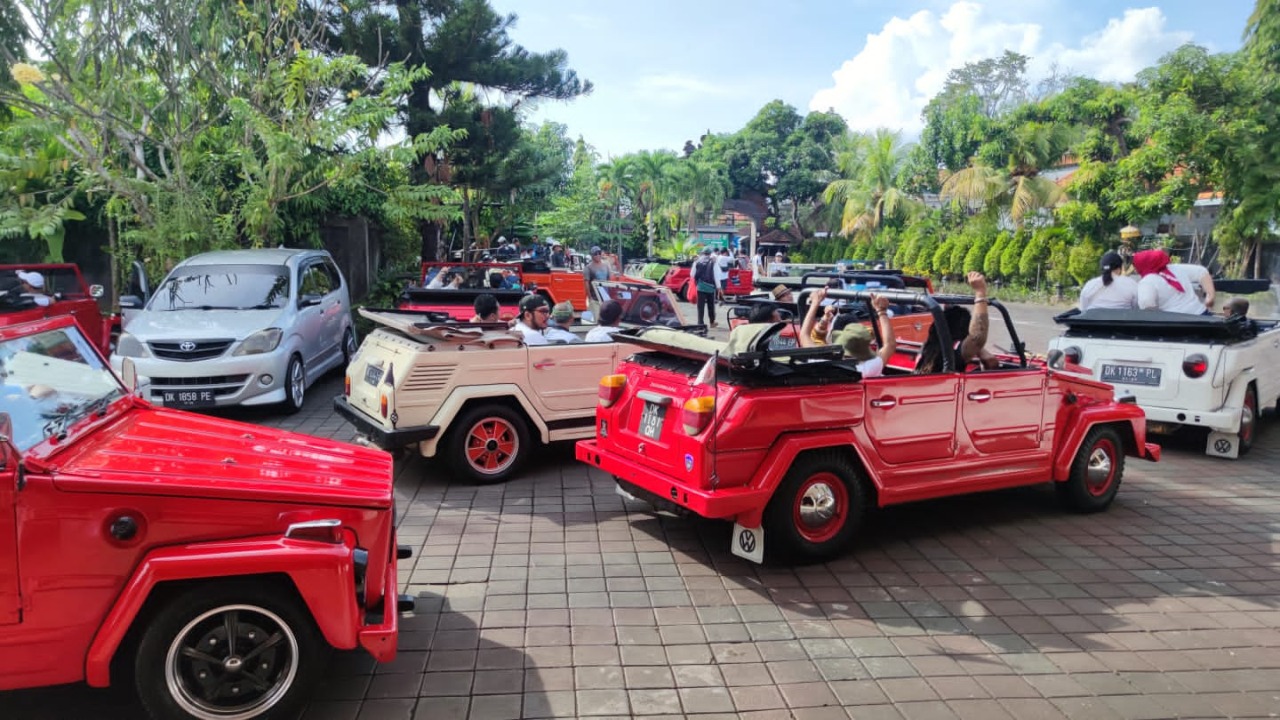
This isn’t a regular sightseeing trip; it’s a nostalgic journey through Bali’s countryside, where you can feel the breeze, hear the sounds of village life, and enjoy panoramic views of rice terraces, temples, and local farms. Each vehicle is carefully restored for comfort and safety, driven by friendly local guides who share stories, legends, and insider tips along the way. The route includes authentic cultural stops, scenic photo points, and off-the-beaten-path experiences that most tourists miss. Whether you’re cruising along palm-lined roads, visiting sacred temples, or sampling Balinese coffee, every moment feels spontaneous and real. Combining retro style with warm Balinese hospitality, the Bali Volkswagen Safari Tour offers an unforgettable way to discover the island’s natural beauty and timeless traditions.
Available options
Begudul, Kintamani, Tanah lot
Lunch<br/>Begudul, Kintamani, Tanah lot: Sangeh Monkey Forest, Lunch at Bedugul, Jatiluwih Rice Terrace, and Tanah Lot temple<br/>Pickup included
Besakih Mother Temple Tour
Lunch<br/>Besakih mother temple tour: Kertha Gosa, Besakih temple, Tenganan Village, Candidasa Black Sand Beach<br/>Pickup included
Kintamani Volcano Tour
Lunch<br/>Kintamani Volcano Tour: Tegalalang Village, Tirta Empul Temple, Mount Batur, Lunch, Penglipuran Village<br/>Pickup included
Charter full day (10 hours)
Charter Full day: Inclusion: Driver, Fuel, and Guide
Exclusion: Parking fee, entrance fee, and Personal expenses<br/>Pickup included
What's included
Volkswagen Safari Classic Car + driver
Pickup and drop-off service from major hotels in Kuta, Seminyak, Sanur, Jimbaran, and Nusa Dua area
English speaking licensed guide service
Entrance fee - Selected Package
Goods and service tax
Lunch - Selected Package
Detailed itinerary
1
Sangeh Monkey Forest is a serene and sacred natural sanctuary located in Badung Regency, just north of Ubud. This lush forest is famous for its towering nutmeg trees, many over 300 years old, and for being home to hundreds of playful long-tailed macaques. At the center of the forest lies Pura Bukit Sari, a beautiful 17th-century temple built by the Mengwi royal family, surrounded by moss-covered stone statues and ancient gates. Visitors can stroll along peaceful forest paths, observe the monkeys in their natural environment, and enjoy the mystical atmosphere shaped by local legends. According to Balinese belief, the monkeys are temple guardians who protect the sacred grounds. Sangeh Monkey Forest offers a unique blend of nature, culture, and spirituality — making it a perfect stop for those seeking a quiet, authentic experience in Bali’s countryside.
2
Stop 2
Ulun Danu Bratan Temple is one of Bali’s most iconic landmarks, beautifully set on the shores of Lake Bratan in the highlands of Bedugul, Tabanan. Built in the 17th century, this water temple is dedicated to Dewi Danu, the Balinese goddess of lakes and rivers, who sustains the island’s vital irrigation system. Surrounded by misty mountains and calm waters, the temple appears to float when the lake level rises, creating one of the most picturesque views in Bali. The complex features traditional multi-tiered shrines, intricately carved gates, and well-kept gardens. Visitors can explore the temple grounds, take a boat ride on the lake, or simply enjoy the cool mountain air and serene atmosphere. Ulun Danu Bratan Temple is not only a spiritual center but also a symbol of Bali’s harmonious relationship between humans, nature, and the divine — a must-visit destination for anyone traveling to the island.
3
Jatiluwih is a breathtaking village in Tabanan, Bali, best known for its stunning rice terraces that cascade across the foothills of Mount Batukaru. Recognized as a UNESCO World Heritage Site, Jatiluwih showcases the ancient **Subak** irrigation system — a cooperative water management method that reflects Bali’s philosophy of harmony between people, nature, and the spiritual world. The lush green landscape stretches as far as the eye can see, offering one of the most scenic views on the island. Visitors can enjoy peaceful trekking or cycling routes through the paddies, meet local farmers, and witness traditional Balinese rural life. The area’s cool mountain air and untouched beauty make it a perfect escape from the busy tourist centers. Jatiluwih is not just a sightseeing spot — it’s a living cultural landscape that embodies the essence of Bali’s agricultural heritage and spiritual balance.
4
Stop 4
Tanah Lot Temple is one of Bali’s most famous and photographed sea temples, located in Beraban village, Tabanan. Perched dramatically on a rocky outcrop surrounded by the ocean, this 16th-century temple is dedicated to **Dewa Baruna**, the god of the sea. At high tide, it appears to float on the waves, creating a truly magical sight, while at low tide visitors can walk across the shore to view it up close. Tanah Lot is not only a place of worship but also a symbol of Bali’s deep spiritual connection to nature and the sea. The area features scenic pathways, cultural shops, and cliff-top viewpoints perfect for watching the island’s most spectacular sunsets. With its stunning coastal setting and rich cultural significance, Tanah Lot Temple is a must-see destination for anyone exploring Bali’s spiritual and natural beauty.
5
Stop 5
Tegalalang Rice Terrace is one of Bali’s most famous natural landmarks, located just north of Ubud. Known for its dramatic terraced landscapes carved into the hillside, it offers breathtaking views of lush green rice fields that showcase the island’s ancient **Subak** irrigation system — a traditional cooperative water management practice recognized by UNESCO. Visitors can stroll along narrow pathways between the terraces, enjoy a scenic coffee break overlooking the valley, or take memorable photos of the stunning scenery. The area also features small swings, local art stalls, and cafés where travelers can relax while admiring the view. With its combination of natural beauty, cultural heritage, and peaceful rural charm, Tegalalang Rice Terrace captures the essence of Bali’s timeless connection between people and the land — a must-visit for photographers, nature lovers, and culture seekers alike.
6
Stop 6
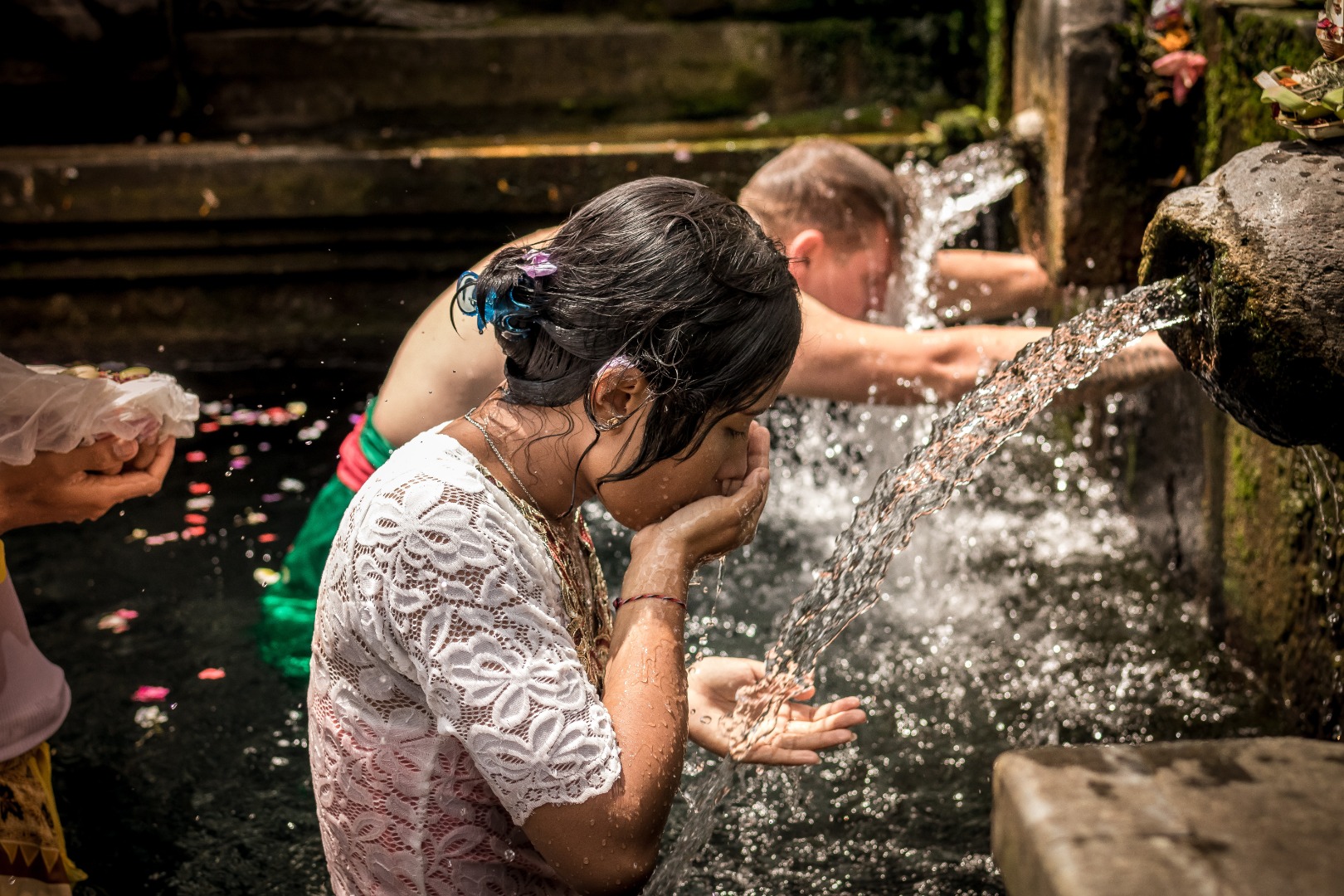
Tirta Empul Temple is one of Bali’s most sacred water temples, located in the village of Manukaya, near Tampaksiring. Built in 962 AD during the Warmadewa Dynasty, it is dedicated to **Vishnu**, the Hindu god of water, and is famous for its holy spring that flows into a series of purification pools. Balinese Hindus and visitors alike come here to perform **melukat**, a traditional cleansing ritual believed to wash away spiritual impurities and bring renewal. The temple complex features traditional Balinese architecture, including ornate stone carvings, shrines, and pavilions surrounded by lush tropical scenery. The crystal-clear waters of the holy spring continue to bubble up naturally, adding to the temple’s serene atmosphere. Visiting Tirta Empul offers not only a cultural experience but also a deep sense of peace and spirituality — a meaningful stop for those seeking to connect with Bali’s living traditions.
7
Stop 7
Mount Batur is one of Bali’s most active volcanoes and a popular destination for sunrise trekking, located in the highlands of Kintamani. Standing at 1,717 meters above sea level, it offers breathtaking panoramic views of Lake Batur, surrounding mountains, and the caldera below. The trek to the summit typically starts early in the morning, rewarding hikers with a spectacular sunrise that illuminates the misty landscape and reveals the island’s natural beauty. Along the way, you can see black lava fields from past eruptions and steam vents that hint at the volcano’s geothermal activity. The nearby Toya Bungkah hot springs provide the perfect spot to relax after the climb. Beyond adventure, Mount Batur holds deep spiritual significance for the Balinese, representing the sacred connection between humans and nature. It’s a must-visit for travelers seeking both adventure and a glimpse into Bali’s volcanic soul.
8
Stop 8
Penglipuran Village is one of Bali’s most beautiful and well-preserved traditional villages, located in Bangli Regency. Known for its cleanliness, harmony, and cultural authenticity, Penglipuran offers visitors a glimpse into the island’s ancestral way of life. The village is famous for its neatly aligned bamboo houses, stone-paved streets, and lush gardens that create a peaceful and welcoming atmosphere. What makes Penglipuran truly special is its commitment to preserving traditional Balinese architecture and the **Tri Hita Karana** philosophy — the balance between humans, nature, and the divine. Visitors can stroll through the village, interact with locals, explore traditional kitchens and temples, and learn about daily customs that have been passed down for generations. With no cars allowed inside, the air is fresh and the ambiance tranquil. Penglipuran Village is more than a sightseeing spot — it’s a living example of Bali’s cultural pride and community harmony.
9
Taman Wisata Kertha Gosa is a historic cultural landmark located in Klungkung, East Bali. Built in the early 18th century during the reign of the Klungkung Kingdom, it once served as a royal court of justice where kings and priests would settle legal and moral disputes. The highlight of Kertha Gosa is its **Bale Kambang**, an open pavilion surrounded by a lotus pond, and its intricately painted ceiling murals that depict scenes from the Balinese epic **Bhima Swarga**, symbolizing karma and the cycle of life. These detailed paintings, done in the traditional **Kamasan** style, illustrate the principles of justice and spiritual balance in Balinese culture. Visitors can admire the unique architecture, learn about Bali’s ancient governance system, and enjoy the peaceful garden setting. Taman Wisata Kertha Gosa offers a fascinating look into the island’s royal history and philosophical values that continue to shape Balinese life today.
10
Besakih Temple, known as the **Mother Temple of Bali**, is the island’s largest and most important Hindu temple complex. Located on the slopes of **Mount Agung** in Karangasem Regency, it sits about 1,000 meters above sea level and offers stunning views of the surrounding mountains and rice fields. The temple dates back over a thousand years and serves as the spiritual center for all Balinese Hindus. Comprising more than 80 separate temples, the main sanctuary — **Pura Penataran Agung** — is dedicated to the Hindu trinity: Brahma, Vishnu, and Shiva. Visitors can explore the grand courtyards, stone stairways, and intricately carved gates that reflect classic Balinese architecture. Throughout the year, Besakih hosts numerous religious ceremonies and festivals that draw pilgrims from across the island. A visit to Besakih Temple provides not only a glimpse into Bali’s deep spiritual heritage but also an awe-inspiring cultural experience set against a dramatic volcanic backdrop.
11
Stop 11
Tenganan Ancient Village is one of Bali’s oldest and most traditional villages, located in Karangasem Regency, East Bali. Home to the **Bali Aga** people — the island’s original inhabitants before the Majapahit influence — Tenganan preserves a way of life that has remained largely unchanged for centuries. The village is known for its unique customs, communal layout, and beautifully preserved stone houses with bamboo roofs. Visitors can experience local traditions such as **Perang Pandan**, a ceremonial ritual involving friendly duels, and see the famous **Geringsing** double ikat weaving, a rare and intricate textile-making technique found only here. Walking through Tenganan’s peaceful streets feels like stepping back in time, surrounded by ancient walls, temples, and daily village life guided by strict cultural rules. With its deep respect for ancestry, craftsmanship, and harmony, Tenganan Ancient Village offers an authentic insight into Bali’s indigenous culture and spiritual roots.
12
Candi Dasa is a peaceful seaside resort town located on Bali’s east coast in Karangasem Regency. Known for its relaxed atmosphere and scenic beauty, it offers a refreshing escape from the island’s busier southern beaches. The coastline here features a mix of calm blue waters and unique stretches of **black volcanic sand**, giving the beach a distinctive charm. Candi Dasa is ideal for swimming, snorkeling, and diving, with nearby spots like the Blue Lagoon and Amed offering vibrant coral reefs and marine life. The town also serves as a convenient base for exploring eastern Bali’s cultural gems, such as Tenganan Ancient Village and Tirta Gangga Water Palace. Lined with cozy seaside cafés, boutique resorts, and tranquil ocean views, Candi Dasa is perfect for travelers seeking serenity, natural beauty, and an authentic Balinese coastal experience away from the crowds.
What's not included
Personal expenses
Guide tips
Available languages
Guide guide
EN
Important information
Not recommended for travelers with spinal injuries
Not recommended for pregnant travelers
Not recommended for travelers with poor cardiovascular health
Suitable for all physical fitness levels
This is walking tour through rural villages and field, so please bring along your walking shoes
Surcharge applicable for hotels in other areas not mentioned above
Child age is 2 - 11 years old
Please be ready in hotel lobby during pick up window (8.00 - 8.30 AM)
Black out on Nyepi Day
Mon-Fri: 0800 - 1700 hrs -> Sat/Sun/Public Holiday: 0800 - 1700 hrs: Tel. 0361 708766 / 708769
Out Of Office Number (Emergency Call): Tel. +62 81 246 502400
Additional charges for cruise passengers
Meeting point
Important notes
• Hotel pickups commence approximately 30 - 60 minutes prior to this time, exact pickup time will be advised one day before the tour date.
About Kuta
Kuta is a vibrant coastal town in Bali, renowned for its stunning beaches, world-class surfing, and lively nightlife. It's a perfect blend of natural beauty, adventure, and cultural experiences, making it a top destination for travelers seeking both relaxation and excitement.
Top Attractions
Kuta Beach
Kuta Beach is the most famous beach in Bali, known for its white sand, clear waters, and stunning sunsets. It's a popular spot for surfing, swimming, and beachside relaxation.
Beach
Half day to full day
Free
Waterbom Bali
Waterbom Bali is one of the world's best water parks, featuring a variety of slides, pools, and attractions for all ages.
Entertainment
Full day
Moderate (around 400,000 IDR for adults)
Discovery Shopping Mall
Discovery Shopping Mall is a large shopping center offering a wide range of international and local brands, dining options, and entertainment.
Shopping
Half day
Free entry, budget to expensive for shopping and dining
Must-Try Local Dishes
Nasi Goreng
Fried rice with vegetables, meat, and spices, often served with a fried egg.
Lunch/Dinner
Can be made vegetarian or with specific meat choices.
Babi Guling
Suckling pig roasted with traditional Balinese spices.
Lunch/Dinner
Not suitable for vegetarians or those avoiding pork.
Sate Lilit
Minced seafood or meat skewers with Balinese spices.
Appetizer
Can be made with chicken, pork, or seafood.
Popular Activities
Surfing
Snorkeling
Jet skiing
Beach lounging
Spa treatments
Yoga
Visiting temples
Traditional dance performances
Best Time to Visit
April to September
The best time to visit Kuta is during the dry season when the weather is sunny and ideal for beach activities, surfing, and exploring the outdoors. This is also the peak tourist season, offering the most vibrant atmosphere and a wide range of events.
24-30°C
75-86°F
Practical Information
Language
- Official: Indonesian
- Widely spoken: Balinese, English
- English: Moderately spoken
Currency
Indonesian Rupiah (IDR)
Time Zone
GMT+8
Electricity
220VV, 50HzHz
Safety Information
Overall Safety Rating: Generally safe
Kuta is generally safe for tourists, but petty crime and scams can occur. Be cautious of your surroundings, especially in crowded areas and at night.
Important Precautions:
- • Use reputable tour operators and taxi services.
- • Keep valuables secure and out of sight.
- • Be cautious of strangers offering unsolicited help or services.
Getting there
By air
- Ngurah Rai International Airport • 5 km from Kuta
By bus
Kuta Central Park (KCP) Bus Terminal
Getting around
Public transport
Buses are a budget-friendly way to get around, but they can be crowded and slow. Local buses, known as 'bemos,' are also available for shorter distances.
Taxis
Available • Apps: Gojek, Grab
Rentals
Car, Bike, Scooter
Neighborhoods
Kuta Beachwalk
Poppies Lane
Day trips
Uluwatu Temple
20 km from Kuta • Half day
Uluwatu Temple is a stunning sea temple perched on a cliff, offering breathtaking views and a rich cultural experience.
Ubud
30 km from Kuta • Full day
Ubud is the cultural heart of Bali, known for its lush landscapes, traditional arts, and wellness retreats.
Festivals
Nyepi (Day of Silence) • March (date varies based on the Balinese lunar calendar)
Pro tips
- Rent a scooter or hire a driver for flexibility in exploring Kuta and nearby areas.
- Visit Kuta Beach early in the morning or late afternoon to avoid crowds and enjoy the best views.
- Try local Balinese dishes at warungs (local eateries) for an authentic and affordable dining experience.
- Book tours and activities in advance, especially during peak season, to secure availability and better prices.
- Carry a reusable water bottle and shop for eco-friendly souvenirs to support sustainable travel.
From $25
per person
Price varies by option
Secure booking
Free cancellation available
Instant confirmation