4 Hours Private City Tour with Highligh Train Street
Active
4h - 5h
For a full refund, cancel at least 24 hours before the scheduled departure time.
Instant confirmation
Mobile or paper ticket accepted
About this experience
"Experience the charm of Hanoi like never before with our 4-hour private city tour. Visit iconic landmarks such as the Hanoi Train Street, Ho Chi Minh Mausoleum, and the Temple of Literature, while discovering hidden gems in the heart of the city. This tour offers a unique blend of history, culture, and local life, perfect for travelers looking to dive deep into Hanoi’s rich heritage. You’ll get insider knowledge from our expert guides and enjoy the freedom of a personalized experience. Great for families, history enthusiasts, and adventure seekers alike, this tour is designed to make every moment in Hanoi unforgettable."
Available options
4 Hours Private City Tour with Highligh Train Street
Pickup included
What's included
Entrance fees
Private Tranfer during the trip
Private tour guide speaking english
beer/ solf drink in train Street
Detailed itinerary
1
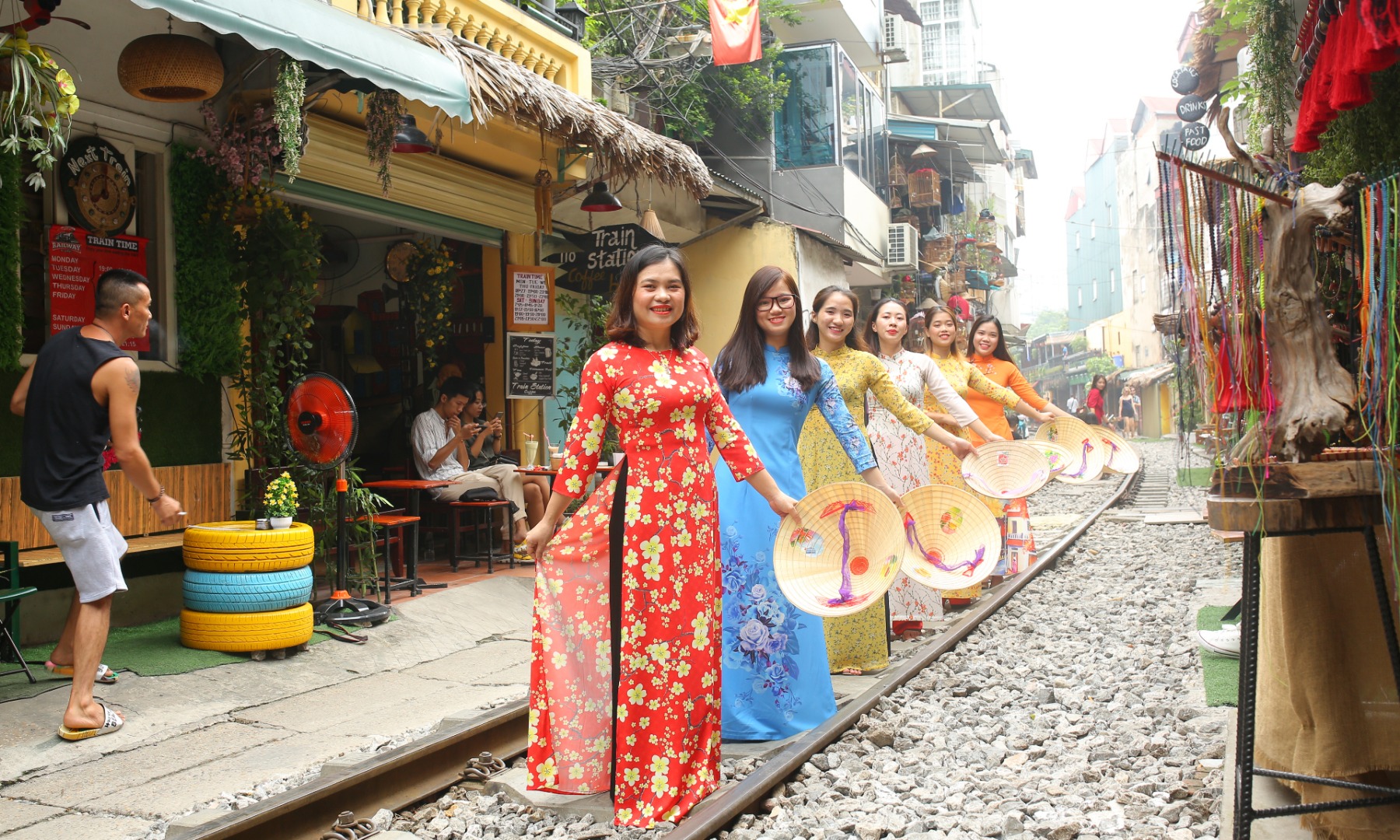
Hanoi Train Street is a unique and lively spot in the Old Quarter where trains pass just a few feet away from people's homes. Locals have turned their houses into small cafés and shops along the track. When a train approaches, people quickly clear the way, making space for the train to pass by. Visitors can enjoy a coffee at one of the cafés, watch the trains go by, and capture the rare moment with a photo. The street is famous for its close-up view of trains and vibrant local life, making it a must-see for those looking for a one-of-a-kind experience in Hanoi. Despite its popularity with tourists, the area still feels very much like a part of everyday life in the city.
2
Stop 2
The Ho Chi Minh Mausoleum in Hanoi is one of Vietnam’s most iconic landmarks. It is the final resting place of Ho Chi Minh, the beloved leader of Vietnam, known to the people as "Uncle Ho." His body is preserved in a glass case inside the mausoleum, despite his wish to be cremated. The mausoleum was built in 1973 and opened to the public in 1975, modeled after Lenin’s mausoleum in Russia.
Visitors to the mausoleum can pay respects to Ho Chi Minh and learn about his immense influence on the country’s history. Security is very strict, and visitors must dress respectfully (no shorts or sleeveless shirts), and leave their bags and cameras outside. The mausoleum is only open in the morning from 7:00 AM to 10:30 AM, and it is closed on Mondays and Fridays. It also undergoes annual maintenance from June 10 to August 12. Visiting the Ho Chi Minh Mausoleum offers a powerful connection to Vietnam's past and a chance to honor the leader who shaped its future.
3
Stop 3
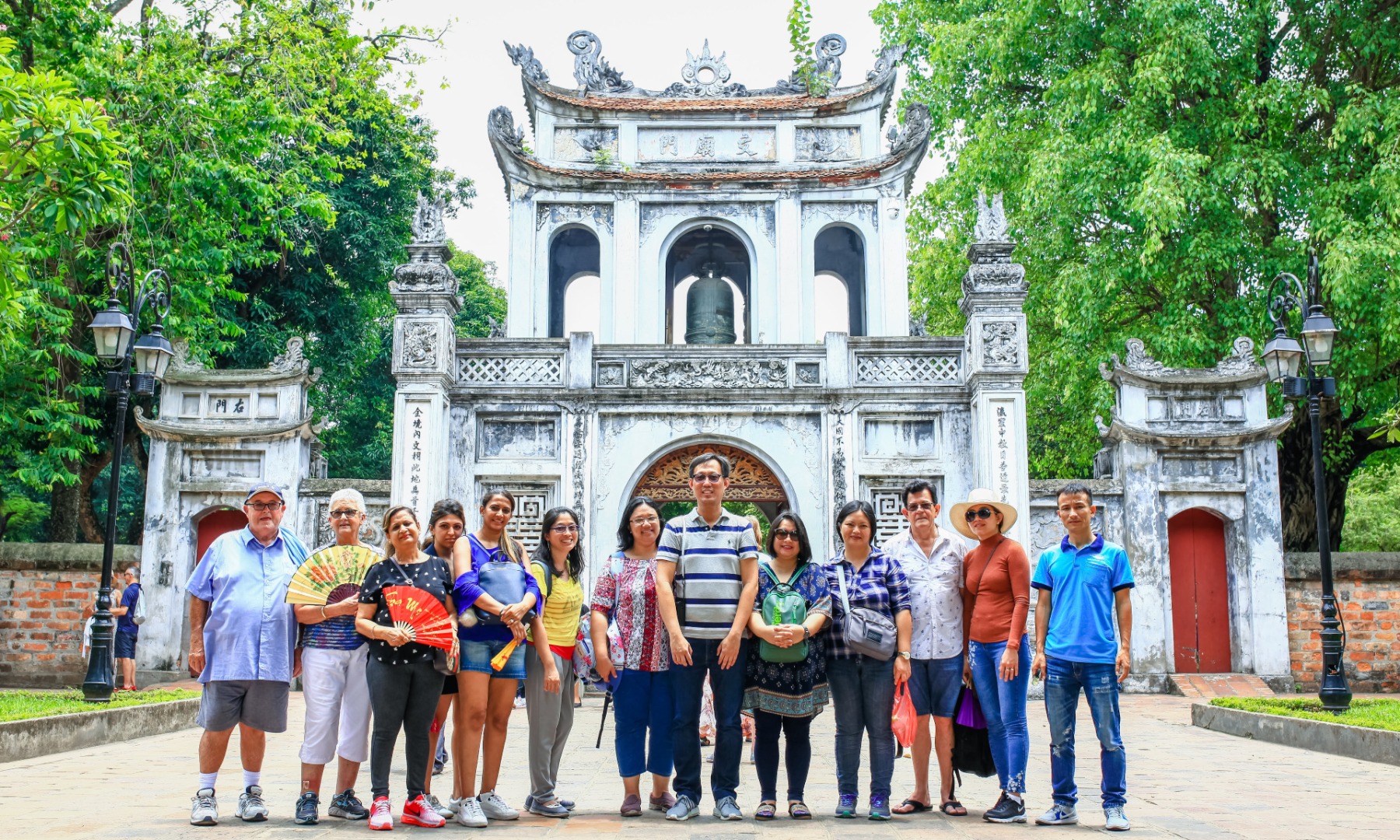
The Temple of Literature (Văn Miếu) in Hanoi is a historic site dedicated to Confucius and scholars. Built in 1070, it was Vietnam's first university. The temple features beautiful courtyards, pavilions, and the famous turtle steles, which honor successful graduates. The architecture is a fine example of traditional Vietnamese design. Today, the temple is a peaceful place to reflect on Vietnam's cultural heritage and history of education. It's a must-visit for anyone interested in learning about Vietnam’s past.
4
Stop 4
Dong Xuan Market is the largest and oldest market in Hanoi, built in 1889. Located in the heart of the Old Quarter, it’s a bustling hub where locals and tourists alike shop for a wide range of goods, from clothing and fabrics to handicrafts and street food. The market’s architecture reflects its colonial past, with a large, open space and high ceilings.
Dong Xuan Market has played a significant role in Hanoi’s history, particularly during the wars. It was a key site during the 1946 resistance against French forces. Today, it’s a popular spot for visitors looking to experience the local culture and pick up souvenirs.
Whether you’re interested in shopping, tasting traditional foods, or simply exploring the vibrant atmosphere, Dong Xuan Market is a must-see destination that offers a true taste of Hanoi’s everyday life.
5
Stop 5
Long Bien Bridge is a historic landmark in Hanoi, built by the French in 1902. It spans the Red River and connects the city to the eastern districts. The bridge has witnessed many important events, including bombings during the Vietnam War, but it remains a symbol of resilience and strength for the people of Hanoi. Used by trains, motorbikes, and pedestrians, Long Bien Bridge is a living part of the city's daily life.
The bridge’s unique design and weathered structure make it a popular spot for photographers, especially at sunset when it is beautifully illuminated. It’s also undergoing restoration to preserve its original appearance. Long Bien Bridge not only serves as a key transportation link but also stands as a reminder of Hanoi’s enduring spirit and history.
6
Stop 6
Pass by
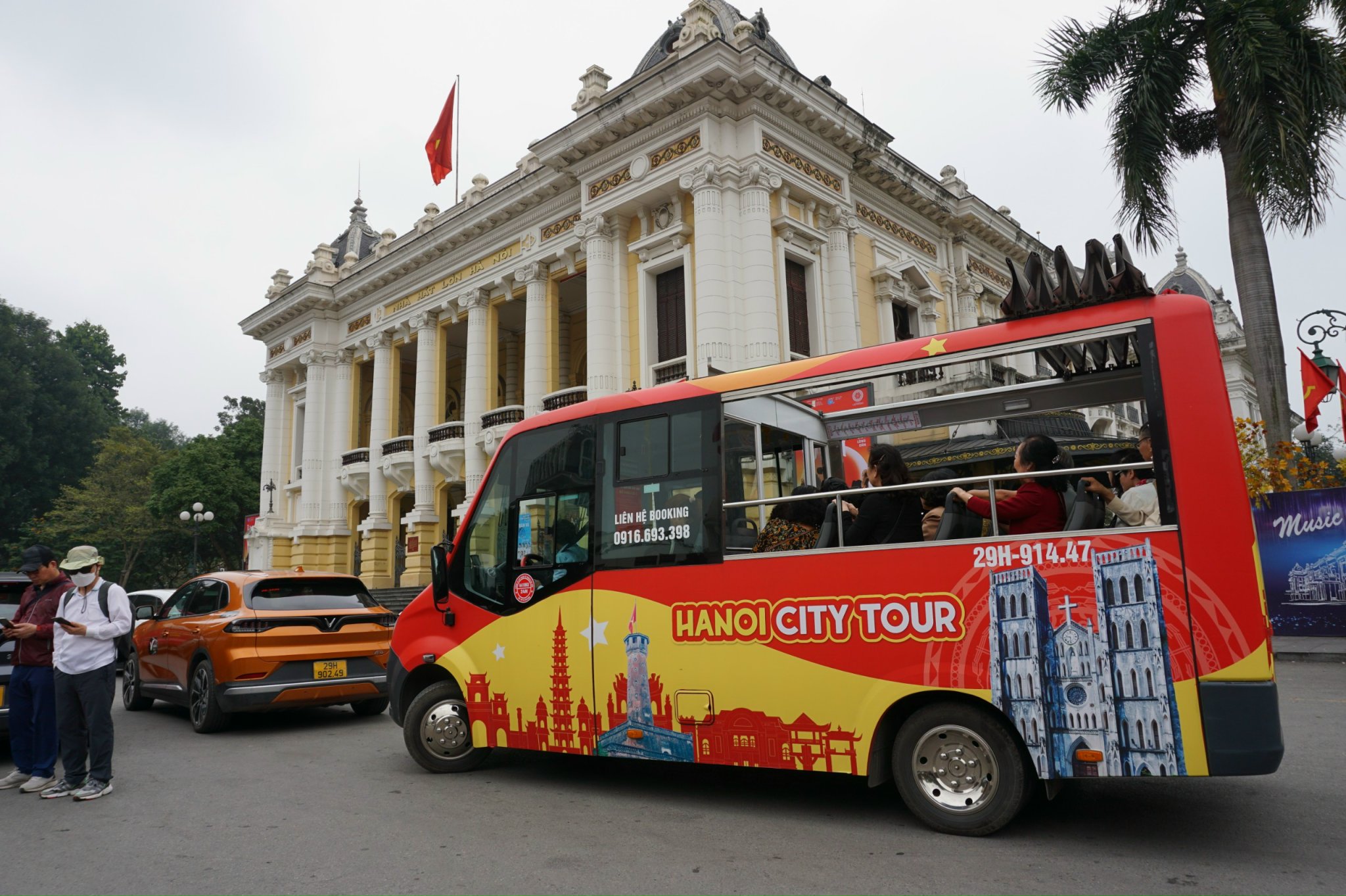
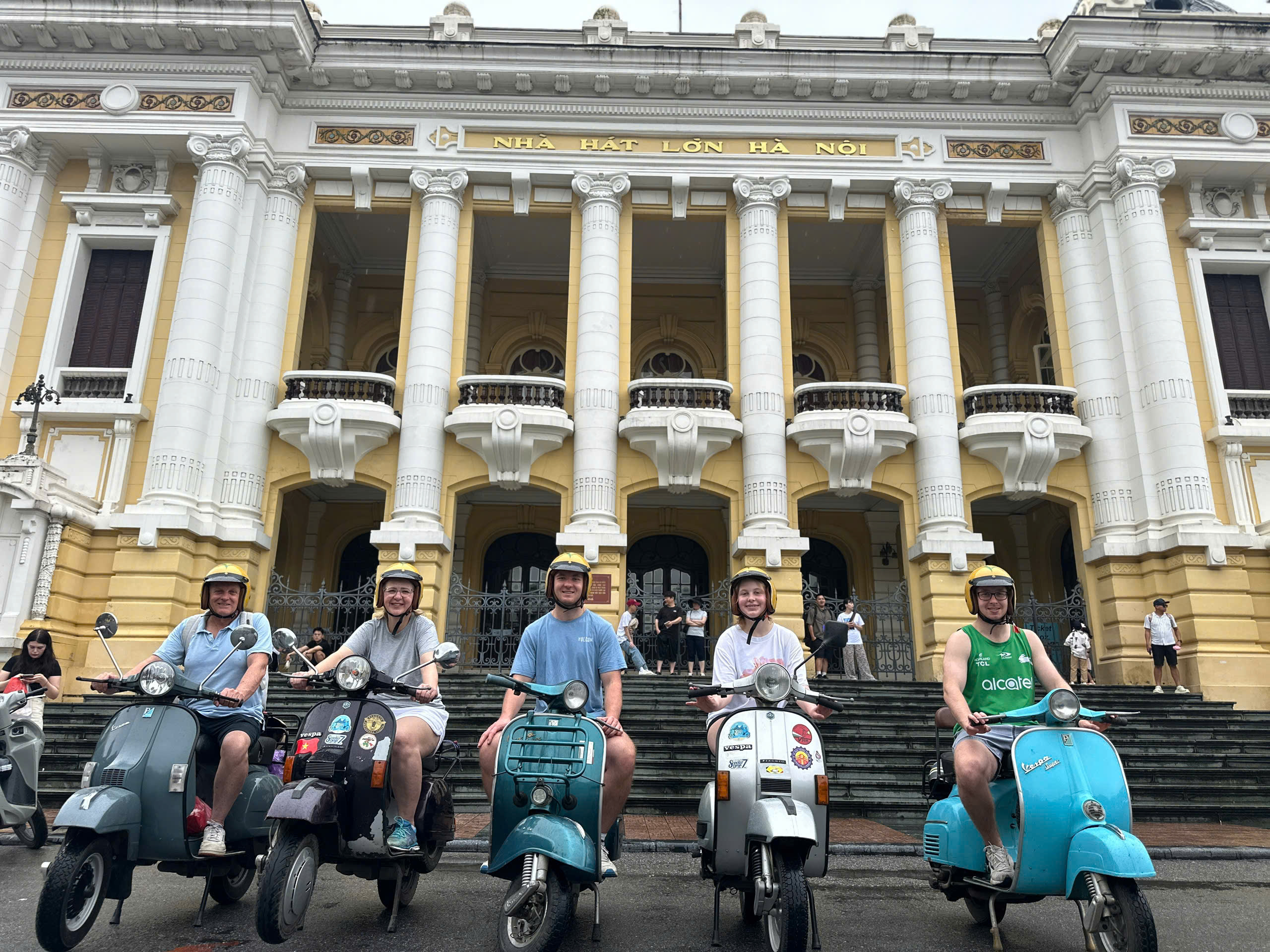
The Hanoi Opera House is an architectural gem built during French colonial rule between 1901 and 1911. Designed in a neoclassical style, it was inspired by the Palais Garnier in Paris. The Opera House stands as one of Hanoi's most beautiful landmarks, reflecting the influence of French culture in Vietnam.
After the French left, the Opera House became a venue for political events and performances, even witnessing street battles during the fight for Hanoi. Today, it remains an important cultural site in the city, hosting concerts, ballets, and operas.
Although visitors can only explore the exterior, the building’s grand façade and historical significance make it a must-see attraction in Hanoi. It is a symbol of the city’s rich cultural blend of Vietnamese and French heritage.
7
Stop 7
St. Joseph's Cathedral in Hanoi is a stunning example of Gothic Revival architecture, built between 1886 and 1889 by the French colonialists. Located in the heart of Hanoi’s Old Quarter, it is the largest Catholic church in Vietnam. The cathedral’s design is inspired by Notre-Dame de Paris, with its tall spires, pointed arches, and intricate stained glass windows.
The church is an important religious and cultural site for Hanoi’s Catholic community, but it also attracts tourists due to its striking architecture and central location. Inside, the cathedral features a peaceful atmosphere with a large altar, wooden pews, and beautiful religious icons.
St. Joseph's Cathedral is particularly beautiful at night when it’s illuminated, standing out against the surrounding streets. It’s a perfect spot for photography or simply enjoying the peaceful ambiance amidst the hustle and bustle of the Old Quarter.
8
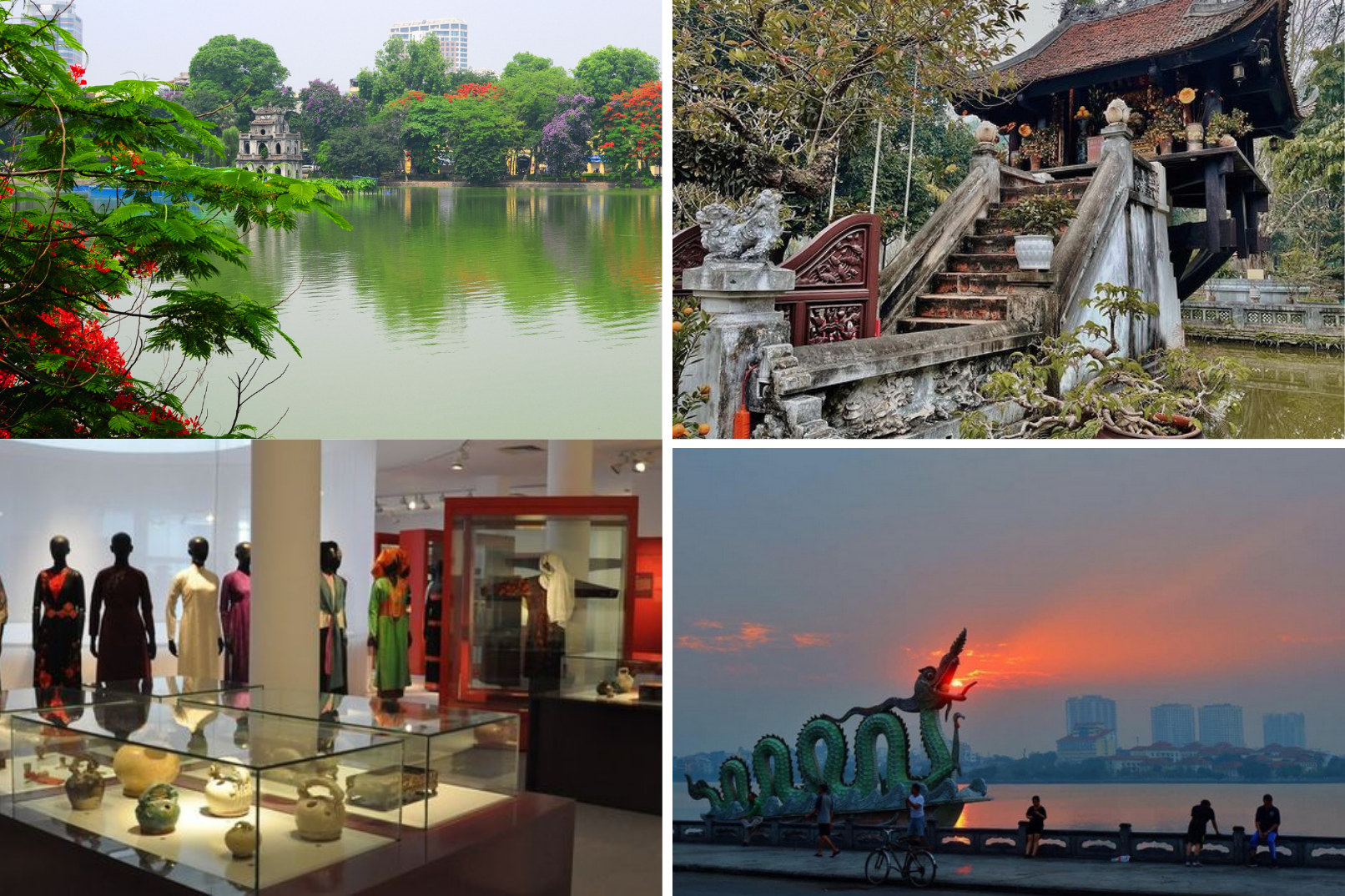
Hanoi’s Old Quarter is a lively, historic area known for its narrow streets, colonial architecture, and vibrant markets. It’s famous for the "36 Streets," each dedicated to a different trade. Here, you’ll find a mix of traditional shops, street food stalls, and modern cafés. The Old Quarter is full of local life, with motorbikes zooming by and vendors selling fresh produce. It’s also home to landmarks like Hoan Kiem Lake and St. Joseph’s Cathedral. The Old Quarter offers a unique blend of history and culture, making it a must-see destination in Hanoi.
What's not included
Tip for tour guide and driver
Extra sight-seeing places
Meal
Available languages
Guide guide
EN
Reviews breakdown
Tripadvisor
5.0
10 reviews
5★
10
4★
0
3★
0
2★
0
1★
0
Important information
Infants and small children can ride in a pram or stroller
Public transportation options are available nearby
Infants are required to sit on an adult’s lap
Suitable for all physical fitness levels
Meeting point
Our tour guide will contact traveler and meet traveler at meeting point
Important notes
Our tour will buy tickets and give traveler at gate
About Hanoi
Hanoi, the capital of Vietnam, is a vibrant city steeped in history and culture. Known for its French colonial architecture, bustling Old Quarter, and rich culinary scene, Hanoi offers a unique blend of traditional and modern experiences.
Top Attractions
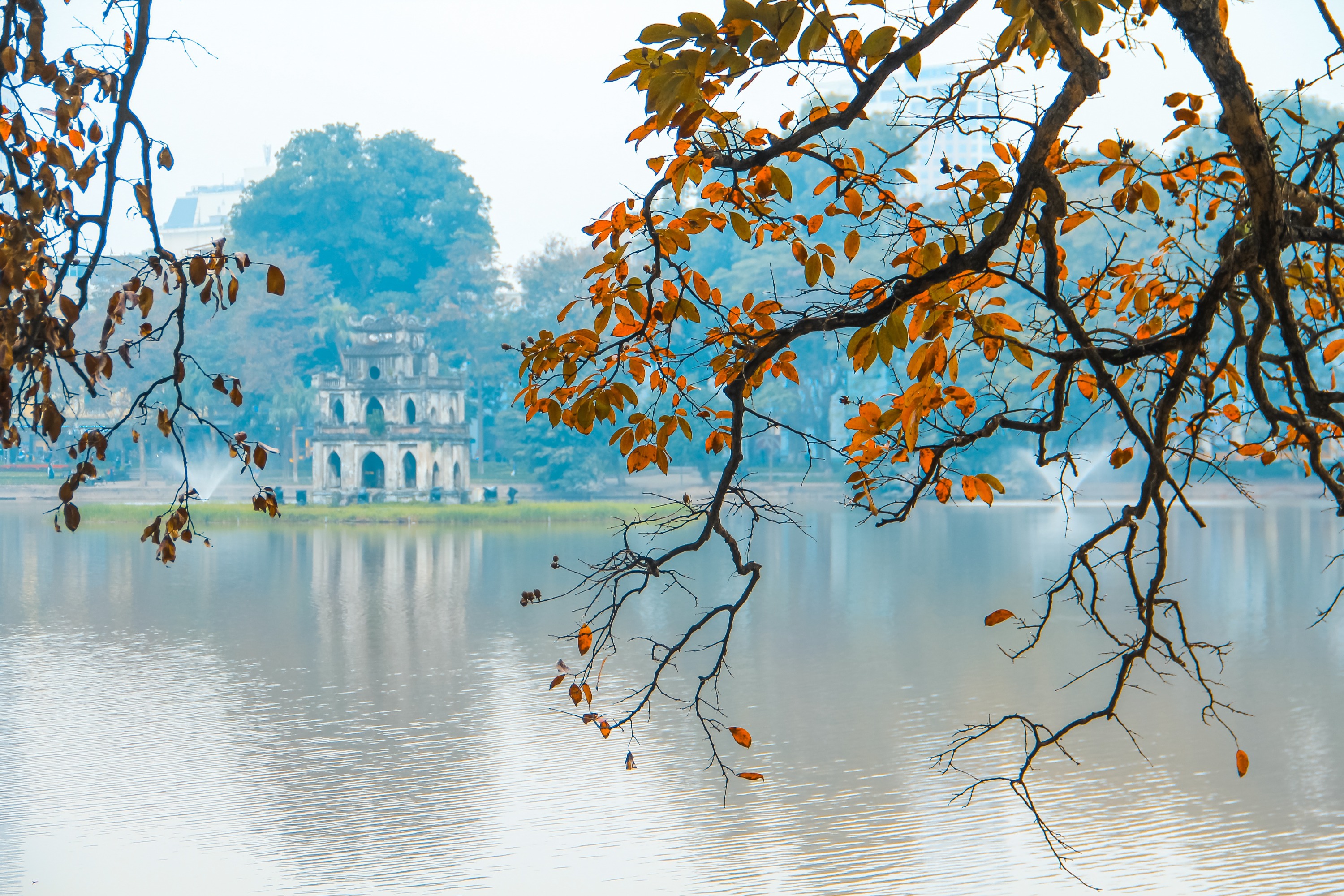
Hoan Kiem Lake
Hoan Kiem Lake is a serene oasis in the heart of Hanoi, surrounded by lush greenery and historical landmarks. The lake is a popular spot for locals and tourists to relax and enjoy the scenery.
Nature
1-2 hours
Free
Hanoi Old Quarter
The Old Quarter is the historic and cultural heart of Hanoi, featuring narrow streets lined with traditional shops, temples, and colonial-era architecture. It's a vibrant area with a rich history and bustling atmosphere.
Historical
Half day to full day
Free to explore, shopping and dining vary
Temple of Literature
The Temple of Literature is a historic Confucian temple dedicated to education and literature. It's a serene and culturally significant site, featuring beautiful architecture and a peaceful garden.
Historical
1-2 hours
30,000 VND
Ho Chi Minh Mausoleum
The Ho Chi Minh Mausoleum is a significant historical site where the embalmed body of Vietnam's revolutionary leader, Ho Chi Minh, is displayed. The mausoleum is a place of pilgrimage and a symbol of Vietnam's history.
Historical
1-2 hours
Free
Hanoi Opera House
The Hanoi Opera House is a stunning example of French colonial architecture, featuring elegant design and a rich history. It's a popular venue for cultural performances and events.
Architecture
1-2 hours for a performance
Varies by event
Must-Try Local Dishes
Pho
A traditional Vietnamese noodle soup with a flavorful broth, rice noodles, and thinly sliced meat, typically beef or chicken.
Lunch/Dinner
Can be made vegetarian or vegan
Bun Cha
Grilled pork patties served with rice noodles, fresh herbs, and a dipping sauce.
Lunch/Dinner
Contains meat
Banh Mi
A Vietnamese sandwich with a crispy baguette, filled with various ingredients such as grilled meat, pâté, pickled vegetables, and fresh herbs.
Snack/Lunch
Can be made vegetarian or vegan
Egg Coffee
A unique Vietnamese coffee made with strong drip coffee, condensed milk, and a frothy egg yolk mixture.
Drink
Contains eggs and dairy
Popular Activities
Kayaking in Ha Long Bay
Trekking in Sapa
Boat ride in Hoan Kiem Lake
Coffee at a local café
Exploring the Temple of Literature
Visiting the Ho Chi Minh Mausoleum
Swimming and snorkeling in Ha Long Bay
Egg coffee tasting
Best Time to Visit
October to December
This period offers pleasant weather with lower humidity and temperatures, making it ideal for sightseeing and outdoor activities. The city is less crowded compared to the peak tourist season.
15°C to 25°C
59°F to 77°F
Practical Information
Language
- Official: Vietnamese
- Widely spoken: English, French
- English: Moderately spoken in tourist areas, limited in other areas
Currency
Vietnamese Dong (VND)
Time Zone
GMT+7
Electricity
220VV, 50HzHz
Safety Information
Overall Safety Rating: Generally safe
Hanoi is generally safe for travelers, with low crime rates and a welcoming atmosphere. However, petty crime and scams can occur, and travelers should exercise caution and be aware of their surroundings.
Important Precautions:
- • Be cautious of your belongings, particularly in crowded areas and on public transportation.
- • Use reputable taxi companies and insist on using the meter or agree on a price before starting your journey.
- • Be wary of strangers offering help or services, as they may be trying to scam you.
Getting there
By air
- Noi Bai International Airport • 28 km from city center
By train
Hanoi Railway Station
By bus
Giap Bat Bus Station, My Dinh Bus Station
Getting around
Public transport
The bus system in Hanoi is affordable and covers most of the city. However, it can be crowded and confusing for first-time visitors.
Taxis
Available • Apps: Grab, Gojek
Rentals
Car, Bike, Scooter
Neighborhoods
Old Quarter
French Quarter
Ba Dinh District
Tay Ho District
Day trips
Ha Long Bay
165 km from Hanoi • Full day to overnight
Ha Long Bay is a UNESCO World Heritage Site known for its stunning limestone karsts and islets, emerald waters, and scenic beauty. It's a popular destination for cruises, kayaking, and exploring caves.
Ninh Binh
90 km from Hanoi • Full day
Ninh Binh is known as 'Halong Bay on land' due to its stunning limestone karsts, rice paddies, and historic sites. It's a popular destination for cycling, boat rides, and exploring ancient temples.
Sapa
320 km from Hanoi • Overnight to multi-day
Sapa is a mountainous region known for its stunning rice terraces, ethnic minority villages, and trekking opportunities. It's a popular destination for outdoor enthusiasts and cultural experiences.
Festivals
Tet Nguyen Dan (Lunar New Year) • January or February (based on the lunar calendar)
Mid-Autumn Festival • September or October (based on the lunar calendar)
Hanoi International Film Festival • October or November (annual)
Pro tips
- Learn a few basic Vietnamese phrases to enhance your experience and connect with locals.
- Explore the city's hidden gems and lesser-known attractions, such as the Hanoi Ceramic Mosaic Mural and the Temple of Literature.
- Try local street food and visit markets for an authentic and delicious culinary experience.
- Use a navigation app, such as Google Maps or GrabMaps, to help you get around the city and avoid getting lost.
- Be cautious of your belongings, particularly in crowded areas and on public transportation, to avoid petty crime and scams.
From $25
per person
Price varies by option
Secure booking
Free cancellation available
Instant confirmation