Graffiti Tour: a fascinating walk through a street art City
Active
2h
For a full refund, cancel at least 24 hours before the scheduled departure time.
Manual confirmation
Mobile or paper ticket accepted
About this experience
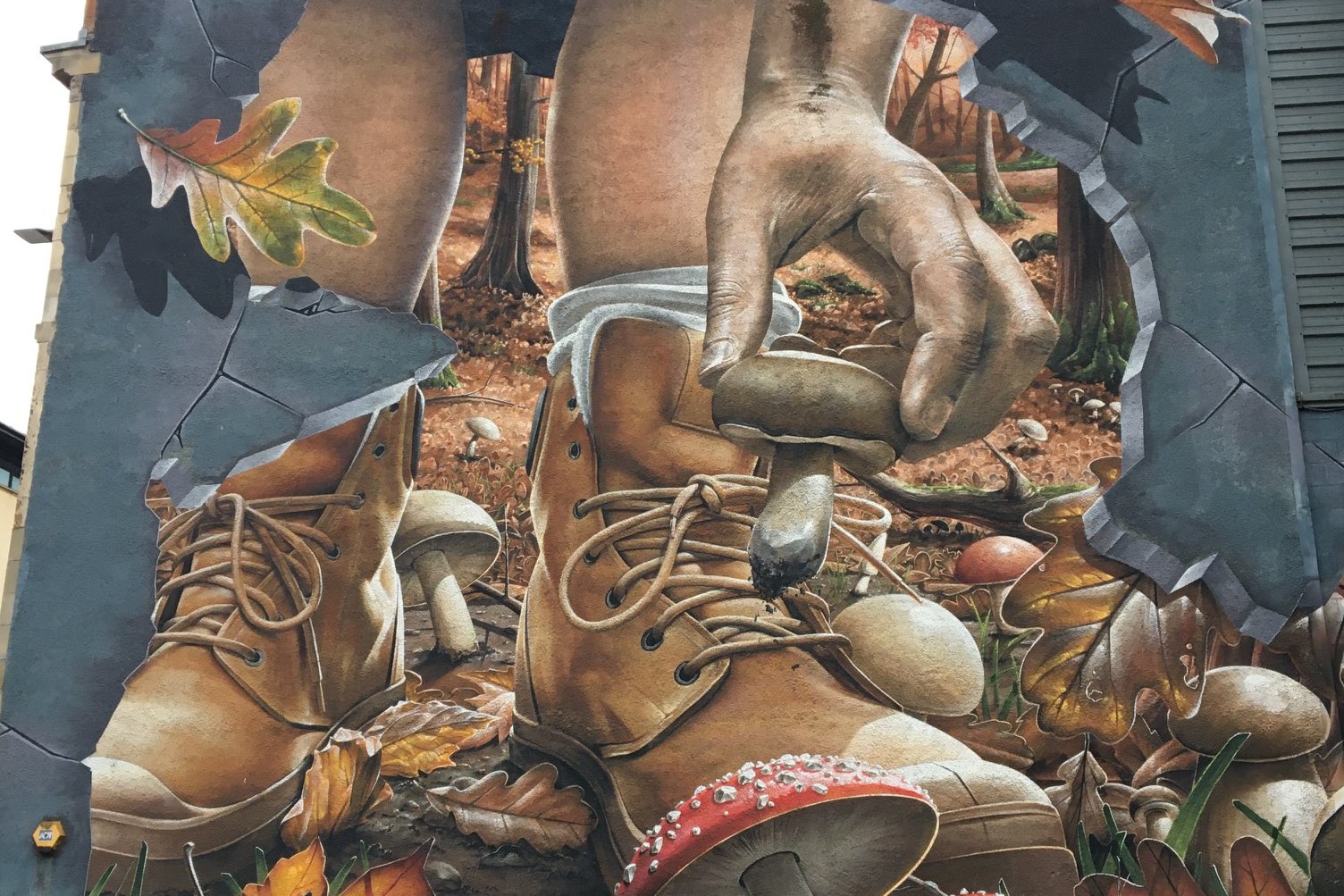
Bogotá's world-class street art and powerful political graffiti are ready for you to discover. Uncover the stories behind the art, the city's complex past, its present peace process, and its aspirations for a better future.
Our tours are not just about sightseeing; they are pedagogical and cultural experiences that aim to educate and inspire. We collaborate closely with local artists and community leaders, reinvesting in the financing and management of new murals that continue to transform the urban landscape.
Being artists themselves, our knowledgeable guides will introduce you to a diverse range of artists and their techniques, sharing their sources of inspiration and providing the political, cultural, historical, and geographical context necessary to truly understand and appreciate their work.
*If you choose the Shared option: you will share this tour with other travelers. What you pay per person is equal to the amount we suggest to tip the guides and cover their work (minus the commission). At the end of the tour, you don't have to pay anything extra (even if other travelers do)*
Available options
Graffiti Walking Tour -Private
Your family and friends<br/>Choose your language: Spanish, English, French, German and Italian
Graffiti Walking Tour-Shared
What's included
Experienced English-speaking guides and the exploration of multiple street art and graffiti locations.
Detailed itinerary
1
Stop 1
At the starting point in front of the Gold Museum, our guide will provide a warm welcome and give an overview of the tour's objectives.
2
Stop 2
We will visit an enormous mural that showcases images created in collaboration with social leaders and human rights defenders, located at la Procuraduría General de la Nación. This powerful artwork raises awareness about the violence threatening their work for food sovereignty. Expert artists skilled in social communication have metaphorically depicted the leaders' work and values in this mural.
3
Stop 3
This mural recognizes the challenges of migration and features a portrait of an indigenous girl belonging to a nomadic tribe. The artwork was commissioned by the Peruvian embassy and created by two women painters from Bogotá and Lima.
4
Stop 4
Two Distinct Salsa Culture Murals: We will encounter two murals that depict different aspects of salsa culture, located at the famous salsa club Casa Quiebra Canto. One represents the song "Lágrimas Negras" (Black Tears), while the other portrays a vibrant dance scene in a famous salsa nightclub.
5
Stop 5
The Tallest Illegal Graffiti: We'll witness the tallest illegal graffiti in the country, located on a semi-abandoned skyscraper called Torre Bakatá.
6
Stop 6
This stop features a mural with a portrait of an indigenous person placed under a hooded woman's watchful gaze. The artwork explores the contrast between aerosol and vinyl techniques.
7
Stop 7
At this stop, we can see 3 murals: first a mural created by a renowned artist from Spain who gained prominence in the 1990s.
We'll encounter the works of a prominent photographer who transforms portraits from his travels into stencils.
In the end, this stop showcases a mural that delves into themes of parenting and freedom, evoking deep psychological contemplation.
8
Stop 8
Venezuelan Migrant Stencil: We will observe a stencil artwork highlighting the experiences of Venezuelan migrants.
9
Stop 9
This stop features a wall adorned with graffiti letters and characters that provoke reflection on the origins of graffiti and the nuances between muralism and graffiti. It takes us on a historical journey from cave art to public space art.
10
Stop 10
We'll explore an area with political posters and stencils that address current social issues
11
Stop 11
This mural is a collaborative project involving art, science, and the environment, hosted at la Alianza Francesa Sede Centro. It raises awareness about the threats facing the Amazon rainforest.
12
Stop 12
Tribute to Indigenous Cosmovision and Cultural Heritage: We'll appreciate a mural paying homage to the Indigenous worldview and their cultural heritage.
13
Stop 13
Mural about Comuna 13 and Operation Orion: Based on powerful photographs by journalists, this mural portrays the resilience of the community in the face of false positives. It exemplifies our agency's collaboration with artists and serves as a platform for their artwork.
14
Stop 14
Stencil of the Last Indigenous Leader of the Hitnu Culture: This stop features a stencil depicting the last indigenous leader of the Hitnu culture, highlighting the tensions between development and highlighting the tensions between development and cultural preservation.
15
Stop 15
Abstract Letter Reading Game: We'll engage in a game involving abstract letters created by famous graffiti writers, promoting our aerosol workshops accessible to all.
16
Stop 16
Murals of Social Demands: Four renowned political artists from Bogotá have created murals highlighting the foundations of society and its social struggles.
17
Stop 17
The Tallest Wall in the Country: This mural showcases diversity and provides a space for reflecting on a better future based on sustainable social development and the role of sustainable tourism.
What's not included
Food and tips
Available languages
Guide guide
EN
Reviews breakdown
Viator
5.0
10 reviews
5★
10
4★
0
3★
0
2★
0
1★
0
Tripadvisor
5.0
1,020 reviews
5★
1006
4★
13
3★
0
2★
0
1★
1
Important information
Service animals allowed
Public transportation options are available nearby
Suitable for all physical fitness levels
Not recommended for travelers with mobility restrictions.
Meeting point
We are in the corner of the Gold Museum (Cra. 6 #15 - 88) look for your Guide with the Purple Hoodie, Cap or Parasol!
About Bogotá
Bogotá, the capital of Colombia, is a vibrant city nestled in the Andes Mountains. Known for its rich history, cultural landmarks, and bustling urban life, it offers a unique blend of colonial charm and modern sophistication. The city's high altitude and pleasant spring-like climate make it an appealing destination year-round.
Top Attractions
La Candelaria
La Candelaria is Bogotá's historic center, known for its colonial architecture, cobblestone streets, and vibrant cultural scene. It's home to museums, churches, and colorful houses.
Historical
Half day to full day
Free to explore, museum entry fees vary
Museo del Oro
The Gold Museum is one of the most important museums in Colombia, housing an extensive collection of pre-Columbian gold artifacts and offering insights into the region's indigenous cultures.
Museum
1-2 hours
COP 4,000 ($1 USD)
Montserrate
Montserrate is a mountain overlooking Bogotá, offering panoramic views of the city. Visitors can reach the summit by funicular, cable car, or hiking trail.
Nature
Half day
Funicular: COP 16,000 ($4 USD), Cable car: COP 18,000 ($4.50 USD)
Zona G
Zona G is Bogotá's upscale dining and shopping district, known for its high-end restaurants, boutique shops, and trendy cafes.
Cultural
Few hours
Varies by establishment
Must-Try Local Dishes
Bandeja Paisa
A hearty platter featuring beans, rice, ground beef, chicharrón, plantain, avocado, and arepa. A must-try for meat lovers.
Lunch
Not vegetarian or vegan
Ajiaco
A creamy chicken and potato soup with corn, capers, and guascas herb. A comforting and traditional dish.
Lunch
Can be made vegetarian with tofu
Arepa
A versatile cornmeal flatbread that can be stuffed with various ingredients like cheese, meat, or beans.
Snack
Can be vegetarian or vegan
Bogotá Brewing Company Craft Beer
Bogotá has a thriving craft beer scene, with local breweries offering a variety of unique and flavorful beers.
Drink
Contains gluten
Popular Activities
Hiking in Chingaza National Park
Paragliding in Zipaquirá
Spa day in Chapinero
Coffee tasting in La Candelaria
Visiting museums in La Candelaria
Attending a concert at Teatro Mayor Julio Mario Santo Domingo
Boat tour on Lake Guatavita
Skiing in Nevado del Ruiz (seasonal)
Best Time to Visit
December to February, June to August
These months offer the best weather with lower rainfall and mild temperatures, making it ideal for outdoor activities and sightseeing.
12°C to 21°C (54°F to 70°F)
54°F to 70°F
Practical Information
Language
- Official: Spanish
- Widely spoken: English (in tourist areas)
- English: Moderately spoken in tourist areas, limited elsewhere
Currency
Colombian Peso (COP)
Time Zone
GMT-5
Electricity
110VV, 60HzHz
Safety Information
Overall Safety Rating: Exercise caution
Bogotá has made significant improvements in safety in recent years, but it's still important to be aware of your surroundings and take precautions, especially in certain areas and at night.
Important Precautions:
- • Avoid walking alone at night, especially in less touristy areas
- • Use reputable transportation services, such as app-based taxis or official tour operators
- • Be cautious with valuables, especially in crowded areas
Getting there
By air
- El Dorado International Airport • 15 km (9 miles) from city center
By bus
Terminal de Transportes de Bogotá
Getting around
Public transport
TransMilenio is Bogotá's primary public transport system, consisting of a network of bus rapid transit (BRT) lines and feeder buses. It is efficient but can be crowded during peak hours.
Taxis
Available • Apps: Uber, Didi
Rentals
Car, Bike, Scooter
Neighborhoods
La Candelaria
Chapinero
Usaquén
Day trips
Zipaquirá Salt Cathedral
48 km (30 miles) from Bogotá • Half day
The Zipaquirá Salt Cathedral is an underground Roman Catholic church built within the tunnels of a salt mine. It's a unique and awe-inspiring attraction that offers a glimpse into Colombia's mining history.
Villa de Leyva
150 km (93 miles) from Bogotá • Full day
Villa de Leyva is a charming colonial town known for its well-preserved architecture, cobblestone streets, and historic plazas. It's a popular day trip destination for those looking to explore Colombia's colonial past.
Lake Guatavita
50 km (31 miles) from Bogotá • Half day
Lake Guatavita is a scenic lake known for its association with the legend of El Dorado. Visitors can take a boat tour of the lake, learn about its history, and enjoy the beautiful surroundings.
Festivals
Bogotá International Book Fair • April
Bogotá Festival of Theater • June
Pro tips
- Learn some basic Spanish phrases to enhance your experience and connect with locals
- Visit the Museo del Oro early in the morning to avoid crowds and enjoy a quieter experience
- Explore the city's diverse neighborhoods, each offering a unique atmosphere and attractions
- Try the local street food, such as empanadas, arepas, and chorizos, for an authentic and delicious culinary experience
- Take a day trip to the Zipaquirá Salt Cathedral or Lake Guatavita for a unique and unforgettable experience
From $25
per person
Price varies by option
Secure booking
Free cancellation available