Wonder Women of Gettysburg Hidden Valor By Junket
Active
2h
For a full refund, cancel at least 24 hours before the scheduled departure time.
Manual confirmation
Mobile or paper ticket accepted
About this experience
Come on our History Walking Tour presented by Junket!
While history focuses on the famous, today we'll look at the ordinary people, especially women, who protected the vulnerable, cared for the sick and wounded, buried the dead, and made life as safe as possible for the families left behind as the men of the town went off to war. You'll discover the stories of women like Tillie Pierce, Jennie Wade, and Elizabeth Thorn, who have statues or houses named after them, as well as women like Mary McAllister, Sallie Myers, and Philinda Humiston, who are rarely mentioned in history books but had a major impact on this tight-knit community in some of its darkest hours.
Available options
Wonder Women of Gettysburg Hidden Valor By Junket
What's included
Thoroughly researched and accurate history
Professional and courteous guide
Authentic local ghost stories
Detailed itinerary
1
At just 15 years old, Tillie Pierce transformed from a schoolgirl into an unexpected battlefield nurse, caring for wounded soldiers during the chaos of Gettysburg. From this very home, she fled to the countryside, only to find herself in the middle of the bloodiest battle in American history. Her firsthand accounts give us one of the most vivid and harrowing perspectives of the war seen through the eyes of a young girl.
2
This stately home belonged to David Wills, but it was his wife, Catherine Jane Wills, who played a crucial role in helping organize aid for wounded soldiers and grieving families. The house became the center of relief efforts after the battle, providing shelter and comfort to those left in the wake of destruction. It was also where President Lincoln finalized the Gettysburg Address—his powerful words echoing the sacrifices made by the women of Gettysburg.
3
During the battle, the Gettysburg Hotel became a makeshift hospital where women like Hettie Shriver and other local heroines worked tirelessly to save lives. The once-elegant rooms filled with the cries of the wounded, as women bandaged soldiers, soothed fears, and offered the only comfort many would know in their final moments. Walking through its halls today, you can almost hear the whispers of the past, where courage and compassion met in the face of war.
4
The Gettysburg Train Station became a lifeline for the wounded and dying, as women volunteers braved the overwhelming task of caring for thousands of injured soldiers. Nurses like Cornelia Hancock, a 23-year-old Quaker woman, arrived by train with no formal training but an unshakable resolve to help. Her work on the battlefield and in makeshift hospitals earned her the respect of generals and soldiers alike, proving that heroism knows no uniform.
5
The Sisters of Charity at St. Xavier Academy provided critical medical care, despite the horrors unfolding around them. These nuns worked day and night, turning classrooms into hospital wards and offering prayers for the wounded. Their dedication to healing, regardless of which side a soldier fought for, made them unsung angels of Gettysburg.
6
The Farnsworth House bore bullet holes from sharpshooters, but inside, women like Elizabeth Thorn were fighting their own battles. The wife of the town’s gravedigger, she took on his gruesome duties while six months pregnant, burying more than 100 soldiers in the stifling July heat. Her unbreakable spirit and quiet strength make her one of Gettysburg’s most remarkable, though often overlooked, heroines.
7
Stop 7
Jennie Wade was the only civilian killed during the Battle of Gettysburg, struck by a stray bullet while baking bread for Union soldiers. Her selflessness in providing food for the troops turned her into an unwitting martyr of the war. Today, the house stands as a testament to the sacrifices made by ordinary women caught in the storm of battle.
8
Stop 8
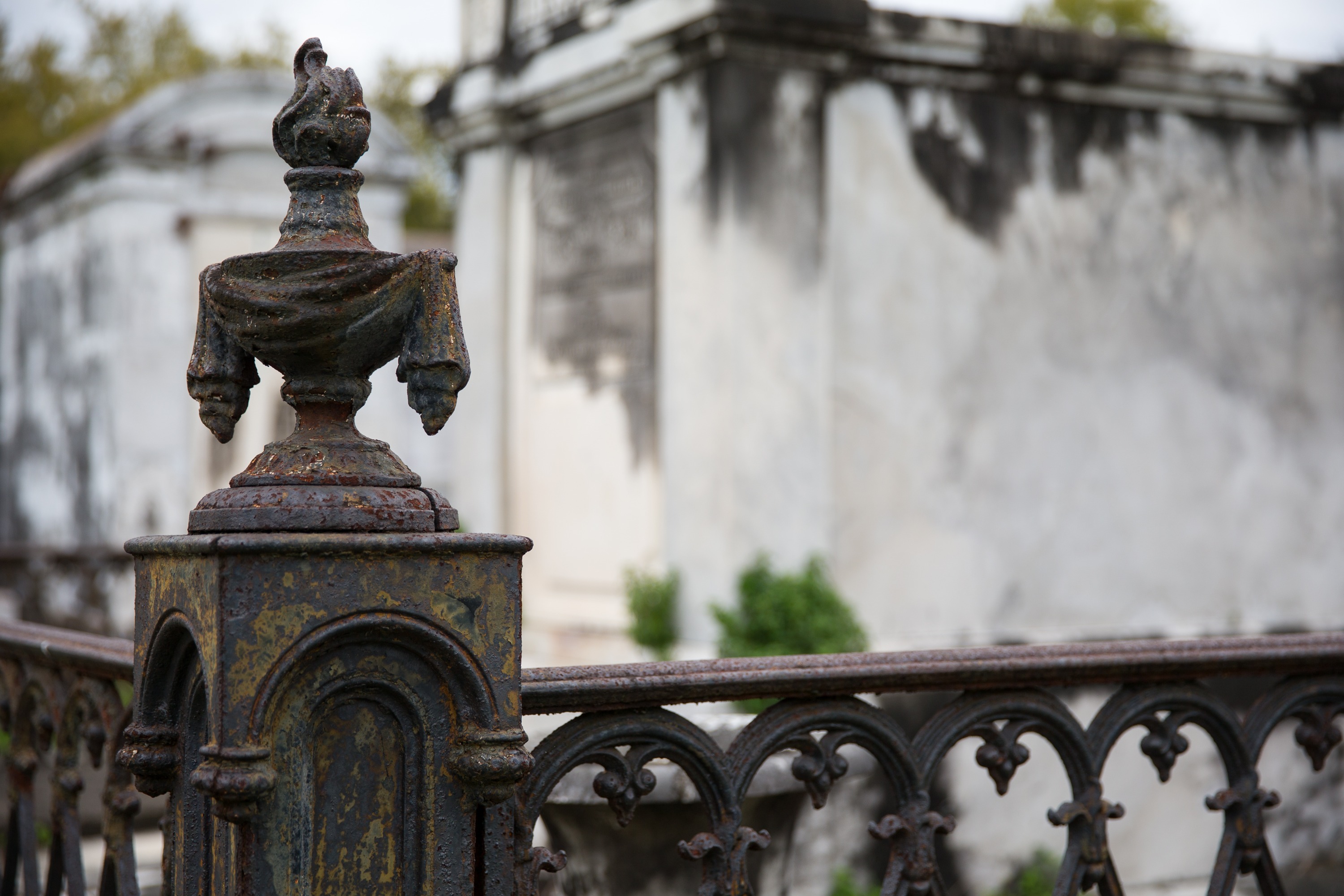
Elizabeth Thorn, the cemetery’s caretaker’s wife, became an unexpected war hero when she buried fallen soldiers under grueling conditions while expecting her first child. Despite her own suffering, she completed her work with quiet determination, ensuring that the dead were laid to rest with dignity. A statue in her honor now stands in Evergreen Cemetery, a lasting tribute to the women who bore the unseen burdens of war.
9
After her husband, Amos Humiston, died clutching a photograph of his children, his widow, Philinda Humiston, turned her grief into action. She founded the National Homestead at Gettysburg, a refuge for children who had lost their fathers to war. Her work ensured that the legacy of Gettysburg’s fallen would live on through the children they left behind.
What's not included
Guide tip
Available languages
Guide guide
EN
Reviews breakdown
Viator
4.0
3 reviews
5★
2
4★
0
3★
0
2★
1
1★
0
Tripadvisor
5.0
4 reviews
5★
4
4★
0
3★
0
2★
0
1★
0
Important information
Service animals allowed
Public transportation options are available nearby
Not recommended for travelers with poor cardiovascular health
Suitable for all physical fitness levels
PARKING: PLEASE DO NOT PARK IN BRICKHOUSE INN PARKING. You will be towed. THIS IS RESERVED FOR OVERNIGHT GUESTS. There are plenty of parking spaces on the side streets behind the Inn and on the main street. Thank you.
Meeting point
The tour meets at the backyard of the Brickhouse Inn Bed & Breakfast. Your guide will be wearing a white Junket t-shirt and holding a yellow flag. Please arrive 15 minutes before the start of the tour.
Important notes
This tour operates rain or shine. If we determine a tour needs to be cancelled, we will contact you. This tour is not suitable for people who cannot walk more than a mile.
About Gettysburg
Gettysburg, Pennsylvania, is renowned for its pivotal role in American history, particularly the Battle of Gettysburg during the Civil War. The town offers a blend of historical significance, natural beauty, and a charming small-town atmosphere. Visitors can explore the iconic battlefields, museums, and local attractions that tell the story of this critical moment in U.S. history.
Top Attractions
Gettysburg National Military Park
This park preserves the site of one of the most significant battles of the American Civil War. Visitors can explore the battlefield, museums, and monuments that tell the story of the battle and its impact on the nation.
Historical
Half day to full day
Moderate
Gettysburg Museum and Visitor Center
This state-of-the-art museum offers a comprehensive overview of the Battle of Gettysburg through exhibits, artifacts, and a 20-minute film. It's the starting point for most visits to the national military park.
Museum
1-2 hours
Moderate
Eisenhower National Historic Site
This site was the home and farm of President Dwight D. Eisenhower. Visitors can tour the house, farm, and museum to learn about Eisenhower's life and presidency.
Historical
1-2 hours
Moderate
Sachs Covered Bridge
This historic covered bridge was built in 1852 and is one of the few remaining covered bridges in Pennsylvania. It played a role in the Battle of Gettysburg and is a popular spot for photos and picnics.
Historical
30 minutes to 1 hour
Free
Gettysburg Heritage Center
This museum offers a different perspective on the Battle of Gettysburg, focusing on the personal stories of those who lived through the battle. It features exhibits, artifacts, and a 10-minute film.
Museum
1 hour
Moderate
Must-Try Local Dishes
Gettysburg Pie
A delicious pie made with chocolate and marshmallows, named after the town of Gettysburg
Dessert
Contains gluten, dairy, and chocolate
Fried Chicken
A Southern favorite, often served with mashed potatoes and gravy
Main Course
Contains gluten and dairy
Apple Cider
A local favorite, often served hot or cold
Drink
Non-alcoholic, gluten-free
Popular Activities
Hiking
Biking
Horseback riding
Picnicking
Wine tasting
Shopping
Museum visits
Historic tours
Best Time to Visit
May to October
This period offers pleasant weather and is ideal for outdoor activities and historical tours. The summer months are particularly popular for reenactments and special events.
15-30°C
59-86°F
Practical Information
Language
- Official: English
- Widely spoken: Spanish, German
- English: Widely spoken
Currency
US Dollar (USD)
Time Zone
Eastern Time Zone (UTC-5)
Electricity
120VV, 60HzHz
Safety Information
Overall Safety Rating: Generally safe
Gettysburg is generally safe for visitors, with low crime rates and a welcoming community. However, as with any destination, it's important to take basic safety precautions and be aware of your surroundings.
Important Precautions:
- • Keep valuables secure
- • Be cautious in crowded areas
- • Use reputable tour operators and taxis
Getting there
By air
- Harrisburg International Airport • 35 miles
- Baltimore/Washington International Thurgood Marshall Airport • 90 miles
By train
MARC Train (Brunswick Line)
By bus
Greyhound Bus Station in Harrisburg
Getting around
Public transport
Public bus service is available but not extensive. Buses run on a schedule and may not be frequent.
Taxis
Available • Apps: Uber, Lyft
Rentals
Car, Bike
Neighborhoods
Downtown Gettysburg
Battlefield Area
Eisenhower Farm
Day trips
Antietam National Battlefield
40 miles • Half day to full day
This national battlefield preserves the site of the Battle of Antietam, the bloodiest single-day battle in American history. Visitors can explore the battlefield, museums, and monuments that tell the story of the battle and its impact on the nation.
Harpers Ferry National Historical Park
60 miles • Full day
This national historical park preserves the historic town of Harpers Ferry, which played a significant role in the Civil War. Visitors can explore the town, museums, and scenic trails that offer stunning views of the Potomac and Shenandoah Rivers.
Shenandoah National Park
80 miles • Full day to overnight
This national park offers stunning views of the Blue Ridge Mountains and a variety of outdoor activities, including hiking, camping, and wildlife viewing. Visitors can explore the park's scenic drives, waterfalls, and historic sites.
Festivals
Gettysburg Battle Reenactment • Early July
Gettysburg Festival of Lights • November to December
Gettysburg Bluegrass Festival • August
Pro tips
- Visit the Gettysburg National Military Park Museum and Visitor Center first to get an overview of the battle and plan your visit
- Consider renting a car for exploring the battlefield and nearby attractions
- Try Gettysburg Pie, a local specialty
- Explore downtown Gettysburg for shopping, dining, and historic sites
- Check for special events and programs, such as reenactments and festivals
From $25
per person
Price varies by option
Secure booking
Free cancellation available