Vicus Caprarius: The Hidden Aqueducts and Fountains of Rome
Active
2h
For a full refund, cancel at least 24 hours before the scheduled departure time.
Instant confirmation
Mobile or paper ticket accepted
About this experience
Join us for an unforgettable journey through Rome’s most famous fountains and discover the rich history behind them! Did you know Rome is home to over 2,000 fountains? Accompanied by our professional licensed guides, you’ll experience the breathtaking beauty of the city’s most iconic fountains, including the captivating Vicus Caprarius. Located near the Trevi Fountain, this hidden gem offers a fascinating glimpse into the Imperial Roman era. Come along and immerse yourself in the enchanting fountains of Rome and the incredible stories they hold!
Available options
English tour
English tour
What's included
Admission ticket for Vicus Caprarius
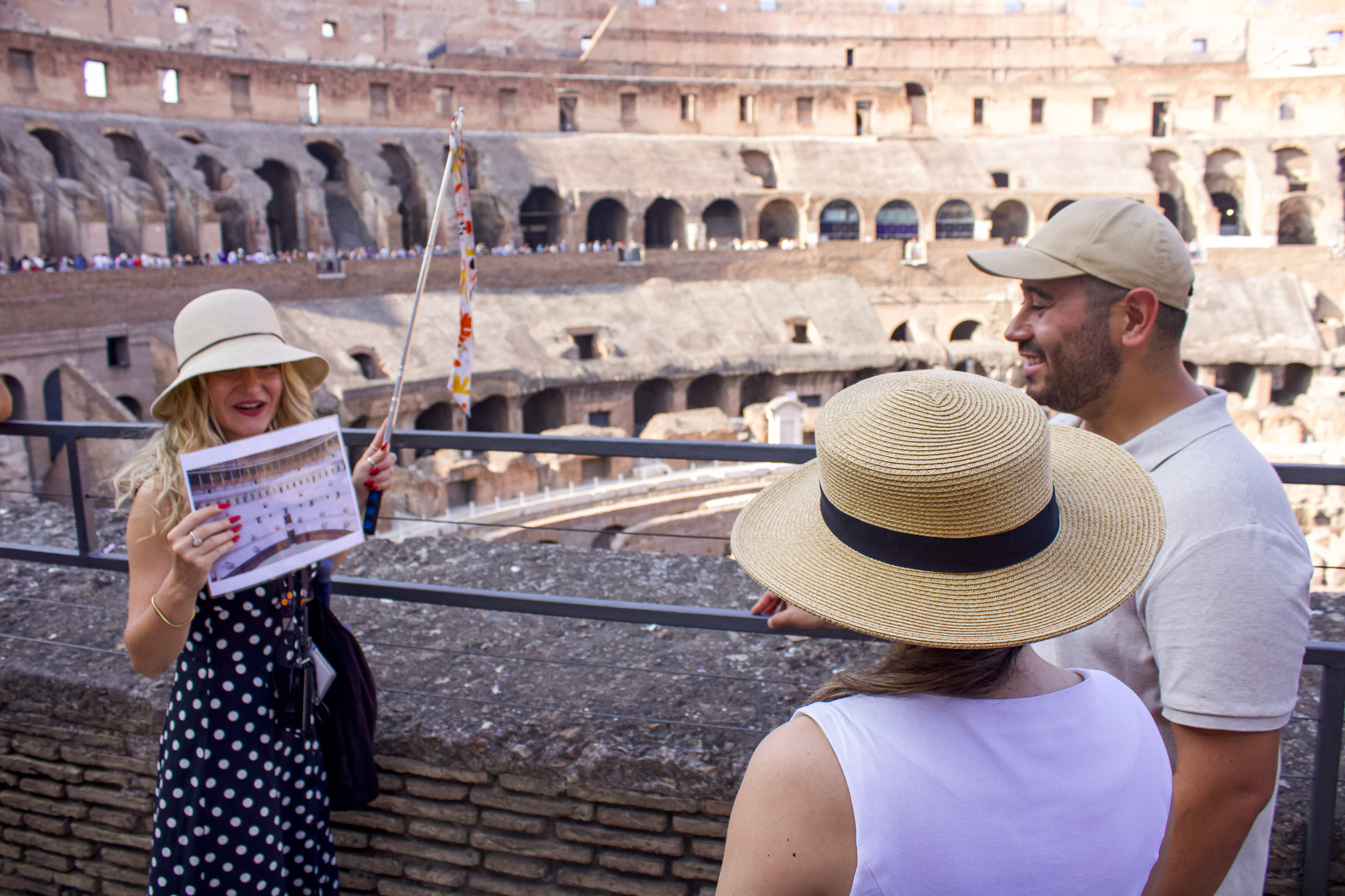
Professional guide
All fees and taxes
Detailed itinerary
1
Our tour will kick off from our office and our first highlight will be the majestic Piazza Venezia, home to the stunning "Altare della Patria." This iconic monument, designed by architects Gaetano Koch, Manfredo Manfredi, and Pio Piacentini, took shape between 1885 and 1911, celebrating Italy's unification and its heroes. Witness the grandeur of this architectural masterpiece as you learn about its historical significance and the captivating stories it holds.
2
Next, we'll pause to appreciate the magnificent fountains of the Tyrrhenian and Adriatic Seas, designed by Giuseppe Sacconi, who also crafted the Altare della Patria. These stunningly symmetrical fountains symbolize the two great seas that surround Italy, beautifully capturing the essence of the nation’s maritime identity. Take a moment to enjoy their elegance and the serene atmosphere they bring to Piazza Venezia.
3
Stop 3
As we proceed with our tour, we will arrive at the charming Turtle Fountain, constructed between 1581 and 1588 under the design of Giacomo della Porta. This enchanting fountain features four playful bronze turtles interacting with dolphins, all beautifully positioned on its shell-shaped basins. It's a delightful blend of artistry and whimsy, showcasing the intricate craftsmanship of the Renaissance period that makes it a beloved landmark in Rome.
4
Stop 4
We will reach Piazza Navona, renowned as one of Rome’s most exquisite squares. Here, you’ll find three stunning fountains, with the most notable being the Fountain of the Four Rivers, designed by the illustrious Gian Lorenzo Bernini and constructed between 1648 and 1651. This magnificent fountain symbolizes the four great rivers of the world: the Danube, the Rio de la Plata, the Nile, and the Ganges, showcasing Bernini's masterful artistry and the rich cultural significance behind this iconic landmark.
5
Stop 5
Our next stop will be the renowned Trevi Fountain, arguably the most famous fountain in the world. Inaugurated in 1762, it is intricately linked to the Acqua Vergine aqueduct, which has supplied water to Rome for centuries. Commissioned by Pope Clement XII, a competition was held to design the fountain, with architect Nicola Salvi emerging as the winner. The Trevi Fountain is a stunning masterpiece, celebrated not only for its grand Baroque style but also for the tradition of tossing coins into its waters to ensure a return to Rome.
6
Finally, we will visit the Vicus Caprarius, also known as the City of Water, an intriguing underground aqueduct situated beneath the Trevi Fountain. Discovered in 1999 during renovations of a cinema, this archaeological site reveals a fascinating water tank that connects to the ancient Vergine aqueduct. Exploring Vicus Caprarius offers a unique glimpse into Rome's intricate water supply system and its historical significance, further enriching our understanding of the city's architectural marvels.
What's not included
Pick-up / Drop-off
Personal expenses
Tips
Available languages
Guide guide
DE
EN
IT
FR
ES
Reviews breakdown
Viator
5.0
1 reviews
5★
1
4★
0
3★
0
2★
0
1★
0
Important information
Public transportation options are available nearby
Not recommended for travelers with poor cardiovascular health
Suitable for all physical fitness levels
On this tour, some of the venues or parts of the venue may be subject to last-minute, unpredictable closures. When this occurs, we are happy to offer customers an extended tour in keeping with the advertised total length of the tour.
Meeting point
From the Metro station Colosseo, turn right on Via del Fori Imperiali and go straight to the first traffic light, then turn right on Via Cavour and turn left on the 2nd street, Via del Cardello. You will find the meeting point on Via del Cardello, 31.
About Rome
Rome, the capital of Italy, is a city of ancient ruins, artistic masterpieces, and vibrant culture. Known as the Eternal City, it is a living museum where every corner tells a story of its rich history spanning over 2,500 years.
Top Attractions
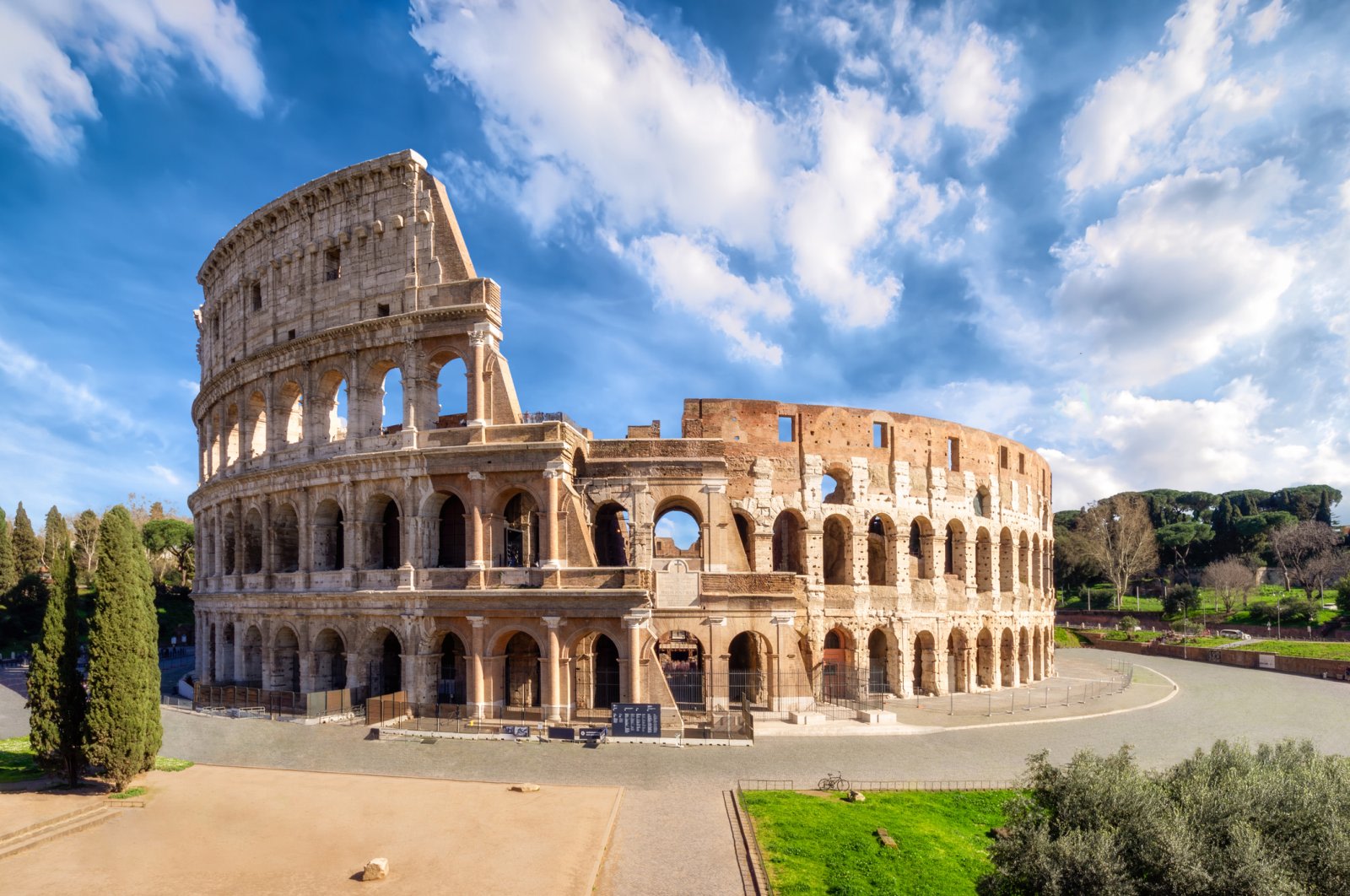
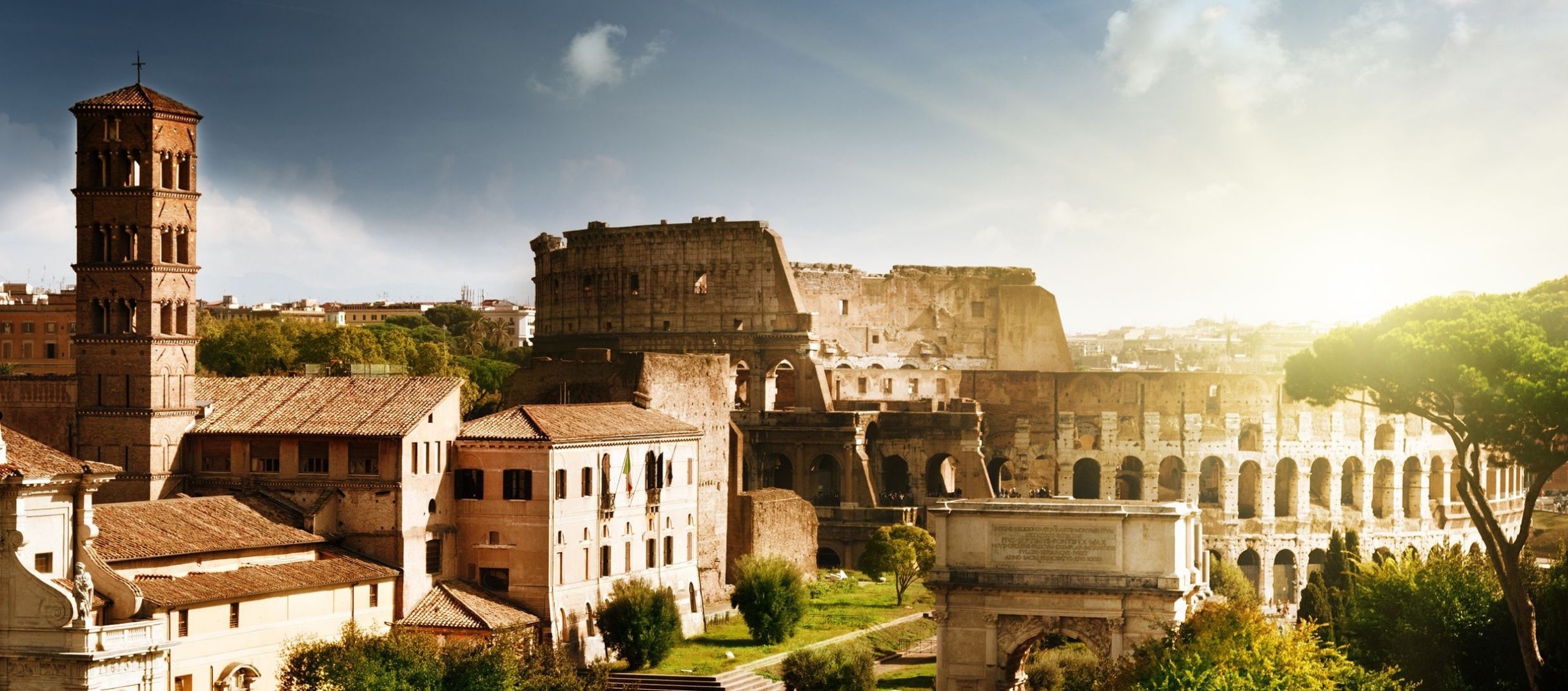
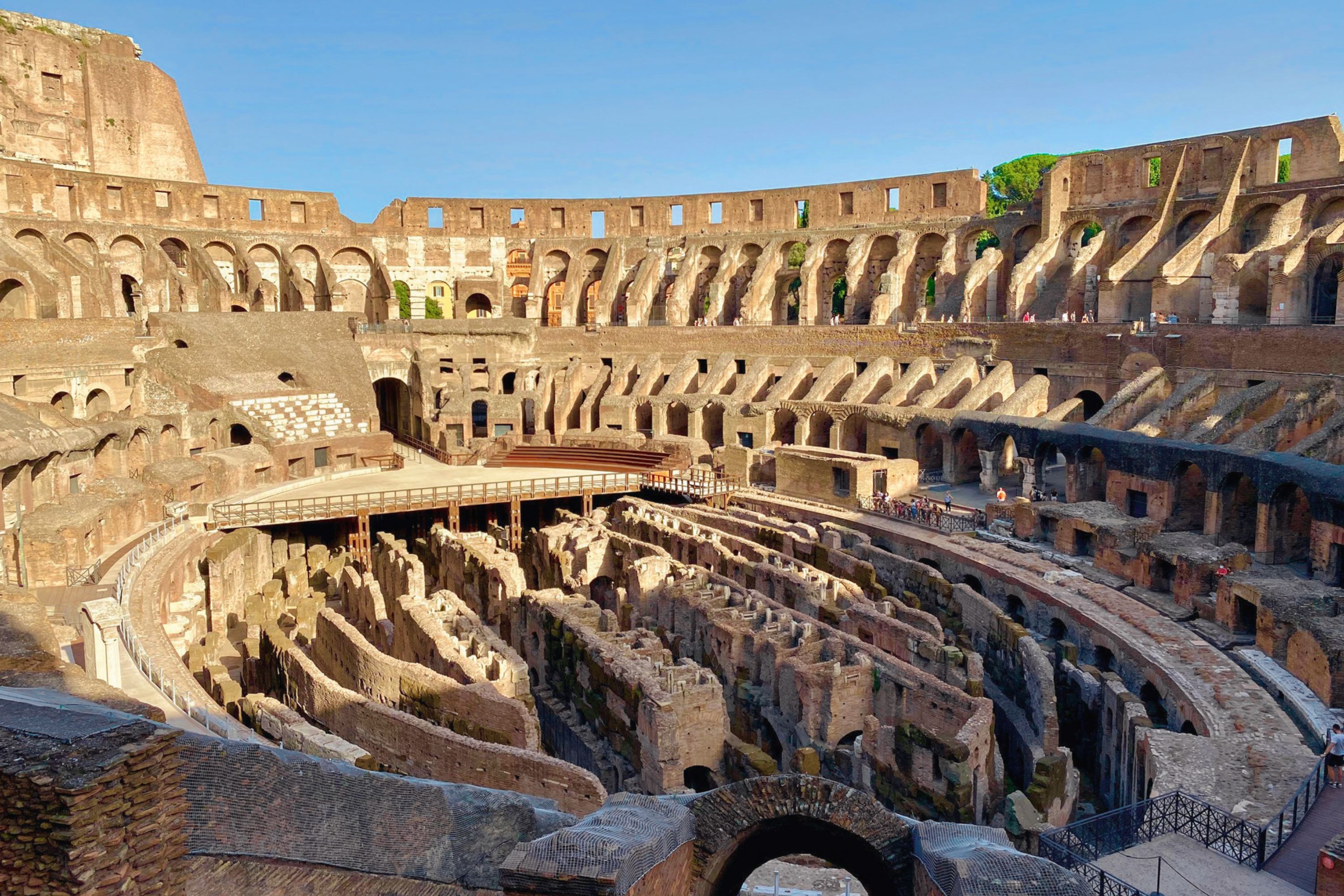
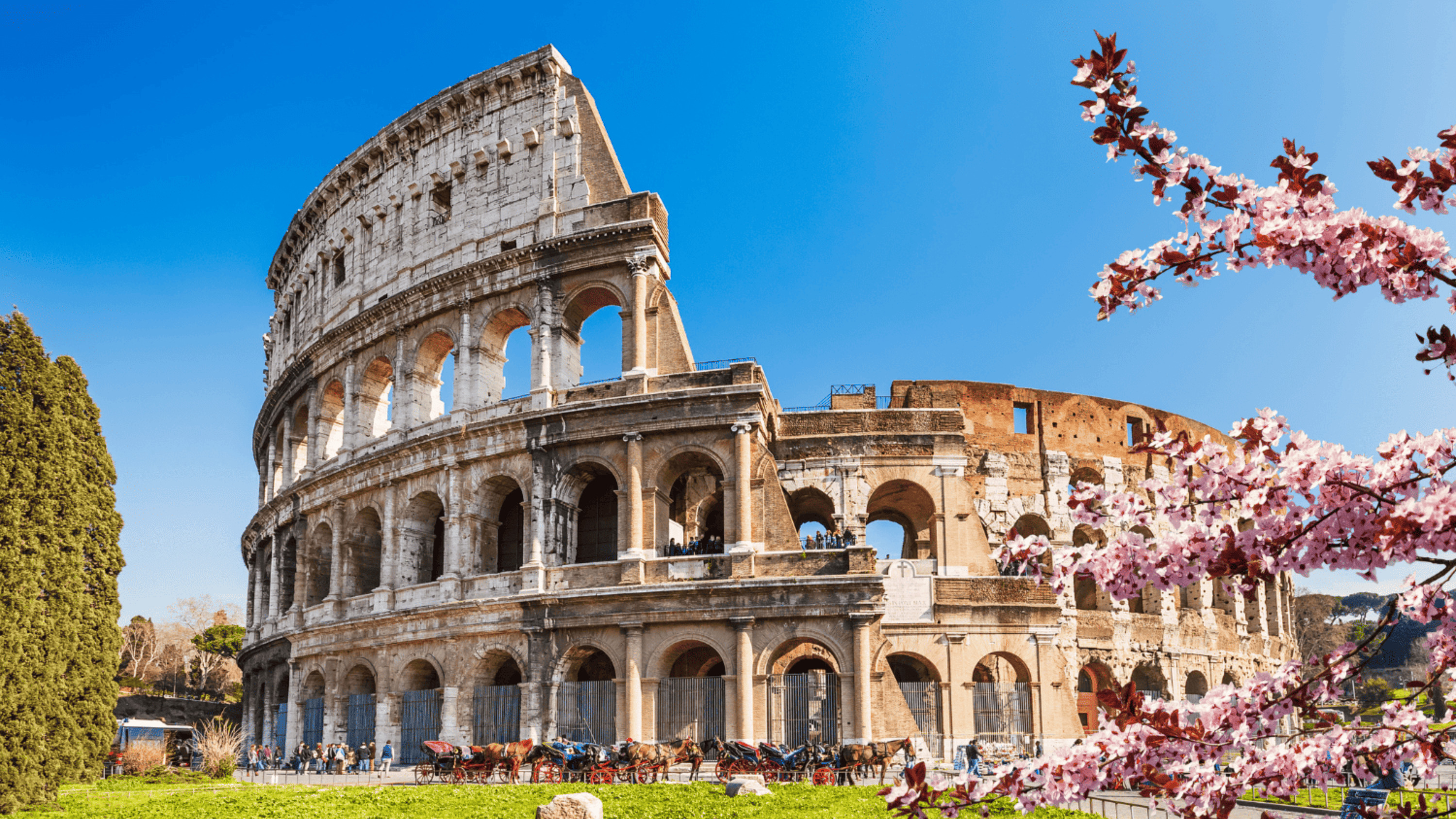
Colosseum
The Colosseum is an iconic symbol of Rome and one of the most famous ancient amphitheaters in the world. It was used for gladiatorial contests and public spectacles.
Historical
1-2 hours
€16 (combined ticket with Roman Forum and Palatine Hill)
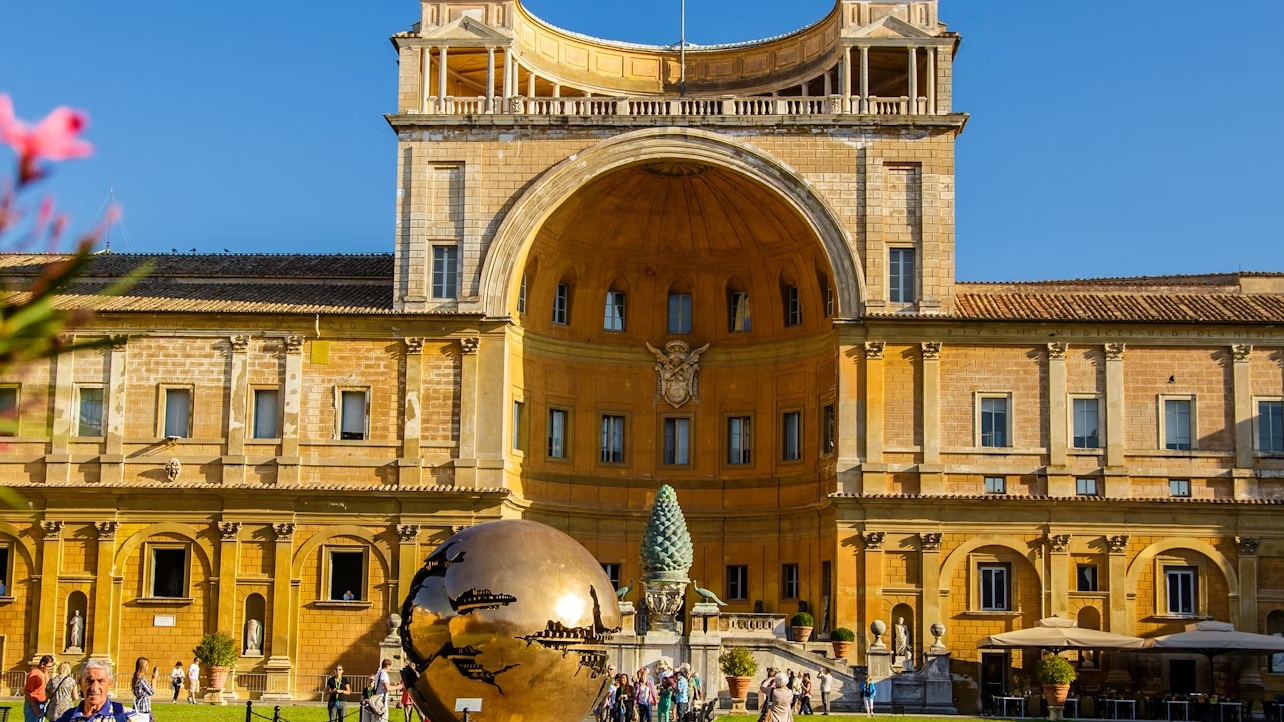
Vatican City
Vatican City is an independent city-state enclaved within Rome. It is the spiritual and administrative center of the Roman Catholic Church.
Religious
Half day
€17 (Vatican Museums and Sistine Chapel), Free (St. Peter's Basilica)
Roman Forum
The Roman Forum was the political, commercial, and legal hub of the Roman Republic and Empire. It is a sprawling ruin of temples, basilicas, and arches.
Historical
1-2 hours
€16 (combined ticket with Colosseum and Palatine Hill)
Pantheon
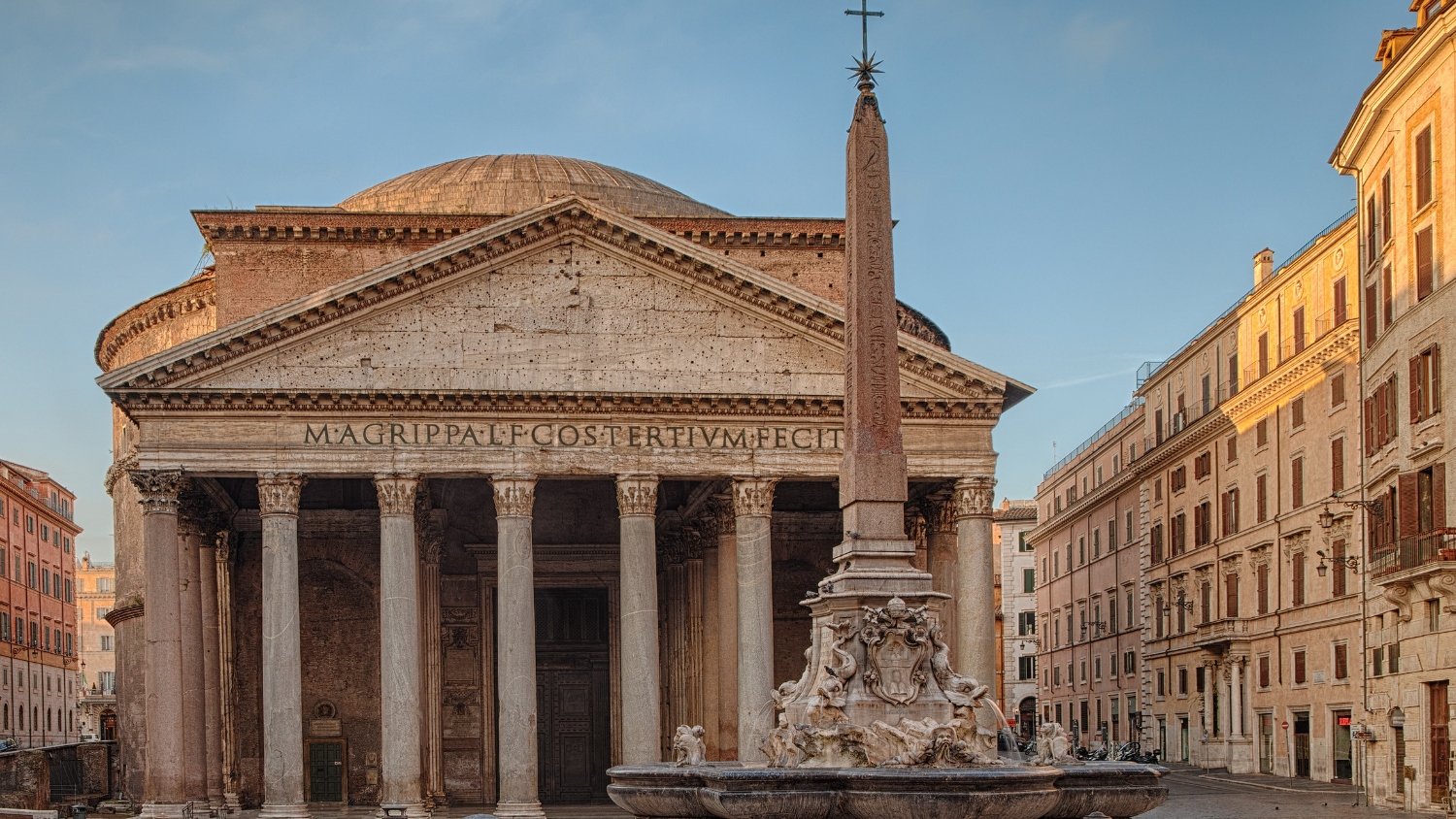
The Pantheon is a former Roman temple, now a church, known for its large dome and oculus. It is one of the best-preserved ancient buildings in Rome.
Historical
30 minutes to 1 hour
Free
Trevi Fountain
The Trevi Fountain is a Baroque masterpiece and the largest fountain in Rome. It is a popular spot for visitors to throw coins and make wishes.
Architecture
15-30 minutes
Free
Must-Try Local Dishes
Cacio e Pepe
A simple yet delicious pasta dish made with Pecorino Romano cheese and black pepper.
Pasta
Vegetarian
Carbonara
A rich pasta dish made with eggs, Pecorino Romano, guanciale (cured pork cheek), and black pepper.
Pasta
Contains pork and eggs
Supplì
Fried rice balls filled with mozzarella and tomato sauce.
Snack
Vegetarian (some variations may contain meat)
Carciofi alla Romana
Artichokes braised with garlic, mint, and olive oil.
Vegetable
Vegetarian
Popular Activities
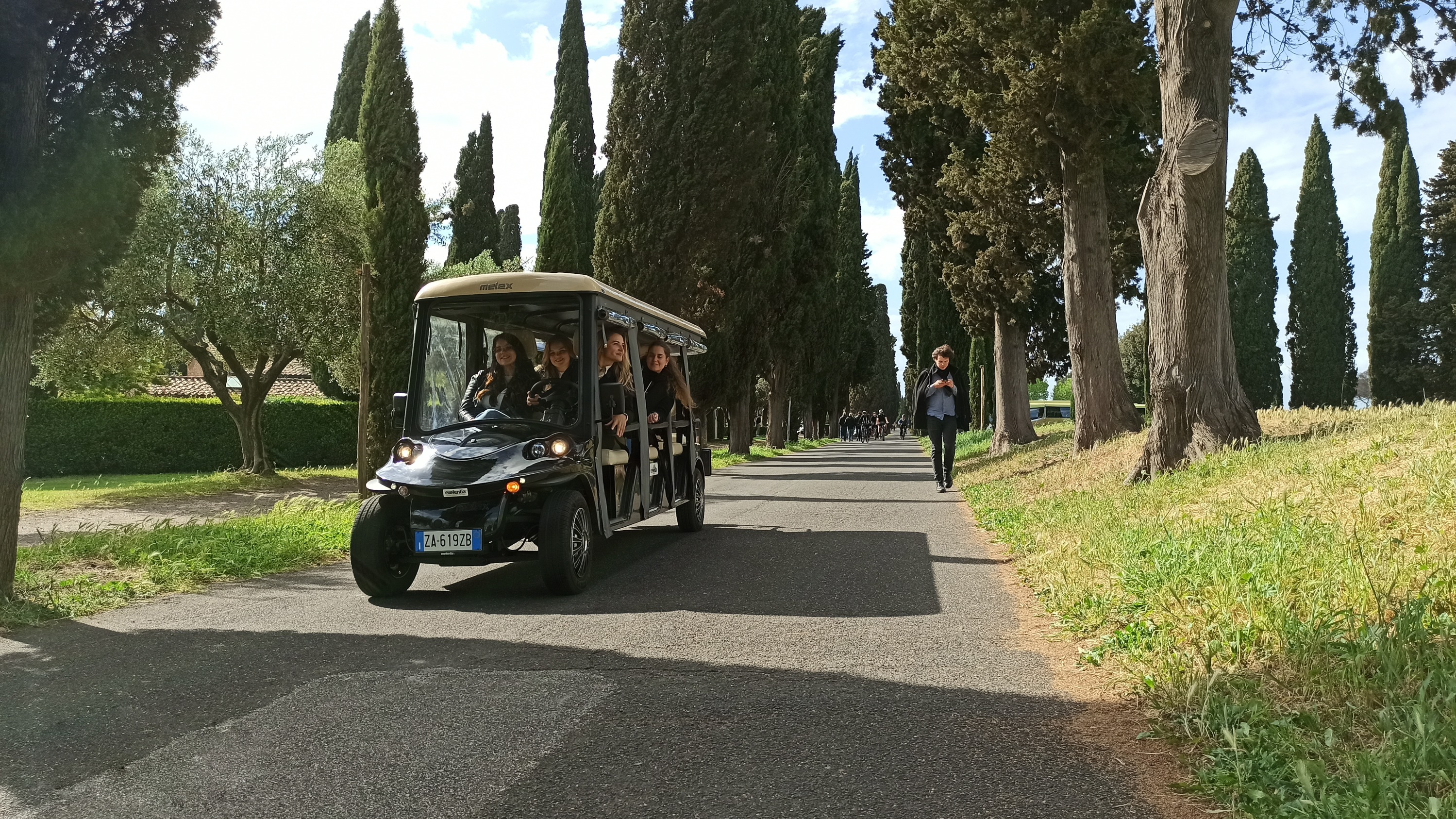
Hiking in the Appian Way Regional Park
Biking along the Tiber River
Rock climbing in the nearby mountains
Picnicking in Villa Borghese Gardens
Boating on Lake Albano
Enjoying a spa day at a luxury hotel
Visiting the Vatican Museums
Attending an opera at the Teatro dell'Opera di Roma
Best Time to Visit
April to June, September to October
Spring and fall offer pleasant weather and fewer crowds compared to the summer peak. Ideal for sightseeing and outdoor activities.
15-30°C
59-86°F
Practical Information
Language
- Official: Italian
- Widely spoken: English, Spanish, French
- English: Moderately spoken
Currency
Euro (EUR)
Time Zone
GMT+1 (CET), GMT+2 (CEST during daylight saving time)
Electricity
230VV, 50HzHz
Safety Information
Overall Safety Rating: Generally safe
Rome is generally safe for tourists, but pickpocketing and scams can be a problem in crowded areas. Be aware of your surroundings and take precautions to protect your belongings.
Important Precautions:
- • Keep valuables secure and out of sight
- • Use official taxis or ride-sharing services
- • Be cautious of strangers approaching you with petitions or bracelets
Getting there
By air
- Leonardo da Vinci International Airport • 35 km from city center
- Ciampino Airport • 15 km from city center
By train
Roma Termini, Roma Tiburtina
By bus
Tiburtina Bus Station, Roma Termini
Getting around
Public transport
The metro system is efficient and covers major tourist areas. It operates from 5:30 AM to 11:30 PM.
Taxis
Available • Apps: Uber, FreeNow
Rentals
Car, Bike, Scooter
Neighborhoods
Trastevere
Monti
Prancipio
Testaccio
Day trips
Ostia Antica
30 km from Rome • Half day
An ancient Roman port city with well-preserved ruins, including a theater, baths, and mosaics. It offers a glimpse into daily life in ancient Rome.
Tivoli
30 km from Rome • Full day
A picturesque town known for its stunning villas and gardens, including the famous Villa d'Este with its elaborate fountains and gardens.
Orvieto
120 km from Rome • Full day
A charming hilltop town known for its stunning cathedral, underground caves, and local wine. It offers a mix of history, culture, and scenic views.
Festivals
Natale di Roma • April 21
Festa de' Noantri • July
Rome Film Festival • October
Pro tips
- Visit major attractions early in the morning or late in the afternoon to avoid crowds
- Use public transport or walk instead of taking taxis to save money and experience the city like a local
- Try local specialties and ask for recommendations from locals and restaurant staff
- Dress modestly when visiting religious sites and be respectful of local customs and traditions
- Be aware of pickpockets and scams, especially in crowded areas and tourist hotspots
From $25
per person
Price varies by option
Secure booking
Free cancellation available
Instant confirmation