

Heritage Pass in Malta
Active
3d
For a full refund, cancel at least 24 hours before the scheduled departure time.
Instant confirmation
Mobile or paper ticket accepted
About this experience
With this unique pass, travellers are able to access 20 Heritage & Attraction sites in Malta. Besides getting access to all these sites, included in the price is the following:
Unlimited use of the Hop-On Hop-Off Bus Routes which pass adjacent to all the listed sites
A Harbour cruise of Valletta & The Three Cities whereby one can travel to these Heritage & Attraction sites whilst enjoying the spectacular views from the Grand Harbour. Vessel is air-conditioned and includes WiFi
The Heritage Pass can be used over a period of 6 days from first activation.
Available options
Heritage Pass in Malta
What's included
Harbour cruise with live commentary
WiFi onboard
Entrance to 20+ Heritage Malta sites (Malta ONLY)
Unlimited use of Hop-On Hop-Off Bus routes (North & South)
Detailed itinerary
1
Stop 1
Fort Saint Elmo (Maltese: Forti Sant'Iermu) is a star fort in Valletta, Malta. It stands on the seaward shore of the Sciberras Peninsula that divides Marsamxett Harbour from Grand Harbour, and commands the entrances to both harbours along with Fort Tigné and Fort Ricasoli. It is best known for its role in the Great Siege of Malta of 1565.
2
MUŻA is an art museum located at Auberge d'Italie in Valletta, Malta. It was formerly located at Admiralty House between 1974 and 2016, when it was known as the National Museum of Fine Arts (Maltese: Mużew Nazzjonali tal-Arti).
It houses a collection of works by Maltese and foreign artists mainly representing the major European artistic styles. The museum was inaugurated on 7 May 1974, and it was located at Admiralty House, an 18th-century palace which was formerly the official residence of the Commander-in-Chief of the Mediterranean Fleet. The museum was closed down on 2 October 2016. In 2018 the national collection of fine arts was moved and put on display in the new National Community Art Museum, MUŻA (from the Maltese acronym Mużew Nazzjonali tal-Arti), located at Auberge d’Italie in Valletta.
3
The National Museum of Natural History (Maltese: Mużew Nazzjonali tal-Istorja Naturali) is a natural history museum in the mediaeval walled city of Mdina, Malta. It is housed in Palazzo Vilhena, a French Baroque palace rebuilt in 1726 by Grand Master Antonio Manoel de Vilhena to designs of Charles François de Mondion. The museum opened to the public in 1973, and is run by Heritage Malta.
The museum gives the visitor an overview of Maltese ecosystems (both on ground and under water), focusing on endemic plants and bird of the Islands, such as the Maltese Centaury and Blue Rock Thrush.
This museum display ranks a large variety of minerals, fossils, insects, reptiles, birds, mammals, fish and sections about Geology and Palaeontology.
4
The Ta' Ħaġrat ([taˈħad͡ʒrat]) temples in Mġarr, Malta is recognized as a UNESCO World Heritage Site, along with several other Megalithic temples.[1] They are amongst the world's oldest religious sites.[2] The larger Ta' Ħaġrat temple dates from the Ġgantija phase (3600–3200 BCE);[3] the smaller is dated to the Saflieni phase (3300–3000 BCE).[3]
5
Stop 5
Għar Dalam ("Cave of Dalam" (a fifteenth century family name), IPA: [aːr 'dalam])[A] is a 144 metre long phreatic tube and cave, or cul-de-sac, located in the outskirts of Birżebbuġa, Malta. The cave contains the bone remains of animals that were stranded and subsequently became extinct in Malta at the end of the Last Glacial Maximum. It has lent its name to the Għar Dalam phase in Maltese prehistory, and is viewed as one of Malta's most important national monuments. Pottery similar to that found in Stentinello was found at Għar Dalam, but lacking details such as stamp decorations.
6
Stop 6
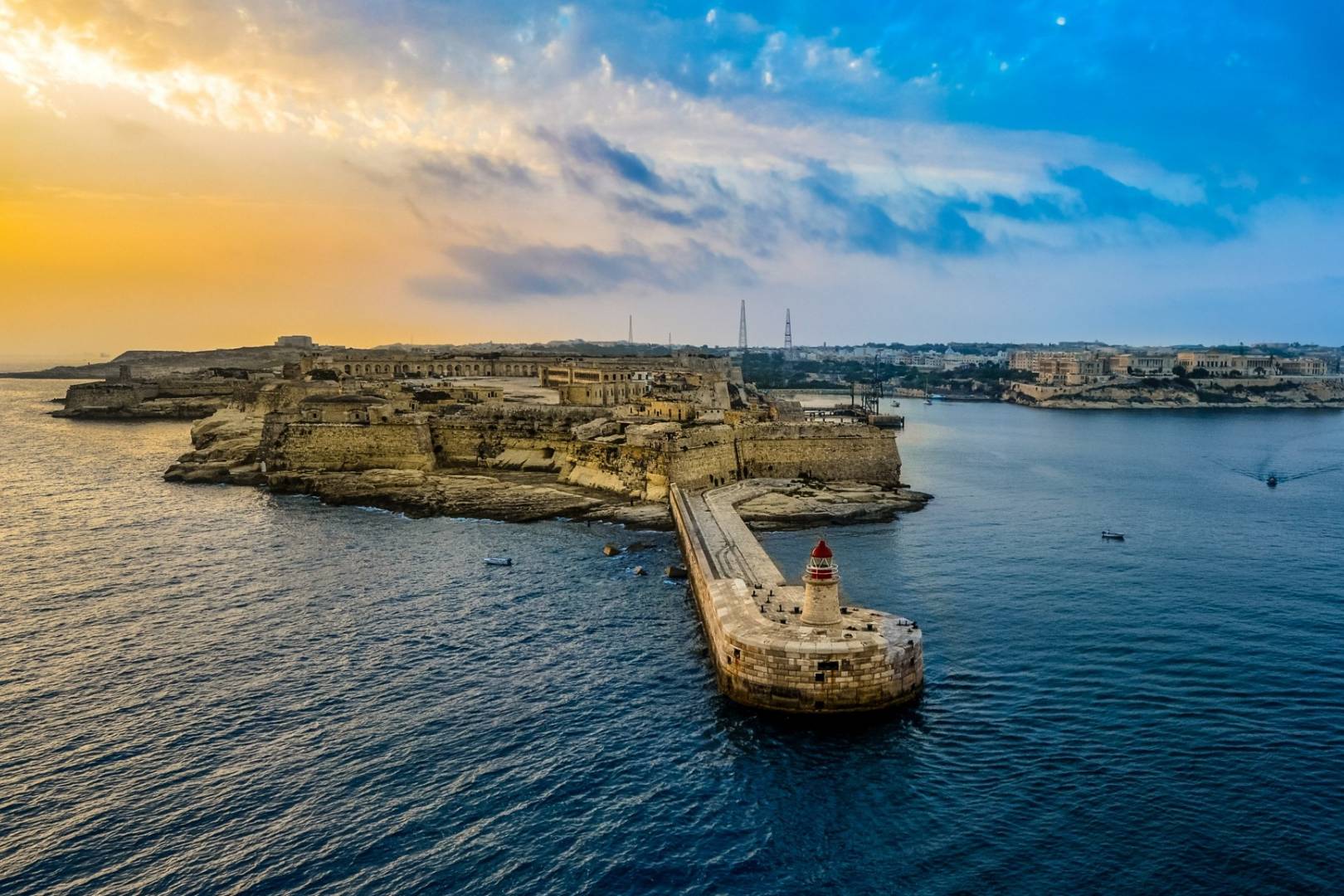
Fort St. Angelo (Maltese: Forti Sant'Anġlu or Fortizza Sant'Anġlu) is a bastioned fort in Birgu, Malta, located at the centre of the Grand Harbour. It was originally built in the medieval period as a castle called the Castrum Maris (English: Castle by the Sea; Italian: Castello al Mare). It was rebuilt by the Order of Saint John as a bastioned fort called Fort Saint Angelo between the 1530s and the 1560s, and it is best known for its role as the Order's headquarters during the Great Siege of Malta of 1565. A major reconstruction to designs of Carlos de Grunenbergh took place in the 1690s, giving the fort its current appearance.
7
Stop 7
The Malta Maritime Museum (Maltese: Mużew Marittimu ta' Malta) is a maritime museum in Birgu, Malta. It is housed in the former Royal Naval Bakery, which was built in the 1840s as the main bakery for the Mediterranean Fleet. The museum has a collection of over 20,000 artifacts, and it is the largest museum on the island.
The museum's aim is to illustrate Malta's maritime history, starting from prehistory to the present. The museum shows this within a Mediterranean and a global context.
8
Stop 8
The megalithic complex of Ħaġar Qim is located on the southern edge of the island of Malta, on a ridge capped in soft globigerina limestone. . Globigerina limestone is the second oldest rock on Malta, outcropping over approximately 70% of the area of the islands. The builders used this stone throughout the temple architecture. All exposed rock on the island was deposited during the Oligocene and Miocene periods of geological time
9
The Staterooms are the show piece of the Presidential Palace sited at the heart of Malta's World Heritage Capital city of Valletta. The Palace itself was one of the first buildings in the new city of Valletta founded by Grandmaster Jean Parisot de La Valette in 1566 a few months after the successful outcome of the Great Siege of Malta in 1565. The Palace was enlarged and developed by successive Grandmasters to serve as their official residence. Later, during the British period, it served as the Governor's Palace and was the seat of Malta's first constitutional parliament in 1921. The Palace today is the seat of Office of the President of the Republic and the House of Parliament. This site can occasionally be closed at short notice by order of the President.
10
The Palace Armoury is a showcase of the opulence of the Order of St John. Ruling the Maltese Islands from 1530 to 1798, these knights defended the Catholic faith against the attacks of the Ottoman Empire. Visitors can enjoy the armour suits of Grand Masters Alof de Wignacourt and Jean de Valette, Ottoman armour and weapons as well as a selection of artillery pieces.
11
The Skorba temples are megalithic remains on the northern edge of Żebbiegħ, in Malta, which have provided detailed and informative insight into the earliest periods of Malta's neolithic culture. The site was only excavated in the early 1960s, rather late in comparison to other megalithic sites, some of which had been studied since the early 19th century. The site's importance has led to its listing as a UNESCO World Heritage Site, a listing it shares with six other megalithic temples in Malta.
12
Borġ in-Nadur is an archaeological site located in open fields overlooking St George's Bay, near Birżebbuġa, Malta. It is occupied by a Tarxien phase megalithic temple as well as the remains of a Bronze Age village which includes the earliest fortification in Malta. The site is located close to various Bronze Age cart ruts and silos, a Roman villa at Ta' Kaċċatura, as well as Saint George Redoubt which was built thousands of years later in 1715–1716.
13
St. Paul's Catacombs are some of the most prominent features of Malta's early Christianity archeology. The archeological clearing of the site has revealed an extensive system of underground galleries and tombs dating from the third to the eighth centuries CE.
The site was first fully investigated in 1894 by Dr. Antonio Annetto Caruana. It is now managed by Heritage Malta.
There are over 30 hypogea in the entire St. Paul's and St. Agatha's complex, over 20 of which are open to the public.
14
The Domvs Romana sheds light on the private life and habits of an ancient Roman aristocrat. Very little was recovered of the noble Roman town house (domvs) itself, but the intricate mosaics and other artefacts that survived for centuries are testimony enough to the original richness of this dwelling.
15
Stop 15
The Tarxien Temples consist of three separate, but attached, temple structures. The main entrance is a reconstruction dating from 1956, when the whole site was restored. At the same time, many of the decorated slabs discovered on site were relocated indoors for protection at the Museum of Archaeology in Valletta. The first temple has been dated to approximately 3100 BC and is the most elaborately decorated of the temples of Malta. The middle temple dates to about 3000 BC, and is unique in that, unlike the rest of the Maltese temples, it has three pairs of apses instead of the usual two. The east temple is dated at around 3100 BC. The remains of another temple, smaller, and older, having been dated to 3250 BC, are visible further towards the east.
16
Mnajdra (Maltese: L-Imnajdra) is a megalithic temple complex found on the southern coast of the Mediterranean island of Malta. Mnajdra is approximately 497 metres (544 yd) from the Ħaġar Qim megalithic complex. Mnajdra was built around the fourth millennium BCE; the Megalithic Temples of Malta are among the most ancient religious sites on Earth, described by the World Heritage Sites committee as "unique architectural masterpieces." In 1992 UNESCO recognized the Mnajdra complex and four other Maltese megalithic structures as UNESCO World Heritage Sites.In 2009 work was completed on a protective tent.
Reviews breakdown
Tripadvisor
3.3
15 reviews
5★
6
4★
3
3★
0
2★
1
1★
5
Important information
Infants and small children can ride in a pram or stroller
Public transportation options are available nearby
Suitable for all physical fitness levels
Important notes
iSeeMalta Head Office will send over tickets to customer on the email provided
About Valletta
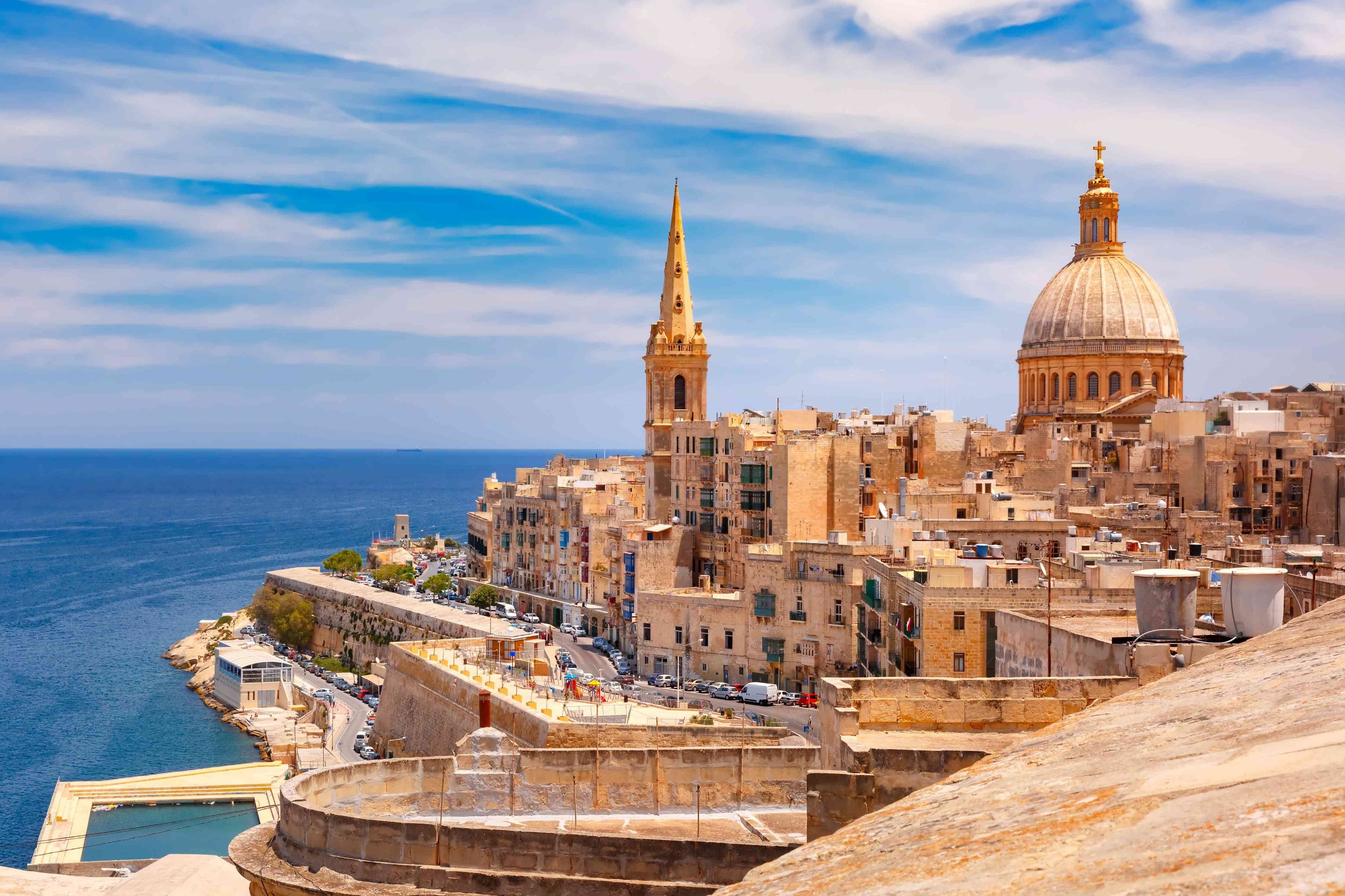
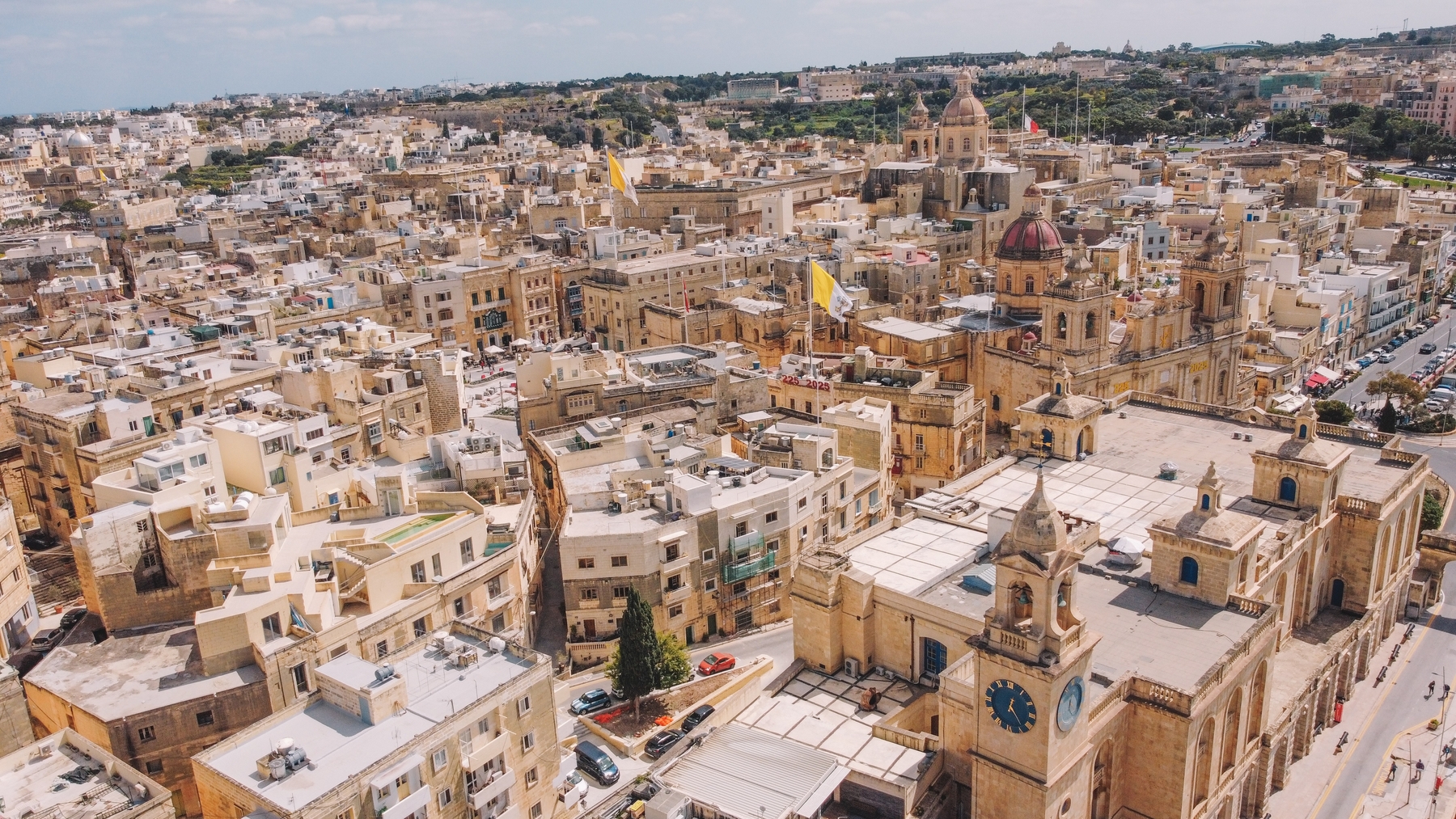
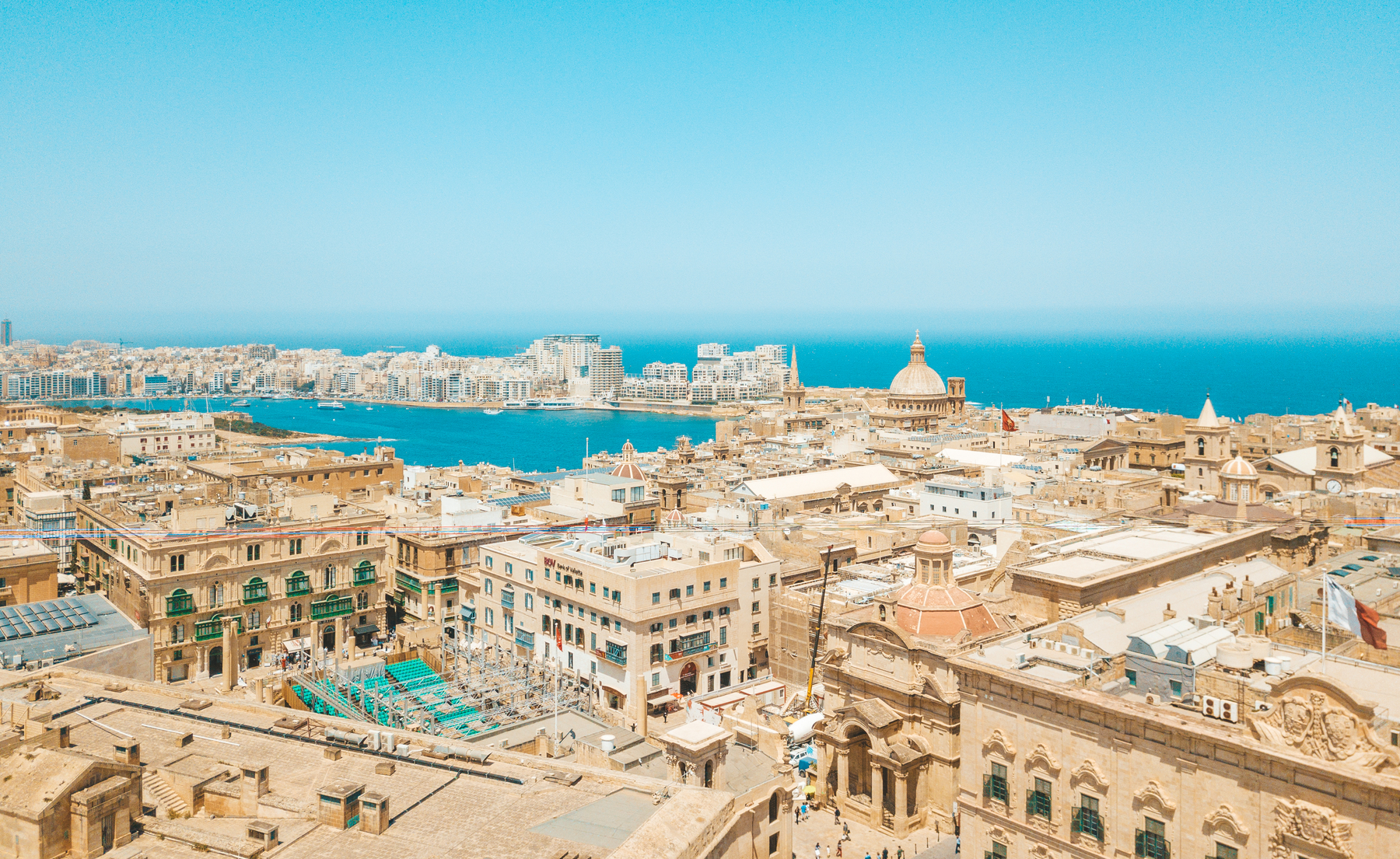
Valletta, the capital of Malta, is a UNESCO World Heritage site known for its rich history, stunning architecture, and vibrant culture. This fortified city offers a blend of medieval, Renaissance, and Baroque influences, making it a unique destination for history enthusiasts and travelers seeking Mediterranean charm.
Top Attractions
St. John's Co-Cathedral
A masterpiece of Baroque architecture, St. John's Co-Cathedral is one of Valletta's most iconic landmarks. It was built by the Knights of St. John in the 16th century and features stunning interiors, including Caravaggio's famous painting 'The Beheading of St. John the Baptist'.
Religious/Historical
1-2 hours
€10
Upper Barrakka Gardens
Located on the highest point of Valletta's fortifications, the Upper Barrakka Gardens offer panoramic views of the Grand Harbour and the Three Cities. The gardens are a peaceful retreat and a perfect spot to enjoy the city's skyline and maritime heritage.
Nature/Historical
30-60 minutes
Free
Grandmaster's Palace
The Grandmaster's Palace served as the residence of the Grand Masters of the Knights of St. John. Today, it houses the Maltese Parliament and the Palace State Rooms, which are open to the public. The palace is a prime example of Maltese Baroque architecture and offers a glimpse into the island's rich history.
Historical/Museum
1-2 hours
€10 for the State Rooms and Armory
The National Museum of Archaeology
Housed in the historic Auberge de Provence, the National Museum of Archaeology showcases Malta's prehistoric heritage, including artifacts from the Neolithic and Bronze Age periods. The museum's highlights include the famous 'Sleeping Lady' figurine and the Hypogeum of Ħal Saflieni replicas.
Museum
1-2 hours
€5
Valletta Waterfront
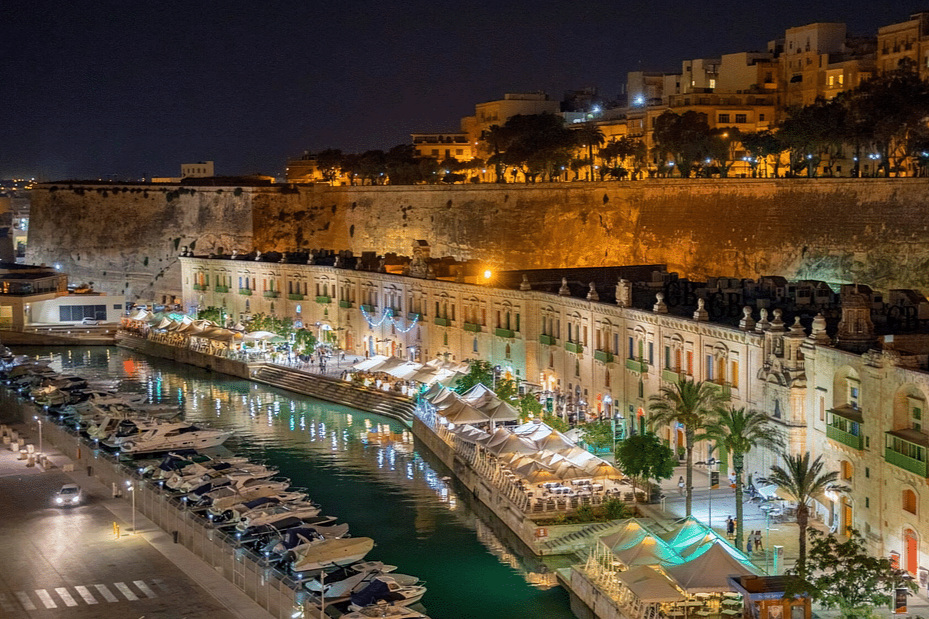
The Valletta Waterfront is a vibrant area located along the Grand Harbour. It features a mix of historic buildings, restaurants, bars, and shops. The waterfront is a popular spot for dining, leisurely walks, and enjoying the city's maritime atmosphere.
Entertainment/Historical
1-2 hours
Free to explore, varying costs for dining and activities
Must-Try Local Dishes
Ftira
A traditional Maltese bread roll, often filled with tuna, olives, capers, and fresh tomatoes. It is a popular breakfast or snack item.
Breakfast/Snack
Can be made vegetarian by omitting the tuna.
Pastizzi
A flaky pastry filled with ricotta cheese or peas. Pastizzi are a popular street food item and can be found in bakeries throughout Malta.
Snack
Vegetarian.
Rabbit Stew (Fenek)
A traditional Maltese dish made with rabbit, wine, garlic, and herbs. It is often served with potatoes and is a staple of Maltese cuisine.
Dinner
Not suitable for vegetarians or vegans.
Stuffed Squid (Kappunata)
A popular seafood dish made with squid stuffed with a mixture of breadcrumbs, herbs, and spices, then cooked in a tomato sauce.
Dinner
Not suitable for vegetarians or vegans.
Popular Activities
Boat tours
Snorkeling and diving
Hiking and nature walks
Beach hopping
Sunbathing
Enjoying a spa day
Exploring historic sites
Visiting museums and cathedrals
Best Time to Visit
April to June, September to October
The best time to visit Valletta is during spring and autumn when the weather is pleasant, and the tourist crowds are smaller compared to the summer peak season. These months offer ideal conditions for exploring the city's historic sites and enjoying outdoor activities.
18-30°C
64-86°F
Practical Information
Language
- Official: Maltese, English
- Widely spoken: English, Italian
- English: Widely spoken
Currency
Euro (EUR)
Time Zone
GMT+1 (Central European Time, CET), GMT+2 (Central European Summer Time, CEST) during daylight saving time
Electricity
230VV, 50HzHz
Safety Information
Overall Safety Rating: Generally safe
Valletta is generally a safe destination for travelers, with low crime rates and a welcoming atmosphere. However, as with any destination, it is essential to take basic safety precautions and be aware of your surroundings.
Important Precautions:
- • Keep valuables secure and be aware of your surroundings in crowded areas
- • Use licensed taxis or ride-sharing services, and agree on a fare before starting your journey
- • Be cautious of strangers approaching you with petitions or distractions
Getting there
By air
- Malta International Airport • 8 km (5 miles) from Valletta
By bus
Valletta Bus Terminus
Getting around
Public transport
Buses are the primary mode of public transport in Valletta and Malta. The network is well-connected, affordable, and frequent. Buses are equipped with modern facilities and are accessible for passengers with disabilities.
Taxis
Available • Apps: eBolt, eCabs
Rentals
Car, Bike, Scooter
Neighborhoods
The Three Cities
Sliema
Floriana
Day trips
Mdina
20 km (12 miles) from Valletta • Half day to full day
Mdina, also known as the 'Silent City,' is a medieval walled city located in the center of Malta. It is known for its historic architecture, narrow winding streets, and stunning views of the surrounding countryside. Mdina is a popular day trip destination for history enthusiasts and travelers seeking a glimpse into Malta's past.
Blue Grotto
10 km (6 miles) from Valletta • Half day
The Blue Grotto is a series of sea caves located on the southern coast of Malta. It is known for its stunning blue waters, dramatic rock formations, and the opportunity to take a boat tour into the caves. The Blue Grotto is a popular day trip destination for nature lovers and adventure seekers.
Gozo
50 km (31 miles) from Valletta • Full day or overnight
Gozo is a small island located northwest of Malta, known for its stunning natural beauty, historic sites, and laid-back atmosphere. It is a popular day trip or overnight destination for travelers seeking a more relaxed pace and a chance to explore Malta's rural charm.
Festivals
Malta Arts Festival • July
Valletta International Baroque Festival • January
Notte Bianca • October
Pro tips
- Visit Valletta during the shoulder or off-peak seasons to avoid crowds and enjoy lower prices
- Explore the city's historic sites and attractions early in the morning or late in the afternoon to avoid the heat and crowds
- Use public transport, walk, or rent a bicycle to get around Valletta and the surrounding areas
- Try local dishes and specialties, such as pastizzi, ftira, and rabbit stew, at traditional bakeries, markets, and restaurants
- Take a boat tour or ferry to explore the surrounding islands and regions, such as Gozo, Comino, and the Three Cities
From $25
per person
Price varies by option
Secure booking
Free cancellation available
Instant confirmation