Jeju Island Customized Private Tour: East, West & South Routes
Active
9h
For a full refund, cancel at least 24 hours before the scheduled departure time.
Instant confirmation
Mobile or paper ticket accepted
About this experience
Jeju Island Tour Routes:
South Route:
Alive Museum, Teddy Bear Museum, Jusangjeolli Cliff, Oedolgae Rock, Cheonjiyeon Waterfall, Newlyweds Bridge, Beaches.
East Route:
Jeju Folk Village, Hamdeok Beach, Woljeongri Beach, Udo Island, Seongsan Ilchulbong Peak, Aqua Planet, Seopjikoji, Sangumburi Crater, Nanta Show.
West Route:
Aewol Coastal Road, Hyeopjae Beach, O’Sulloc Tea Museum, Yongduam Coast, Hello Kitty Island, Camellia Hill, Pororo Theme Park.
Highlights:
Experienced drivers familiar with Jeju’s UNESCO World Heritage sites.
Customizable private tours to avoid public transport.
Choose one route options.
Note: Multi-day tours available for comprehensive exploration.
Available options
Multi-route for 1-3Pax
Duration: 9 hours<br/>Multi-route: combined multi-route from East Line/West Line/South Line<br/>Standard: It can accommodate 3 people and 3 24-inch suitcases, up to 4 people<br/>Pickup included
Single route for 1-3Pax
Duration: 9 hours<br/>East Line/West Line/South Line: One of the East Line/West Line/South Line<br/>Minivan: It can accommodate 3 people plus 3 24-inch suitcases, up to 4 people<br/>Pickup included
Single route for 4-6Pax
Duration: 9 hours<br/>East Line/West Line/South Line: One of the East Line/West Line/South Line<br/>Minibus: It can accommodate 5 people and 5 24-inch suitcases, up to 6 people<br/>Pickup included
Multi-route for 4-6Pax
Duration: 9 hours<br/>Multi-route: combined multi-route from East Line/West Line/South Line<br/>Minivan: It can accommodate 5 people and 5 24-inch suitcases, up to 6 people<br/>Pickup included
What's included
Private transportation
Free bottle of water
Air-conditioned vehicle
Parking Fee
Tolls
Fuel costs
Detailed itinerary
1
Stop 1
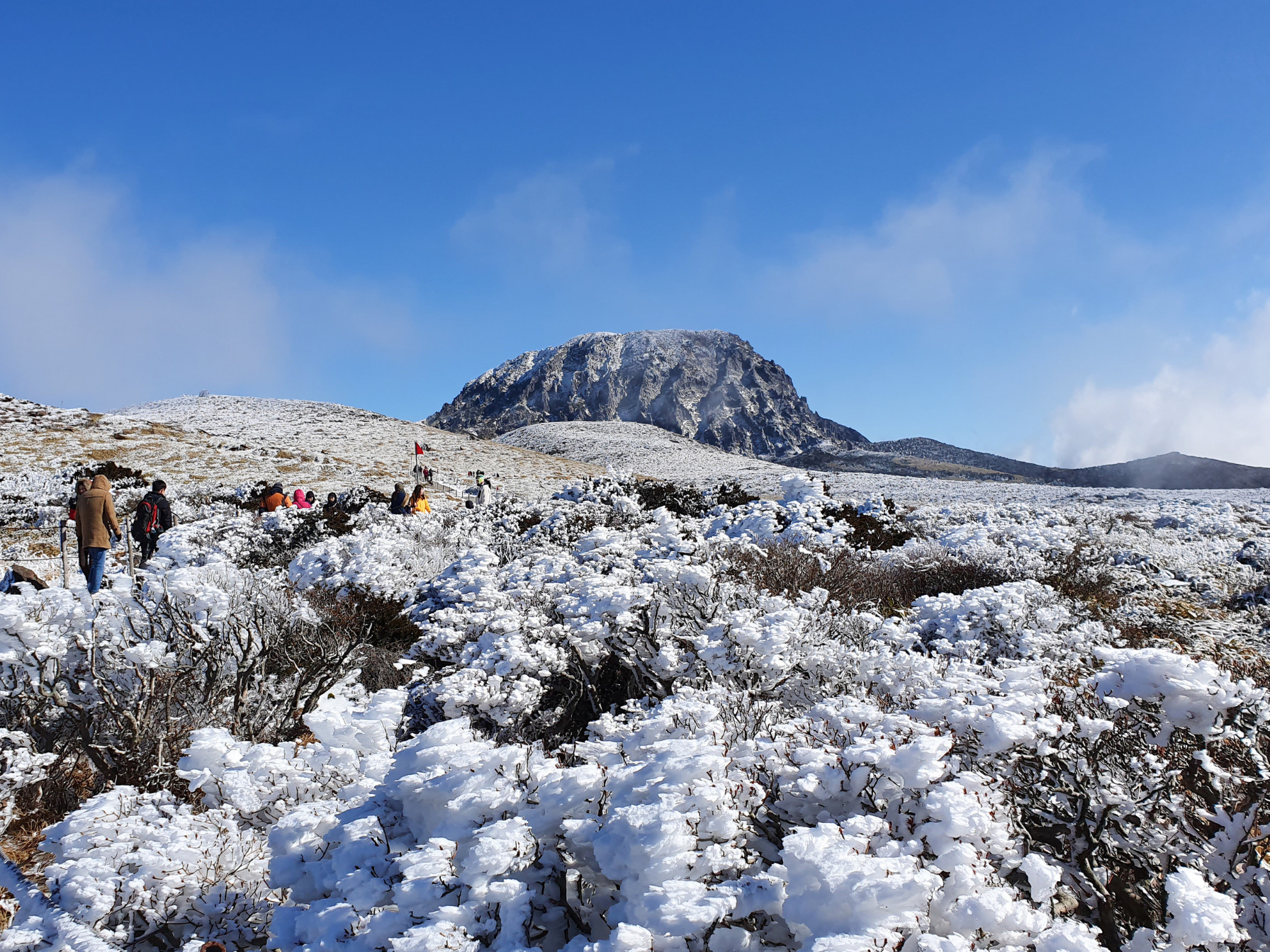
Hallasan Mountain is located in the middle of Jeju Island. It is one of the three famous mountains in South Korea and the highest mountain in South Korea. It can be seen from anywhere in Jeju Island. Hallasan Mountain means "a mountain that can hold the Milky Way". On the top of the mountain is the volcanic lake Baekroktan, which was formed by a volcanic eruption about 25,000 years ago. There are more than 360 small volcanoes of various sizes formed by volcanic eruptions around it.
2
Stop 2
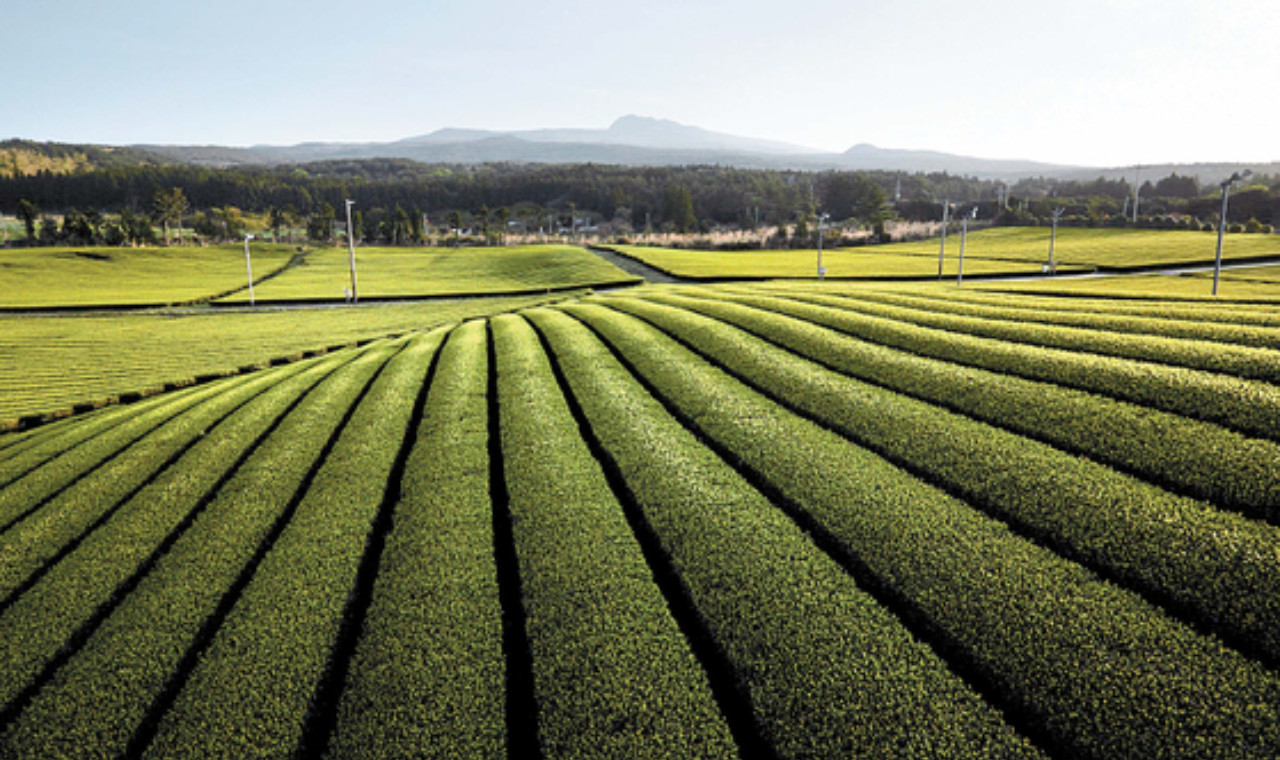
In the museum, you can see the history of the development and inheritance of Jeju green tea, as well as a display of various precious tea cups from the East and the West, and the process of roasting tea.
3
The Daepo Columnar Joint Belt is a group of volcanic rock columns formed when volcanic lava cooled when it flowed through the sea in front of the Chinese region. The entire joint belt is distributed on the 2,000-kilometer coastline from Chinese-dong to Daepo-dong in Seogwipo City, Jeju Island.The product does not include tickets for this attraction. If you want to visit this attraction, please book your tickets in advance.
4
Stop 4
Cheonjiyeon Falls is a waterfall located on Jeju Island, South Korea. It is one of the main tourist attractions in Jeju Island.The product does not include tickets for this attraction. If you want to visit this attraction, please book your tickets in advance.
5
Stop 5
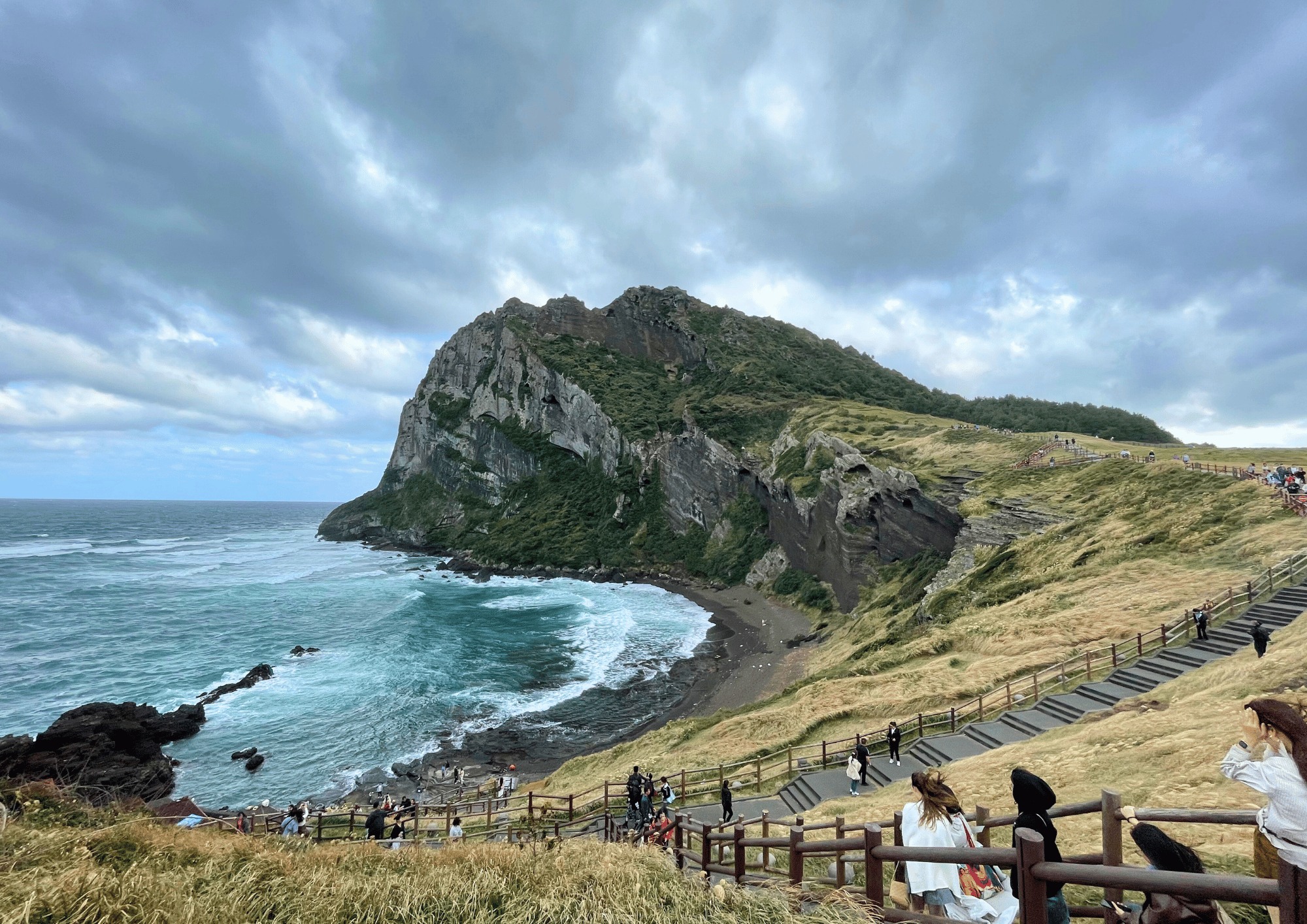
Seongsan Ilchulbong is a volcanic hill located on the eastern end of Jeju Island. It became South Korea's first natural heritage in 2007. Watching the sunrise from the peak is one of the ten scenic spots in Yeongju. Its characteristic is that you can see the slowly rising sun from the horizon and dye the entire ocean red.
6
Woljeong-ri is located in the eastern part of Jeju Island. Its name means the place where the moon stays. It has a white sand beach.The product does not include tickets for this attraction. If you want to visit this attraction, please book your tickets in advance.
7
"Seopji" is the ancient name of this area, and "Koji" is the dialect of Jeju Island, which means the protruding terrain. The entire area is composed of black volcanic rocks and red volcanic soil, as well as sea rocks of different shapes. Grasslands, lighthouses, and sea rocks form a unique landscape.
What's not included
Meals
Overtime fee(Please inform customer service if overtime)
Attraction Tickets
Personal consumption
Child seat(1-3 years old)require an additional fee
Available languages
Written guide
KO
ZH-CN
Important information
Specialized infant seats are available
Not recommended for travelers with spinal injuries
Suitable for all physical fitness levels
About Seogwipo
Seogwipo is a vibrant city on the southern coast of Jeju Island, known for its stunning natural landscapes, including waterfalls, beaches, and volcanic formations. It offers a mix of outdoor adventures, cultural experiences, and relaxation opportunities, making it a perfect destination for nature lovers and those seeking a peaceful retreat.
Top Attractions
Oedolgae Rock
A striking volcanic rock formation rising from the sea, offering breathtaking views and a unique geological feature.
Nature
1-2 hours
Free
Jeongbang Waterfall
One of the few waterfalls in the world that falls directly into the ocean, Jeongbang Waterfall is a stunning natural attraction.
Nature
1-2 hours
Free
Seogwipo Olle Market
A lively market offering a variety of local foods, crafts, and souvenirs, perfect for experiencing the local culture.
Market
1-2 hours
Budget to Moderate
Must-Try Local Dishes
Black Pork
A local delicacy made from black-haired pigs raised on Jeju Island, known for its tender and flavorful meat.
Main Dish
Not vegetarian
Haenyeo Dolsot Bibimbap
A traditional bibimbap (mixed rice bowl) featuring seafood, vegetables, and a fried egg, served in a hot stone pot.
Main Dish
Contains seafood and egg
Hallabong
A sweet and juicy variety of tangerine unique to Jeju Island.
Fruit
Vegan-friendly
Popular Activities
Hiking
Scuba diving
Paragliding
Beach activities
Spa treatments
Coffee shop hopping
Visiting temples
Exploring markets
Best Time to Visit
April to June, September to November
This is the best time to visit Seogwipo due to the comfortable temperatures and lower humidity. The city is less crowded, and the weather is ideal for outdoor activities and exploring nature.
15-25°C
59-77°F
Practical Information
Language
- Official: Korean
- Widely spoken: English (limited)
- English: Limited
Currency
South Korean Won (KRW)
Time Zone
GMT+9
Electricity
220VV, 60HzHz
Safety Information
Overall Safety Rating: Very safe
Seogwipo is generally very safe, with low crime rates. However, travelers should always take basic precautions to ensure a safe and enjoyable trip.
Important Precautions:
- • Keep valuables secure
- • Be cautious when using ATMs (prefer those located inside banks or shopping centers)
- • Avoid walking alone in isolated areas at night
Getting there
By air
- Jeju International Airport • 40 km from Seogwipo
By bus
Jeju Intercity Bus Terminal
Getting around
Public transport
Buses are the primary mode of public transport in Seogwipo. They are affordable and cover most areas of the city and island.
Taxis
Available • Apps: KakaoTaxi, T-Money
Rentals
Car, Bike, Scooter
Neighborhoods
Dongmun Market Area
Seogwipo KAL Hotel Area
Day trips
Halla Mountain
30 km from Seogwipo • Full day
Halla Mountain is the highest peak in South Korea, offering stunning views and a variety of hiking trails for all skill levels.
Udo Island
30 km from Seogwipo • Full day
Udo Island is a small, picturesque island known for its beautiful beaches, scenic trails, and fresh seafood.
Festivals
Jeju Fire Festival • March (specific dates vary)
Seogwipo Maze Festival • July (specific dates vary)
Pro tips
- Visit Oedolgae Rock at sunset for the most breathtaking views.
- Try black pork, a local delicacy unique to Jeju Island.
- Explore the Jeju Olle Trail for a scenic and sustainable hiking experience.
- Visit Seogwipo Olle Market for a taste of local culture and cuisine.
- Rent a car to explore the island at your own pace and discover hidden gems.
From $25
per person
Price varies by option
Secure booking
Free cancellation available
Instant confirmation