Private Gyeongju UNESCO World Heritage Tour
Active
8h
For a full refund, cancel at least 24 hours before the scheduled departure time.
Instant confirmation
Mobile or paper ticket accepted
About this experience
During this 8-hour private tour, your dedicated guide and driver will take you around the beautiful city of Gyeongju. Visit UNESCO World Heritage sites, Bulguk Temple and Seokguram Grotto, as well as other important historic places. This tour includes a private transport, Tour guide, entrance fees and pick up/drop off.
We can pick tourists up from either in Busan or Gyeongju
Available options
Private Gyeongju UNESCO World Heritage Tour
Pickup included
What's included
Private transportation
Hotel pickup and drop-off
Professional guide
Bottled water
All taxes, fees and handling charges
Pickup and drop-off from designated meeting points
Air-conditioned vehicle
Guaranteed to skip the long lines
Detailed itinerary
1
Stop 1
Cheomseongdae is the oldest existing astronomical observatory in Asia.
Constructed during the reign of Queen Seon-deok (632-647), it was used for observing the stars in order to forecast the weather. This stone structure is a beautiful combination of straight lines and curves, and was designated as National Treasure No.31 on December 20th, 1962.
Cheomseongdae was built in a cylinder shape with stones 30cm in diameter. 362 stones were piled up to make 27 levels. Roughly 4.16m up from the bottom there is a 1㎡ square entrance and a space to hang a ladder under it.
The inside is filled with soil up to the 12th level, and the 19th, 20th, 25th, and 26th levels all have long rocks hanging on two areas, shaped as the Chinese letter '井' (jeong).
It stands 9.17m high and the base stone on each side measures 5.35m.
2
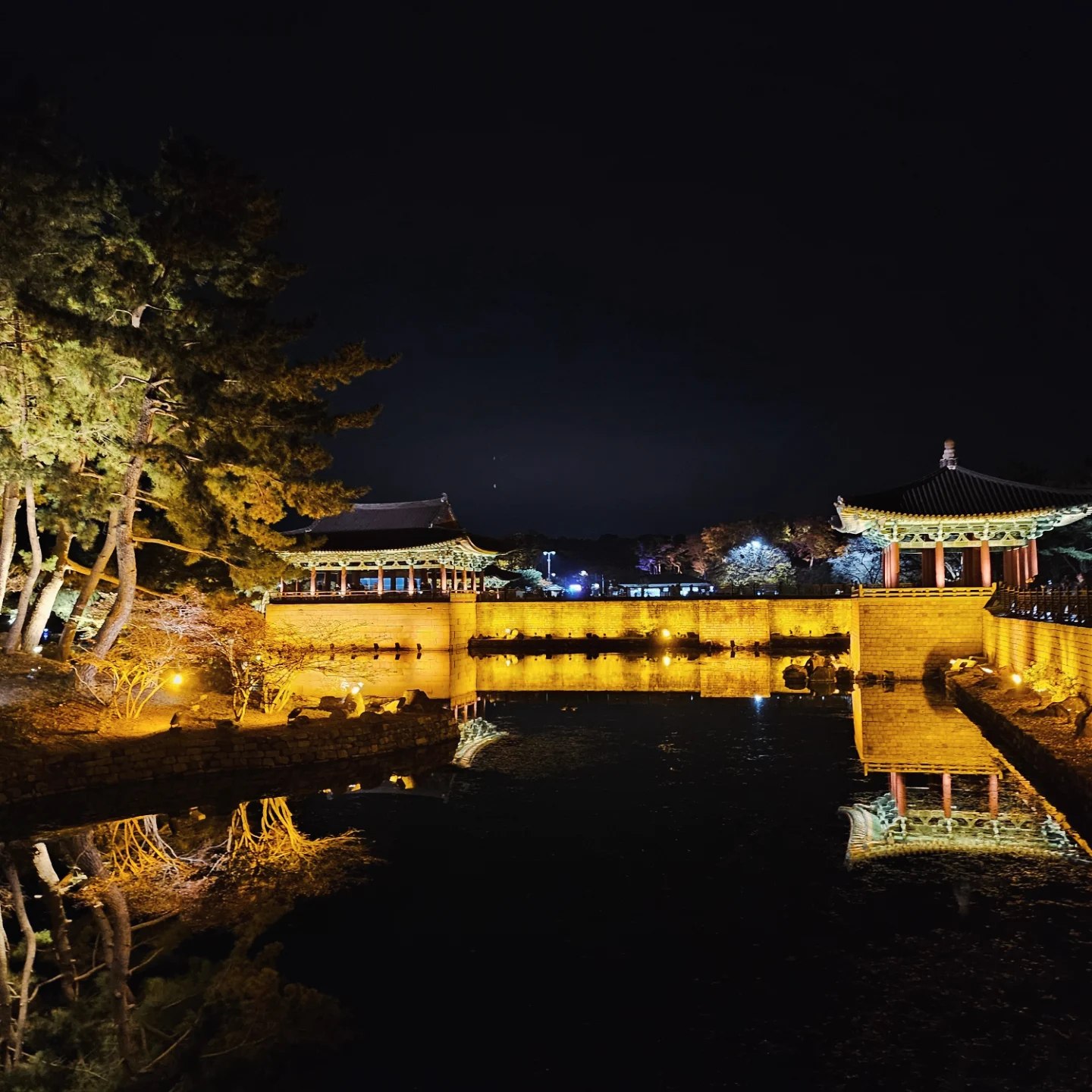
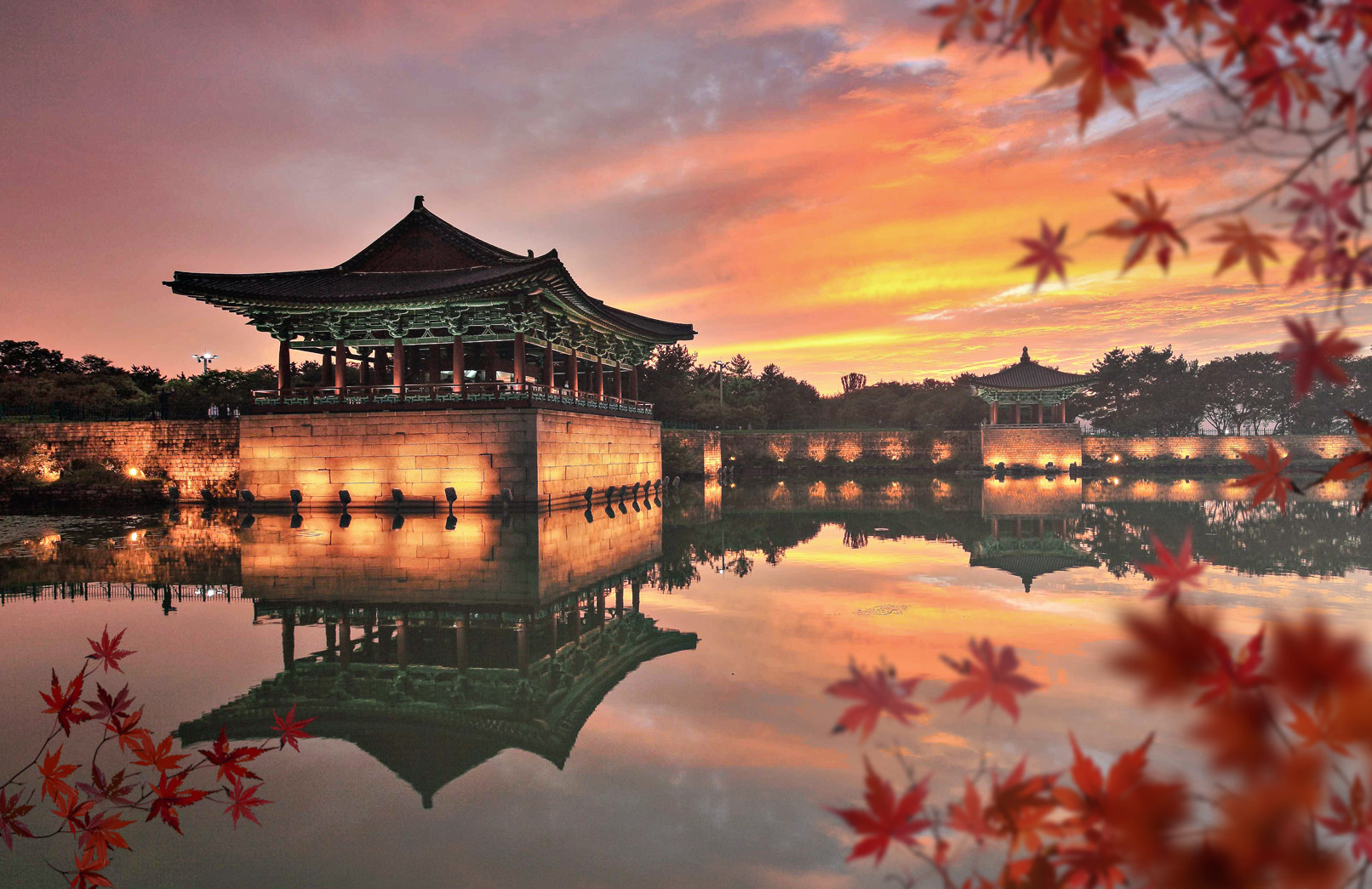
According to the historical records of Samguk-sagi, Wolji Pond was built during the 14th year of King Munmu (r. 661-681 AD) of the Silla Kingdom (57 BC-935 AD). Small mountains were created inside the palace walls, beautiful flowers were planted, and rare animals were brought in to create an exquisitely exotic garden fit for royalty. The pond was originally built in Wolseung Fortress (built in 101 AD during the Silla period), but the fortress was destroyed and now lies in ruins.
In 1974, an excavation project revealed large spherical shapes (measuring 200 meters in diameter and 180 meters in height) which indicated that 3 islands had been located in the pond. Thanks to these important findings and existing historical records, Wolji Pond has been restored to nearly its former glory.
3
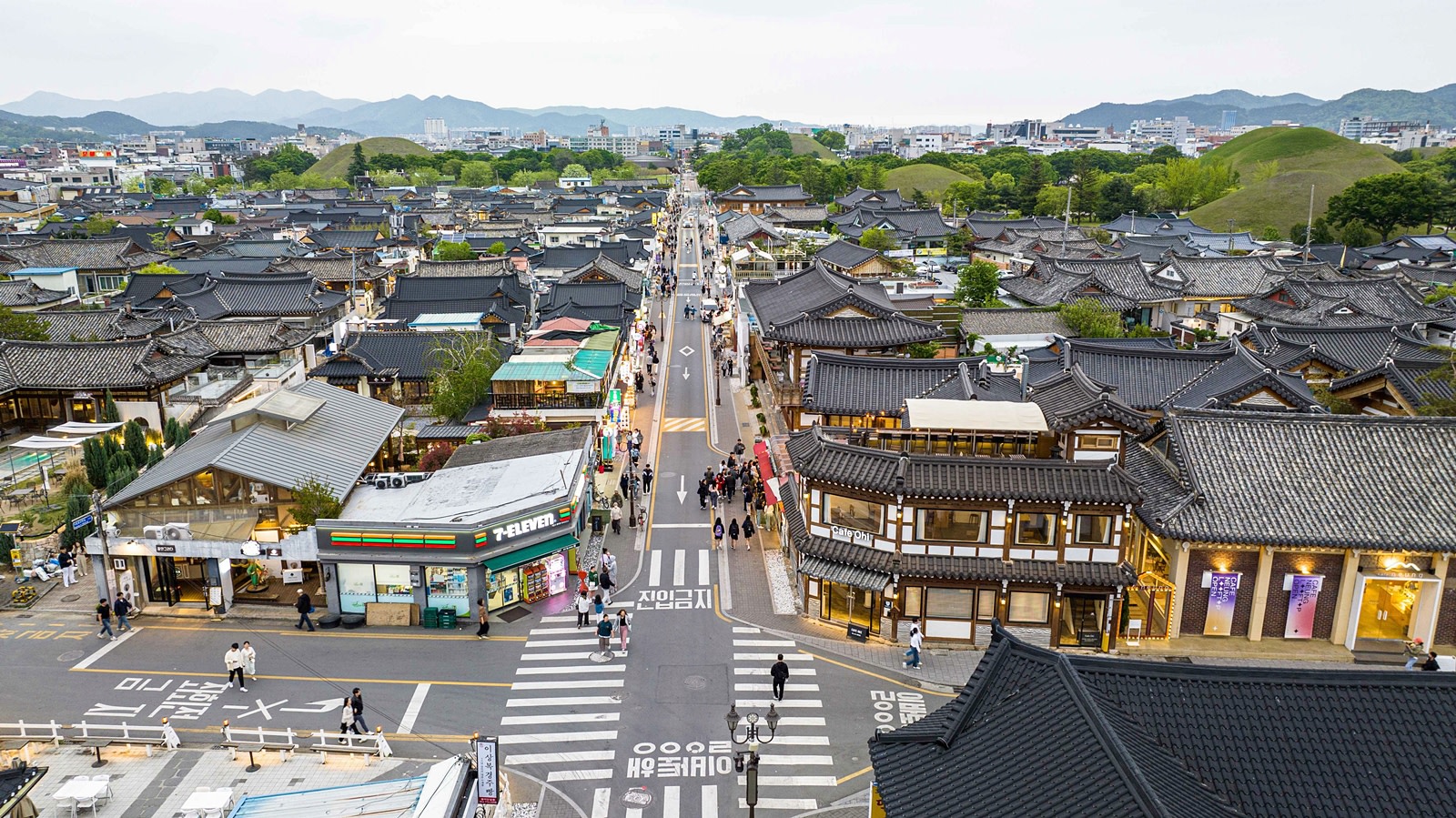
Located in Gyeongju-si, Gyeongju Gyochon Village is a hanok village that allows visitors a look inside life of famous the Choi Clan. Visitors can see the House of the Gyeongju Choi Clan (Important Folklore Material No. 27) and try some Gyeongju Gyodong Beopju Liquor (Important Intangible Cultural Asset No. 86-3) inside the village.
4
Large ancient tombs of kings and nobles of the Silla Kingdom can be seen around Gyeongju at the Daereungwon Tomb Complex (Cheonmachong Tomb). There are twenty-three large tombs located here; the most famous being Cheonmachong and Hwangnamdaechong.
In an excavation of the area in the 1970s, Cheonmachong was discovered with a painting of a mounted horse. This painting is the only discovered painting from the Silla era. You can also view the inside of Cheonmachong. There are 11,526 remains and royal crowns inside the tomb, demonstrating the lavish lifestyle of the king. Another tourist attraction is Hwangnamdaechong, the largest ancient tomb. It houses the bodies of both the king and queen and has over 30 thousand relics and gold accessories.
The unique thing about Hwangnamdaechong is that the queen's tomb has more luxurious accessories. Researchers have concluded that even the queen can have a high social position before marriage.
5
Stop 5
Seokguram, located on Tohamsan Mountain, is the representative stone temple of Korea. The official name of Seokguram, National Treasure No. 24, is Seokguram Seokgul. Designated as a World Cultural Heritage Site by UNESCO in 1995, it is an artificial stone temple made of granite. The construction was started by Kim Dae-Seong (700-774) in 751 during the reign of King Gyeong-Deok (742-765) of the Silla Kingdom (57 BC - AD 935) and it was finished twenty-four years later in 774, during the reign of King Hye-Gong (765-780).
6
Stop 6
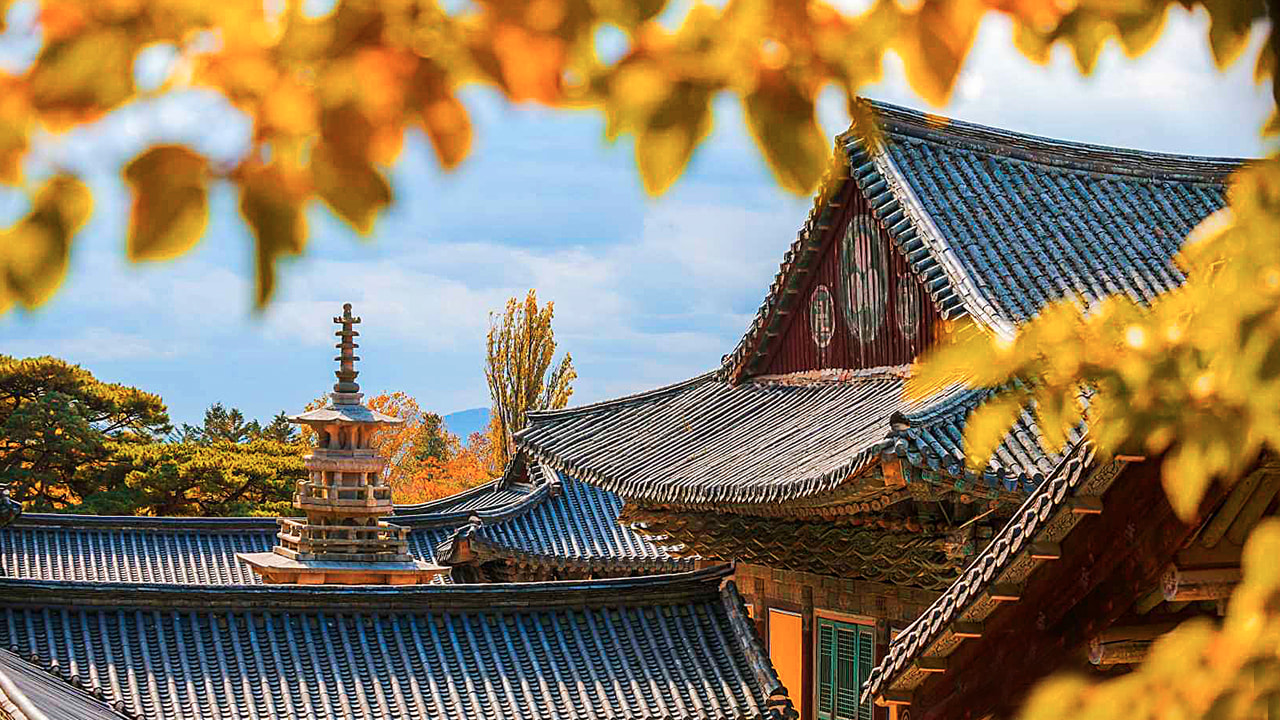
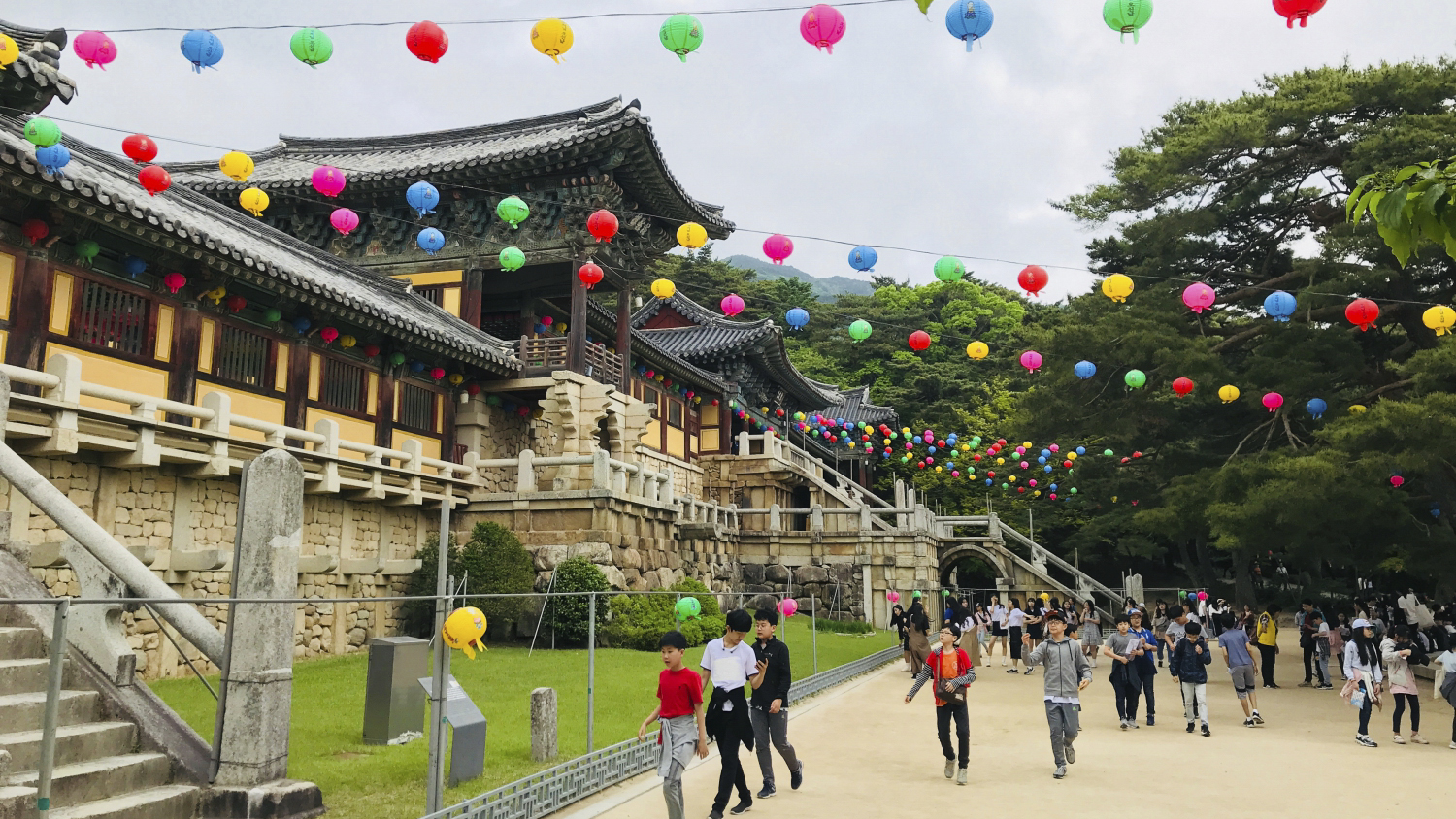
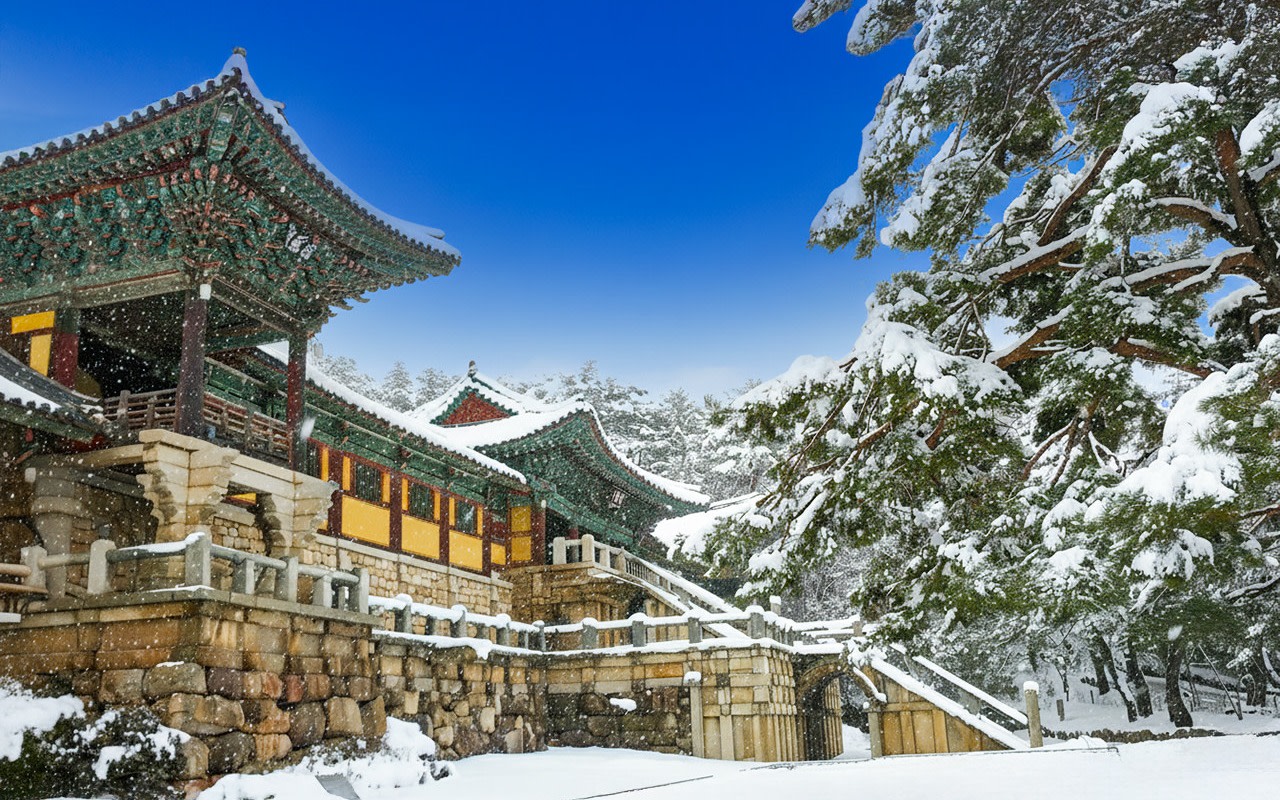
Bulguk Temple is the representative relic of Gyeongju and was designated as a World Cultural Asset by UNESCO in 1995. The beauty of the temple itself and the artistic touch of the stone relics are known throughout the world.
What's not included
We will offer options for the lunch that tourists can choose from
Available languages
Guide guide
KO
EN
Important information
Infants and small children can ride in a pram or stroller
Service animals allowed
Public transportation options are available nearby
Infants are required to sit on an adult’s lap
Specialized infant seats are available
Suitable for all physical fitness levels
Children must be accompanied by an adult
Please wear a comfortable shoes (high heels are not recommended)
Sun screen is recommended
Vegetarian option is available, please advise at time of booking if required
Important notes
Hotel pickups commence approximately 30 - 60 minutes prior to this time, exact pickup time will be advised on reconfirmation.
Times are subject to change due to local traffic conditions.
About Busan
Busan, South Korea's second-largest city, is a vibrant coastal metropolis known for its stunning beaches, fresh seafood, and unique cultural heritage. Nestled between mountains and the sea, Busan offers a dynamic blend of modern urban life and traditional charm, making it a must-visit destination in South Korea.
Top Attractions
Haeundae Beach
One of the most famous beaches in South Korea, Haeundae Beach is known for its beautiful coastline, vibrant atmosphere, and water sports. It's a popular spot for swimming, sunbathing, and enjoying the beachside cafes and restaurants.
Beach
Half day to full day
Free (activities and rentals may cost extra)
Gamcheon Culture Village
Known as the 'Machu Picchu of Busan', Gamcheon Culture Village is a colorful and artistic neighborhood built on a hillside. The village is filled with vibrant murals, installations, and quirky shops, making it a unique and photogenic destination.
Cultural
2-3 hours
Free to explore (some shops and cafes may charge for services)
Busan Tower
Located on Yongdusan Park, Busan Tower offers panoramic views of the city and the sea. The tower is a symbol of Busan and a popular spot for visitors to enjoy the scenery and learn about the city's history.
Historical/Architecture
1-2 hours
KRW 10,000 (adults), discounts for children and seniors
Haedong Yonggungsa Temple
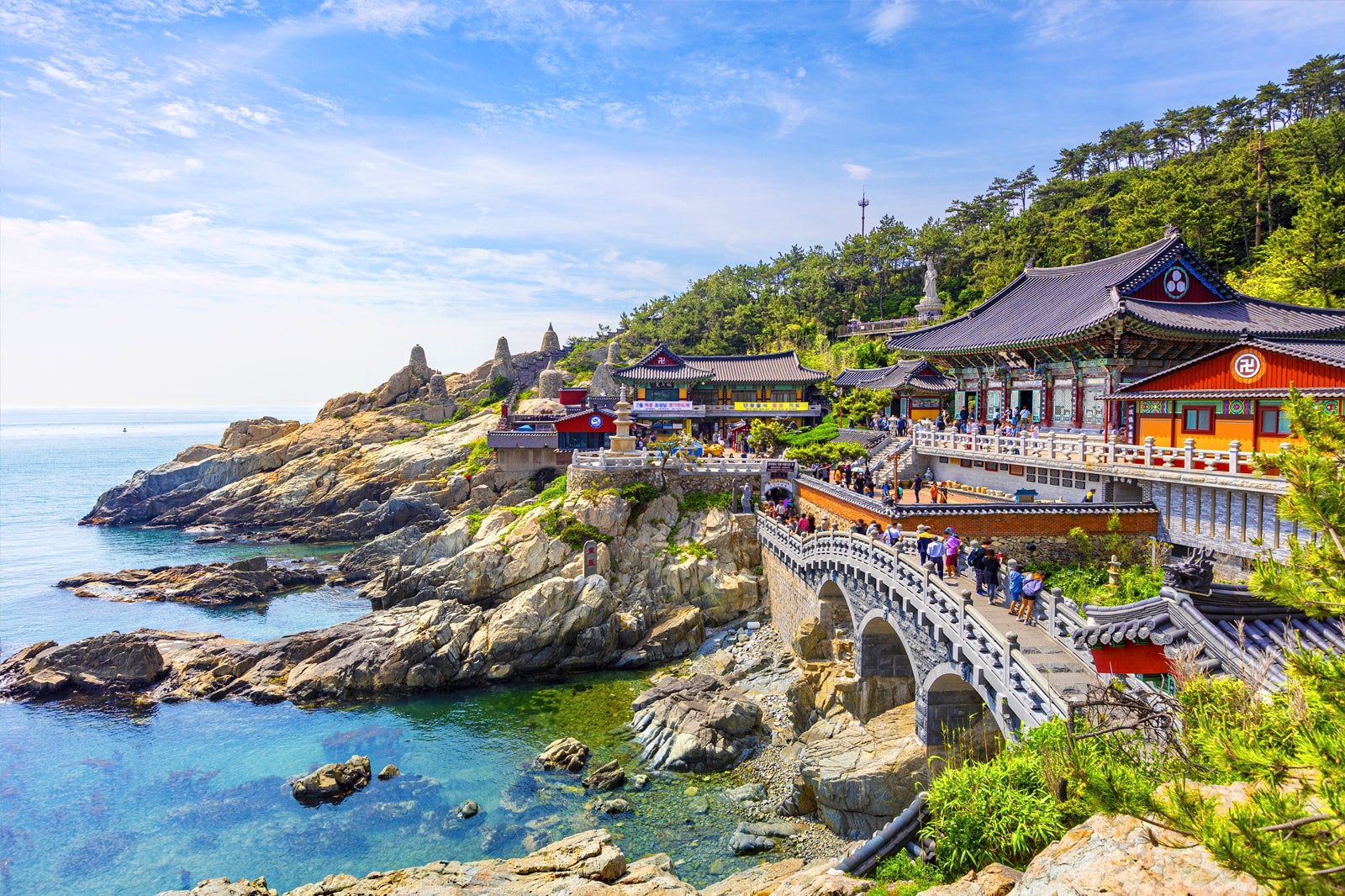
This stunning seaside temple is one of the most famous Buddhist temples in South Korea. Haedong Yonggungsa Temple is known for its beautiful architecture, serene atmosphere, and the unique experience of praying by the sea.
Religious/Cultural
1-2 hours
Free (donations welcome)
Gwangalli Beach
Gwangalli Beach is famous for its beautiful night views and the stunning Gwangan Bridge. The beach is a popular spot for swimming, picnicking, and enjoying the vibrant nightlife, including beach bars and clubs.
Beach/Entertainment
Half day to full day
Free (activities and rentals may cost extra)
Must-Try Local Dishes
Milmyeon
A cold wheat noodle dish served with a spicy seafood broth, topped with various seafood and vegetables. It's a refreshing and flavorful dish, perfect for hot summer days.
Noodle dish
Contains seafood, may not be suitable for those with seafood allergies.
Dwaeji Gukbap
A hearty pork soup made with pork bones, meat, and vegetables, served with rice. It's a comforting and flavorful dish that's popular in Busan.
Pork soup with rice
Contains pork, may not be suitable for vegetarians or those with pork allergies.
Busan-style Sundae
A type of blood sausage made with pork blood, noodles, and various ingredients, grilled and served with soup. It's a unique and flavorful street food that's a must-try in Busan.
Blood sausage
Contains pork and blood, may not be suitable for vegetarians or those with pork allergies.
Ganjang Gejang
A popular seafood dish made with raw crab marinated in soy sauce, garlic, and ginger. It's typically served with rice and vegetables, and is a delicacy in Busan.
Raw crab marinated in soy sauce
Contains raw seafood, may not be suitable for those with seafood allergies or pregnant women.
Popular Activities
Hiking in Geumjeongsan Mountain
Glass-bottom walkway at Oryukdo Skywalk
Water sports at Haeundae Beach
Beach lounging at Haeundae Beach
Spas and saunas in Busan
Picnicking in Yongdusan Park
Visiting Gamcheon Culture Village
Exploring Haedong Yonggungsa Temple
Best Time to Visit
April to June, September to October
The best time to visit Busan is during the spring and autumn months when the weather is mild and pleasant. These months offer ideal conditions for outdoor activities and sightseeing.
15-25°C (59-77°F)
59-77°F
Practical Information
Language
- Official: Korean
- Widely spoken: English (limited)
- English: Limited (especially outside tourist areas)
Currency
South Korean Won (KRW)
Time Zone
Korea Standard Time (KST, GMT+9)
Electricity
220VV, 60HzHz
Safety Information
Overall Safety Rating: Generally safe
Busan is generally a safe city for travelers, with low crime rates and a welcoming atmosphere. However, as with any destination, it's important to be aware of your surroundings and take precautions to ensure a safe and enjoyable trip.
Important Precautions:
- • Be cautious of your belongings in crowded areas, such as markets and public transportation.
- • Use reputable taxi services or ride-hailing apps, such as KakaoTaxi, to avoid scams.
- • Be aware of your surroundings, especially at night, and avoid walking alone in isolated areas.
Getting there
By air
- Busan Gimhae International Airport • 15 km from city center
By train
Busan Station
By bus
Nopodong Bus Terminal, Sasang Bus Terminal
Getting around
Public transport
The Busan Metro is efficient, clean, and easy to use. It consists of four lines that connect major attractions, shopping districts, and residential areas.
Taxis
Available • Apps: KakaoTaxi
Rentals
Car, Bike, Scooter
Neighborhoods
Haeundae
Seomyeon
Gwangalli
Jagalchi
Day trips
Taejongdae
15 km from Busan city center • Half day to full day
Taejongdae is a scenic coastal park located at the southern tip of Yeongdo Island, offering stunning views of the sea, cliffs, and lighthouse. The park is also home to historical sites and walking trails.
Oryukdo Skywalk
10 km from Busan city center • Half day
The Oryukdo Skywalk is a thrilling glass-bottom walkway that extends over the sea, offering breathtaking views of the coastline and the city. The skywalk is a popular attraction for adventure seekers and photography enthusiasts.
Geumjeongsan Mountain
15 km from Busan city center • Full day
Geumjeongsan Mountain is the highest peak in Busan, offering stunning views of the city and the sea. The mountain is home to numerous hiking trails, temples, and historical sites, making it a popular destination for nature lovers and hikers.
Festivals
Busan International Film Festival (BIFF) • October (annually)
Busan Sea Festival • July (annually)
Busan Fireworks Festival • October (annually, during BIFF)
Pro tips
- Visit the Jagalchi Fish Market early in the morning to see the bustling fish auction and enjoy the freshest seafood.
- Try the local street food at the Haeundae Night Market, such as Busan-style Sundae and grilled seafood skewers.
- Explore the colorful and artistic Gamcheon Culture Village, also known as the 'Machu Picchu of Busan', for a unique and photogenic experience.
- Take a stroll along the beautiful Haeundae Beach and enjoy the vibrant atmosphere, especially during the summer months.
- Visit the Busan Tower and Yongdusan Park for stunning views of the city and the sea, especially during sunset or at night.
From $25
per person
Price varies by option
Secure booking
Free cancellation available
Instant confirmation


![[BUSAN,GamcheonVillage] Private Korean Art Painting Class](https://media-cdn.tripadvisor.com/media/attractions-splice-spp-674x446/0f/e6/3f/ac.jpg)


![[Private Tour] Busan and Gyeongju Top Attractions Day Tour](https://res.klook.com/image/upload/activities/pj3cuzsrkoqkakpc0sma.jpg)