Private South Coast Area Tour
Active
10h - 11h
For a full refund, cancel at least 24 hours before the scheduled departure time.
Instant confirmation
Mobile or paper ticket accepted
About this experience
Explore the breathtaking landscapes of the southernmost part of Iceland with your own private guide.
Available options
4-7 passengers
4-7 passengers<br/>Pickup included
1-3 passengers
1-3 passengers<br/>Pickup included
What's included
Private transportation
Knowledgeable & experienced English speaking driver-guide
Pickup & drop-off within the Reykjavik Capital Area
Air-conditioned vehicle
Parking Fees
Detailed itinerary
1
Stop 1
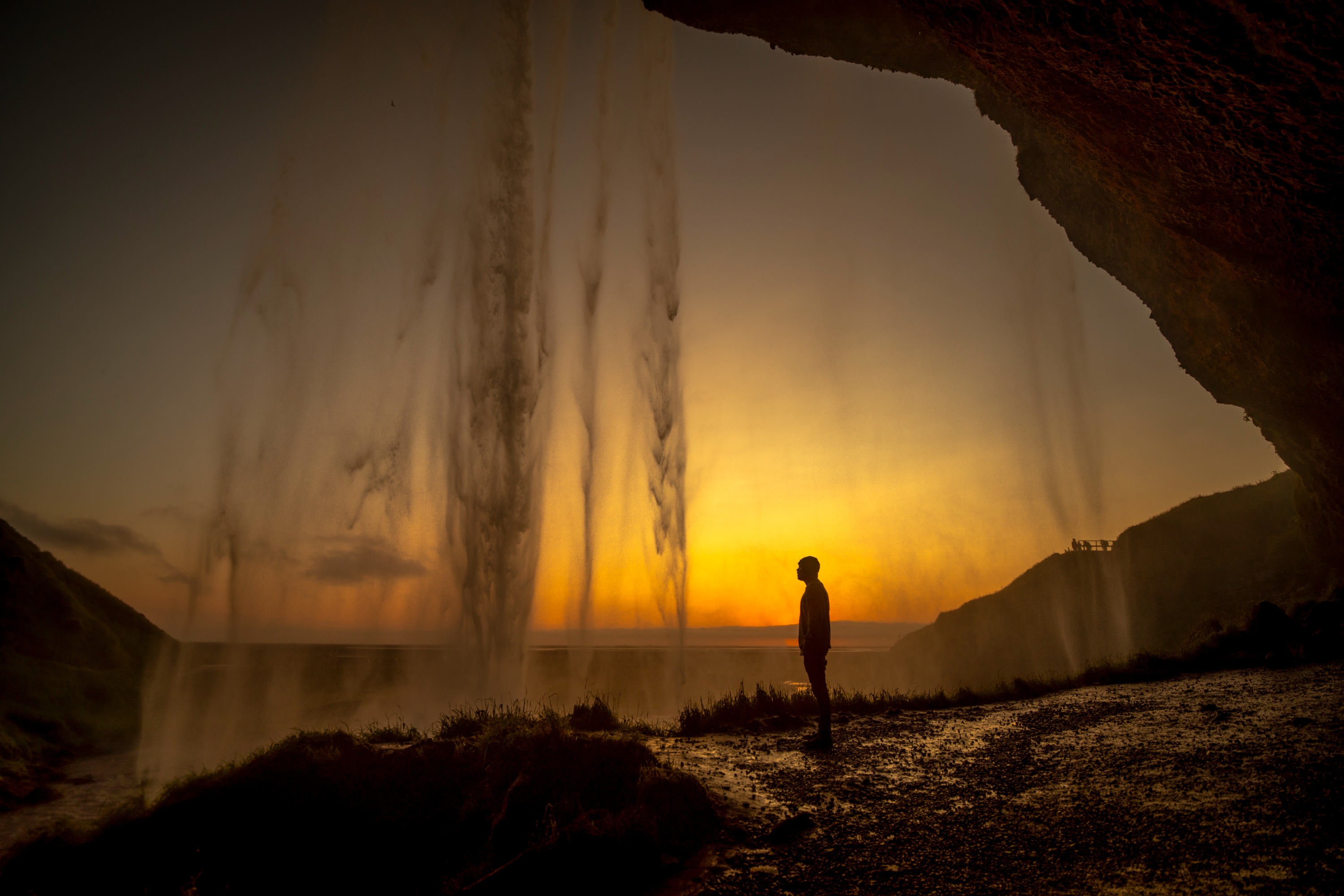
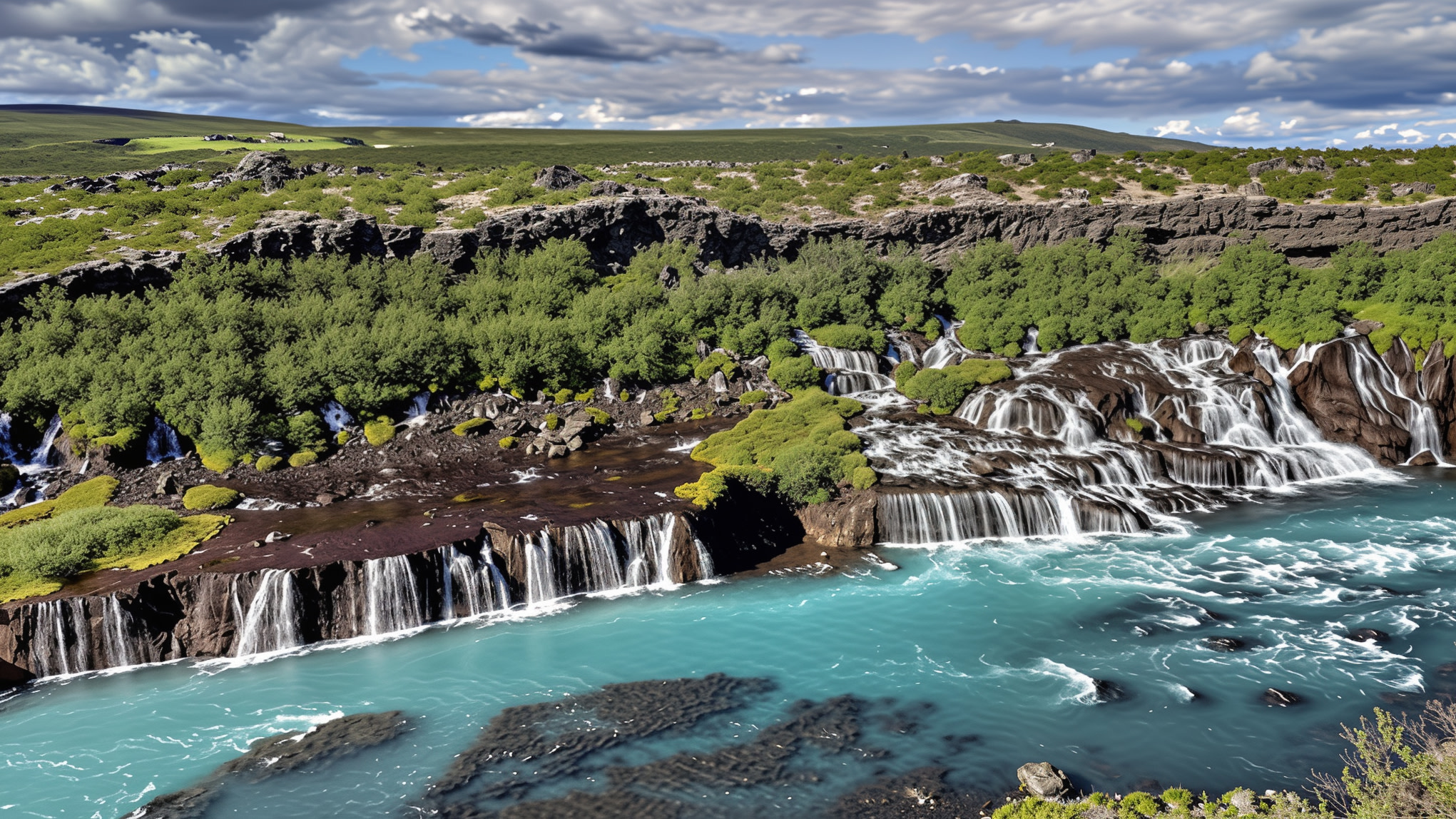
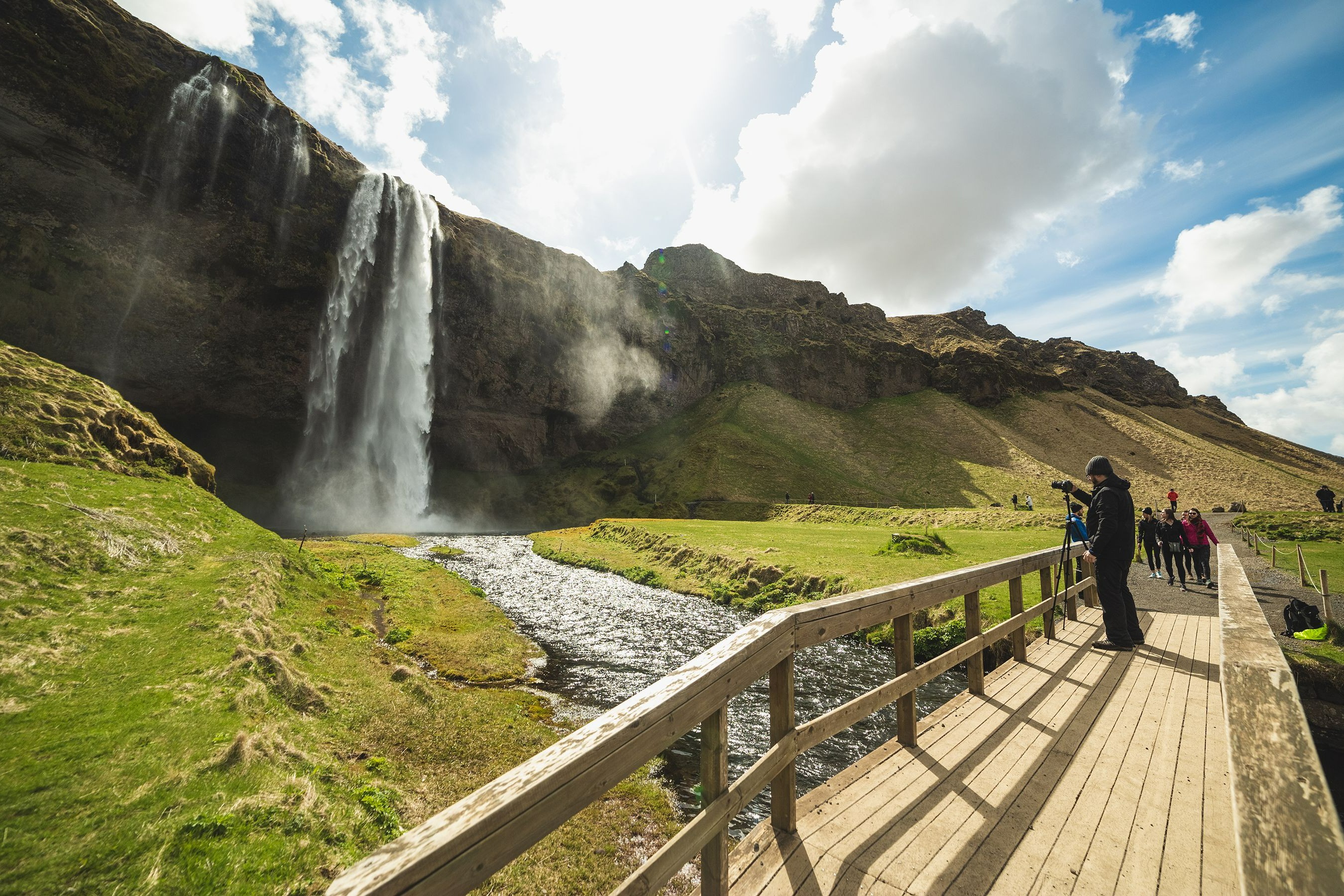
The 62 m (203 ft) high majestic waterfall Seljalandsfoss is fed by spring water from the river Seljalandsá. Many think it is fed with melting water from the glacier-capped Eyjafjallajökull, a volcano that famously erupted in 2010 and affected air traffic throughout Europe, but the water in Seljalandsfoss is bright and clean due to it being spring water. It cascades into a beautiful meadow, like a curtain over a tall cliff that once marked a coastline by the ocean before eruptions extended the land, and behind the waterfall is a walking path for a unique angle of the waterfall and its surroundings. This trail continues from behind the waterfall and around it. The picturesque Seljalandsfoss is among the most photographed waterfalls in Iceland for a reason.
We'll also make a short walk to Seljalandsfoss' neighbor Gljúfrabúi, a 40 m (131 ft) high partially hidden waterfall within a canyon with mossy walls, which is a great addition to the spectacular visits on the south coast of Iceland.
2
Stop 2
Skógafoss is one of the most beautiful waterfalls in Iceland dropping 60 m (197 ft) off an eroded cliff with an astounding width of 25 m (82 ft) and up to 30 m (98 ft) after heavy rain. It is located on the river Skógá which flows from under Eyjafjallajökull, a glacier-capped volcano that last erupted in 2010. In that eruption, Skógafoss became grey from all the ash blowing into the Skógá river. Skógafoss produces a great amount of spray so on sunny days, you may see a rainbow forming, some days even a double rainbow. Underneath the waterfall the land is flat, making it easy to walk right up to it, but make note you may get wet from the spraying. If you're up for it you can also view Skógafoss from the top since a 527 step staircase leads up to an observation platform above it with an amazing view of the coastline. Resting in the gorge Kvernugil close to Skógafoss is the 30 m (98 ft) high waterfall Kvernufoss which is considered a hidden gem.
3
Stop 3
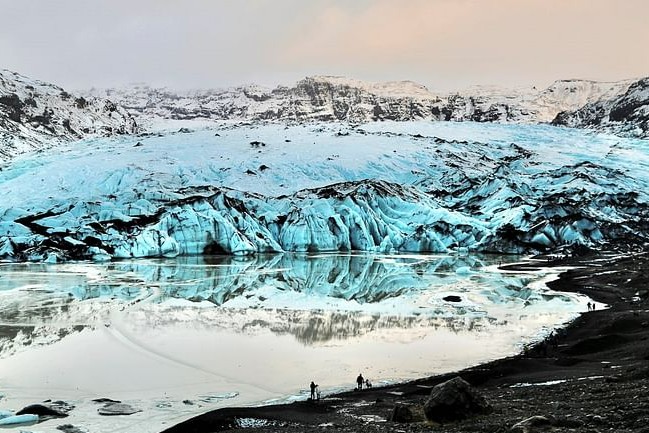
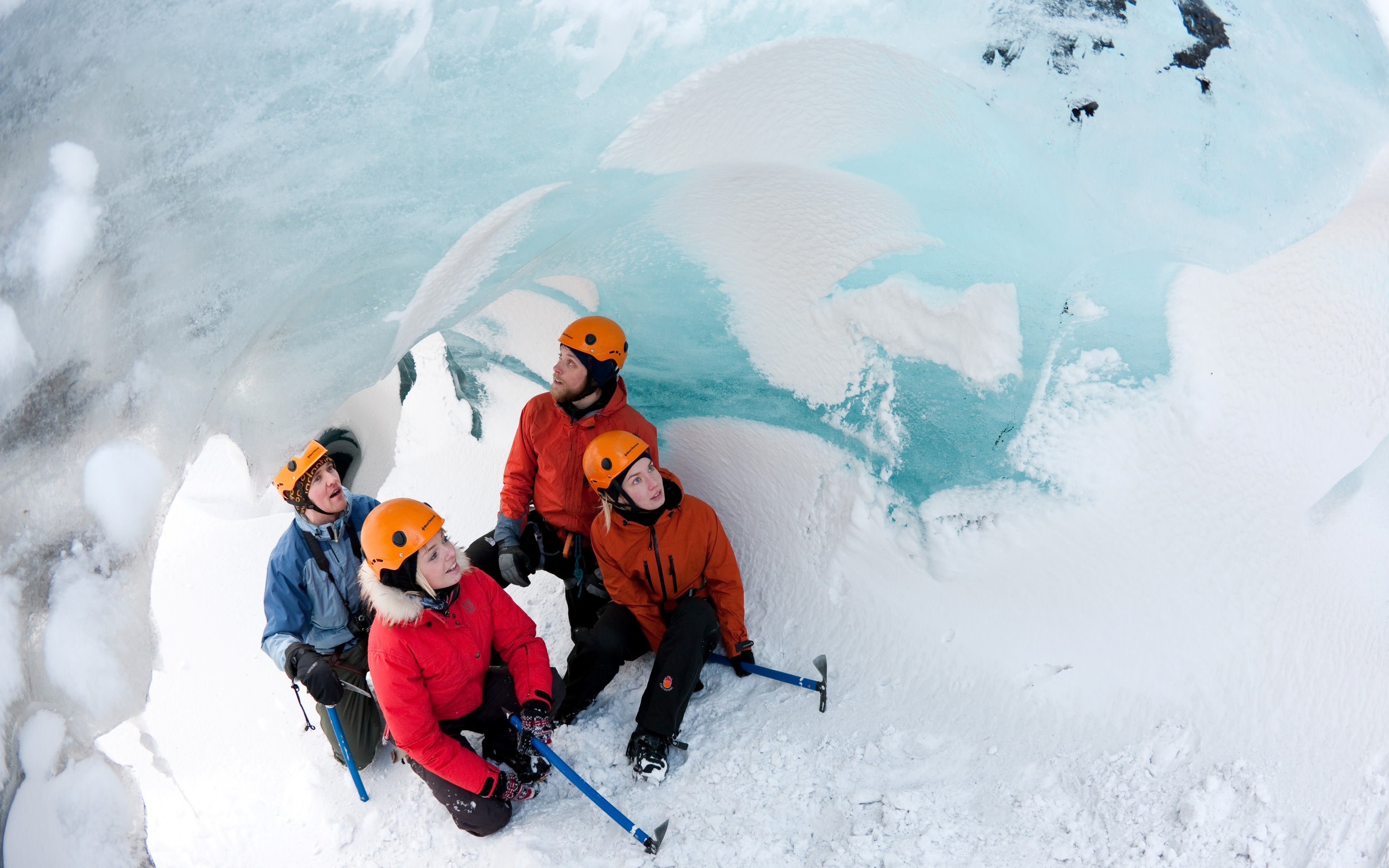
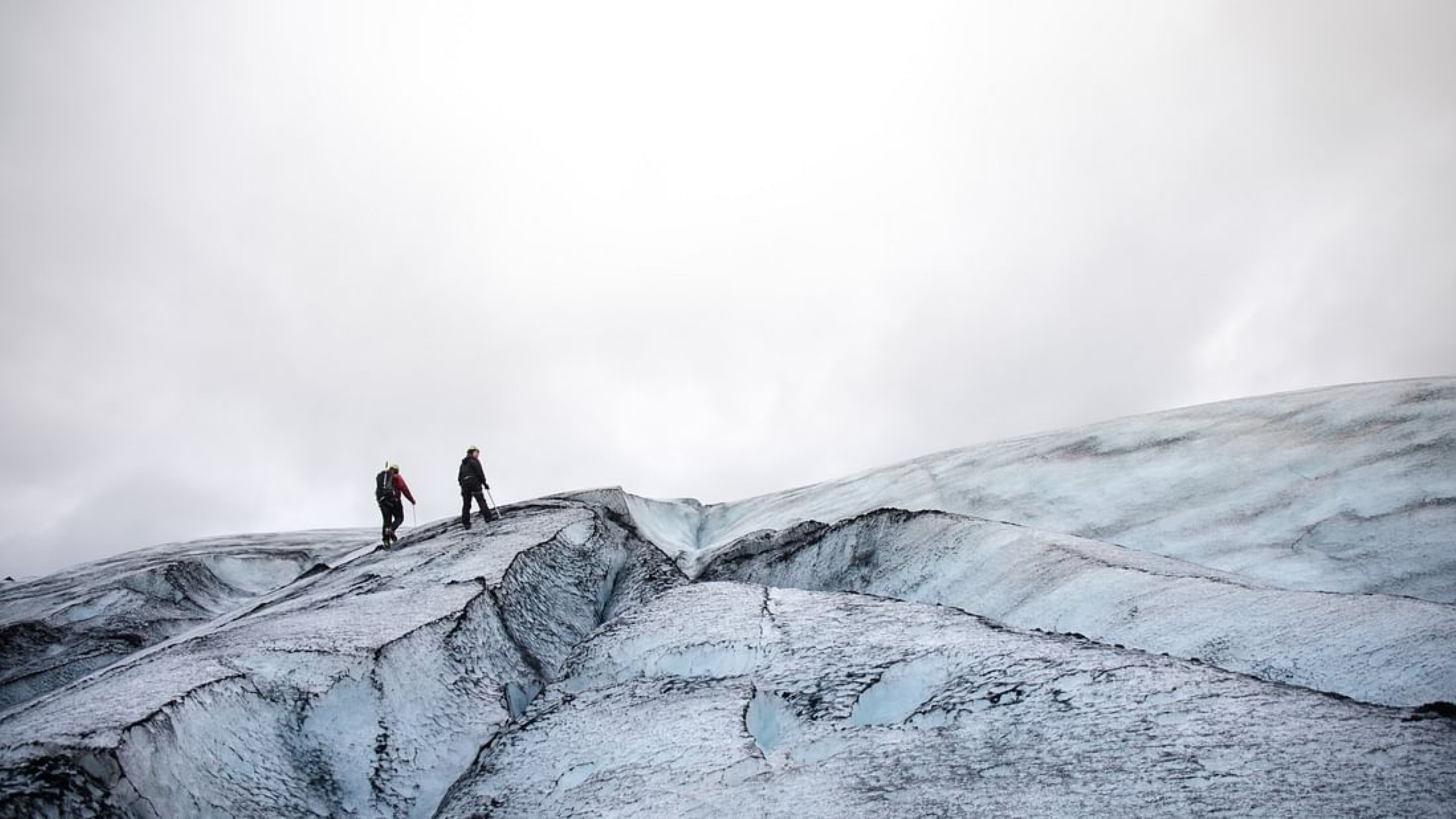
The outlet glacier Sólheimajökull is an 11 km (6.8 mi) in length and situated on the southwestern part of the Mýrdalsjökull ice cap. It sits in a valley which provides an easy 15-minute walk to a viewpoint towards the edge of Sólheimajökull. The ice is bluish-white and covered in black bands of ash from nearby volcanic eruptions. Most of the ash is from the 1,491 m (4,892 ft) high Hekla volcano and the 1918 eruption of the most active volcano in Iceland called Katla, which lies beneath Mýrdalsjökull, usually erupting twice every century so it's expected to erupt soon.
4
The 120 m (390 ft) high Dyrhólaey is a promontory that used to be the southernmost point of Iceland until the Kötlutangi spit formed during the 1918 eruption of the Katla volcano. Formerly an island originating from an underwater eruption over 100,000 years ago, it was similar to the famous Surtsey eruption in 1963 southwest of the Westman Islands. From centuries of erosion stands in front of this promontory a gigantic black archway of lava with a hole big enough for boats to pass through like a door, giving the name Dyrhólaey (e. Door Hill Island) to this small peninsula. It's so large that in 1993 a pilot flew his plane right through it!
From May to September puffin colonies reside on the cliffs of Dyrhólaey which is an important nesting site for sea birds. Since it has been a protected area since 1978 it is a nature reserve, so access is sometimes limited to Dyrhólaey from the beginning of May till late June during the daytime to protect the birds during nesting season.
5
Stop 5
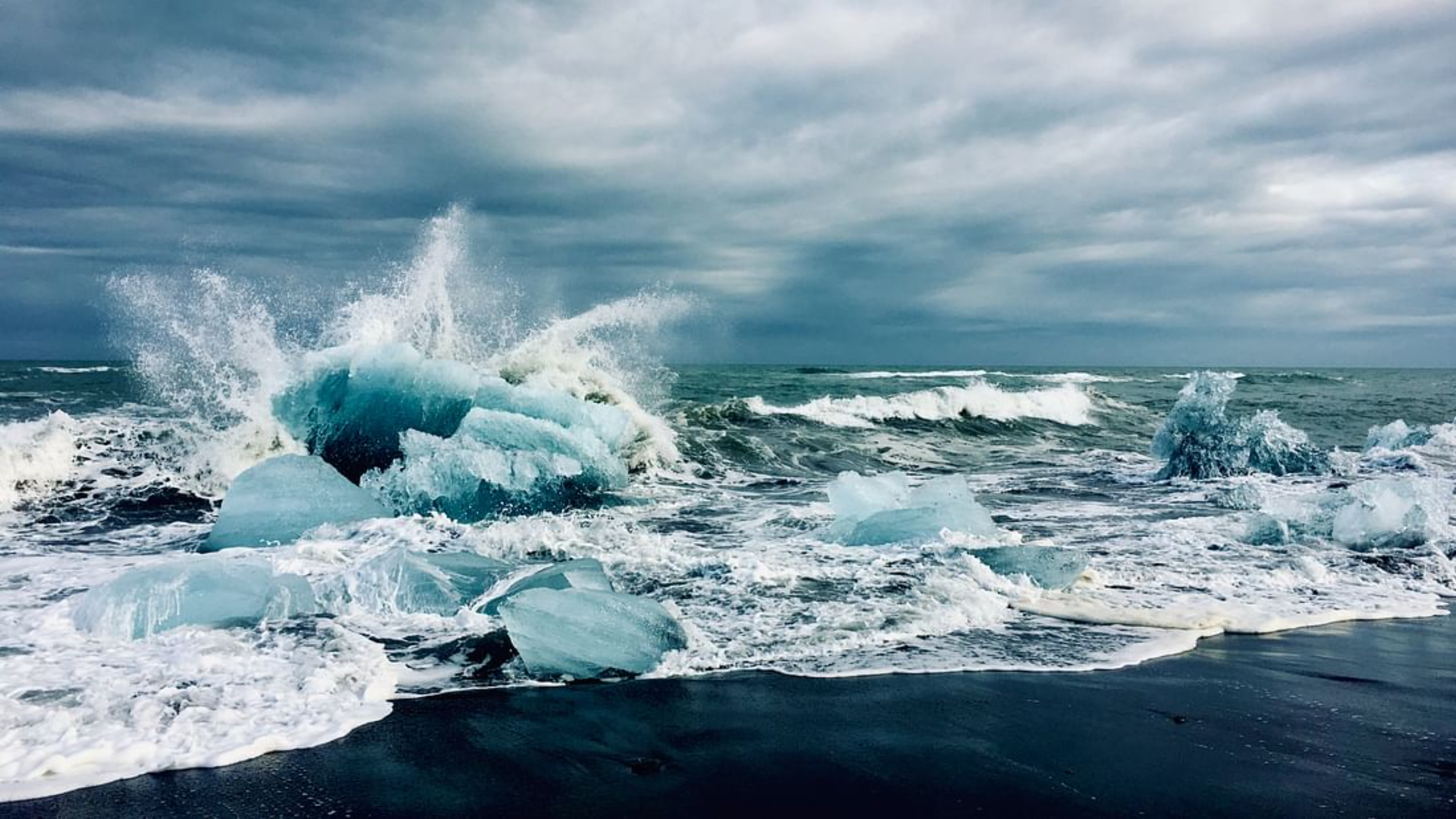
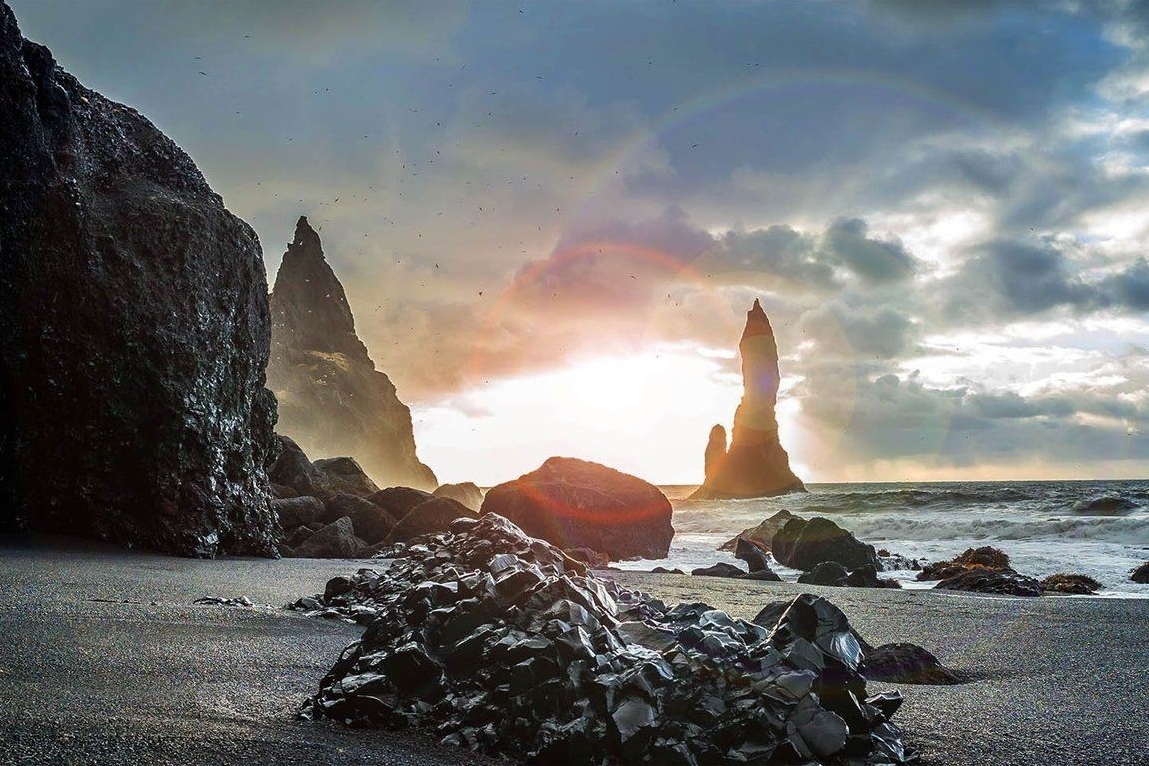
The beautiful Reynisfjara black sand beach is among the most popular visits in southern Iceland. Reynisfjara can be very dangerous with its powerful ocean waves and rockfalls from the cliffs due to coastal erosion. Both can often be very unexpected and tragically fatal accidents have happened there throughout the years. It may be tempting to have a picture taken after climbing up onto the basalt columns, but people have been surprised by a sudden "sneaker wave" snatching them and the undertow pulling them out to sea. Nothing can be done if this happens so there's no turning back after that. Reynisdrangar is a collection of 66 m (216 ft) high basalt sea pinnacles rising out of the sea by Reynisfjara. An old tale says they originate from when two trolls tried dragging a three-masted ship to land at night, but when daylight broke they along with the ship became these stacks of pinnacles standing out in the sea.
6
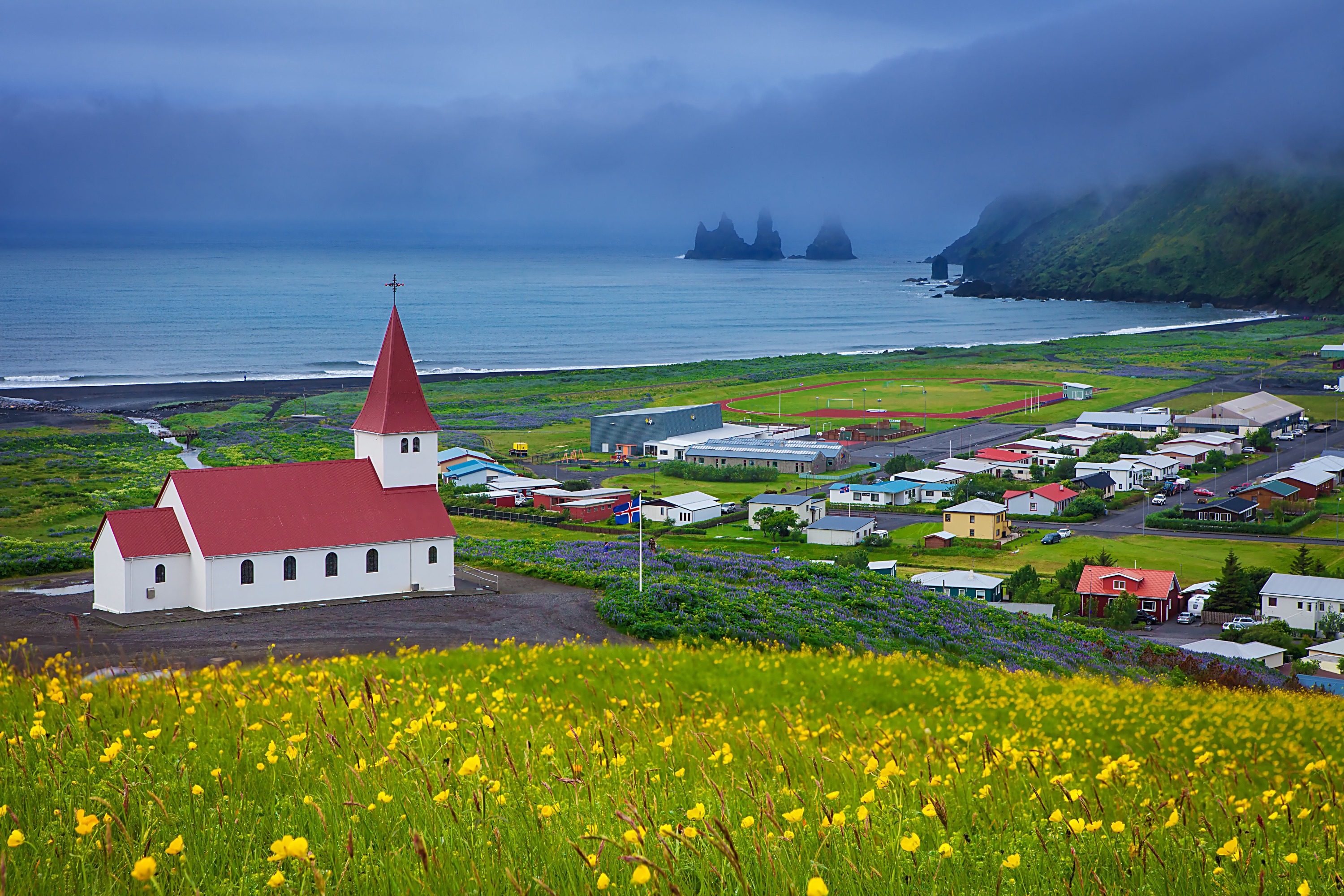
Vík í Mýrdal is the southernmost village of Iceland with about 750 inhabitants and it is the only seaside village without a harbor. Instead, they used fishing boats with wheels on driving into the sea and then back again with the catch to a small fish factory. Vík is a relatively young village since when in 1833 two farmers started importing goods from England to sell to the inhabitants nearby due to the long traveling distances to other towns and villages for food and other goods. With the business growing steadily, a company was founded in 1916 to buy the ship Skaftfellingur to transport goods between England and Vík. Both Vík and its church Víkurkirkja are the primary settings of the Icelandic Netflix series Katla, following a group of people in Vík struggling in the aftermath of Katla's first eruption since 1918.
What's not included
Food & drinks (your private driver-guide can recommend stops for refreshments during the tour)
Entry or admission fees to activities outside of the itinerary
Gratuities
Available languages
Guide guide
EN
Important information
Service animals allowed
Public transportation options are available nearby
Suitable for all physical fitness levels
About Reykjavik
Reykjavik is the world's northernmost capital city, known for its vibrant cultural scene, stunning natural surroundings, and unique Icelandic charm. It offers a blend of modern amenities and ancient geothermal wonders, making it a must-visit destination for travelers seeking both adventure and relaxation.
Top Attractions
Hallgrímskirkja
This iconic church is a landmark of Reykjavik, known for its distinctive architecture and towering spire. It offers panoramic views of the city from its tower.
Architecture/Religious
1-2 hours
Moderate (ISK 1000 for the tower)
Harpa Concert Hall
A stunning modern concert hall with a glass facade that reflects the surrounding landscape. It hosts a variety of performances and events.
Architecture/Entertainment
1-2 hours
Free to enter, performance tickets vary
Blue Lagoon
A geothermal spa known for its milky-blue waters rich in minerals. It's a popular spot for relaxation and rejuvenation.
Nature/Relaxation
Half a day
Expensive (ISK 49,900 and up)
Reykjavik Art Museum
A museum showcasing contemporary Icelandic and international art. It's housed in a striking building with a glass facade.
Museum
1-2 hours
Moderate (ISK 1400)
Perlan Museum
A unique museum located in a glass dome that offers a variety of exhibits, including a glacier exhibit and a planetarium.
Museum
2-3 hours
Moderate to Expensive (ISK 3,990 and up)
Must-Try Local Dishes
Plokkfiskur
A traditional Icelandic fish stew made with mashed potatoes, white fish, onions, and béchamel sauce.
Main Course
Contains fish and dairy
Hákarl
Fermented shark, a traditional Icelandic delicacy known for its strong smell and taste.
Snack
Contains fish
Skyr
A thick, creamy Icelandic yogurt-like dairy product, often served with berries or cream.
Dessert
Contains dairy
Rúgbrauð
A dense, dark rye bread traditionally baked underground using geothermal heat.
Bread
Vegan
Popular Activities
Glacier hiking and ice climbing
Whale watching
Snowmobiling on a glacier
Caving and lava tunnel exploration
Visiting geothermal spas like the Blue Lagoon or Sky Lagoon
Enjoying a traditional Icelandic massage or spa treatment
Taking a leisurely walk around Tjörnin Lake in Reykjavik
Visiting museums and galleries
Best Time to Visit
June to August
This is the warmest time of the year with long daylight hours, making it ideal for outdoor activities and sightseeing. The city is lively with numerous festivals and events.
8°C to 13°C (46°F to 55°F)
46°F to 55°F
Practical Information
Language
- Official: Icelandic
- Widely spoken: English, Danish, German
- English: Widely spoken
Currency
Icelandic Króna (ISK)
Time Zone
GMT+0
Electricity
230VV, 50HzHz
Safety Information
Overall Safety Rating: Generally safe
Iceland is a very safe country with low crime rates. However, it's always important to be aware of your surroundings and take precautions to ensure your safety.
Important Precautions:
- • Keep your valuables secure and be aware of your surroundings, especially in crowded areas
- • Be cautious when using ATMs, and only use ATMs located in secure, well-lit areas
- • Research tour operators and rental companies before booking to ensure they are reputable and legitimate
Getting there
By air
- Keflavík International Airport • 50 km (31 miles) from Reykjavik
By bus
BSÍ Bus Terminal
Getting around
Public transport
The bus system is efficient and affordable, with frequent services and easy-to-use ticketing.
Taxis
Available • Apps: Bustravel, Uber (limited availability)
Rentals
Car, Bike, Scooter
Neighborhoods
Downtown Reykjavik
Hlemmur
Vesturbær
Day trips
Golden Circle
230 km (143 miles) from Reykjavik • Full day
A popular day trip route that includes three of Iceland's most famous attractions: Þingvellir National Park, Geysir Geothermal Area, and Gullfoss Waterfall.
South Coast
150-200 km (93-124 miles) from Reykjavik • Full day or overnight
A scenic drive along Iceland's south coast, offering a variety of attractions, including waterfalls, black sand beaches, and glaciers.
Snæfellsnes Peninsula
240 km (149 miles) from Reykjavik • Full day or overnight
A scenic peninsula known as 'Iceland in Miniature' due to its diverse landscapes, including mountains, glaciers, lava fields, and beaches.
Festivals
Reykjavik Arts Festival • Late May to early June
Iceland Airwaves • Early November
Reykjavik Winter Lights Festival • Late January to early February
Pro tips
- Visit the Blue Lagoon or another geothermal spa for a relaxing and rejuvenating experience
- Explore Reykjavik's street art and murals, which can be found throughout the city
- Take a day trip to the Golden Circle or another nearby attraction for a taste of Iceland's natural wonders
- Try traditional Icelandic food, such as lamb soup, fish stew, and fermented shark
- Visit a local brewery or distillery and sample Icelandic craft beer or spirits
From $25
per person
Price varies by option
Secure booking
Free cancellation available
Instant confirmation