Private Reykjanes UNESCO Global Geopark Tour
Active
7h - 8h
For a full refund, cancel at least 24 hours before the scheduled departure time.
Instant confirmation
Mobile or paper ticket accepted
About this experience
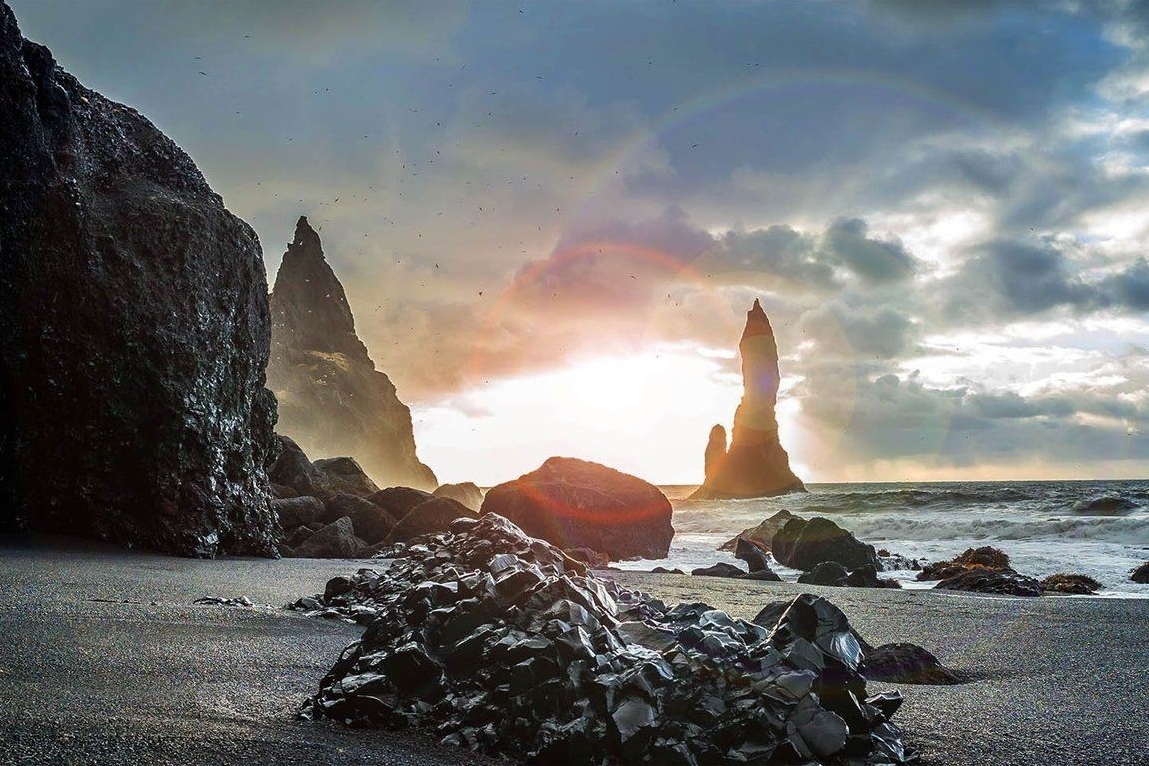
The Reykjanes peninsula is a 2,000 km² (772 mi²) area characterized by various formations of palagonite tuff, pillow lava, and basaltic lava flows shaped by volcanic activity during interglacial periods, mostly in the last 11,500 years. The Mid-Atlantic Ridge rises above sea level on this peninsula and it is lined with four volcanic systems from SW to NE, containing craters, faults, open volcanic fissures, large and small lava shields, and high-temperature geothermal fields. Fisheries have long been a lifeline of the locals, with fishing towns and villages along the black sanded coastline, some even dating back centuries.
In 2015, Reykjanes was recognized as a Global Geopark by UNESCO for its geological heritage in connection with the area's natural and cultural heritage. UNESCO Global Geoparks have sites and landscapes of international geological significance, managed with a holistic concept of education, protection, and sustainability.
Available options
1-3 passengers
1-3 passengers<br/>Pickup included
4-7 passengers
4-7 passengers<br/>Pickup included
What's included
Private transportation
Knowledgeable & experienced English speaking driver-guide
Pickup & drop-off within the Reykjavik Capital Area
Air-conditioned vehicle
Parking Fees
Detailed itinerary
1
Garðskagi is the outermost point of the Reykjanes peninsula, with two lighthouses standing that bear the same name Garðskagaviti. The smaller lighthouse further out, white and red striped, is the older one built in 1897, and the newer and taller one standing further in was built in 1944. The older one is the second oldest lighthouse in Iceland after Reykjanesviti lighthouse, and also the second oldest concrete building, while the newer lighthouse is the tallest lighthouse in Iceland.
This is a very popular place to visit due to the unique 360° view the lighthouses offer. On sunny days you can see all the way to the Snæfellsjökull glacier on the Snæfellsnes peninsula, Esja mountain hovering over the Reykjavik Capital Area, and surrounding mountain rows. Garðskagi is also the home of varied sea bird species and some days you can even spot seals and whales playing, from the dock of the Old Lighthouse Café.
2
Hvalsneskirkja is a beautiful black church and among our favorites. Built 1886-1887 with basal lava blocks collected from the surrounding region and the interior crafted from driftwood that locals collected from the nearby shoreline, it along with its graveyard was preserved in 1990 due to age and its uniqueness. This has been a church estate from 1200, but this is the first church to stand outside of the graveyard. The colorful tower makes this church very popular for photography.
3
Stop 3
The picturesque yellow-colored Stafnesviti lighthouse stands on the headland Stafnes and was built in 1925. It overlooks the scenic rocky coast of Básendar, a former market town, and old fishing and trading post which was the largest royal fishery at the time. Since before the 16th century it was the biggest fishery in the area until 1799 when a powerful storm swept over. This caused the worst flood ever to happen in the area, named Básendaflóð. The flood destroyed all buildings and changed the shoreline forever, killing only one woman.
4
Built from 1860 to 1861, Kirkjuvogskirkja is a black wooden church located in the village Hafnir and the oldest church on the Reykjanes peninsula. Like Hvalsneskirkja church, it was preserved in 1990 for its age and significance.
In 1881 the American abandoned sailing ship Jamestown ran aground in Hafnir. When crossing the Atlantic Ocean, the ship encountered heavy seas tearing the rudder off. The captain and his crew were rescued and the Jamestown left to drift for the next four months. On the morning of June 26th, the residents of Hafnir woke up finding the Jamestown had run aground. Carrying high-quality timber to transport from Boston to Liverpool, the valuable timber was sold at auction by the locals and used to build houses and bridges widely in Iceland. An anchor from this ship is situated outside of the Kirkjuvogskirkja church.
5
The Bridge Between Continents (is. Brú milli heimsálfa, also Miðlína, meaning "Centreline"), aka Leif the Lucky Bridge, is a symbolic footbridge spanning a rocky fissure between the North American and Eurasian tectonic plates. This wide tension crack opened up between these plates due to their constant movements, rafting on average about 2 cm every year. The Mid-Atlantic Ridge runs through Iceland from the North-East corner to the South-West corner and the tectonic plates can only be seen above ground in a few locations.
6
Close to the Reykjanesviti lighthouse is a highly active and colorful geothermal area, surrounded by lava fields and a sulphuric landscape. It is collectively known as Gunnuhver and consists of vigorous mud pools, hot springs, and steam vents, forming after an earthquake in 1967. In this area resides the largest mud pool in Iceland, 20 m (65 ft) wide. What makes these hot springs unique is the groundwater that is 100% boiling seawater, unlike other hot springs in Iceland. This area is very active and is constantly shifting and changing its behavior due to earthquakes. The ground is over 300°C (570°F) in temperature so care must be taken when treading the labeled walking trails between observation decks and be aware of your surroundings as hot steam can sometimes blow in your way.
7
Built from 1907 to 1908 the lighthouse Reykjanesviti stands on top of the hill Vatnsfell (mistakenly called Bæjarfell by some). It is the oldest lighthouse currently standing in Iceland and was preserved in 2003 due to its age, but the first lighthouse was built in this area from columnar basalt on the Valahnúkur peak in 1878. Due to earthquakes and rogue waves scarring Valahnúkur in the following years and cracks forming on top of it, that lighthouse got damaged. It was blown up to prevent it from falling off Valahnúkur into the sea, but its remains can still be found in the area.
8
Valahnúkur is the most south-western point of the Reykjanes peninsula. It is an eroded sea cliff made of palagonite tuff layers, pillow lava, and volcanic agglomerate. This peak formed in a single eruption 10,000 years ago but its surroundings show evidence of other eruptions too. Its palagonite tuff formed in explosions during the eruption when the 1200°C (2192°F) melted lava rapidly cooled while flowing into the sea. The pillow lava is however believed to have formed in a sub-glacial eruption since these formations develop during eruptions underwater and under glaciers. Valahnúkur is a popular nesting place for herring gulls, fulmars, kittiwakes, and ravens. If you've seen the film Eurovision Song Contest: The Story of Fire Saga, featuring Will Ferrell and Rachel McAdams, you may notice that the music video for Volcano Man was shot by Valahnúkur. Next to Valahnúkur is the beach Valahnúkamöl which is made of large boulders created by powerful storms and high waves.
9
Sitting at the bottom of a cliff by the ocean, Brimketill is a small coastal rock pool. It's made of lava rocks from eruptions in the area and its shape has formed due to constant pounding waves hitting it and carving throughout the years. These waves can get extremely high and dangerous so you need to be careful near the pool, but an observation platform overlooking Brimketill gives you a great view of it and its surroundings. You can still get soaked on that platform if the waves get high enough, but it's still worth it to watch the thundering waves hit against the rocks, making their way into Brimketill, and the water then drains back out of it. You'll also have an amazing view over the rugged coastline to the Reykjanesviti lighthouse and the Gunnuhver geothermal area.
10
Svartsengi is one of the five major geothermal areas of the Reykjanes peninsula, located in the middle of this peninsula north of the town Grindavík. The Svartsengi volcanic system last erupted about 800 years ago from 1211 to 1240, called the Reykjanes fires. It was a volcano-tectonic episode of six eruptions creating four lava fields, and three of these eruptions formed the incredible Eldvörp craters southwest of Svartsengi on a 10 km (6.2 mi) long row of scoria and spatter cones in offset sections. This is still an active geothermal area with steam coming up from cracks in the lava field.
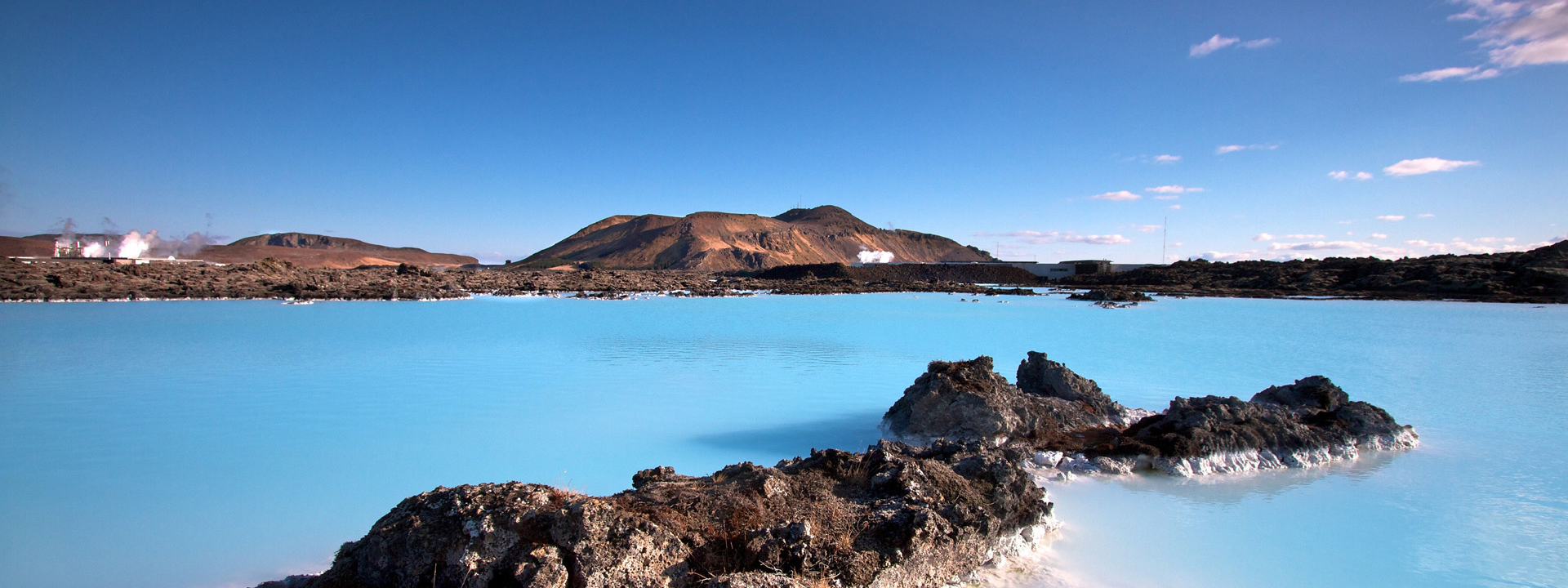
In 1976 the Svartsengi Power Station was commenced in the Svartsengi geothermal field, constructed in six stages till 2008. This power plant has also produced other side projects, like the first renewable methanol plant Carbon Recycling International and the most popular bathing resort in Iceland, the Blue Lagoon.
What's not included
Food & drinks (your private driver-guide can recommend stops for refreshments during the tour)
Gratuities
Entry or admission fees to activities outside of the itinerary
Available languages
Guide guide
EN
Important information
Service animals allowed
Public transportation options are available nearby
Suitable for all physical fitness levels
About Reykjavik
Reykjavik is the world's northernmost capital city, known for its vibrant cultural scene, stunning natural surroundings, and unique Icelandic charm. It offers a blend of modern amenities and ancient geothermal wonders, making it a must-visit destination for travelers seeking both adventure and relaxation.
Top Attractions
Hallgrímskirkja
This iconic church is a landmark of Reykjavik, known for its distinctive architecture and towering spire. It offers panoramic views of the city from its tower.
Architecture/Religious
1-2 hours
Moderate (ISK 1000 for the tower)
Harpa Concert Hall
A stunning modern concert hall with a glass facade that reflects the surrounding landscape. It hosts a variety of performances and events.
Architecture/Entertainment
1-2 hours
Free to enter, performance tickets vary
Blue Lagoon
A geothermal spa known for its milky-blue waters rich in minerals. It's a popular spot for relaxation and rejuvenation.
Nature/Relaxation
Half a day
Expensive (ISK 49,900 and up)
Reykjavik Art Museum
A museum showcasing contemporary Icelandic and international art. It's housed in a striking building with a glass facade.
Museum
1-2 hours
Moderate (ISK 1400)
Perlan Museum
A unique museum located in a glass dome that offers a variety of exhibits, including a glacier exhibit and a planetarium.
Museum
2-3 hours
Moderate to Expensive (ISK 3,990 and up)
Must-Try Local Dishes
Plokkfiskur
A traditional Icelandic fish stew made with mashed potatoes, white fish, onions, and béchamel sauce.
Main Course
Contains fish and dairy
Hákarl
Fermented shark, a traditional Icelandic delicacy known for its strong smell and taste.
Snack
Contains fish
Skyr
A thick, creamy Icelandic yogurt-like dairy product, often served with berries or cream.
Dessert
Contains dairy
Rúgbrauð
A dense, dark rye bread traditionally baked underground using geothermal heat.
Bread
Vegan
Popular Activities
Glacier hiking and ice climbing
Whale watching
Snowmobiling on a glacier
Caving and lava tunnel exploration
Visiting geothermal spas like the Blue Lagoon or Sky Lagoon
Enjoying a traditional Icelandic massage or spa treatment
Taking a leisurely walk around Tjörnin Lake in Reykjavik
Visiting museums and galleries
Best Time to Visit
June to August
This is the warmest time of the year with long daylight hours, making it ideal for outdoor activities and sightseeing. The city is lively with numerous festivals and events.
8°C to 13°C (46°F to 55°F)
46°F to 55°F
Practical Information
Language
- Official: Icelandic
- Widely spoken: English, Danish, German
- English: Widely spoken
Currency
Icelandic Króna (ISK)
Time Zone
GMT+0
Electricity
230VV, 50HzHz
Safety Information
Overall Safety Rating: Generally safe
Iceland is a very safe country with low crime rates. However, it's always important to be aware of your surroundings and take precautions to ensure your safety.
Important Precautions:
- • Keep your valuables secure and be aware of your surroundings, especially in crowded areas
- • Be cautious when using ATMs, and only use ATMs located in secure, well-lit areas
- • Research tour operators and rental companies before booking to ensure they are reputable and legitimate
Getting there
By air
- Keflavík International Airport • 50 km (31 miles) from Reykjavik
By bus
BSÍ Bus Terminal
Getting around
Public transport
The bus system is efficient and affordable, with frequent services and easy-to-use ticketing.
Taxis
Available • Apps: Bustravel, Uber (limited availability)
Rentals
Car, Bike, Scooter
Neighborhoods
Downtown Reykjavik
Hlemmur
Vesturbær
Day trips
Golden Circle
230 km (143 miles) from Reykjavik • Full day
A popular day trip route that includes three of Iceland's most famous attractions: Þingvellir National Park, Geysir Geothermal Area, and Gullfoss Waterfall.
South Coast
150-200 km (93-124 miles) from Reykjavik • Full day or overnight
A scenic drive along Iceland's south coast, offering a variety of attractions, including waterfalls, black sand beaches, and glaciers.
Snæfellsnes Peninsula
240 km (149 miles) from Reykjavik • Full day or overnight
A scenic peninsula known as 'Iceland in Miniature' due to its diverse landscapes, including mountains, glaciers, lava fields, and beaches.
Festivals
Reykjavik Arts Festival • Late May to early June
Iceland Airwaves • Early November
Reykjavik Winter Lights Festival • Late January to early February
Pro tips
- Visit the Blue Lagoon or another geothermal spa for a relaxing and rejuvenating experience
- Explore Reykjavik's street art and murals, which can be found throughout the city
- Take a day trip to the Golden Circle or another nearby attraction for a taste of Iceland's natural wonders
- Try traditional Icelandic food, such as lamb soup, fish stew, and fermented shark
- Visit a local brewery or distillery and sample Icelandic craft beer or spirits
From $25
per person
Price varies by option
Secure booking
Free cancellation available
Instant confirmation