Sanctuary Los Flamingos Tour
Active
5h - 6h
For a full refund, cancel at least 24 hours before the scheduled departure time.
Manual confirmation
Mobile or paper ticket accepted
About this experience
Experience the majestic flamingos in their habitat, the Sanctuary of Fauna and Flora. Here you have the opportunity not only to get very close to the animals by boat - the Wayúu indigenous people are also looking forward to your visit.
We are proud to donate a percentage of the tour fees to the local indigenous community and to offer you a high qualified bilingual guide.
Available options
Sanctuary Los Flamingos Tour
Pickup included
What's included
Boat trip to one of the lagoons
All Fees and Taxes
Visit and interaction with the local Wayúu indigenous (Optional)
Lunch
Air-conditioned vehicle
Insurance
Detailed itinerary
1
An encounter with nature around one of the Colombian natural parks located in the region of the Wayúu indigenous tribe. On the Caribbean coast, across desert roads, cacti and mangroves our experienced guides will take you safety by boat to one of the two large lagoons surrounded by flamingos, pelicans and turtles. This will be followed by a typical lunch of the Guajira region. Enjoy it under a traditional Chinchorro – a Caribbean pergola – on the shores of the beach accompanied by typical stories of the region, told by local natives.
2
The province lies east or northeast of the Sierra Nevada de Santa Marta on the Caribbean coast . After the end of the eastern foothills, the mostly flat topography is criss-crossed by numerous short but water-rich rivers. The northern part of the province on the Guajira Peninsula has an arid climate ; in the extreme north-west there is even a real desert in the Cabo de la Vela region .
3
You will meet the indigenous Wayuu tribe at the Guajira peninsula. Its economy is one of survival with grazing activities, artisanal fishing, handicrafts and seasonal agriculture according to the rainy season. Cultural obligations, such as collaboration for payments, are an important part of the economic capacity of indigenous castes and families. According to their worldview, the spirit of the wind drives the cloud, which fertilizes the mountains with its rain. In his integral thought, the forms of nature are intimately linked with the future of the human being.
4
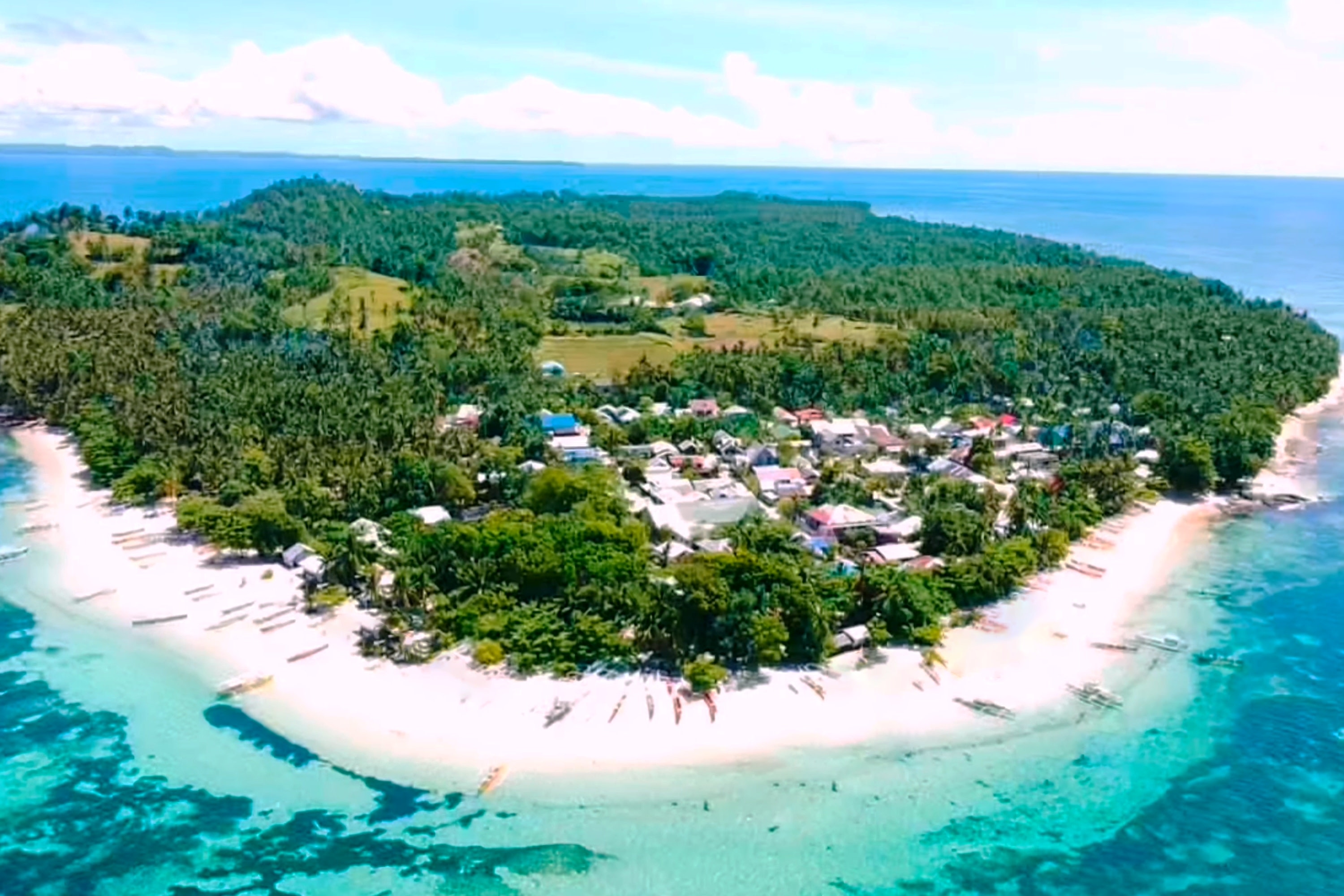
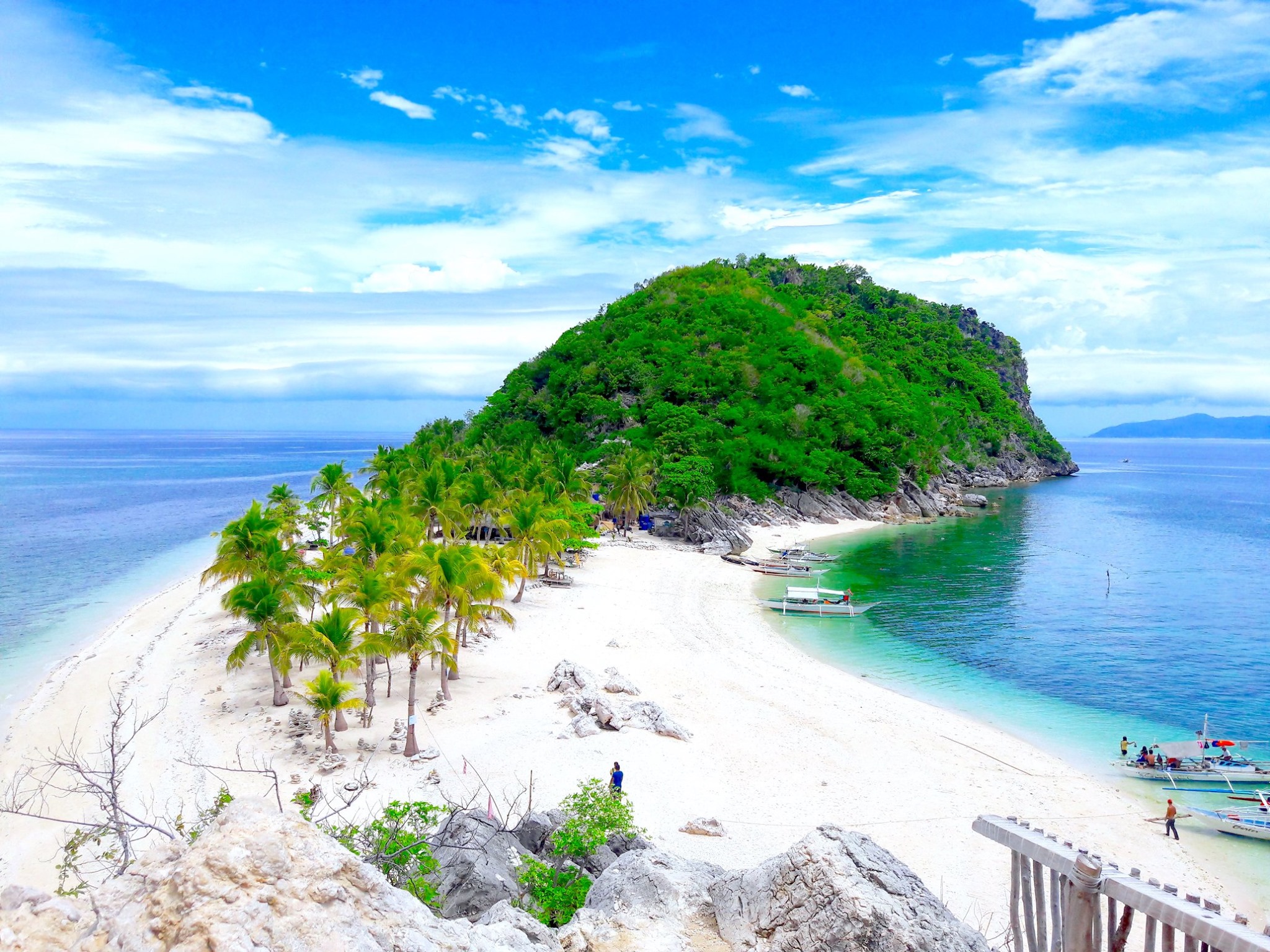
The beaches of Camarones are located on the right margin of the natural park; They are wide and extensive, with white sand and abundant vegetation of palm trees and bushes typical of the region.
Available languages
Guide guide
ES
Reviews breakdown
Tripadvisor
5.0
6 reviews
5★
6
4★
0
3★
0
2★
0
1★
0
Important information
Service animals allowed
Public transportation options are available nearby
Infants are required to sit on an adult’s lap
Not recommended for travelers with spinal injuries
Not recommended for pregnant travelers
Not recommended for travelers with poor cardiovascular health
Suitable for all physical fitness levels
Meeting point
At the crossroads, turn left at Estanco Palomino. In the middle of the street is a large teepee - the entrance of To'Buru. Here is the meeting point.
About Santa Marta
Santa Marta is a vibrant coastal city in Colombia, known for its rich history, stunning beaches, and as the gateway to the iconic Tayrona National Park. This city offers a unique blend of colonial architecture, cultural heritage, and natural beauty, making it a must-visit destination on the Caribbean coast.
Top Attractions
Tayrona National Park
A stunning national park with beautiful beaches, lush jungles, and diverse wildlife. Perfect for hiking, camping, and relaxing.
Nature
Full day or overnight
Moderate (Entry fee around $10-15 USD)
Quinta de San Pedro Alejandrino
A historic hacienda and museum dedicated to the life of Simón Bolívar, Colombia's legendary liberator.
Historical
2-3 hours
Budget (Entry fee around $2-5 USD)
Taganga
A charming fishing village with a laid-back vibe, known for its beautiful beaches and vibrant nightlife.
Beach
Half day or full day
Budget to Moderate
Must-Try Local Dishes
Bandeja Paisa
A hearty platter with rice, beans, ground beef, chorizo, plantain, avocado, and arepa.
Lunch
Contains meat, can be made vegetarian
Arepas
Cornmeal cakes, often stuffed with cheese, meat, or vegetables.
Snack
Vegetarian options available
Ceviche
Fresh raw fish marinated in lime juice, mixed with onions, peppers, and cilantro.
Appetizer
Contains seafood
Popular Activities
Hiking in Tayrona National Park
Trek to Ciudad Perdida
Surfing in Palomino
Beach relaxation in El Rodadero
Spa treatments
Coffee tasting in Minca
Visiting Quinta de San Pedro Alejandrino
Exploring Centro Histórico
Best Time to Visit
December to March
This is the dry season, offering sunny days and minimal rainfall, making it ideal for beach activities and outdoor exploration.
26°C to 32°C
79°F to 90°F
Practical Information
Language
- Official: Spanish
- Widely spoken: English (in tourist areas)
- English: Moderately spoken in tourist areas, limited elsewhere
Currency
Colombian Peso (COP)
Time Zone
GMT-5
Electricity
110VV, 60HzHz
Safety Information
Overall Safety Rating: Exercise caution
Santa Marta is generally safe for tourists, but petty crime can occur. Be cautious of pickpockets and avoid walking alone at night in certain areas.
Important Precautions:
- • Keep valuables secure
- • Avoid walking alone at night in certain areas
- • Use licensed taxis or app-based services
Getting there
By air
- Alfonso Bonilla Aragón International Airport • 20 km from city center
By bus
Terminal de Transporte de Santa Marta
Getting around
Public transport
Affordable and widely used, but can be crowded and slow.
Taxis
Available • Apps: Uber, Didi
Rentals
Car, Bike, Scooter
Neighborhoods
El Rodadero
Centro Histórico
Gairiga
Day trips
Minca
40 km • Full day or overnight
A picturesque mountain town known for its coffee plantations, waterfalls, and eco-lodges.
Palomino
80 km • Full day or overnight
A laid-back beach town with beautiful white sand beaches and a relaxed vibe.
Ciudad Perdida (Lost City)
40 km • Multi-day trek (4-5 days)
A challenging trek through the jungle to an ancient ruins site, older than Machu Picchu.
Festivals
Festival de la Autenticidad • January
Carnaval de Santa Marta • February/March (before Lent)
Feria de las Flores • July
Pro tips
- Visit Tayrona National Park early in the morning to avoid crowds
- Take a boat tour to the nearby islands for a unique experience
- Explore the local markets for fresh produce and souvenirs
- Try the local coffee and seafood dishes
- Be cautious of pickpockets and avoid walking alone at night in certain areas
From $25
per person
Price varies by option
Secure booking
Free cancellation available