Ho Chi Minh City Private Shore Excursion from Cruise Port
Active
7h - 12h
For a full refund, cancel at least 24 hours before the scheduled departure time.
Instant confirmation
Mobile or paper ticket accepted
About this experience
Enjoy your full-day private tour out and about in bustling Ho Chi Minh City, where your guide will take you to some of the best highlights that this shore excursion has to offer.
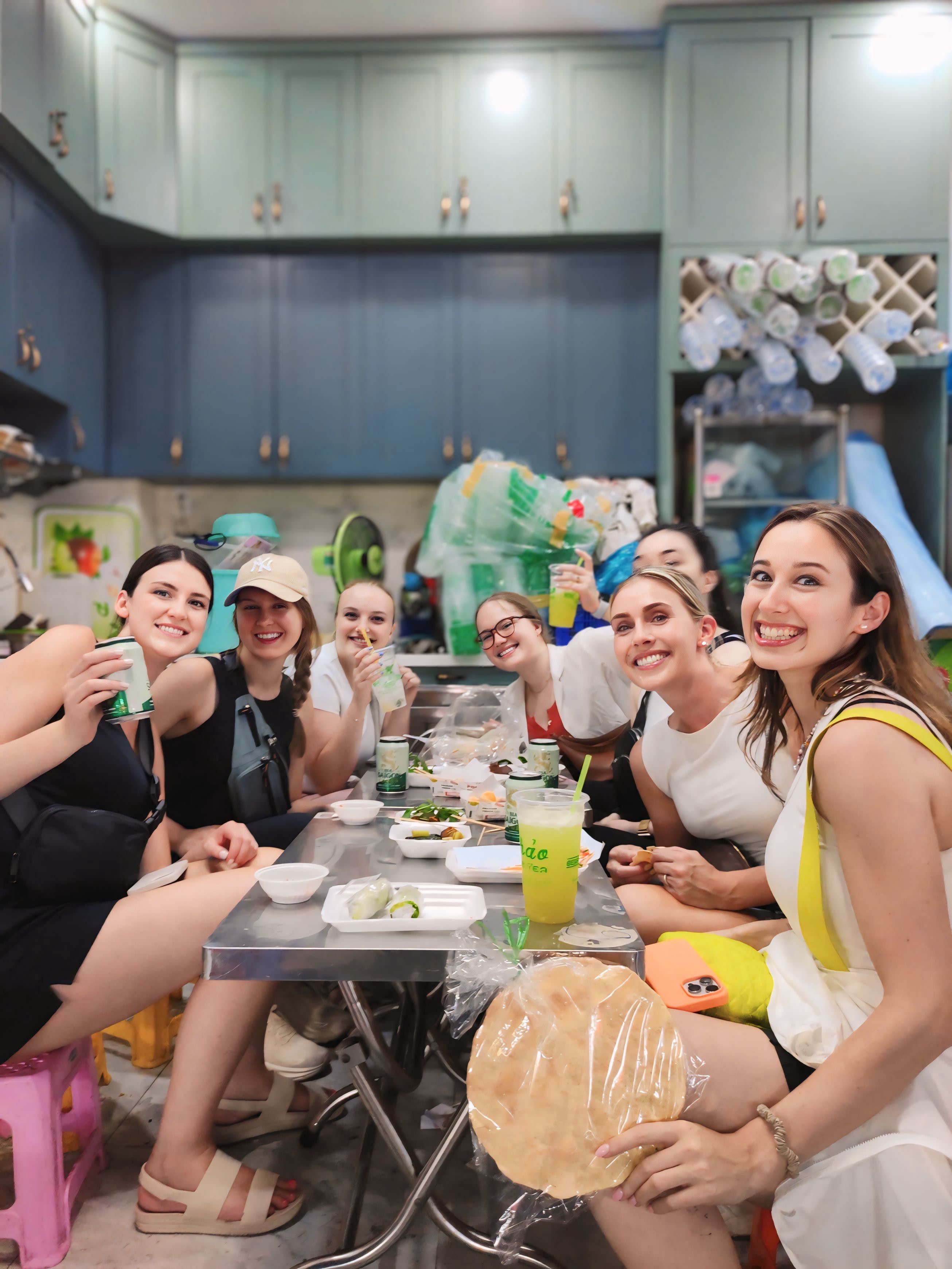
Vietnamese traditional lunch and attraction entrance fees are included in this tour.
Must-try Vietnamese coffee making by a filter is included.
Available options
Private Group 1-4 Persons
Pickup included
Private Group 5-8 Persons
Pickup included
Private Group 13-15 Persons
Pickup included
Private Group 9-12 Persons
Pickup included
What's included
Bottled Water
Cruise Port pickup and drop-off
All Fees and Taxes
Private, Flexible and Customize Tour
Private English Speaking Tour Guide
Vietnamese Coffee
Lunch - Vietnamese Cuisine
Detailed itinerary
1
Tour guide will welcome and pick up your group in front of the port gate with your name on hand.
2
Stop 2
The Central Post Office in Ho Chi Minh is a beautifully preserved remnant of French colonial times and perhaps the grandest post office in all of Southeast Asia. Located next door to Notre Dame Cathedral, the two cultural sites can be visited together and offers visitors a chance to imagine life in Vietnam during the times of the Indochinese Empire. The building was designed by Alfred Foulhoux and features arched windows and wooden shutters, just as it would have in its heyday in the late 19th Century.
3
Stop 3
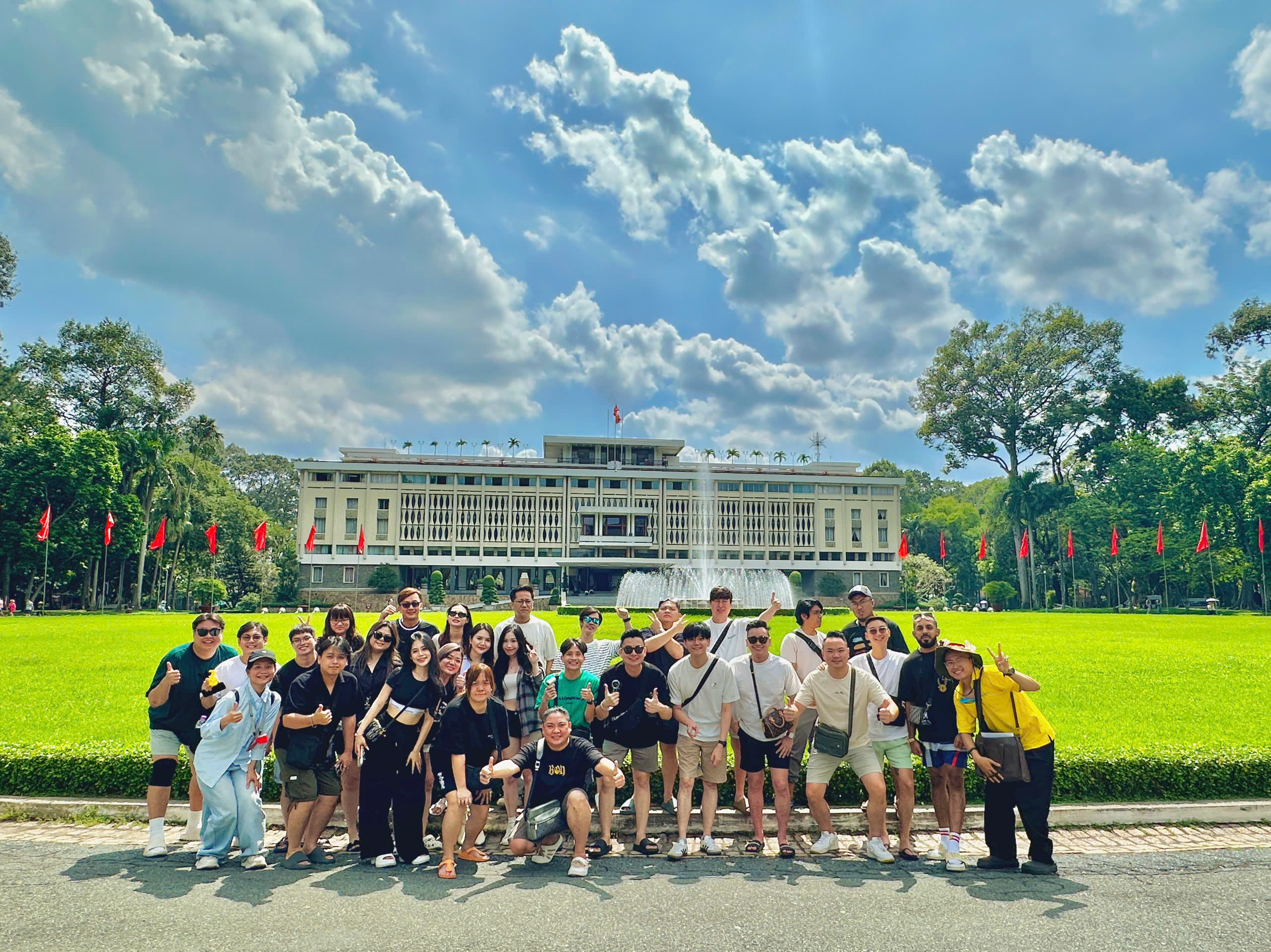
Independence Palace was the base of Vietnamese General Ngo Dinh Diem until his death in 1963. It made its name in global history in 1975. A tank belonging to the North Vietnamese Army crashed through its main gate, ending the Vietnam War. Today, it's a must-visit for tourists in Ho Chi Minh City. The palace is like a time capsule frozen in 1975. You can see two of the original tanks used in the capture of the palace parked in the grounds. Independence Palace was the home and workplace of the French Governor of Cochin-China. It has lush gardens, secret rooms, antique furniture, and a command bunker. It's still in use to host important occasions in Ho Chi Minh, including APEC summits.
4
Stop 4
Saigon Notre Dame Cathedral, built in the late 1880s by French colonists, is one of the few remaining strongholds of Catholicism in the largely Buddhist Vietnam. Located in Paris Square, the name Notre Dame was given after the installation of the statue ‘Peaceful Notre Dame’ in 1959. In 1962, the Vatican conferred the Cathedral status as a basilica and gave it the official name of Saigon Notre-Dame Cathedral Basilica. Measuring almost 60 metres in height, the cathedral’s distinctive neo-Romanesque features include the all-red brick façade (which were imported from Marseille), stained glass windows, two bell towers containing six bronze bells that still ring to this day, and a peaceful garden setting in the middle of downtown Ho Chi Minh City District 1.
5
Stop 5
The Saigon Opera House in Ho Chi Minh is an elegant colonial building at the intersection of Le Loi and Dong Khoi Street in District 1, very close to the famous Notre Dame Cathedral and the classic Central Post Office. The restored three-storey 800-seat Opera House was built in 1897 and is used for staging not only opera but also a wide range of performing arts including ballet, musical concerts, Vietnamese traditional dance and plays. Performances are advertised around the building and information can be found in the state-operated tourist information centre close by.
6
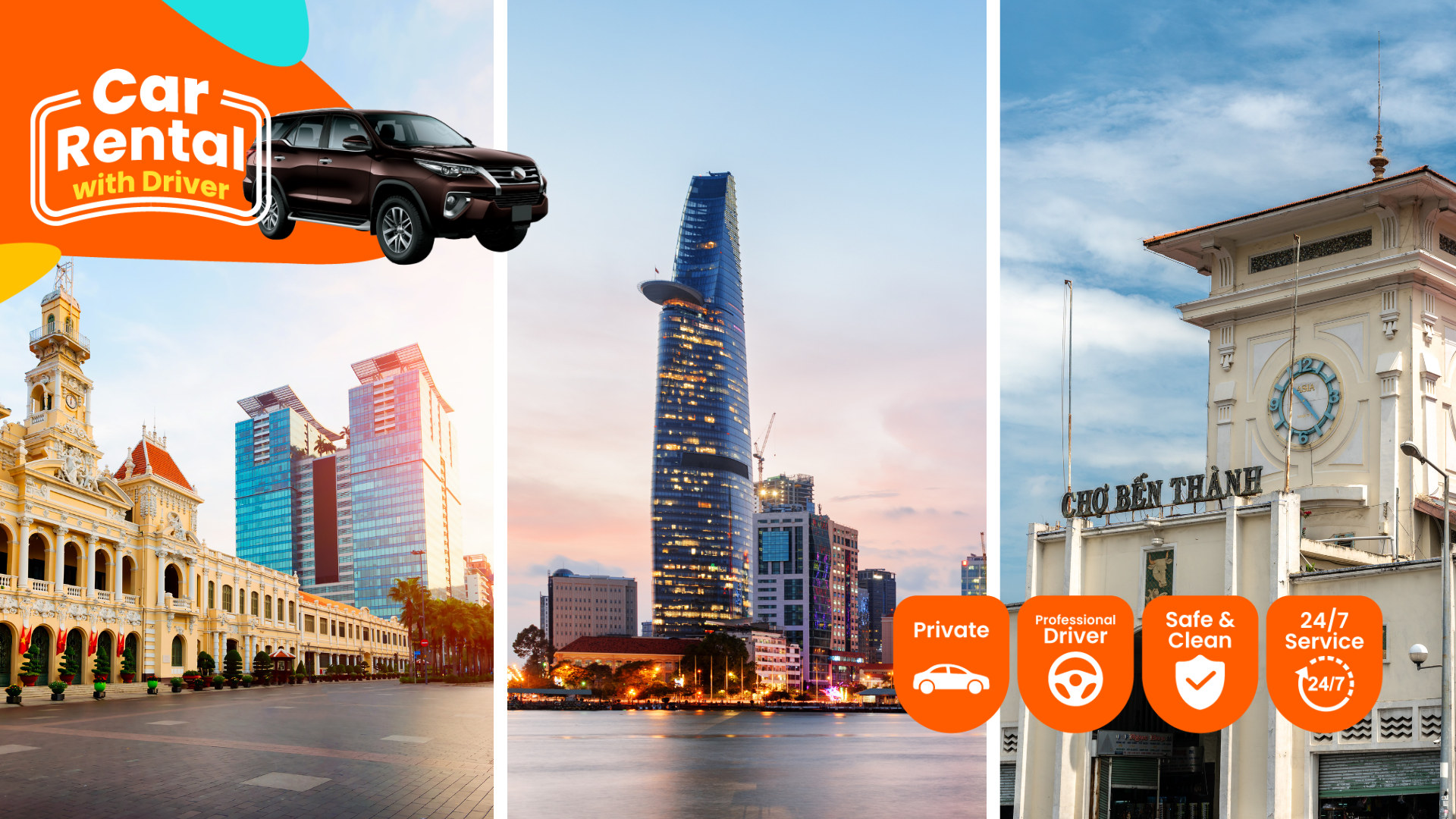
The People’s Committee Building Saigon in central Ho Chi Minh City features well-preserved French colonial architecture in a spacious garden landscape. Originally constructed as a hotel in 1898 by French architect Gardes, it now serves as a city hall and one of the city’s most iconic landmarks. Occupying the end of Nguyen Hue walking promenade, it has three buildings with embossed statues of animals and people, intricate bas-reliefs on the walls, as well as a statue of Ho Chi Minh in front of the main building. The best time to visit is in the evening, as these features are beautifully illuminated with LED lights.
7
Stop 7
The War Remnants Museum in Ho Chi Minh City first opened to the public in 1975. Once known as the ‘Museum of American War Crimes’, it's a shocking reminder of the long and brutal Vietnam War. Graphic photographs and American military equipment are on display. There's a helicopter with rocket launchers, a tank, a fighter plane, a single-seater attack aircraft. You can also see a conventional bomb that weighs at 6,800kg. American troops had used these weapons against the Vietnamese between 1945 and 1975.
8
Stop 8
Ben Thanh Market in Ho Chi Minh City's District 1 is a great place to buy local handicrafts, branded goods, Vietnamese art and other souvenirs. Here, you’ll find eating stalls inside the market where you can get a taste of hawker-style Vietnamese cuisine or simply cool off with a cold drink when the bargaining becomes too much. The market is big, difficult to navigate at times and certainly best avoided during the hottest part of the day but all the same its well worth a look. When night falls, restaurants around the perimeter of the market open their doors creating a vibrant street side scene filling the air with the scents of wok-fried noodles, barbecued fish and meats. One of Saigon’s oldest landmarks, Ben Thanh offers a great atmosphere that is absolutely authentically Vietnamese.
9
Visiting Saigon's historic rooftop - symbol of the end of the Vietnam War
10
Stop 10
Ho Chi Minh City’s Cholon is Vietnam’s largest Chinatown with roots dating back to 1778. Chinese minorities hid here from the Tay Son and subsequently had to rebuild the area twice following attack with as many as 70% estimated to have died trying to escape on boats. Those who survived settled and began selling a variety of Chinese products. During the Vietnam War Cholon was a thriving black market for US soldiers trading in American Army issue supplies. The area today is a popular site for those on the tourist trail and also attracts many Taiwanese and Chinese visitors. Cholon is an interesting place to see classical Chinese architecture reminiscent of years gone by with plenty of Chinese restaurants.
What's not included
Personal Expenses
Available languages
Guide guide
EN
Reviews breakdown
Viator
4.8
5 reviews
5★
4
4★
1
3★
0
2★
0
1★
0
Tripadvisor
4.7
11 reviews
5★
9
4★
1
3★
1
2★
0
1★
0
Important information
Not recommended for travelers with spinal injuries
Not recommended for pregnant travelers
Not recommended for travelers with poor cardiovascular health
Suitable for all physical fitness levels
About Vung Tau
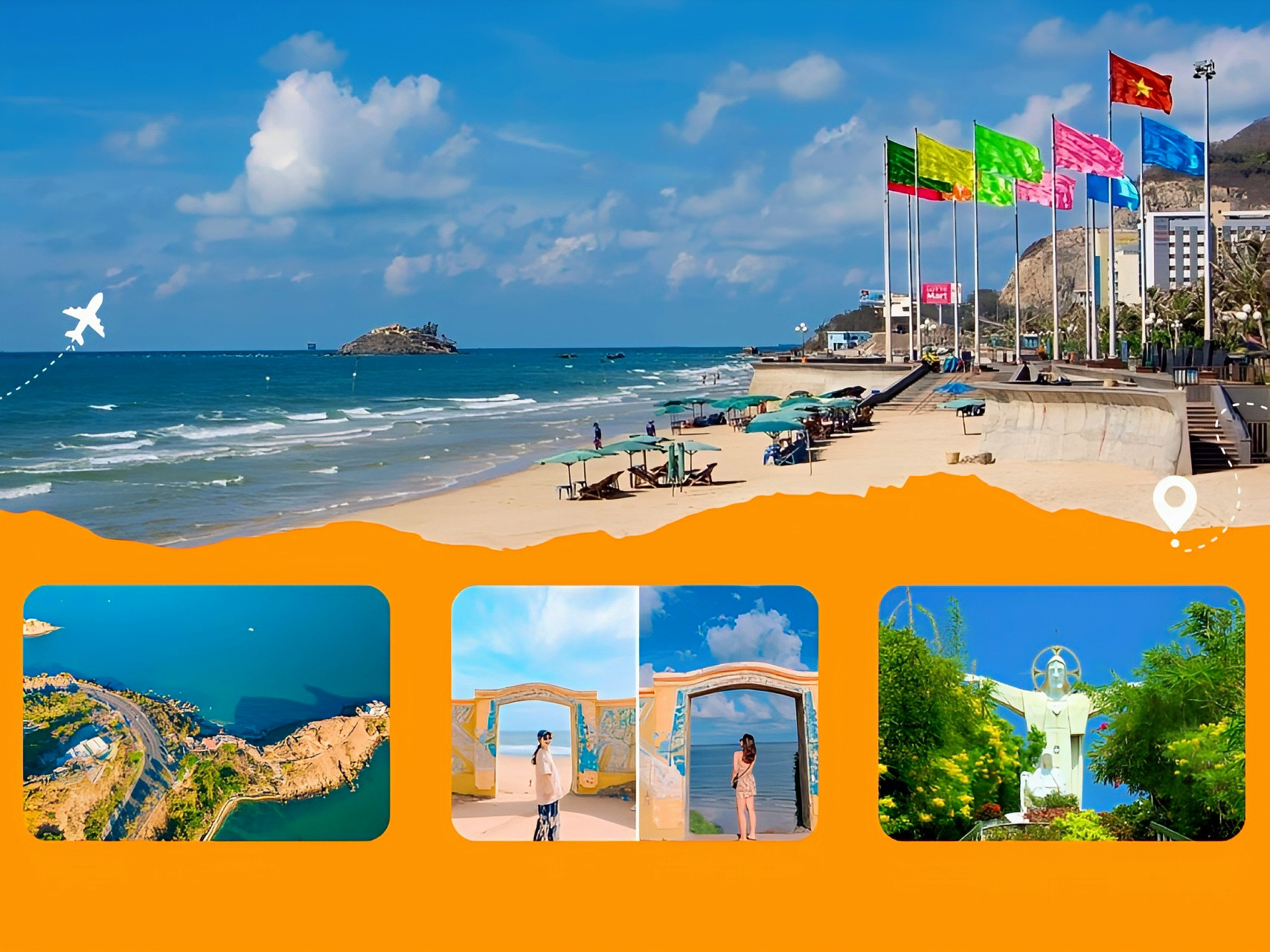
Vung Tau is a coastal city in southern Vietnam known for its beautiful beaches, scenic viewpoints, and vibrant seafood culture. It's a popular getaway for both local and international visitors seeking relaxation and adventure.
Top Attractions
Christ the King Statue
This iconic statue is one of the tallest Christ the King statues in the world. It offers panoramic views of the city and the sea, especially at sunset.
Historical
1-2 hours
Free
Front Beach (Bãi Trước)
This is the most popular beach in Vung Tau, known for its white sand and clear waters. It's a great place to relax, swim, and enjoy local seafood.
Beach
Half day
Free (rental costs may apply for chairs and umbrellas)
Ho May Sand Dunes
These vast sand dunes offer a unique desert-like experience in a coastal city. Visitors can enjoy sandboarding, camel rides, and beautiful sunset views.
Nature
Half day
100,000 - 200,000 VND (including activities)
Vung Tau Lighthouse
This historic lighthouse offers panoramic views of the city and the sea. It's a great spot for photography and learning about the city's maritime history.
Historical
1 hour
Free
Minh Dam Peninsula
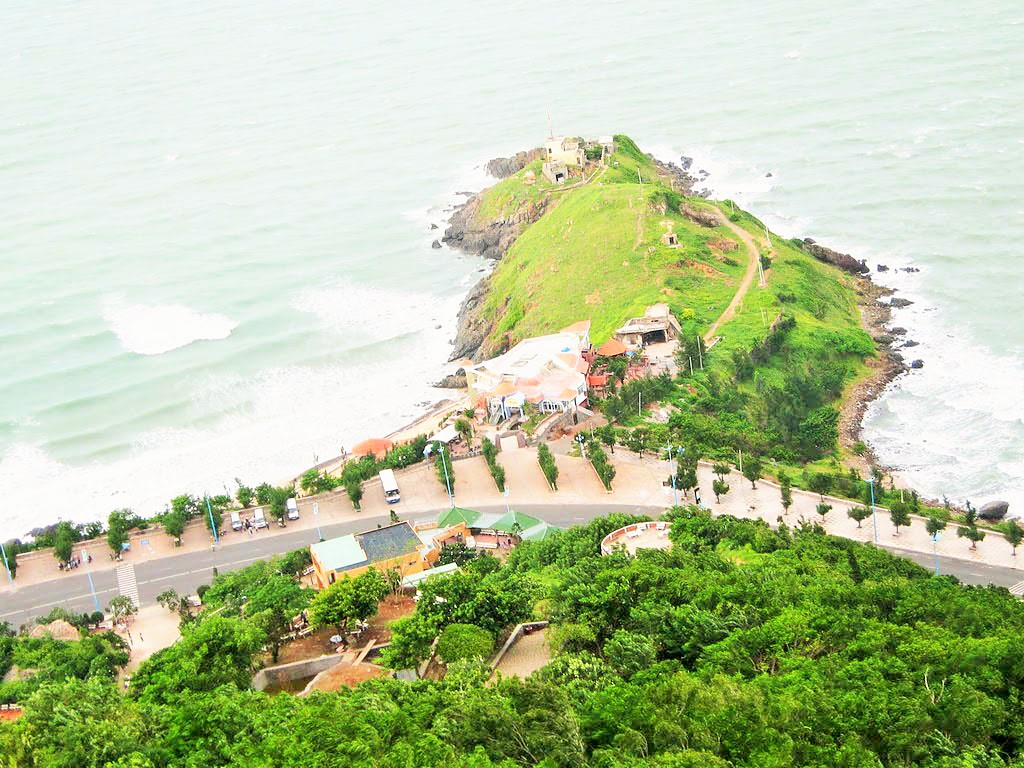
This scenic peninsula is known for its beautiful beaches, rocky cliffs, and seafood restaurants. It's a great place for a day trip and enjoying fresh seafood.
Nature
Half day to full day
Free (rental and dining costs may apply)
Must-Try Local Dishes
Banh Xeo
A savory Vietnamese pancake made with rice flour, water, and turmeric powder, filled with shrimp, pork, and bean sprouts.
Lunch/Dinner
Contains seafood and pork, can be made vegetarian with substitutions.
Bun Ca
A noodle soup with fish, herbs, and a sweet and savory broth.
Lunch/Dinner
Contains fish, can be made vegetarian with substitutions.
Nem Nong
Grilled pork meatballs with a sweet and savory flavor, served with fresh herbs and rice paper.
Snack
Contains pork, can be made with other meats or tofu for vegetarians.
Banh Canh Chua
A sour soup with crab, shrimp, and pineapple, served with rice noodles.
Lunch/Dinner
Contains seafood, can be made with other proteins for vegetarians.
Popular Activities
Sandboarding at Ho May Sand Dunes
Snorkeling and diving at Con Dao Islands
Hiking and nature walks at Con Dao Islands
Beachfront relaxation at Front Beach (Bãi Trước)
Spa and hot spring treatments at Binh Chau Hot Springs
Sunset views at Christ the King Statue
Visiting local temples and shrines at Nui Nho
Exploring the Night Market for local street food and souvenirs
Best Time to Visit
December to April
This is the dry season with warm temperatures and low humidity, making it ideal for beach activities and outdoor exploration.
24-32°C
75-90°F
Practical Information
Language
- Official: Vietnamese
- Widely spoken: English (limited)
- English: Limited
Currency
Vietnamese Dong (VND)
Time Zone
GMT+7
Electricity
220VV, 50HzHz
Safety Information
Overall Safety Rating: Generally safe
Vung Tau is generally safe for travelers, with low crime rates and a welcoming atmosphere. However, as with any destination, it's important to take precautions to ensure a safe and enjoyable trip.
Important Precautions:
- • Be aware of your surroundings, especially at night. Stick to well-lit and populated areas, and avoid walking alone late at night.
- • Keep your belongings secure and be cautious of pickpockets and bag snatchers, especially in crowded areas and on public transportation.
- • Use reputable taxi companies or ride-hailing apps like Grab to avoid scams and ensure a safe and reliable ride.
Getting there
By air
- Tan Son Nhat International Airport • 100 km
By train
Vung Tau Railway Station
By bus
Vung Tau Bus Station
Getting around
Public transport
The bus system in Vung Tau is affordable and covers most of the city. Buses are a convenient way to get around, especially for travelers on a budget.
Taxis
Available • Apps: Grab
Rentals
Car, Bike, Scooter
Neighborhoods
City Center
Thuy Van
Nui Nho
Ho May
Day trips
Con Dao Islands
100 km • Full day to overnight
A group of islands known for their beautiful beaches, lush forests, and historical sites. The islands offer a variety of activities, including snorkeling, diving, and hiking.
Long Hai Beach
30 km • Half day to full day
A beautiful beach known for its white sand, clear waters, and relaxed atmosphere. It's a great place to swim, sunbathe, and enjoy fresh seafood.
Phuoc Tinh Island
15 km • Half day to full day
A small island known for its beautiful beaches, clear waters, and seafood restaurants. It's a great place to swim, snorkel, and enjoy fresh seafood.
Festivals
Vung Tau International Fireworks Festival • April (specific dates vary each year)
Vung Tau Seafood Festival • June (specific dates vary each year)
Vung Tau Culture and Tourism Week • July (specific dates vary each year)
Pro tips
- Visit the Christ the King Statue early in the morning or late afternoon to avoid the heat and crowds.
- Try local street food at the Night Market for an authentic and delicious experience.
- Rent a bike or scooter to explore the city and its surrounding areas at your own pace.
- Take a day trip to the Con Dao Islands for a unique and adventurous experience.
- Enjoy a sunset dinner at a beachfront restaurant for a romantic and memorable experience.
From $25
per person
Price varies by option
Secure booking
Free cancellation available
Instant confirmation