Private Half Day Tour in Salona, Vitturi Castle and Trogir
Active
6h
For a full refund, cancel at least 24 hours before the scheduled departure time.
Manual confirmation
Mobile or paper ticket accepted
About this experience
Designed for history lovers, this tour takes you to a three historic places!
Our first stop is Salona, once the capital of the Roman province of Dalmatia and today's archeological park. Salona’s ruins offer a captivating glimpse into ancient times, making it a must-visit for history enthusiasts and archaeology lovers.
Next, you'll visit Kaštela, a unique cluster of seven picturesque towns between Salona and Trogir. These towns developed around medieval fortresses built in the 15th and 16th centuries. We’ll explore the most famous, Vitturi Castle, located in the charming town of Kaštel Lukšić.
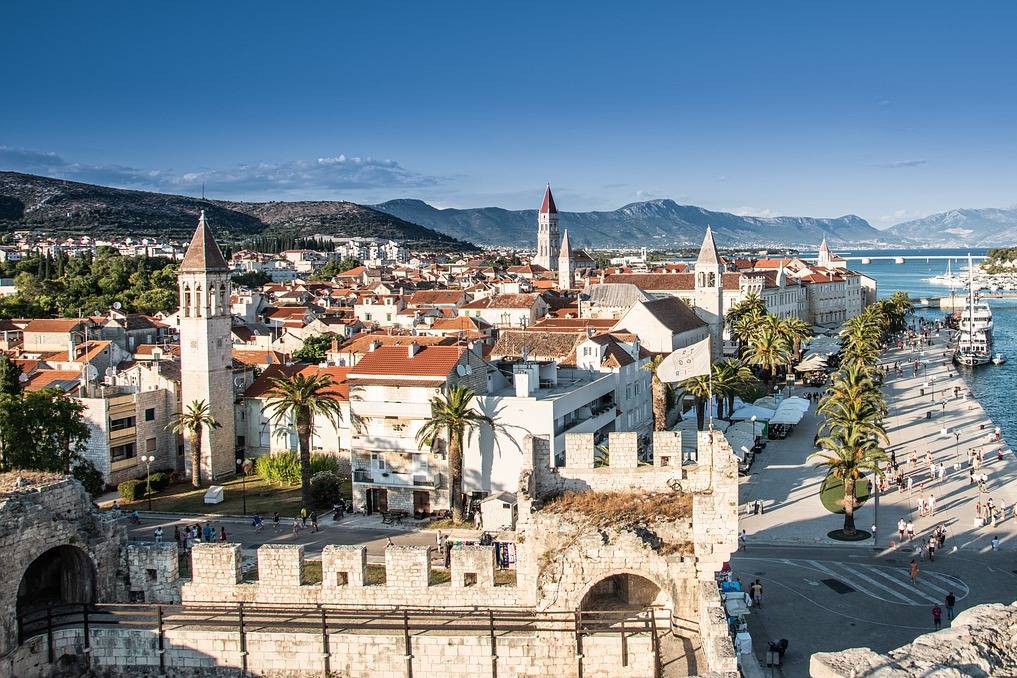
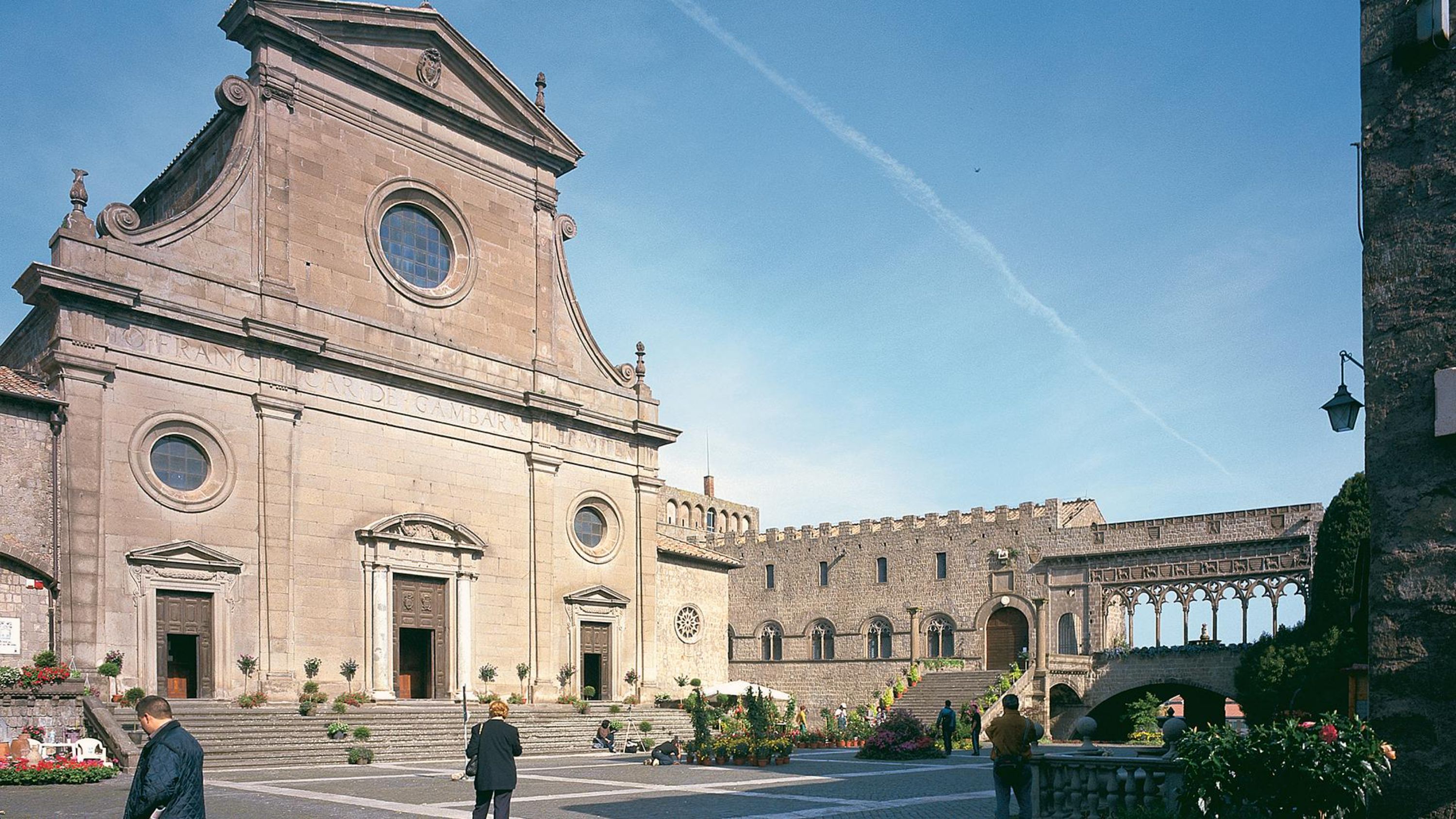
Our final stop is the stunning town of Trogir, a UNESCO World Heritage site and one of Central Europe’s best-preserved Romanesque-Gothic towns. Trogir is a treasure trove of medieval monuments and architecture, intiguing history and local legends.
Trogir’s charm lies not only in its historic landmarks but also in its vibrant atmosphere, stunning coastal views, and lovely narrow streets.
Available options
Private Half Day Tour in Salona, Vitturi Castle and Trogir
Pickup included
What's included
Soft drinks in Kaštela
Air-conditioned vehicle, Wi-Fi on board, Parking fees
Insurance
Tour of Salona, Vitturi castle and Trogir
Professional licensed local tour guide and driver
Detailed itinerary
1
Meeting at the arranged address and a ride to Salona.
2
Tour of the archaeological site of Salona and unique stories about the ancient city during a walk through its ruins.
3
Break time with a refreshing drink and an intriguing story of the history of Kaštela followed by a visit to the Vitturi castle.
4
Tour of the old town of Trogir and a story about its significance throughout history. Free time at the end of the tour.
5
Transfer from Trogir back to Split.
What's not included
Salona - 8 EUR per adult, 4 EUR per child
Food
Additional private costs such as souvenirs
Gratuities
Available languages
Guide guide
EN
HR
Reviews breakdown
Tripadvisor
5.0
2 reviews
5★
2
4★
0
3★
0
2★
0
1★
0
Important information
Service animals allowed
Public transportation options are available nearby
Infants are required to sit on an adult’s lap
Not recommended for pregnant travelers
Not recommended for travelers with poor cardiovascular health
Travelers should have at least a moderate level of physical fitness
Not recommended for visually impaired people
Not recommended for people with mobility impairments
About Split
Split is a stunning coastal city in Croatia, known for its rich history, vibrant culture, and breathtaking Adriatic Sea views. The city is home to the impressive Diocletian's Palace, a UNESCO World Heritage site, and offers a blend of ancient Roman architecture and modern Mediterranean charm.
Top Attractions
Diocletian's Palace
A UNESCO World Heritage site and one of the most impressive Roman palaces in the world. Built by the Roman Emperor Diocletian in the 4th century, it's a must-visit for history buffs.
Historical/Architecture
2-3 hours
Free to enter, some areas require a ticket (around 50 HRK)
Riva Promenade
A lively waterfront promenade that stretches along the Adriatic Sea. It's a great place to enjoy the sea breeze, people-watch, and sample local ice cream.
Scenic
1-2 hours
Free
Marjan Hill
A forested park offering stunning views of Split and the surrounding islands. It's perfect for hiking, swimming, and enjoying the natural beauty of the area.
Nature/Scenic
2-4 hours
Free
Bacvice Beach
A popular sandy beach known for its shallow waters and vibrant atmosphere. It's a great place to relax, swim, and enjoy local seafood.
Beach
Half-day
Free, sunbeds and umbrellas for rent
Split City Museum
Housed in the historic Papalić Palace, this museum offers a fascinating look at the history and culture of Split through various exhibits and artifacts.
Museum
1-2 hours
Free, donations welcome
Must-Try Local Dishes
Black Risotto (Crni Rižot)
A traditional Dalmatian dish made with cuttlefish, giving it a distinctive black color.
Main course
Contains seafood, not suitable for vegetarians or those with seafood allergies.
Peka
A slow-cooked dish made with meat (lamb, veal, or octopus) and vegetables, cooked under a bell-like lid with hot coals.
Main course
Can be made with meat or seafood, not suitable for vegetarians.
Brodet
A traditional fish stew made with various types of fish, potatoes, and tomatoes.
Main course
Contains seafood, not suitable for vegetarians or those with seafood allergies.
Rozata
A traditional Dalmatian dessert similar to crème caramel, flavored with rose liqueur.
Dessert
Contains dairy and eggs, not suitable for vegans.
Popular Activities
Hiking on Marjan Hill
Sailing to nearby islands
Scuba diving in the Adriatic Sea
Sunbathing at Bacvice Beach
Enjoying a leisurely stroll along Riva Promenade
Relaxing at a local spa
Exploring Diocletian's Palace
Visiting local museums and galleries
Best Time to Visit
June to August
The peak season offers the best weather for beach activities and outdoor exploration. However, it is also the busiest and most expensive time to visit.
25°C to 35°C
77°F to 95°F
Practical Information
Language
- Official: Croatian
- Widely spoken: English, Italian, German
- English: Moderately spoken, especially in tourist areas
Currency
Croatian Kuna (HRK)
Time Zone
GMT+1 (Central European Time, CET)
Electricity
230VV, 50HzHz
Safety Information
Overall Safety Rating: Generally safe
Split is generally safe for travelers, with low crime rates and a welcoming atmosphere. However, as with any tourist destination, it's important to be aware of your surroundings and take precautions to ensure a safe and enjoyable trip.
Important Precautions:
- • Be aware of your surroundings, especially in crowded areas.
- • Use licensed taxis and agree on the fare before starting your journey.
- • Be cautious of strangers offering unsolicited help or services.
Getting there
By air
- Split Airport • 15 km from city center
By train
Split Railway Station
By bus
Split Bus Terminal
Getting around
Public transport
The bus system is efficient and covers most parts of the city. Buses are a convenient and affordable way to get around.
Taxis
Available • Apps: Camme, Bolt
Rentals
Car, Bike, Scooter
Neighborhoods
Old Town
Varoš
Bačvice
Meje
Day trips
Hvar Island
60 km from Split • Full day
A picturesque island known for its stunning beaches, lavender fields, and historic sites. Hvar is a popular destination for sailing, swimming, and exploring.
Brač Island
30 km from Split • Full day
A beautiful island known for its golden beaches, crystal-clear waters, and scenic hiking trails. Brač is a great destination for beach lovers and outdoor enthusiasts.
Krka National Park
80 km from Split • Full day
A stunning national park known for its waterfalls, lakes, and lush greenery. Krka is a great destination for hiking, swimming, and nature lovers.
Festivals
Split Summer Festival • July to September
Split Music Festival • July to August
Split International Film Festival • June to July
Pro tips
- Visit Diocletian's Palace early in the morning or late in the afternoon to avoid crowds.
- Try local seafood dishes, especially Black Risotto and Peka, for an authentic taste of Dalmatian cuisine.
- Explore the city on foot or by bike to discover hidden gems and enjoy the scenic views.
- Take a day trip to nearby islands like Hvar or Brač for stunning beaches and outdoor activities.
- Enjoy the sunset from Marjan Hill for a breathtaking view of the city and the Adriatic Sea.
From $25
per person
Price varies by option
Secure booking
Free cancellation available