Group Tour: Lake Sevan (Sevanavank), Dilijan (Goshavank, Haghartsin)
Active
9h - 10h
For a full refund, cancel at least 24 hours before the scheduled departure time.
Instant confirmation
Mobile or paper ticket accepted
About this experience
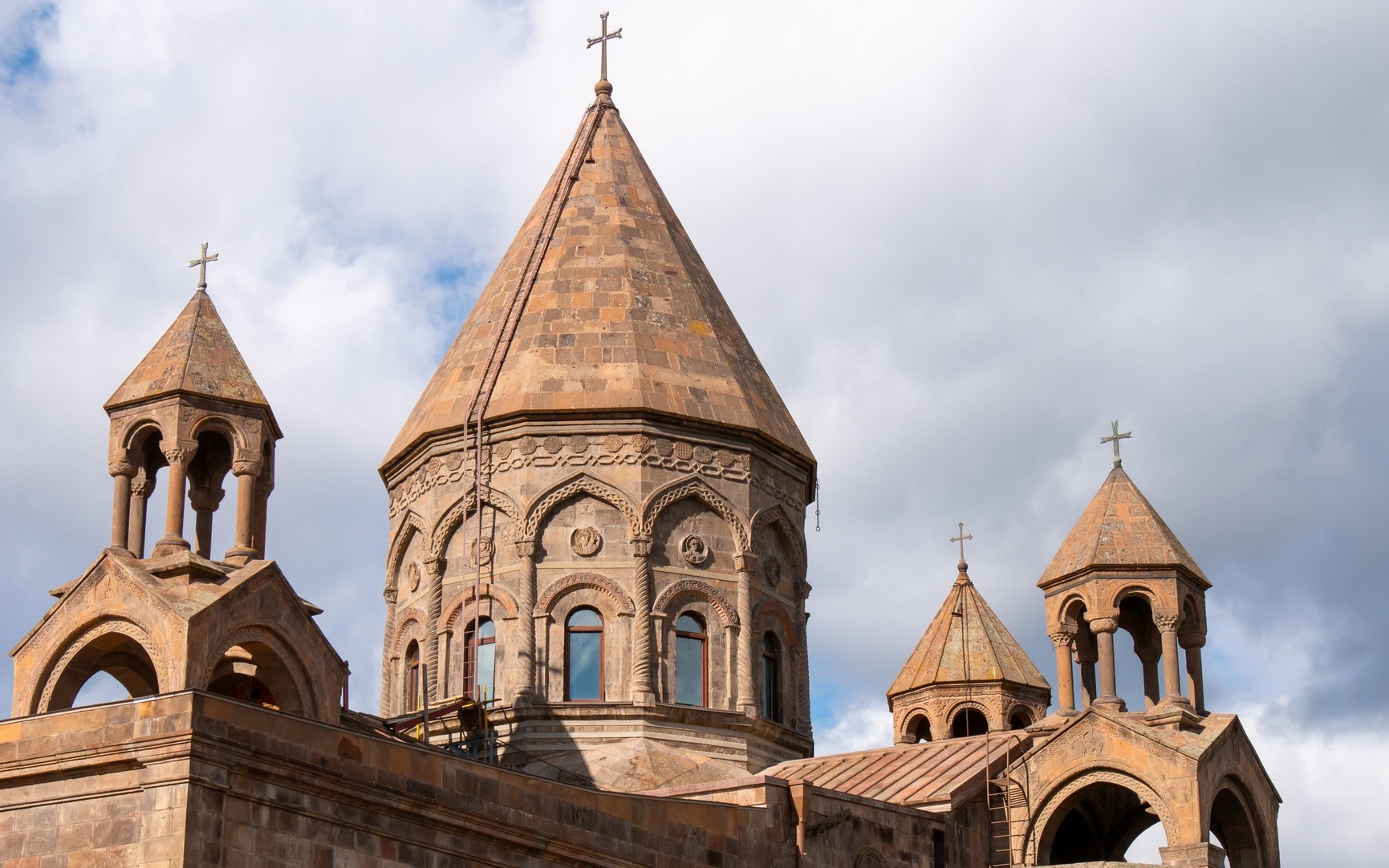
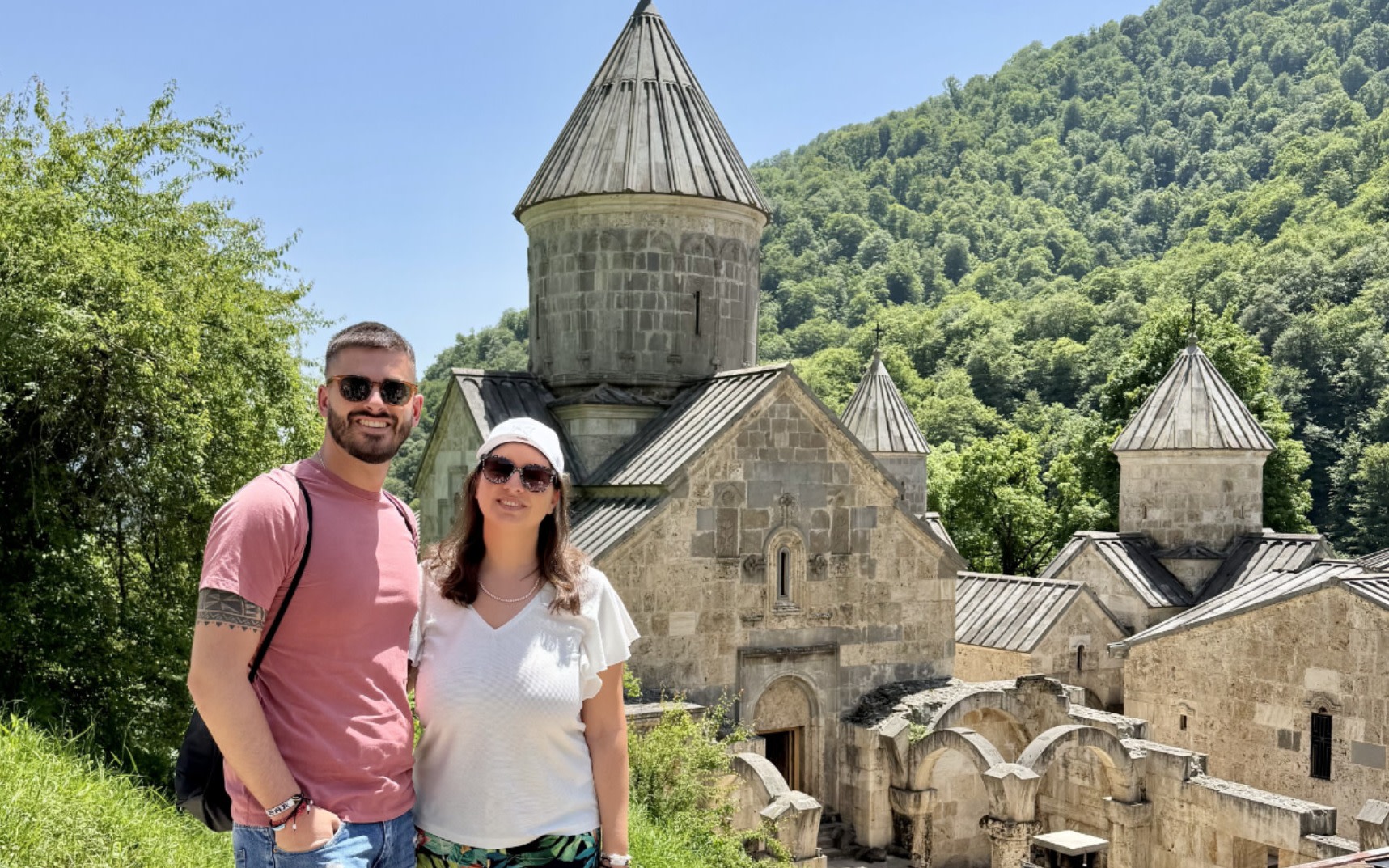
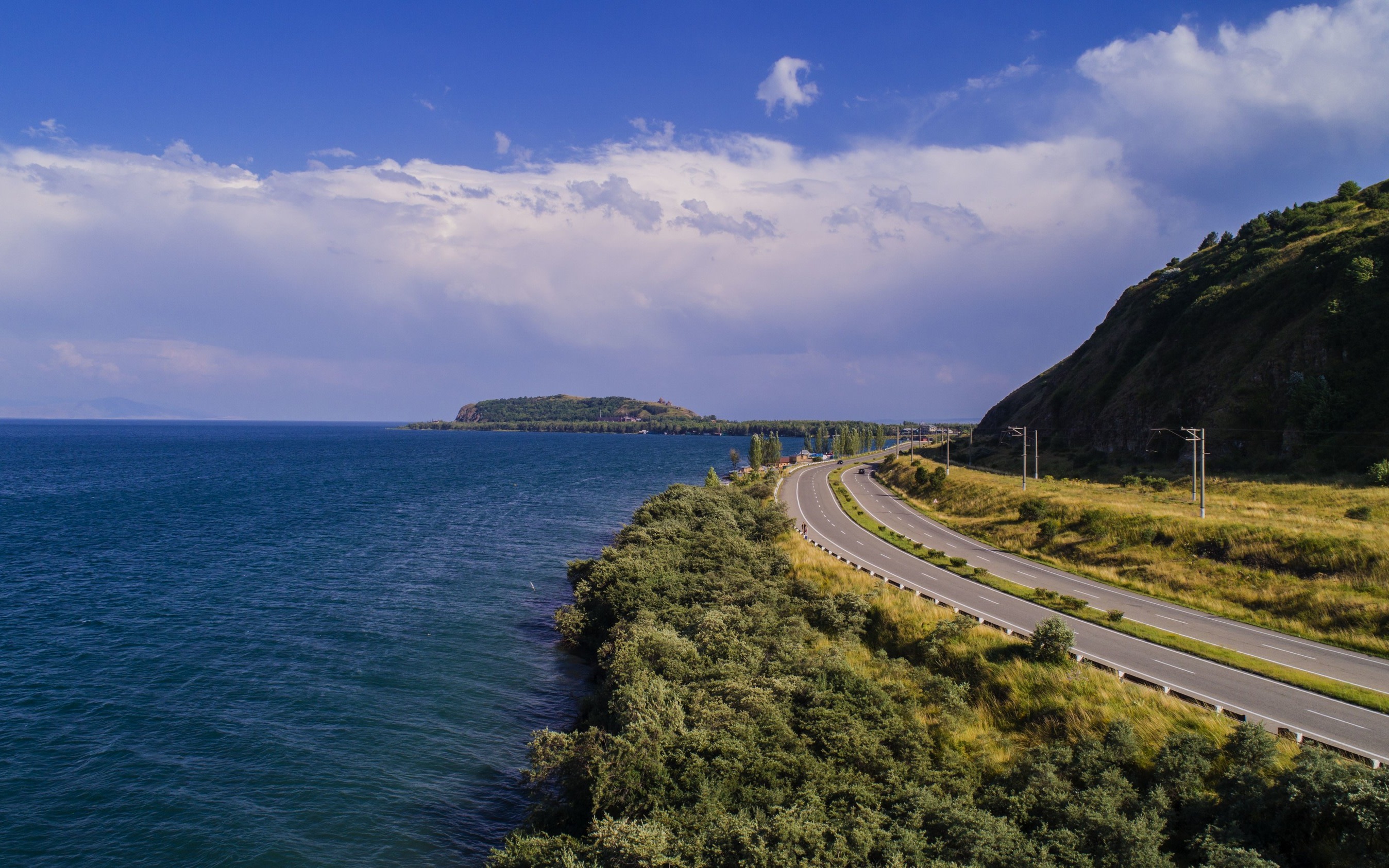
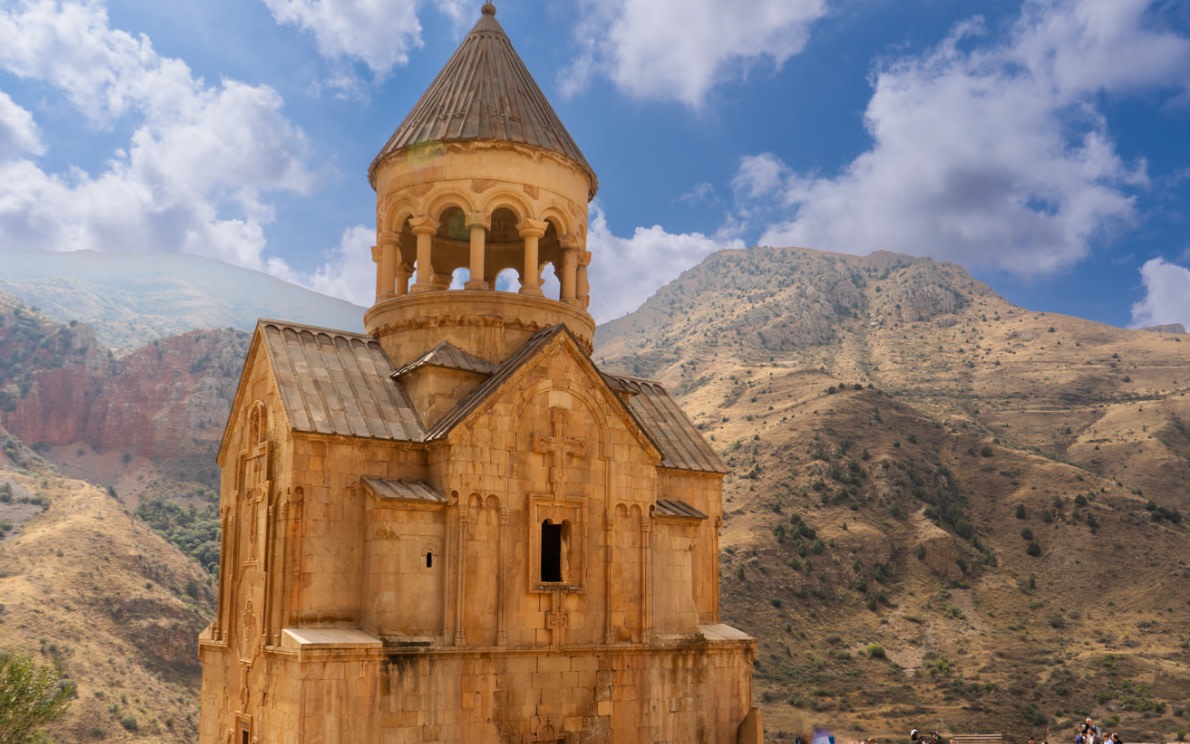
On this 9-10-hour tour visit Lake Sevan, pearl of this mountainous country and one of the largest freshwater high-altitude lakes in Eurasia. You will also visit Sevanavank, a monastery complex on Sevan peninsula. Currently a religious seminary functions here, which is not readily open to the public, the peninsula can be named the very point from where the whole beauty of the Lake Sevan is seen. You will then have a short stop in Dilijan town, otherwise referred to as "Armenian Switzerland" for its fantastic natural forests. The town is a part of Dilijan National Park. The next stop is Haghartsin, a 10th century monastery which has been recently renovated by donation of Sheikh Dr. Sultan Bin Mohammad Al Qassimi, the Ruler of Sharjah, who was impressed by the monastery when visited it. Goshavank is the final stop surrounded by green territories.
Available options
Group Tour: Lake Sevan (Sevanavank), Dilijan (Goshavank, Haghartsin)
Holiday option
Master class included: The guests will participate in Christmas food master class
What's included
Air-conditioned vehicles
Vehicle & passengers insurance
Professional guide: ENG + RUS consecutively
WiFi in the vehicles
Bottled water & pastries
Admission tickets
Detailed itinerary
1
starting and ending point
2
The fascination and the "pearl" of mountainous Armenia is Lake Sevan, which is one of the world's greatest high altitude fresh-water lakes. It is about 1900 m above sea level. The lake is of volcanic origin and is surrounded with mountains of 3000 m and higher. The beautiful landscape and the crystal water serve nice preconditions for excellent rest.The lake is also famous for its peninsula and medieval church complex, built in 874.
3
A marvelous scene opens in the north-western part of Lake Sevan, where the peninsula towers over the transparent surface of the lake. Sevanavank monastery was built on the peninsula in 874 by the order of king Ashot Bagratuni's daughter – princess Mariam. The silhouette of the churches against the background of the turquoise lake and blue sky casts unexplainable impression on the visitors.
4
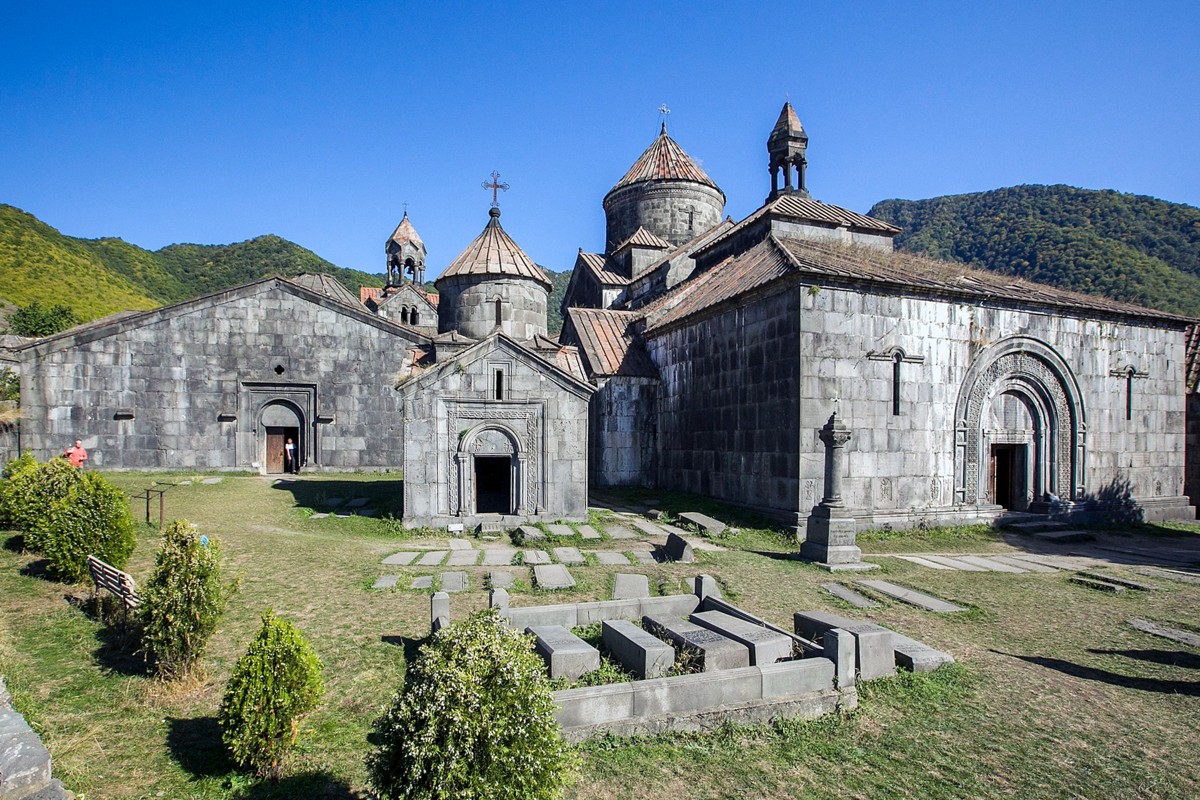
Goshavank was founded by the famous medieval scientist, fabulist Mkhitar Gosh. The complex consists of several religious and secular buildings. The unrivalled khachkar, put in front of the one-naved basilica, was created by the skillful master Poghos in 1291. Goshavank used to be one of the most famous religious and cultural centers in medieval Armenia.
5
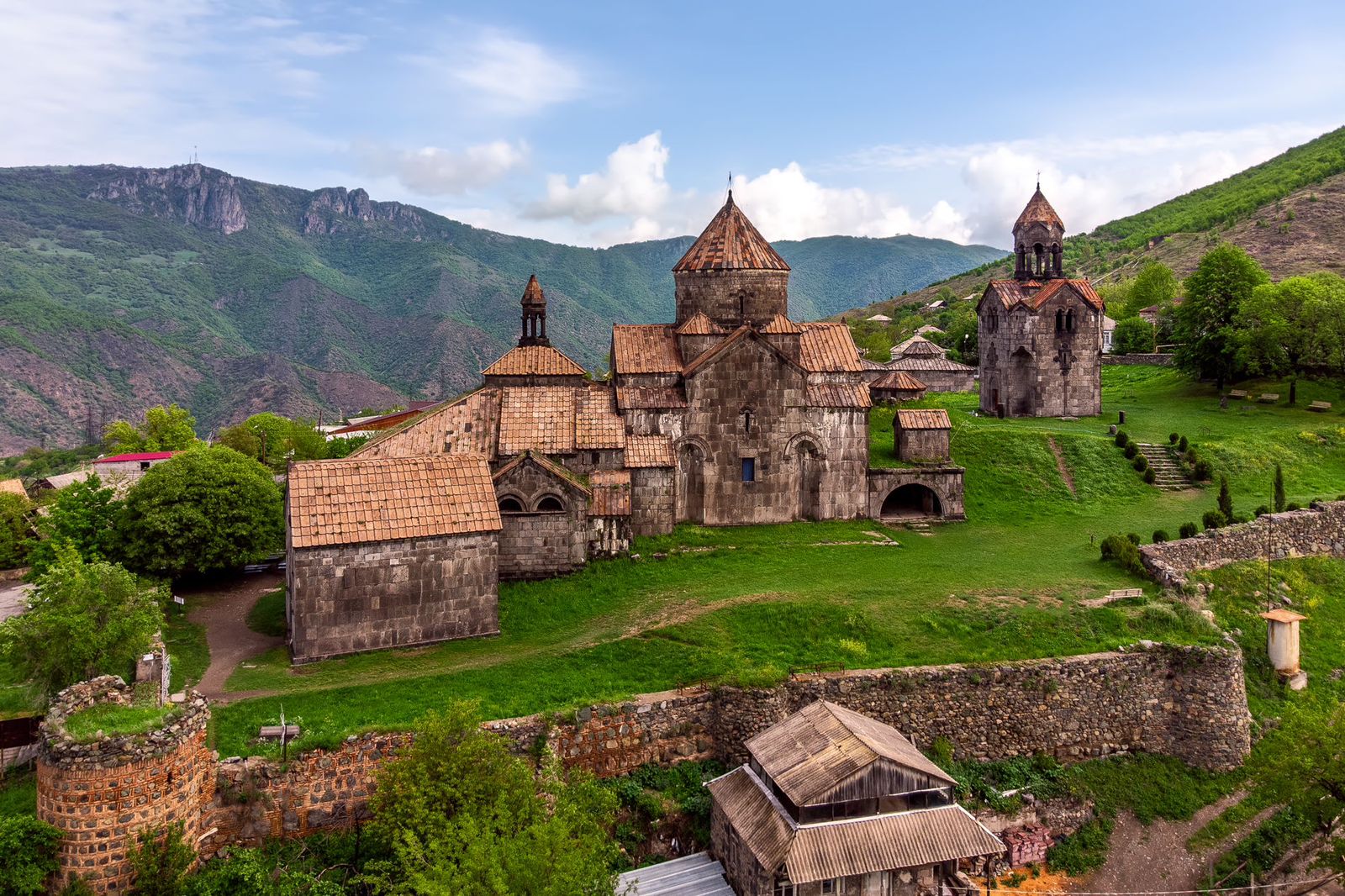
Haghartsin monastery, situated in the woodlands of Tavush region, represents an indescribable example of blend of nature with architecture. It was founded in the 10-11th centuries, though new buildings were added in the 12-13th centuries. Now it consists of St. Grigor, St. Astvatsatsin (Holy Mother of God), St. Stepanos churches and some other buildings.The refectory, due to its skillful architectural composition, is of great interest. Near Haghartsin there used to grow a huge oak tree, almost at the age of the monastery, completing the whole scene. Unfortunately, only a small part of the hollow has remained till the present day, however, it is still of much interest among the visitors, and preserves the tradition, according to which, when one makes a wish and at the same time manages to pass through the tree (hollow), it is expected to come true in the nearest future.
What's not included
Lunch price (3900 - 4900AMD = 10-13 USD)
Hotel pick-up & drop-off
Available languages
Guide guide
RU
EN
Reviews breakdown
Viator
4.5
48 reviews
5★
37
4★
5
3★
3
2★
0
1★
3
Tripadvisor
4.9
973 reviews
5★
899
4★
57
3★
11
2★
4
1★
2
Important information
Infants are required to sit on an adult’s lap
Infants and small children can ride in a pram or stroller
Public transportation options are available nearby
Suitable for all physical fitness levels
Children must be accompanied by an adult
Operates in all weather conditions, please dress appropriately
Seats will not be known in advance
200 steps to climb to Sevanavank, 600 meters to walk down the hill to Haghartsin
Meeting point
on the left hand, little bit down from Nalbandyan and Tumanyan corner
Important notes
• Comfortable walking shoes are recommended
• Choose the clothes depending on weather conditions
• Approach the office 30 min before starting time
• Seats are not fixed in advance
• Take with you cash Drams: it is not always possible to pay for lunch in the restaurant by Credit Card
About Yerevan
Yerevan, the capital of Armenia, is one of the world's oldest continuously inhabited cities, known for its rich history, vibrant culture, and stunning architecture. Nestled at the foot of Mount Ararat, the city offers a unique blend of ancient landmarks and modern amenities, making it a fascinating destination for travelers.
Top Attractions
Republic Square
The heart of Yerevan, Republic Square is famous for its architectural beauty and historical significance. The square is surrounded by notable buildings and features a beautiful fountain show in the evenings.
Historical/Architecture
1-2 hours
Free
Yerevan Cascade
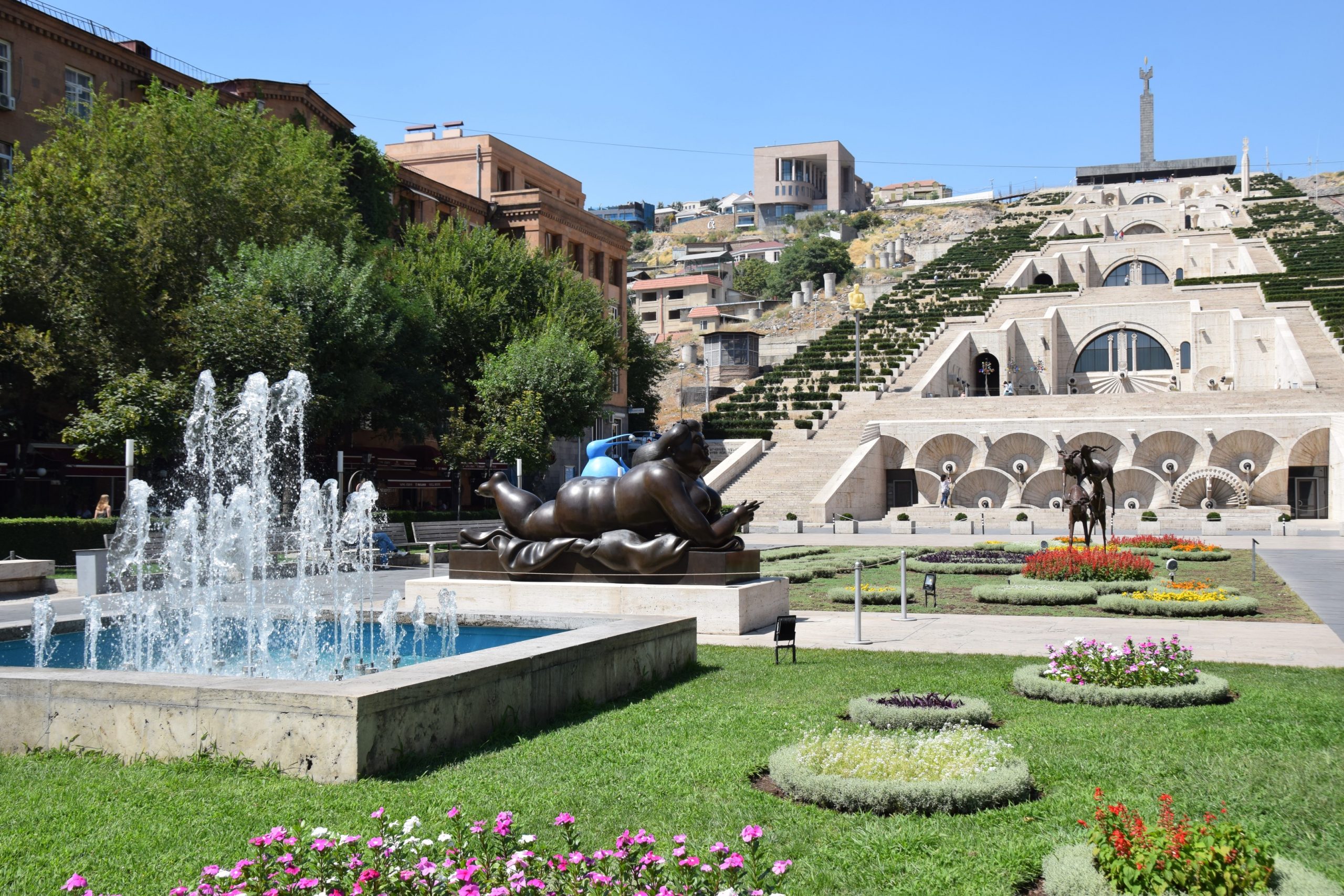
The Yerevan Cascade is a massive staircase and fountain complex that offers stunning views of the city and Mount Ararat. It is a popular spot for both locals and tourists.
Architecture/Historical
1-2 hours
Free
Matenadaran
Matenadaran is a repository of ancient manuscripts and a significant cultural and scientific institution in Armenia. It houses a vast collection of manuscripts, including religious texts and historical documents.
Museum/Cultural
1-2 hours
500 AMD
Ararat Brandy Factory
The Ararat Brandy Factory offers tours where visitors can learn about the history of Armenian brandy and enjoy tastings of their famous brandies.
Historical/Cultural
1-2 hours
5000-10000 AMD
Blue Mosque
The Blue Mosque is a beautiful example of Islamic architecture in Yerevan. It is one of the few remaining mosques in the city and is a significant cultural and historical site.
Historical/Religious
30 minutes
Free
Must-Try Local Dishes
Khorovats
Grilled meat, typically lamb or pork, marinated in spices and served with lavash (Armenian flatbread).
Main Course
Contains meat
Lavash
A traditional Armenian flatbread, soft and thin, often served with meals.
Bread
Vegetarian, Vegan
Dolma
Grilled meatballs made with minced lamb and spices, wrapped in grape leaves.
Appetizer
Contains meat
Harissa
A traditional Armenian porridge made from wheat and chickpeas, often served during Lent.
Porridge
Vegetarian, Vegan
Popular Activities
Hiking in Dilijan National Park
Rock climbing in Garni Gorge
Swimming in Lake Sevan
Spa treatments in Yerevan
Visiting museums and historical sites
Attending festivals and events
Boating and swimming in Lake Sevan
Skiing in Tsaghkadzor
Best Time to Visit
April to June, September to October
These periods offer the best weather for exploring the city, with mild temperatures and clear skies. The city is lively with cultural events and festivals.
15-30°C
59-86°F
Practical Information
Language
- Official: Armenian
- Widely spoken: Russian, English
- English: Moderately spoken
Currency
Armenian Dram (AMD)
Time Zone
AMT (UTC+4)
Electricity
220VV, 50HzHz
Safety Information
Overall Safety Rating: Generally safe
Yerevan is generally safe for travelers, with low crime rates and a welcoming atmosphere. However, it is important to take basic precautions to ensure a safe and enjoyable trip.
Important Precautions:
- • Use licensed taxis or ride-hailing apps
- • Keep valuables secure in crowded areas
- • Research tour operators before booking
Getting there
By air
- Zvartnots International Airport • 12 km from city center
By train
Yerevan Railway Station
By bus
Northern Bus Station, Southern Bus Station
Getting around
Public transport
Buses and minibuses (marshrutkas) are the primary modes of public transport, covering most of the city.
Taxis
Available • Apps: Yandex.Taxi, GorTaxi
Rentals
Car, Bike
Neighborhoods
Kentron
Avan
Nork
Day trips
Garni Temple
25 km from Yerevan • Half day
Garni Temple is a ancient pagan temple dedicated to the sun god Mihr. It is one of the few remaining examples of pre-Christian Armenian architecture.
Geghard Monastery
30 km from Yerevan • Half day
Geghard Monastery is a UNESCO World Heritage Site known for its unique rock-cut architecture and historical significance.
Lake Sevan
60 km from Yerevan • Full day
Lake Sevan is the largest lake in Armenia and a popular destination for swimming, boating, and hiking.
Festivals
Yerevan International Film Festival • July
Golden Apricot Film Festival • July
Yerevan Wine Days • September
Pro tips
- Learn a few basic phrases in Armenian to enhance your experience and connect with locals
- Try the local cuisine, including traditional dishes like khorovats, lavash, and dolma
- Visit the Vernissage Market for unique souvenirs and crafts
- Explore the underground tunnels of Yerevan for a unique and fascinating experience
- Take a day trip to Garni Temple and Geghard Monastery for a glimpse into Armenia's rich history and culture
From $25
per person
Price varies by option
Secure booking
Free cancellation available
Instant confirmation