Ellora caves and 3 Sightseeing Tour
Active
7h - 9h
For a full refund, cancel at least 24 hours before the scheduled departure time.
Instant confirmation
Mobile or paper ticket accepted
About this experience
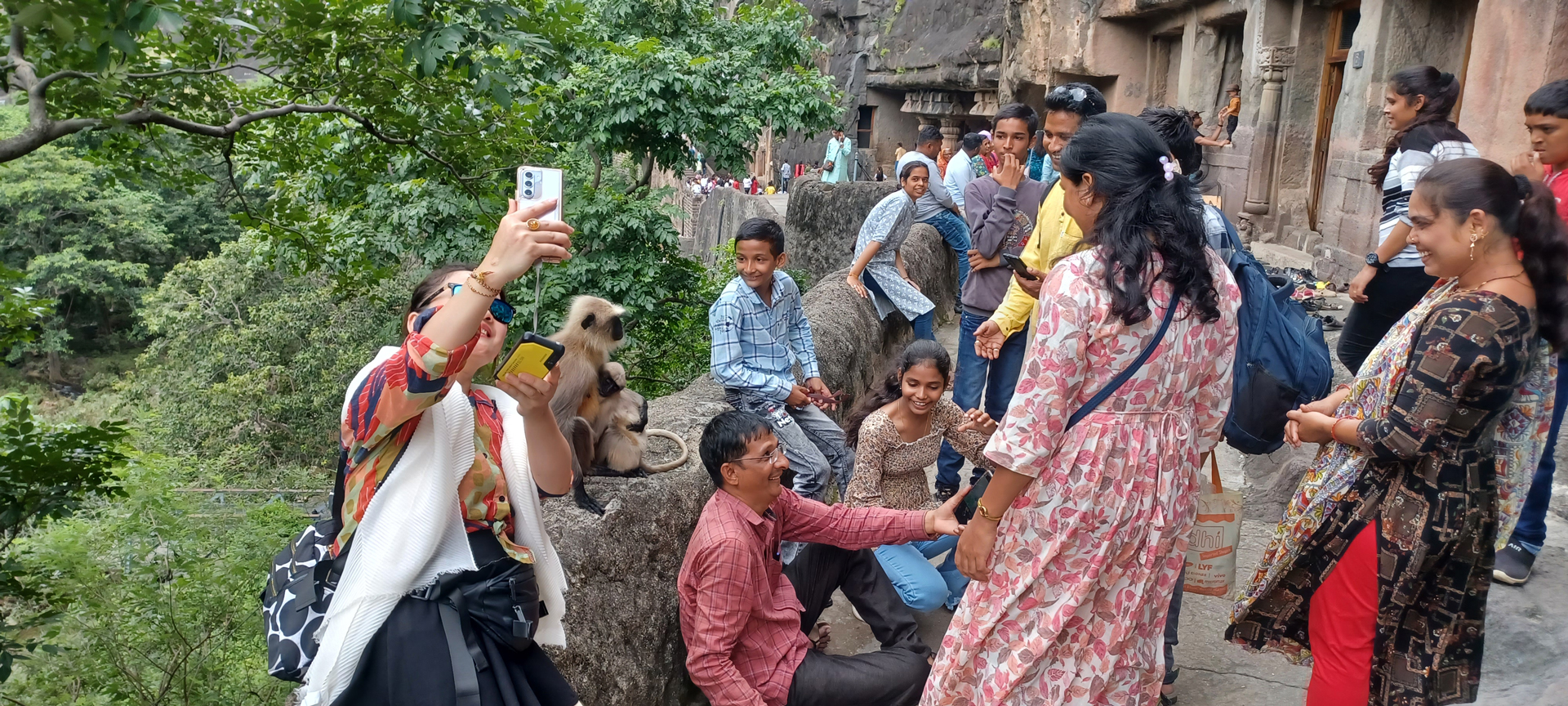
Ellora caves and other sightseeing tour is private tour with a English speaking driver, who can give some basic information of each place before going insight, however driver is not guide.
We will provide you guide book for this trip and you can read and explore caves and other places.
Available options
Ellora caves and 3 Sightseeing Tour
Pickup included
What's included
Bottled water
WiFi on board
Air-conditioned vehicle
Parking Fees
Detailed itinerary
1
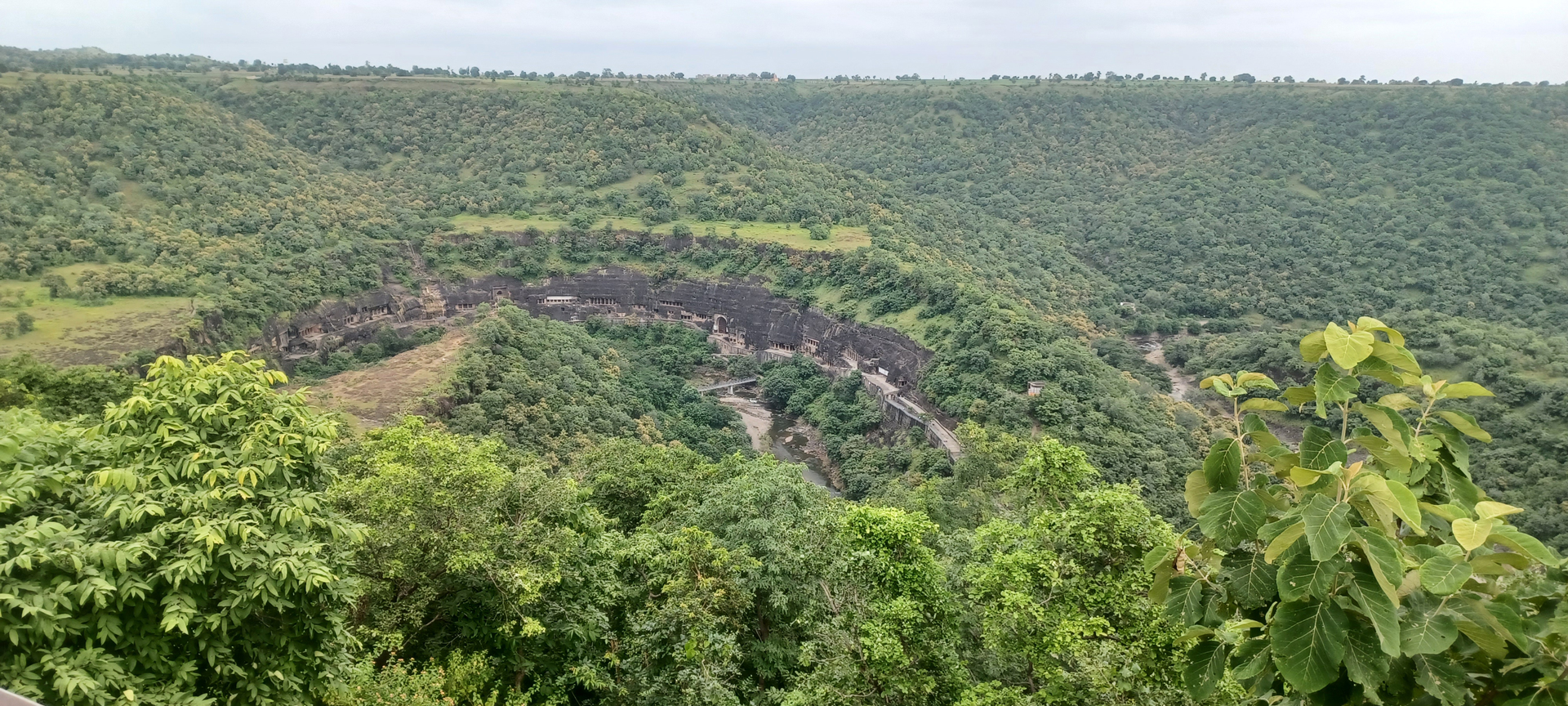
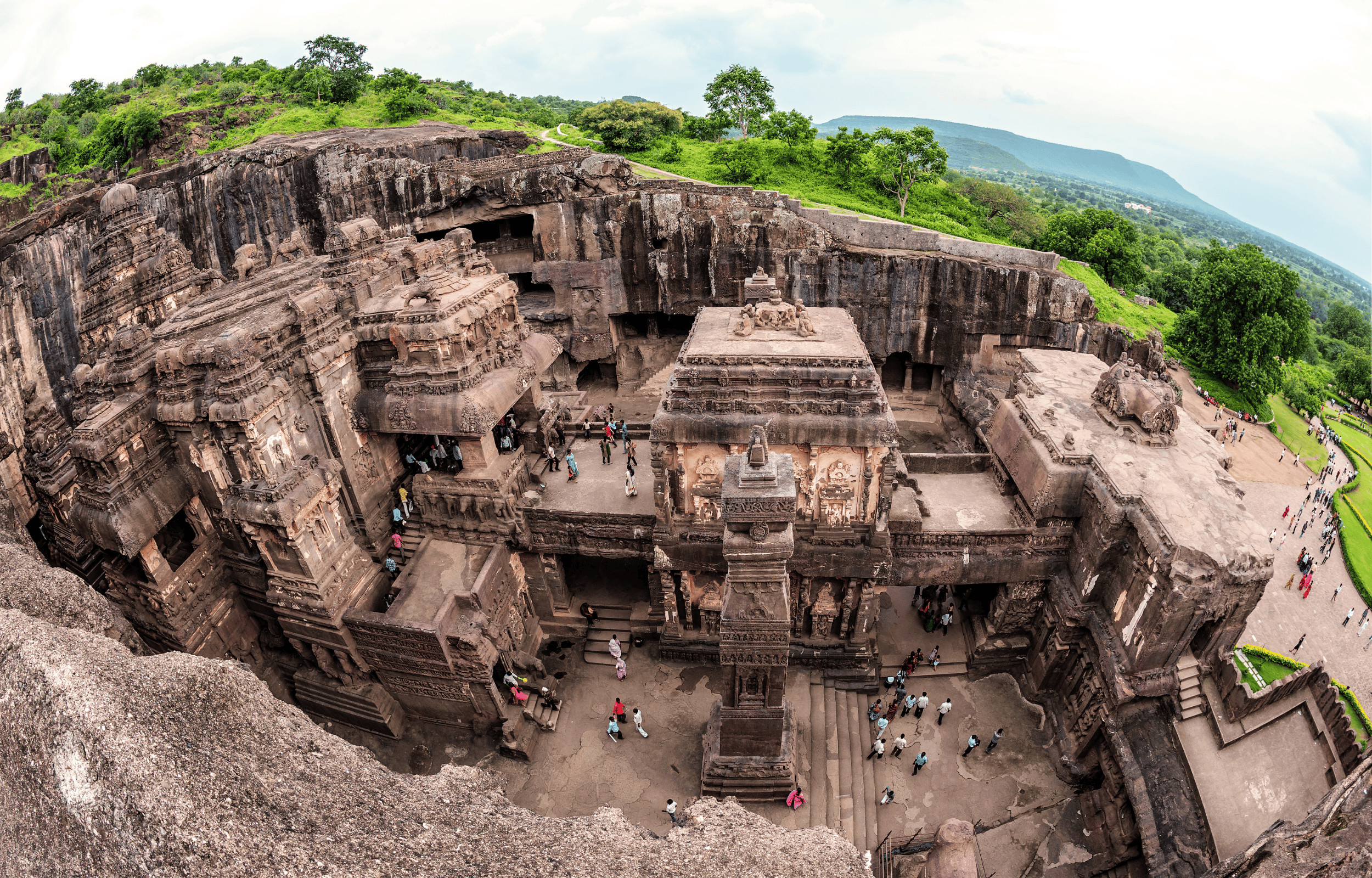
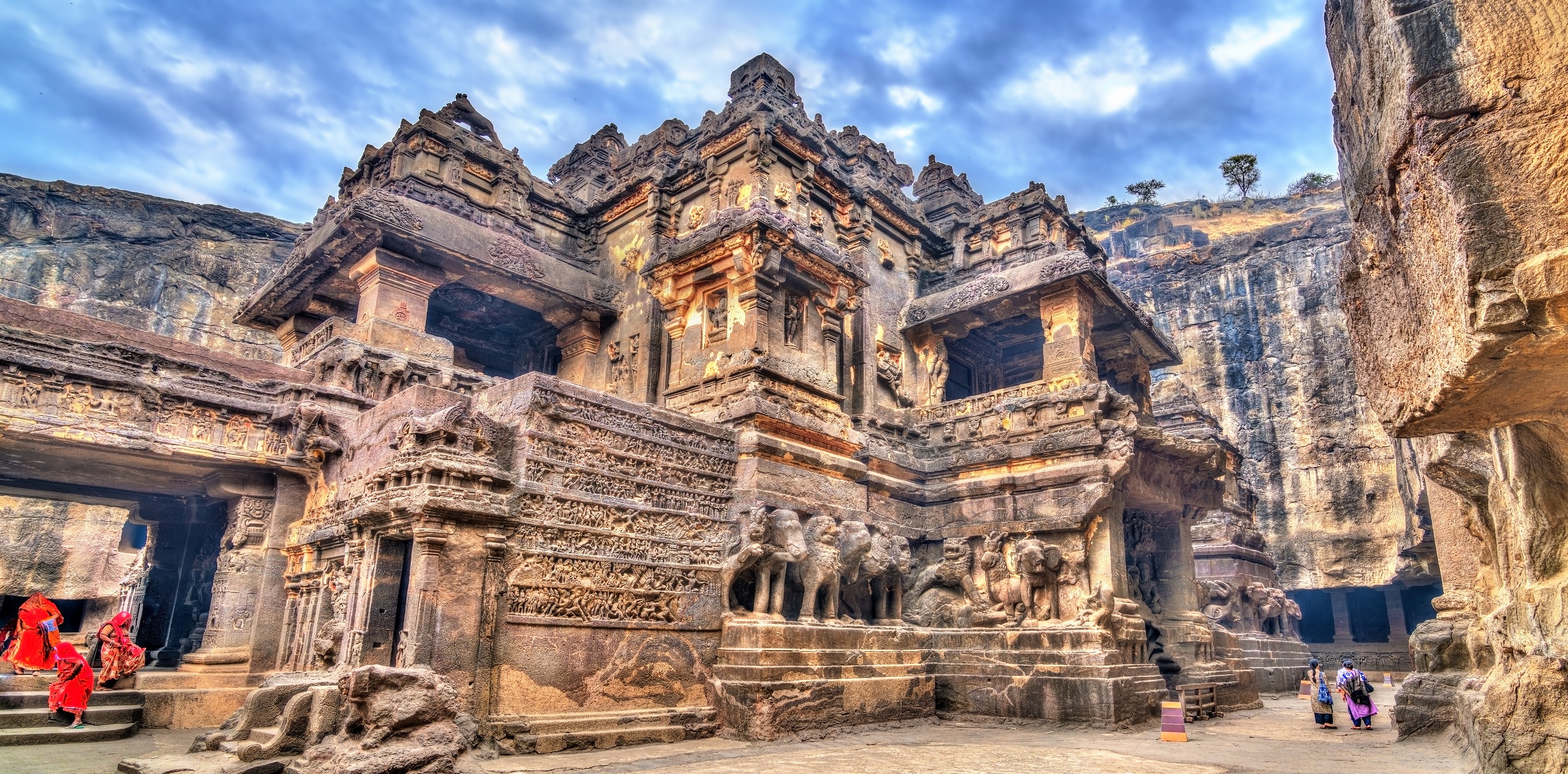
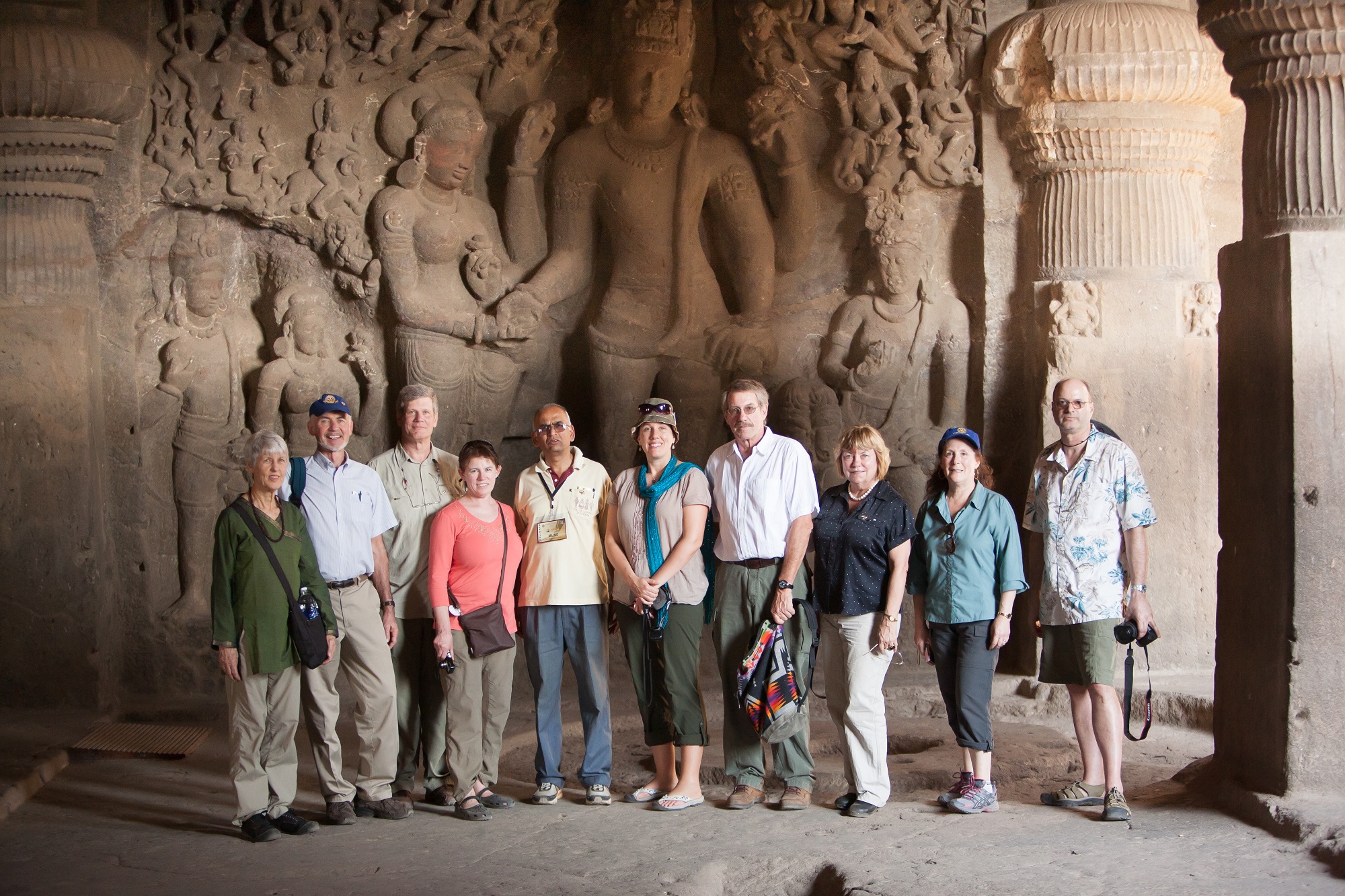
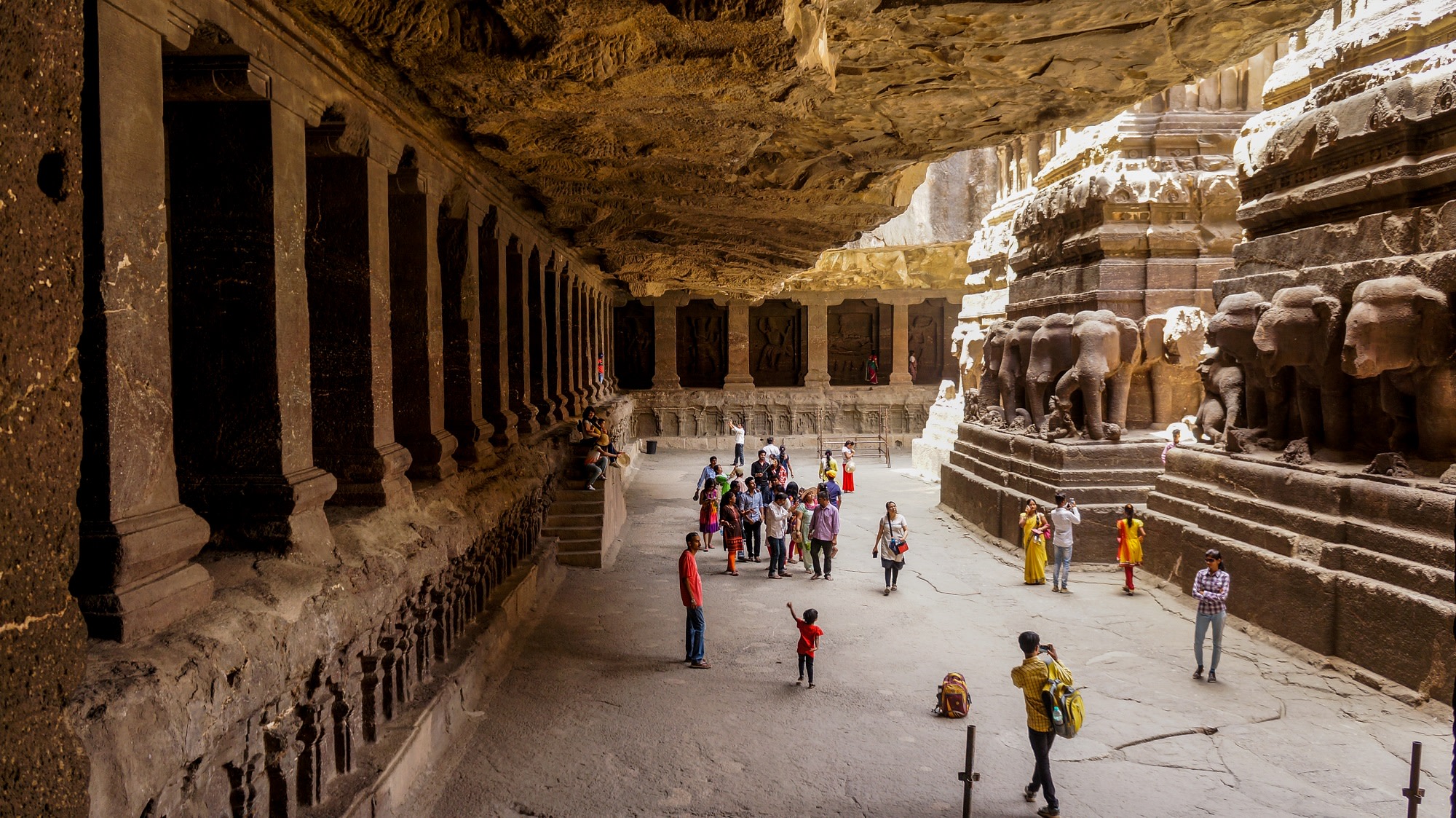
Ellora is a UNESCO World Heritage Site located in the Aurangabad district of Maharashtra, India. It is one of the largest rock-cut monastery-temple cave complexes in the world, featuring Jain, Buddhist and Hindu, monuments, and artwork, dating from the 600–1000 CE period. Cave 16, in particular, features the largest single monolithic rock excavation in the world, the Kailasha temple, a chariot shaped monument dedicated to Lord Shiva. The Kailasha temple excavation also features sculptures depicting the gods, goddesses and mythologies found in Vaishnavism, Shaktism as well as relief panels summarizing the two major Hindu Epics.
There are over 100 caves at the site, all excavated from the basalt cliffs in the Charanandri Hills, 34 of which are open to public. These consist of 12 Buddhist (caves 1–12), 17 Hindu (caves 13–29) and 5 Jain (caves 30–34) caves, each group representing deities and mythologies prevalent in the 1st millennium CE, as well as monasteries of each respective religion. They were built close to one another and illustrate the religious harmony that existed in ancient India. All of the Ellora monuments were built during Hindu dynasties such as the Rashtrakuta dynasty, which constructed part of the Hindu and Buddhist caves, and the Yadava dynasty, which constructed a number of the Jain caves. Funding for the construction of the monuments was provided by royals, traders and the wealthy of the region.
2
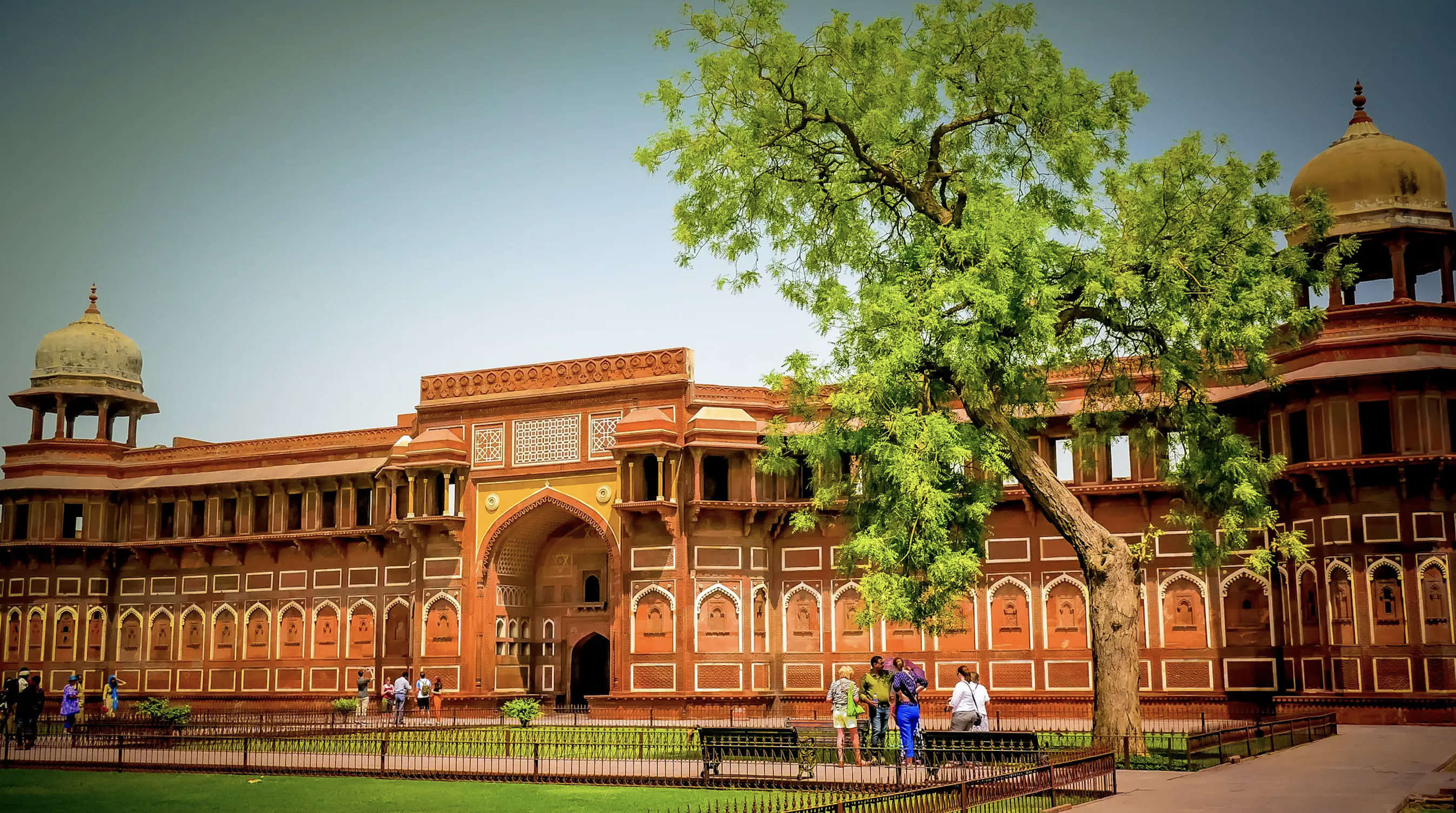
Daulatabad Fort, also known as Devagiri or Deogiri, is a historical fortified citadel located in Aurangabad, Maharashtra, India. It was the capital of the Yadava dynasty (9th century–14th century CE), for a brief time the capital of the Delhi Sultanate (1327–1334), and later a secondary capital of the Ahmadnagar Sultanate (1499–1636). Around the sixth century CE, Devagiri emerged as an important uplands town near present-day Aurangabad, along caravan routes going towards western and southern India. The historical triangular fortress in the city was initially built around 1187 by the first Yadava king, Bhillama V. In 1308, the city was annexed by Sultan Alauddin Khalji of the Delhi Sultanate, which ruled over most of the Indian subcontinent. In 1327, Sultan Muhammad bin Tughluq of the Delhi Sultanate renamed the city as "Daulatabad" and shifted his imperial capital to the city from Delhi, ordering a mass migration of Delhi's population to Daulatabad. However, Muhammad bin Tughluq reversed his decision in 1334 and the capital of the Delhi Sultanate was shifted back from Daulatabad to Delhi. In 1499, Daulatabad became a part of the Ahmadnagar Sultanate, who used it as their secondary capital. In 1610, near Daulatabad Fort, the new city of Aurangabad, then named Khadki, was established to serve as the capital of the Ahmadnagar Sultanate by the Ethiopian military leader Malik Ambar, who was brought to India as a slave but rose to become a popular Prime Minister of the Ahmadnagar Sultanate. Most of the present-day fortification at Daulatabad Fort was constructed under the Ahmadnagar Sultanate.
3
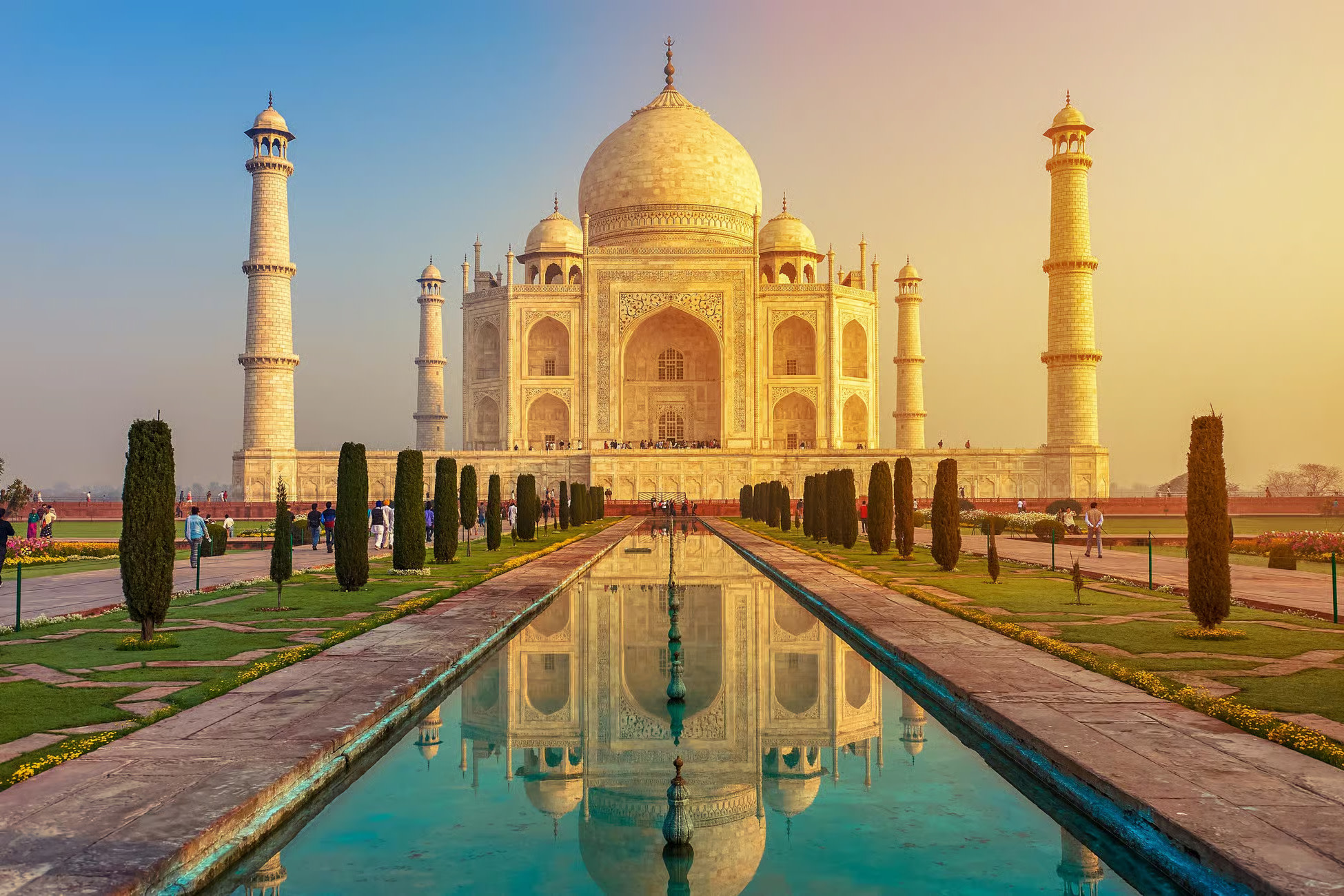
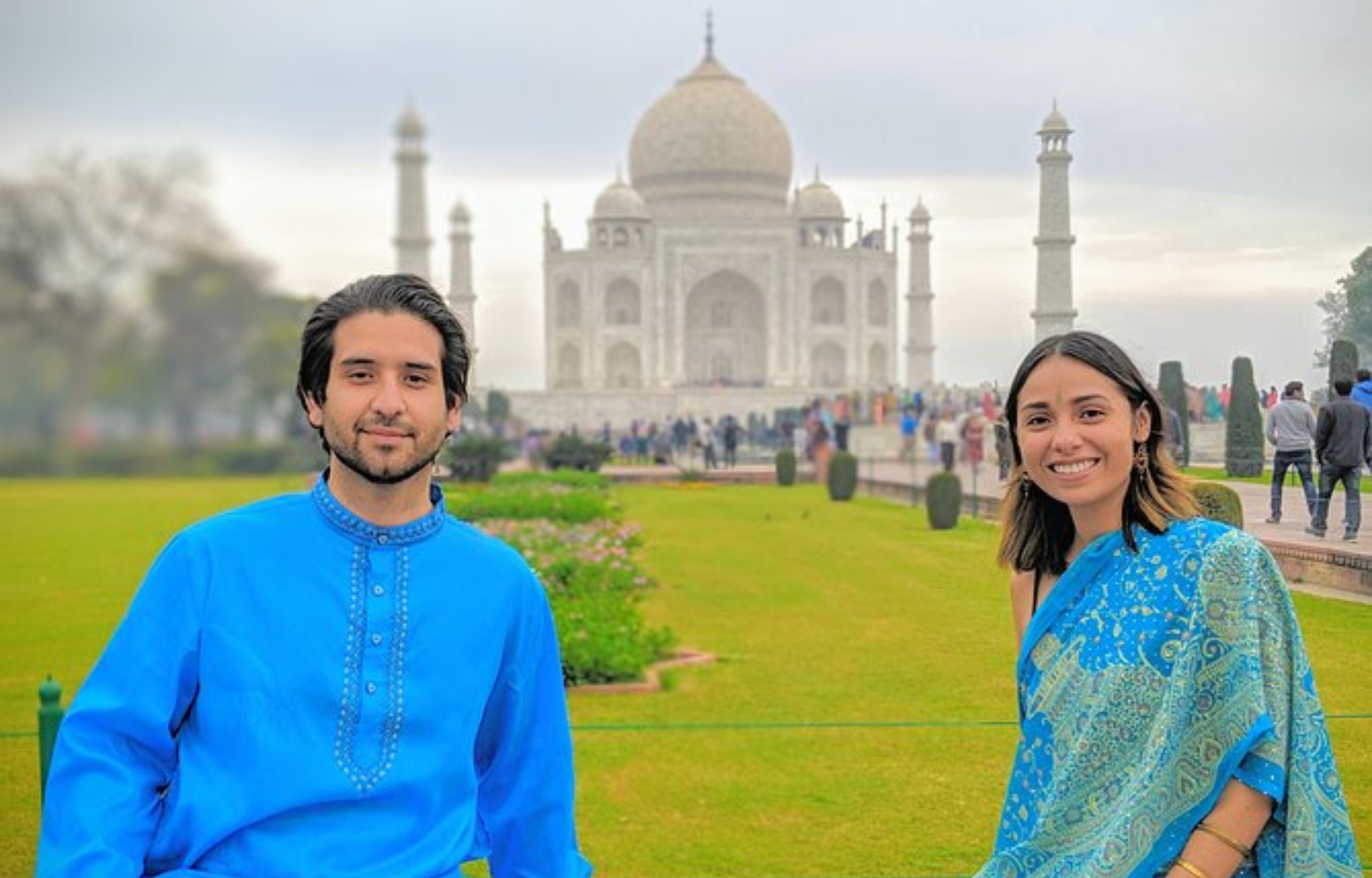
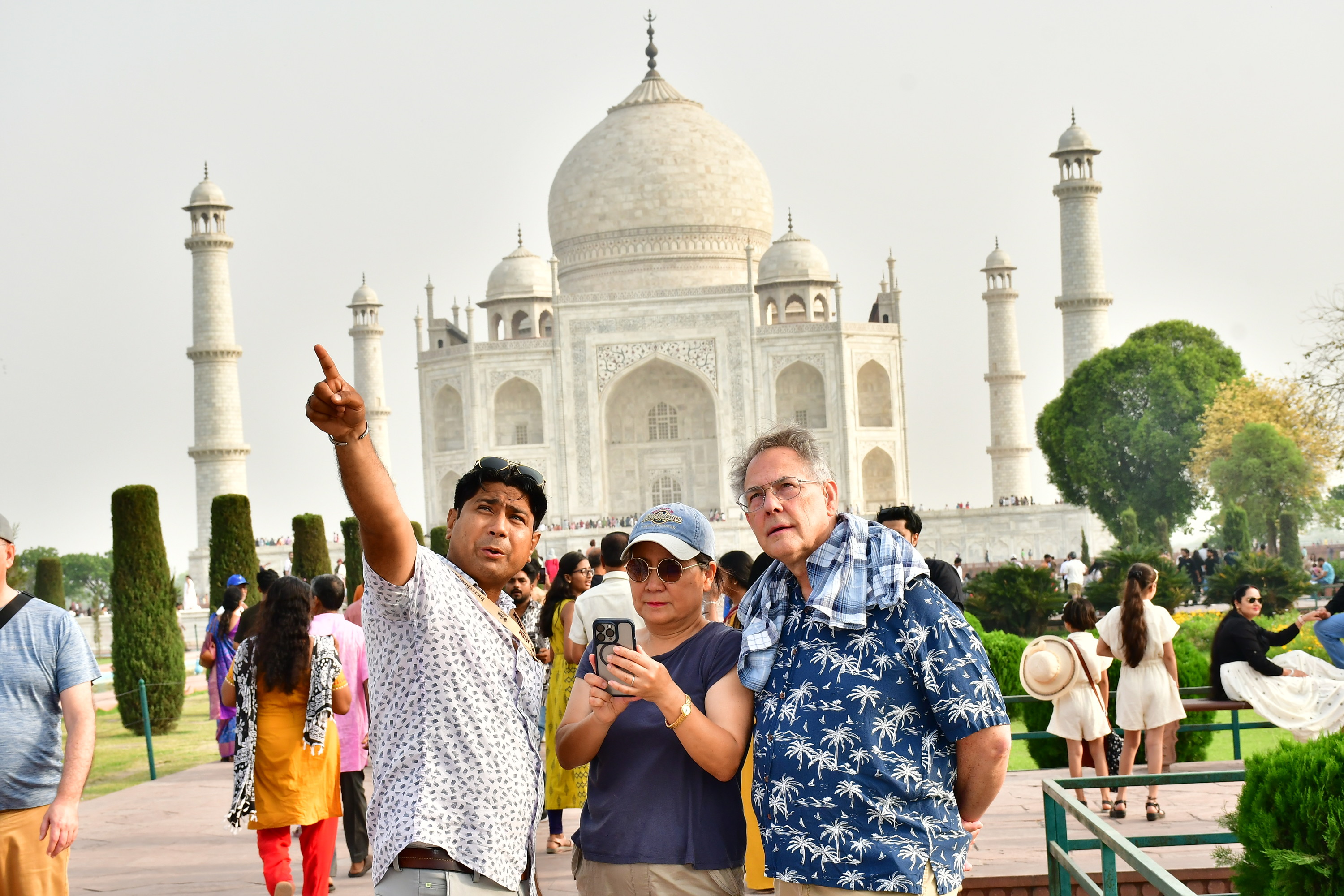
The Bibi Ka Maqbara (English: "Tomb of the Lady") is a tomb located in Aurangabad, Maharashtra, India. It was commissioned in 1660 by the Mughal emperor Aurangzeb in the memory of his first and chief wife Dilras Banu Begum (posthumously known as Rabia-ud-Daurani) and is considered to be a symbol of Aurangzeb's 'conjugal fidelity'.It bears a striking resemblance to the Taj Mahal, the mausoleum of Aurangzeb's mother, Mumtaz Mahal.[6] Aurangzeb was not much interested in architecture though he had commissioned the small, but elegant, Pearl Mosque at Delhi. Bibi Ka Maqbara is the largest structure that Aurangzeb has to his credit.
4
Panchakki, known as the water mill. This monument is located in Aurangabad, Maharashtra, displays the scientific thought process put in medieval Indian architecture. It was designed to generate energy via water brought down from a spring on a mountain. The building, attached to the dargah of Baba Shah Musafir a Sufi saint is located in a garden near the Mahmud Darvaza and consist of a mosque, a madrassa, a kacheri, a minister's house, a sarai and houses for zananas.
What's not included
Gratuities
Monuments Entry Fees
Available languages
Written guide
EN
Reviews breakdown
Tripadvisor
4.0
1 reviews
5★
0
4★
1
3★
0
2★
0
1★
0
Important information
Public transportation options are available nearby
Infants are required to sit on an adult’s lap
Suitable for all physical fitness levels
About Aurangabad
Aurangabad is a historic city in Maharashtra, known as the gateway to the UNESCO World Heritage Sites of Ajanta and Ellora Caves. The city is rich in Mughal-era architecture and is a hub for cultural and historical exploration.
Top Attractions
Ajanta Caves
The Ajanta Caves are a series of 30 rock-cut Buddhist cave monuments dating from the 2nd century BCE to about 480 CE. They are renowned for their exquisite paintings and sculptures.
Historical/Architecture
Half-day to full day
INR 500 (foreigners), INR 50 (Indians)
Ellora Caves
The Ellora Caves are a complex of 34 rock-cut temples and monasteries, representing Buddhist, Hindu, and Jain religions. The site is famous for the Kailasa Temple, a magnificent example of Dravidian architecture.
Historical/Architecture
Half-day to full day
INR 600 (foreigners), INR 50 (Indians)
Bibi Ka Maqbara
Bibi Ka Maqbara is a mausoleum built by Prince Azam Shah in 1678 in memory of his mother, Dilras Banu Begum. It is often referred to as the 'Taj of the Deccan' due to its resemblance to the Taj Mahal.
Historical/Architecture
2-3 hours
INR 25 (Indians), INR 250 (foreigners)
Aurangabad Caves
The Aurangabad Caves are a group of 12 rock-cut Buddhist caves dating back to the 6th century. The caves are known for their intricate carvings and sculptures.
Historical/Architecture
1-2 hours
Free
Pandavleni Caves
The Pandavleni Caves, also known as the Trirashmi Caves, are a group of 30 rock-cut Buddhist caves dating back to the 2nd century BCE. The caves are known for their beautiful sculptures and inscriptions.
Historical/Architecture
1-2 hours
INR 5 (Indians), INR 100 (foreigners)
Must-Try Local Dishes
Misal Pav
A spicy curry made with sprouted mung beans, served with bread rolls (pav). It is a popular breakfast dish in Maharashtra.
Breakfast
Vegetarian
Thalipeeth
A savory pancake made with a mixture of flour, vegetables, and spices. It is a traditional Maharashtrian breakfast dish.
Breakfast
Vegetarian
Bharli Vangi
Stuffed eggplant with a spicy coconut and peanuts mixture. It is a popular vegetarian dish in Maharashtra.
Lunch/Dinner
Vegetarian
Nahori Biryani
A flavorful biryani made with basmati rice, meat, and a blend of spices. It is a popular Mughlai dish in Aurangabad.
Lunch/Dinner
Non-vegetarian
Popular Activities
Trekking in the nearby hills
Caving in the Ajanta and Ellora Caves
Visiting spas and wellness centers
Enjoying local cuisine at restaurants and cafes
Exploring historical sites and museums
Attending local festivals and events
Boating in nearby lakes and reservoirs
Visiting during the winter months for pleasant weather and outdoor activities
Best Time to Visit
October to March
This is the best time to visit Aurangabad as the weather is pleasant and ideal for sightseeing. The temperatures are moderate, and the skies are clear, making it perfect for exploring the historical sites and enjoying outdoor activities.
15°C to 35°C
59°F to 95°F
Practical Information
Language
- Official: Marathi
- Widely spoken: Hindi, English
- English: Moderately spoken
Currency
Indian Rupee (INR)
Time Zone
GMT+5:30
Electricity
230VV, 50HzHz
Safety Information
Overall Safety Rating: Exercise caution
Aurangabad is generally safe for travelers, but petty crime and scams can occur, especially in crowded areas and tourist spots. Exercise caution and be aware of your surroundings.
Important Precautions:
- • Use reputable taxi services and negotiate fares in advance
- • Be cautious of strangers offering unsolicited help or services
- • Keep valuables secure and be aware of your surroundings in crowded areas
Getting there
By air
- Chhatrapati Sambhajinagar Airport • 10 km from city center
By train
Aurangabad Railway Station
By bus
Aurangabad Bus Depot
Getting around
Public transport
The bus system is affordable and covers most parts of the city. Buses are the primary mode of public transport for locals and tourists alike.
Taxis
Available • Apps: Ola, Uber
Rentals
Car, Bike, Scooter
Neighborhoods
Cidco
Jyoti Colony
Sillod
Day trips
Shirdi
120 km from Aurangabad • Full day
Shirdi is a small town known as the home of the famous spiritual leader, Sai Baba. The town attracts millions of devotees every year.
Grishneshwar Temple
30 km from Aurangabad • Half day
Grishneshwar Temple is one of the 12 Jyotirlinga temples of Lord Shiva. It is a significant pilgrimage site for Hindus.
Daulatabad Fort
15 km from Aurangabad • Half day
Daulatabad Fort is a 14th-century fort known for its impressive architecture and strategic location. It was once a key military stronghold.
Festivals
Ellora Ajanta International Festival • October
Aurangabad Festival • February
Diwali • October/November (varies by lunar calendar)
Pro tips
- Visit the Ajanta and Ellora Caves early in the morning or late in the afternoon to avoid the midday heat and crowds
- Hire a local guide to learn more about the history and significance of the caves and other historical sites
- Try local Maharashtrian and Mughlai dishes, such as Misal Pav, Thalipeeth, and Nahori Biryani, at local restaurants and street food stalls
- Carry a reusable water bottle and refill it with filtered or bottled water to reduce plastic waste and stay hydrated
- Dress modestly and respectfully when visiting religious sites, and follow the rules and guidelines to ensure a positive and meaningful experience
From $25
per person
Price varies by option
Secure booking
Free cancellation available
Instant confirmation