Turpan Historical 10 Highlights Private Adventure
Active
10h
All sales are final. No refund is available for cancellations.
Instant confirmation
Mobile or paper ticket accepted
About this experience
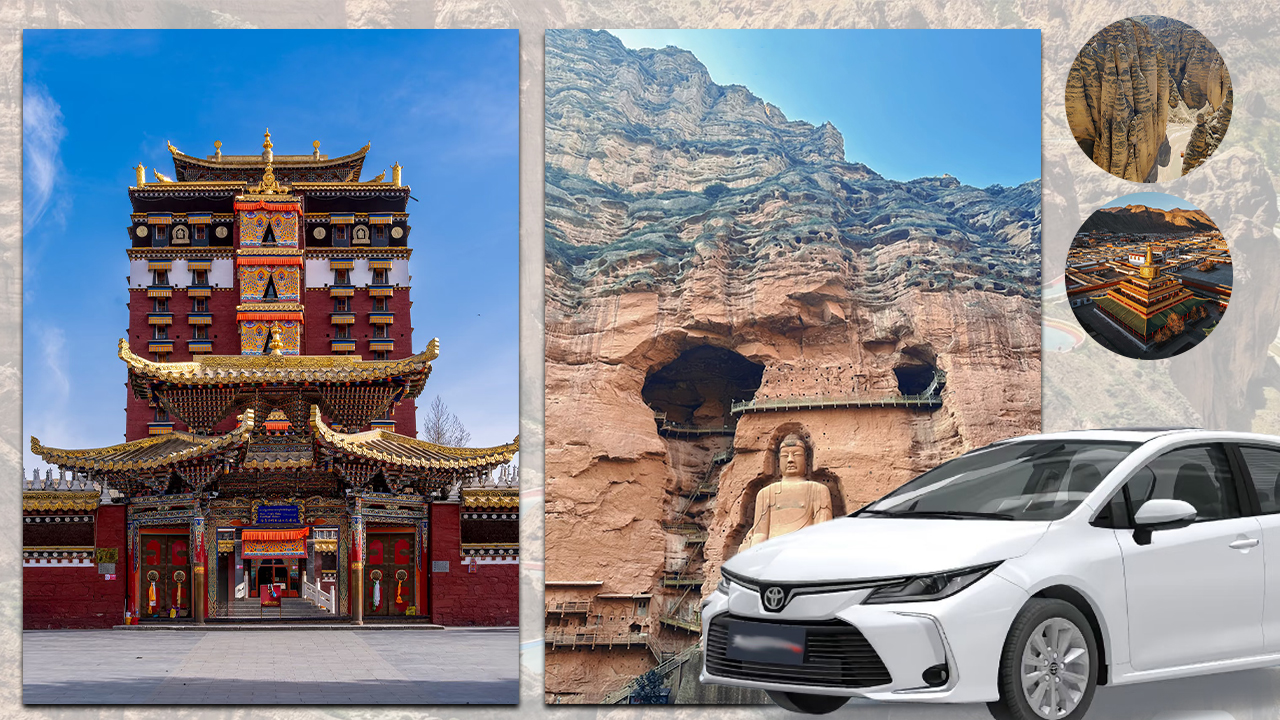
Immerse yourself in Turpan's distinctive scenery and historical insights. During this full-day private tour, you'll get to see the best of Turpan, including its natural & history highlights. Visit the picturesque Emin Minerat, wander through bustling Tuyuk Village, and view architectural masterpieces like as the Bezeklik Caves, Gaochang or Jiohe Ruins.
Turpan was recognised as one of China's lowest areas, dominated by Uyghurs, with summer temperatures frequently surpassing 40°C, and occasionally exceeding 50°C. Departure times vary by season, particularly dawn or sunset time changes; it is possible to have a personalised starting time.
Our friendly and knowledgeable staff will take you on an unforgettable journey through the vibrants of the Silk Road journey, tailored personalised itinerary to your interests, let us know if need skip any particular highlights. End the day with a home-like experience on our personalised fast trip that encompasses all of the attractions in one day.
Available options
Turpan Historical 10 Highlights Private Adventure
Pickup included
What's included
Hotel pickup and drop-off within Turpan or Turpan North railway station
All Fees and Taxes
Fuel fee, Toll fee & Parking fee
English Speaking Driver & Guide
Visit as per itinerary features
Private air-conditioned sedan car (up to 5 pax)
Detailed itinerary
1
You will be picked up from your hotel or the north train station directly at your preferred time by a private sedan vehicle. It is adjustable depending on your group's time, this is a private tour and no extra guests on the car except yours, up to 5 guests per reservation. any locations or highlights can be changed or avoided based on your preferences. Once you arrive, it is possible to skip and don’t enter the site if you not preferred. In addition, you can request a stop at any moment during your trip.
2
Built in 1777 in honor of the well-known Uyghur general and later Turpan governor Emin Khoja, who during the Junggar rebellion fought with Qing China. After the death of Emin Khoja, it was his son Suleiman who began to rule Turpan, and it was his money the minaret was built on and designed by the renowned Uighur architect Ibrahim. It considered the most famous Islamic monument in the China.
3
A Turpan well known as a karez well, is a type of traditional underground irrigation system used in the Turpan region of China, specifically in the Turpan Depression, built over 2000 years ago. this is an ancient system of vertical wells and underground water canals that collect water from the watershed and distribute it to irrigate the arid land. an ancient system of vertical wells and underground water canals that collect water from the watershed and distribute it to irrigate the arid land.
4
Grape Valley sits on the western slopes of the Flaming Mountains, thirty-minute drive northeast from the Turpan county, available to visit except winters. Looking at the Flaming Mountains in the distance from the city of Turpan, one can see nothing but glowing barren red sand. Only the Grape Valley, presenting a world of unique beauty, is a striking contrast with the hot, dry and barren outside. Inhabited by about 6,000 people of the Uygur, Hui and Han nationalities, the Grape Valley has more than 400 hectares of cultivated land, 220 hectares of which is grape-growing area. Grapes growing in the valley are of several strains, including the seedless white, rose-pink, mare-teat, black, Kashihar, bijiagan and suosuo. It is possible to visit around without entering the site and skip the entry fee.
5
A barren, eroded, red sandstone hills in the Tian Shan of Xinjiang near the northern rim of the Taklamakan Desert and east of the city of Turpan. Their striking gullies and trenches caused by erosion of the red sandstone bedrock give the mountains a flaming appearance at certain times of the day, the climate here is harsh, with summer temperatures often rising extremely high. there are one of the largest thermometers in China is on display adjacent to the mountain, tracking the surrounding ground temperatures.
6
Once the thriving capital of an important kingdom that controlled over twenty other towns. in the past, it is a busy trading center and stopping point for merchant traders traveling on the Silk Road. however was destroyed in wars during the 14th century while Jiohe, the capital of the Tocharian kingdom of Jushi. It is a natural fortress located atop a steep cliff on a leaf-shaped plateau between two deep river valleys, and was an important stop along the Silk Road. Please decide whether to visit Jiohe or Gaochang.
7
This is the rest time for around one hour with your own meals, you can try the delicious local Xinjiang food.
8
Stop 8
Were created within several centuries, up to the XIII century, when Islam started supplanting Buddhism from East Turkestan. Many of the well-preserved frescoes withstood the ravages of time. Most of them are an image of Buddha in various forms, in addition, many of the images tell us not only about religion, but also about the history and culture of the region. As one of the largest grotto sites in Xinjiang, Bezeklik Caves is famous for the brightly-colored murals and is a treasure house of Buddhist culture and art. Though many of the murals have been destroyed, the remains can still shed you some light on this precious art.
9
one of the oldest settlement in the Xinjiang Uighur which dated back over 2,000 years for ancient Uyghur village, the village offer a glimpse into local life with its traditional mud-brick homes, vineyards, and orchards, being home to a sacred Muslim site, the tomb of the first Uyghur Muslim, and several Buddhist relics Here still the sacred places exist, which attract a large number of local and foreign pilgrims.
10
Tuyoq Grand Canyon is the most mystical area in northwest China, and it is the meeting point of many notable religions, histories, and cultures from around the world. Ten of the more than 40 caverns include murals that are still intact. They are thought to be Turpan's oldest caves, having been excavated during the Wei, Jin, Southern, and Northern Dynasties. The most recent discovery was made during the Tang Dynasty. The majority of them are square in design and include a central pillar. Murals are generally destroyed, but each has its own distinct flair. They are valuable Buddhist cultural resources from Turpan and the Western Regions. It is now designated as an important cultural site in a protected autonomous region.
11
Upon satisfying the day, we will return back to your hotel or north train station at the end of the day. As the tour is crowd-dependent, some places can be adjust to avoid crowds as per groups reference.
What's not included
Entry fee to Flaming mountain 40 yuan each
Entry fee to Karez Wells - 40 yuan each
Entry fee to Grape Valley, 40 yuan each
Entry fee to Emin Minerat - 45 yuan each
Entry fee to Tuyuk Village - 30 yuan each
Entry fee to Bezeklik caves - 40 yuan each
Entry fee to Gaochang Ruins or Jiohe, 70 yuan each
Available languages
Guide guide
CMN
EN
Important information
Public transportation options are available nearby
Suitable for all physical fitness levels
About Xinjiang
Xinjiang, an autonomous region in northwest China, is a vast and diverse land known for its stunning landscapes, rich cultural heritage, and unique ethnic diversity. It's home to the Uighur people and offers travelers a blend of ancient Silk Road history, breathtaking deserts, towering mountains, and vibrant markets.
Top Attractions
Kashgar Old Town
Kashgar Old Town is a historic district that showcases the rich cultural heritage of the Uighur people. The labyrinth of narrow alleys, traditional houses, and bustling markets offer a glimpse into the region's past.
Historical/Cultural
Half day to full day
Free to explore, entry fees for specific attractions
Heavenly Lake (Tianchi)
Heavenly Lake, also known as Tianchi, is a stunning alpine lake nestled in the Tian Shan mountains. The lake is surrounded by lush forests and offers breathtaking views, especially during the autumn season.
Nature
Full day
Entry fee of around 80 CNY
Turpan
Turpan is a historic city on the Silk Road, known for its ancient ruins, traditional architecture, and unique landscape. The city is surrounded by the Turpan Depression, one of the lowest points on Earth.
Historical/Cultural
Full day to overnight
Entry fees for specific attractions
Kanerjiwusu Grassland
Kanerjiwusu Grassland is a vast and picturesque grassland in the Tian Shan mountains. It is known for its stunning landscapes, traditional yurt camps, and outdoor activities such as horseback riding and hiking.
Nature
Full day to overnight
Entry fee of around 50 CNY, additional costs for activities and accommodation
Karakoram Highway (KKH)
The Karakoram Highway is one of the most breathtaking and challenging roads in the world. It connects China and Pakistan, offering stunning views of the Karakoram and Pamir mountain ranges.
Adventure
Multiple days for a complete journey
Varies by transport and accommodation choices
Must-Try Local Dishes
Laghman
A popular noodle dish made with hand-pulled noodles, meat (usually lamb or beef), and a flavorful sauce. It is often served with vegetables and spices.
Main Dish
Contains meat, can be vegetarian with modifications
Nang
A traditional flatbread baked in a tandoor oven. It is a staple in Xinjiang cuisine and is often served with meals or as a snack.
Bread
Vegetarian, vegan
Kebabs
Grilled skewers of meat, often lamb or beef, seasoned with a variety of spices. They are a popular street food and can be found throughout the region.
Street Food
Contains meat, can be spicy
Samsa
A savory pastry filled with meat, onions, and spices. It is a popular snack and can be found in markets and street food stalls.
Snack
Contains meat, can be vegetarian with modifications
Popular Activities
Hiking
Horseback riding
Mountain biking
Desert trekking
Tea house visits
Spa treatments
Scenic drives
Cultural tours
Best Time to Visit
May to September
This is the best time to visit Xinjiang as the weather is pleasant, making it ideal for outdoor activities and sightseeing. The landscapes are lush and green, and the region hosts various cultural festivals during this period.
20°C to 35°C
68°F to 95°F
Practical Information
Language
- Official: Chinese
- Widely spoken: Uyghur, Russian, English (limited)
- English: Limited
Currency
Renminbi (RMB) (CNY)
Time Zone
GMT+8
Electricity
220VV, 50HzHz
Safety Information
Overall Safety Rating: Exercise caution
Xinjiang is generally safe for travelers, but it is important to be aware of local customs, laws, and potential risks. The region has a complex political and cultural history, and travelers should respect local sensitivities and avoid controversial topics.
Important Precautions:
- • Be cautious of strangers offering unsolicited help or services
- • Use reputable tour operators and guides
- • Avoid carrying large amounts of cash
Getting there
By air
- Ürümqi Diwopu International Airport • 15 km from city center
By train
Ürümqi Railway Station
By bus
Ürümqi South Bus Station, Ürümqi West Bus Station
Getting around
Public transport
The bus system in Ürümqi is well-developed and covers most of the city. Buses are a cost-effective way to get around, but they can be crowded during peak hours.
Taxis
Available • Apps: Didi Chuxing
Rentals
Car, Bike, Scooter
Neighborhoods
Dongshan District
Saybagh District
Tianshan District
Shayibak District
Day trips
Heavenly Lake (Tianchi)
110 km from Ürümqi • Full day
Heavenly Lake offers stunning alpine scenery, hiking trails, and boat rides. It is a popular destination for nature lovers and outdoor enthusiasts.
Kanerjiwusu Grassland
150 km from Ürümqi • Full day to overnight
Kanerjiwusu Grassland offers vast grasslands, traditional yurt camps, and outdoor activities such as horseback riding and hiking. It is a great place to experience the nomadic culture of the region.
Turpan
200 km from Ürümqi • Full day to overnight
Turpan is a historic city on the Silk Road, known for its ancient ruins, traditional architecture, and unique landscape. It offers a rich cultural and historical experience.
Festivals
Kashgar Sunday Market Festival • Every Sunday
Uyghur New Year (Nowruz) • March 20-22 (varies by lunar calendar)
Korla Pear Festival • August
Pro tips
- Learn a few basic phrases in Uighur or Chinese to enhance your cultural experience and communicate with locals
- Dress in layers for changing weather conditions, especially when visiting mountainous or desert areas
- Carry cash, as many places do not accept credit cards or mobile payments
- Respect local customs and traditions, especially in conservative areas
- Try local street food and snacks for an authentic culinary experience
From $25
per person
Price varies by option
Secure booking
Free cancellation available
Instant confirmation




![[Private Tour] 6-Day Tour to Xishuangbanna, Yunnan: A Forest Oxygen Experience](https://res.klook.com/image/upload/activities/evvmn5sditnieujfecls.jpg)