Jambiani Village Tour
Active
4h
For a full refund, cancel at least 24 hours before the scheduled departure time.
Instant confirmation
Mobile or paper ticket accepted
About this experience
This tour takes you to Jambiani village, where you will have the chance to experience rural Zanzibar life.
You will visit womens pottery and handicrafts group, sea weed farming, local school, local herbs doctor and a local clinic. Your village guide will take you to a lady who will show you the process of making rope from coconut fibre.
You will stop for lunch at a local restaurant where you will taste authentic Zanzibari cuisine, seasoned with many spices and herbs.
Colors of Zanzibar is contributing to the development by giving fair payments for the locals for opening their doors to us.
Available options
Jambiani Village Tour
Pickup included
What's included
Donations to visited places
Local guide
Bottled water
Lunch
Detailed itinerary
1
Tour start with visiting in women’s pottery and handicrafts group, seaweed farming, local school, local herbs doctor and a local clinic.
2
Then your village guide will take you to a woman who will show you the process of making rope from coconut fibre.
3
After you stop for lunch at a local restaurant where you will taste authentic Zanzibari cuisine, seasoned with many spices and herbs.There is also a possibility to visit a soap factory that uses the local seaweed as the main ingredient for their soaps.
All the villagers included in the tour will receive a fee for their service, which will be given to a cooperative whenever it’s a possibility. This tour will let you know the real Zanzibari village life, and also gives an opportunity for the villagers to get to know you and also to boost their incomes. This way it is beneficial for everyone and will make the gap between travellers and locals smaller.
What's not included
Hotel pickup and drop-off
Gratuities
Available languages
Guide guide
EN
Reviews breakdown
Viator
3.0
2 reviews
5★
0
4★
0
3★
2
2★
0
1★
0
Tripadvisor
4.5
2 reviews
5★
1
4★
1
3★
0
2★
0
1★
0
Important information
Not recommended for travelers with poor cardiovascular health
Travelers should have at least a moderate level of physical fitness
Children must be accompanied by an adult
Vegetarian option is available, please advise at time of booking if required
Please advise any specific dietary requirements at time of booking
Meeting point
Departure Point is any hotel in Jambiani Village, Zanzibar. Transfers are not included in the price if you are not staying in Jambiani, so please mention that and we can give an offer for the transfers.
Important notes
• Comfortable walking shoes are recommended
Hotel pickups commence approximately 30 - 60 minutes prior to this time, exact pickup time will be advised on reconfirmation.
About Zanzibar
Zanzibar is a tropical paradise known for its white-sand beaches, turquoise waters, and rich cultural heritage. This semi-autonomous region of Tanzania offers a unique blend of African, Arab, and Indian influences, making it a fascinating destination for history buffs and beach lovers alike.
Top Attractions
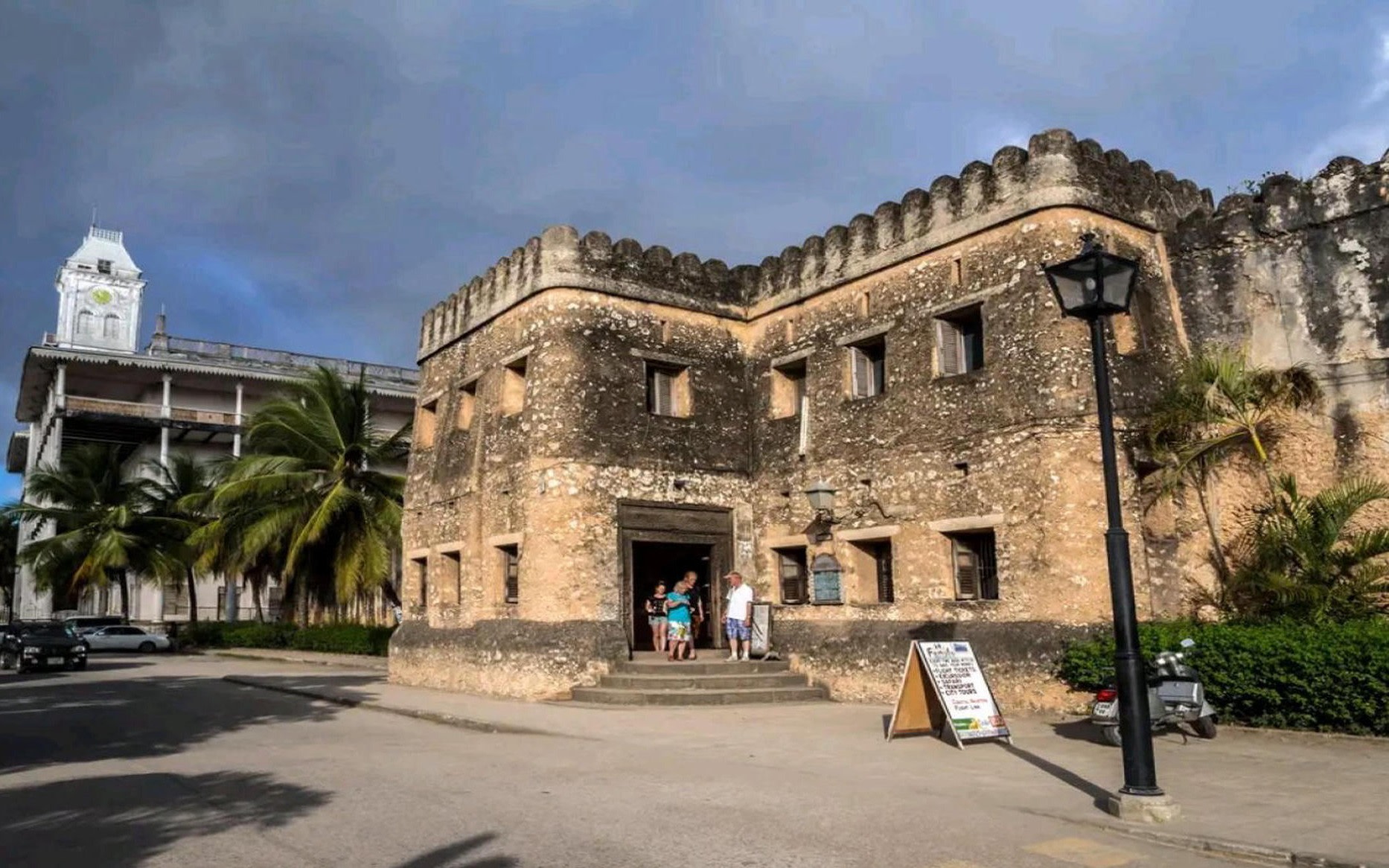
Stone Town
The heart of Zanzibar, Stone Town is a UNESCO World Heritage site with narrow alleys, historic buildings, and vibrant markets.
Historical
Half day to full day
Free to explore, attractions vary
Prison Island
A small island known for its giant Aldabra tortoises and historical significance as a former slave prison.
Historical/Nature
Half day
Moderate (entry fee and boat ride)
Nungwi Beach
One of Zanzibar's most famous beaches, known for its white sand, clear waters, and vibrant nightlife.
Beach
Full day
Free to access, activities vary
Jozani Forest
Zanzibar's only national park, home to the rare Red Colobus monkey and diverse birdlife.
Nature
Half day
Moderate (entry fee and guide)
Kizimkazi
A historic village known for its ancient mosques and dolphin tours.
Cultural
Half day
Moderate (dolphin tour fee)
Must-Try Local Dishes
Urojo
A spicy Zanzibari soup made with cassava, potatoes, and sometimes meat or seafood, served with coconut and chili sauce.
Snack
Vegetarian option available
Coconut Rice
Rice cooked with coconut milk, often served with fish or meat.
Main
Vegetarian option available
Zanzibar Pizza
A local street food item made with a thin, flaky pastry filled with eggs, meat, and vegetables, cooked on a griddle.
Snack
Customizable to dietary preferences
Biriyani
A fragrant rice dish cooked with spices, meat, and sometimes vegetables, influenced by Indian cuisine.
Main
Vegetarian option available
Popular Activities
Snorkeling
Diving
Island hopping
Spice tours
Dolphin tours
Beach relaxation
Sunset cruises
Spa treatments
Best Time to Visit
June to October
This is the dry season with plenty of sunshine and minimal rainfall, making it ideal for beach activities and exploring the island.
25-30°C
77-86°F
Practical Information
Language
- Official: Swahili, English
- Widely spoken: Arabic, Indigenous languages
- English: Moderately spoken
Currency
Tanzanian Shilling (TZS)
Time Zone
GMT+3
Electricity
230VV, 50HzHz
Safety Information
Overall Safety Rating: Generally safe
Zanzibar is generally safe for tourists, but petty crime and scams can occur. Use common sense and take precautions to ensure a safe trip.
Important Precautions:
- • Use reputable tour operators and taxi services.
- • Avoid walking alone at night, especially in isolated areas.
- • Be cautious of strangers offering unsolicited help or services.
Getting there
By air
- Abeid Amani Karume International Airport • 5 km from Stone Town
Getting around
Public transport
Affordable but can be crowded. Useful for reaching popular destinations.
Taxis
Available • Apps: None widely used
Rentals
Car, Bike, Scooter
Neighborhoods
Stone Town
Nungwi
Kendwa
Jambiani
Day trips
Pemba Island
100 km • Full day to overnight
Known for its pristine beaches, coral reefs, and spice plantations, Pemba Island offers a more secluded and adventurous experience.
Chumbe Island
12 km • Full day
A small island known for its coral reef sanctuary and lighthouse, offering excellent snorkeling and diving opportunities.
Mafia Island
150 km • Overnight
Known for its remote beaches, excellent fishing, and whale shark sightings, Mafia Island offers a more secluded and adventurous experience.
Festivals
Zanzibar International Film Festival (ZIFF) • July
Mwaka Kogwa • July
Zanzibar Carnival • June
Pro tips
- Learn a few basic Swahili phrases to enhance your interactions with locals.
- Hire a local guide for spice tours and historical sites to gain deeper insights.
- Visit the Forodhani Gardens night market for a taste of local street food.
- Book a sunset cruise for a romantic and memorable experience.
- Explore the island's diverse regions, from the bustling Stone Town to the serene beaches of Kendwa and Jambiani.
From $25
per person
Price varies by option
Secure booking
Free cancellation available
Instant confirmation