Private Zanzibar Spices Tour with Traditional Swahili Cooking Lesson
Active
3h
For a full refund, cancel at least 24 hours before the scheduled departure time.
Instant confirmation
Mobile or paper ticket accepted
About this experience
On this food and spices tour with traditional Swahili lunch, you will learn about the Zanzibari spice culture! A spice tour on a local farm and afterwards a tour in a nearby village are included. A local woman will show you how she does farming, and together you will collect cassava leafs for a local coconut milk based sauce. You will cook the sauce together in her outdoor kitchen, and then eat a whole delicious local lunch in the village, sitting down, as Zanzibaris traditionally do.
Available options
Private Zanzibar Spices Tour with Traditional Swahili Cooking Lesson
What's included
Private transportation
Pilau rice, fish, salad, cooked banana, coconut sauce, vegetables and fruits
Exotic fruits tasting
Tea and drinking water
Cooking lesson
Detailed itinerary
1
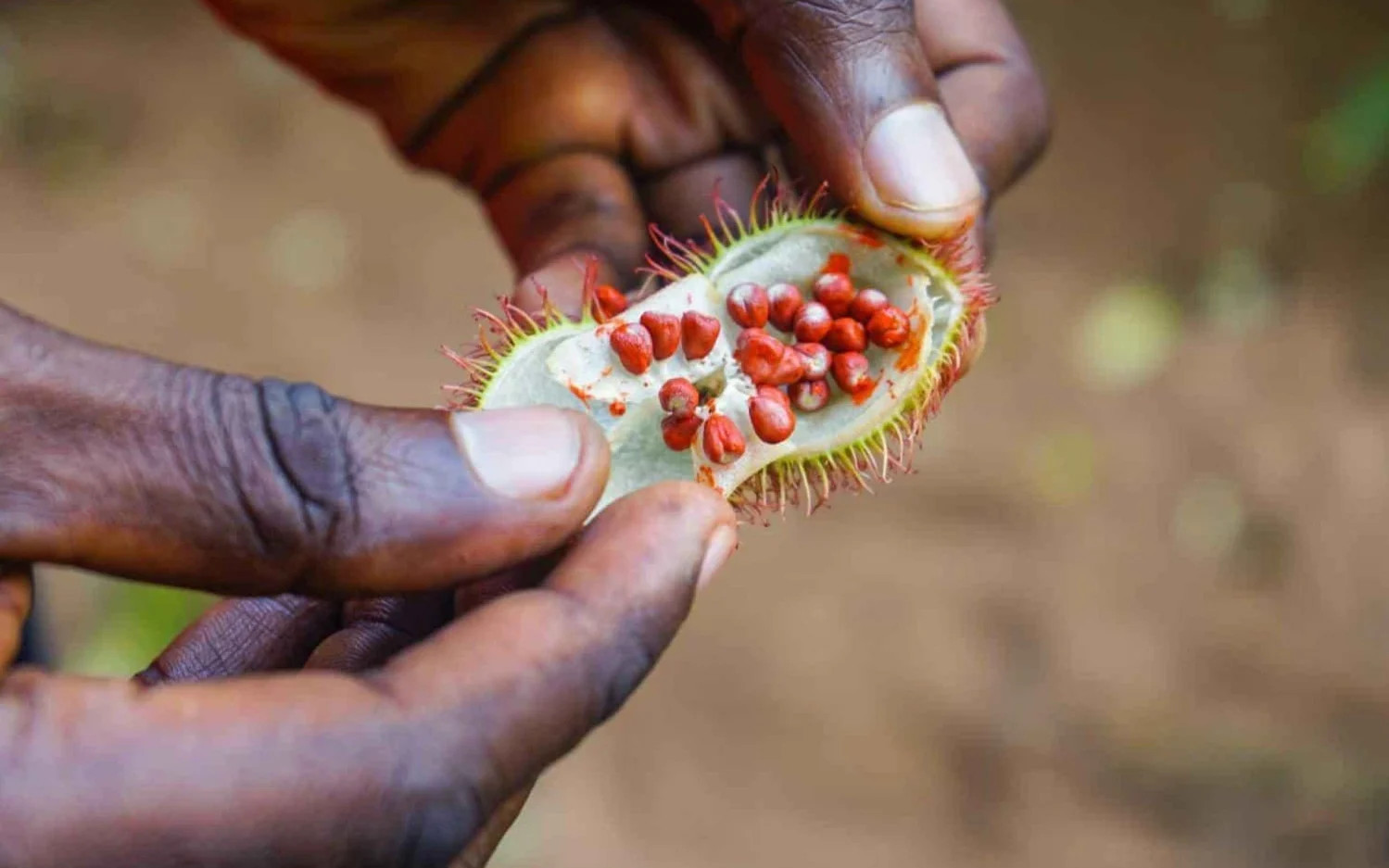
We leave from Stone Town (or anywhere else when agreed), and start with a tour on the spice farm. You will smell & taste different spices and fruits, and learn how they are cultivated and used. You will also get cultural insights about how they are used in Swahili cuisine as medication and beauty products.
Then you can enjoy some fresh seasonal fruits before heading to the nearby village with a car (5-minute ride).
2
Enjoy a short walking tour in the village to see how the houses are built and how people live. Then we meet with a local woman who will show how she cultivates cassava, and you can also try your skills as an African farmer. We collect some cassava leaves, and head to her home for an outdoor kitchen cooking lesson.
The vegetarian sauce requires to first make coconut milk from fresh coconuts, which is the base of many Swahili foods. Then we cook the vegetables, and eat the sauce with a locally cooked delicious lunch outside.
Available languages
Guide guide
AR
DE
RU
EN
IT
PL
FR
ES
Important information
Wheelchair accessible
Infants and small children can ride in a pram or stroller
Specialized infant seats are available
Transportation options are wheelchair accessible
All areas and surfaces are wheelchair accessible
Suitable for all physical fitness levels
Meeting point
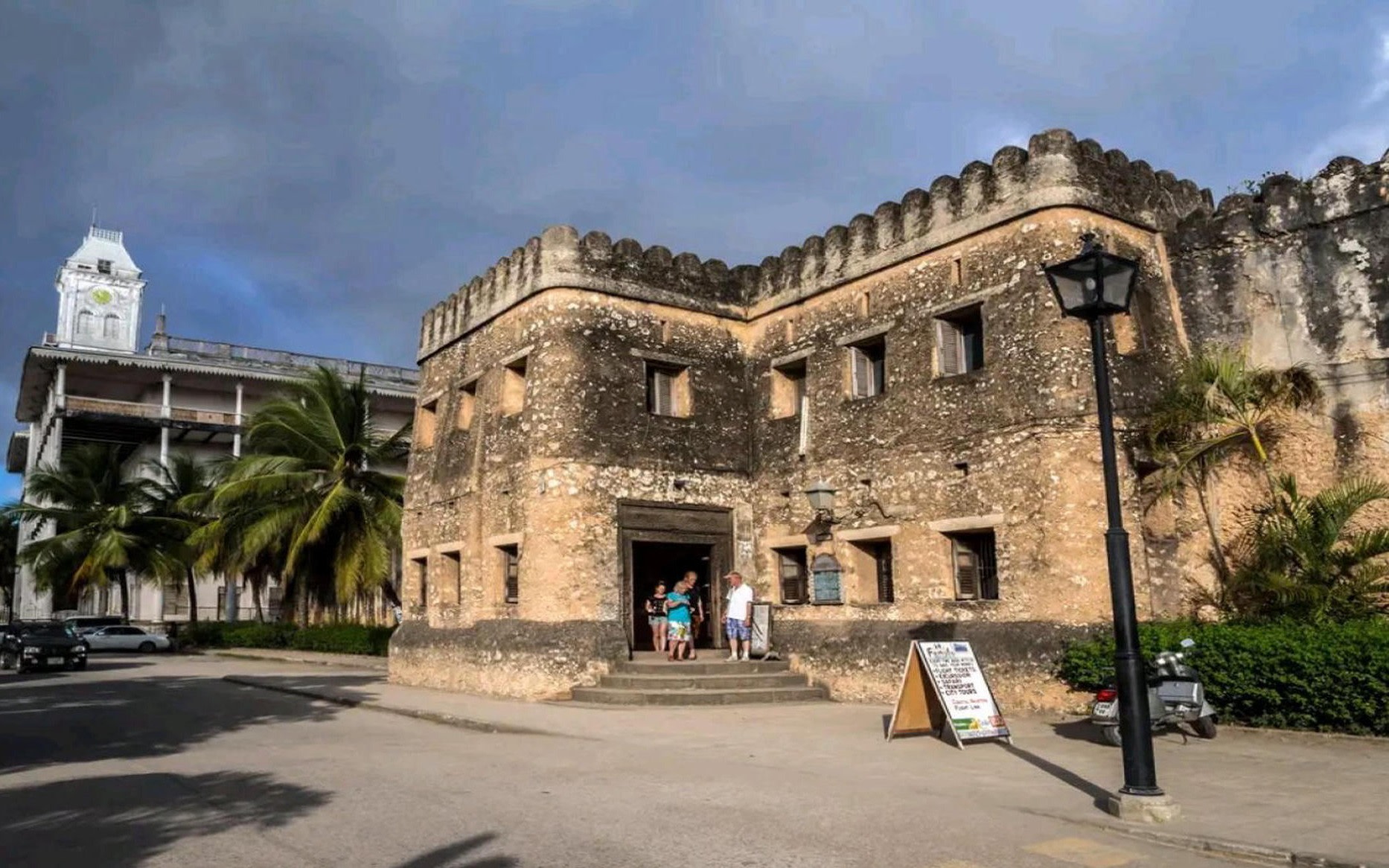
Your guide with signboard will be standing in front of the Old Fort Mail door waiting for you.
About Zanzibar
Zanzibar is a tropical paradise known for its white-sand beaches, turquoise waters, and rich cultural heritage. This semi-autonomous region of Tanzania offers a unique blend of African, Arab, and Indian influences, making it a fascinating destination for history buffs and beach lovers alike.
Top Attractions
Stone Town
The heart of Zanzibar, Stone Town is a UNESCO World Heritage site with narrow alleys, historic buildings, and vibrant markets.
Historical
Half day to full day
Free to explore, attractions vary
Prison Island
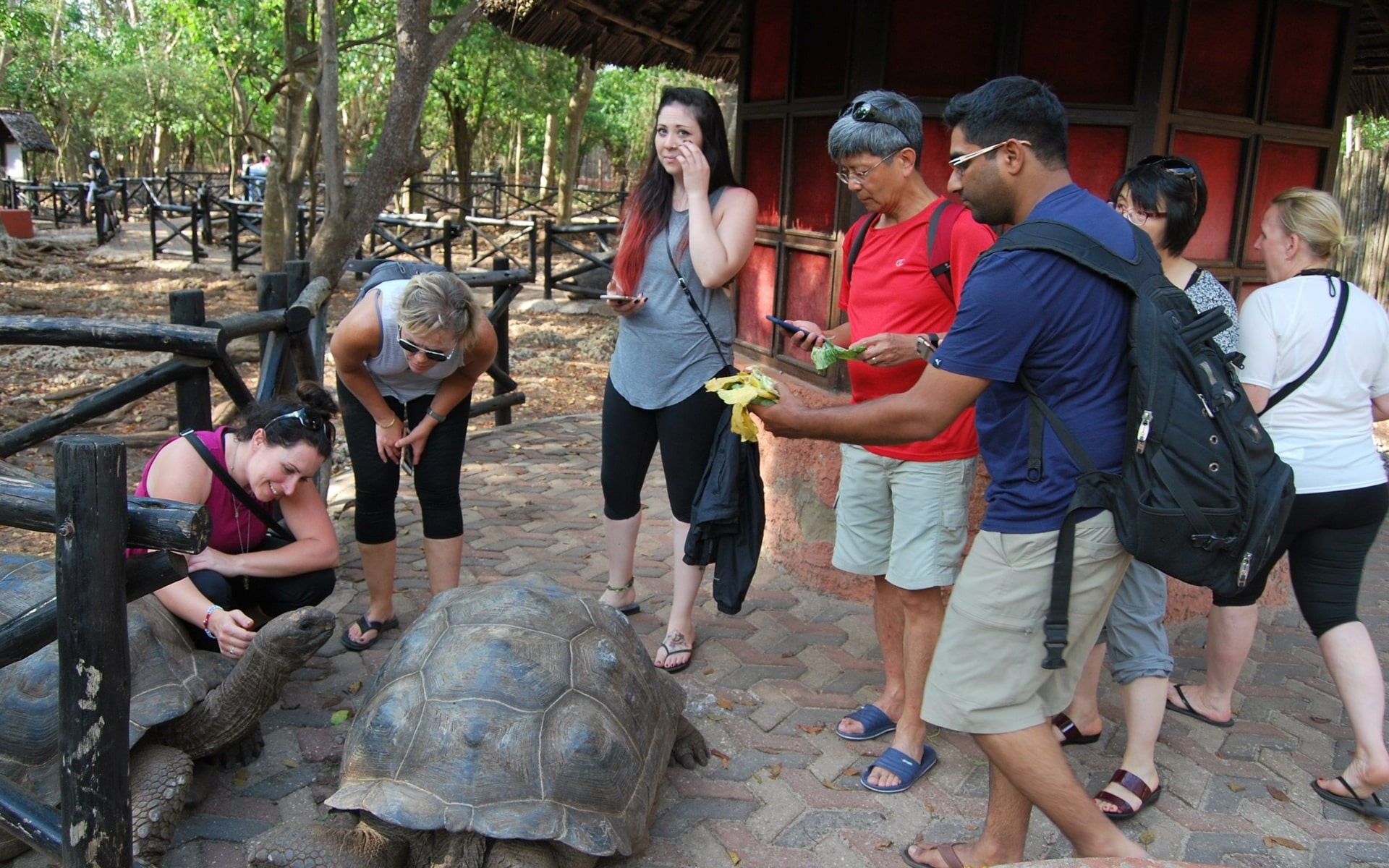
A small island known for its giant Aldabra tortoises and historical significance as a former slave prison.
Historical/Nature
Half day
Moderate (entry fee and boat ride)
Nungwi Beach
One of Zanzibar's most famous beaches, known for its white sand, clear waters, and vibrant nightlife.
Beach
Full day
Free to access, activities vary
Jozani Forest
Zanzibar's only national park, home to the rare Red Colobus monkey and diverse birdlife.
Nature
Half day
Moderate (entry fee and guide)
Kizimkazi
A historic village known for its ancient mosques and dolphin tours.
Cultural
Half day
Moderate (dolphin tour fee)
Must-Try Local Dishes
Urojo
A spicy Zanzibari soup made with cassava, potatoes, and sometimes meat or seafood, served with coconut and chili sauce.
Snack
Vegetarian option available
Coconut Rice
Rice cooked with coconut milk, often served with fish or meat.
Main
Vegetarian option available
Zanzibar Pizza
A local street food item made with a thin, flaky pastry filled with eggs, meat, and vegetables, cooked on a griddle.
Snack
Customizable to dietary preferences
Biriyani
A fragrant rice dish cooked with spices, meat, and sometimes vegetables, influenced by Indian cuisine.
Main
Vegetarian option available
Popular Activities
Snorkeling
Diving
Island hopping
Spice tours
Dolphin tours
Beach relaxation
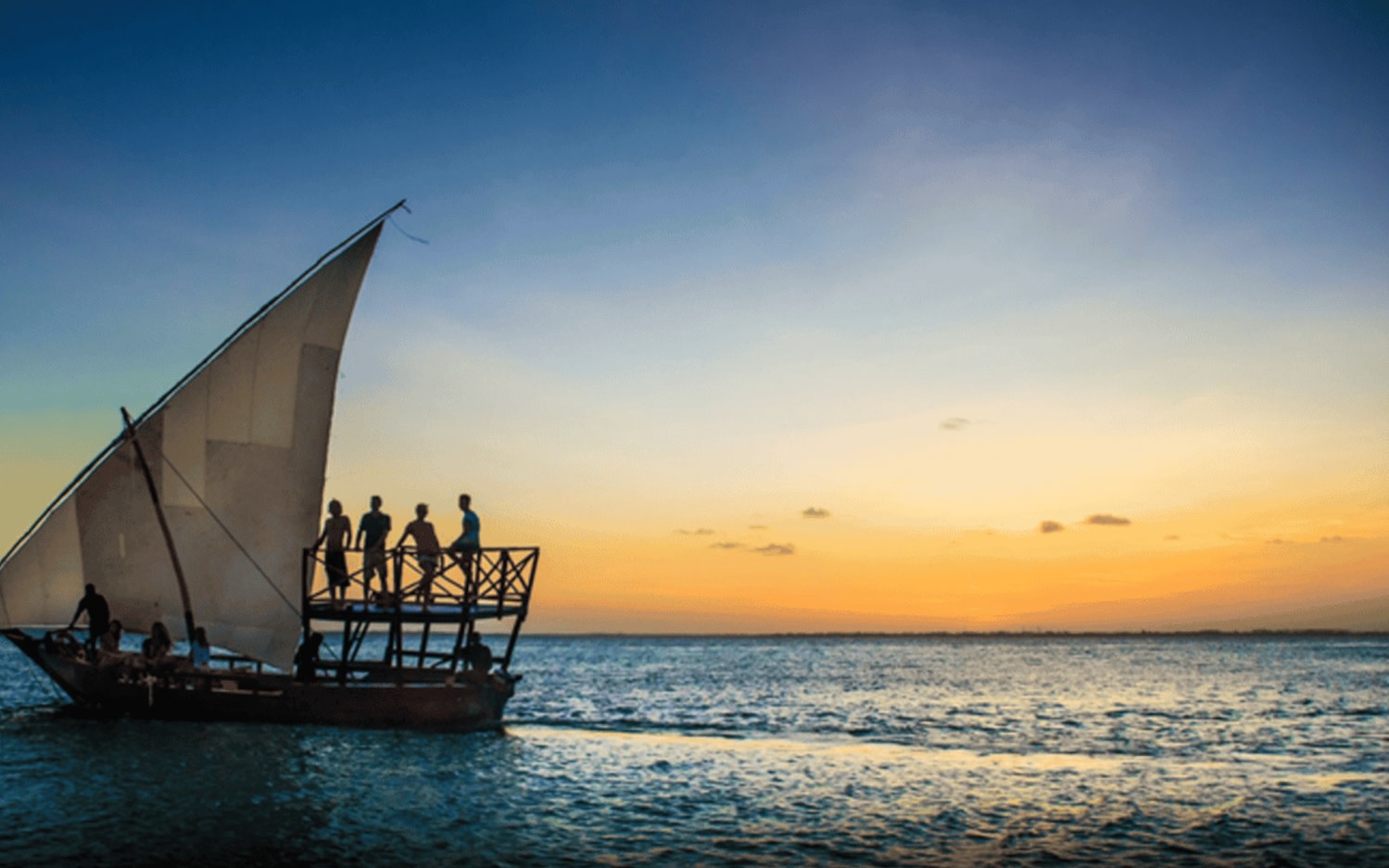
Sunset cruises
Spa treatments
Best Time to Visit
June to October
This is the dry season with plenty of sunshine and minimal rainfall, making it ideal for beach activities and exploring the island.
25-30°C
77-86°F
Practical Information
Language
- Official: Swahili, English
- Widely spoken: Arabic, Indigenous languages
- English: Moderately spoken
Currency
Tanzanian Shilling (TZS)
Time Zone
GMT+3
Electricity
230VV, 50HzHz
Safety Information
Overall Safety Rating: Generally safe
Zanzibar is generally safe for tourists, but petty crime and scams can occur. Use common sense and take precautions to ensure a safe trip.
Important Precautions:
- • Use reputable tour operators and taxi services.
- • Avoid walking alone at night, especially in isolated areas.
- • Be cautious of strangers offering unsolicited help or services.
Getting there
By air
- Abeid Amani Karume International Airport • 5 km from Stone Town
Getting around
Public transport
Affordable but can be crowded. Useful for reaching popular destinations.
Taxis
Available • Apps: None widely used
Rentals
Car, Bike, Scooter
Neighborhoods
Stone Town
Nungwi
Kendwa
Jambiani
Day trips
Pemba Island
100 km • Full day to overnight
Known for its pristine beaches, coral reefs, and spice plantations, Pemba Island offers a more secluded and adventurous experience.
Chumbe Island
12 km • Full day
A small island known for its coral reef sanctuary and lighthouse, offering excellent snorkeling and diving opportunities.
Mafia Island
150 km • Overnight
Known for its remote beaches, excellent fishing, and whale shark sightings, Mafia Island offers a more secluded and adventurous experience.
Festivals
Zanzibar International Film Festival (ZIFF) • July
Mwaka Kogwa • July
Zanzibar Carnival • June
Pro tips
- Learn a few basic Swahili phrases to enhance your interactions with locals.
- Hire a local guide for spice tours and historical sites to gain deeper insights.
- Visit the Forodhani Gardens night market for a taste of local street food.
- Book a sunset cruise for a romantic and memorable experience.
- Explore the island's diverse regions, from the bustling Stone Town to the serene beaches of Kendwa and Jambiani.
From $25
per person
Price varies by option
Secure booking
Free cancellation available
Instant confirmation