Myth of Pejeng Walking Tour
Active
2h
For a full refund, cancel at least 24 hours before the scheduled departure time.
Instant confirmation
Mobile or paper ticket accepted
About this experience
Accessibility:
As our walking tours take place around historic landmarks, there are aspects of our tours that we are unable to alter. These include uneven temple stairs, steep gradients and patchy sidewalks. Guests should be physically capable of climbing steps and prepared to walk around an urban environment for up to 2 hours.
Weather:
There will be times where the weather may affect the tour start time. We operate rain or shine but if the conditions are severe, such as an intense downpour, we’ll call you before the start. Consider this part of your Bali adventure!
Environmental Commitment:
We, at Ubud Story Walks want to do our part and decrease the plastic in Bali’s rivers. Please bring a reusable bottle for water refills.
Temple Etiquette:
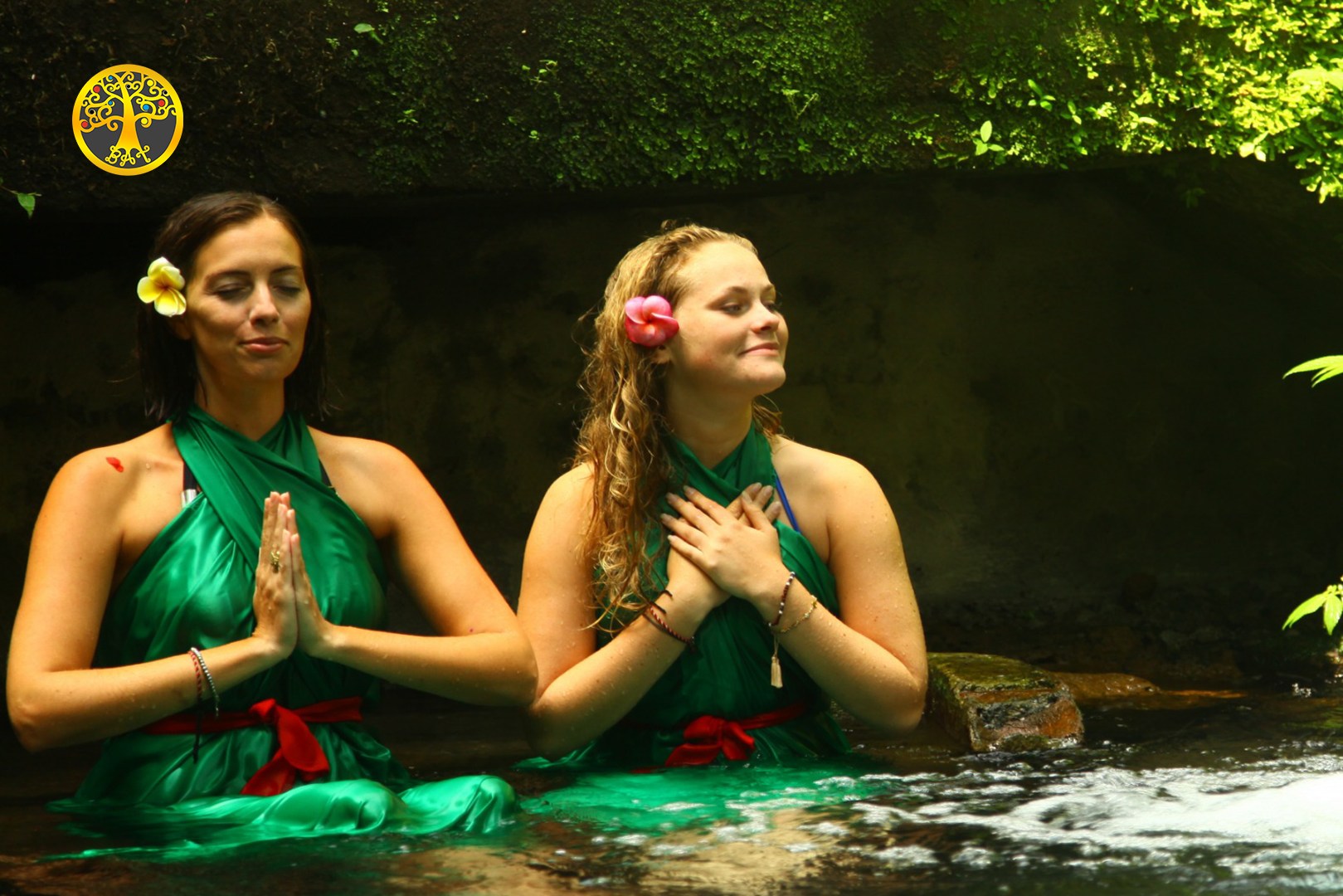
Balinese temples are religious and sacred places. To show respect, both men and women must dress modestly by wearing a sarong that covers the legs below the knee. Guests may bring their own sarong or use one provided.
Available options
Indonesian (Local) Traveller
Bahasa Indonesia
Foreign Traveller
What's included
Special Access to a Balinese compound
Indonesian guide available.
Local English-speaking guide
Temples Donations (Rp 60,000)
Sarong and Sash
Balinese Coffee, Tea and Snack
Expertly Guided Walking Tour
Detailed itinerary
1
Wearing traditional sarongs and sashes, we'll enter one of Bali's oldest temples where our small group will get exclusive access to Southeast Asia's largest bronze kettle drum. Here, we'll learn how local myths and legends intertwine with this powerful artifact, known as the Moon of Pejeng.
2
Our journey continues down the road to one of Bali's six main Kahyangan (directional) temples, believed to be at the island's center. As we explore this sacred temple complex, we'll examine the intricately carved "Pejeng Vessel" and discuss the early spread of Buddhism and Hinduism in Southeast Asia.
3
Temple of the Crazy Buffalo: In this small temple, our group will view the imposing 13th-century Bhairawa statue, recovered from nearby rice fields. Together, we'll discuss theories about its unusual origins and potential connection to Balinese Tantric practices.
4
Stop 4
For our final stop, we'll step back to pre-Hindu Bali. As a group, we'll explore giant sarcophagi in an open courtyard, gaining fascinating insights into ancient Balinese life and customs.
What's not included
We do not provide pickup or drop offs from guest's accommodation.
The tour does not include personal expenses like food or drink purchased outside of the tour.
Available languages
Guide guide
EN
Reviews breakdown
Tripadvisor
5.0
6 reviews
5★
6
4★
0
3★
0
2★
0
1★
0
Important information
Service animals allowed
Public transportation options are available nearby
Suitable for all physical fitness levels
Meeting point
Near the Indomaret in Pejeng. The exact tour meeting point will be emailed upon booking.
About Ubud
Ubud is a picturesque town nestled in the lush highlands of Bali, renowned for its vibrant arts scene, traditional dance, and serene landscapes. Known as the cultural heart of Bali, it offers a perfect blend of nature, spirituality, and Balinese heritage, making it a must-visit destination for travelers seeking a deeper cultural experience.
Top Attractions
Sacred Monkey Forest Sanctuary
A sacred nature reserve and temple complex that is home to hundreds of long-tailed macaques. The forest is a spiritual and cultural hub, offering a unique blend of nature and spirituality.
Nature
1-2 hours
80,000 IDR
Tegalalang Rice Terrace
Iconic terraced rice fields offering stunning views and a glimpse into traditional Balinese farming. The terraces are a UNESCO World Heritage Site and a popular spot for photography.
Nature
1-2 hours
50,000 IDR (entry fee for some areas)
Ubud Palace (Puri Saren Agung)
The royal palace of Ubud, showcasing traditional Balinese architecture and hosting daily dance performances. The palace is a cultural landmark and a must-visit for history and architecture enthusiasts.
Historical
1 hour
50,000 IDR
Goa Gajah (Elephant Cave)
An archaeological site featuring an ancient cave, baths, and temple ruins. The site is believed to date back to the 9th century and is a significant cultural and historical landmark.
Historical
1-2 hours
50,000 IDR
Campuhan Ridge Walk
A scenic walking trail offering panoramic views of the surrounding countryside. The trail is a popular spot for hiking and enjoying the natural beauty of Ubud.
Nature
1-2 hours
Free
Must-Try Local Dishes
Babi Guling
Suckling pig roasted with traditional Balinese spices, a must-try for meat lovers.
Dinner
Not vegetarian or vegan
Nasi Campur
A mixed rice dish with a variety of side dishes, offering a taste of Balinese flavors.
Lunch
Can be vegetarian or vegan with modifications
Bebek Betutu
Duck cooked with traditional Balinese spices and wrapped in banana leaves, a slow-cooked delicacy.
Dinner
Not vegetarian or vegan
Mie Goreng
Fried noodles with vegetables, meat, and eggs, a popular Indonesian dish.
Lunch
Can be vegetarian or vegan with modifications
Popular Activities
Hiking
Zip-lining
White-water rafting
Mountain biking
Yoga
Meditation
Spa treatments
Beach relaxation
Best Time to Visit
April to September (Dry Season)
The dry season is the best time to visit Ubud, with clear skies and pleasant weather ideal for exploring the outdoors and attending cultural events. This period also sees the highest number of tourists.
24°C to 30°C
75°F to 86°F
Practical Information
Language
- Official: Indonesian
- Widely spoken: Balinese, English
- English: Moderately spoken in tourist areas, limited in rural areas
Currency
Indonesian Rupiah (IDR)
Time Zone
GMT+8
Electricity
230VV, 50HzHz
Safety Information
Overall Safety Rating: Generally safe
Ubud is generally safe for travelers, with a low crime rate and a welcoming local community. However, it's important to be aware of common scams, traffic safety, and cultural norms to ensure a safe and enjoyable trip.
Important Precautions:
- • Be cautious of fake tour operators and always book through reputable companies
- • Use metered taxis or agree on a fare before starting your journey
- • Keep your belongings secure in crowded areas
Getting there
By air
- Ngurah Rai International Airport (DPS) • 1.5 hours by car (30 km)
By bus
Ubud Bus Terminal
Getting around
Public transport
Local bemos (small minivans) are a cheap and common way to get around, but they can be crowded and may not follow a strict schedule.
Taxis
Available • Apps: Grab, Gojek
Rentals
Car, Bike, Scooter
Neighborhoods
Central Ubud
North Ubud
East Ubud
West Ubud
Day trips
Tirta Empul Temple
20 km (1.5 hours by car) • Half day
A sacred water temple known for its holy purification rituals. Visitors can participate in a traditional cleansing ceremony, where they are sprinkled with holy water from the temple's springs.
Tegallalang Rice Terraces
5 km (15 minutes by car) • Half day
Iconic terraced rice fields offering stunning views and a glimpse into traditional Balinese farming. The terraces are a UNESCO World Heritage Site and a popular spot for photography.
Mount Batur
60 km (1.5 hours by car) • Full day
An active volcano offering stunning sunrise views and hiking opportunities. The hike to the summit is challenging but rewarding, with panoramic views of the surrounding landscape.
Festivals
Nyepi (Bali's New Year) • March (date varies based on the Balinese lunar calendar)
Galungan • Every 210 days (date varies based on the Balinese lunar calendar)
Kuningan • 10 days after Galungan (date varies based on the Balinese lunar calendar)
Pro tips
- Hire a local guide for a deeper understanding of Balinese culture and history
- Visit the Sacred Monkey Forest early in the morning to avoid crowds and see the monkeys at their most active
- Try a traditional Balinese cooking class to learn about the local cuisine and spices
- Explore the rice terraces on foot or by bicycle for a unique perspective and a more immersive experience
- Attend a traditional Balinese dance performance at the Ubud Palace for a cultural experience
From $25
per person
Price varies by option
Secure booking
Free cancellation available
Instant confirmation