Private Complete Athens Through the Eyes of an Ancient Traveler
Active
8h
For a full refund, cancel at least 24 hours before the scheduled departure time.
Instant confirmation
Mobile or paper ticket accepted
About this experience
Following the tour from the Kerameikos to the Acropolis Museum you get to see Athens the way an ancient visitor (traveler, merchant, pilgrim etc.) did. We approach the city from the Kerameikos quarter and stand in front of the Dipylon, the monumental gate of the city. From here we follow the Panathenaic avenue that crosses the Agora with the most important public buildings and start climbing the Acropolis hill to arrive on top, to the monumental area of the Acropolis. The visit comes to its end in the modern Acropolis Museum, among the masterpieces of art that once decorated the monuments of the Acropolis and the sculptures of Feidias from the Parthenon!
Available options
Private Complete Athens Through the Eyes of an Ancient Traveler
What's included
Licensed tourist guide with a university degree in history / archaeology
Headphones for listening directly to the guide
Detailed itinerary
1
Stop 1
The Kerameikos area:
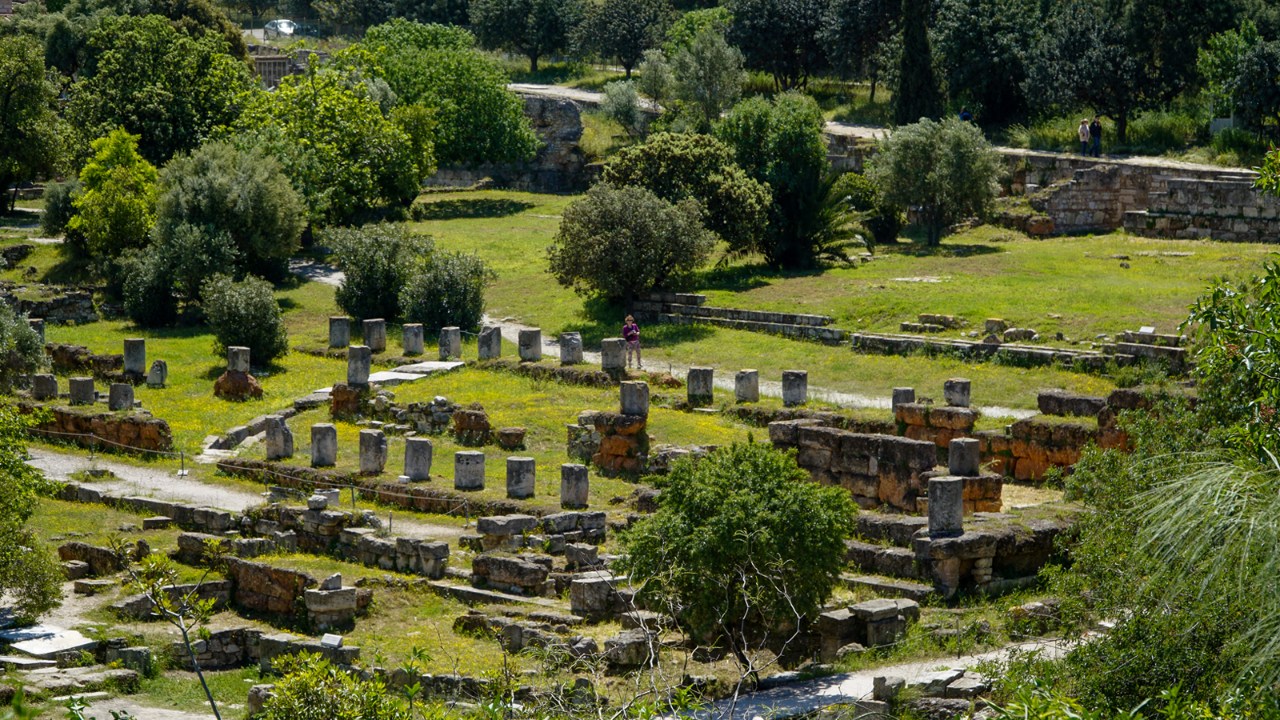
- The monumental cemetery and the Demosion Sema (Public Grave), before the city walls
- The city wall built by Athenian general Themistocles after the Persian invasion
- The Dipylon, monumental city gate
- The Kerameikos Museum
2
Stop 2
The Agora was the main public area of the ancient city.
Here we are visiting:
- The Stoai (public galleries)
- The Panathenaic Avenue that leaded to the Acropolis
- The temple of Hephaestus, preserved in excellent conditions
- The main administrational buildings of the ancient city
- The prison of Socrates
- The Agora museum, in the beautifully restored Stoa of Attalus
3
Stop 3
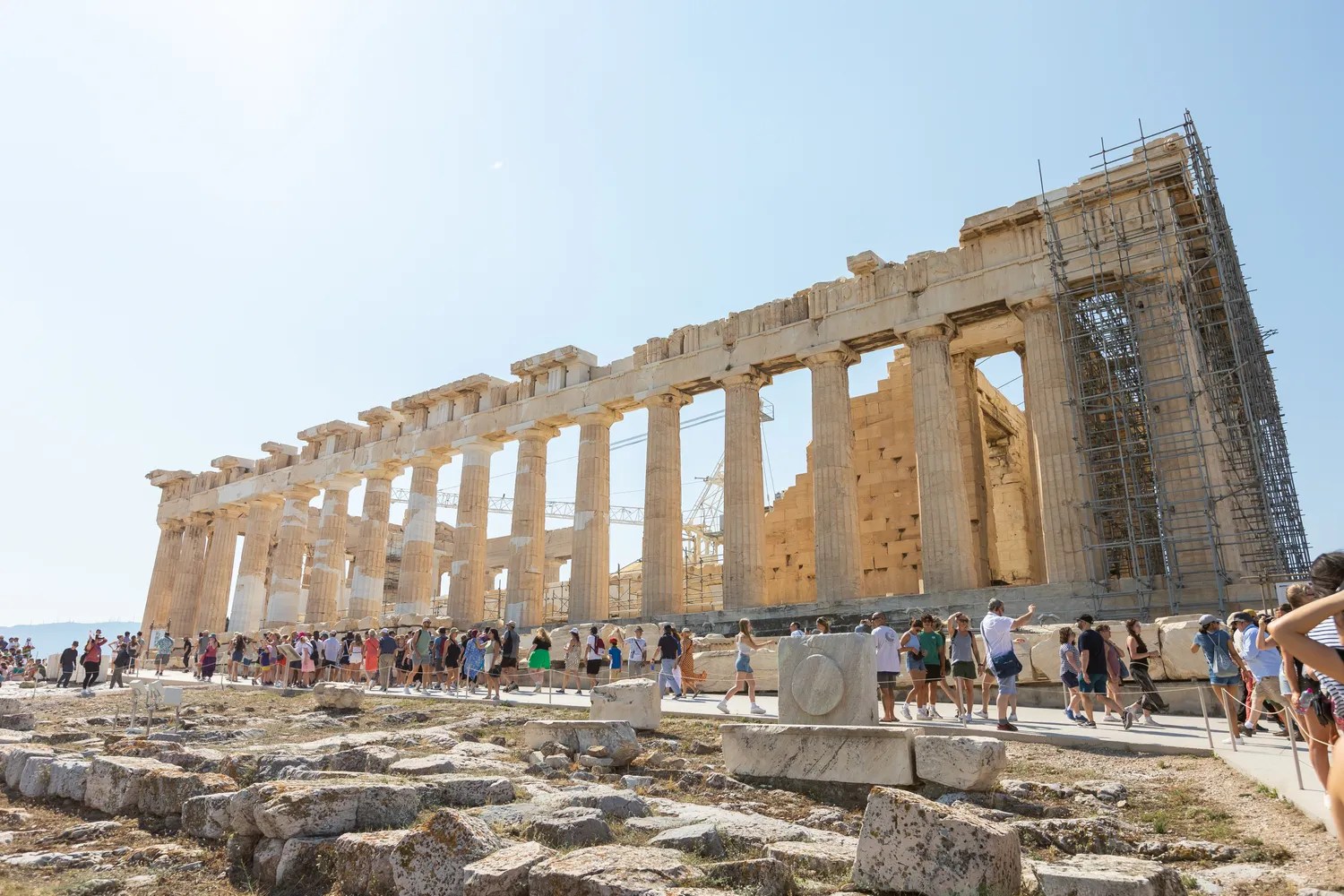
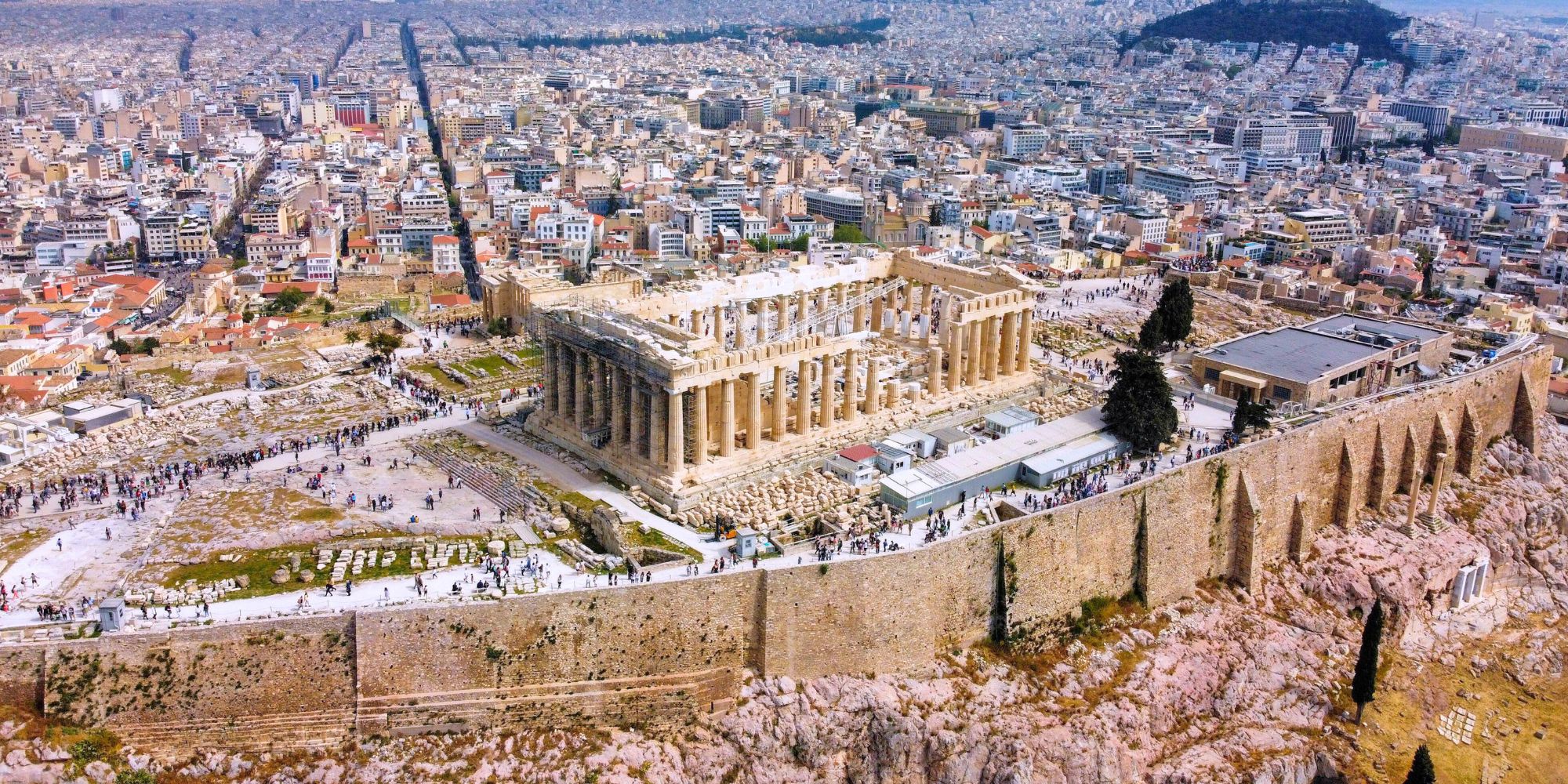
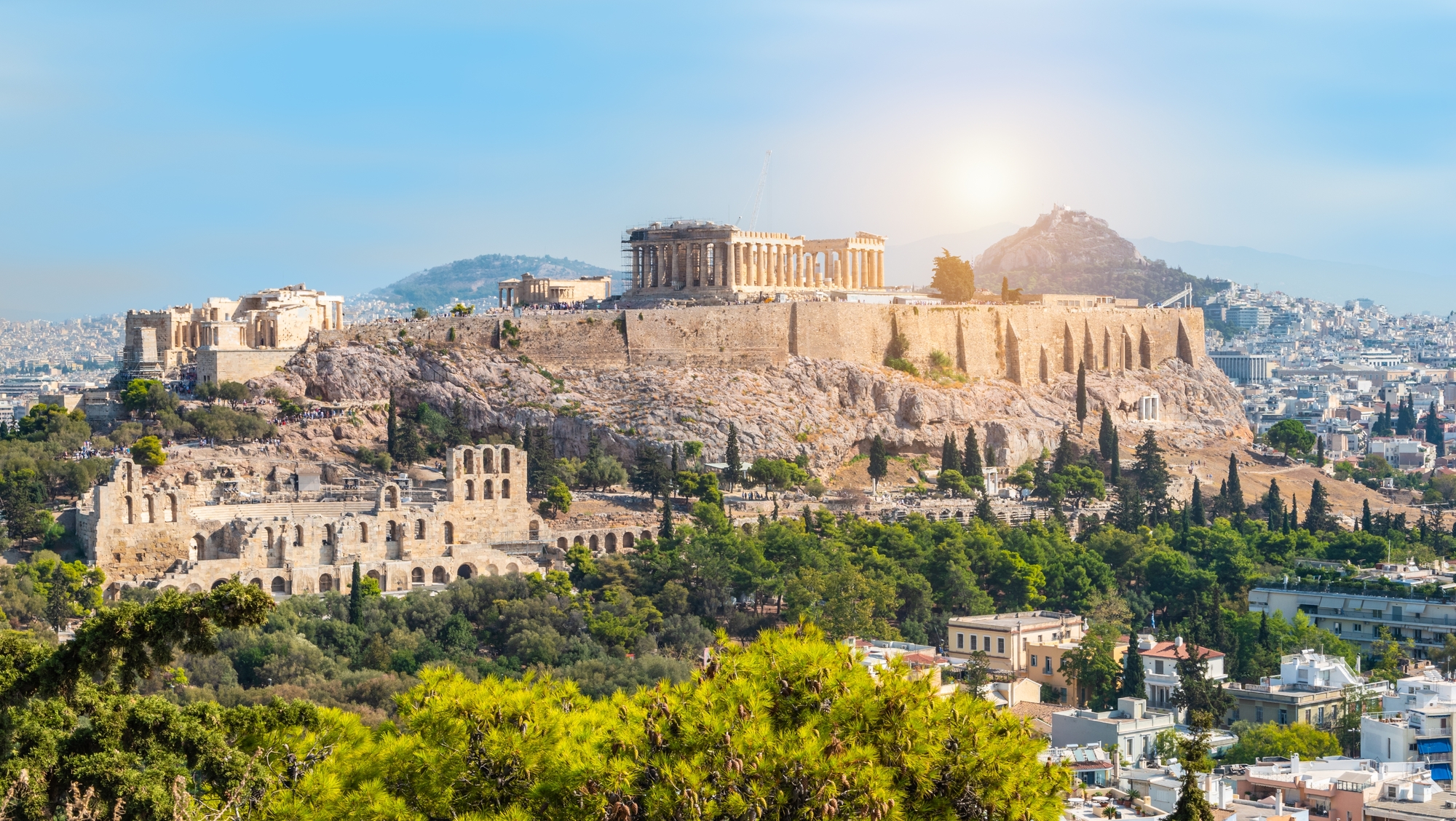
The world famous Acropolis of Athens with:
- The Propylaea, monumental gate
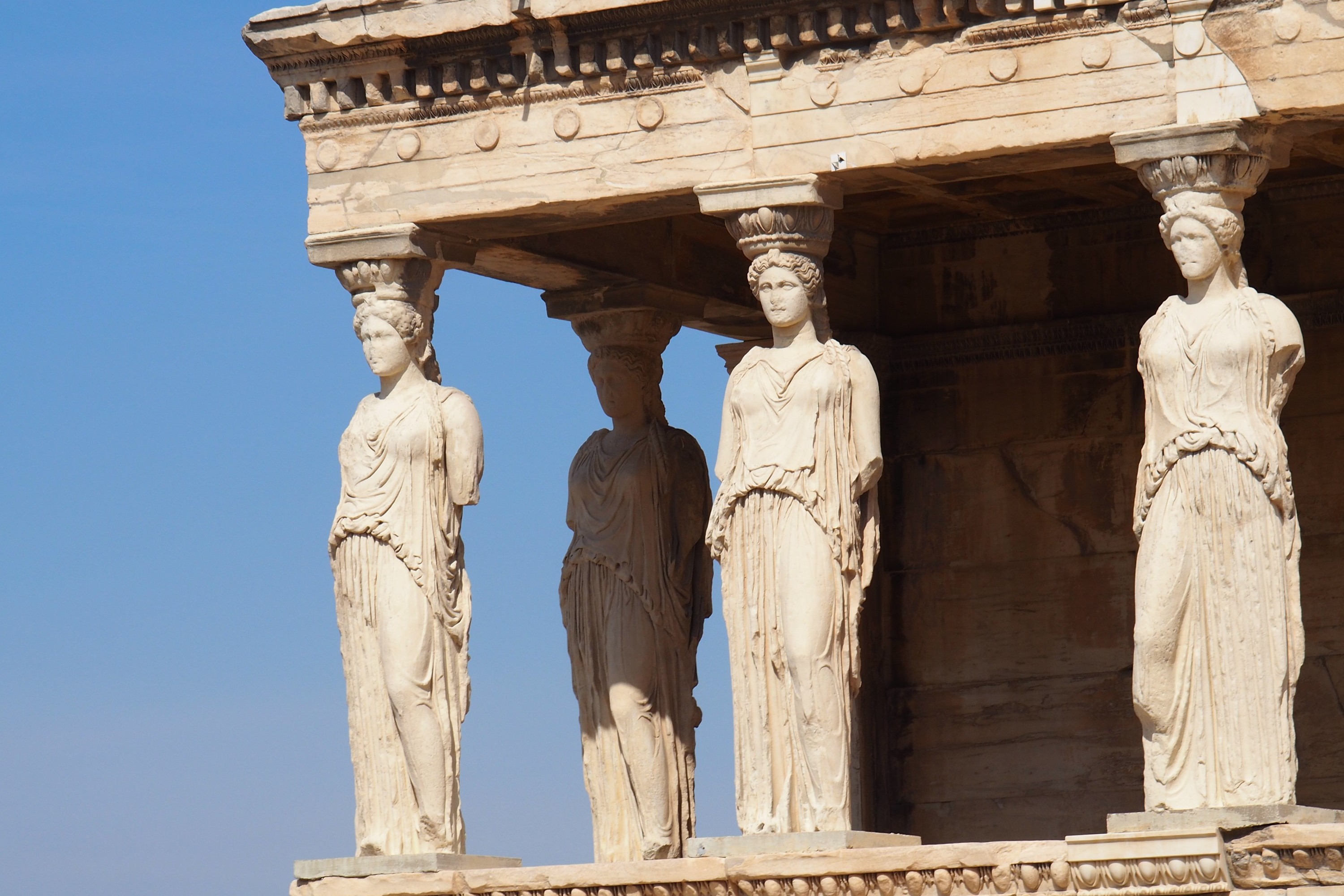
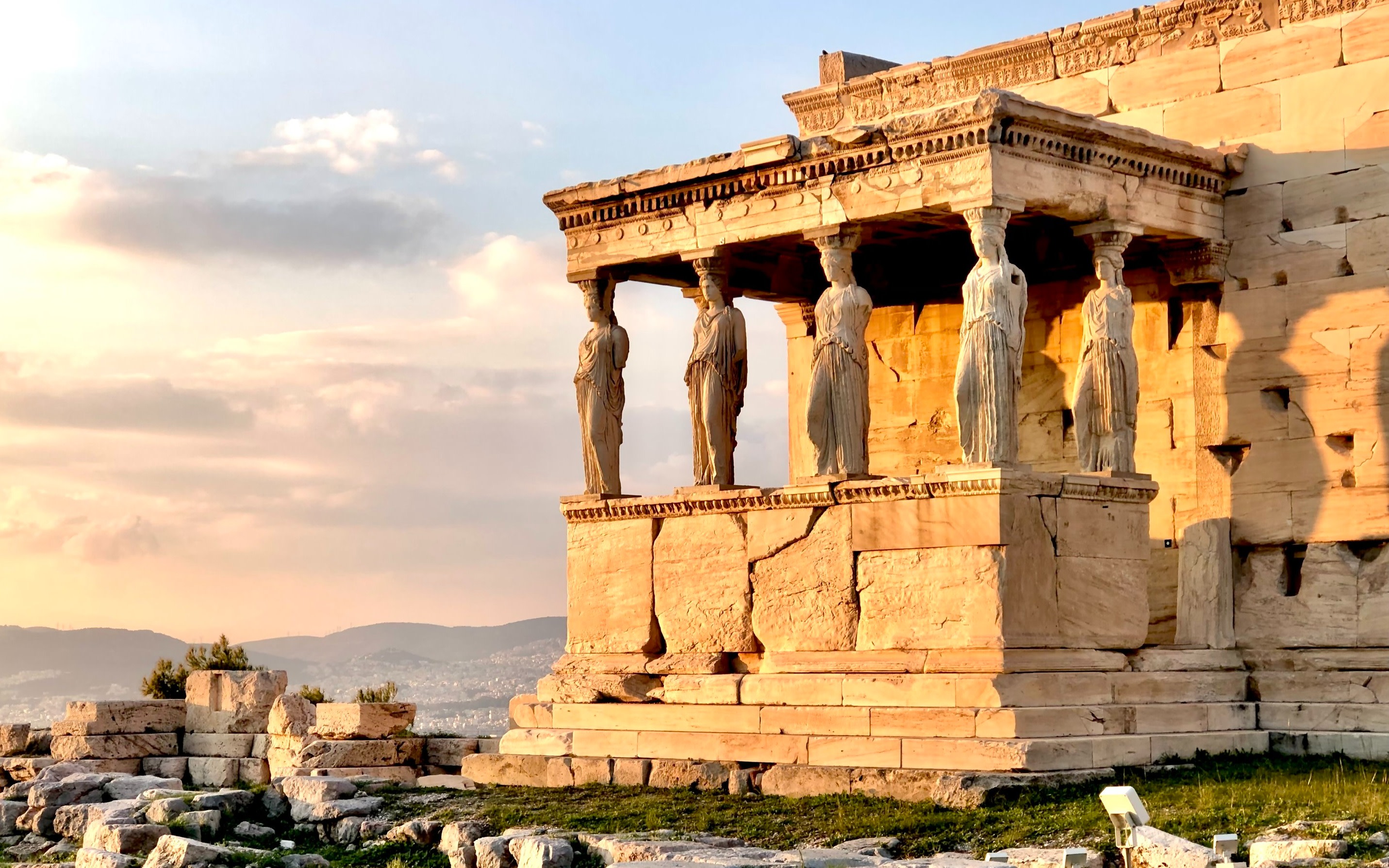
- The Erechteion with the porch of the Caryatids
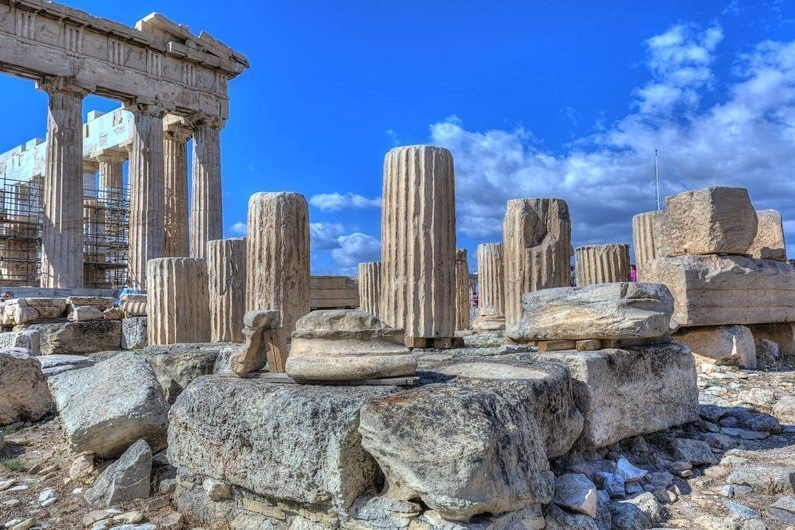
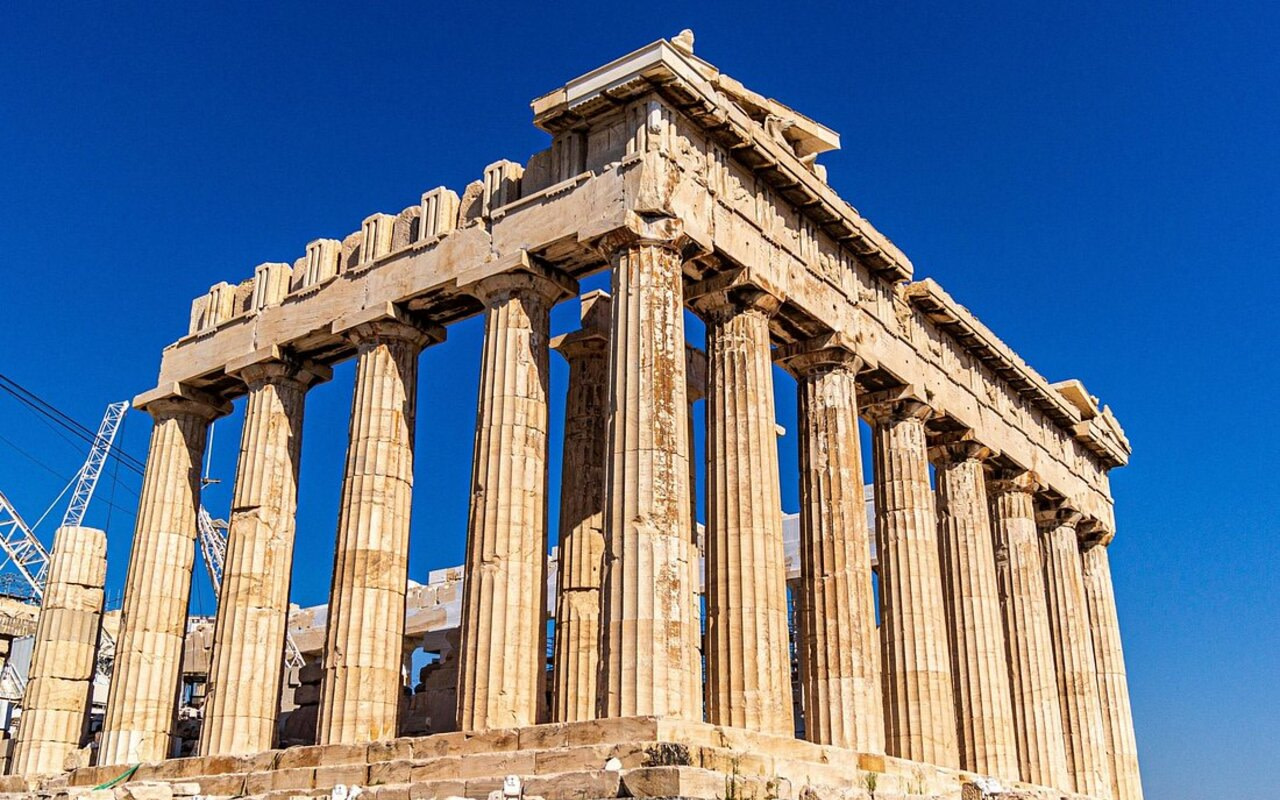
- The Parthenon
- The Odeon of Herod Atticus
4
Stop 4
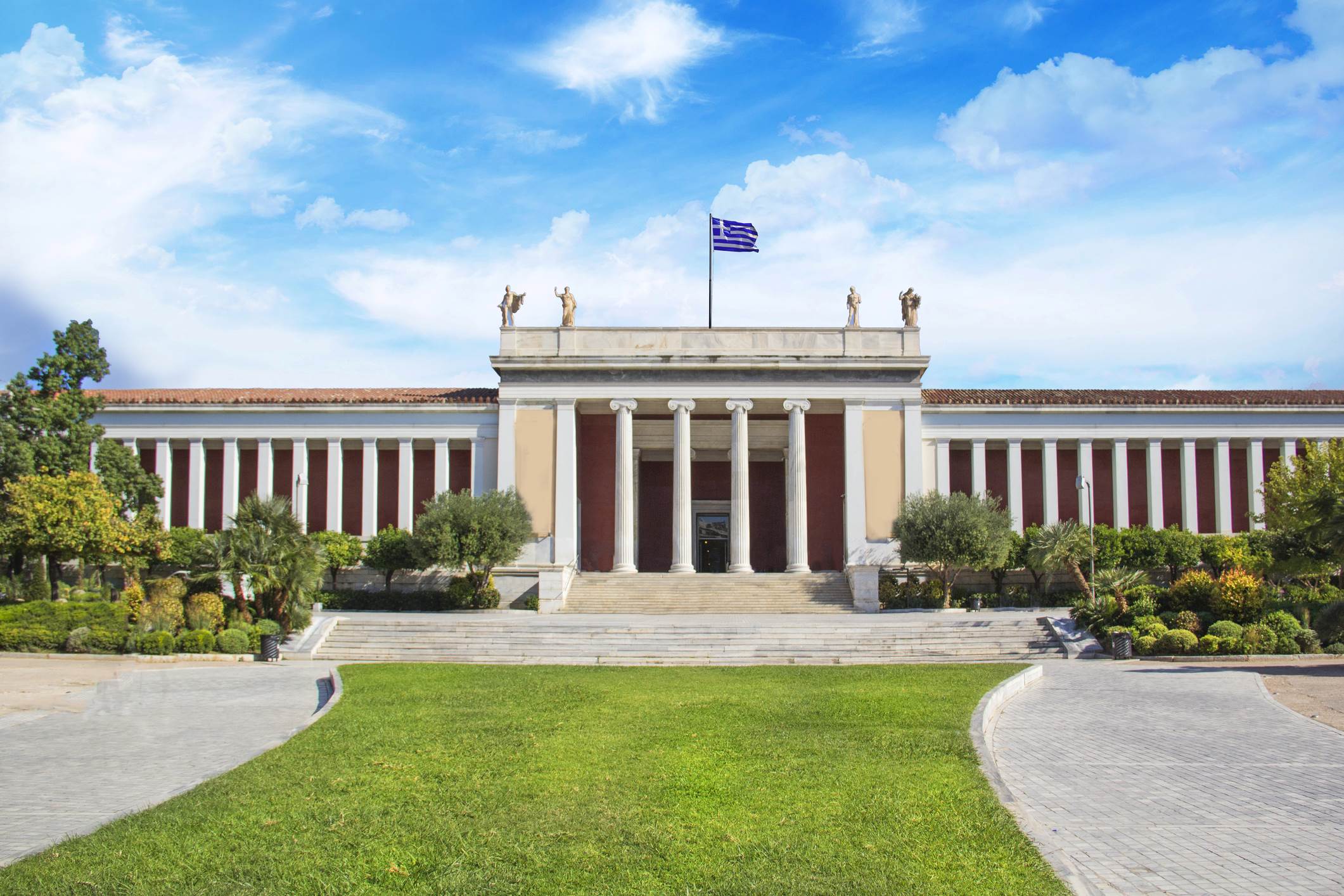
The modern museum, designed by architect Bernard Tschumi and inaugurated in 2009, hosting the masterpieces of art from the monuments of the Acropolis, including among others:
- The pediments of the archaic monuments
- the votive sculptures
- the Caryatids
- The sculptures of the Parthenon by Feidias
What's not included
No food and beverage included
Entrance fees
Gratuities
Available languages
Guide guide
EN
IT
ES
Reviews breakdown
Tripadvisor
5.0
2 reviews
5★
2
4★
0
3★
0
2★
0
1★
0
Important information
Service animals allowed
Public transportation options are available nearby
Not recommended for travelers with spinal injuries
Not recommended for pregnant travelers
Not recommended for travelers with poor cardiovascular health
Travelers should have at least a moderate level of physical fitness
Meeting point
The meeting point is at the only ticket house of the Kerameikos archaeological site.
Important notes
The ticket issued here is valid only for the visit and not as an entrance fee to museums and archaeological sites, that need to be issued locally
About Athens
Athens, the capital of Greece, is a city rich in history and culture, often considered the cradle of Western civilization. It is home to iconic ancient landmarks, vibrant neighborhoods, and a thriving modern scene.
Top Attractions
Acropolis of Athens
The Acropolis is the most iconic landmark in Athens, featuring ancient ruins and temples, including the Parthenon.
Historical
2-3 hours
€20 (combined ticket for multiple sites)
Ancient Agora of Athens
The heart of ancient Athens, featuring the Temple of Hephaestus and the Stoa of Attalos.
Historical
1-2 hours
€8 (included in the combined ticket)
Plaka
A charming, historic neighborhood with narrow streets, neoclassical houses, and vibrant nightlife.
Cultural
2-3 hours
Free to explore
Acropolis Museum
A modern museum showcasing artifacts from the Acropolis and its surroundings.
Museum
1-2 hours
€10
Temple of Olympian Zeus
An ancient temple dedicated to Zeus, once the largest temple in Greece.
Historical
30 minutes to 1 hour
€6 (included in the combined ticket)
Must-Try Local Dishes
Moussaka
A baked dish with layers of eggplant, minced meat, and béchamel sauce.
Dinner
Vegetarian versions available
Souvlaki
Grilled meat skewers, often served with pita bread and tzatziki.
Snack
Can be made with chicken, pork, or vegetarian options
Tzatziki
A yogurt-based dip with cucumber, garlic, and herbs.
Snack
Vegetarian and vegan options available
Baklava
A sweet pastry made with layers of filo, nuts, and honey syrup.
Dessert
Vegetarian
Popular Activities
Hiking in the mountains
Rock climbing
Scuba diving
Beach visits
Spa treatments
Café hopping
Museum visits
Theater performances
Best Time to Visit
April to June, September to October
The best time to visit Athens is during the spring and autumn months when the weather is pleasant and the tourist crowds are smaller.
18°C to 32°C
64°F to 90°F
Practical Information
Language
- Official: Greek
- Widely spoken: English, French, German
- English: Moderately spoken
Currency
Euro (EUR)
Time Zone
GMT+2 (EET)
Electricity
230VV, 50HzHz
Safety Information
Overall Safety Rating: Generally safe
Athens is generally safe for travelers, but petty crime and pickpocketing can occur in tourist areas. Be cautious with your belongings and avoid poorly lit areas at night.
Important Precautions:
- • Keep valuables secure
- • Use licensed taxis or ride-sharing apps
- • Be cautious with ATMs and credit cards
Getting there
By air
- Eleftherios Venizelos International Airport • 30 km from city center
By train
Athens Central Railway Station
By bus
KTEL Bus Station
Getting around
Public transport
Clean, efficient, and air-conditioned. Easy to navigate with clear signage in English.
Taxis
Available • Apps: Beat, Uber
Rentals
Car, Bike, Scooter
Neighborhoods
Plaka
Monastiraki
Psiri
Koukaki
Kolonaki
Day trips
Cape Sounion
65 km from Athens • Half day to full day
A scenic coastal area featuring the Temple of Poseidon with stunning views of the Aegean Sea.
Delphi
180 km from Athens • Full day
An ancient archaeological site and home to the famous Oracle of Delphi.
Meteora
350 km from Athens • Overnight
A unique landscape featuring rock formations and medieval monasteries perched atop cliffs.
Festivals
Athens Festival • May to October
Athens Epidaurus Festival • June to August
Athens International Film Festival • October
Pro tips
- Visit major attractions early in the morning or late in the afternoon to avoid crowds and heat
- Use the metro for easy and efficient travel around the city
- Explore local neighborhoods for an authentic Greek experience
- Try local street food for a quick and delicious meal
- Learn a few basic Greek phrases to enhance your experience and connect with locals
From $25
per person
Price varies by option
Secure booking
Free cancellation available
Instant confirmation