Triana and the River Walking Tour (private group)
Active
1h - 2h
For a full refund, cancel at least 24 hours before the scheduled departure time.
Instant confirmation
Mobile or paper ticket accepted
About this experience
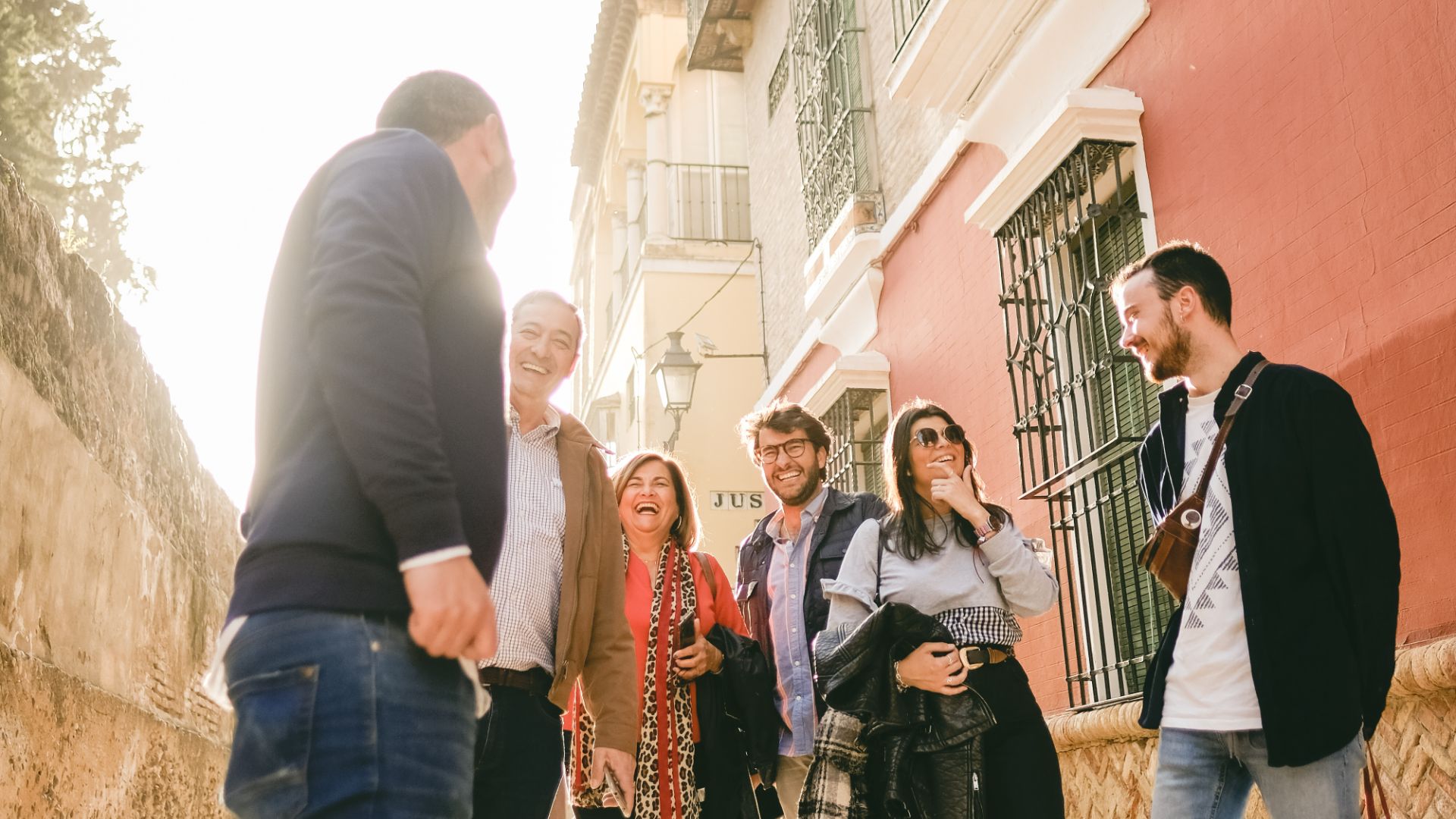
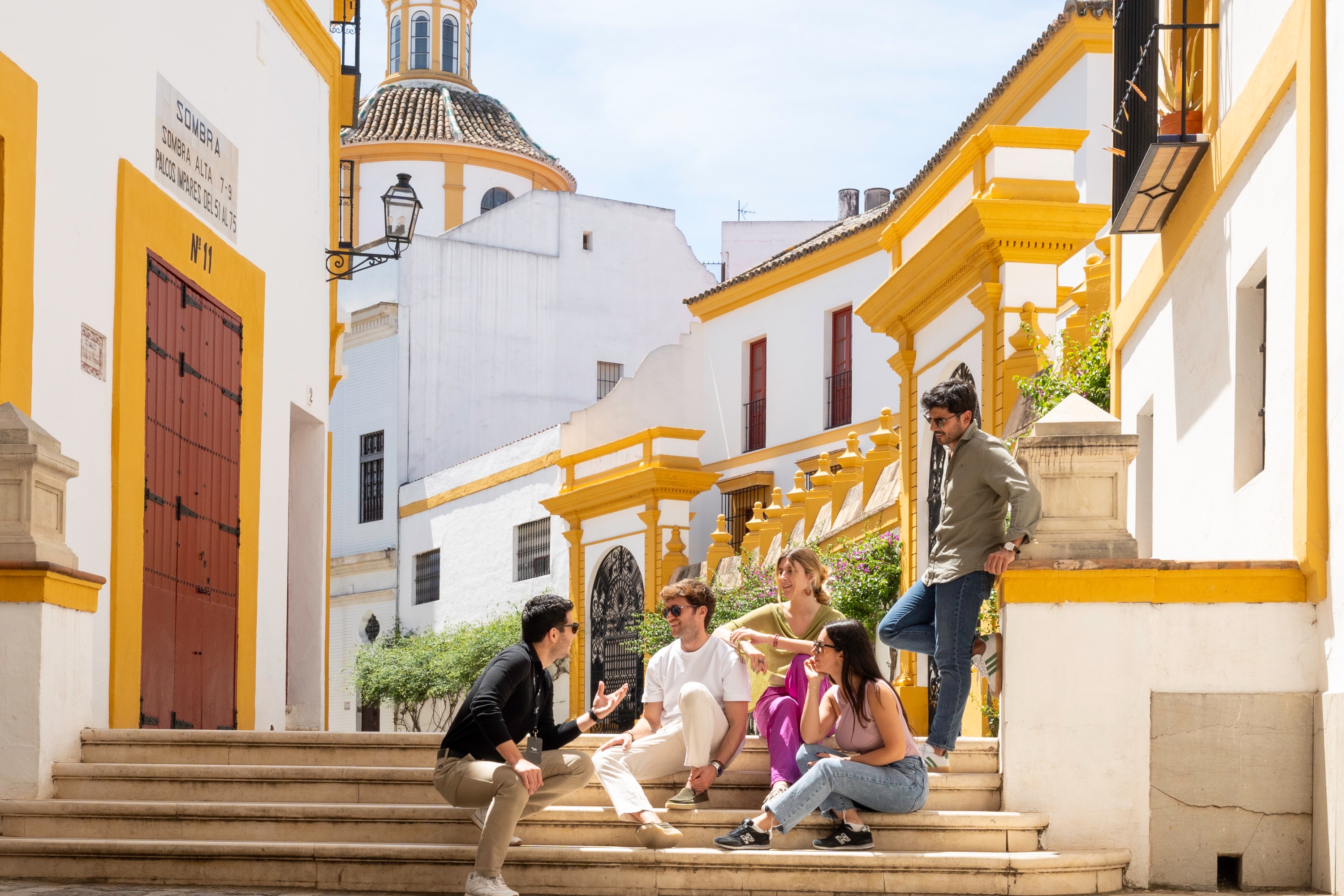
An itinerary that allows us to enter the most monumental part of the Triana neighborhood and walk along the Guadalquivir river between the Isabel II and San Telmo bridges, as the setting for the beautiful history of Seville and its Triana suburb. In a tour of approximately an hour and a half, we will learn about how the city's seafaring history has largely marked its current physiognomy, focusing on one of its most emblematic neighborhoods. We will enjoy the atmosphere of Triana while we will discover some of its main artistic jewels.
Available options
Triana and the River Walking Tour (private group)
What's included
Guided walking tour with official tourism guide of Andalusia
Detailed itinerary
1
Stop 1
We will review the history of the oldest and most emblematic bridge in Seville
2
This beautiful square that acts as the entrance to Triana has been the neuralgic center of the neighborhood since the Middle Ages.
3
One of the most beautiful markets in the city of Seville, which also has an intense and gruesome history
4
Headquarters of the Brotherhood of Esperanza de Triana, the religious image that arouses the most fervor among the people of Triana
5
Stop 5
Impressive Gothic temple that is among the oldest churches in Seville
What's not included
Church of Santa Ana - €3
Available languages
Guide guide
EN
ES
Important information
Wheelchair accessible
Infants and small children can ride in a pram or stroller
Service animals allowed
Public transportation options are available nearby
Transportation options are wheelchair accessible
All areas and surfaces are wheelchair accessible
Suitable for all physical fitness levels
Meeting point
See you near the Triana Bridge, next to the tourist office on the corner of Paseo Colón and avenida Reyes Católicos.
About Seville
Seville, the capital of Andalusia, is a city rich in history, culture, and vibrant traditions. Known for its stunning architecture, including the iconic Alcázar and Seville Cathedral, the city offers a unique blend of Moorish and Spanish influences. The warm climate, lively festivals, and delicious cuisine make it a captivating destination for travelers.
Top Attractions
Real Alcázar de Sevilla
The Alcázar is a stunning royal palace with a mix of Moorish, Gothic, and Renaissance architecture. It is a UNESCO World Heritage Site and features beautiful gardens and courtyards.
Historical/Architecture
2-3 hours
€11.50 (General admission)
Seville Cathedral and Giralda Tower
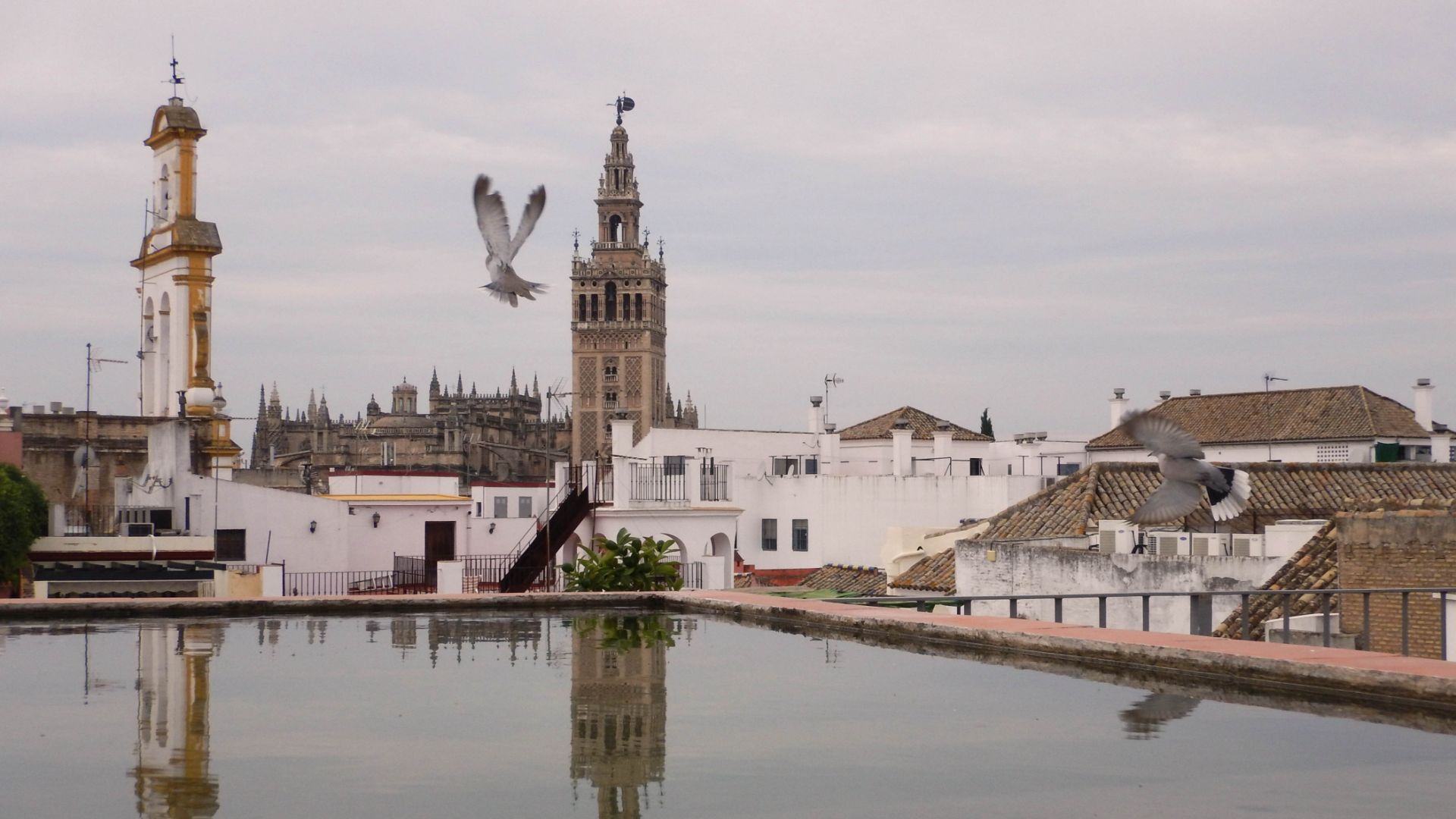
The Seville Cathedral is the largest Gothic cathedral in the world and a UNESCO World Heritage Site. The Giralda Tower offers panoramic views of the city.
Historical/Religious
1-2 hours
€11 (General admission)
Plaza de España
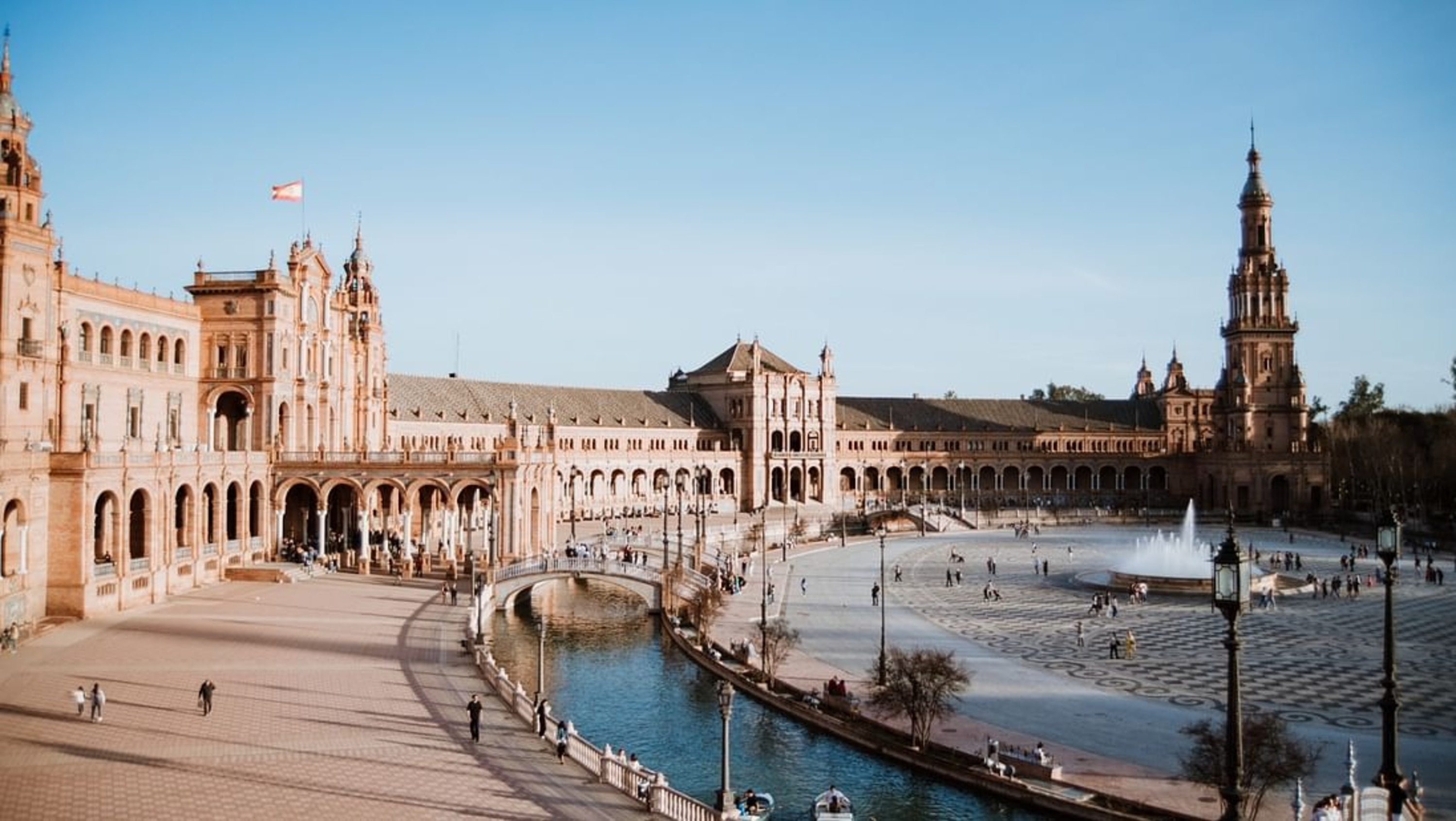
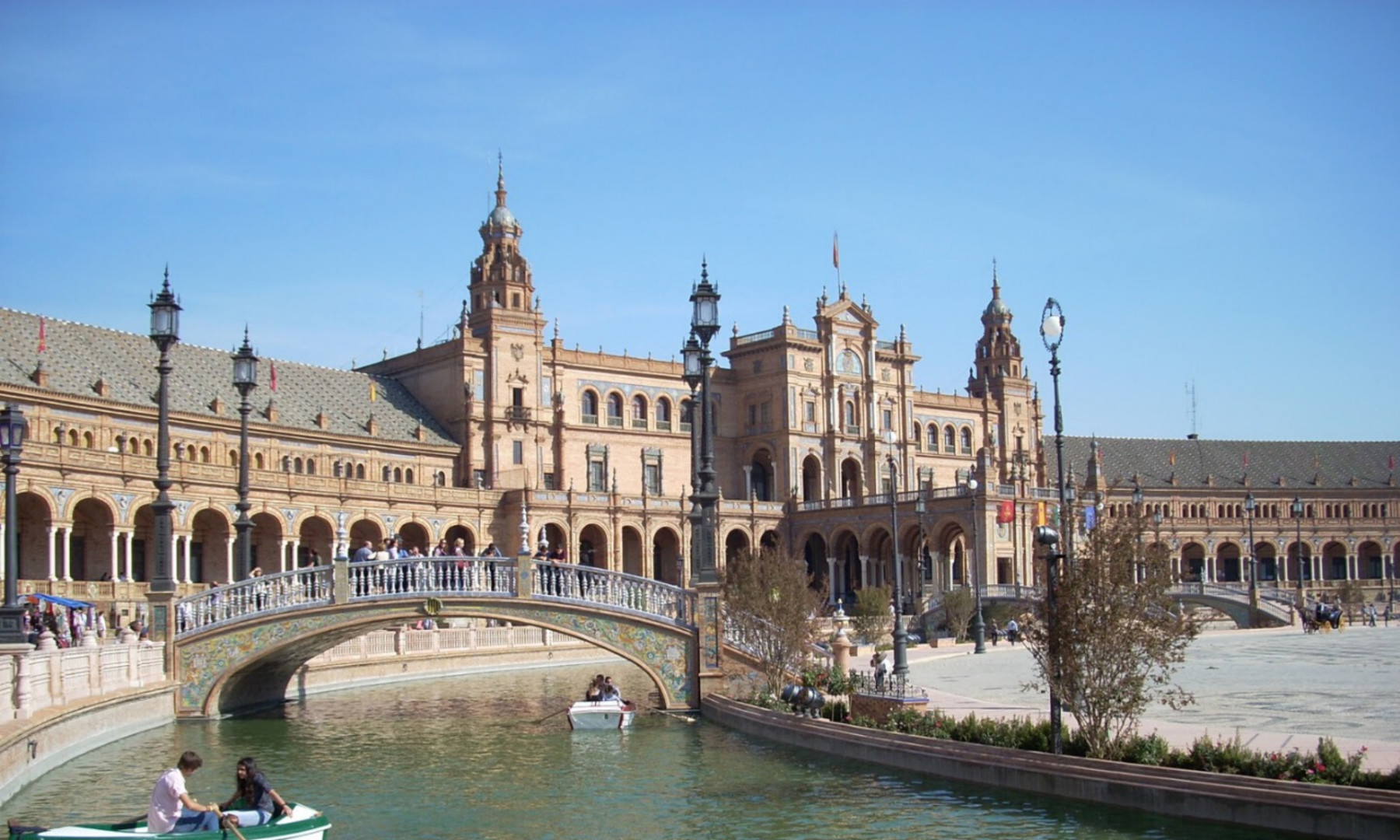
This iconic plaza is a masterpiece of Regionalism architecture, featuring a semi-circular plaza with beautiful tiled benches and a large fountain.
Architecture/Cultural
1-2 hours
Free
Barrio de Santa Cruz
The historic Jewish quarter of Seville, known for its narrow, winding streets, charming plazas, and vibrant atmosphere.
Cultural/Historical
1-2 hours
Free to explore
Triana Market
A traditional market offering a variety of fresh produce, meats, cheeses, and local specialties. It's a great place to experience the local culture and cuisine.
Cultural/Shopping
1 hour
Free to enter, prices vary
Must-Try Local Dishes
Gazpacho
A cold soup made from tomatoes, cucumbers, bell peppers, garlic, and olive oil. It's a refreshing dish perfect for hot summer days.
Appetizer
Vegan
Salmorejo
A thicker and creamier version of gazpacho, made with tomatoes, bread, garlic, and olive oil. Often topped with hard-boiled eggs and jamón.
Appetizer
Vegetarian
Rabo de Toro
A traditional stew made with oxtail, red wine, and vegetables. It's a hearty and flavorful dish that's a staple in Andalusian cuisine.
Main Course
Contains meat
Pescaíto Frito
Fried small fish, typically served as a tapas dish. It's a popular snack in Seville, often enjoyed with a glass of wine.
Appetizer
Contains fish
Popular Activities
Hiking in the nearby Sierra Morena mountains
Biking along the Guadalquivir River
Relaxing in the gardens of the Real Alcázar
Enjoying a traditional spa experience
Visiting the numerous museums and galleries
Attending flamenco performances
Boating on the Guadalquivir River
Swimming at nearby beaches
Best Time to Visit
April to June, September to October
The best time to visit Seville is during spring and autumn when the weather is pleasant and the city is lively with festivals and events. The temperatures are comfortable, and the tourist crowds are manageable.
20°C to 35°C
68°F to 95°F
Practical Information
Language
- Official: Spanish
- Widely spoken: English, French
- English: Moderately spoken
Currency
Euro (EUR)
Time Zone
GMT+1 (CET), GMT+2 (CEST during daylight saving time)
Electricity
230VV, 50HzHz
Safety Information
Overall Safety Rating: Generally safe
Seville is generally safe for travelers, but petty crime such as pickpocketing can occur in crowded areas. Be cautious and take standard precautions to protect your belongings.
Important Precautions:
- • Keep valuables secure and out of sight
- • Be cautious of pickpockets in crowded areas
- • Use licensed taxis or ride-sharing apps
Getting there
By air
- Seville Airport • 10 km from city center
By train
Santa Justa Station
By bus
Plaza de Armas, Príncipe Pío
Getting around
Public transport
The bus network is the primary form of public transport in Seville, covering most of the city and its suburbs.
Taxis
Available • Apps: Cabify, Uber
Rentals
Car, Bike, Scooter
Neighborhoods
Santa Cruz
Triana
Arsenal
Macarena
Day trips
Córdoba
140 km from Seville • Full day
Córdoba is a historic city known for its stunning Mosque-Cathedral, a UNESCO World Heritage Site, and its beautiful patios and gardens.
Ronda
130 km from Seville • Full day
Ronda is a picturesque town perched on a cliff, known for its dramatic views, historic bullring, and ancient Arab baths.
Cádiz
120 km from Seville • Full day
Cádiz is a coastal city known for its beautiful beaches, historic sites, and vibrant carnival celebrations.
Festivals
Feria de Abril • Two weeks after Easter
Semana Santa • The week leading up to Easter
Feria de San Miguel • Late September to early October
Pro tips
- Visit the Real Alcázar early in the morning to avoid crowds and enjoy the gardens in peace
- Explore the Triana neighborhood for authentic ceramics, flamenco, and local cuisine
- Try salmorejo, a thicker and creamier version of gazpacho, at a local bodega
- Take a day trip to Itálica to explore the ancient Roman ruins near Seville
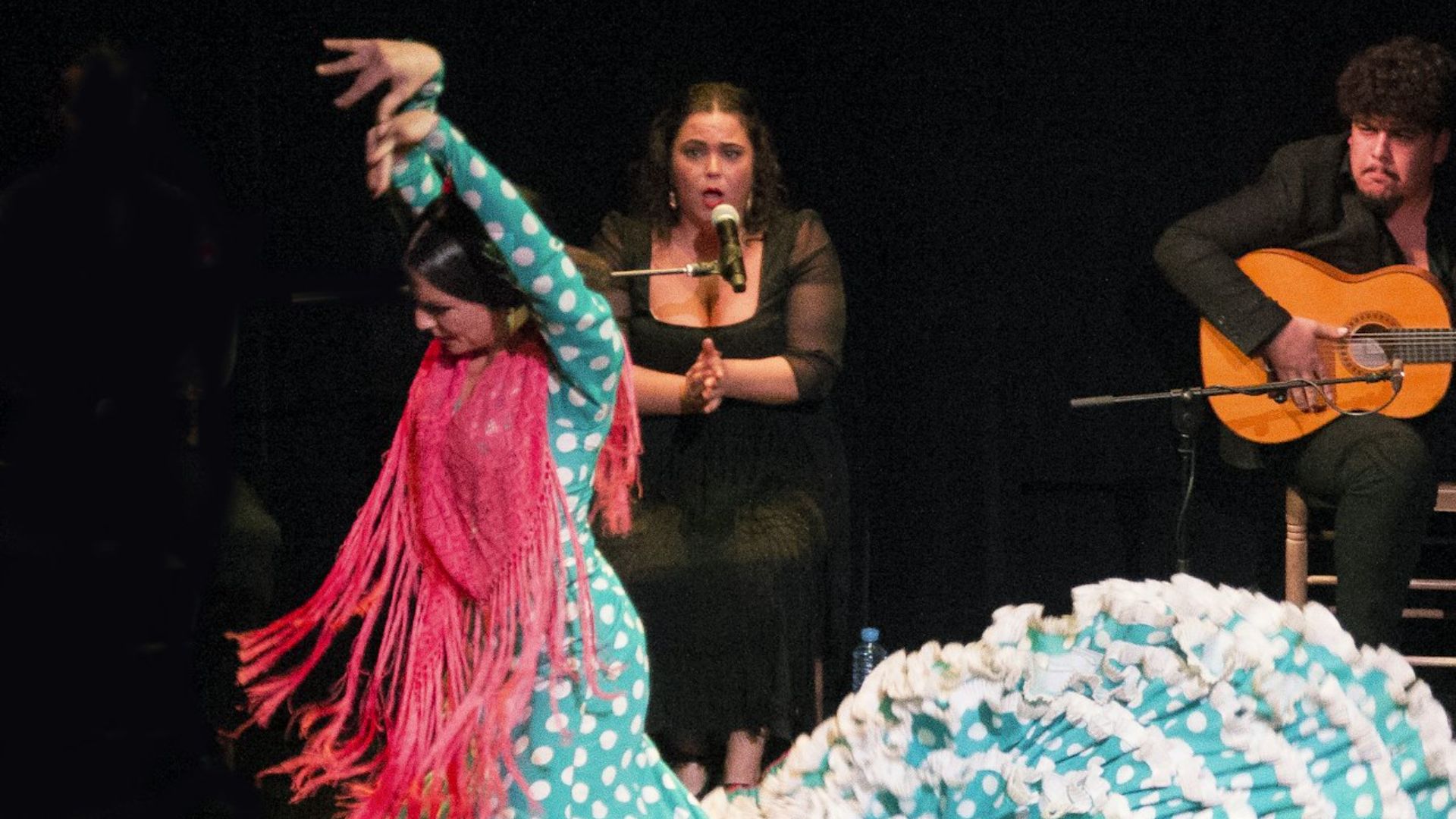
- Attend a flamenco performance at a local tablao for an authentic cultural experience
From $25
per person
Price varies by option
Secure booking
Free cancellation available
Instant confirmation