Private Guide and Vehicle to Ephesus
Active
6h
All sales are final. No refund is available for cancellations.
Instant confirmation
Mobile or paper ticket accepted
About this experience
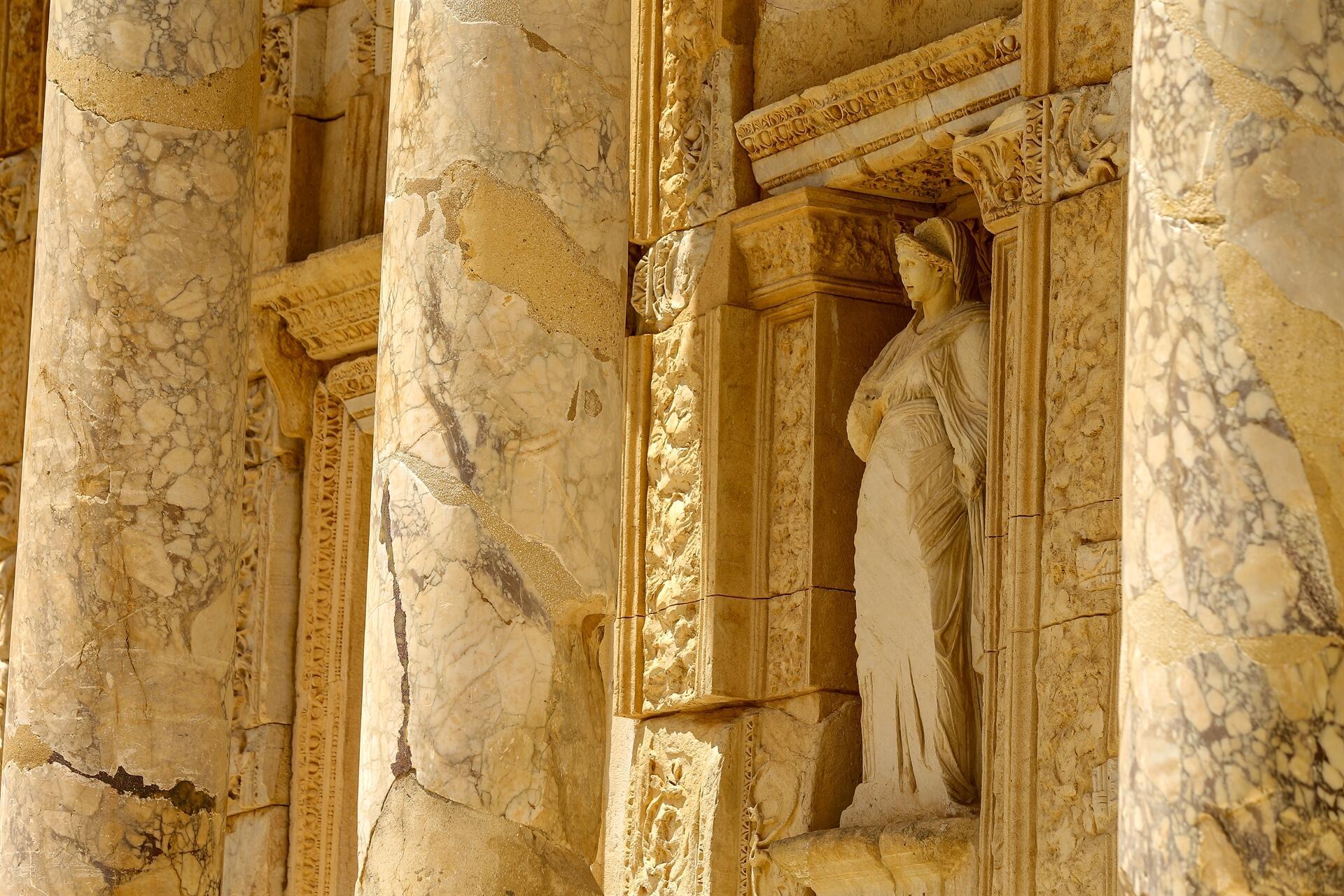
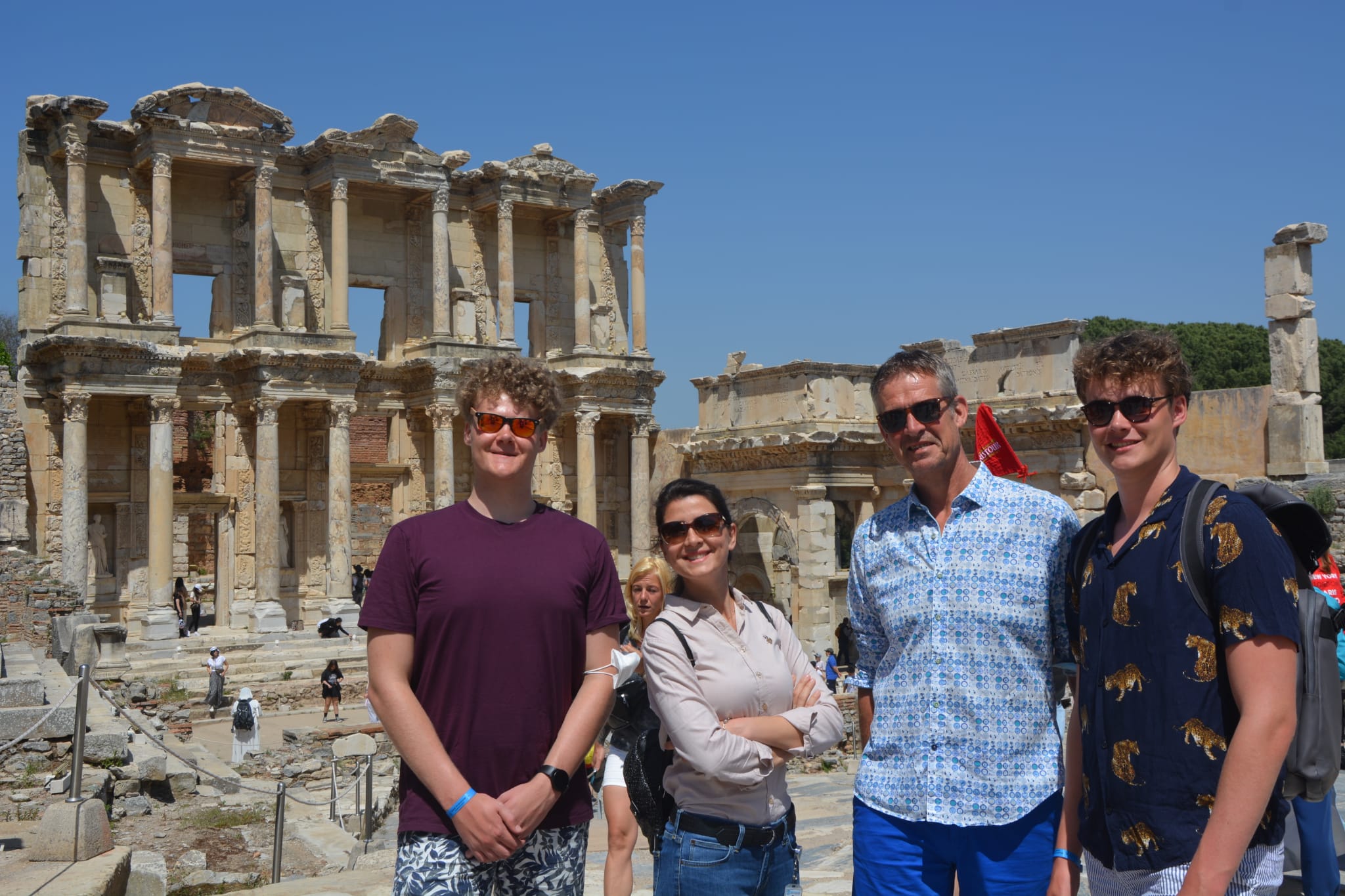
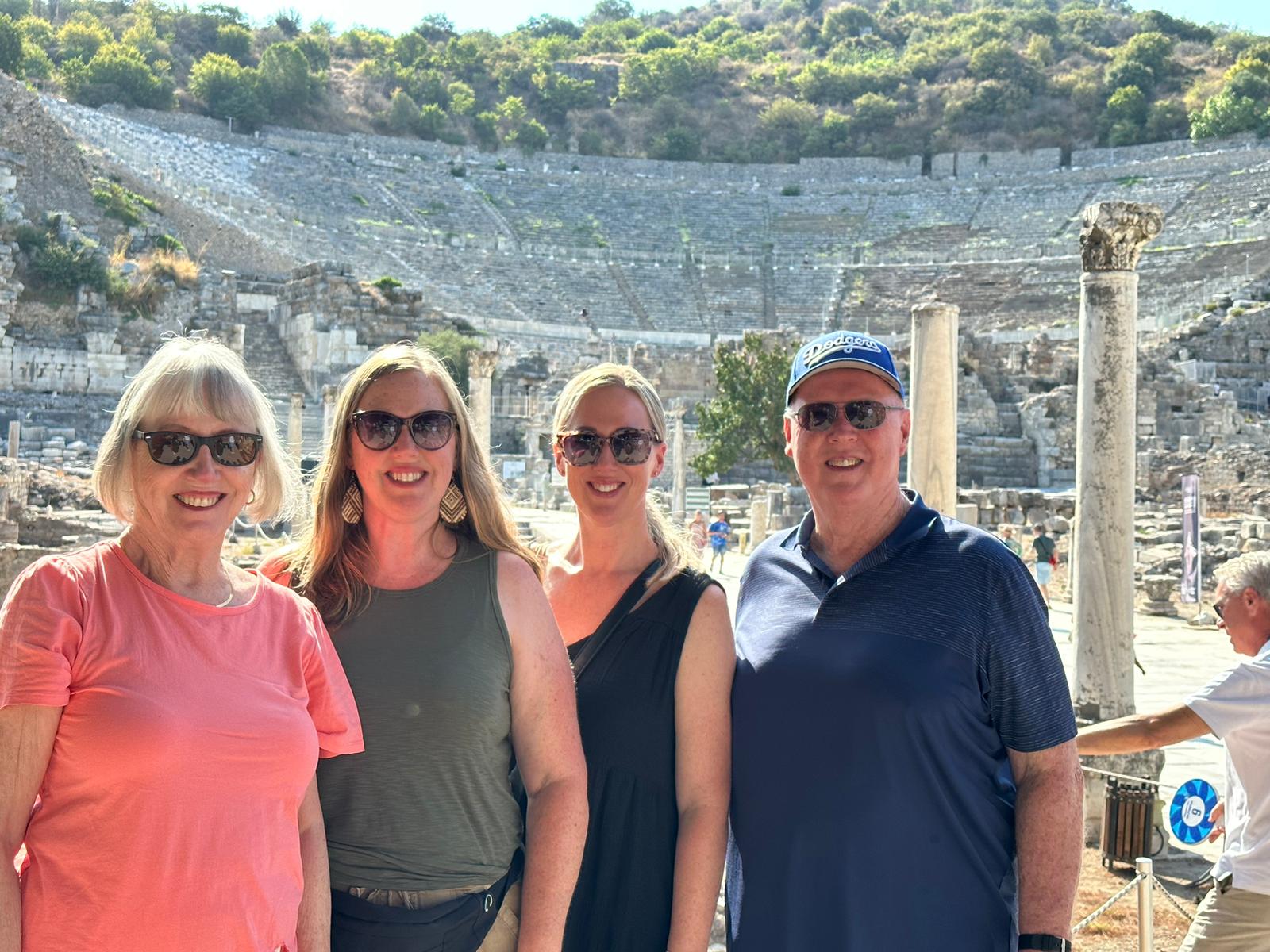
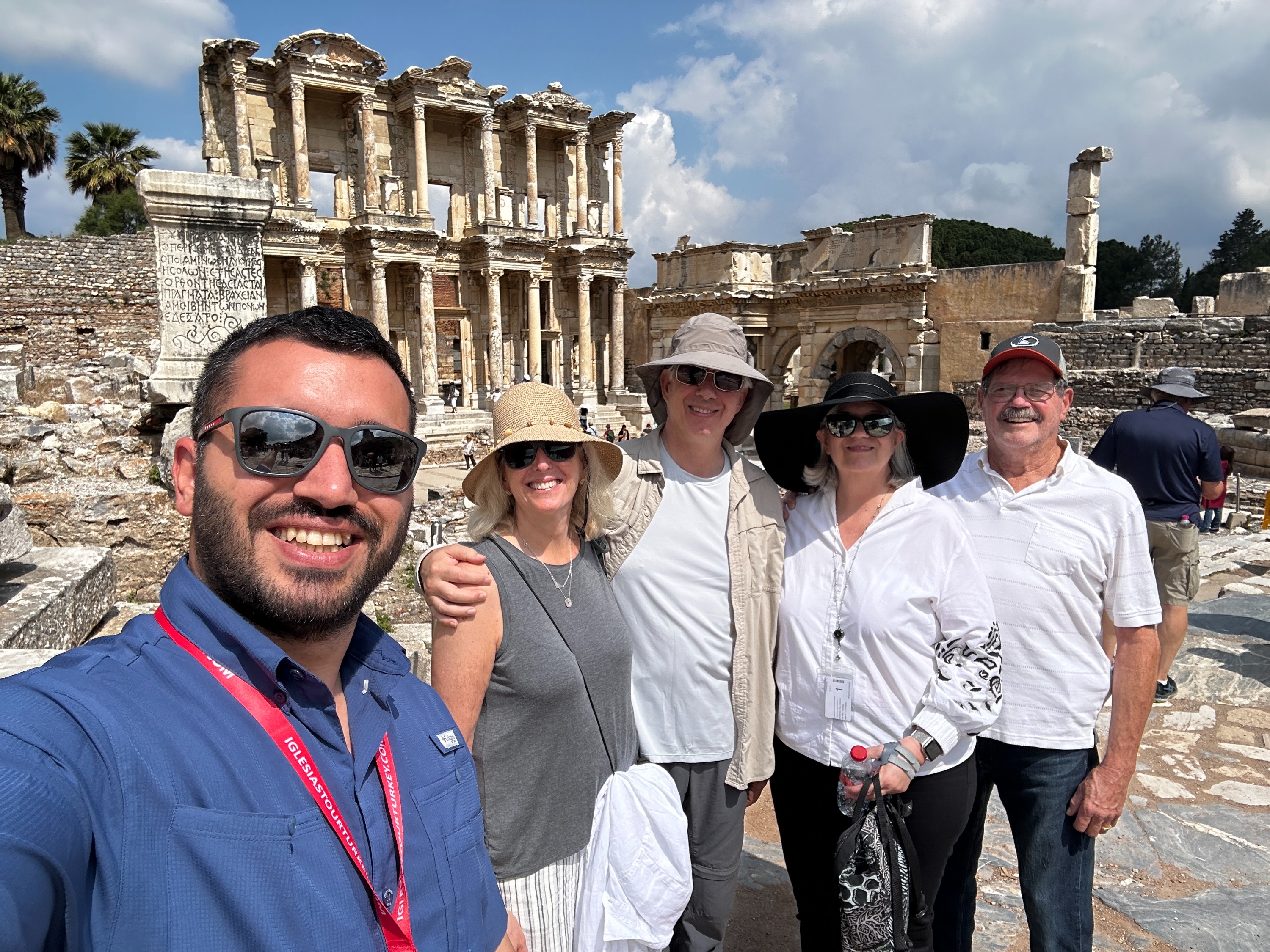
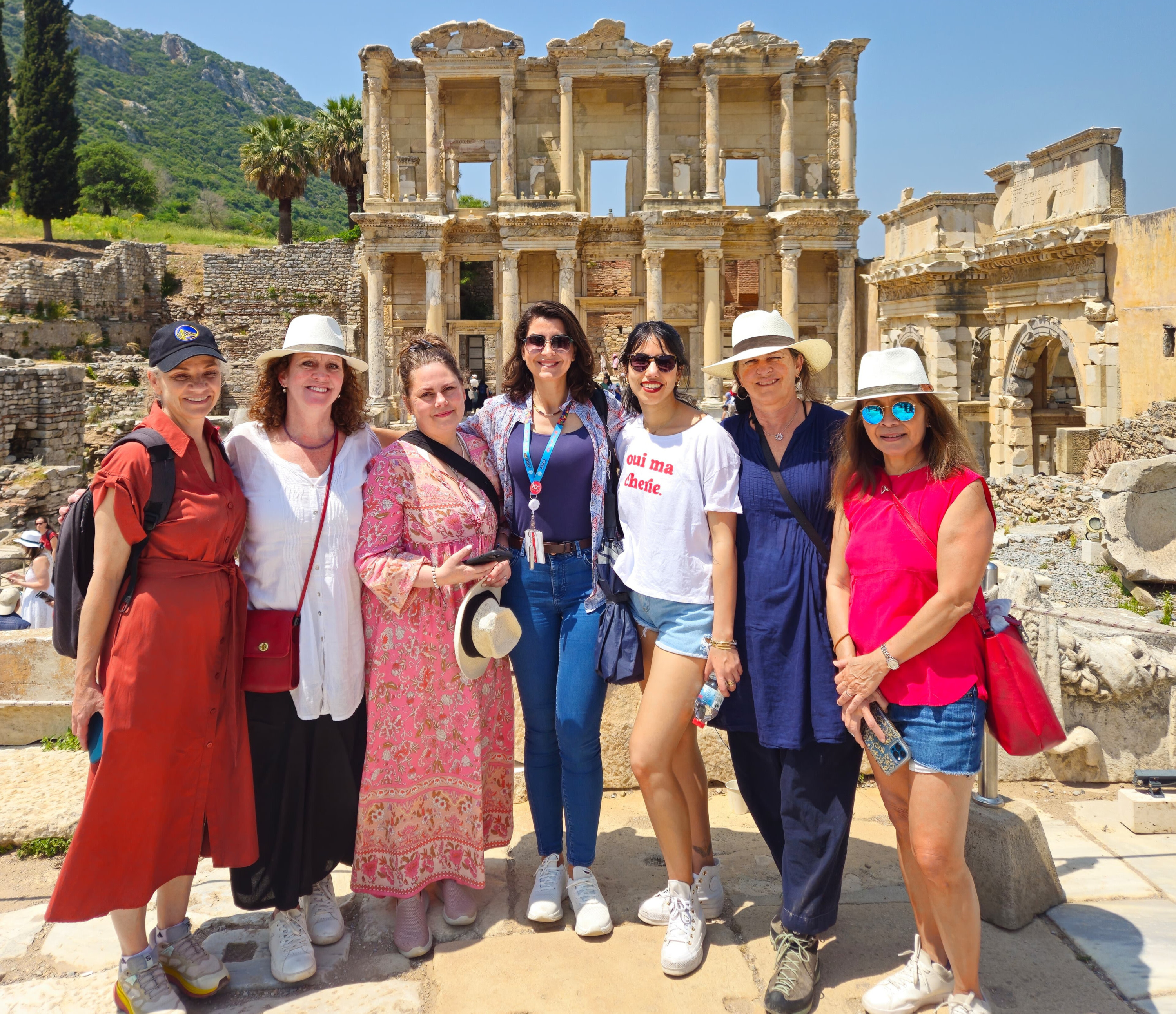
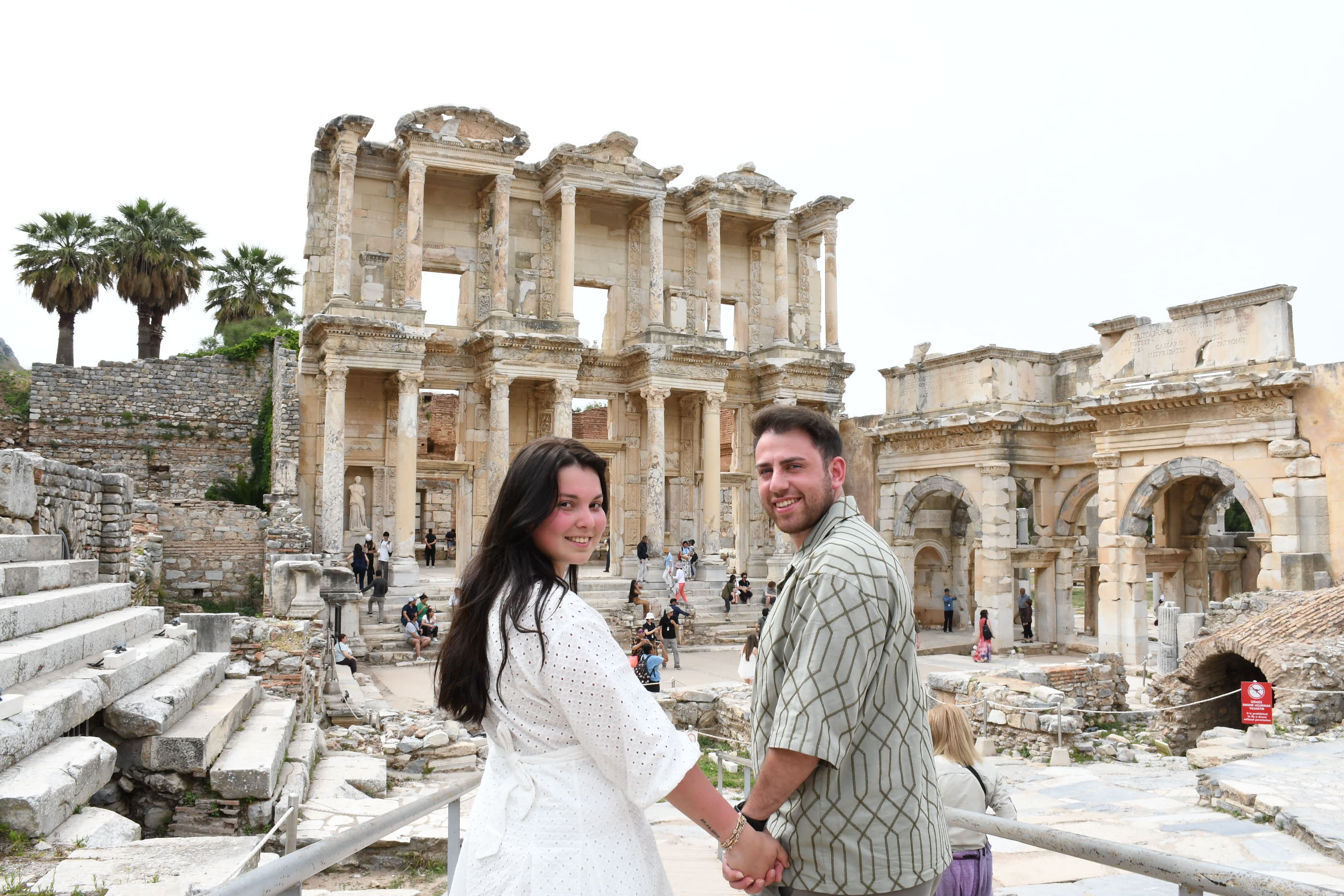
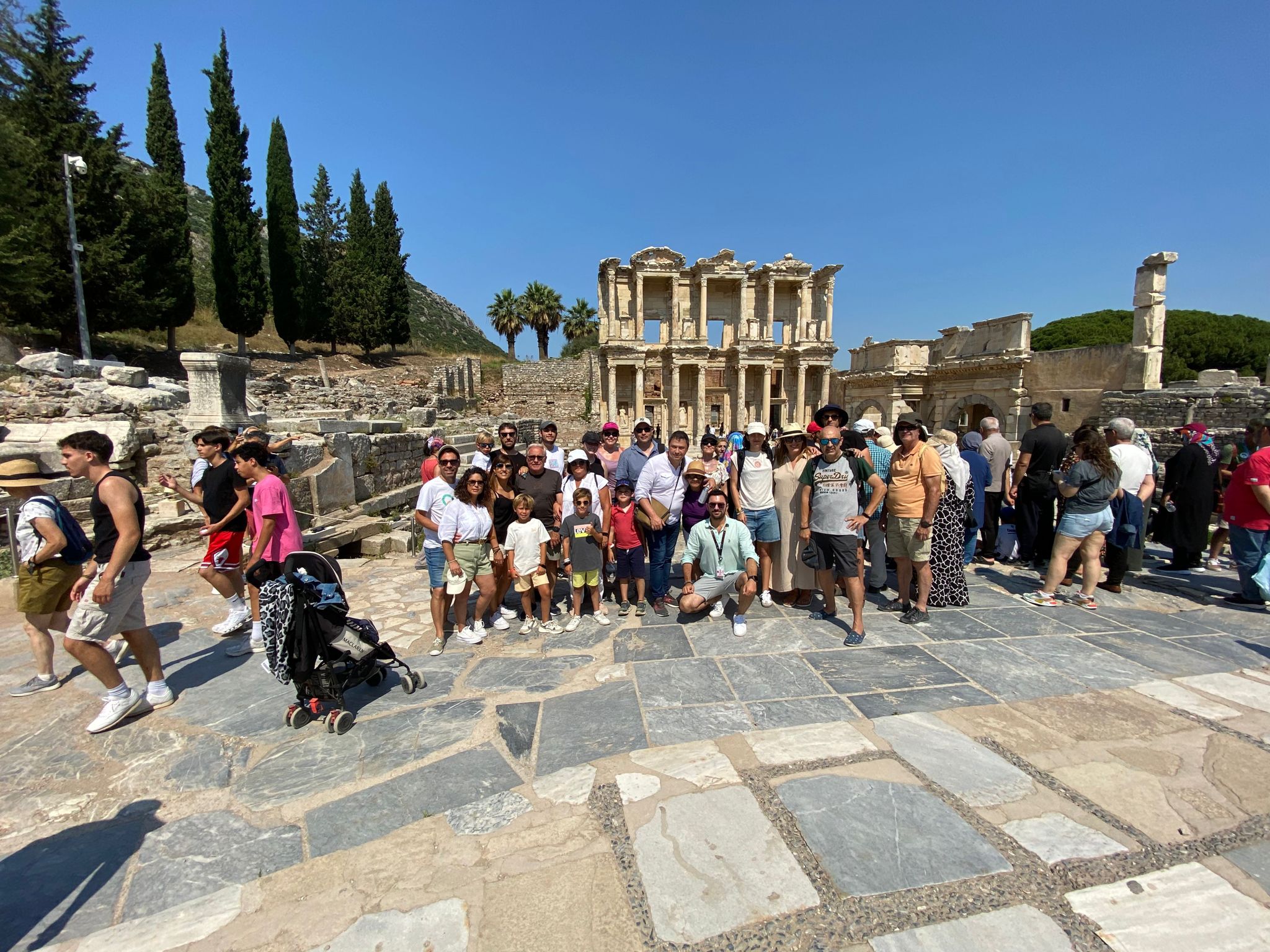
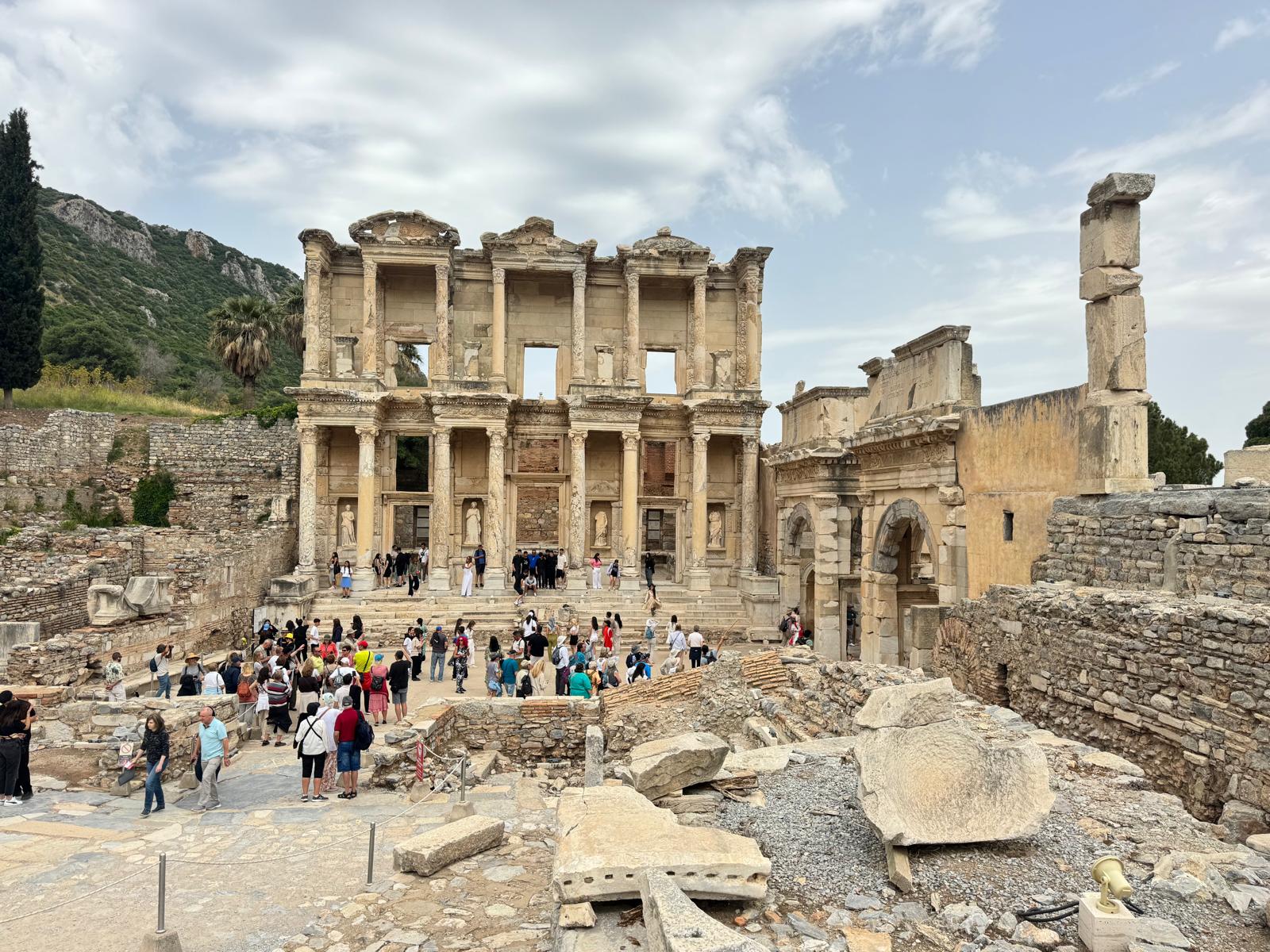
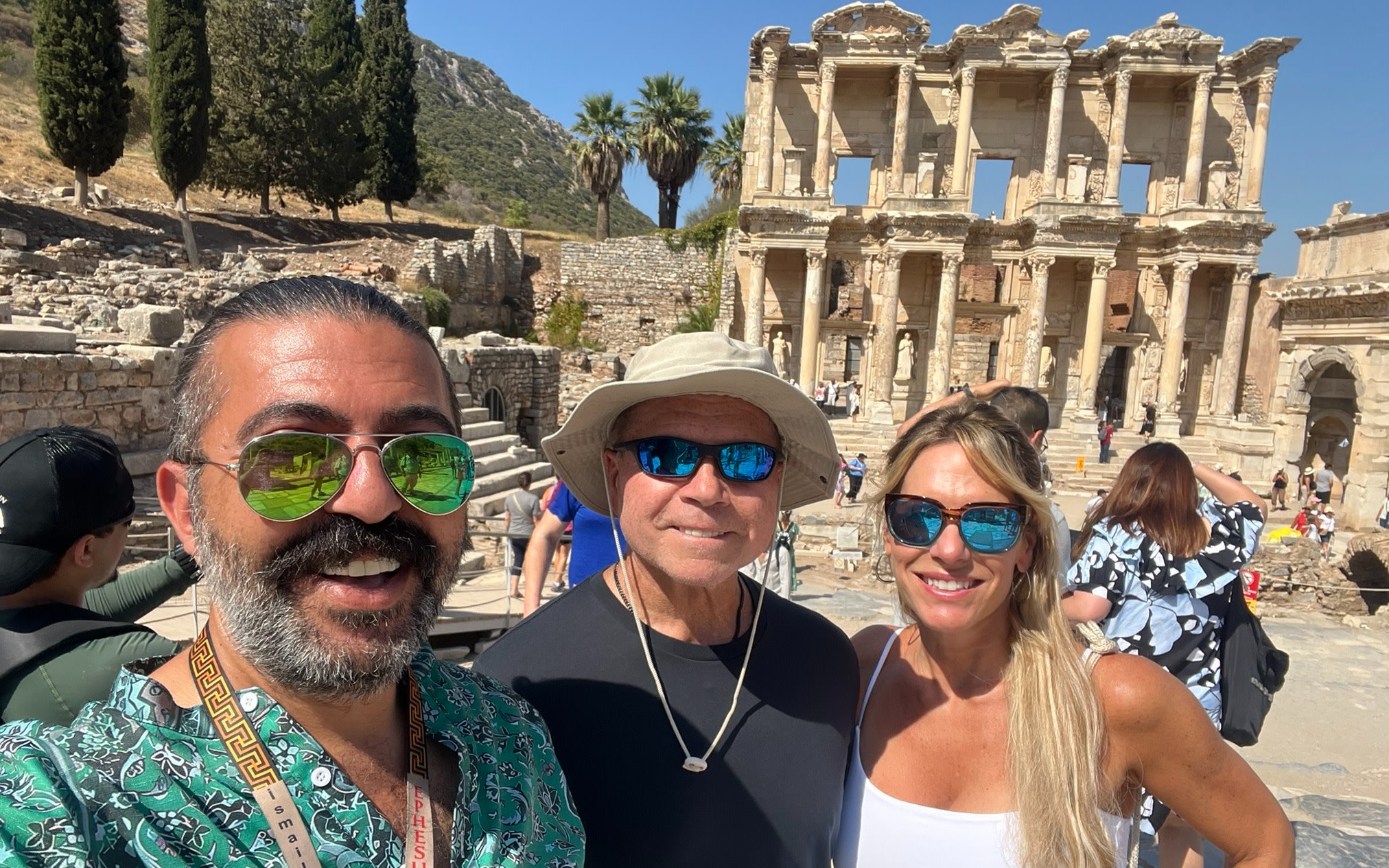
You will be visiting the Ancient City of Ephesus and Archeology Museum accompanied by a tour guide who will be giving commentary. Meet your guide, and take a short, scenic drive to Ephesus, which was the Roman capital of Asia Minor. You will see Odeon, Agoras, Temples, water supply systems, monumental fountains, marble streets, Theatre, Celsus Library, and the Ephesus Archeology Museum.
Group Maximum: 12 travelers
Important notice: Tour service starts between 8:00 and 10:00 am and finishes between 16:00 pm and 17:00 pm.
Available options
Private Guide and Vehicle to Ephesus
Pickup included
What's included
Pick-up and drop-off from Kusadasi Port and Kusadasi Hotels
English Speaking Guide
Air-conditioned vehicle
Parking Fees
Detailed itinerary
1
Stop 1
Ephesus ancient city or Museum of Ephesus or both.
The ancient city of Ephesus awaits its visitors with its magnificent architectural structures in the ancient city, which date back to the 9th millennium BC and is included in the UNESCO World Heritage List. Ephesus Ancient City, which contains the symbols that shed light on the superior urbanization, architecture, and religious history of the Hellenistic and Roman periods, has the most important architectural and urban planning examples from different periods.
Ephesus Archaeological Museum, besides the antiques, excavated from the ancient city of Ephesus and its vicinity, which are belong to Mycenean, Archaic, Classical, Hellenistic, Roman, Byzantine, Seljuk, and Ottoman periods as important works of the cycle, as well as its cultural activities and visitors capacity stands out among one of Turkey's most important museums.
2
Stop 2
In the House of Virgin Mary, declared holy by the Vatican, Muslims as well as Christians from all over the world pray and make offerings to fulfil their pilgrimage. In the Virgin Mary House, which is a sacred place for Christians all over the world, believers from all religions pray, and tourists make their visits. Olive trees on both sides of the path leading to the house of the Virgin Mary were planted by Lazarist monks in 1898. The statue of Mary, located at the end of the road with olives, is the gift of a religious community in Izmir and bears the date of 1867. The visit to the Virgin Mary House ends with three fountains reached by descending the stairs on the right after leaving the church. Drinkable water flows from the fountains, and from the wells next to the church. Visitors do not only taste this water in the belief that it is healing but also take the water with them.
3
Stop 3
Ephesus Museum is one of the most important museums in Turkey with its cultural organizations and the number of visitors, exhibiting distinguished works from the Mycenaean, Archaic, Classical, Hellenistic, Roman, Byzantine, Seljuk and Ottoman periods.
Since the finds of the ancient city are mainly exhibited in the museum, the remains are grouped according to the place where they were excavated instead of a chronological and typological presentation. For this reason, the halls of the museum are arranged as Hillside Houses and House Antique Hall, Coin and Treasure Hall, Grave Antique Hall, Ephesus Artemis Hall and Imperial Cult Hall. In addition to these halls, various architectural and sculptural works in harmony with the garden decor are exhibited in the inner and middle gardens. Among the most famous statues are the two great Artemis, Head of Eros, Eros with Dolphin and Head of Socrates.
4
Stop 4
The Temple of Artemis at Ephesus, one of the Seven Wonders of the World, In Ionia, the "Lady of Ephesus", a goddess identified by the Hellenes as Artemis, was the principal deity and played a major role in the fame of the city. She embodies the characteristics of multiple gods and that is the reason why pagan cultures of the time embraced her. Ancient pagans believed Artemis to be the continuation of Hittite Kubaba and Phrygian Kybele. The consensus among historians is that Kybele had transformed into Artemis over time, phase by phase.
Artemis Temple kept its distinguished place all through the Hellenistic and Roman periods, hosting visitors from all around the world on its vast lands and also functioning as an international bank.
5
Stop 5
The church stands near the remnants of the Temple of Artemis, creating a matched set of two great religious landmarks now fallen into ruin. The basilica, is a promontory that overlooks the town of Selcuk and the surrounding valley. Its scattered stones and low-lying walls only hint at the immense building that once stood here. Built in the 6'th century by the Emperor Justinian, it was once one of the largest and most important churches in Christendom. The building had great prominence because it was believed that the body of the apostle John was buried there. Now it must be said that although the historical evidence is strong for Paul’s presence in Ephesus, John’s connection to the area is less certain. But while there is no biblical mention of John’s being here, early Church tradition strongly links the apostle to that city. One possibility is that John came to Asia Minor to assume leadership of the growing Church communities there after the martyrdom of Peter and Paul in Rome.
What's not included
Food and drinks
Gratuities for Guide and Driver
Entrance Fees of sites
Available languages
Guide guide
EN
Reviews breakdown
Tripadvisor
5.0
1 reviews
5★
1
4★
0
3★
0
2★
0
1★
0
Important information
Public transportation options are available nearby
Specialized infant seats are available
Not recommended for travelers with spinal injuries
Not recommended for pregnant travelers
Not recommended for travelers with poor cardiovascular health
Suitable for all physical fitness levels
Children must be accompanied by an adult
Infant seats are available on request if advised at the time of booking with a small fee
For stroller accessibility, the surface of the ground is covered by marble and stones; so it is difficult to ride the stroller but it is possible.
A minimum of 2 people per booking is required
not recommended for travelers on wheelchair
Important notes
we use an electronic ticket system managing by the tour guide.
About Kusadasi
Kusadasi is a vibrant coastal city on the Turkish Riviera, known for its stunning beaches, rich history, and proximity to ancient ruins. It offers a blend of modern resort amenities and traditional Turkish culture, making it a popular destination for both relaxation and exploration.
Top Attractions
Lady Mary's Bath
A historic hamam (Turkish bath) built in 1640, offering traditional Turkish bath experiences and spa treatments.
Historical
2-3 hours
Moderate
Kusadasi Castle
A medieval castle with a rich history, offering panoramic views of the city and harbor.
Historical
1-2 hours
Free
Long Beach (Long Beach)
A popular beach with golden sand, clear waters, and a variety of water sports and activities.
Beach
Half day to full day
Free to Moderate (for amenities and water sports)
Ephesus Ancient City
One of the most famous ancient cities in the world, featuring well-preserved ruins and significant historical sites.
Historical
Half day to full day
Moderate (entry fee applies)
Pigeon Island (Kusadasi Castle)
A small island connected to the mainland by a causeway, featuring a historic castle and beautiful views.
Historical
2-3 hours
Free to enter, moderate for activities
Must-Try Local Dishes
Gözleme
A traditional Turkish flatbread filled with various ingredients like cheese, spinach, or potatoes
Breakfast/Snack
Vegetarian options available
Kusadasi Köfte
Spicy meatballs made with ground beef, onions, and spices, often served with rice or bread
Main Course
Contains meat, not suitable for vegetarians
Baklava
A sweet pastry made with layers of filo dough, nuts, and honey syrup
Dessert
Vegetarian, contains nuts
Popular Activities
Scuba diving
Parasailing
Jet skiing
Hiking in nearby nature parks
Beach lounging
Spa treatments
Yoga on the beach
Boat tours
Best Time to Visit
June to September
This is the peak tourist season with warm weather, clear skies, and vibrant nightlife. The sea is at its warmest, perfect for swimming and water sports.
25°C to 35°C
77°F to 95°F
Practical Information
Language
- Official: Turkish
- Widely spoken: English, German, Russian
- English: Moderately spoken in tourist areas, limited elsewhere
Currency
Turkish Lira (TRY)
Time Zone
GMT+3
Electricity
220VV, 50HzHz
Safety Information
Overall Safety Rating: Generally safe
Kusadasi is generally safe for tourists, but standard precautions should be taken to avoid petty crime and scams.
Important Precautions:
- • Keep valuables secure
- • Use reputable tour operators
- • Be cautious of strangers offering services
Getting there
By air
- Adnan Menderes Airport • 75 km south of Kusadasi
By bus
Kusadasi Bus Station
Getting around
Public transport
Affordable and frequent minibuses that follow set routes. Easy to use but can get crowded.
Taxis
Available • Apps: BiTaksi, Gett
Rentals
Car, Bike, Scooter
Neighborhoods
City Center
Kadınlar Denizi
Davutlar
Day trips
Ephesus
20 km • Half day to full day
One of the most famous ancient cities in the world, featuring well-preserved ruins and significant historical sites.
Pamukkale
160 km • Full day
A natural wonder featuring terraces of white travertine pools filled with thermal water.
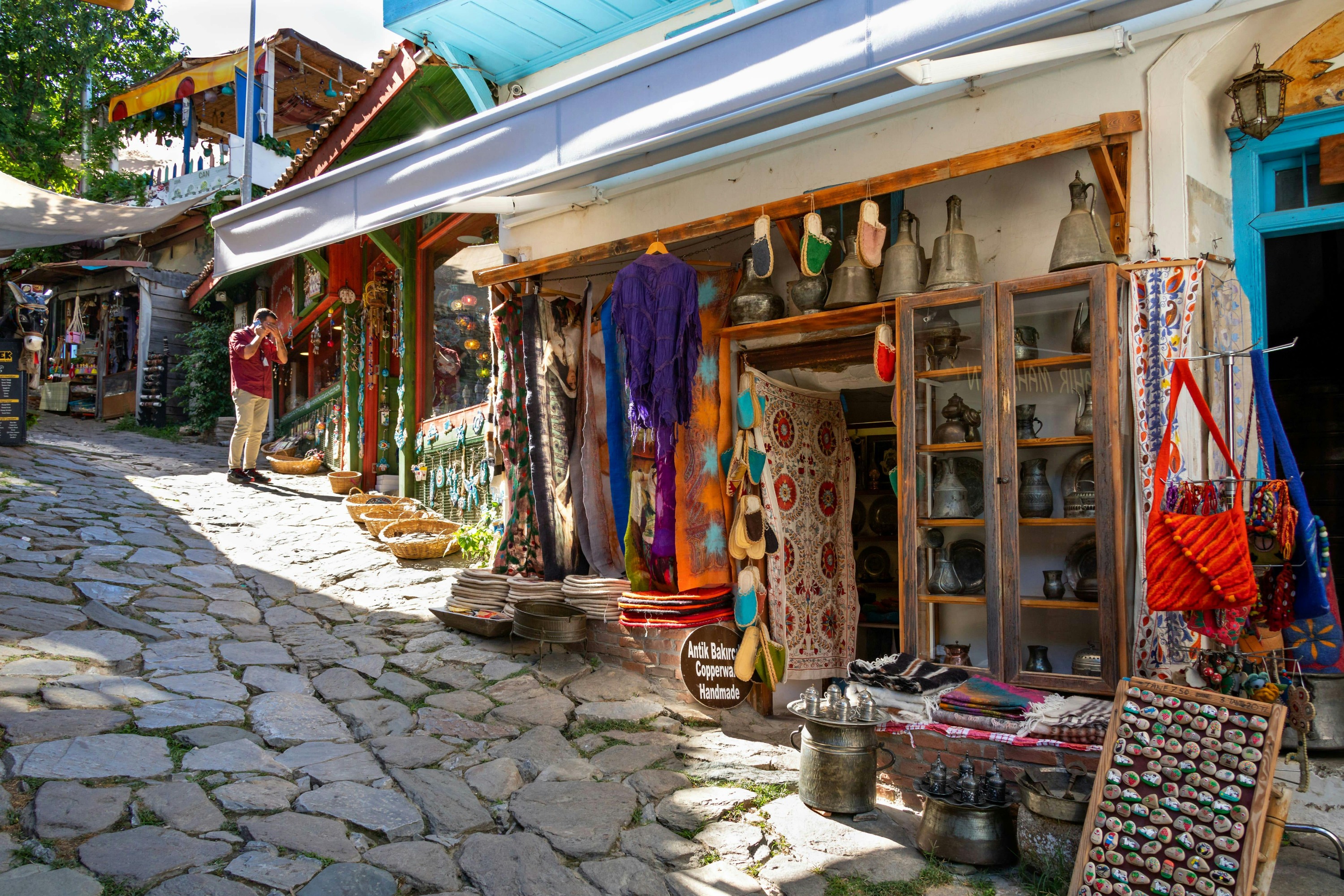
Sirince
30 km • Half day
A charming village known for its wine production, fruit wines, and traditional architecture.
Festivals
Kusadasi International Music Festival • July
Kusadasi International Kite Festival • May
Pro tips
- Visit Ephesus early in the morning to avoid crowds and the heat
- Try the local street food, especially simit and kebabs
- Bargain politely when shopping in bazaars
- Learn a few basic Turkish phrases to enhance your experience and interact with locals
- Use dolmuş (shared taxis) for affordable and convenient transport within the city
From $25
per person
Price varies by option
Secure booking
Free cancellation available
Instant confirmation