Private Kona Coffee and National Historic Parks Tour
Active
4h
For a full refund, cancel at least 24 hours before the scheduled departure time.
Instant confirmation
Mobile or paper ticket accepted
About this experience
Join us for an unforgettable exploration that tantalizes the senses and leaves you with a greater appreciation for both cultural heritage and the renowned coffee of the region. Our immersive tour invites you to wander through the verdant coffee fields, where the story of Kona coffee unfolds from cultivation to the perfect cup. As the aroma of freshly brewed coffee lingers, we transition to Puʻuhonua o Hōnaunau National Historic Park, the City of Refuge, a sanctuary steeped in ancient Hawaiian history. Explore sacred temples, ancient dwellings, and the serene coastal landscape, where the past comes alive. From the rich aroma of freshly roasted beans to the echoes of the past, this tour promises an enriching blend of flavors and narratives, creating a memorable exploration of both Kona’s coffee heritage and the cultural significance that graces the national historic parks.
Available options
6 Guests
6 Guests<br/>Pickup included
Private Kona Coffee and National Historic Parks Tour
Pickup included
7 Guests
7 Guests <br/>Pickup included
3 Guests
3 Guests<br/>Pickup included
4 Guests
4 Guests<br/>Pickup included
5 Guests
5 Guests <br/>Pickup included
What's included
Soda/Pop
Bottled water
Patagonia rain jackets, umbrellas, hiking poles
All Fees and Taxes
Trail mix, granola bars, fruit snacks, beef jerky, chips, chocolate
Coffee and/or Tea
Detailed itinerary
1
Stop 1
Pass by
Following pickup at the Kona Cruise Ship Pier, start your Kona Coffee and National Historic Parks Tour traveling along Ali’i Drive and the cobalt blue waters off the Kona Coast while your exceptional tour guide will direct your gaze to all the rich historical locations along our path.
2
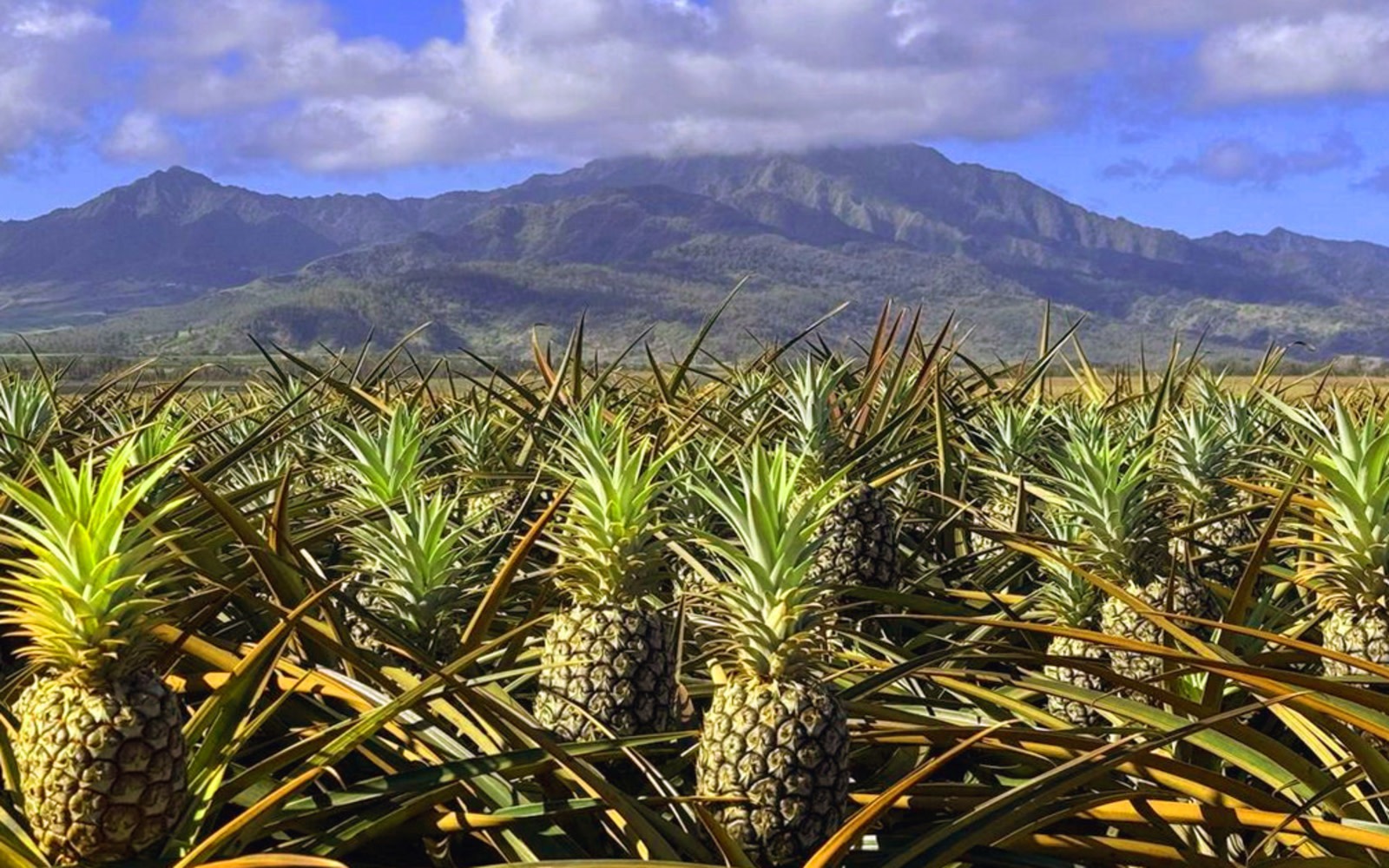
Our first stop will be at Greenwell Coffee Farm. Henry Greenwell began growing coffee in 1850 here in Kona and is still operated today by the 5th generation Tom Greenwell. Tour the lush Kona coffee fields, enjoy the scenic views of the Kona coast, and see the process it takes to go from plant to cup. Greenwell farms not only is growing Kona coffee but see other tropical fruits growing such as: mangos, papayas, pineapples, lychee, bananas, avocados, chocolate, and citrus. Sample various different roasts of their Kona coffee and you will see for yourself why it is so world renowned!
3
Stop 3
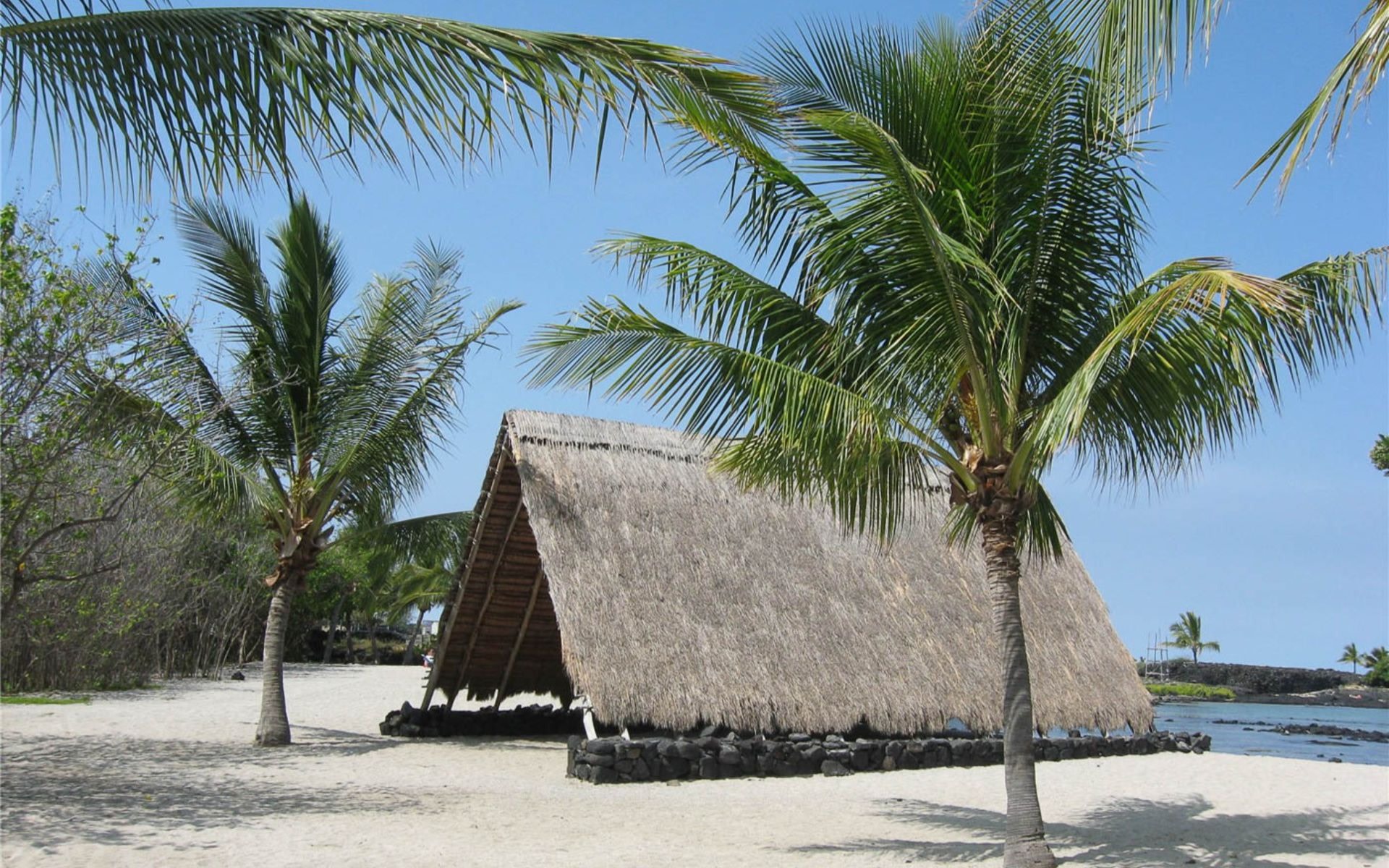
Next, we will venture further down the coast to Puʻuhonua o Hōnaunau National Historical Park, also known as the City of Refuge. This historical sanctuary served as a place of refuge for ancient Hawaiians, where those who had violated kapu (sacred laws) could seek absolution and safety. Delve into the spiritual significance of the hallowed grounds, where intricate temples and ancient fishponds bear witness to the rich cultural tapestry of Hawaii. Explore the Great Wall that delineated the sanctuary, and ancient heiaus (Hawaiian temples) steeped in history. Pu’uhonua o Honaunau offers a serene and educational experience, allowing you to connect with the traditions and spirituality of Hawaii’s past within a breathtaking coastal setting.
4
Stop 4
From the City of Refuge, continue up the road to St. Benedict’s Catholic Church also known as the Painted Church. Between 1899 to 1904, Father John Velghe painted these intricate frescos using simple local materials to depict biblical scenes and Hawaiian history. Marvel at the intricate fusion of European religious artistry and indigenous cultural expressions. As you step into this historical gem, experience a journey through time, appreciating the cultural significance and artistic craftsmanship that define the Painted Church.
5
Stop 5
Take a short stop at the base of Kealakekua Bay and hear this history of the Captain James Cook who died here in 1779.
Available languages
Guide guide
EN
Written guide
EN
Important information
Infants and small children can ride in a pram or stroller
Public transportation options are available nearby
Suitable for all physical fitness levels
About Big Island of Hawaii
The Big Island of Hawaii is the largest and youngest of the Hawaiian Islands, known for its diverse landscapes, including snow-capped mountains, active volcanoes, and lush rainforests. It offers a unique blend of adventure, relaxation, and cultural experiences.
Top Attractions
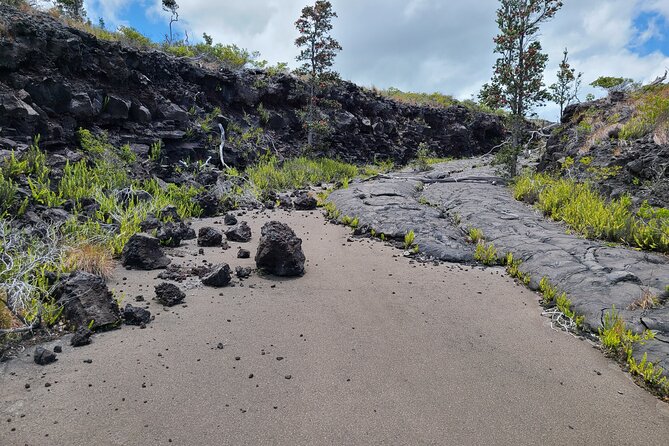
Hawaii Volcanoes National Park
This national park is home to two active volcanoes, Kilauea and Mauna Loa. It offers hiking trails, scenic drives, and the opportunity to witness volcanic activity up close.
Nature/Adventure
Full day
Moderate ($30 per vehicle)
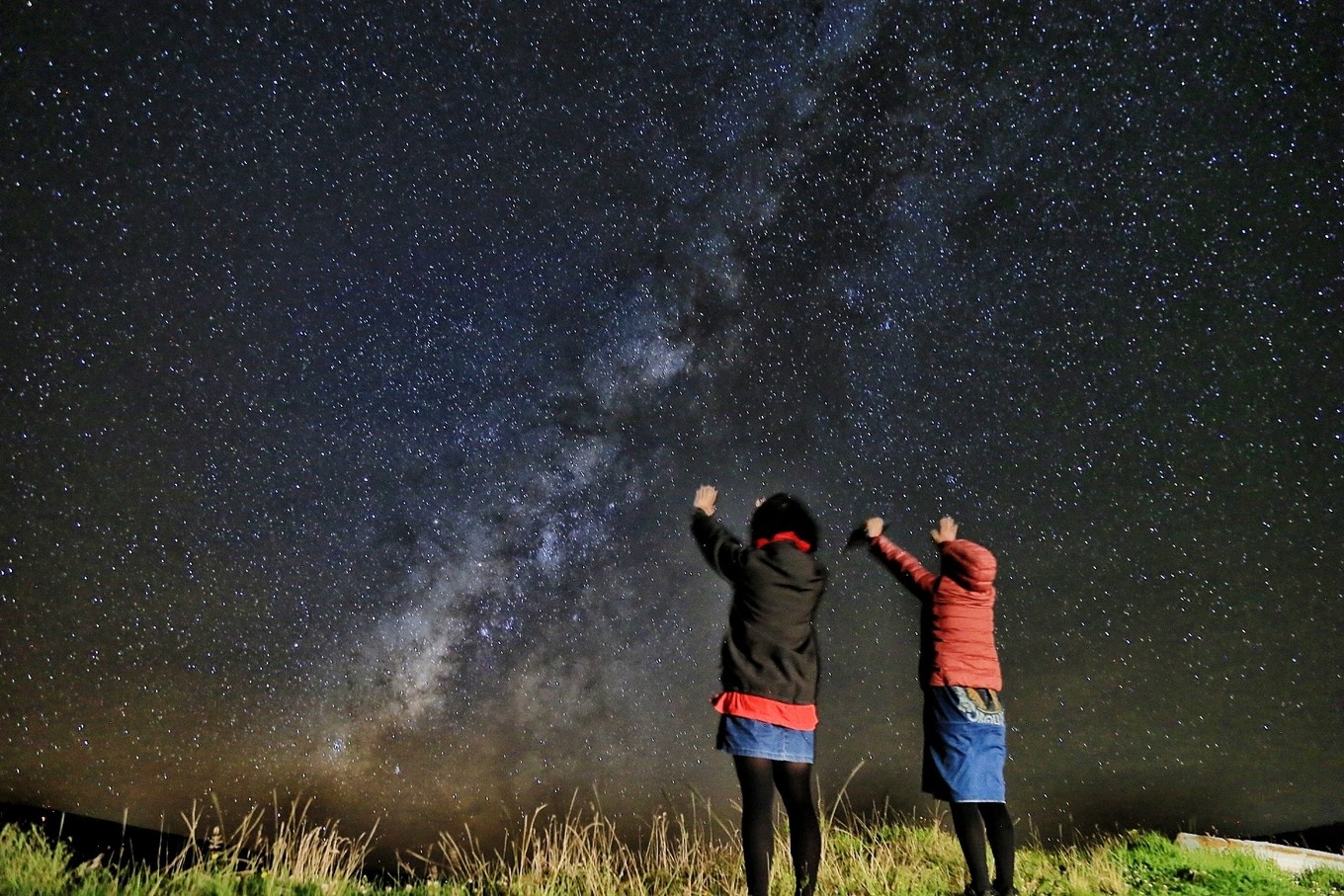
Mauna Kea Summit
Mauna Kea is the highest point in Hawaii and offers stunning views, stargazing opportunities, and a unique alpine environment.
Nature/Adventure
Half day to full day
Free (but requires acclimatization)
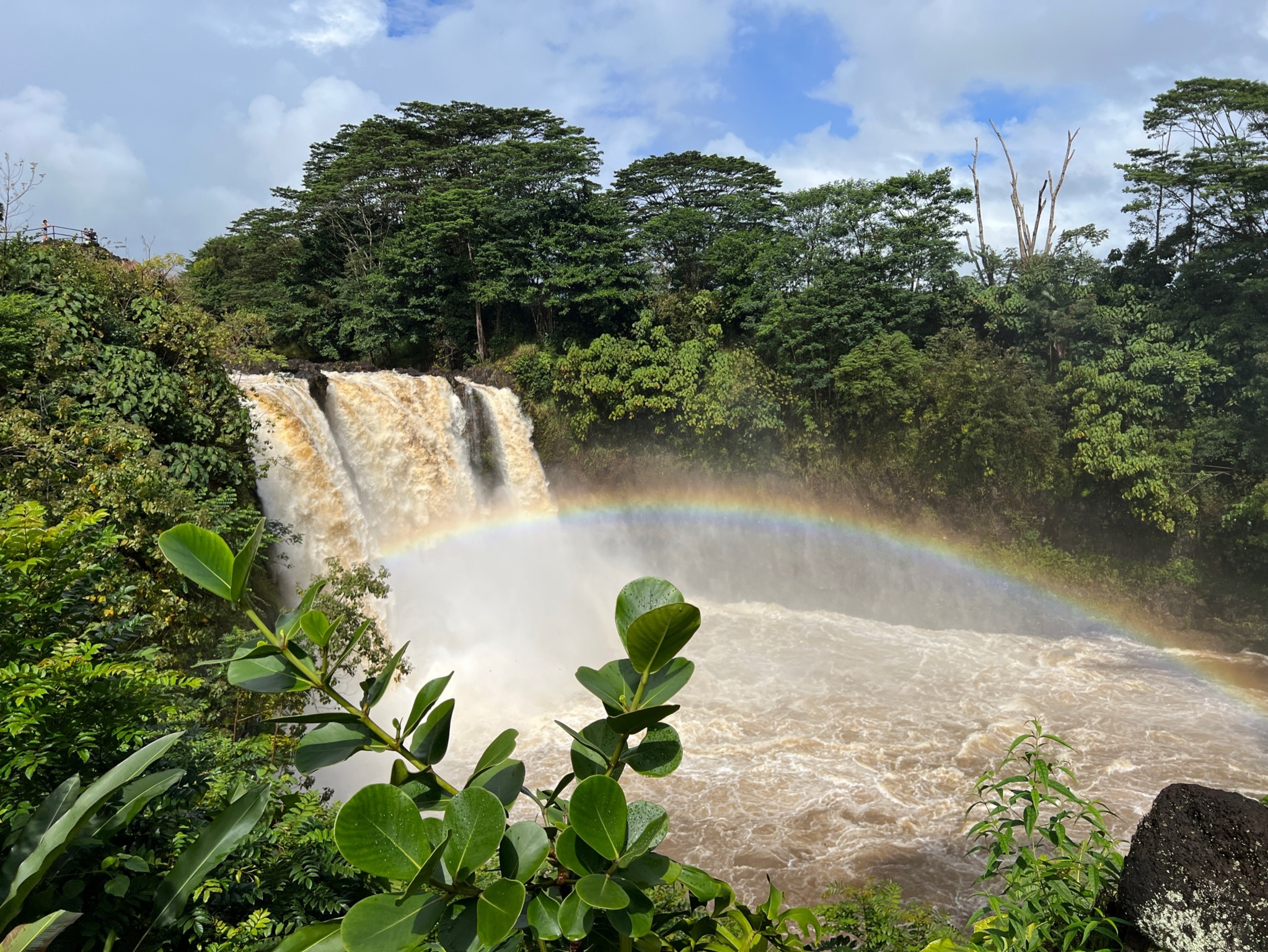
Waipio Valley
Waipio Valley is a lush, scenic valley known for its taro farms, waterfalls, and black sand beach. It is also a significant cultural site for Native Hawaiians.
Nature/Cultural
Half day
Free (but parking fee applies)
Hapuna Beach State Park
Hapuna Beach is one of the largest white sand beaches on the Big Island, offering swimming, snorkeling, and sunbathing opportunities.
Beach
Half day
Free (but parking fee applies)
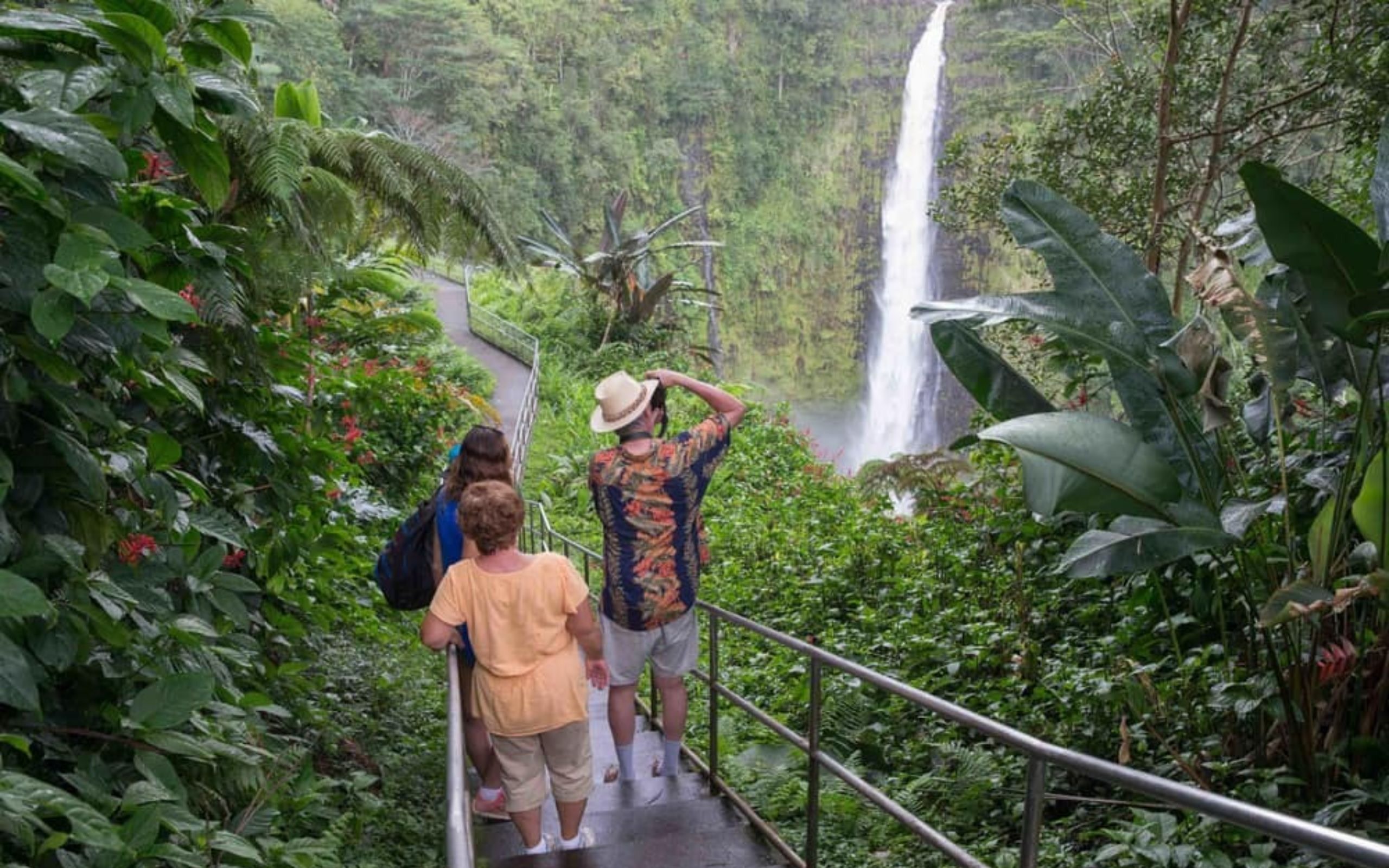
Akaka Falls State Park
Akaka Falls is a stunning 442-foot waterfall surrounded by lush tropical vegetation. The park offers a scenic loop trail leading to the falls.
Nature
1-2 hours
Moderate ($5 per person)
Must-Try Local Dishes
Poke
A raw fish salad marinated in soy sauce, sesame oil, and green onions, often served with rice.
Appetizer
Contains fish, can be made with various types of seafood
Loco Moco
A hearty dish consisting of white rice topped with a hamburger patty, a fried egg, and brown gravy.
Main Course
Contains beef, eggs, and gluten (from the gravy)
Shave Ice
Finely shaved ice flavored with syrups and often topped with sweetened condensed milk or ice cream.
Dessert
Vegetarian, can be made with various toppings
Kona Coffee
A premium coffee grown in the Kona region, known for its rich and smooth flavor.
Drink
Caffeinated, can be decaffeinated
Popular Activities
Hiking
Volcano exploration
Water sports
Beach lounging
Spa treatments
Scenic drives
Traditional Hawaiian luaus
Local markets
Best Time to Visit
April to June, September to October
This is the best time to visit the Big Island, with pleasant weather and fewer tourists. The ocean is warm, and the weather is generally dry and sunny.
21-30°C
70-86°F
Practical Information
Language
- Official: English
- Widely spoken: Hawaiian, Japanese, Tagalog
- English: Widely spoken
Currency
US Dollar (USD)
Time Zone
Hawaii-Aleutian Standard Time (HST, GMT-10:00)
Electricity
120VV, 60HzHz
Safety Information
Overall Safety Rating: Generally safe
The Big Island is generally safe for travelers, with low crime rates and a welcoming atmosphere. However, visitors should be aware of natural hazards such as volcanic activity and ocean conditions.
Important Precautions:
- • Rent a car with full insurance coverage
- • Be cautious when purchasing souvenirs and tours, and research options in advance
- • Be aware of ocean conditions and currents when swimming and snorkeling
Getting there
By air
- Kona International Airport • 20 km from Kona
- Hilo International Airport • 10 km from Hilo
By bus
Hilo, Kona
Getting around
Public transport
The Hele-On Bus is the public bus system on the Big Island. It is affordable but has limited routes and schedules.
Taxis
Available • Apps: Uber, Lyft
Rentals
Car, Bike, Scooter
Neighborhoods
Kona
Hilo
Waimea
Day trips
Mauna Kea Summit
30 km from Waimea • Half day to full day
Mauna Kea is the highest point in Hawaii and offers stunning views, stargazing opportunities, and a unique alpine environment.
Waipio Valley
60 km from Hilo • Half day
Waipio Valley is a lush, scenic valley known for its taro farms, waterfalls, and black sand beach. It is also a significant cultural site for Native Hawaiians.
Hapuna Beach State Park
30 km from Waimea • Half day
Hapuna Beach is one of the largest white sand beaches on the Big Island, offering swimming, snorkeling, and sunbathing opportunities.
Festivals
Merrie Monarch Festival • April
Kona Coffee Cultural Festival • November
Ironman World Championship • October
Pro tips
- Rent a car to explore the island at your own pace and access remote areas
- Visit Hawaii Volcanoes National Park early in the day to avoid crowds and see the best views
- Pack layers, as temperatures can vary significantly depending on the elevation and location
- Try local dishes like poke, loco moco, and shave ice for an authentic taste of the Big Island
- Respect the environment and local culture, and follow guidelines for visiting protected areas and sacred sites
From $25
per person
Price varies by option
Secure booking
Free cancellation available
Instant confirmation