Private Guided Kilauea Volcano Tour
Active
6h
For a full refund, cancel at least 24 hours before the scheduled departure time.
Instant confirmation
Mobile or paper ticket accepted
About this experience
Have your own vehicle or prefer to drive yourself? We can meet you at the Hawaii Volcanoes National Park! A UNESCO World Heritage Site and an International Biosphere Reserve, Hawai’i Volcanoes National Park is a must see while on the Big Island!
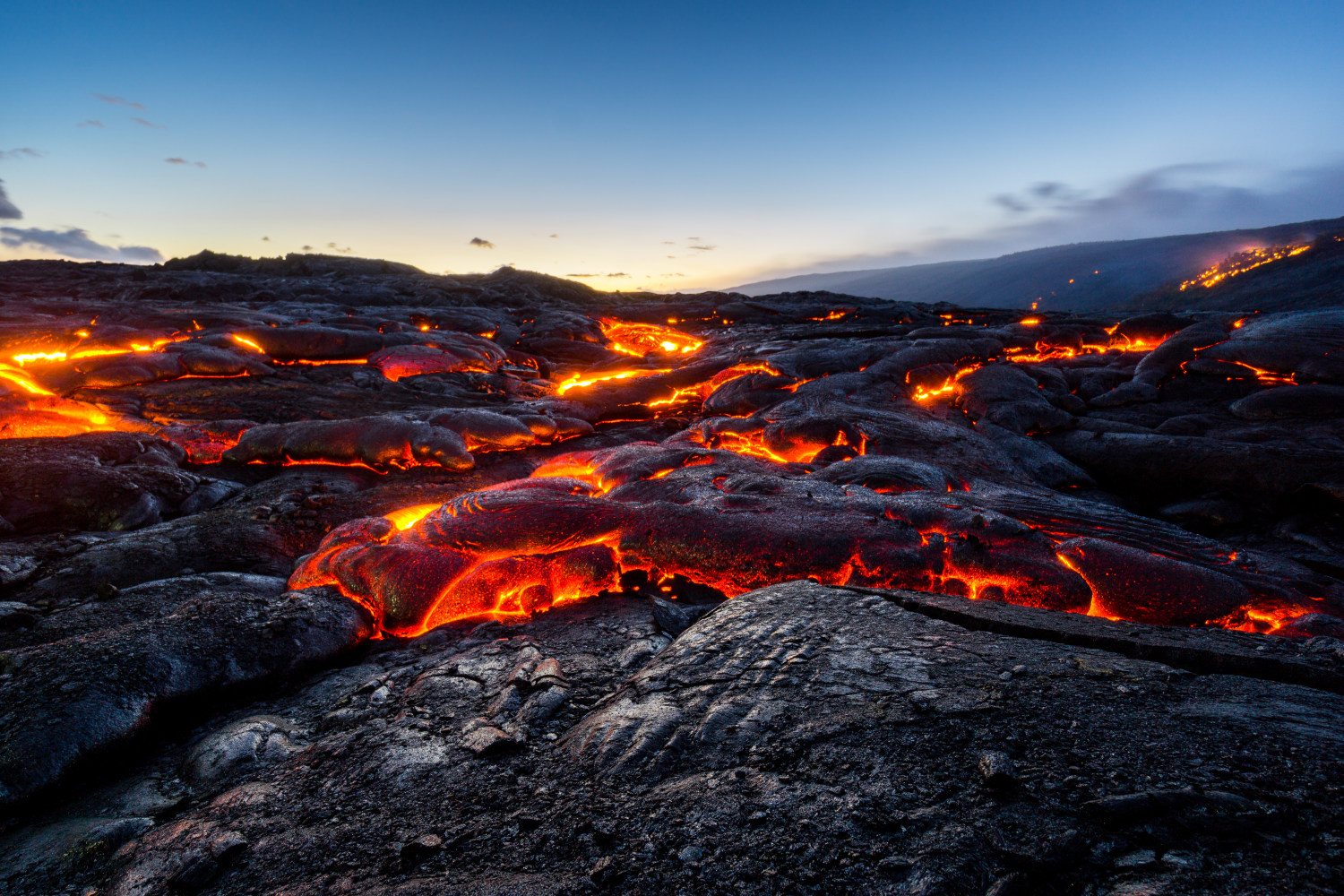
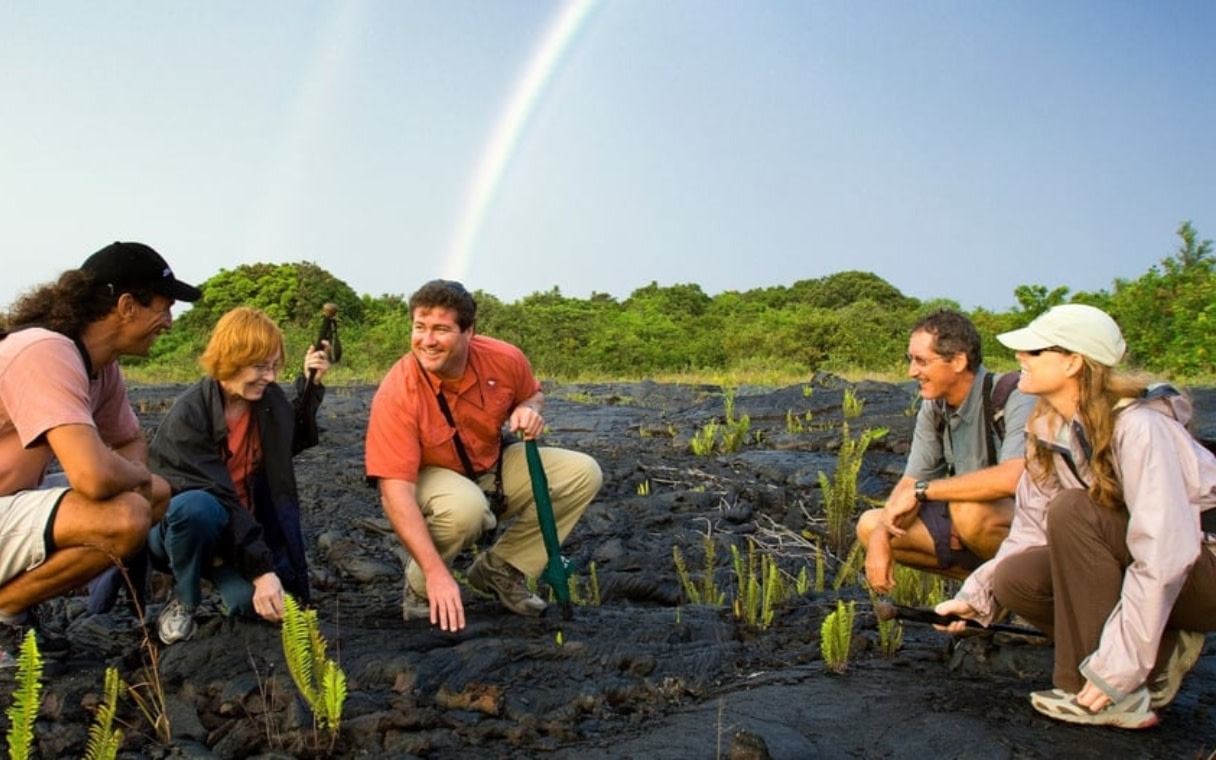
The park is home to critically endangered wildlife, two of the world’s most active volcanoes, and some of the most unique geological, biological and cultural landscapes on earth! Encompassing over 335,000 acres, Volcanoes National Park has a vast amount of land to be explored and it can be quite intimidating to do on your own. Our expert naturalists can create a customized itinerary tailored to your preferences ensuring you fully maximize your time in the Park.
Additionally, you’ll receive detailed insights into the various volcanic features, enriching your understanding of the remarkable landscapes you’ll be exploring!
Available options
5 Guests
5 Guests
7 Guests
7 Guests
4 Guests
4 Guests
Private Guided Kilauea Volcano Tour
6 Guests
6 Guests
3 Guests
3 Guests
What's included
Private transportation
trail mix, fruit snacks, granola bars, beef jerky, chips, chocolate
Picnic style lunch surrounded by the beauty of Hawai'i Volcanoes National Park.
All non-alcoholic beverages: water, juice, soda, hot tea, coffee and hot chocolate
Complementary Photo package: 20-25 professional, edited photos shared via Adobe Cloud.
Patagonia rain jacket and Nano puff, Nikon ProStaff binoculars, hiking poles, flashlights/headlamps, umbrellas
Detailed itinerary
1
Stop 1
After meeting, get outfitted with our provided top-of-line gear and we will set off for a great day of exploration! Our first stop will be standing at the edge very top of Halema’uma’u crater at Kilauea volcano! Kilauea is the world’s active volcano and one of two volcanoes that make up Volcanoes National Park. Your guide will explain to you about vast changes that have happened here over the years to make up what we currently see today.
2
After, we will continue down the Crater Rim Road to the Wahinekapu steaming bluffs. Here, rainwater seeps through deep cracks in the ground then rises to surface as water vapor. You can stand right in front of the hot steam coming back out of the cracks at the surface of the ground and feel it for yourself!
3
Stop 3
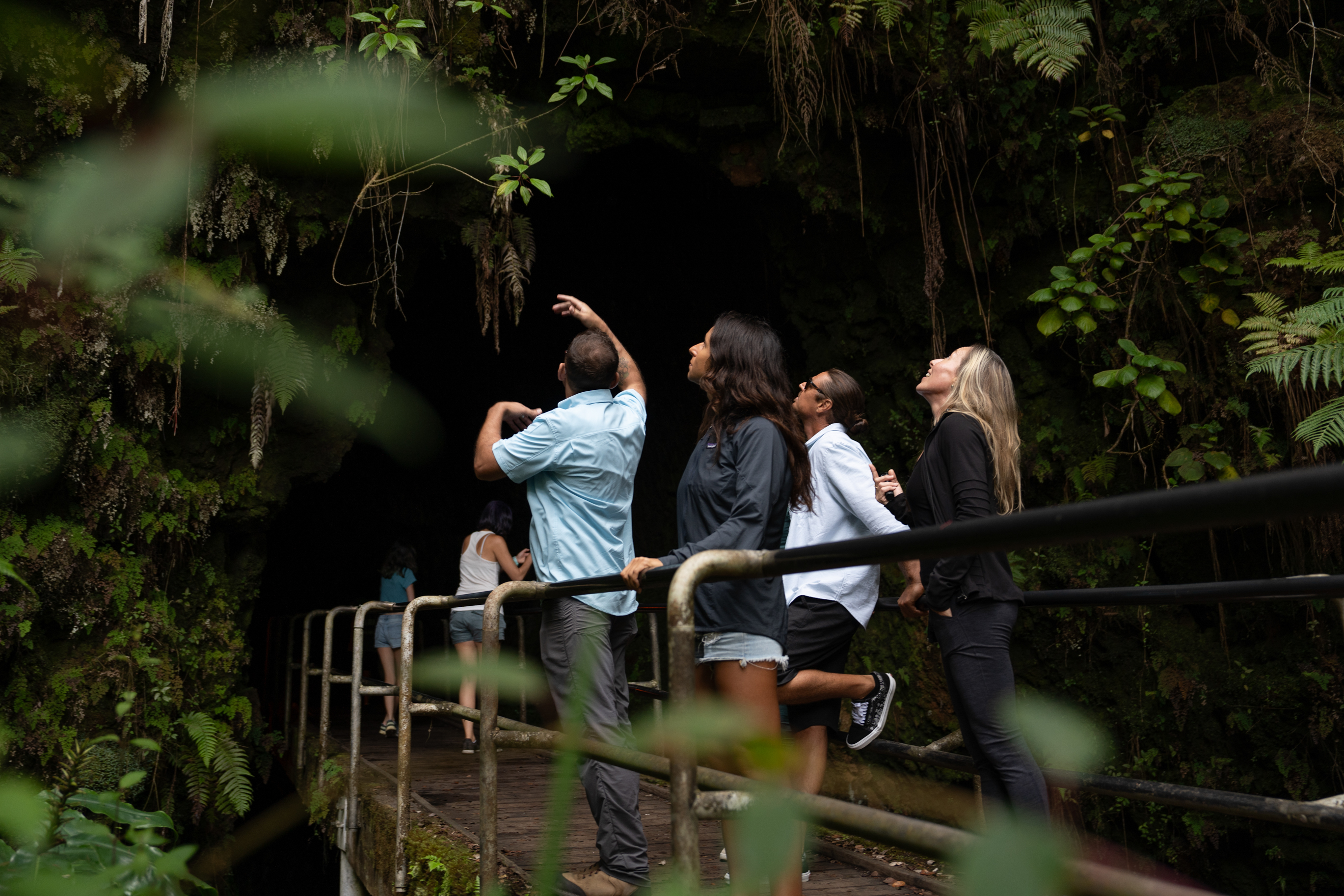
Next, we will continue our journey around Crater Rim Road to the Nahuku, or Thurston, lava tube. Take a guided walk on this short loop trail through the native Ohia forests and the 600ft long lava tube. The Nahuku lava tube is over 500 years old and over 25ft in diameter in some places! Learn about the endemic plants the inhabit the surrounding forest and how they have adapted to live in these volcanic environments.
4
Stop 4
Following these stops, we will continue our exploration of Hawai’i Volcanoes National Park by venturing further into the Park down Chain of Craters road. This 22 mile stretch of road traverses through a variety of different landscapes from the dense Ohia forest to the dry coastal plains where land meets the ocean. Stop at various craters, historical lava flows, and eruption sites, including Maunaulu & Pauahi, as we descend down towards the ocean. Where the road ends, take a short guided walk along the coastal bluffs to observe the Holei sea arch.
5
The site of a 1979 eruption and one of the more impressive pit craters along the road. Stop and see Maunaulu in the distance and listen to the native birds that frequent this area.
6
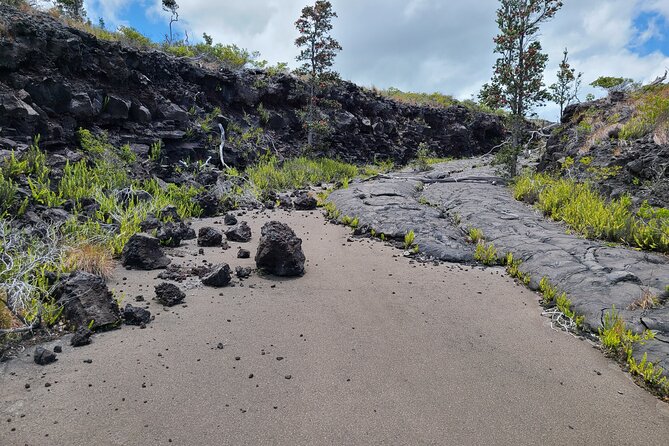
Explore the eruptive site of Maunaulu and its 1969-1974 eruption. See many volcanic features including eruptive vents, fissures, lava trees, tree molds, and fascinating colors.
7
The view point offers 180 degree views of the Southern coastline. We will also explore some of the lava features in this area including an old lava river channel.
8
See natures forces at work where water and land meet. Take a short walk out to see the Holei sea arch.
9
Stop 9
Visit the historic 1959 eruption. Walk the trail along Pu'u Pua'i and learn about why this is called the Devastation Trail.
10
Stop 10
We will start this tour at the Hawai'i Volcanoes National Park visitor center. The center itself has many great interpretive displays and awesome Park souvenirs.
Available languages
Guide guide
EN
Written guide
EN
Reviews breakdown
Tripadvisor
5.0
1 reviews
5★
1
4★
0
3★
0
2★
0
1★
0
Important information
Infants and small children can ride in a pram or stroller
Public transportation options are available nearby
Not recommended for travelers with poor cardiovascular health
Travelers should have at least a moderate level of physical fitness
Strollers can be accommodated but a car seat must be provided if needed.
We can accommodate wheelchairs on this tour as long as they are collapsible and guest can enter vehicle on their own.
Tours can be adapted to accommodate all ages and abilities. Please let us know at the time of booking if you have specific needs. Assuming no modifications to this tour, guests should be able to walk at least 1-2 miles with some steps included. Guests must be able to walk on uneven or rocky terrain and we may encounter cool, wet, or muddy conditions.
Meeting point
We will meet you inside Hawai'i Volcanoes National Park at the visitor center's parking lot grassy area.
About Big Island of Hawaii
The Big Island of Hawaii is the largest and youngest of the Hawaiian Islands, known for its diverse landscapes, including snow-capped mountains, active volcanoes, and lush rainforests. It offers a unique blend of adventure, relaxation, and cultural experiences.
Top Attractions
Hawaii Volcanoes National Park
This national park is home to two active volcanoes, Kilauea and Mauna Loa. It offers hiking trails, scenic drives, and the opportunity to witness volcanic activity up close.
Nature/Adventure
Full day
Moderate ($30 per vehicle)
Mauna Kea Summit
Mauna Kea is the highest point in Hawaii and offers stunning views, stargazing opportunities, and a unique alpine environment.
Nature/Adventure
Half day to full day
Free (but requires acclimatization)
Waipio Valley
Waipio Valley is a lush, scenic valley known for its taro farms, waterfalls, and black sand beach. It is also a significant cultural site for Native Hawaiians.
Nature/Cultural
Half day
Free (but parking fee applies)
Hapuna Beach State Park
Hapuna Beach is one of the largest white sand beaches on the Big Island, offering swimming, snorkeling, and sunbathing opportunities.
Beach
Half day
Free (but parking fee applies)
Akaka Falls State Park
Akaka Falls is a stunning 442-foot waterfall surrounded by lush tropical vegetation. The park offers a scenic loop trail leading to the falls.
Nature
1-2 hours
Moderate ($5 per person)
Must-Try Local Dishes
Poke
A raw fish salad marinated in soy sauce, sesame oil, and green onions, often served with rice.
Appetizer
Contains fish, can be made with various types of seafood
Loco Moco
A hearty dish consisting of white rice topped with a hamburger patty, a fried egg, and brown gravy.
Main Course
Contains beef, eggs, and gluten (from the gravy)
Shave Ice
Finely shaved ice flavored with syrups and often topped with sweetened condensed milk or ice cream.
Dessert
Vegetarian, can be made with various toppings
Kona Coffee
A premium coffee grown in the Kona region, known for its rich and smooth flavor.
Drink
Caffeinated, can be decaffeinated
Popular Activities
Hiking
Volcano exploration
Water sports
Beach lounging
Spa treatments
Scenic drives
Traditional Hawaiian luaus
Local markets
Best Time to Visit
April to June, September to October
This is the best time to visit the Big Island, with pleasant weather and fewer tourists. The ocean is warm, and the weather is generally dry and sunny.
21-30°C
70-86°F
Practical Information
Language
- Official: English
- Widely spoken: Hawaiian, Japanese, Tagalog
- English: Widely spoken
Currency
US Dollar (USD)
Time Zone
Hawaii-Aleutian Standard Time (HST, GMT-10:00)
Electricity
120VV, 60HzHz
Safety Information
Overall Safety Rating: Generally safe
The Big Island is generally safe for travelers, with low crime rates and a welcoming atmosphere. However, visitors should be aware of natural hazards such as volcanic activity and ocean conditions.
Important Precautions:
- • Rent a car with full insurance coverage
- • Be cautious when purchasing souvenirs and tours, and research options in advance
- • Be aware of ocean conditions and currents when swimming and snorkeling
Getting there
By air
- Kona International Airport • 20 km from Kona
- Hilo International Airport • 10 km from Hilo
By bus
Hilo, Kona
Getting around
Public transport
The Hele-On Bus is the public bus system on the Big Island. It is affordable but has limited routes and schedules.
Taxis
Available • Apps: Uber, Lyft
Rentals
Car, Bike, Scooter
Neighborhoods
Kona
Hilo
Waimea
Day trips
Mauna Kea Summit
30 km from Waimea • Half day to full day
Mauna Kea is the highest point in Hawaii and offers stunning views, stargazing opportunities, and a unique alpine environment.
Waipio Valley
60 km from Hilo • Half day
Waipio Valley is a lush, scenic valley known for its taro farms, waterfalls, and black sand beach. It is also a significant cultural site for Native Hawaiians.
Hapuna Beach State Park
30 km from Waimea • Half day
Hapuna Beach is one of the largest white sand beaches on the Big Island, offering swimming, snorkeling, and sunbathing opportunities.
Festivals
Merrie Monarch Festival • April
Kona Coffee Cultural Festival • November
Ironman World Championship • October
Pro tips
- Rent a car to explore the island at your own pace and access remote areas
- Visit Hawaii Volcanoes National Park early in the day to avoid crowds and see the best views
- Pack layers, as temperatures can vary significantly depending on the elevation and location
- Try local dishes like poke, loco moco, and shave ice for an authentic taste of the Big Island
- Respect the environment and local culture, and follow guidelines for visiting protected areas and sacred sites
From $25
per person
Price varies by option
Secure booking
Free cancellation available
Instant confirmation