Jewish Heritage & Monuments at Thessaloniki
Active
5h - 6h
For a full refund, cancel at least 24 hours before the scheduled departure time.
Instant confirmation
Mobile or paper ticket accepted
About this experience
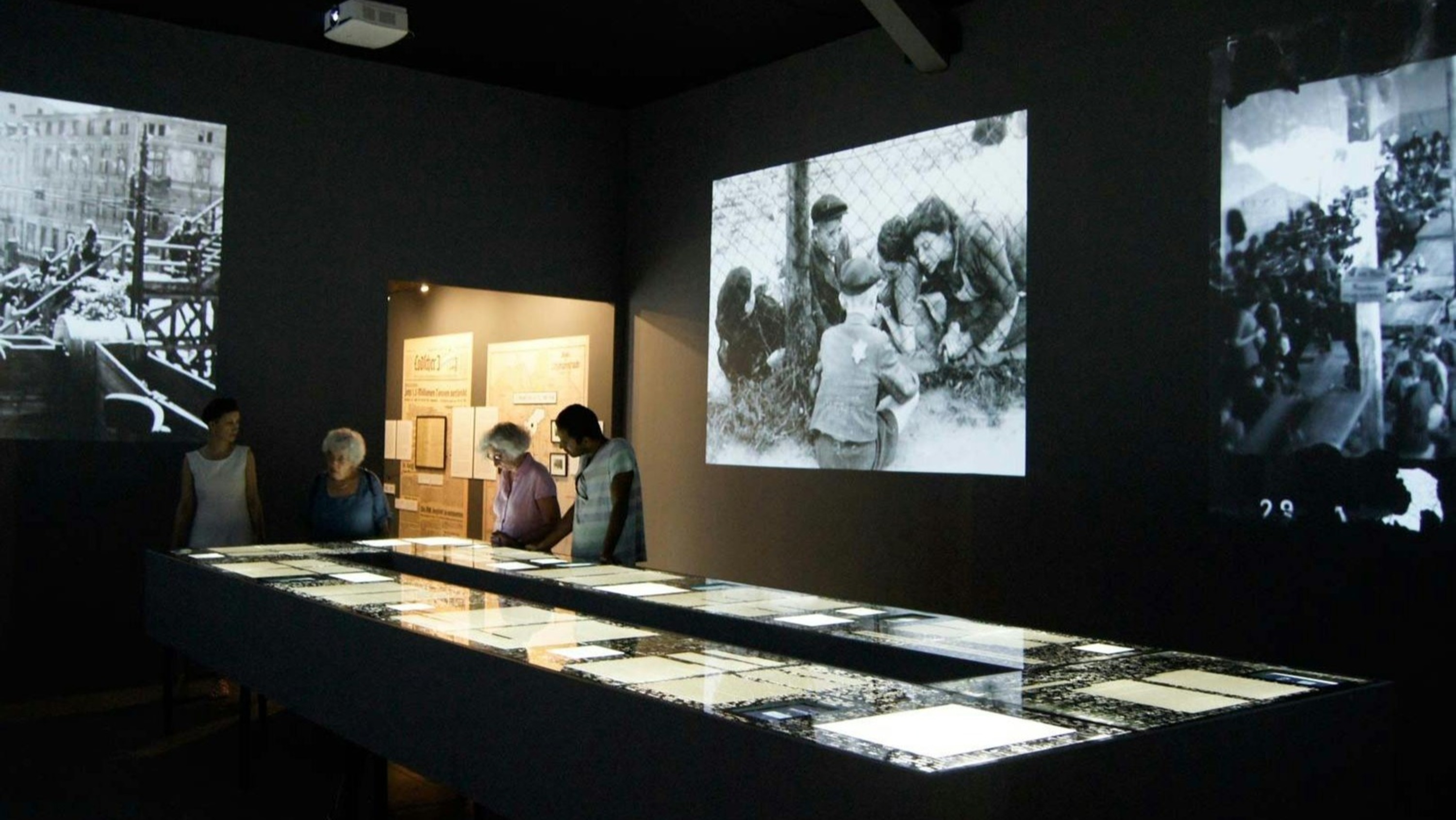
Thessaloniki, with its deep Jewish history, is home to several significant Jewish heritage sites. The Jewish Museum of Thessaloniki offers a comprehensive look at the city's Jewish history, showcasing artifacts, documents, and photographs that tell the story of the community before and after the Holocaust. The Monument to the Jewish Martyrs stands as a somber reminder of the lives lost during World War II. The 16th-century Monastirioton Synagogue is one of the oldest, and the Etz Hayyim Synagogue, still in use today, symbolizes Jewish resilience. The city's Jewish cemeteries, especially the modern Jewish cemetery, offer a peaceful reflection on the community’s legacy. After visiting these landmarks, enjoy a traditional Jewish meal at local eateries, where you can savor dishes such as "bourekia" (stuffed pastries), "kavourmas" (spiced pork), or "borek" (savory pastries), giving you a taste of the city’s multicultural history.
Available options
Jewish Heritage & Monuments
Minivan: Jewish Heritage & Monuments in Thessaloniki.
Up to 7 passengers (8 on request) with a Minivan.<br/>Pickup included
Jewish Heritage Thessaloniki
Taxi or Sedan: Jewish Heritage & Monuments in Thessaloniki.
Up to 3 passengers with a Taxi or Sedan.<br/>Pickup included
What's included
Price IS for 1 Tour and up to 3 pax. with TAXI or Sedan & up to 7 pax. (8 on request) with a MINIVAN
Transportation from and to the cruise terminal of Thessaloniki port
Transportation from and to your central hotel in Thessaloniki
Professional English-speaking driver. Gives information & tips but does not come in the sites
Private tour (your party only), Air condition, Wi-Fi in vehicle, fuel surcharge and tolls
Detailed itinerary
1
The Thessaloniki Holocaust Memorial honors the 50,000 Jewish residents of the city who perished in Nazi concentration camps during World War II. Located in Eleftherias Square, the monument features a poignant sculpture symbolizing suffering and resilience. Thessaloniki once had a flourishing Sephardic Jewish community, making this memorial a vital tribute to its history. It serves as a reminder of the atrocities of the Holocaust and a place for reflection, ensuring that the memory of the victims lives on.
2
The Synagogue of the Monasteries (Synagoge Yad Lezikaron) is the oldest surviving synagogue in Thessaloniki, built in 1927 by Jews from Monastir (Bitola, North Macedonia). It miraculously survived the Nazi occupation and was later restored as a place of worship and remembrance. Located in the city center, it features traditional Sephardic architecture and serves as a significant site for Thessaloniki’s Jewish heritage. Today, it hosts religious ceremonies and commemorations, preserving the rich history of the once-thriving Jewish community.
3
The Yad Lezikaron Synagogue in Thessaloniki was built in 1984 as a memorial to the Holocaust victims of the city’s once-thriving Jewish community. Located in the city center, it serves as an important religious and cultural site, hosting services and commemorative events. The synagogue's name, meaning "Memorial to Remembrance," reflects its role in preserving Jewish heritage. It stands as a symbol of resilience, honoring the memory of the tens of thousands of Thessaloniki Jews who perished during World War II.
4
The Jewish Museum of Thessaloniki preserves the rich history of the city's once-flourishing Sephardic Jewish community, which was nearly wiped out during the Holocaust. Housed in a historic 1904 building, the museum displays photographs, artifacts, religious items, and documents that showcase Jewish life, culture, and contributions to the city. A moving Holocaust memorial section honors the 50,000 Jews deported to Auschwitz. The museum serves as a vital reminder of Thessaloniki’s Jewish heritage and its lasting influence on the city’s identity.
5
Stoa Saoul is a historic arcade in Thessaloniki, reflecting the city's rich multicultural past. Built in the early 20th century, it was once part of the Jewish commercial district, housing shops and workshops. Today, it retains its architectural charm, featuring arched passageways and a unique ambiance. Located near the city center, Stoa Saoul is a hidden gem, offering a glimpse into Thessaloniki’s past while hosting modern cafes, art spaces, and small businesses, blending history with contemporary urban life.
6
Modiano Market is one of Thessaloniki’s most famous and historic markets, built in the 1920s by architect Eli Modiano. Located in the city center, it features a covered arcade filled with fresh produce, spices, seafood, meats, and traditional delicacies. A vibrant hub of daily life, it reflects the city’s multicultural heritage. Recently renovated, Modiano Market now blends its historic charm with modern eateries, cafes, and specialty shops, making it a must-visit destination for both locals and visitors seeking authentic flavors.
7
Villa Modiano is a historic mansion in Thessaloniki, built in the early 20th century by the renowned architect Eli Modiano for his family. Featuring neoclassical and eclectic architectural elements, it reflects the city's cosmopolitan past. The villa was later used for various purposes, including housing institutions and cultural events. Today, it stands as a reminder of Thessaloniki’s Jewish heritage and architectural elegance, offering a glimpse into the affluent lifestyle of the city’s influential Jewish community during that era.
8
Casa Bianca is a stunning early 20th-century mansion in Thessaloniki, built in 1912 by Italian architect Pierro Arrigoni for the wealthy Jewish-Italian businessman Dino Fernandez-Diaz. Showcasing Art Nouveau and eclectic architectural influences, it served as a family residence before becoming a cultural landmark. During World War II, it was seized by the Nazis. Today, Casa Bianca is a municipal art gallery, offering exhibitions and preserving the rich multicultural heritage of Thessaloniki’s past.
9
Villa Allatini is a historic mansion in Thessaloniki, built in 1898 by the Italian architect Vitaliano Poselli for the wealthy Allatini family. This elegant neo-Renaissance villa later served as the residence of Sultan Abdul Hamid II during his exile. Over the years, it housed various institutions, including a university and government offices. Today, it stands as a symbol of Thessaloniki’s multicultural past, reflecting the city’s Jewish, Ottoman, and European influences in its architecture and historical significance.
10
Allatini Mills is one of Thessaloniki’s most significant industrial landmarks, founded in the 19th century by the Allatini family. Once a major flour production facility, it played a key role in the city’s economic growth. The impressive red-brick complex reflects Thessaloniki’s industrial heritage and architectural evolution. Although no longer operational, the site remains a historic symbol, with plans for restoration and repurposing. It stands as a reminder of the city's rich Jewish, Ottoman, and European influences.
What's not included
Food and drinks
Professional guides within the respective sites (available to hire for an additional fee)
Admission fees (In some stops we might NOT be informed)
Available languages
Guide guide
EN
Important information
Infants and small children can ride in a pram or stroller
Service animals allowed
Specialized infant seats are available
Suitable for all physical fitness levels
Children under 18 must be accompanied by an adult
All prices are for 1 Tour and for 1 to 3 passengers Taxi or Sedan & up to 7 passengers (8 on request) with a MINIVAN
You must be able to walk on unpaved or uneven terrain, otherwise the driver will do their best for you to see most of the sites
Departure time is between 7:30am-09:30am, based on your preference!
Duration: 5-6 hours
Our drivers are professional, friendly and knowledgeable. Their priority is your satisfaction and safety. All our drivers speak English and are ready to help and to provide tips! But does not come in the sites
Our cars are well-maintained, clean, and have free Wi-Fi. Baby chairs and most phone chargers are available on request, at no additional charge
Please keep in mind that some sites do not allow entrance and they are only for pictures from the outside and some allow visit specific day and time
Important notes
• Children under 18 must be accompanied by an adult
• All prices are for 1 Tour and for 1 to 3 passengers Taxi or Sedan & up to 7 passengers (8 on request) with a MINIVAN.
• You must be able to walk on unpaved or uneven terrain, otherwise the driver will do their best for you to see most of the sites
• Departure time is between 6:00am-09:30am, based on your preference!
• Duration: 6 hours
• Our drivers are professional, friendly and knowledgeable. Their priority is your satisfaction and safety. All our drivers speak English and are ready to help and to provide tips! But does not come in the sites
• Our cars are well-maintained, clean, and have free Wi-Fi. Baby chairs and most phone chargers are available on request, at no additional charge
About Thessaloniki
Thessaloniki is Greece's second-largest city and a vibrant cultural hub with a rich history dating back to ancient times. Known for its Byzantine monuments, Ottoman architecture, and lively food scene, it offers a unique blend of old and new.
Top Attractions
White Tower
The iconic White Tower is a symbol of Thessaloniki and offers panoramic views of the city and the Thermaic Gulf.
Historical
1-2 hours
€8
Rotunda
A historic monument that has served as a Roman temple, church, and mosque. It is now a museum.
Historical
1 hour
€4
Aristotelous Square
A beautiful square by the sea, lined with cafes and restaurants, and a popular spot for both locals and tourists.
Landmark
1-2 hours
Free
Church of Saint Demetrios
A significant Byzantine church dedicated to the city's patron saint, Saint Demetrios.
Religious
1 hour
Free
Waterfront Promenade
A scenic promenade along the Thermaic Gulf, perfect for walking, cycling, or enjoying a meal with a view.
Nature
1-2 hours
Free
Must-Try Local Dishes
Bougatsa
A sweet or savory pie filled with custard or cheese, often served for breakfast.
Breakfast
Vegetarian options available
Souvlaki
Grilled meat skewers, often served with pita bread and tzatziki sauce.
Lunch/Dinner
Can be made with chicken, pork, or lamb
Greek Salad
A fresh salad made with tomatoes, cucumbers, onions, olives, and feta cheese.
Lunch/Dinner
Vegetarian
Popular Activities
Hiking in Mount Olympus
Water sports in Chalkidiki
Sunbathing at the beaches
Enjoying a meal at a waterfront restaurant
Visiting museums and historical sites
Attending local festivals and events
Swimming
Boat tours
Best Time to Visit
May to September
This is the best time to visit Thessaloniki for warm weather and outdoor activities. The city is lively with festivals and events.
20°C to 35°C
68°F to 95°F
Practical Information
Language
- Official: Greek
- Widely spoken: English, French
- English: Moderately spoken
Currency
Euro (EUR)
Time Zone
EET (UTC+2)
Electricity
230VV, 50HzHz
Safety Information
Overall Safety Rating: Generally safe
Thessaloniki is generally safe for tourists, but petty crime such as pickpocketing can occur in crowded areas.
Important Precautions:
- • Be cautious of pickpockets in crowded areas
- • Use licensed taxis or ride-sharing apps
- • Keep valuables secure and out of sight
Getting there
By air
- Macedonia International Airport • 13 km from the city center
By train
Thessaloniki Railway Station
By bus
Thessaloniki Central Bus Station (KTEL)
Getting around
Public transport
The bus network covers most of the city and is affordable. Buses are the most common form of public transport.
Taxis
Available • Apps: Beat, Taxibeat
Rentals
Car, Bike, Scooter
Neighborhoods
Ladadika
Ano Poli
Modiano Market
Day trips
Mount Olympus
100 km • Full day
The highest mountain in Greece, known for its mythological significance and stunning views.
Vergina
70 km • Half day
An ancient city known for its archaeological sites, including the royal tombs of the Macedonian kings.
Chalkidiki
100 km • Full day or overnight
A beautiful peninsula with stunning beaches, clear waters, and picturesque villages.
Festivals
International Thessaloniki Film Festival • November
Dionysia Festival • October
Pro tips
- Visit the White Tower at sunset for the best views
- Try the local delicacy, bougatsa, at a historic cafe
- Explore the city's vibrant nightlife in the Ladadika district
- Take a day trip to the beautiful beaches of Chalkidiki
- Use the city's extensive bus network to get around
From $25
per person
Price varies by option
Secure booking
Free cancellation available
Instant confirmation