Bath Self-Guided Private Tour
Active
2h - 3h
All sales are final. No refund is available for cancellations.
Instant confirmation
Mobile or paper ticket accepted
About this experience
See the best of the City of Bath, learn all about its history—and explore totally independently, without worries of crowds or time wasting—on this private, self-led audio tour. The creator of this amazing experience is Helen, who will be your audio guide and "virtual" companion during the whole experience.
Upon booking, download the app to your smartphone and use when, and as often, as you’d like, for up to three weeks. You’ll see neighbourhoods and landmarks like The Roman Baths, Bath Abbey, Pulteney Bridge, Parade Gardens, The Circus, Theatre Royal and much more, and will learn behind-the-scenes stories from the audio narration of a Local Expert.
Please note: when booking, you will get a separate email with instructions on how to download our app and redeem your unique code (this code is different from your booking reference number!).
Available options
Bath Self-Guided Private Tour
What's included
An email with instructions to activate the tour (booking reference isn't the code!)
Audio guide, videos, pictures, recommendations and all the info you need
3 weeks unlimited access to this Self-Guided Tour on the app
Helen will guide you through an audio guide (no computer-generated voice!)
Map, directions, GPS route and stops of each tour
Detailed itinerary
1
Stop 1
Pass by
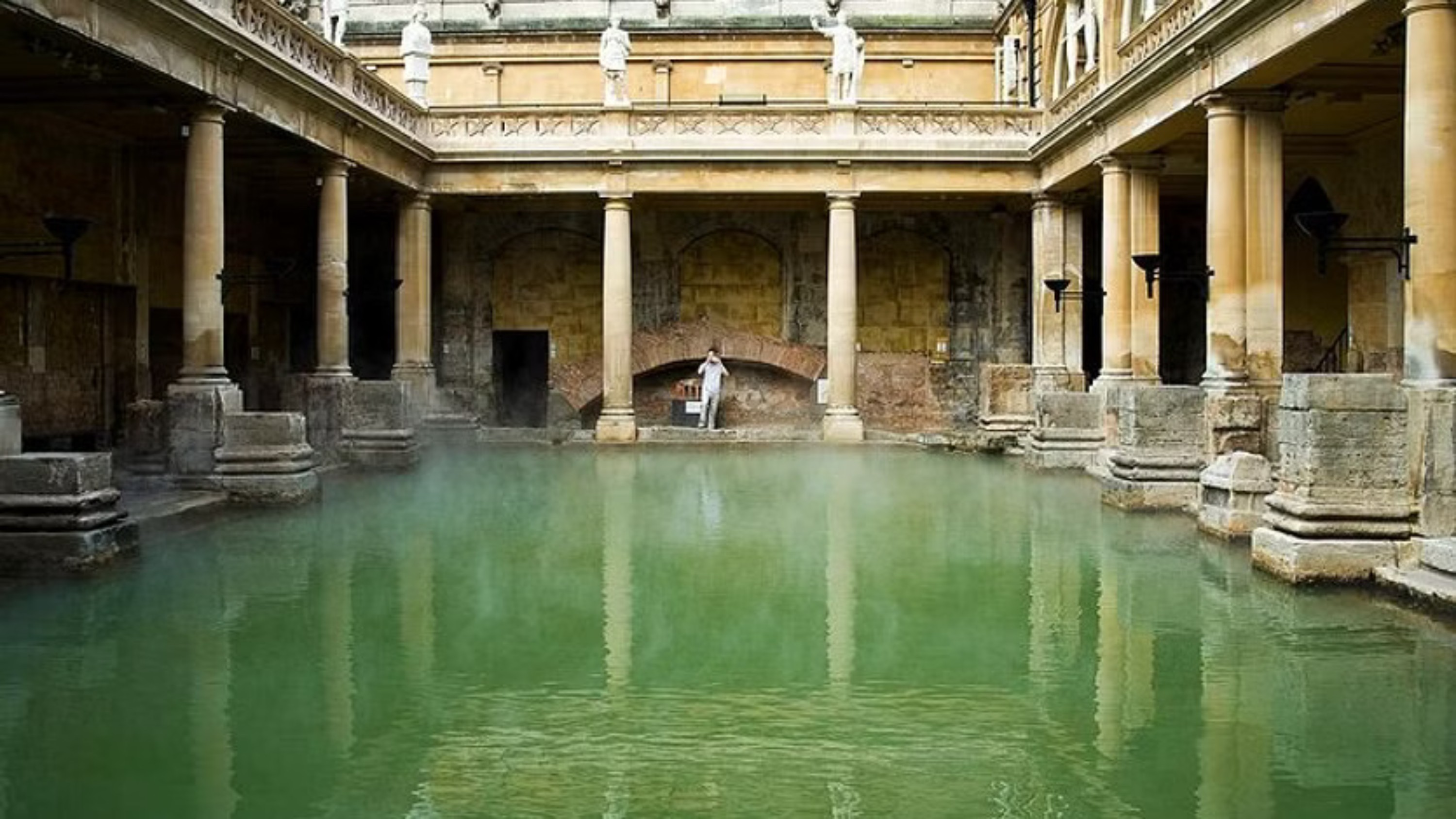
The beautiful city of Bath has been a destination since Roman times. ‘Aquae Sulis’, which is the city’s original name, is thought to have been occupied from around 43AD. The Roman Baths is designated as both a Grade I listed building and a Scheduled Monument.
2
Many people view Bath Abbey as being the centre of the city. The Abbey is one of the most visited attractions in the Southwest.
3
The journey from the Abbey Courtyard to York Street takes you through Kingston Parade, which in reality is more of a square than a promenade as its name suggests. This is a popular place for people to gather and relax, with magnificent views of the cathedral and Roman Baths.
4
Stop 4
North Parade Passage, formerly known as Old Lilliput Lane, is one of the few examples of pre-Georgian architecture in Bath. Most of the timber-framed houses have been rebuilt over the centuries, but Sally Lunn’s (number 4 North Parade Passage) still has its timber-framework.
5
Stop 5
Parade Gardens is a two-and-a-half-acre site beside the River Avon. It dates back to 1709 and is now a Grade II-listed park.
6
Pulteney Bridge is believed to be one of only four bridges worldwide to have shops across the full span on both sides. The idea for Pulteney Bridge came from a man called William Johnston Pulteney.
7
Stop 7
Pulteney Weir has been a feature of the city for centuries. It first appeared on maps of Bath in 1603 and was originally built to power two corn mills on both sides of the river.
8
Stop 8
A little off the tourist trail, Henrietta Park is one of Bath’s hidden gems. The park is a seven-acre site that was opened in 1897 to celebrate the Diamond Jubilee of Queen Victoria.
9
Stop 9
Pass by
The Holburne Museum houses a collection of items previously owned by Sir William Holburne, who inherited a modest fortune, some of which he spent travelling Europe. Here you will discover the story behind the museum and the character who gave life to it.
10
Stop 10
Great Pulteney Street is by far the widest and grandest thoroughfare in the city. The street was designed to have wide pavements, and in some places, these pavements are as wide as the road itself.
11
Upper Borough Walls gets its name as it’s the site of the original town wall of medieval Bath. Many of the houses along this road are listed themselves.
12
Stop 12
There is arguably no better place to see Bath’s Georgian architecture than the Circus. The Circus was originally called ‘the King’s Circus’.
13
Stop 13
The crescent was built between 1767 and 1775. There are 30 grade I listed houses here. There are several other Georgian crescents found in the city of Bath, including Lansdown Crescent and Somerset Place.
14
Stop 14
Royal Victoria Park was opened in 1830 by Princess Victoria, who at eleven years old was the future queen.
15
Gay Street was part of the Circus development, designed by John Wood the Elder and completed by John Wood the Younger after his father’s death. Many of the houses along this stretch are Grade I or II listed.
16
Queen Square is a one-acre communal garden surrounded by Grade I listed buildings. The square is dedicated to Queen Caroline, who was the wife of George II.
17
The Theatre Royal is a Georgian building constructed in 1805 and refurbished in 2010. It is one of the oldest and arguably most attractive theatres in the country.
18
Stop 18
Built on the site of the former Beau Street swimming baths, Thermae Bath Spa opened in 2006. The spa is heated using the naturally thermal waters of the Minerva Bath.
What's not included
In-person Guide
Available languages
Audio guide
EN
Written guide
EN
Reviews breakdown
Viator
3.8
8 reviews
5★
4
4★
0
3★
3
2★
0
1★
1
Tripadvisor
3.9
11 reviews
5★
8
4★
0
3★
0
2★
0
1★
3
Important information
Wheelchair accessible
Infants and small children can ride in a pram or stroller
Service animals allowed
Public transportation options are available nearby
Travelers should have at least a moderate level of physical fitness
Check the "Before You Go" Section of your ticket!
Meeting point
All our tours are self-guided. You will be led by the GPS in the app. Remember to check the "Before You Go" Section of your ticket and give Pandemic Tours App access to your location!
Important notes
Your Exploro Tour is Ready!
Thanks for booking your self-guided tour with Exploro — we’re excited to help you discover the city at your own pace!
Here’s everything you need to get started:
If you don’t have the Exploro app yet:
1. Download the Exploro app from our website (https://exploro.app)
2. Open the app and sign up for a free account.
3. Once you're signed in, come back to this email and click the link below — it will open your tour directly in the app.
4. Insert your order number (your booking reference)
Open My Tour: https://exploro.app/tours/e-bmKOnw48zJX7iFcOwEVG?source=viator
Already have the app installed?
1. Make sure you're signed in to your account in the Exploro app!
2. Click the link below to open your tour in the app.
3. Insert your order number (you can find it under Order Summary)
Open My Tour: https://exploro.app/tours/e-bmKOnw48zJX7iFcOwEVG?source=viator
*note: if the link is not clickable, copy and paste it into your Chrome/Safari*
- You have unlimited access to enjoy this tour. It is suggested opening the app a little earlier to familiarize yourself with the interface and to make sure you've given it access to your location. This will ensure you can fully utilize the map function for a seamless experience
- If you encounter any issues or need help, please reach: exploro.official@gmail.com or drop a message via WhatsApp at +39 389 644 9134 (Europe) or +56942572988 (Americas)
Remember, you have the flexibility and freedom to explore at your own pace. So relax, have fun, and enjoy your self-guided tour!
PS: Don't forget to rate my tour, thanks! =)
About Bath
Bath is a historic city known for its Roman-built baths and Georgian architecture. It's a UNESCO World Heritage site with a rich cultural heritage, offering a blend of history, relaxation, and scenic beauty.
Top Attractions
Roman Baths
A well-preserved Roman site for public bathing. The baths are a UNESCO World Heritage site and one of the most popular tourist attractions in the UK.
Historical
2-3 hours
£24.50 (Adult)
Bath Abbey
A stunning Gothic church with a rich history. The Abbey is known for its beautiful architecture and tower tours offering panoramic views of the city.
Religious
1-2 hours
£9 (Adult)
The Royal Crescent
A iconic Georgian terrace of 30 houses, known for its elegant and symmetrical design. The Royal Crescent is a symbol of Bath's Georgian heritage.
Architecture
30-60 minutes
Free (Museum entry fee applies)
Must-Try Local Dishes
Bath Chaps
A traditional dish made from the cheeks of a pig, usually served with mustard and bread sauce.
Main Course
Not vegetarian or vegan
Sally Lunn Bun
A large, fluffy bun often served with jam and clotted cream.
Breakfast
Vegetarian
Popular Activities
Hiking in the nearby countryside
Cycling along the Kennet and Avon Canal
Afternoon tea at The Pump Room
Spas and wellness treatments
Visiting museums and galleries
Attending local festivals and events
Boat tours on the River Avon
Ice skating in the city center during winter
Best Time to Visit
June to August
This is the warmest time of year with long daylight hours, ideal for outdoor activities and sightseeing. The city is bustling with tourists and events.
15-25°C
59-77°F
Practical Information
Language
- Official: English
- Widely spoken: English
- English: Widely spoken
Currency
Pound Sterling (GBP)
Time Zone
GMT (UTC+0) or BST (UTC+1) during daylight saving time
Electricity
230VV, 50HzHz
Safety Information
Overall Safety Rating: Generally safe
Bath is generally a safe city for travelers, with low crime rates. However, as with any tourist destination, it's important to be aware of your surroundings and take basic precautions.
Important Precautions:
- • Keep valuables secure in crowded areas.
- • Use licensed taxis or ride-sharing apps.
- • Be cautious of strangers approaching you with unsolicited offers or requests.
Getting there
By air
- Bristol Airport • 25 km (15.5 miles)
By train
Bath Spa
By bus
Bath Bus Station
Getting around
Public transport
Buses are the main form of public transport in Bath. They are frequent and cover most parts of the city.
Taxis
Available • Apps: Uber
Rentals
Car, Bike
Neighborhoods
City Center
Larkhall
Day trips
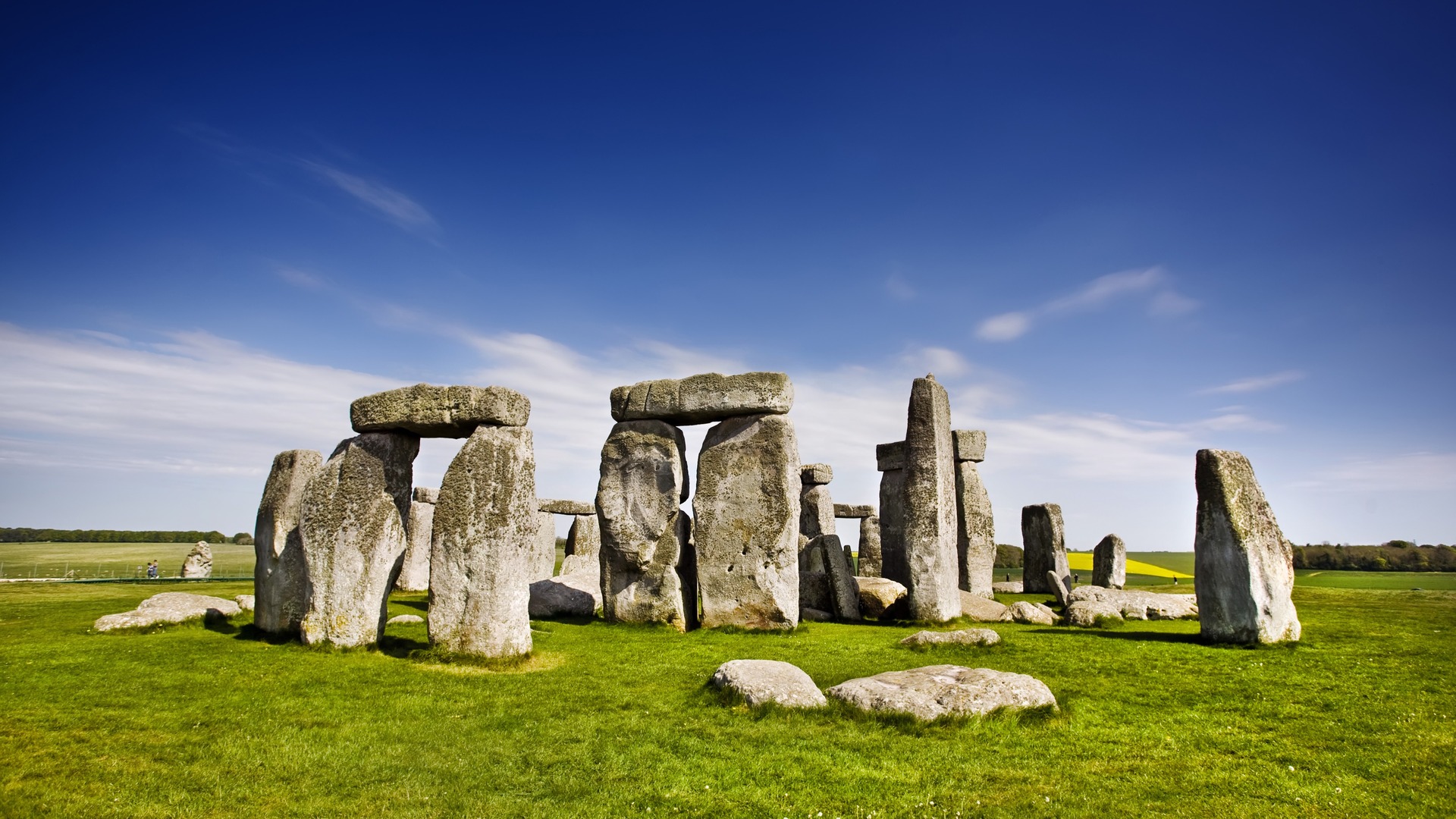
Stonehenge
40 km (25 miles) • Half day
A prehistoric monument and UNESCO World Heritage site. Stonehenge is one of the most famous landmarks in the UK.
Bristol
20 km (12.5 miles) • Half day to full day
A vibrant city known for its maritime history, street art, and cultural attractions.
Festivals
Bath Christmas Market • Late November to early December
Bath Literature Festival • October
Pro tips
- Visit the Roman Baths early in the morning to avoid crowds.
- Take a guided walking tour to learn about Bath's history and hidden gems.
- Explore the city's independent shops and cafes for a unique and local experience.
- Consider purchasing a city pass for discounts on attractions and transport.
- Try a traditional afternoon tea at one of Bath's historic tea rooms.
From $25
per person
Price varies by option
Secure booking
Free cancellation available
Instant confirmation