Full-Day Private Tour of Rio with Pick Up
Active
8h
For a full refund, cancel at least 24 hours before the scheduled departure time.
Instant confirmation
Mobile or paper ticket accepted
About this experience
Design your own personalized tour of Rio de Janeiro, customized to your interests. Choose must-see highlights or let me recommend the best options to match your style. From breathtaking viewpoints and lush rainforests to beaches, history, and street art, the city offers endless possibilities. You can even combine sightseeing with a delicious food experience for the perfect balance. Discover Rio your way on a private tour created just for you.
Available options
Full-Day Private Tour of Rio with Pick Up
Pickup included
What's included
Tour Guide Service
Transportation on Private Car
Parking
Detailed itinerary
1
Stop 1
See Escadaria Selarón, also known as the 'Selaron Steps', which is a set of world-famous steps in Lapa. Rio de Janeiro, Brazil.
2
Stop 2
Pass by
The Carioca Aqueduct wich is an old aqueduct in the city of Rio de Janeiro, Brazil. The aqueduct was built in the middle of the 18th century to bring fresh water from the Carioca River to the population of the city. It is a typical example of colonial architecture and engineering.
3
Stop 3
Depending on your hotel location and the itinerary of the tour we will see Santa Teresa – Ruins Park. Parque das Ruínas is a public park with an art gallery built around the ruins of a mansion, located in the Santa Teresa neighborhood in Rio de Janeiro, Brazil.
4
Stop 4
The Metropolitan Cathedral of Saint Sebastian, better known as the Metropolitan Cathedral of Rio de Janeiro or as the Cathedral of St. Sebastian of Rio de Janeiro, is the seat of the Roman Catholic Archdiocese of São Sebastião do Rio de Janeiro.
5
Depending on your hotel location and the itinerary of the tour we will see Cafe Colombo. A century-old café with huge built-in mirrors & classic pastry-store snacks & sweets.
6
You will see Praça XV or XV Square. a public square in the Centro section of the city of Rio de Janeiro, Brazil.
7
Stop 7
See The Paço Imperial, or Imperial Palace, previously known as the Royal Palace of Rio de Janeiro and Palace of the Viceroys, is a historic building in the center of the city of Rio de Janeiro, Brazil. The Paço Imperial was built in the 18th century to serve as a residence for the governors of colonial Brazil.
8
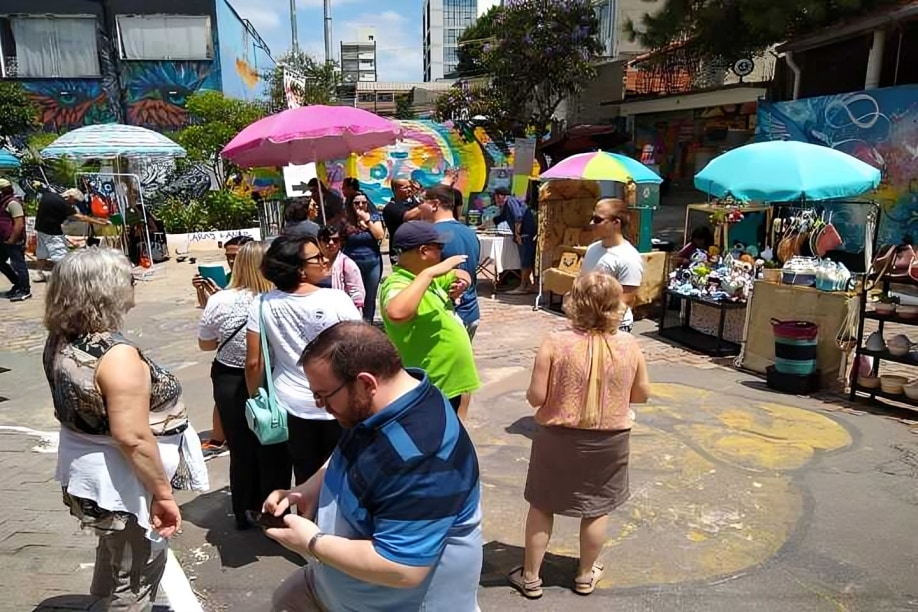
See Olympic Boulevard. Grand promenade created for the Olympics with artists' murals, museums, food trucks, etc.
9
See Kobra Mural. Amazing huge graffiti mural.
10
Stop 10
Pass by
The Museum of Tomorrow is a science museum in the city of Rio de Janeiro, Brazil. It was designed by Spanish neo-futuristic architect Santiago Calatrava and built next to the waterfront at Pier Maua.
11
The tour we will see Largo Da Prainha and Pedra do Sal (Little Africa). Pedra do Sal is a historic and religious site in Rio de Janeiro, in the neighborhood of Saúde. The site was originally a quilombo village.
12
Stop 12
Is the popular name of a major public square with beautiful buildings in french style in the center of Rio de Janeiro, Brazil.
13
Stop 13
Depending on your hotel location and the itinerary of the tour we will see Portuguese Reading Room. The Royal Portuguese Cabinet of Reading is a library and lusophone cultural institution, is located in Luís de Camões Street, number 30, in the center of the city of Rio de Janeiro, Brazil.
14
Stop 14
See Maracana Stadium. Maracana Stadium, officially named Estádio Jornalista Mário Filho, is an association football stadium in Rio de Janeiro, Brazil.
15
See Municipal Theatre (Opera House). The Theatro Municipal is an opera house in the Centro district of Rio de Janeiro, Brazil. Built in the early twentieth century, it is considered to be one of the most beautiful and important theaters in the country. The building is designed in an eclectic style, inspired by the Paris Opéra.
16
The Sambadrome Marquês de Sapucaí is a purpose-built parade area built for the Rio Carnival in Rio de Janeiro, Brazil.
17
Stop 17
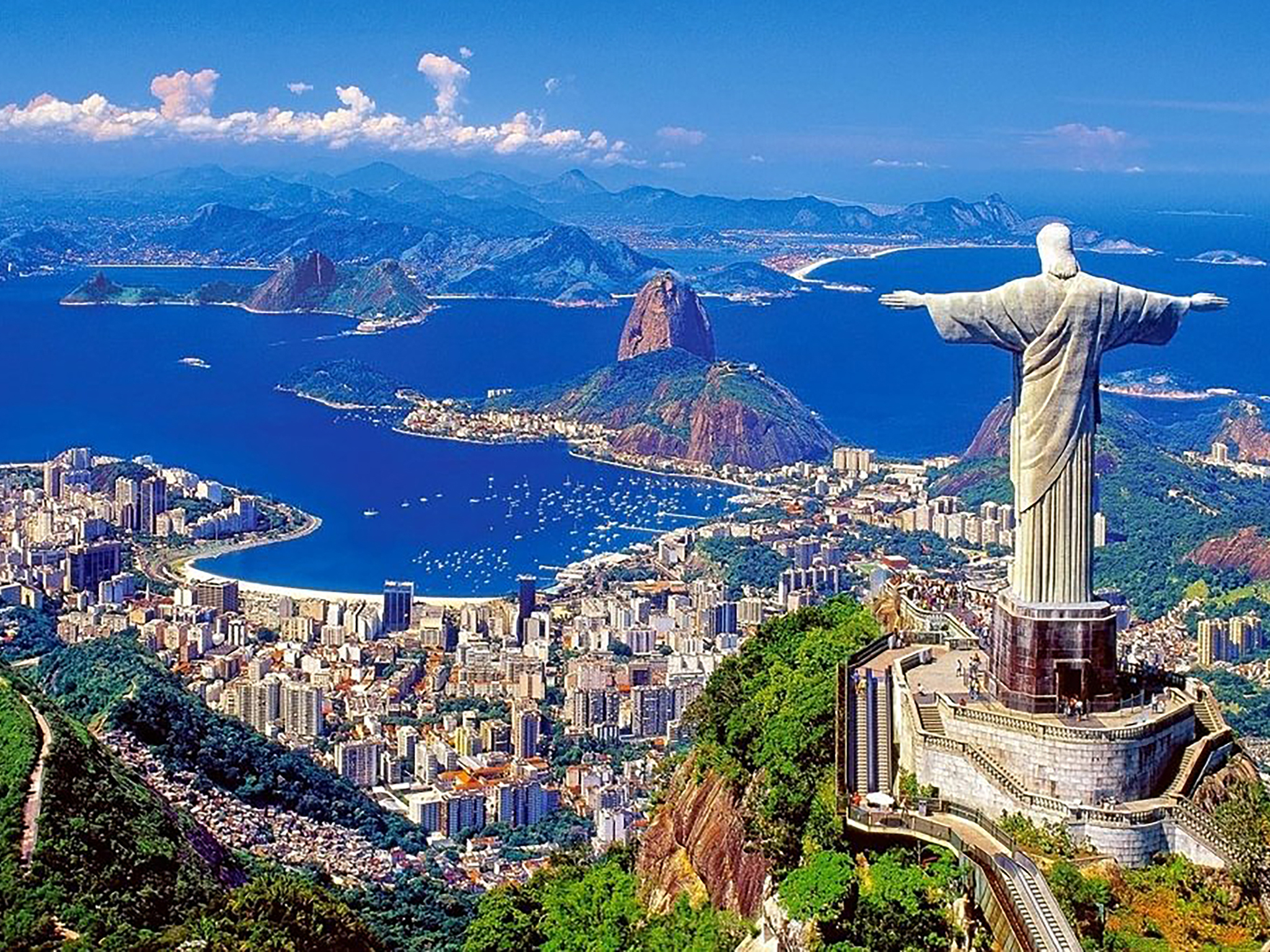
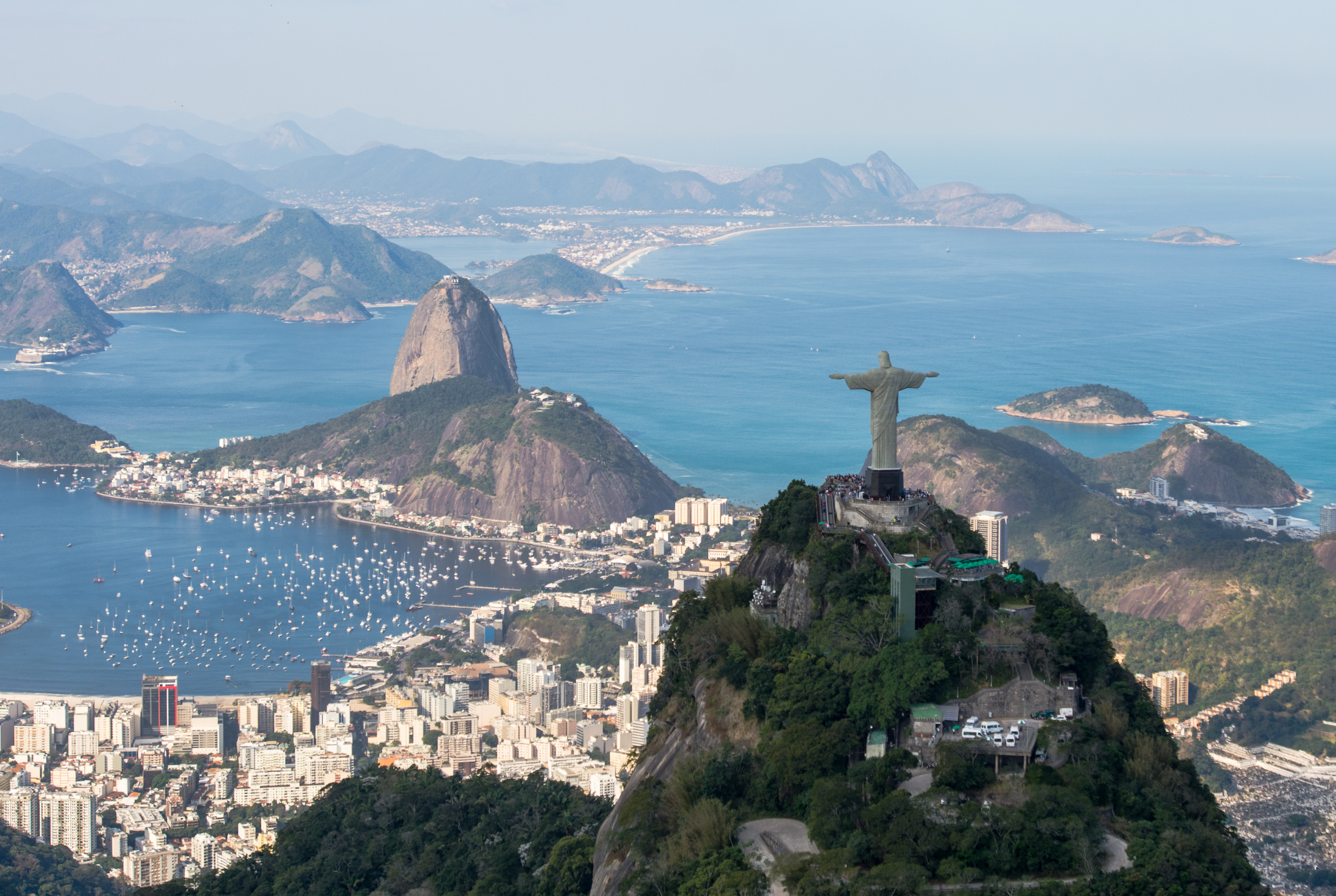
Sugarloaf Mountain is a peak situated in Rio de Janeiro, Brazil, at the mouth of Guanabara Bay on a peninsula that juts out into the Atlantic Ocean. Rising 396 m above the harbor, its name is said to refer to its resemblance to the traditional shape of concentrated refined loaf sugar.
18
Stop 18
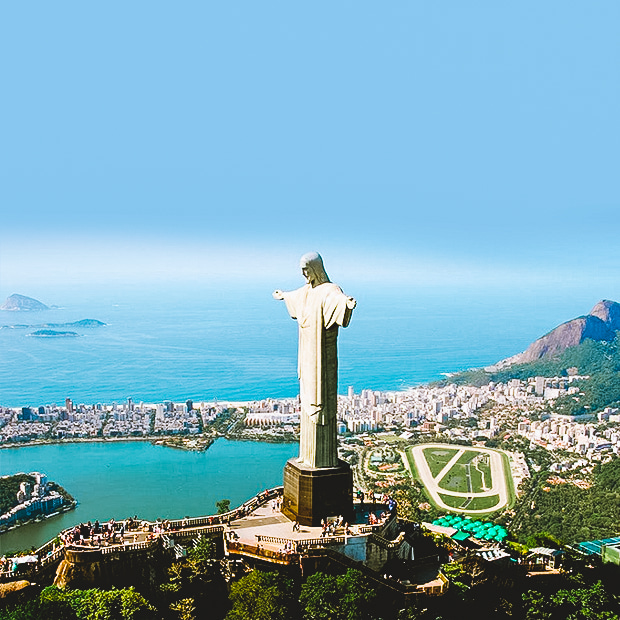
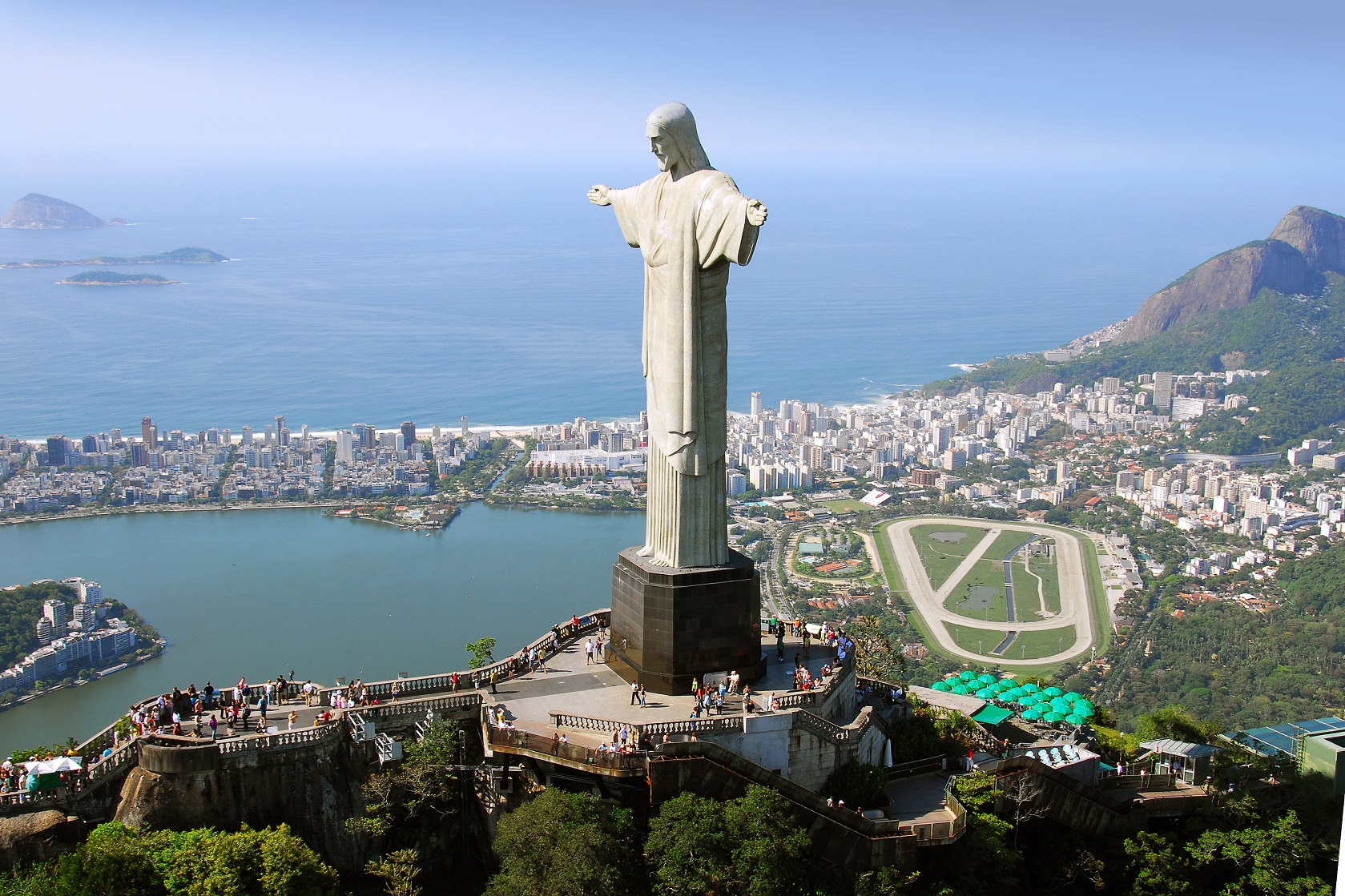
Christ the Redeemer is an Art Deco statue of Jesus Christ in Rio de Janeiro, Brazil, created by French sculptor Paul Landowski and built by Brazilian engineer Heitor da Silva Costa.
19
Stop 19
We will see Dona Marta View Point. Cliffside's lookout point offers expansive, panoramic views of Rio and the Christ the Redeemer statue.
20
Stop 20
Pass by
Rodrigo de Freitas Lagoon is a lagoon in the district of Lagoa in the Zona Sul area of Rio de Janeiro. The lagoon is connected to the Atlantic Ocean, allowing seawater to enter by a canal along the edge of a park locally known as Jardim de Allah.
21
Stop 21
Pass by
The iconic, 2.5-mile beach features a wide, sandy expanse, bustling promenade, food kiosks & hotels.
22
Stop 22
Pass by
See Ipanema Beach. A long, popular stretch of beach known for sunbathing, along with soccer & volleyball.
23
Arpoador is a region located on the southern zone of the city Rio de Janeiro, in a small peninsula between Ipanema and Copacabana. Part of its territory belongs to the neighbourhood of Ipanema, and part to Copacabana.
24
At the end of the famous Leblon beach, there is a scenic mountaintop viewpoint.
25
Depending on your hotel location and the itinerary of the tour we will see Penhasco Park View Point. Tranquil natural area with trails & 4 viewpoints offering picturesque vistas of notable landmarks.
26
The Rio de Janeiro Botanical Garden or Jardim Botânico is located at the Jardim Botânico district in the South Zone of Rio de Janeiro. The Botanical Garden shows the diversity of Brazilian and foreign flora. There are around 6,500 species distributed throughout an area of 54 hectares as well as numerous greenhouses.
27
Stop 27
Parque Enrique Lage is a public park in the city of Rio de Janeiro, located in the Jardim Botânico neighborhood at the foot of the Corcovado, on top of which Christ the Redeemer is located.
28
Stop 28
The Tijuca National Park is an urban national park in the mountains of the city of Rio de Janeiro, Brazil.
29
This waterfall in the Tijuca Forest in Rio de Janeiro is 35 meters high.
30
Stop 30
Depending on your hotel location and the itinerary of the tour we will see Chinese View. The Vista Chinesa is one of the belvederes of Rio de Janeiro, at the topmost of one of the roads that connect the Jardim Botânico area to the Parque Nacional & Floresta da Tijuca, known as the Estrada da Vista Chinesa.
31
See Telegrafo Rock. Low-hanging rocky outcrop & photo op with the optical illusion of a dangerous cliff-edge drop.
32
Stop 32
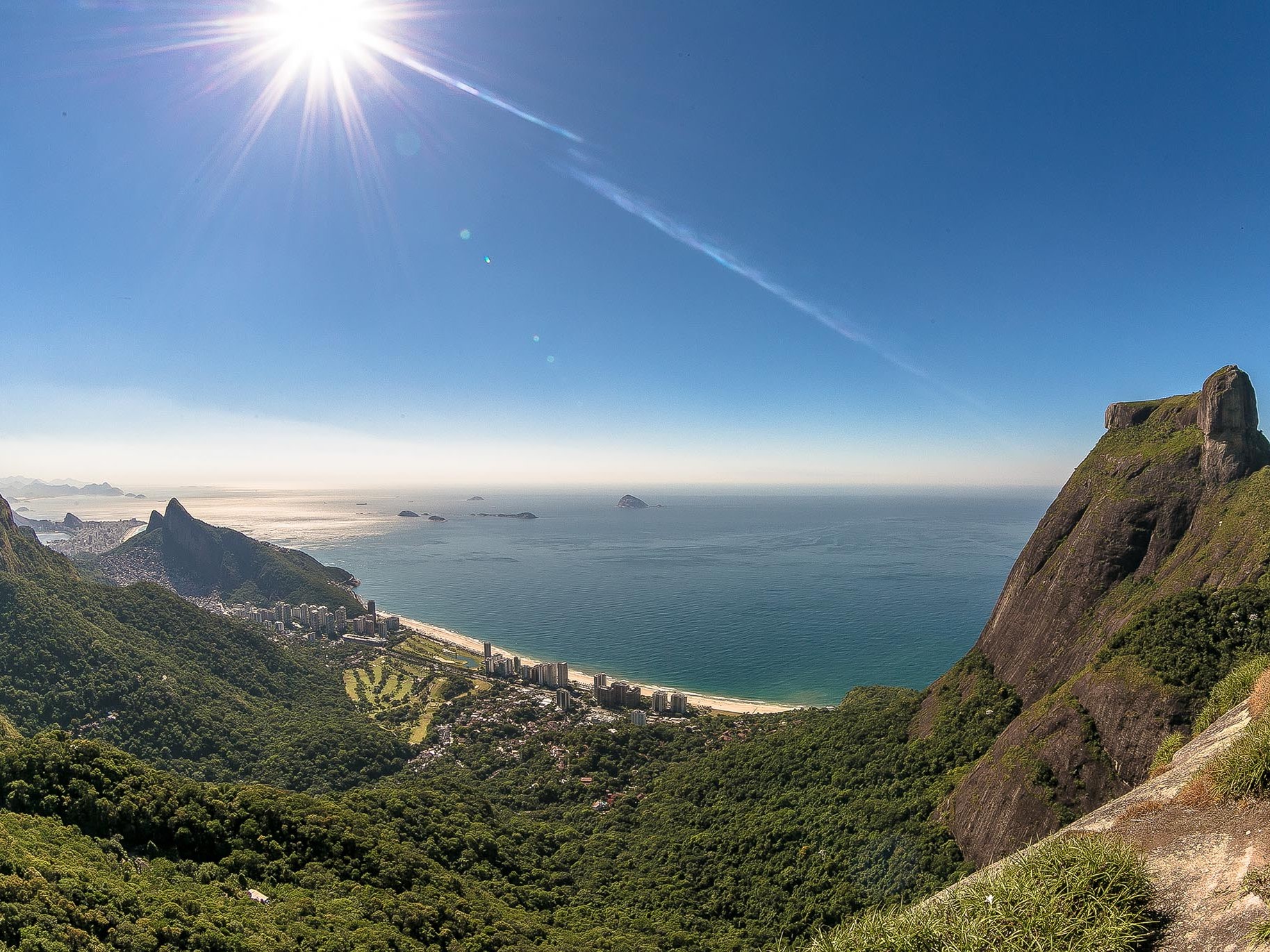
The trail is relatively easy and from the top is possible to see the whole carioca South area.
33
Stop 33
We will hike Pedra Bonita mountain. Unique geological formation with a hiking trail & hang-gliding port offering panoramic vistas.
34
Favela Santa Marta is a favela located in the Botafogo and Laranjeiras part of the Morro Dona Marta, that is also divided by the neighborhoods of Flamengo, Cosme Velho, and Silvestre, in the South Zone of Rio de Janeiro, Brazil.
35
Stop 35
Niterói is a city in southeast Brazil, connected to Rio de Janeiro by a bridge across Guanabara Bay.
36
Stop 36
The Niterói Contemporary Art Museum is situated in the city of Niterói, Rio de Janeiro, Brazil, and is one of the city’s main landmarks. It was completed in 1996. The MAC-Niterói was designed by Oscar Niemeyer.
37
See City Park. Hilltop Park with iconic views of Guanabara Bay and surrounding hills, plus a paragliding launch.
38
Stop 38
Pass by
See Barra da Tijuca Beach. Wide, bustling stretch of sand lined with food kiosks, open sea views & a relaxing vibe.
39
See Prainha Beach. secluded half-moon-shaped beach, bordered on each side by rocks and high cliffs. It is one of the best surfing spots in Rio.
40
Stop 40
Pass by
See Grumari Beach. Prainha and Abrico beaches are amazing, its 15 min drive from Barra Da Tijuca. No public transportation, must go by car.
What's not included
Food and Drinks
Tickets for Sugarloaf Mountain and Christ the Redeemer
Available languages
Guide guide
PT
EN
ES
Reviews breakdown
Viator
5.0
44 reviews
5★
43
4★
1
3★
0
2★
0
1★
0
Tripadvisor
5.0
63 reviews
5★
62
4★
1
3★
0
2★
0
1★
0
Important information
Wheelchair accessible
Infants and small children can ride in a pram or stroller
Public transportation options are available nearby
Infants are required to sit on an adult’s lap
Suitable for all physical fitness levels
About Rio de Janeiro
Rio de Janeiro, known as the 'Marvelous City,' is famous for its natural settings, Carnival, samba, bossa nova, and Balneario beaches such as Copacabana and Ipanema. It's a vibrant city with a rich cultural heritage and stunning landscapes, including the iconic Christ the Redeemer statue and Sugarloaf Mountain.
Top Attractions
Christ the Redeemer
One of the New Seven Wonders of the World, this iconic statue offers breathtaking views of Rio de Janeiro.
Historical/Religious
2-3 hours
R$84 (including train ticket)
Sugarloaf Mountain
A famous peak offering stunning views of Rio de Janeiro and its beaches.
Nature
2-3 hours
R$88 (round-trip cable car)
Copacabana Beach
One of the most famous beaches in the world, known for its vibrant atmosphere and beautiful sunsets.
Beach
Half day or full day
Free
Tijuca National Park
The world's largest urban forest, offering hiking trails, waterfalls, and diverse wildlife.
Nature
Half day or full day
Free (some attractions may have fees)
Santa Teresa
A historic and bohemian neighborhood known for its cobblestone streets, art galleries, and scenic views.
Cultural
Half day
Free to explore
Must-Try Local Dishes
Feijoada
A hearty stew made with black beans and various cuts of pork, often served with rice, collard greens, and orange slices.
Dinner
Contains pork, not suitable for vegetarians or vegans.
Pão de Queijo
Cheese bread made with tapioca flour, giving it a unique texture and flavor.
Snack
Vegetarian, but contains dairy.
Moqueca
A traditional fish stew cooked in coconut milk and dendê oil, with various seafood and vegetables.
Dinner
Can be made vegetarian or vegan with vegetable broth and tofu.
Açaí
A thick, creamy fruit pulp from the açaí palm, often served with granola and condensed milk.
Dessert/Drink
Can be made vegan with plant-based milk.
Popular Activities
Hiking in Tijuca National Park
Surfing in Arpoador
Paragliding in Pedra Bonita
Beach lounging in Ipanema
Spa treatments in Copacabana
Yoga in Botafogo
Visiting museums in Centro
Attending a samba show
Best Time to Visit
December to March
This is the peak tourist season with warm weather and the famous Carnival in February/March. Expect crowded beaches and higher prices.
25-30°C
77-86°F
Practical Information
Language
- Official: Portuguese
- Widely spoken: English (limited)
- English: Limited
Currency
Brazilian Real (BRL)
Time Zone
GMT-3 (Brasília Time)
Electricity
110V/220VV, 60HzHz
Safety Information
Overall Safety Rating: Exercise caution
Rio de Janeiro is generally safe for tourists, but petty crime and violence can occur. Exercise caution, especially in less touristy areas and at night.
Important Precautions:
- • Avoid walking alone at night in unsafe areas
- • Use common sense and stay alert to your surroundings
- • Keep valuables secure and out of sight
Getting there
By air
- Rio de Janeiro-Galeão International Airport • 20 km (12 miles) from city center
- Santos Dumont Airport • 12 km (7.5 miles) from city center
By train
Central do Brasil
By bus
Rodoviária Novo Rio, Terminal Rodoviário da Gavea
Getting around
Public transport
Efficient and air-conditioned, the metro is a great way to avoid traffic.
Taxis
Available • Apps: Uber, 99 Taxis
Rentals
Car, Bike, Scooter
Neighborhoods
Copacabana
Ipanema
Santa Teresa
Lapa
Botafogo
Day trips
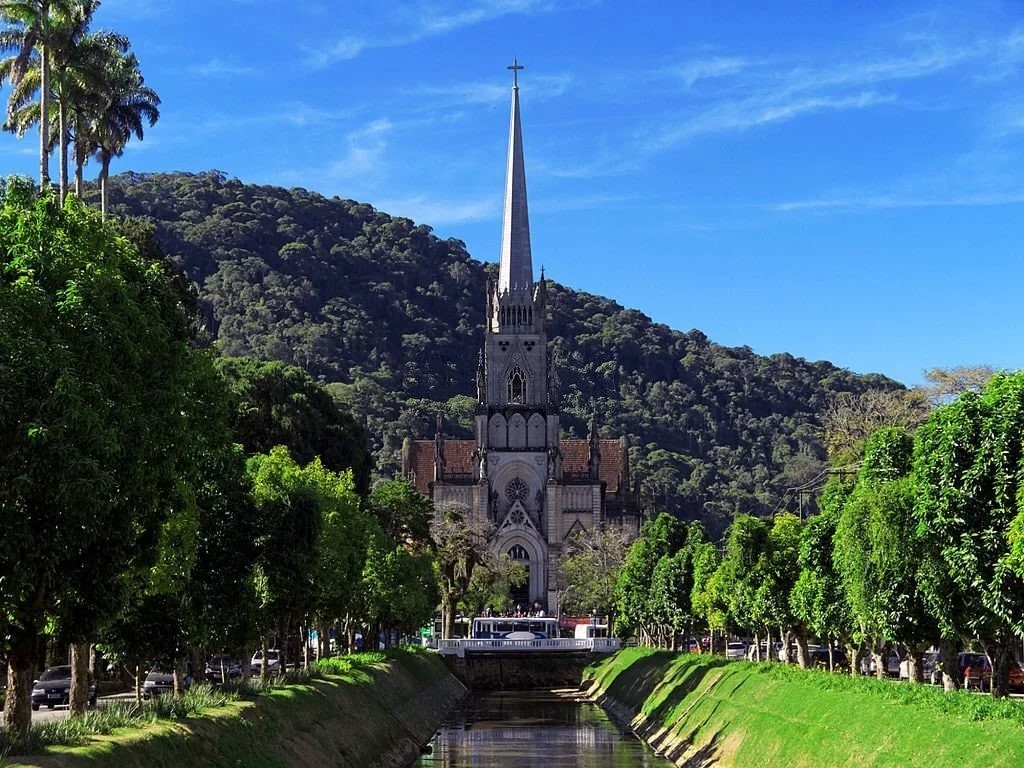
Petrópolis
65 km (40 miles) • Full day
A charming colonial town in the mountains, known for its historic architecture and cool climate.
Paraty
170 km (105 miles) • Full day or overnight
A historic coastal town with cobblestone streets, colonial architecture, and beautiful beaches.
Búzios
170 km (105 miles) • Full day or overnight
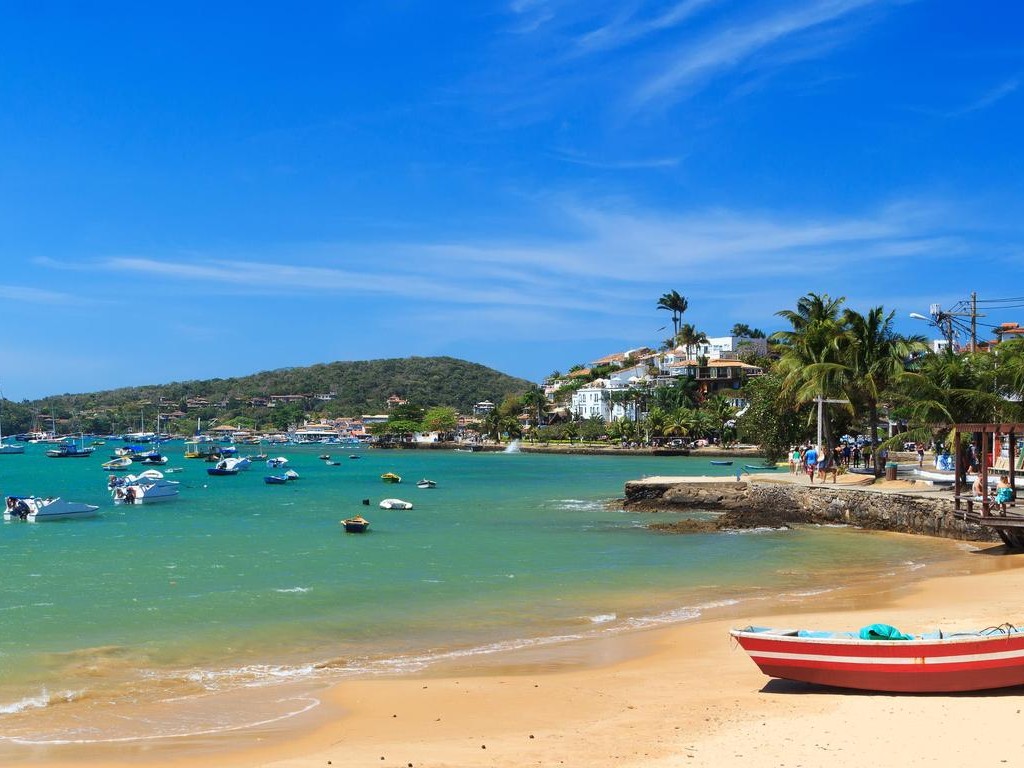
A picturesque beach town known for its stunning beaches, clear waters, and vibrant nightlife.
Festivals
Carnival • February/March (dates vary)
Rio Carnival Samba Parade • February/March (dates vary)
New Year's Eve (Réveillon) • December 31
Pro tips
- Visit Christ the Redeemer early in the morning to avoid crowds and enjoy the best views
- Take a helicopter tour for a unique perspective of the city
- Explore the less touristy neighborhoods like Santa Teresa and Botafogo for a more authentic experience
- Try local street food like pão de queijo and coxinha for a taste of Brazilian flavors
- Learn some basic Portuguese phrases to enhance your interactions with locals
From $25
per person
Price varies by option
Secure booking
Free cancellation available
Instant confirmation