Rome Secrets with Dark History and Tasty Bites Tour Experience
Active
2h
For a full refund, cancel at least 24 hours before the scheduled departure time.
Instant confirmation
Mobile or paper ticket accepted
About this experience
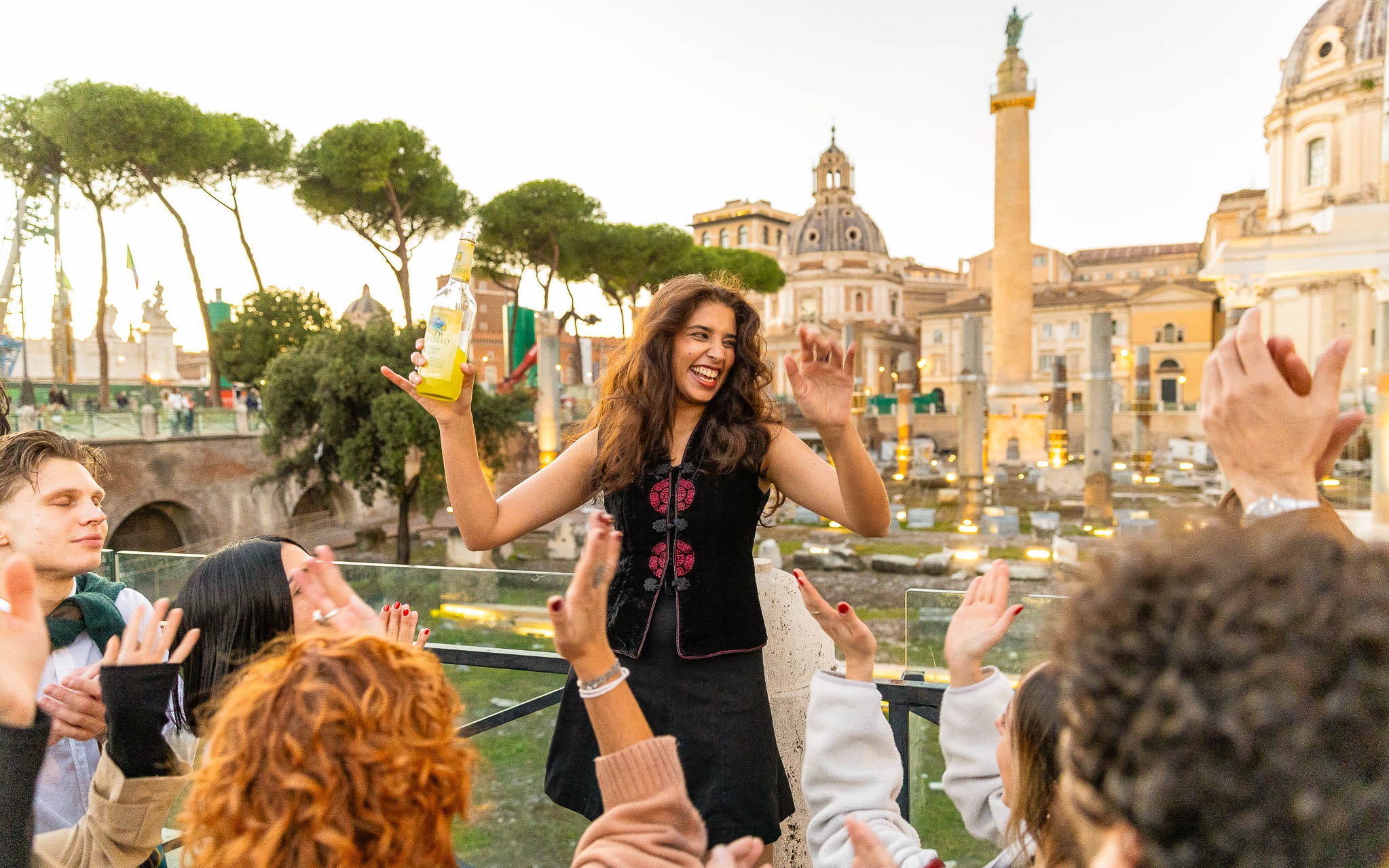
Explore the hidden side of Rome on a walking tour that blends dark history, ghostly legends, and local flavors. Meet your guide at the Portico d’Ottavia, by the ruins under the sign "Hostaria" in the heart of the Jewish Quarter, where stories of mysticism, Kabbalah, and the legend of the Golem set the tone.
Enjoy a stop for authentic Roman pizza before continuing to the Passetto del Biscione, a frescoed corridor once used for escapes and secret encounters, and learn the tale of the city’s “Madonnelle.” Visit Campo de’ Fiori to face the statue of Giordano Bruno, the heretic burned alive, then step inside the baroque church of Santa Maria dell’Orazione e Morte, adorned with skulls and bones.
On Via Giulia, hear about Giulia Tofana, the poisoner who created “Aqua Tofana,” and pass through the Arco dei Banchi, a hidden passage linked to Vatican intrigues. Conclude with wine and local sweet biscuits before the chilling story of Mastro Titta at Ponte Sant’Angelo.
Available options
Secrets de Rome FRA
Tour in French
Secretos de Roma ESP
Tour in Spanish
Rome Secrets: Dark History & Tasty Bites
Tour in English
What's included
Pizza and local sweet
Alcoholic Beverages
Detailed itinerary
1
Stop 1
The Portico d’Ottavia is one of the most atmospheric sites in Rome, standing in the heart of the Jewish Ghetto. Once part of an ancient Roman complex built by Emperor Augustus for his sister Octavia, today it whispers with centuries of history, faith, and myth. Here, your guide will reveal the mystical traditions of Kabbalah and the symbolic power of the number 7 in Roman lore, along with eerie tales that have been passed down through generations. Among these is the story of the Golem, a creature said to have been created to protect the Jewish community during times of persecution. The portico, illuminated by soft evening light, becomes the perfect setting to explore the intersection of ancient ruins, medieval mysticism, and ghostly legends. You’ll feel how Rome’s visible history blends with hidden layers of superstition and spirituality, making this stop not only historically rich but also hauntingly evocative.
2
The Jewish Ghetto is one of Rome’s most atmospheric districts, rich with history and legends. Created in the 16th century, it preserved traditions, rituals, and stories that still echo today. Here you’ll discover the influence of Kabbalah, the mystical symbolism of the number 7, and haunting tales like the ghost of Berenice. By day it feels like a lively neighborhood with kosher bakeries and narrow lanes, but at dusk the Ghetto reveals its darker side—where faith, myth, and ghostly presences blend into an unforgettable atmosphere.
3
Stop 3
Pass by
Via dei Giubbonari is a lively street connecting Campo de’ Fiori with Piazza Cairoli, once home to skilled tailors who gave the lane its name. Behind today’s shops and bustling crowds lies a darker story: the ghost of Olimpia Maidalchini, known as the “Pimpaccia,” is said to haunt this street. A powerful and scandalous noblewoman of the 17th century, she was infamous for greed and manipulation, and legend says her restless spirit still wanders here at night. Walking down this cobbled street, past boutiques and historic façades, you’ll feel how everyday life and ghostly legends merge in the Eternal City.
4
Stop 4
By day, Campo de’ Fiori is one of Rome’s liveliest squares, filled with flowers, markets, and cafés. But as night falls, its atmosphere changes, revealing a darker history. At the center stands the imposing statue of Giordano Bruno, the philosopher and friar condemned for heresy and burned alive here in 1600. With his hooded gaze turned toward the Vatican, Bruno’s presence dominates the square, a haunting reminder of Rome’s struggle between faith, free thought, and forbidden knowledge. Your guide will share the story of his trial and execution, a tale that still sends shivers through visitors who linger beneath his watchful eyes. Around the square, you’ll also hear how Campo de’ Fiori became a stage for public punishments and executions, making it a place where life, death, and defiance collided. Today, it remains a vibrant meeting point, but one forever marked by the chilling shadow of its past.
5
Hidden along the Tiber, the baroque church of Santa Maria dell’Orazione e Morte is one of the most haunting stops on this tour. Built in the 16th century by a confraternity devoted to giving proper burials to those who drowned in the river or died without family, the church became a sanctuary for forgotten souls. Its façade greets you with carved skulls, winged skeletons, and Latin inscriptions reminding all of life’s fragility. Step closer and you’ll see niches filled with real human bones and macabre symbols that once warned Romans of mortality and sin. By candlelight or at dusk, the church’s atmosphere is chilling yet strangely captivating—a place where faith and death are intertwined. Your guide will reveal the history of this unique sanctuary, where prayers for the nameless dead still echo, and explain how it became both a work of art and a morbid reminder of Rome’s darker side.
6
Stop 6
Elegant and quiet today, Via Giulia hides some of the darkest secrets of Baroque Rome. In the 17th century, this graceful street was home to Giulia Tofana, the infamous poisoner who created the lethal “Aqua Tofana.” Sold discreetly to desperate women trapped in abusive marriages, her potion became one of the most feared substances in Europe. With just a few drops slipped into a glass of wine or soup, it could kill slowly and without detection. As your guide leads you down this cobbled street, you’ll learn how Giulia’s network spread through the city, supplying poison to nobles and commoners alike, and how her legacy shaped tales of betrayal, intrigue, and fear. Walking here at dusk, surrounded by noble palaces and hidden courtyards, it’s easy to imagine the whispers and secrets that once passed through its shadows. Via Giulia is not just beautiful—it is a reminder of the dangerous lives hidden behind Rome’s elegant façades.
7
Close to Castel Sant’Angelo, the Arco dei Banchi is a hidden passageway that reveals another side of Renaissance Rome. Once surrounded by the “banchi,” or benches of bankers and merchants, this arch was a hub of financial dealings and discreet exchanges. Beneath its vaulted ceiling, pilgrims on their way to the Vatican found shelter and guidance, led by a small image of the Madonna that once illuminated the corridor at night. A centuries-old plaque still recalls the devastating floods of the Tiber, marking the city’s struggles with nature. Today, the arch carries the memory of whispers, trades, and prayers that once echoed through its walls. Walking under the Arco dei Banchi, you step into a space where commerce, faith, and secrecy overlapped, making it both a practical passage and a symbol of Rome’s layered past. Its quiet, shadowy charm offers a glimpse of the Eternal City’s mysteries hidden in plain sight.
8
Stop 8
Pass by
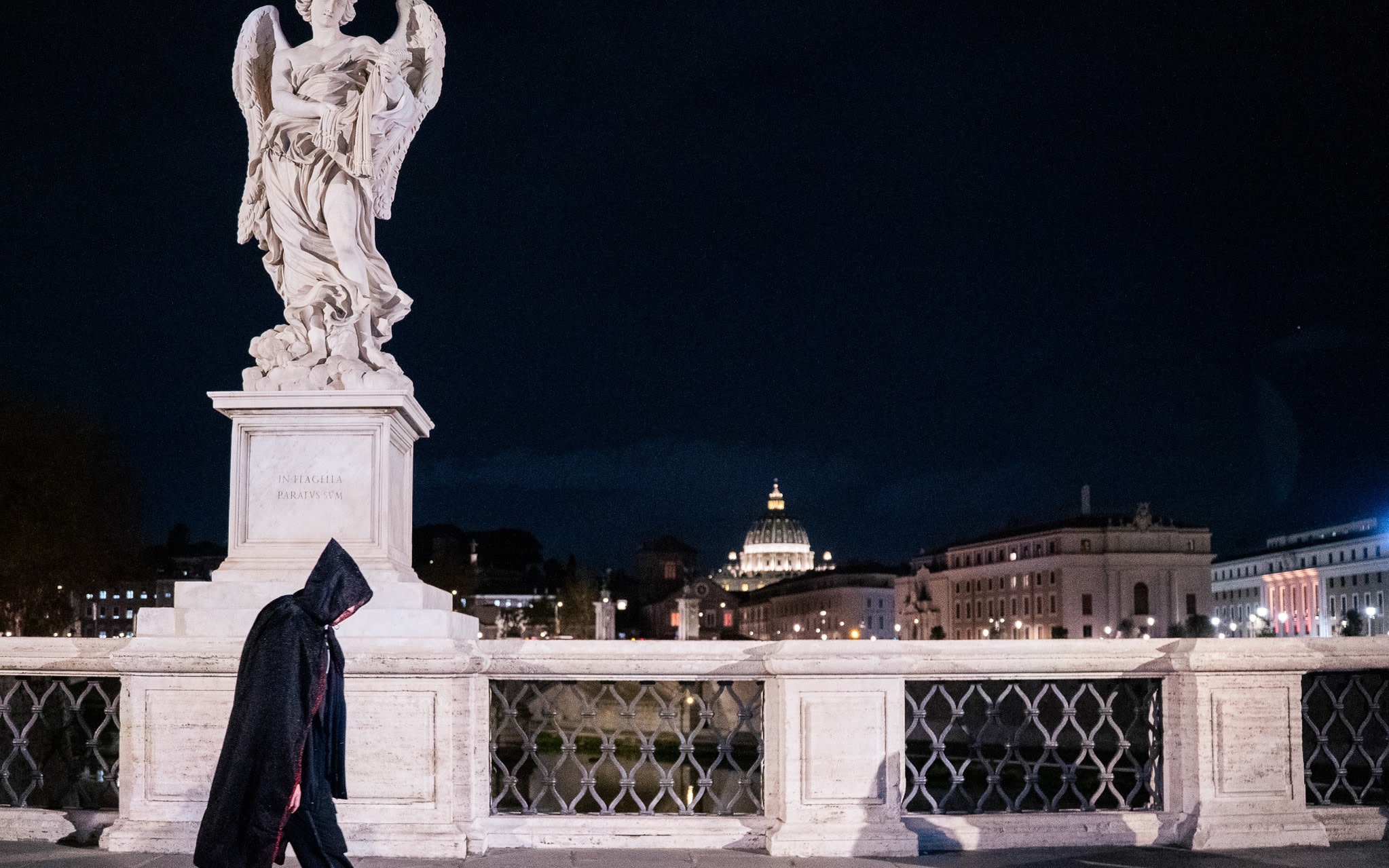
The tour concludes at the magnificent Ponte Sant’Angelo, one of Rome’s most iconic landmarks. By day, this bridge is admired for its baroque statues of angels designed by Bernini, each carrying a symbol of Christ’s Passion. By night, however, the atmosphere changes: the bridge becomes a stage of shadows and whispers from Rome’s darker past. It was here that Mastro Titta, the city’s most notorious executioner, carried out many of his grim duties, turning the area into a place of fear and fascination. Your guide will recount his chilling story, blending fact with legend, as you stand among angels gazing down in silent witness. The illuminated arches, the gentle flow of the Tiber, and the looming Castel Sant’Angelo in the background create a dramatic and unforgettable setting. Ending here allows you to experience both the beauty and the macabre layers of Rome, leaving you with lasting images of the Eternal City’s light and darkness.
What's not included
gratuities for the guide
Available languages
Guide guide
EN
FR
ES
Reviews breakdown
Viator
5.0
1 reviews
5★
1
4★
0
3★
0
2★
0
1★
0
Tripadvisor
4.0
1 reviews
5★
0
4★
1
3★
0
2★
0
1★
0
Important information
Infants and small children can ride in a pram or stroller
Service animals allowed
Public transportation options are available nearby
Suitable for all physical fitness levels
non suitable for gluten-free
Meeting point
At the beginning of Via Portico d'Ottavia, in front of Hostaria Sign.
About Rome
Rome, the capital of Italy, is a city of ancient ruins, artistic masterpieces, and vibrant culture. Known as the Eternal City, it is a living museum where every corner tells a story of its rich history spanning over 2,500 years.
Top Attractions
Colosseum
The Colosseum is an iconic symbol of Rome and one of the most famous ancient amphitheaters in the world. It was used for gladiatorial contests and public spectacles.
Historical
1-2 hours
€16 (combined ticket with Roman Forum and Palatine Hill)
Vatican City
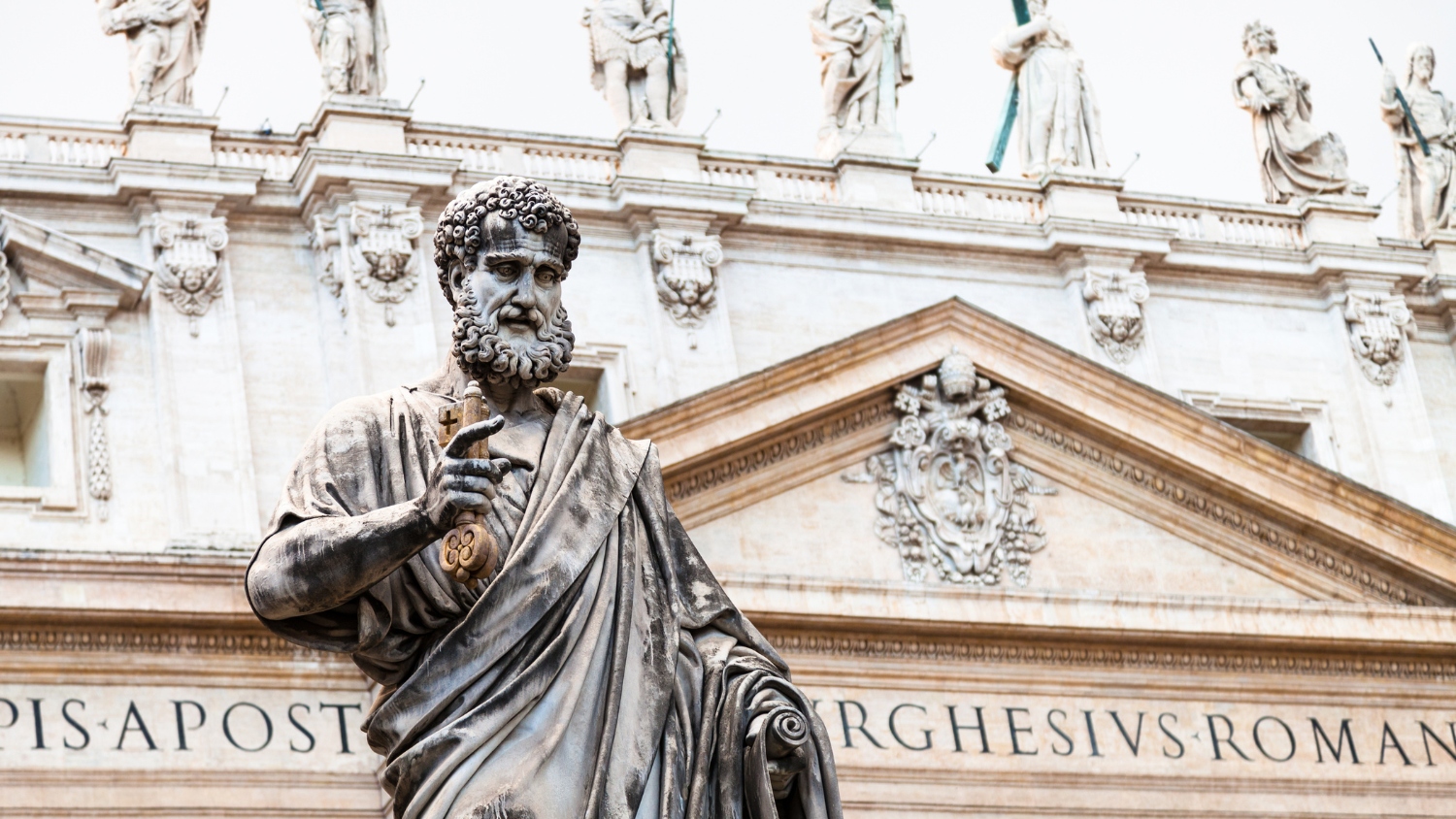
Vatican City is an independent city-state enclaved within Rome. It is the spiritual and administrative center of the Roman Catholic Church.
Religious
Half day
€17 (Vatican Museums and Sistine Chapel), Free (St. Peter's Basilica)
Roman Forum
The Roman Forum was the political, commercial, and legal hub of the Roman Republic and Empire. It is a sprawling ruin of temples, basilicas, and arches.
Historical
1-2 hours
€16 (combined ticket with Colosseum and Palatine Hill)
Pantheon
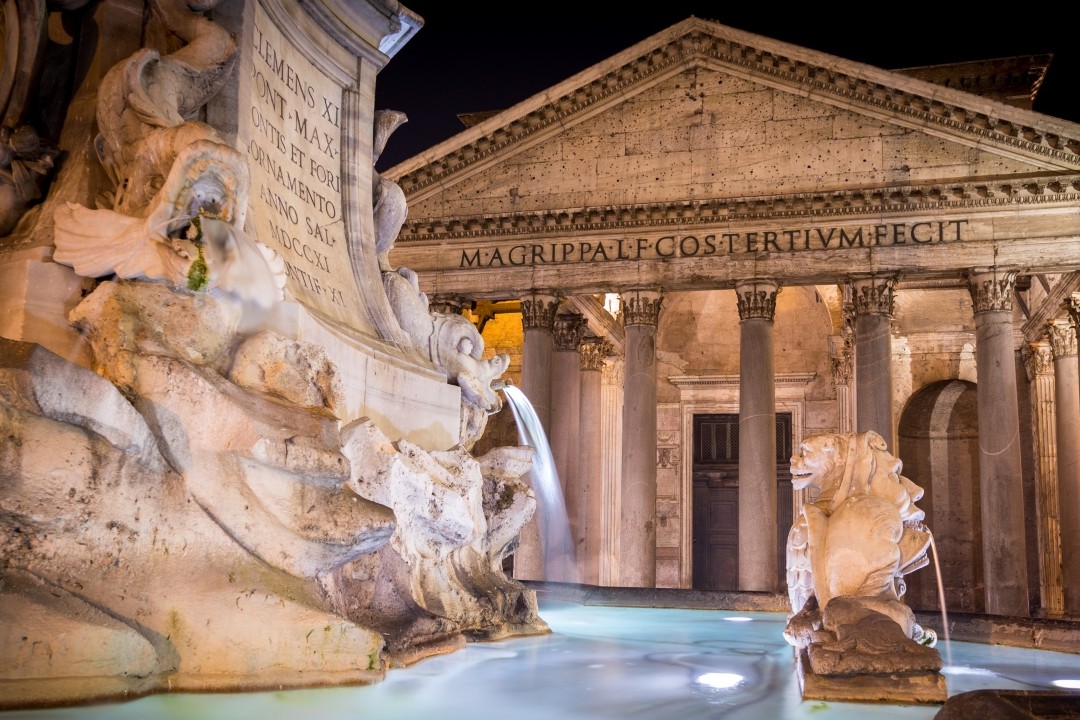
The Pantheon is a former Roman temple, now a church, known for its large dome and oculus. It is one of the best-preserved ancient buildings in Rome.
Historical
30 minutes to 1 hour
Free
Trevi Fountain
The Trevi Fountain is a Baroque masterpiece and the largest fountain in Rome. It is a popular spot for visitors to throw coins and make wishes.
Architecture
15-30 minutes
Free
Must-Try Local Dishes
Cacio e Pepe
A simple yet delicious pasta dish made with Pecorino Romano cheese and black pepper.
Pasta
Vegetarian
Carbonara
A rich pasta dish made with eggs, Pecorino Romano, guanciale (cured pork cheek), and black pepper.
Pasta
Contains pork and eggs
Supplì
Fried rice balls filled with mozzarella and tomato sauce.
Snack
Vegetarian (some variations may contain meat)
Carciofi alla Romana
Artichokes braised with garlic, mint, and olive oil.
Vegetable
Vegetarian
Popular Activities
Hiking in the Appian Way Regional Park
Biking along the Tiber River
Rock climbing in the nearby mountains
Picnicking in Villa Borghese Gardens
Boating on Lake Albano
Enjoying a spa day at a luxury hotel
Visiting the Vatican Museums
Attending an opera at the Teatro dell'Opera di Roma
Best Time to Visit
April to June, September to October
Spring and fall offer pleasant weather and fewer crowds compared to the summer peak. Ideal for sightseeing and outdoor activities.
15-30°C
59-86°F
Practical Information
Language
- Official: Italian
- Widely spoken: English, Spanish, French
- English: Moderately spoken
Currency
Euro (EUR)
Time Zone
GMT+1 (CET), GMT+2 (CEST during daylight saving time)
Electricity
230VV, 50HzHz
Safety Information
Overall Safety Rating: Generally safe
Rome is generally safe for tourists, but pickpocketing and scams can be a problem in crowded areas. Be aware of your surroundings and take precautions to protect your belongings.
Important Precautions:
- • Keep valuables secure and out of sight
- • Use official taxis or ride-sharing services
- • Be cautious of strangers approaching you with petitions or bracelets
Getting there
By air
- Leonardo da Vinci International Airport • 35 km from city center
- Ciampino Airport • 15 km from city center
By train
Roma Termini, Roma Tiburtina
By bus
Tiburtina Bus Station, Roma Termini
Getting around
Public transport
The metro system is efficient and covers major tourist areas. It operates from 5:30 AM to 11:30 PM.
Taxis
Available • Apps: Uber, FreeNow
Rentals
Car, Bike, Scooter
Neighborhoods
Trastevere
Monti
Prancipio
Testaccio
Day trips
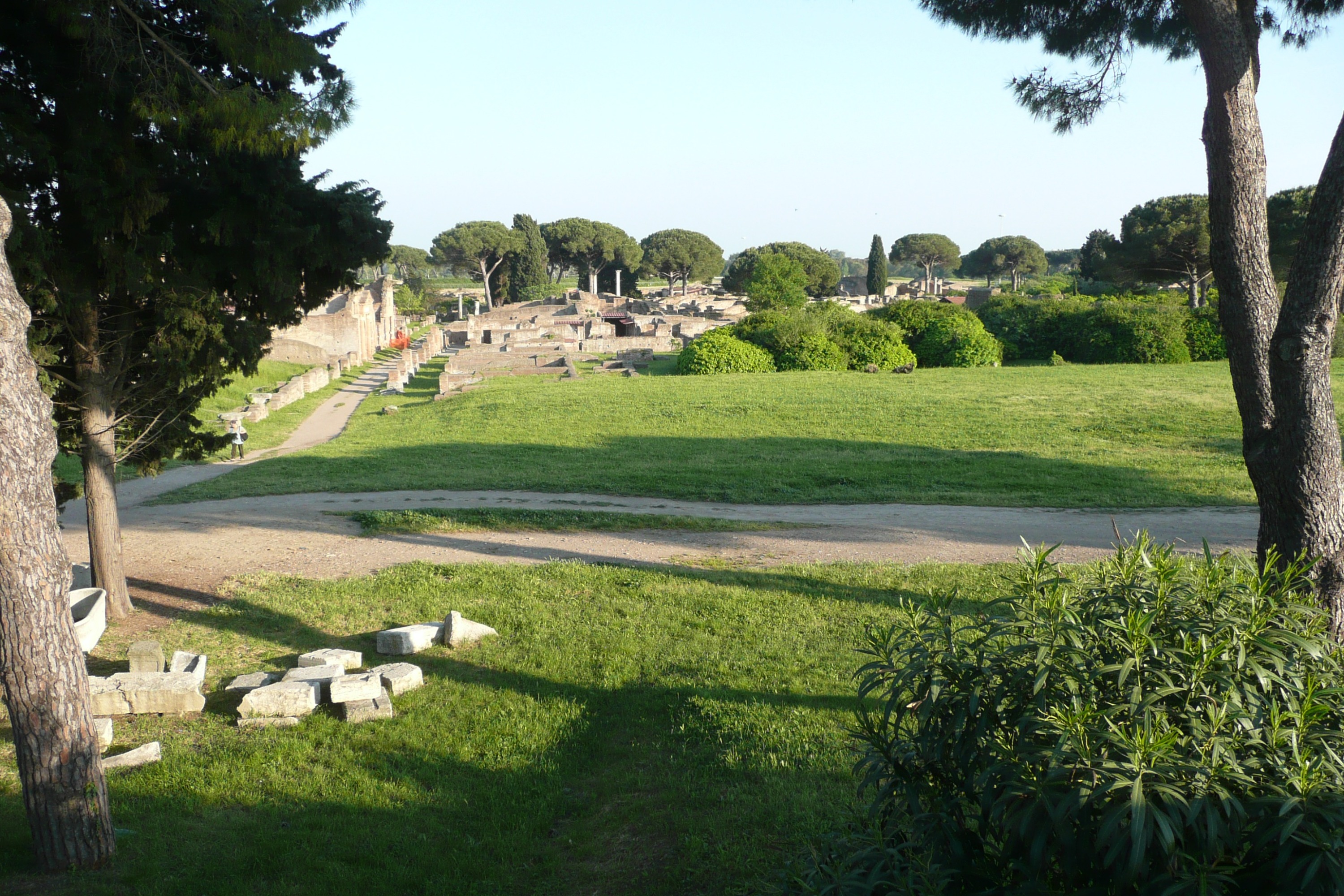
Ostia Antica
30 km from Rome • Half day
An ancient Roman port city with well-preserved ruins, including a theater, baths, and mosaics. It offers a glimpse into daily life in ancient Rome.
Tivoli
30 km from Rome • Full day
A picturesque town known for its stunning villas and gardens, including the famous Villa d'Este with its elaborate fountains and gardens.
Orvieto
120 km from Rome • Full day
A charming hilltop town known for its stunning cathedral, underground caves, and local wine. It offers a mix of history, culture, and scenic views.
Festivals
Natale di Roma • April 21
Festa de' Noantri • July
Rome Film Festival • October
Pro tips
- Visit major attractions early in the morning or late in the afternoon to avoid crowds
- Use public transport or walk instead of taking taxis to save money and experience the city like a local
- Try local specialties and ask for recommendations from locals and restaurant staff
- Dress modestly when visiting religious sites and be respectful of local customs and traditions
- Be aware of pickpockets and scams, especially in crowded areas and tourist hotspots
From $25
per person
Price varies by option
Secure booking
Free cancellation available
Instant confirmation