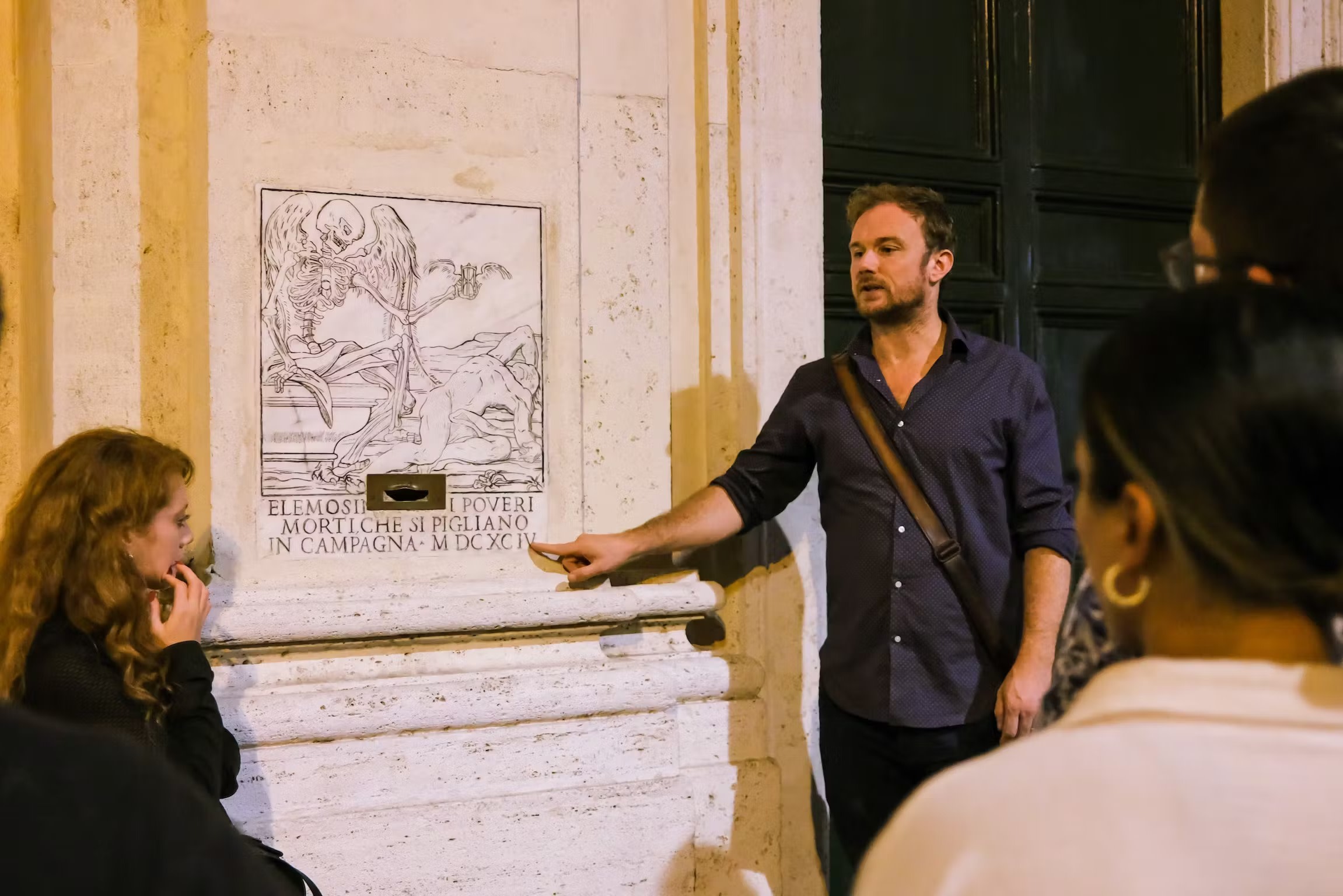
Florence Ghost & Crime Tour: Legends Murders with Tastings & Wine
Active
2h
For a full refund, cancel at least 24 hours before the scheduled departure time.
Instant confirmation
Mobile or paper ticket accepted
About this experience
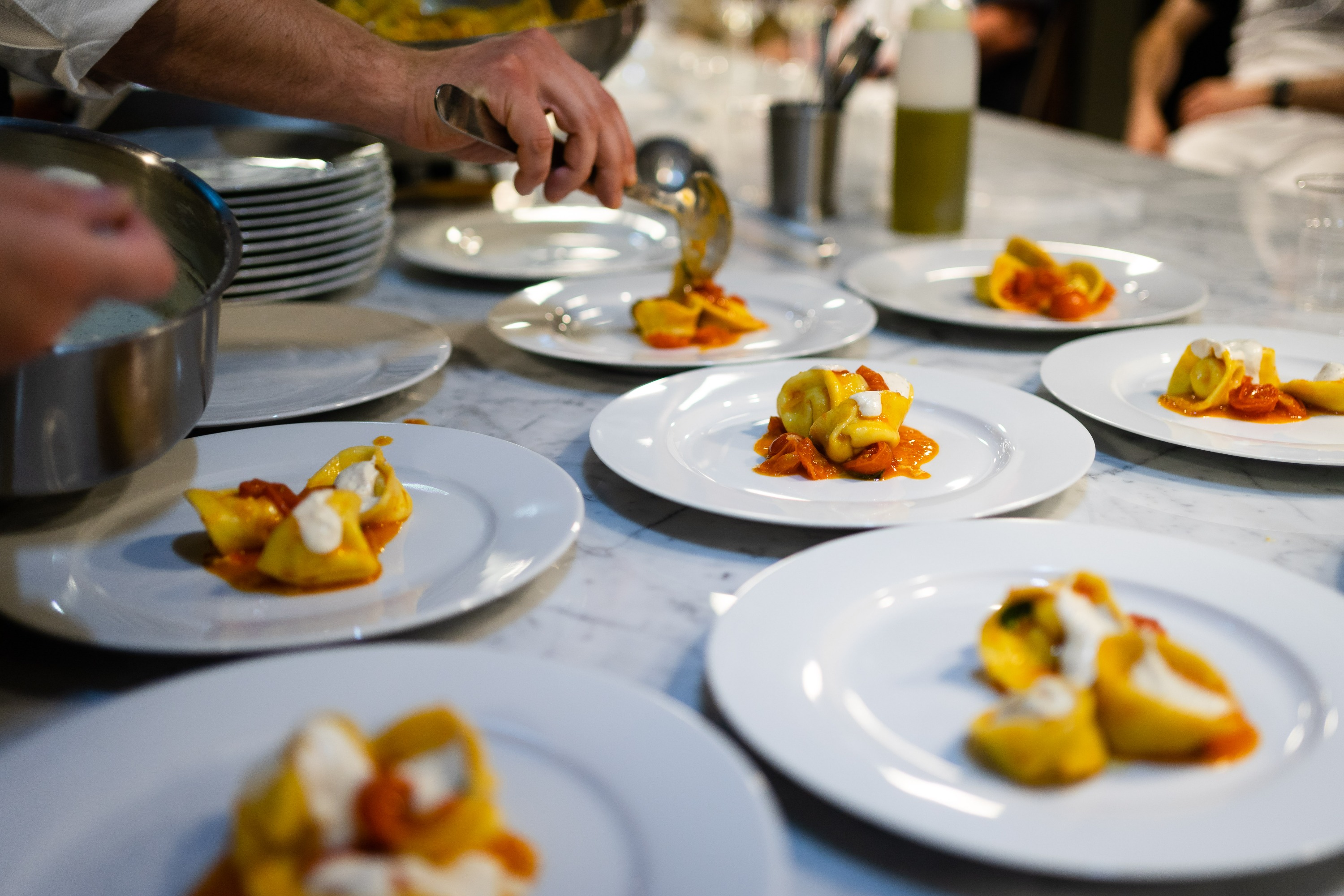
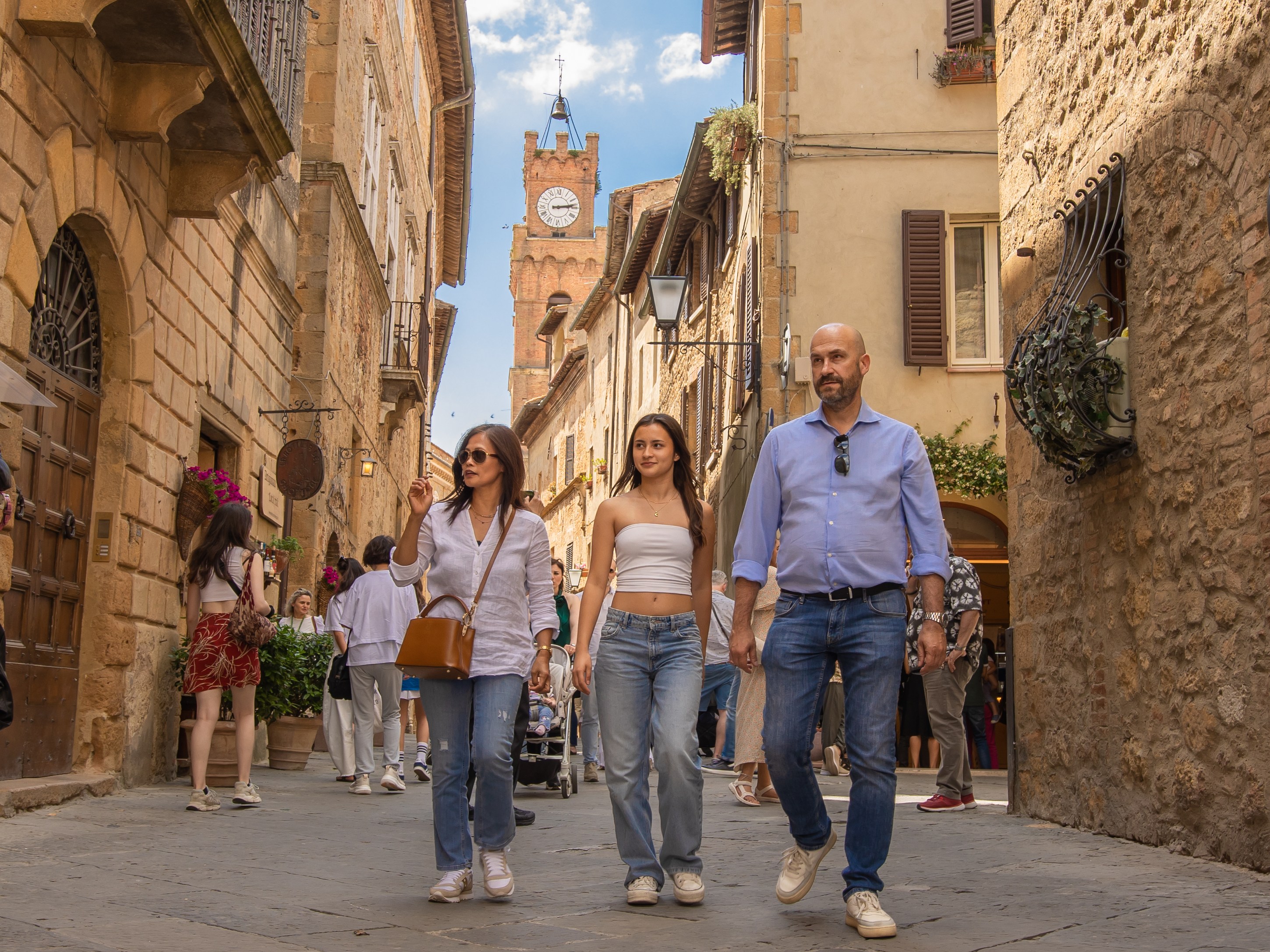
Meet your guide under the statue of Cosimo de’ Medici in Piazza della Signoria to begin a haunting journey through Florence’s darkest legends. Discover the rise and fall of the prophetic Savonarola before venturing to Piazza Sant’Elisabetta to hear the eerie tale of the Mist Witch who haunts the foggy streets. Savor traditional Tuscan flavors with a platter of cured meats and a glass of Chianti at a local prosciutteria. At the majestic Duomo, uncover the mysterious esoteric secrets hidden within Brunelleschi’s iconic dome. Walk along Via del Proconsolo, where the tragic story of Antonia da Castello still lingers, then explore the eerie history of Antonia la Nera at the Bargello museum. End your journey enjoying the sweet taste of cantucci dipped in Vin Santo, a perfect, haunting end to your ghostly tour.
Available options
Florence Ghost & Crime Tour: Legends Murders with Tastings & Wine
What's included
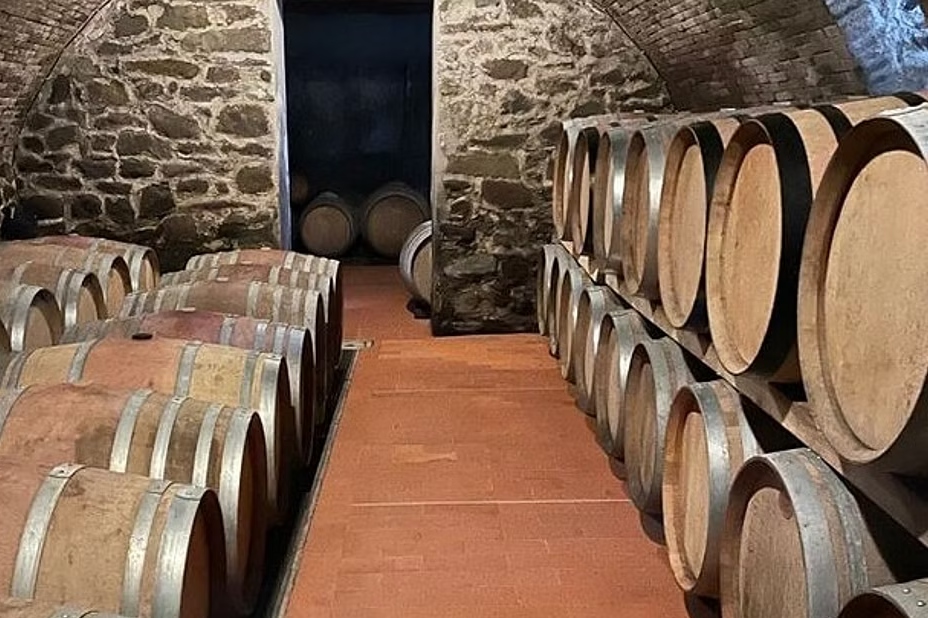
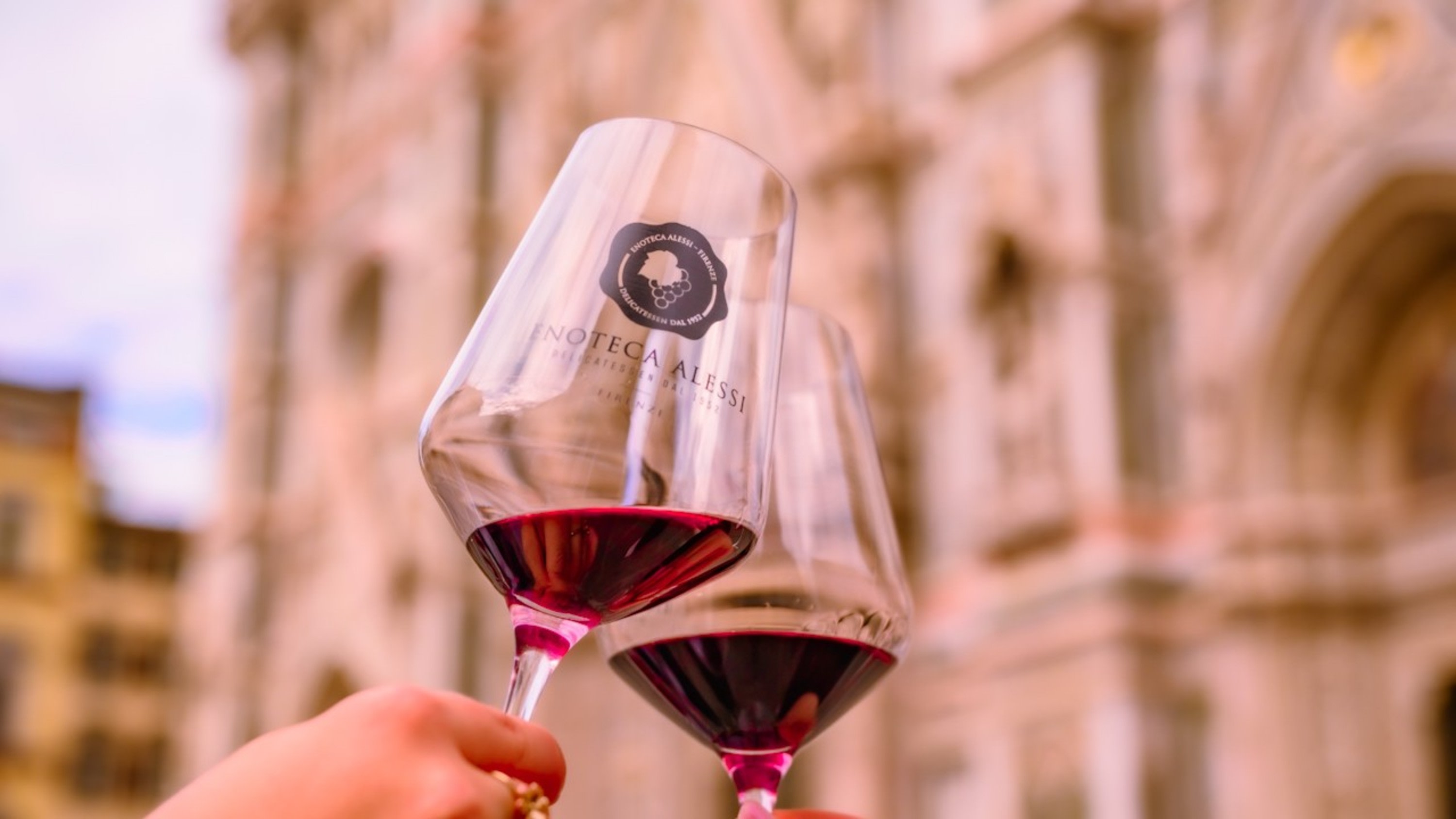
One glass of Wine and one glass of Vin Santo
Tagliere (Vegetarian Option avaiilable) and Cantucci
Detailed itinerary
1
Stop 1
Your journey into Florence’s haunted history begins in the iconic Piazza della Signoria. Your guide will be waiting for you beneath the equestrian statue of Cosimo I de’ Medici. As the shadows stretch across the stones, you’ll hear the chilling story of Girolamo Savonarola, the fanatic friar who once ruled the city with fire and fear. From the Bonfire of the Vanities, where books, art, and “sinful objects” were burned, to the very spot where he was hanged and burned alive, this square holds the memory of both his rise and gruesome fall. Even today, locals whisper that his spirit has never left. A powerful, eerie beginning to your ghostly tour.
2
Hidden behind Via dei Calzaiuoli lies the secluded Piazza Sant’Elisabetta, one of Florence’s most enigmatic corners. Here, in the swirling silence of early dawn, witnesses once claimed to see a shadow moving through the mist — a woman in black, barefoot, her eyes glowing faintly. Known as the Strega della Nebbia (the Witch of the Mist), she was believed to be a healer… or a summoner of spirits. Legends say she vanished after being accused of sorcery, leaving behind only a circle scorched into the stones. Locals avoided this place for centuries, believing her presence still lingers — especially when the fog returns.
3
Stop 3
Standing beneath the towering Cupola del Brunelleschi, you’ll uncover the hidden side of Florence’s most iconic landmark. More than an architectural miracle, the dome is believed to be a cosmic machine, rich in esoteric and alchemical symbolism. Built without scaffolding, guided by secret geometry and proportions tied to the divine, it has long been whispered that Brunelleschi was not only an architect — but an initiate of occult knowledge. Some say the dome’s eight ribs echo the path of spiritual rebirth; others believe it hides encrypted messages, sigils, and stellar alignments. As twilight deepens over Piazza del Duomo, you’ll never look at it the same way again.
4
In this narrow Florentine street once frequented by apothecaries, you’ll hear the chilling tale of Antonia da Castello, a young herbalist accused of witchcraft in 1481. She was said to prepare unguenti del Diavolo — devil’s ointments — potent salves whispered to allow flight, summon spirits, or steal the soul of a sleeping man. Arrested by the Inquisition, Antonia confessed under torture to nighttime rituals, strange visions, and speaking with shadows. But some say her knowledge was ancient, not evil — passed down from wise women before her. As we walk past the old prison walls, her fate becomes a haunting echo of Florence’s obsession with control, purity… and fear of feminine power.
5
Stop 5
Pass by
In the shadowy courtyard of the Bargello — once Florence’s most feared prison and site of public executions — we summon the memory of Antonia la Nera, a woman arrested in the late 1400s for suspected sorcery. Described in trial records as "nera di volto e spirito", she was said to possess the ability to vanish into walls, speak with the dead, and curse those who wronged her. Her cell was located deep in the stone belly of the Bargello, where screams echoed and few ever returned. Accused of trafficking with demons and brewing elixirs from bone and ash, Antonia disappeared from the records after her third interrogation — no execution, no absolution, just silence. Some say she never died… only dissolved into shadow.
What's not included
gratuities for the guide
Available languages
Guide guide
EN
Reviews breakdown
Viator
5.0
1 reviews
5★
1
4★
0
3★
0
2★
0
1★
0
Important information
Infants and small children can ride in a pram or stroller
Service animals allowed
Public transportation options are available nearby
Suitable for all physical fitness levels
Legal Drinking Age in Italy is 18 years old
Meeting point
The guide will meet you outside the entrance to the Medici Chapels
About Florence
Florence, the capital of Italy's Tuscany region, is a treasure trove of art, architecture, and history. Known as the birthplace of the Renaissance, it's home to iconic masterpieces, stunning cathedrals, and a rich cultural heritage that continues to captivate visitors from around the world.
Top Attractions
Duomo
The Florence Cathedral, known as the Duomo, is a masterpiece of Renaissance architecture. Its iconic dome, designed by Brunelleschi, offers panoramic views of the city.
Architecture/Religious
2-3 hours
Free to enter the cathedral, €18 for the climb to the dome
Uffizi Gallery
One of the world's most famous art museums, the Uffizi Gallery houses works by Botticelli, Michelangelo, and Leonardo da Vinci.
Museum/Art
2-3 hours
€20
Ponte Vecchio
A medieval stone bridge famous for its jewelry shops. It's one of the most iconic landmarks in Florence.
Architecture
30 minutes to 1 hour
Free
Piazzale Michelangelo
A panoramic terrace offering breathtaking views of Florence. It's a perfect spot for sunset and photography.
Scenic Viewpoint
1-2 hours
Free
Accademia Gallery
Home to Michelangelo's famous statue of David, the Accademia Gallery is a must-visit for art lovers.
Museum/Art
1-2 hours
€16
Must-Try Local Dishes
Bistecca alla Fiorentina
A thick-cut, grilled T-bone steak, seasoned simply with salt and pepper. It's a must-try for meat lovers.
Dinner
Contains beef, not suitable for vegetarians or vegans
Ribollita
A hearty vegetable and bread soup, traditionally made with leftover bread and vegetables. It's a classic Florentine dish.
Lunch/Dinner
Vegetarian, can be made vegan
Lampredotto
A Florentine street food made from the fourth and final stomach of a cow. It's typically served in a sandwich.
Lunch
Contains beef, not suitable for vegetarians or vegans
Cantucci
Almond biscotti traditionally served with Vin Santo, a sweet Tuscan wine. They are crunchy and perfect for dipping.
Dessert
Contains almonds, can be made gluten-free
Popular Activities
Hiking in the Tuscan countryside
Cycling tours
Hot air balloon rides
Wine tasting tours
Spa day at a luxury hotel
Strolling through the gardens of Villa medici
Visiting museums and art galleries
Attending opera or concerts
Best Time to Visit
April to June, September to October
These months offer pleasant weather and fewer crowds compared to the summer peak. Ideal for sightseeing and outdoor activities.
15-28°C
59-82°F
Practical Information
Language
- Official: Italian
- Widely spoken: English, French, Spanish
- English: Moderately spoken
Currency
Euro (EUR)
Time Zone
GMT+1 (CET), GMT+2 (CEST during daylight saving time)
Electricity
230VV, 50HzHz
Safety Information
Overall Safety Rating: Generally safe
Florence is generally safe for tourists, but pickpocketing and petty theft can occur, especially in crowded areas. Be aware of your surroundings and take precautions to protect your belongings.
Important Precautions:
- • Keep valuables secure and out of sight
- • Be cautious of your surroundings, especially in crowded areas
- • Use licensed taxis or ride-sharing apps
Getting there
By air
- Florence Airport • 5 km from city center
- Pisa International Airport • 85 km from city center
By train
Santa Maria Novella Station
By bus
Villa Costanza Bus Station, Florence Airport Bus Terminal
Getting around
Public transport
The bus network covers the entire city and is the primary mode of public transport. Buses are frequent and reliable.
Taxis
Available • Apps: MyTaxi, FreeNow
Rentals
Car, Bike, Scooter
Neighborhoods
Santa Maria Novella
Oltrarno
San Lorenzo
Santa Croce
Day trips
Siena
70 km from Florence • Half day to full day
A medieval city known for its stunning Piazza del Campo and the Palio, a traditional horse race held twice a year.
Pisa
85 km from Florence • Half day
Home to the iconic Leaning Tower of Pisa, this city offers a mix of historic sites and scenic views.
Chianti Wine Region
30-50 km from Florence • Full day
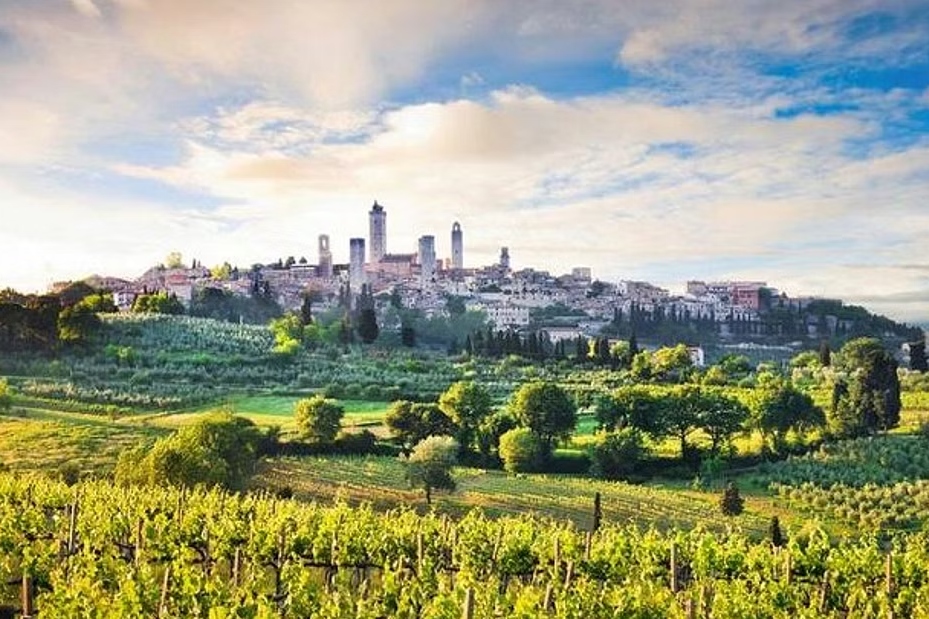
A picturesque wine region known for its rolling hills, vineyards, and charming villages.
Festivals
Festa di San Giovanni • June 24
Calcio Storico Fiorentino • June (dates vary)
Firenze dei Fiori • April to June
Pro tips
- Visit major attractions early in the morning or late in the afternoon to avoid crowds
- Book tickets for popular attractions in advance to save time and avoid long queues
- Explore the city's hidden gems, such as the Oltrarno neighborhood and the secret passages of the Palazzo Vecchio
- Try local specialties like Bistecca alla Fiorentina, Ribollita, and Lampredotto
- Learn a few basic Italian phrases to enhance your experience and connect with locals
From $25
per person
Price varies by option
Secure booking
Free cancellation available
Instant confirmation