Krakow: City Sightseeing Tour Eco Electric Buggy Golf Cart
Active
1h
For a full refund, cancel at least 24 hours before the scheduled departure time.
Instant confirmation
Mobile or paper ticket accepted
About this experience
Meet us at our meeting place and see the most interesting places in Krakow. Learn about the history of the medieval city - the Jewish Quarter - Kazimierz and Podgórze (former territory of the Krakow ghetto).
What You see on this tour ?
1. Planty Park
2. History Krakow - description
3. Jewish Quarter - description
4. Skałka Church
5. Church of St. Catherine
6. Wolnica Square - Jewish City Hall
7. Church of Corpus Christi
8. Tempel Synagogue
9. Kupa Synagogue
10. Isaac Synagogue
11. Ciemna Street
12. Old Synagogue
13. Popper Synagogue
14. Family House of Helena Rubinstein
15. Remuh Synagogue and old cemetery
16. Memorial Stone of the Nissembaum Family Foundation
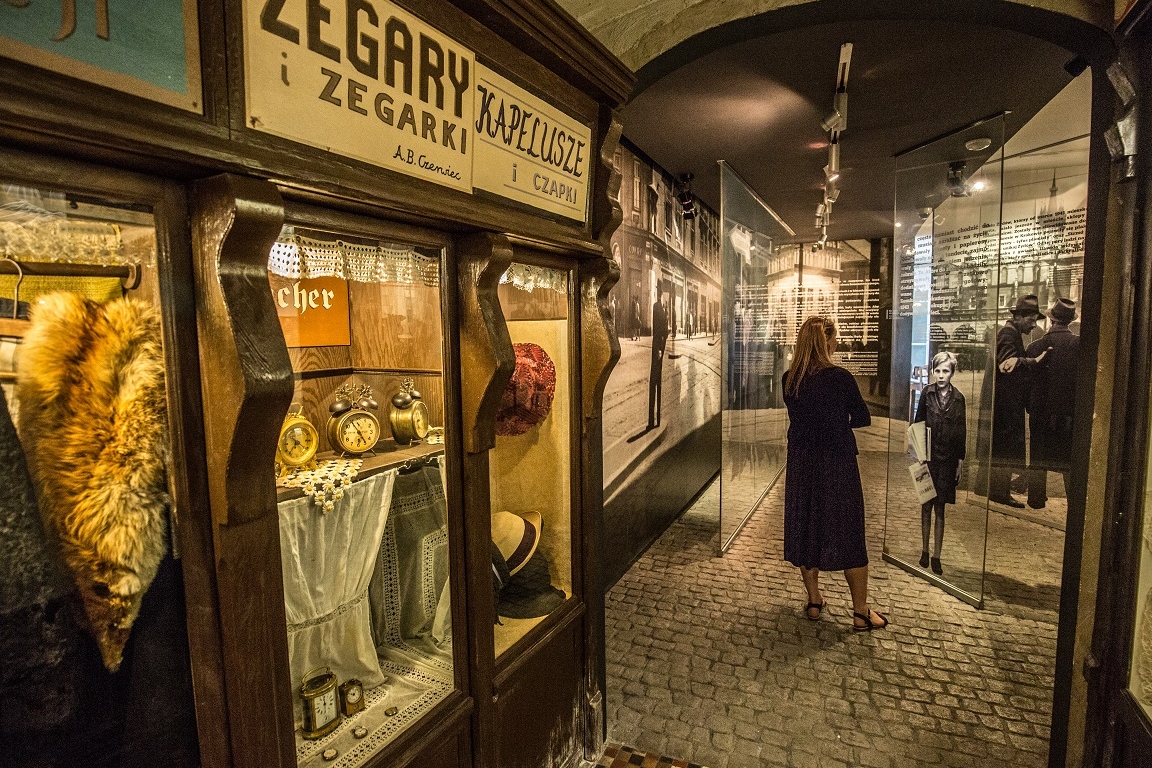
17. Old Jewish Shops
18. Former Ghetto - description
19. Ghetto Heroes Square
20. Pharmacy under the Eagle - Residence of Tadeusz Pankiewicz
21. Oskar Schindler's - history
22. Life in Ghetto - description
23. Ghetto Wall
24. Church of St. Joseph
Available options
Private Tour And Hotel Pick Up
Private driver and car : The service includes a private driver and a private electric vehicle just for your group<br/>Eco Electric Golf Buggy Cart
Group Tour from Meeting Point
Golf Cart
What's included
pick up from meeting point
time for photos
english audio guide
english speaking driver
people with a sense of humor
Detailed itinerary
1
Stop 1
Saint Michael the Archangel and Saint Stanislaus the Bishop and Martyr Basilica, also known as Skałka, which means "a small rock" in Polish, is a small outcrop in Kraków atop of which a Pauline monastery is located, a place where the Bishop of Kraków saint Stanislaus of Szczepanów was slain by order of Polish king Bolesław II the Bold in 1079. This action resulted in the king's exile and the eventual canonization of the slain bishop.
2
This square is part of the original market square of the city of Kazimierz, created in 1335 when the city was founded. It used to be as large as the Krakow market square and served similar functions - trade took place here, and there was also a town hall, where the highest administrative and judicial authorities of the city of Kazimierz had their seat.
Other public buildings were also located here: stalls, scales or a shearing room. The present name of Plac Wolnica derives from the Latin Forum liberum (the right to free trade in meat outside stalls) and has existed in this form since the end of the 18th century, when Kazimierz was granted the privilege of free trade.
3
The basilica was erected in stages beginning in 1340 until about the mid-15th century. It was intended as a monastery church, which explains the large plot of land on which it stands, and the presence of a monastic cemetery next to it. In 1404 King Władysław II Jagiełło gave it to the Canons Regular of the Lateran, a congregation which he had brought in from Kłodzko
4
Stop 4
Pass by
Until the nineteenth century, there was a so-called Libuszhof, a complex of streets and buildings. The current shape was established in the regulatory projects of 1808 and 1844. On the northern side of the square, along the defensive walls of Kazimierz, there are houses that used to belong to the Jewish hospital at the Kupa synagogue
5
Stop 5
Pass by
The Tempel Synagogue (Polish: Synagoga Tempel) is a synagogue in Kraków, Poland, in the Kazimierz district.
Tempel Synagogue is not only a major place of worship, but also a booming center of Jewish culture, which hosts numerous concerts and meetings, especially during the Festival.
6
Kupa Synagogue (Polish: Synagoga Kupa) is a 17th-century synagogue in Kraków, Poland. It is located in the former Jewish quarter of Kazimierz developed from a neighborhood earmarked in 1495 by King John I Albert (Polish: Jan I Olbracht) for the Jewish community, which has been transferred from the budding Old Town. Kupa Synagogue serves Kraków's Jewish community as one of the venues for religious ceremonies and cultural festivals, notably the annual Jewish Culture Festival in Kraków.
7
The Izaak Synagogue (Polish: Synagoga Izaaka), formally known as the Isaak Jakubowicz Synagogue, is an Orthodox Jewish synagogue from 1644 situated in the historic Kazimierz district of Kraków, Poland.The synagogue is named for its donor, Izaak Jakubowicz (d. 1673), also called Isaac the Rich, a banker to King Ladislaus IV of Poland. The synagogue was designed by Italian-born architect Francesco Olivierri.
8
High Synagogue is an inactive 16th-century Orthodox Jewish synagogue located in the Kazimierz District of Kraków, Poland. Also known as the "Tall Synagogue", the name corresponds to its height or, alternatively, because the prayer hall was situated upstairs. It is the tallest synagogue in the city and is an example of Late Renaissance architecture.
9
Stop 9
Pass by
The Old Synagogue (Polish: Synagoga Stara) was an Orthodox Jewish synagogue situated in the Kazimierz district of Kraków, Poland. In Yiddish it was referred to as the Alta Shul. It is the oldest synagogue building still standing in Poland, and one of the most precious landmarks of Jewish architecture in Europe. Until the beginning of the Second World War in 1939, it was one of the city's most important synagogues as well as the main religious, social, and organizational centre of the Kraków Jewish community.
10
The Wolf Popper Synagogue (Polish: Synagoga Poppera (Bociana)), located in Kraków, Poland, used to be one of the most splendid Jewish houses of prayer in the old Jewish quarter of Kazimierz established in a suburb earmarked in 1495 by King Jan I Olbracht. The Synagogue was founded by Wolf "The Stork" Popper in early 17th century. Its entrance was once adorned with openwork doors depicting four animals: an eagle, a leopard, a lion, and a buck deer, which symbolize the main traits of a devout man. The synagogue, featuring porches, annexes, Aron Kodesh, rich furniture and decorations, went into a decline not long after the passing of its founder and chief benefactor. At present, Popper Synagogue serves as bookshop and also as an art gallery in the women's area upstairs.
11
Rubinstein was the eldest of eight daughters born to Polish Jews, Augusta – Gitte (Gitel) Shaindel Rubinstein née Silberfeld and Horace – Naftoli Hertz Rubinstein. Her father was a shopkeeper in Kraków, Lesser Poland, which was then occupied by Austria-Hungary following the partitions of Poland in the late 18th century. The existentialist philosopher Martin Buber was her cousin. She was also the cousin of Ruth Rappaport's mother.
12
Stop 12
Pass by
The Remah Synagogue (Polish: Synagoga Remu) is a 16th-century Jewish temple and the smallest of all historic synagogues in the Kazimierz district of Kraków, Poland. The synagogue is named after Rabbi Moses Isserles (c.1525–1572), known by the Hebrew acronym ReMA (רמ״א, pronounced ReMU) who's famed for writing a collection of commentaries and additions that complement Rabbi Yosef Karo's Shulchan Aruch, with Ashkenazi traditions and customs. It is currently one of two active synagogues in the city.
13
Stop 13
Pass by
Ghetto Heroes Square (from around 1880 Mały Rynek, 1917–1948 Plac Zgody) - a square in Kraków, in the 13th district, in Podgórze.
In the years 1941–1943 it was within the Kraków ghetto. It was a place of concentration of the Jewish population before being transported to concentration camps. At number 18, there was the Pharmacy "Under the Eagle" by Tadeusz Pankiewicz, the only non-Jewish inhabitant of the ghetto.
14
Stop 14
Pass by
The Eagle Pharmacy Museum is located on the southwest edge of the Bohaterów Getta Square, under number 18 (formerly Maly Rynek, then Plac Zgody) in Kraków, Poland.
Since 1910, its proprietor was Jozef Pankiewicz and after him Tadeusz Pankiewicz (21 November 1908 – 5 November 1993), his son who ran it since 1933. Before World War II, it was one of the four pharmacies in Podgórze district. Its clients were both Polish and Jewish residents of the district. A frequent customer was, e.g., "Bikkur Cholim" charity.
In March 1941, the Germans established a ghetto in Podgórze for Kraków's Jews, Pankiewicz's pharmacy was the only one within its borders and its proprietor was the only Pole with rights to stay in it.
15
Stop 15
Pass by
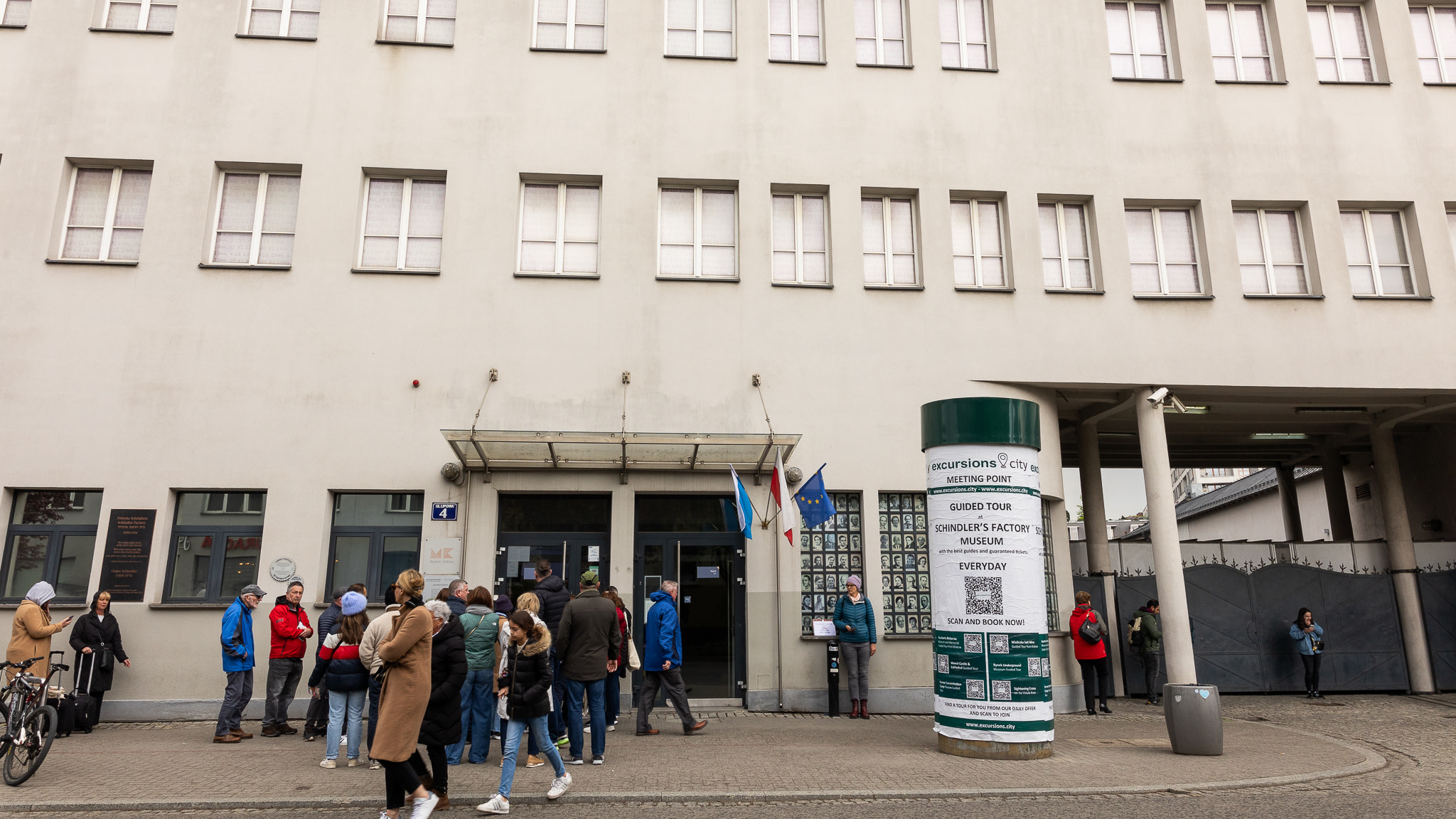
Oskar Schindler's Enamel Factory (Polish: Fabryka Emalia Oskara Schindlera) is a former metal item factory in Kraków. It now hosts two museums: the Museum of Contemporary Art in Kraków, on the former workshops, and a branch of the Historical Museum of the City of Kraków, situated at ul. Lipowa 4 (4 Lipowa Street) in the district of Zabłocie [pl], in the administrative building of the former enamel factory known as Oskar Schindler's Deutsche Emailwarenfabrik (DEF), as seen in the film Schindler's List. Operating here before DEF was the first Malopolska factory of enamelware and metal products limited liability company, instituted in March 1937.
16
Old ghetto wall
17
St. Joseph's Church (Polish: Kościół św. Józefa) is a historic Catholic church in the Podgórze district of Kraków, Poland. It is located on Podgórski Square on the northern slopes of the Krzemionki foothills in the south-central part of the city.
Available languages
Audio guide
NO
DE
RU
FI
PT
FR
HU
ZH-TW
UK
SK
SR
SV
KO
EL
EN
IT
ES
CS
AR
JA
PL
RO
HE
DA
TR
NL
Guide guide
EN
Reviews breakdown
Viator
4.6
162 reviews
5★
127
4★
20
3★
7
2★
6
1★
2
Tripadvisor
4.6
135 reviews
5★
105
4★
14
3★
11
2★
3
1★
2
Important information
Wheelchair accessible
Infants and small children can ride in a pram or stroller
Service animals allowed
Public transportation options are available nearby
Infants are required to sit on an adult’s lap
Transportation options are wheelchair accessible
All areas and surfaces are wheelchair accessible
Suitable for all physical fitness levels
Meeting point
Meet us in the large kiss-and-ride car park
Important notes
Please show the ticket to the driver before entering the vehicle.
About Krakow
Krakow, the former capital of Poland, is a city rich in history, culture, and stunning architecture. It's home to the Wawel Royal Castle, the historic Main Market Square, and the largest medieval old town in Europe. Krakow's vibrant arts scene, bustling nightlife, and proximity to Auschwitz-Birkenau and the Wieliczka Salt Mine make it a must-visit destination.
Top Attractions
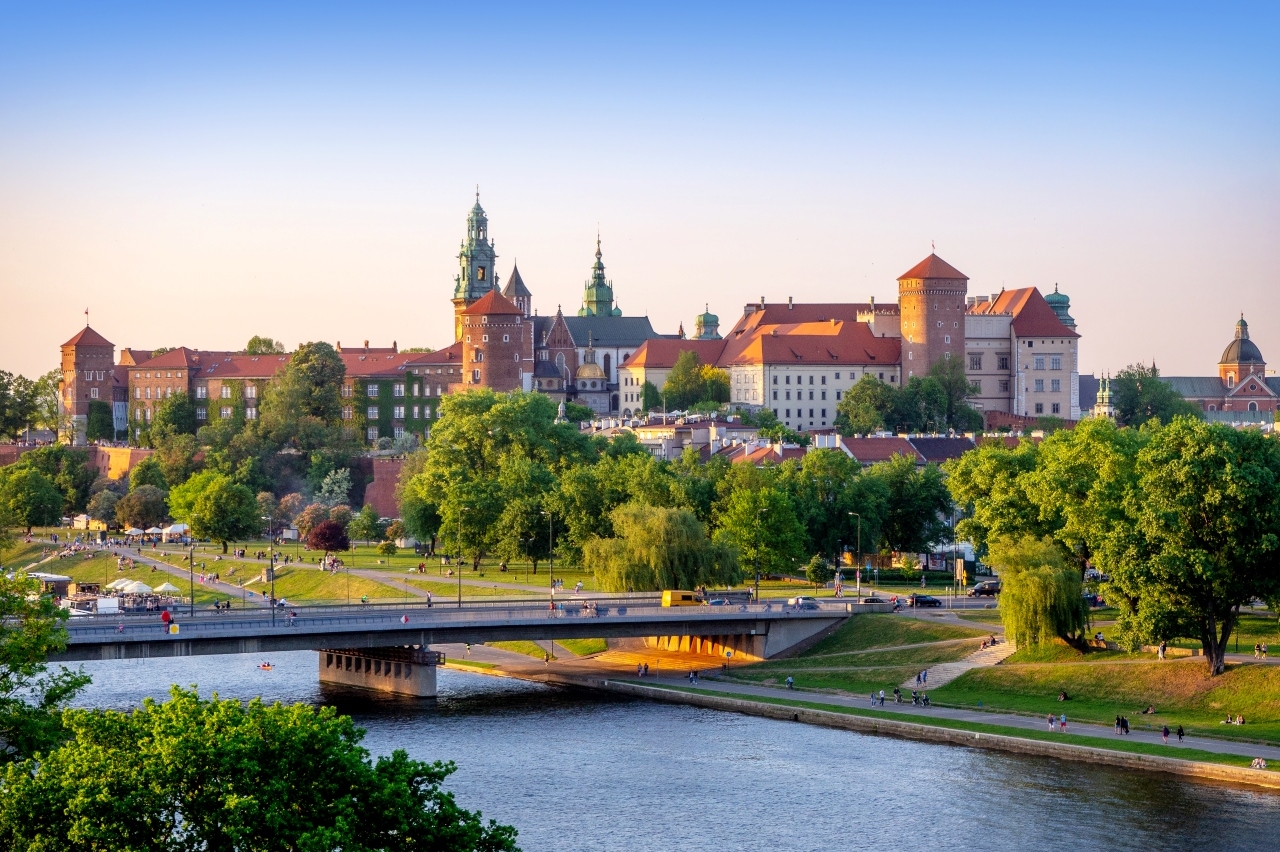
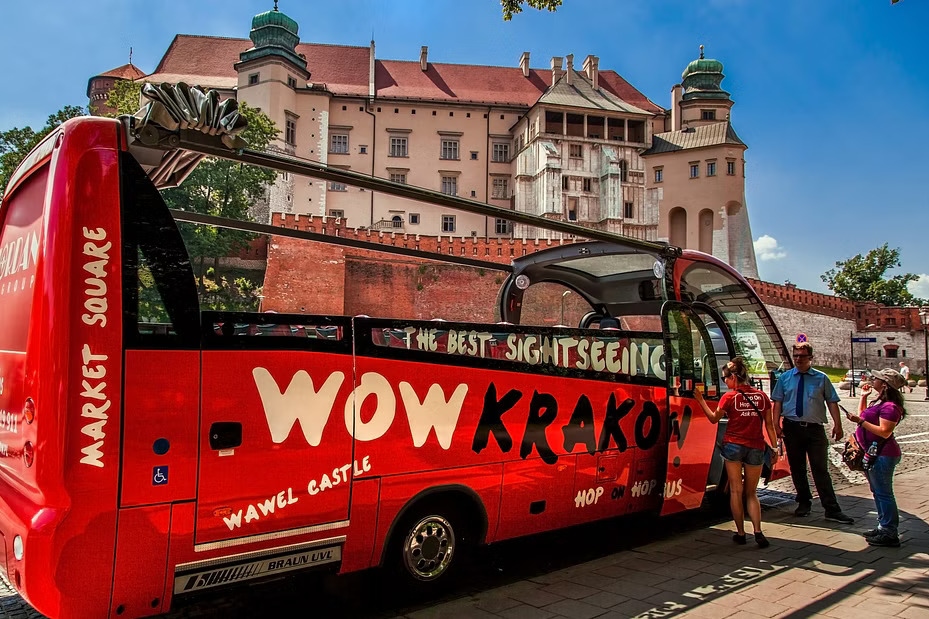
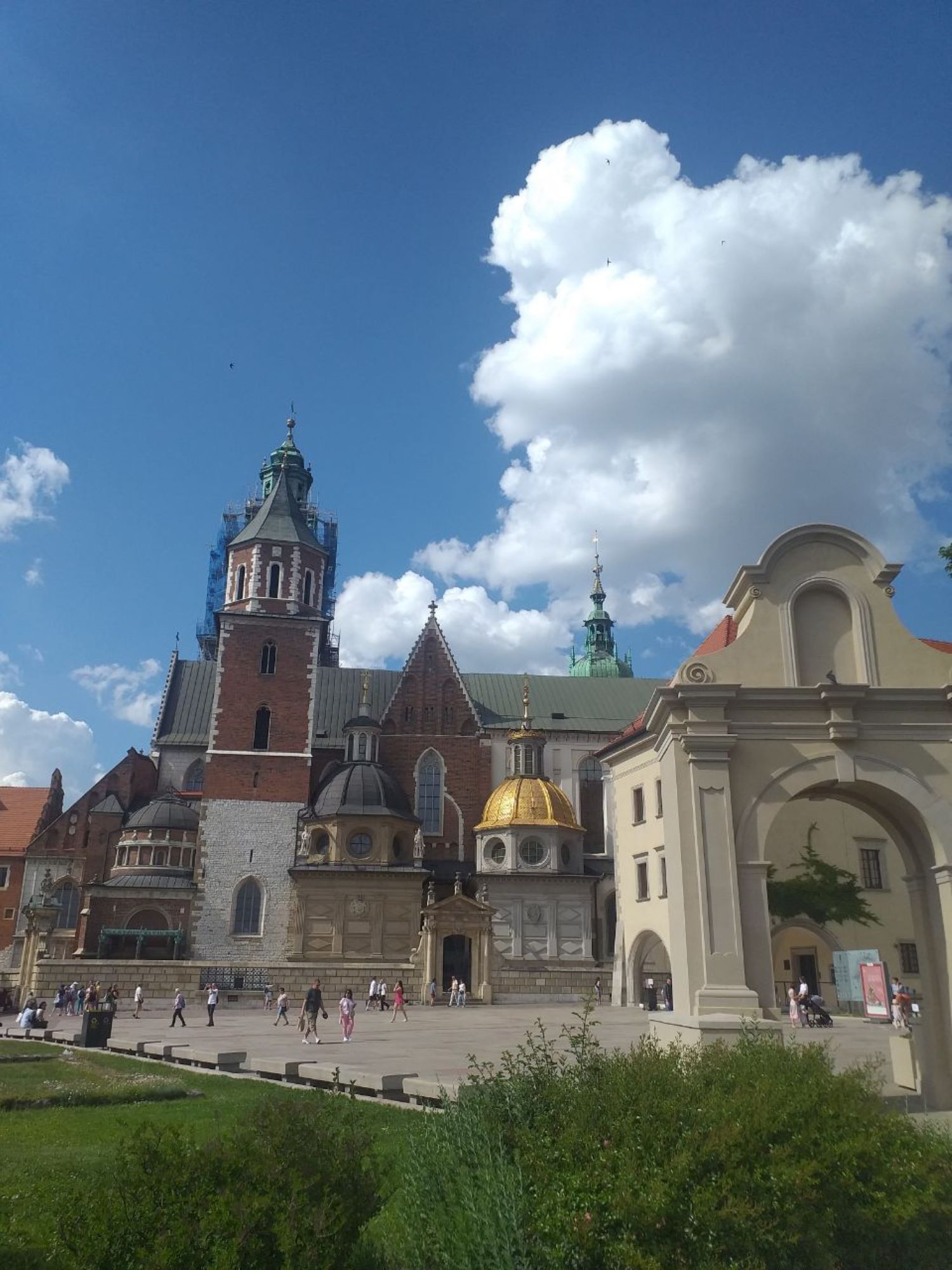
Wawel Royal Castle
This iconic castle was the residence of Polish kings and a symbol of Polish statehood. It offers a glimpse into Poland's rich history.
Historical/Architecture
2-3 hours
30-50 PLN (€7-12)
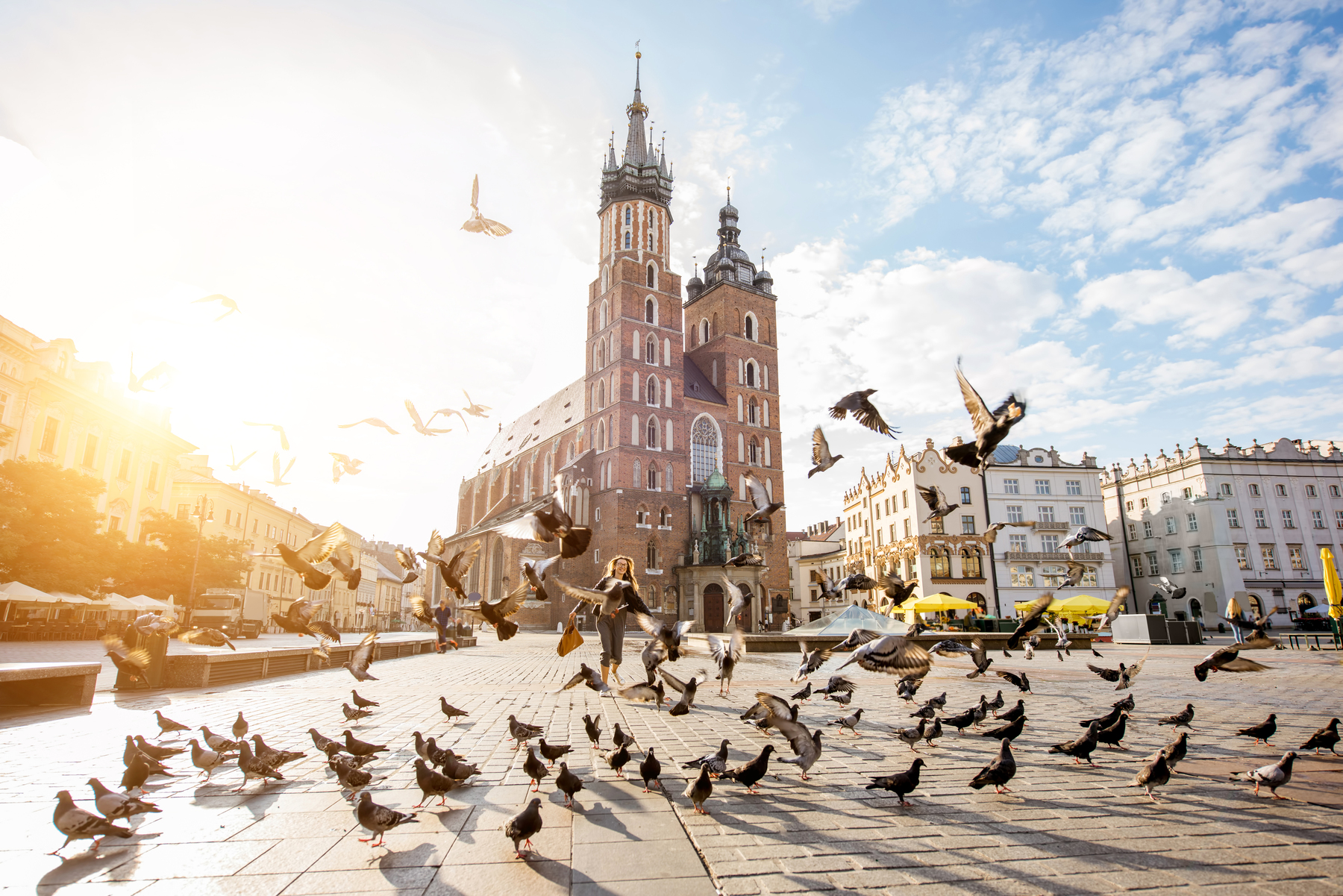
Main Market Square (Rynek Główny)
One of the largest medieval town squares in Europe, surrounded by historic buildings, cafes, and shops.
Historical/Cultural
1-2 hours
Free to explore
Wieliczka Salt Mine
A UNESCO World Heritage site featuring underground chambers, chapels, and sculptures carved out of salt.
Historical/Adventure
4-5 hours
89-139 PLN (€20-32)
Auschwitz-Birkenau Memorial and Museum
A poignant and sobering visit to the largest Nazi concentration camp, now a memorial and museum.
Historical/Educational
Full day
70-100 PLN (€16-23)
Kazimierz District
The historic Jewish quarter with a rich cultural heritage, vibrant nightlife, and charming streets.
Cultural/Historical
2-3 hours
Free to explore
Must-Try Local Dishes
Pierogi
Dumplings filled with various ingredients like meat, cheese, potatoes, or fruits.
Dinner
Can be vegetarian or vegan
Obwarzanek
A type of bread ring, similar to a bagel, often sold by street vendors.
Snack
Vegetarian
Zapiekanka
A Polish street food consisting of a half-baguette topped with mushrooms, cheese, and various condiments.
Snack
Can be vegetarian
Schabowy
A breaded pork cutlet, similar to schnitzel, often served with potatoes and cabbage.
Dinner
Contains meat
Popular Activities
Hiking in the Tatra Mountains
Skiing in Zakopane
Spa and wellness treatments
Strolling through parks and gardens
Visiting museums and galleries
Attending concerts and performances
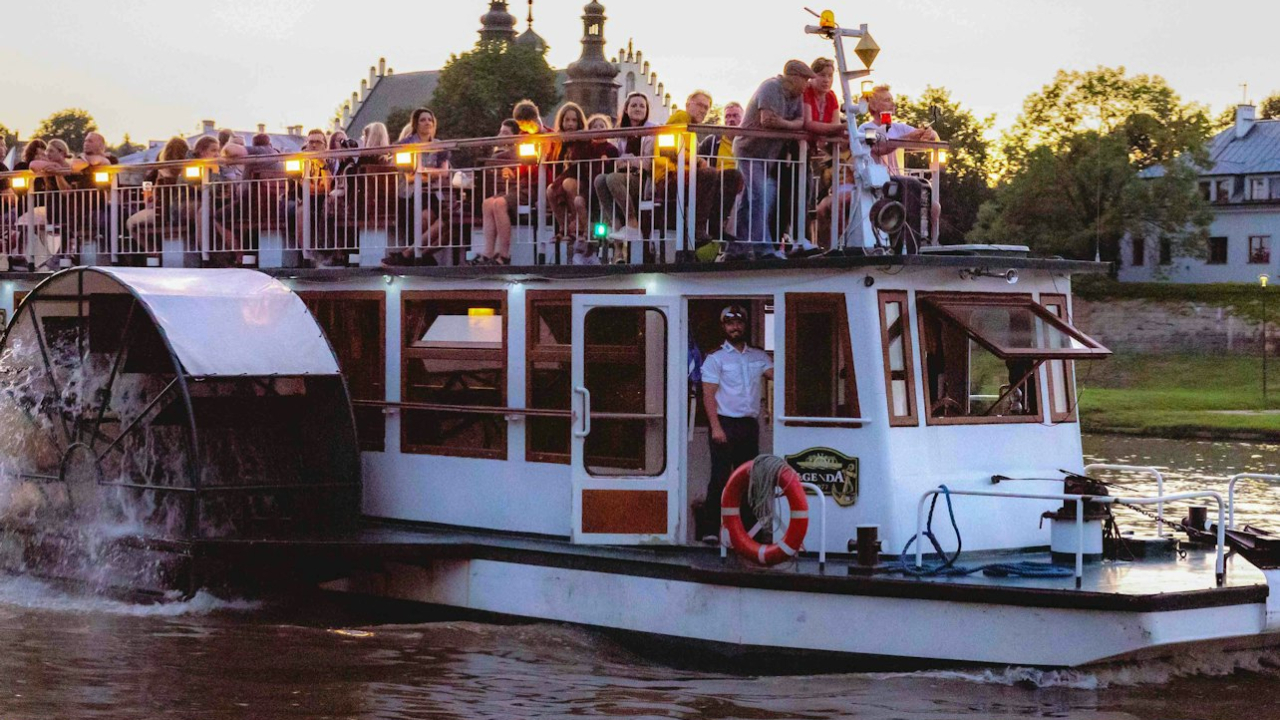
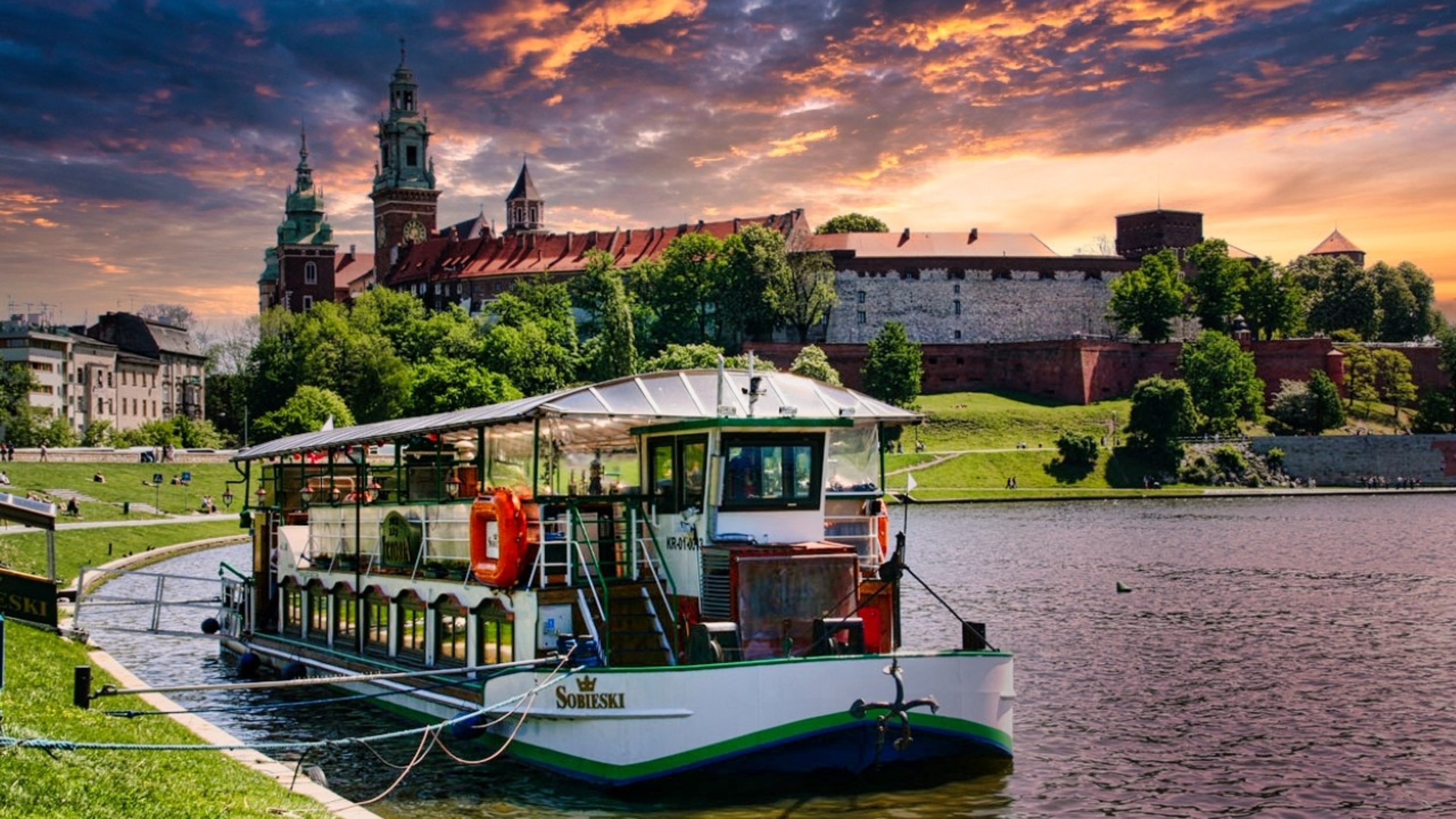
Boating on the Vistula River
Skiing and snowboarding in the nearby mountains
Best Time to Visit
May to September
This is the best time to visit Krakow for pleasant weather and outdoor activities. The city is lively with festivals and tourists.
15°C to 28°C
59°F to 82°F
Practical Information
Language
- Official: Polish
- Widely spoken: English, German, Russian
- English: Moderately spoken
Currency
Polish Złoty (PLN)
Time Zone
GMT+1 (CET), GMT+2 (CEST during daylight saving time)
Electricity
230VV, 50HzHz
Safety Information
Overall Safety Rating: Generally safe
Krakow is generally safe for tourists, but petty crime like pickpocketing can occur in crowded areas.
Important Precautions:
- • Keep valuables secure in crowded areas.
- • Use official taxis or ride-hailing apps.
- • Be cautious when withdrawing money from ATMs.
Getting there
By air
- John Paul II International Airport Krakow-Balice • 11 km from city center
By train
Krakow Glowny, Krakow Plaza
By bus
Krakow Main Bus Station, Młocińscy Bus Station
Getting around
Public transport
Krakow's tram system is efficient and covers most of the city. Trams are comfortable and frequent.
Taxis
Available • Apps: Bolt, FreeNow
Rentals
Car, Bike, Scooter
Neighborhoods
Old Town (Stare Miasto)
Kazimierz
Nowa Huta
Zakrzówek
Day trips
Wieliczka Salt Mine
14 km from Krakow • Full day
Explore the underground chambers, chapels, and sculptures carved out of salt in this UNESCO World Heritage site.
Auschwitz-Birkenau Memorial and Museum
70 km from Krakow • Full day
Visit the largest Nazi concentration camp, now a memorial and museum, to learn about the Holocaust.
Zakopane
100 km from Krakow • Full day
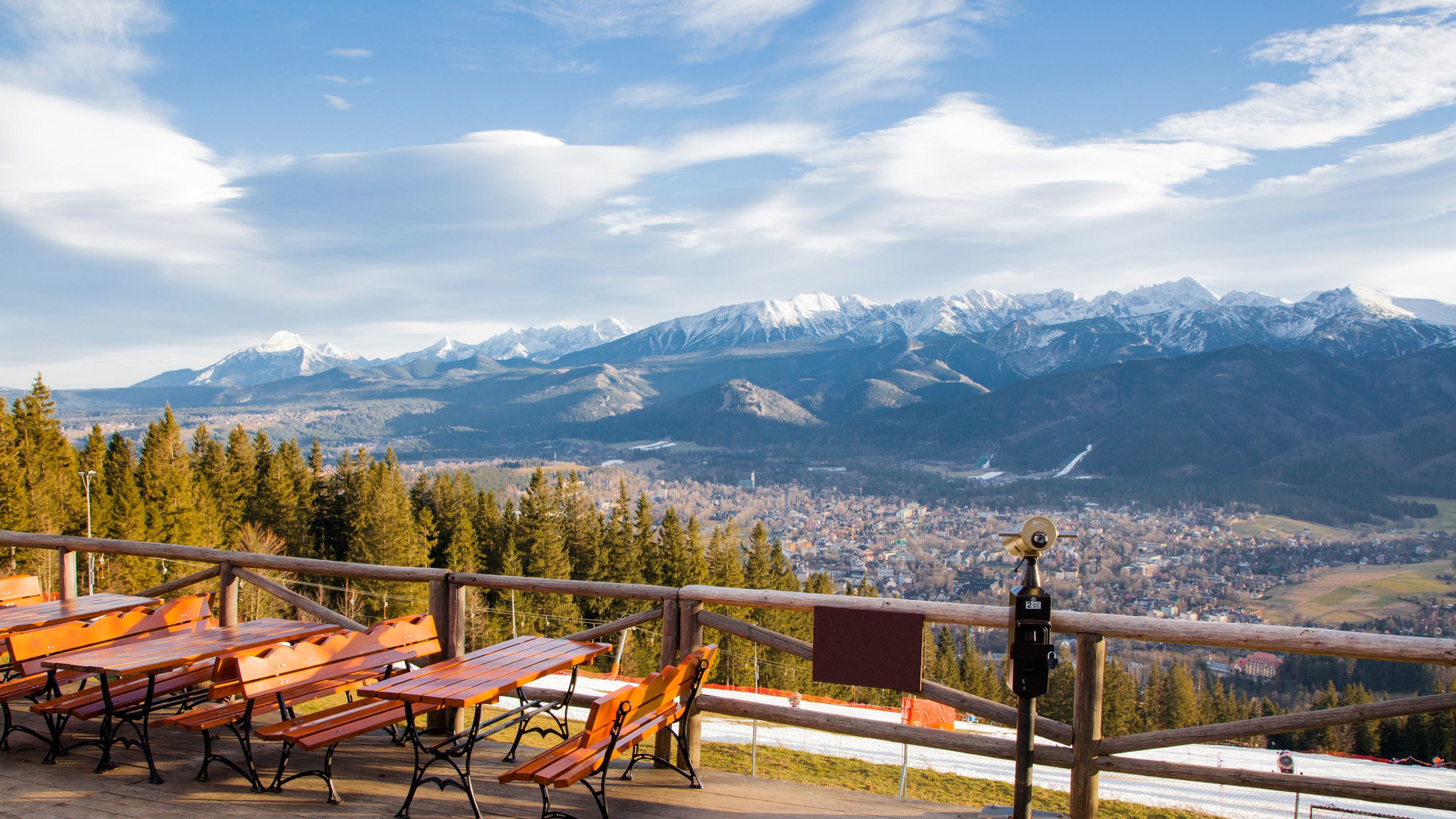
A picturesque mountain town known for its stunning scenery, hiking trails, and skiing opportunities.
Festivals
Krakow Jewish Festival • June or July (annual)
Krakow Film Festival • May (annual)
Krakow Christmas Market • December (annual)
Pro tips
- Use the Krakow Card for unlimited public transport and free entry to many attractions.
- Visit the Wawel Dragon statue and make a wish by placing a coin in its mouth.
- Try traditional Polish dishes like pierogi and żurek at local restaurants.
- Explore the Kazimierz district for its vibrant nightlife and cultural scene.
- Take a day trip to the Wieliczka Salt Mine or Auschwitz-Birkenau for a deeper understanding of Polish history.
From $25
per person
Price varies by option
Secure booking
Free cancellation available
Instant confirmation